Ask Ayurvedic doctor a question and get a consultation online on the problem of your concern in a free or paid mode. More than 2,000 experienced doctors work and wait for your questions on our site and help users to solve their health problems every day.


Body DetoxEar, Nose, and Throat DisordersGeriatrics & RejuvenationImmunodeficiencyInfertility TreatmentNutritionOrthopedic DisordersPediatricsRespiratory DisordersSexually Transmitted Diseases (STDs)Surgery RecoveryUrological DisordersVascular DisordersDental DisordersEndocrinological DisordersGastrointestinal DisordersYoga TherapyGeneral MedicineAllergic DisordersCardio DisordersGynecology and ObstetricsCosmetologySkin and Hair DisordersEye DisordersInfectious DiseasesMental DisordersNeurological DisordersOncologyPanchakarmaSexual Health & DisordersSports Medicine
Published on 11/06/24
(Updated on 08/12/26)
4,483
Understanding Hydrocele in Ayurveda
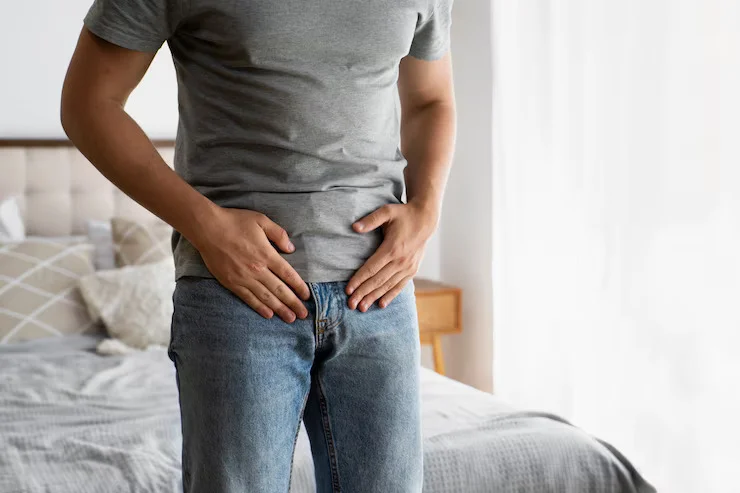
Hydrocele — the accumulation of fluid around one or both testicles — is one of the most common scrotal conditions affecting men worldwide. In Ayurveda, this condition is known as Mutraja Vriddhi (मूत्रज वृद्धि), a type of scrotal swelling classified under Vriddhi Roga in classical texts like Sushruta Samhita and Ashtanga Hridaya. The Ayurvedic approach doesn't just aim to drain the fluid; it addresses the root cause — a disturbed Vata-Kapha balance — through internal medicines, external therapies, Panchakarma procedures, dietary changes, and specific yoga practices.
If you're looking for a clear, evidence-informed breakdown of how Ayurveda treats hydrocele, when it works, when surgery is genuinely necessary, and what you can safely do at home — this guide covers it all.
What Is Hydrocele Called in Ayurveda?
Hydrocele is identified as Mutraja Vriddhi in Ayurvedic literature. The term Vriddhi literally means "enlargement" or "swelling," and Mutraja indicates its association with fluid (Mutra dhatu — the urinary/watery component of the body).
Acharya Sushruta, often called the father of surgery, described seven types of Vriddhi in the Sushruta Samhita, Nidana Sthana Chapter 12. Among these, Mutraja Vriddhi closely corresponds to what modern medicine calls hydrocele — a painless, fluid-filled sac surrounding the testis within the tunica vaginalis.
The Dosha Connection: Why Fluid Accumulates
The Ayurvedic pathogenesis (Samprapti) of hydrocele is rooted in a Vata-Kapha imbalance:
- Vata (specifically Apana Vayu) governs downward movement in the pelvic and inguinal region. When Apana Vayu is vitiated, it disrupts the normal flow and drainage of fluids.
- Kapha dosha is inherently related to fluid, mucus, and accumulation. When aggravated Kapha settles in the Vata-dominant zone (the scrotum and inguinal canal), fluid begins to accumulate and stagnate.
Think of it this way: Vata creates the space and dysfunction, Kapha fills it with fluid. This is why Ayurvedic treatment targets both doshas simultaneously — restoring Vata's normal movement while reducing Kapha's tendency to accumulate.
- In some cases, Pitta involvement is also seen, especially when the hydrocele is secondary to infection, trauma, or inflammation (reactive hydrocele).
- These cases present with redness, warmth, and pain — and require a modified treatment approach.
Types of Hydrocele: What Ayurveda and Modern Medicine Both Recognize
Neither modern medicine nor Ayurveda treats all hydroceles the same way. Understanding the type matters for choosing the right approach.
| Type | Modern Description | Ayurvedic Correlation | Key Feature |
|---|---|---|---|
| Primary (Idiopathic) | No identifiable cause; common in men over 40 | Vataja-Kaphaja Vriddhi | Painless, gradual swelling |
| Communicating | Connection between peritoneal cavity and scrotum (patent processus vaginalis) | Relevant in pediatric Vriddhi | Size changes with position/crying |
| Non-communicating | Closed sac, no peritoneal connection | Classic Mutraja Vriddhi | Fixed swelling, transilluminates |
| Reactive/Secondary | Due to infection, injury, or tumor | Pittaja or Abhighataja Vriddhi | Pain, redness, warmth |
| Encysted hydrocele of the cord | Fluid collection along the spermatic cord | Sira-granthi association | Separate from testis |
Critical note: Hydrocele can sometimes mask a testicular tumor or inguinal hernia. If the swelling appeared suddenly, is painful, or does not transilluminate (allow light to pass through), a medical evaluation with ultrasound is essential before starting any treatment.
Can Hydrocele Be Cured Naturally?
Yes — but with important caveats. Mild to moderate hydroceles, particularly those that are primary/idiopathic and relatively recent, often respond well to Ayurvedic management. Classical texts describe complete resolution (Vriddhi Shamana) through a combination of internal medicines, external applications, and procedural therapies.
However, being honest about limitations matters. Large, long-standing hydroceles (especially those exceeding 200-300 mL of fluid), communicating hydroceles requiring anatomical repair, and secondary hydroceles caused by tumors will typically require surgical intervention — and no responsible Ayurvedic practitioner should claim otherwise.
When Ayurveda Is Most Effective
- Hydrocele size is small to moderate (clinically less than a medium lemon)
- Duration is less than 1-2 years
- No underlying pathology like tumor or hernia
- Patient can commit to 3-6 months of consistent treatment
- Primary/idiopathic type with gradual onset
When Surgery Becomes Necessary
- Very large hydrocele causing functional impairment
- Communicating hydrocele that persists beyond age 2 in children
- Suspected underlying malignancy or hernia
- Recurrent hydrocele after aspiration
- Significant pain or complications like infection
A 2018 observational study published in the International Journal of Research in Ayurveda and Pharmacy reported that Ayurvedic formulations showed measurable reduction in scrotal swelling in mild-to-moderate cases over a 90-day treatment period, though the authors emphasized the need for larger controlled trials.
Best Ayurvedic Medicine for Hydrocele
Ayurvedic treatment for hydrocele works on multiple levels: reducing fluid accumulation (Kleda Shamana), balancing Vata and Kapha, improving lymphatic drainage, and strengthening the tissues of the scrotum and inguinal region.
Classical Formulations (Compound Medicines)
These are time-tested polyherbal formulations described in classical texts:
Vridhivadhika Vati
This is considered the primary Ayurvedic medicine for all types of Vriddhi (scrotal enlargement). Described in Bhaishajya Ratnavali, it contains Shuddha Parada (purified mercury), Shuddha Gandhaka (purified sulfur), Loha Bhasma, Triphala, Kanchnar bark, and other ingredients.
- Typical dosage: 250-375 mg twice daily with lukewarm water
- Duration: 1-3 months under practitioner supervision
- Caution: Can cause vertigo, a burning sensation, or gastric discomfort in some individuals.
- Should NOT be self-prescribed — the mercury and sulfur components require proper purification (Shodhana), and quality control varies significantly between manufacturers.
Chandraprabha Vati
A broad-spectrum formulation with 37 ingredients that acts on the urinary and reproductive systems. It is particularly effective for the Mutraja (urinary) component of hydrocele.
- Dosage: 2 tablets (500 mg each) twice daily
- Best for: Reducing fluid production and improving overall urogenital health
Kanchanara Guggulu
Specifically indicated for abnormal growths, swellings, and fluid accumulations. The primary herb Kanchanara (Bauhinia variegata) has documented anti-inflammatory and lymphatic-stimulating properties.
- Dosage: 2 tablets twice or thrice daily after meals
- Mechanism: Improves lymphatic drainage, reduces Kapha-mediated swelling
Punarnavadi Kashayam
A decoction-based formulation centered on Punarnava (Boerhavia diffusa), one of Ayurveda's most potent diuretics and anti-edema herbs. A 2014 pharmacological review in the Journal of Ethnopharmacology confirmed Punarnava's significant anti-inflammatory and diuretic activities in animal models.
- Dosage: 15-20 mL with equal water, twice daily before meals
Arogyavardhini Vati
Primarily a liver and metabolism corrector, it is used in hydrocele treatment to improve overall fluid metabolism and reduce toxin accumulation (Ama).
| Formulation | Primary Action | Dosage | Best For |
|---|---|---|---|
| Vridhivadhika Vati | Anti-Vriddhi (anti-swelling) | 250-375 mg, 2x/day | Direct scrotal swelling |
| Chandraprabha Vati | Urogenital tonic | 500 mg, 2x/day | Fluid reduction |
| Kanchanara Guggulu | Lymphatic drainage | 500 mg, 2-3x/day | Chronic swelling |
| Punarnavadi Kashayam | Diuretic, anti-edema | 15-20 mL, 2x/day | Fluid absorption |
| Arogyavardhini Vati | Metabolic correction | 250 mg, 2x/day | Ama-related cases |
Single Herbs That Help
Beyond compound formulations, several individual herbs show particular promise:
- Punarnava (Boerhavia diffusa): The most important single herb for hydrocele. Its very name means "one that renews the body." Strong diuretic, anti-inflammatory, and fluid-regulating properties.
- Gokshura (Tribulus terrestris): Supports urinary tract health and reduces scrotal discomfort. A 2012 review in Pharmacognosy Reviews highlighted its anti-inflammatory and mild diuretic effects.
- Varuna (Crataeva nurvala): Classical Ayurvedic herb for urinary and scrotal conditions. Acts as a lithotriptic and fluid regulator.
- Haritaki (Terminalia chebula): Part of Triphala; specifically useful for Vataja conditions.
- Sushruta describes Haritaki Yoga — powdered Haritaki with warm water — as a daily adjunct for Vriddhi.
- Eranda (Ricinus communis) root: Used in decoction form (Eranda Mula Kashayam) for its strong Vata-pacifying and anti-inflammatory action.
- Shigru (Moringa oleifera): Applied as a paste externally and used internally; particularly useful in Kaphaja variants.
- Ashwagandha (Withania somnifera): Supports tissue strength and general vitality; used as an adjuvant rather than primary treatment.
Ayurvedic External Therapies and Procedures for Hydrocele
Ayurveda doesn't rely solely on oral medicines. External therapies play a crucial role, especially in reducing swelling and discomfort more quickly.
Swedana (Fomentation Therapy)
- Swedana — the application of therapeutic heat — is often the first line of external treatment.
- For hydrocele, two specific methods are described:
- Nadi Swedana: Directed steam therapy to the scrotal region using medicated decoctions (often containing Dashamoola or Eranda).
- Patra Pinda Swedana: Bolus bags of medicinal leaves applied warm to the affected area.
This helps improve local circulation, reduce Kapha accumulation, and relieve the heaviness and dull ache associated with hydrocele.
External Applications (Lepa and Kalka)
Several pastes are described in classical texts for direct application over the swollen scrotum:
- Vachadi Kalka: A paste of Vacha (Acorus calamus) and other herbs applied locally to reduce swelling
- Shigru-Sarshapa Kalka: Moringa and mustard seed paste — produces a warming effect that helps fluid absorption
- Narayana Taila: A medicated oil applied through gentle massage to the inguinal and scrotal region; balances Vata and improves tissue health
How to Apply External Treatments Safely
- Warm the oil or paste to a comfortable temperature (never hot)
- Apply gently — do NOT press hard on the swelling
- Leave on for 20-30 minutes
- Follow with mild Swedana if recommended by your practitioner
- Clean with lukewarm water
Vedhana Karma: Ayurvedic Surgical Drainage
Sushruta described a minimally invasive procedure called Vedhana Karma for hydrocele that is remarkably similar to modern aspiration. The procedure uses a specialized instrument called Vrihimukha Shastra — a trocar-like pointed instrument.
The classical steps include:
- Patient positioning and local preparation
- Puncture at a specific site avoiding blood vessels
- Controlled drainage of fluid
- Application of Sthagika Bandhana (compression bandage)
- Post-procedure wound healing with Ropana (healing) drugs
This is performed only by qualified Ayurvedic surgeons (Shalya Tantra specialists) and is reserved for cases where medicines alone are insufficient.
Panchakarma Protocol for Hydrocele
For chronic or recurrent hydroceles, a structured Panchakarma detoxification program is recommended:
- 1.Virechana (Therapeutic purgation): Clears Pitta and Kapha from the system, reduces overall fluid retention
- 2.Basti (Medicated enema): Specifically targets Apana Vayu — the most important intervention for Vata correction in the pelvic region. Dashamoola Basti and Erandamuladi Basti are commonly used.
- 3.Raktamokshana (Bloodletting): Used in Pitta-dominant or reactive hydroceles to reduce local inflammation. Typically done using Jalaukavacharana (leech therapy).

Diet for Hydrocele: What to Eat and What to Avoid (Pathya-Apathya)
Diet is not a minor footnote in Ayurvedic treatment — it's a core component. The wrong foods can directly aggravate Kapha and worsen fluid accumulation, undoing the benefits of medicine.
Foods to Include (Pathya)
- Old rice (Purana Shali) and barley — lighter grains that don't increase Kapha
- Green gram (Moong dal) — the most recommended lentil in Ayurveda for its lightness
- Bitter and astringent vegetables: Bitter gourd, drumstick (Moringa), pointed gourd (parwal), bottle gourd
- Warm water and ginger tea — improves Agni (digestive fire) and reduces Ama
- Turmeric milk — anti-inflammatory, Kapha-reducing
- Light, warm, freshly cooked meals
- Buttermilk (Takra) — specifically recommended for Vriddhi conditions
Foods to Avoid (Apathya)
- Curd/yogurt (especially at night) — heavily Kapha-increasing
- Cold foods and beverages — suppress Agni and increase fluid stagnation
- Fried and oily foods — aggravate both Kapha and Pitta
- Excessive salt — promotes water retention
- Heavy meats, especially red meat — difficult to digest, increases Kapha
- Refined sugar and sweets — direct Kapha aggravators
- Fermented foods — can increase Pitta and inflammation
- Sour foods in excess — increase fluid retention
Don't wait or self medicate. Start chat with Doctor NOW
Yoga Asanas for Hydrocele: Improving Pelvic Circulation
- While no clinical trial has specifically studied yoga for hydrocele, the physiological rationale is sound: improved blood and lymphatic circulation in the pelvic region supports fluid drainage and Vata balance.
- Several asanas are relevant:
Recommended Asanas
- Vajrasana (Thunderbolt Pose): The only asana recommended after meals. Improves pelvic blood flow and digestion. Sit on heels with spine straight for 5-10 minutes after eating.
- Garudasana (Eagle Pose): Compresses and then releases the pelvic region, encouraging lymphatic movement. Hold each side for 30 seconds.
- Viparita Karani (Legs Up the Wall): Uses gravity to assist fluid drainage from the scrotal region. Practice for 5-10 minutes daily. Particularly useful for men with mild hydrocele.
- Ashwini Mudra: Rhythmic contraction and relaxation of the anal sphincter — directly stimulates Apana Vayu. Practice 20-30 contractions, 2-3 sets daily.
- Padmasana (Lotus Pose) with Mula Bandha: Engages the pelvic floor and supports downward energy regulation.
- Sarvangasana (Shoulder Stand): Inversion helps reverse fluid pooling, but should be practiced only under guidance if you have significant swelling.
Practices to Avoid
- Heavy weight lifting and straining exercises
- Prolonged cycling
- Any exercise that causes significant intra-abdominal pressure increase
- Hot yoga (excessive heat can aggravate Pitta in reactive hydroceles)
Hydrocele in Children: The Ayurvedic Perspective
Hydrocele in newborns and infants is extremely common — it occurs in approximately 1-2% of neonates. In most cases, it results from a patent processus vaginalis (communicating type) and resolves spontaneously within 12-24 months as the processus closes naturally.
What Ayurveda Recommends for Pediatric Cases
Ayurveda takes a conservative, gentle approach for children:
- No aggressive internal medications for infants under 1 year — the condition is expected to self-resolve
- Gentle abdominal massage with Bala Taila or Narayana Taila to support healthy tissue development
- Maternal diet modification (if breastfeeding) — the mother should follow Kapha-reducing foods
- Monitoring: If the hydrocele persists beyond age 2 or increases in size, consultation with both an Ayurvedic and a modern surgeon is recommended
Important: A hydrocele in a child that suddenly becomes painful, red, or hard requires immediate medical evaluation to rule out incarcerated hernia or testicular torsion. These are surgical emergencies.
Ayurveda vs Surgery for Hydrocele: An Honest Comparison
- No article on this topic is complete without an objective comparison.
- Here's what each approach genuinely offers:
| Parameter | Ayurvedic Treatment | Surgical Treatment (Hydrocelectomy) |
|---|---|---|
| Best for | Mild to moderate, primary hydrocele | Large, communicating, or complicated hydrocele |
| Time to results | 1-6 months | Immediate (post-surgical recovery: 2-4 weeks) |
| Recurrence rate | Limited data; some practitioners report 15-25% | Approximately 1-5% for hydrocelectomy |
| Invasiveness | Non-invasive (except Vedhana Karma) | Surgical incision under anesthesia |
| Cost (India) | ₹2,000-8,000/month for medicines | ₹25,000-1,00,000+ depending on hospital |
| Risks | Possible GI effects from medicines; delayed treatment of serious pathology | Infection, hematoma, chronic pain, testicular damage (rare) |
| Addresses root cause | Yes — targets dosha imbalance and fluid metabolism | Removes the effect; may not prevent recurrence if cause persists |
| Evidence quality | Primarily classical texts, case studies, and observational reports | Multiple RCTs and established surgical evidence |
The ideal approach? Use Ayurveda as first-line treatment for uncomplicated, mild-to-moderate hydroceles. If there's no improvement in 3-4 months, or if the hydrocele is large/complicated from the start, surgical consultation is the responsible path forward.
Step-by-Step Home Management Protocol
For those with mild hydrocele who want a structured approach (always confirm with a qualified practitioner first):
Weeks 1-4: Foundation Phase
- Start Chandraprabha Vati (2 tablets twice daily) + Punarnava Churna (3g with warm water, twice daily)
- Apply warm Narayana Taila to the scrotal area nightly, followed by gentle Nadi Swedana (5-7 minutes)
- Begin Vajrasana and Viparita Karani daily
- Shift to Pathya diet strictly
Weeks 5-8: Intensification Phase
- Add Kanchanara Guggulu (2 tablets twice daily after meals)
- Continue external applications
- Begin Ashwini Mudra practice (3 sets of 20 contractions daily)
- Increase warm water intake to 2-3 liters daily
Weeks 9-12: Assessment Phase
- If noticeable improvement, continue the regimen
- If no improvement, consult an Ayurvedic Shalya Tantra specialist for Vedhana Karma or Panchakarma
- Get an ultrasound to objectively measure any change in fluid volume
Important caution: Do NOT add Vridhivadhika Vati on your own — its metallic/mineral ingredients require professional prescription and monitoring.
Safety: Side Effects and Contraindications of Ayurvedic Medicines
This is a gap almost every article on this topic ignores. But if we're recommending medicines, patients deserve to know the risks.
| Medicine | Possible Side Effects | Contraindications |
|---|---|---|
| Vridhivadhika Vati | Vertigo, burning sensation, nausea, metallic taste | Pregnancy, liver disease, renal impairment, children |
| Chandraprabha Vati | Generally well-tolerated; rare GI discomfort | Caution in known Shilajit sensitivity |
| Kanchanara Guggulu | Mild gastric irritation, loose stools | Hyperthyroidism (contains Guggulu which affects thyroid), pregnancy |
| Punarnavadi Kashayam | Excessive urination, mild cramps | Dehydration, severe electrolyte imbalance |
| Arogyavardhini Vati | Diarrhea (therapeutic in some cases), gastric upset | Liver disease (contains Kutki in high doses), pregnancy |
General precautions:
- Always buy from GMP-certified Ayurvedic manufacturers
- Bhasma-containing products (those with purified metals) should only be taken under practitioner supervision
- Monitor kidney and liver function if taking mineral-based formulations for more than 3 months
- Stop any medicine that causes persistent side effects and consult your doctor
Frequently Asked Questions (FAQ)
How to naturally drain a hydrocele?
Natural drainage involves reducing fluid production and improving lymphatic absorption rather than physically draining the fluid at home (which is dangerous and can cause infection). Punarnava-based medicines, regular Swedana therapy, Viparita Karani yoga practice, and dietary changes collectively help the body reabsorb the accumulated fluid over weeks to months. For physical drainage, only Vedhana Karma by a trained Ayurvedic surgeon or modern aspiration by an urologist should be considered.
How does Ayurveda help with the relief of hydrocele symptoms?
Ayurveda addresses hydrocele symptoms on multiple levels: internal medicines like Chandraprabha Vati and Kanchanara Guggulu reduce fluid accumulation and swelling; external oil application and Swedana relieve the sensation of heaviness and dull ache; dietary modifications prevent further Kapha aggravation; and yoga practices improve pelvic circulation. The holistic approach means patients often report improvement in associated symptoms like urinary discomfort and general fatigue even before the swelling reduces significantly.
Is surgery necessary for hydrocele?
Not always. Small to moderate-sized primary hydroceles can often be managed effectively through Ayurvedic treatment. However, surgery becomes necessary when the hydrocele is very large (causing significant discomfort or cosmetic concern), when it's a communicating type that hasn't resolved by age 2 in children, when there's a suspected underlying cause like a tumor, or when conservative treatment has been tried for 3-6 months without meaningful improvement.
What are the best herbal remedies for hydrocele?
The top herbal remedies supported by both classical Ayurvedic texts and pharmacological research are: Punarnava (strongest evidence for anti-edema action), Gokshura (urogenital support), Varuna (fluid regulation), Kanchanara (anti-swelling), and Haritaki (Vata correction). These can be taken individually as churnas (powders) or as part of classical formulations. Punarnava is generally considered the single most important herb for this condition.
Can homeopathy cure hydrocele?
This article focuses on Ayurvedic treatment. Homeopathy is a separate medical system with its own approach to hydrocele (commonly using remedies like Pulsatilla, Rhododendron, and Silicea). Some patients report benefit, though controlled clinical evidence is limited for both Ayurvedic and homeopathic approaches. The two systems should not be mixed without guidance from a qualified practitioner in each discipline.
What is the Ayurvedic oil used for hydrocele?
Narayana Taila is the most commonly recommended Ayurvedic oil for hydrocele. It is a Vata-pacifying medicated oil described in Bhaishajya Ratnavali, prepared with Ashwagandha, Shatavari, and other herbs in a sesame oil base. It is applied externally through gentle massage to the inguinal and scrotal region. Other oils used include Dhanwantharam Taila and Bala Taila, particularly in pediatric cases.
Final Thoughts: A Balanced Path Forward
Hydrocele in Ayurveda — Mutraja Vriddhi — is far from a forgotten condition in classical texts. The ancient Acharyas understood it well, classified it precisely, and developed multi-level treatment protocols that remain clinically relevant today.
But here's what matters most: be honest with yourself about your specific situation. If your hydrocele is small, recent, uncomplicated, and you're willing to commit to a structured 3-6 month protocol — Ayurvedic treatment is a reasonable and often effective first approach. If it's large, longstanding, painful, or associated with other symptoms — get a proper modern medical evaluation first.
The best outcomes we see clinically come from integration: using Ayurvedic medicines and lifestyle changes alongside modern diagnostic tools like ultrasound to track progress objectively.
Next step: Consult a qualified Ayurvedic practitioner (preferably one with Shalya Tantra specialization) who can assess your specific dosha imbalance, recommend the right combination of medicines, and set realistic expectations for your case. Don't self-prescribe mineral-based formulations, and always rule out serious underlying conditions before starting conservative treatment. Disclaimer: This article is for educational purposes only and does not replace professional medical advice. Always consult a qualified healthcare provider before starting any treatment for hydrocele.
Scientific Sources
- Ayurveda — Padma TV, 2005, Nature
- People With Non-Communicable Diseases Using Ayurveda: A UK-Based Qualitative Study — Egwumba P et al., 2025, Health expectations : an international journal of public participation in health care and health policy
- COMMENT: Ayurveda awaits a new dawn — Krishna GL, 2022, Indian journal of medical ethics
- The Ayurvedic Pharmacopoeia of India, development and perspectives — Joshi VK et al., 2017, Journal of ethnopharmacology
- A case for testing and modifying theory in Ayurveda: Author's response — Patwardhan K, 2023, Indian journal of medical ethics
- Cancer--an ayurvedic perspective — Balachandran P et al., 2005, Pharmacological research
- Ayurveda and Yoga Approaches for Managing Generalized Anxiety Disorder with Short Temperament in a School-Going Child: A Case Report — Khatri AN et al., 2024, Alternative therapies in health and medicine
- Historical and cross-cultural perspectives on Parkinson's disease — Blonder LX, 2018, Journal of complementary & integrative medicine
- Food allergies--leads from Ayurveda — Arora D et al., 2003, Indian journal of medical sciences
- Sleep medicine in ayurveda — Kumar VM et al., 2016, Sleep medicine reviews
- Preserving neural retina through re-emerging herbal interventions — Anand A et al., 2014, Journal of cellular biochemistry
- The flip side of Ayurveda — Thatte UM et al., 1993, Journal of postgraduate medicine
- Ayurveda(https://pubmed.ncbi.nlm.nih.gov/982009/) — Scharfetter C, 1976, Schweizerische medizinische Wochenschrift
- Ayurveda and COVID-19: Where psychoneuroimmunology and the meaning response meet — Rajkumar RP, 2020, Brain, behavior, and immunity
- Research in Ayurveda: where do we go from here? — Hardy ML, 2001, Alternative therapies in health and medicine
- Personality types in Ayurveda — Dube KC et al., 1983, The American journal of Chinese medicine
- Transmission modes of COVID-19 disease pandemic in the light of ancient wisdom of Ayurveda medicine: a review — Joshi N et al., 2021, Journal of complementary & integrative medicine
- Ayurveda and Panchakarma: measuring the effects of a holistic health intervention — Conboy L et al., 2009, TheScientificWorldJournal
- Dermatoses secondary to Asian cultural practices — Lilly E et al., 2012, International journal of dermatology
- Integrating modern dermatology and Ayurveda in the treatment of vitiligo and lymphedema in India — Narahari SR et al., 2011, International journal of dermatology
Questions from users
What are the natural remedies for mild hydrocele in men?
Client_996e15
25 days ago
Natural remedies for mild hydrocele in men include applying Varuna (Crataeva nurvala), which an Ayurvedic practice suggests may help improve pelvic blood flow and reduce swelling when gently massaged onto the affected area. In addition, anti-inflammatory foods, staying hydrated, and wearing supportive underwear can alleviate discomfort. Mild hydroceles often improve within weeks, but if symptoms persist or worsen, consult a doctor to rule out infections or hernias, as some hydroceles may require medical or surgical intervention.
What dietary changes are recommended for managing hydrocele symptoms?
Client_7f67b2
35 days ago
To manage hydrocele symptoms through diet, focus on reducing inflammation and improving lymphatic drainage. A diet rich in fruits, vegetables, whole grains, and lean proteins can support overall health and may alleviate some symptoms. Specifically, increasing intake of antioxidants found in foods like berries and leafy greens might help. Hydration is also crucial—drink plenty of water to help the body process fluids efficiently. While Ayurveda suggests certain herbal preparations, consult a healthcare provider for personalized dietary advice and monitor for worsening symptoms, which might require medical intervention.
How often should Ayurvedic treatments be administered for hydrocele?
Client_3f134e
44 days ago
Ayurvedic treatments for hydrocele, such as Jalaukavacharana (leech therapy) and Raktamokshana (bloodletting), typically require careful evaluation by a qualified practitioner to determine frequency. The regimen can vary depending on factors like the individual’s constitution and the severity of the hydrocele. Diet also plays a significant role, incorporating foods that reduce inflammation, while treatments like Dashamoola Basti offer additional support. Consult a healthcare provider if symptoms persist or worsen, particularly if experiencing pain or significant swelling.
How long should children with hydrocele be monitored for improvement?
Client_b566c6
54 days ago
Children with hydrocele, particularly neonates and infants, should typically be monitored for improvement over a period of 6 to 12 months. Many mild to moderate hydroceles resolve naturally as the child's body reabsorbs the fluid. Parents should watch for symptoms like significant swelling, pain, or changes in the size of the hydrocele, as these could indicate complications. If these symptoms occur or if the hydrocele does not improve after a year, seeing a pediatric urologist for further evaluation is advised. Although Ayurvedic approaches suggest certain supportive practices, it's crucial to follow medical guidance for the specific needs of young children.
What is Narayana Taila and how does it help with hydrocele treatment?
Client_e5f692
63 days ago
Narayana Taila is an Ayurvedic herbal oil often used for treating hydrocele, especially mild cases. It helps by improving circulation and reducing fluid accumulation. In Ayurveda, it works by balancing Vata and Kapha imbalances in the scrotum. But always check with a practitioner to ensure it's right for you!
Can I do Ashwini Mudra if I have a mild hydrocele?
Client_d369ca
73 days ago
Yes, you can perform Ashwini Mudra if you have mild hydrocele. It's especially helpful because it stimulates Apana Vayu, which can support the fluid dynamics involved in hydroceles. Just be gentle with practice, start slow, like 5 min a day, and remember to check with your healthcare person to be safe. 🙌
What is the connection between the doshas and the occurrence of hydrocele in men?
Client_1006bf
82 days ago
Hydrocele in men often connects to dosha imbalances. Vata disruption can affect the normal flow and drainage of fluids, while Kapha can lead to fluid accumulation. Pitta might be involved if there's infection or inflammation causing warmth and pain. Addressing these imbalances helps tackle the root cause of hydrocele. Keep in mind, individual factors and constitution matter too!
What is the best Ayurvedic oil for promoting healing and comfort during hydrocele treatment?
Client_5bcc12
91 days ago
For promoting healing during hydrocele treatment, Mahanarayan oil can be quite helpful. It's soothing and aids in reducing inflammation. Ashwagandha oil is also a good choice, as it supports tissue healing. Just make sure to warm the oil slightly before applying, it can enhance its efficacy. Remember to consult with a practitioner for personalised advice!
Can Ayurvedic practices improve mental well-being for men dealing with health issues?
Client_bd58d8
102 days ago
Yes, Ayurvedic practices can def help with mental well-being for men, specially when they're dealing with health issues. Things like yoga, meditation and mindful eating can bring balance to your doshas and improve your agni (digestion), which helps mental clarity. Pay attention to your unique prakriti too for tailored advice.
What is the role of meditation in Ayurvedic practices for improving male health?
Client_8e25f3
111 days ago
Meditation in Ayurveda is key for balancing mind-body harmony, crucial for male health. It helps calm the mind, reducing stress which can impact doshas. Less stress supports better digestion, boosts vitality, and can enhance those herbal treatments like Ashwagandha. It's all about that whole body harmony—making sure everything works together smoothly, ya know?
Related articles

Sexual Health & Disorders
What Is Shilajit: Ayurvedic Benefits, Side Effects, and Usage
What is Shilajit and what does it do? Learn about Himalayan Shilajit benefits for men and women, best ways to take it, and potential side effects
15,938

Sexual Health & Disorders
Tentex Forte Tablet
Exploration of Tentex Forte Tablet
18,340

Sexual Health & Disorders
Does Garlic Increase Testosterone: Ayurvedic Insights for Men
Does garlic increase testosterone? Discover how garlic benefits male hormones, energy, and vitality. Learn Ayurvedic views and when to eat garlic for best results
17,864

Sexual Health & Disorders
Himalaya Confido vs Viagra: Benefits, Results, and Side Effects
Compare Himalaya Confido vs Viagra for men’s health. Learn about benefits, results, size impact, and side effects of both natural and pharmaceutical options
29,064

Sexual Health & Disorders
Flavoured Condoms Side Effects: Ayurvedic Insight on Safety
Discover the potential side effects of flavoured condoms, including allergies, irritation, and intimate discomfort. Learn Ayurvedic views and safer alternatives
15,121

Sexual Health & Disorders
Azoospermia Treatment in Ayurveda – Natural Solutions for Male Infertility
Explore effective Ayurvedic treatments for azoospermia, a condition of male infertility, using natural herbs, therapies, and lifestyle changes to support reproductive health.
5,358

Sexual Health & Disorders
Tentex Royal vs Tentex Forte: Which Ayurvedic Formula Works Better?
Tentex Royal vs Tentex Forte — which is better? Compare their benefits, uses, reaction time, ingredients, and side effects. Choose the best Ayurvedic option
19,858

Sexual Health & Disorders
How to Avoid Pregnancy After Sex: Natural and Timely Methods
Learn how to avoid pregnancy after sex using natural methods, safe period tracking, and Ayurvedic guidance. Explore tablets, food options, and timing tips
7,159

Sexual Health & Disorders
Himplasia Tablet
Exploration of Himplasia Tablet
4,137

Sexual Health & Disorders
Vigomax Forte Tablet
Exploration of Vigomax Forte Tablet
4,447
Related consultations on the topic
Legal
Additional Documents
© 2024 Ask Ayurveda. All rights reserved.