Ask Ayurvedic doctor a question and get a consultation online on the problem of your concern in a free or paid mode. More than 2,000 experienced doctors work and wait for your questions on our site and help users to solve their health problems every day.


Body DetoxEar, Nose, and Throat DisordersGeriatrics & RejuvenationImmunodeficiencyInfertility TreatmentNutritionOrthopedic DisordersPediatricsRespiratory DisordersSexually Transmitted Diseases (STDs)Surgery RecoveryUrological DisordersVascular DisordersDental DisordersEndocrinological DisordersGastrointestinal DisordersYoga TherapyGeneral MedicineAllergic DisordersCardio DisordersGynecology and ObstetricsCosmetologySkin and Hair DisordersEye DisordersInfectious DiseasesMental DisordersNeurological DisordersOncologyPanchakarmaSexual Health & DisordersSports Medicine
Published on 11/06/24
(Updated on 08/07/26)
3,346
Shilajit: Ancient Remedy, Modern Benefits
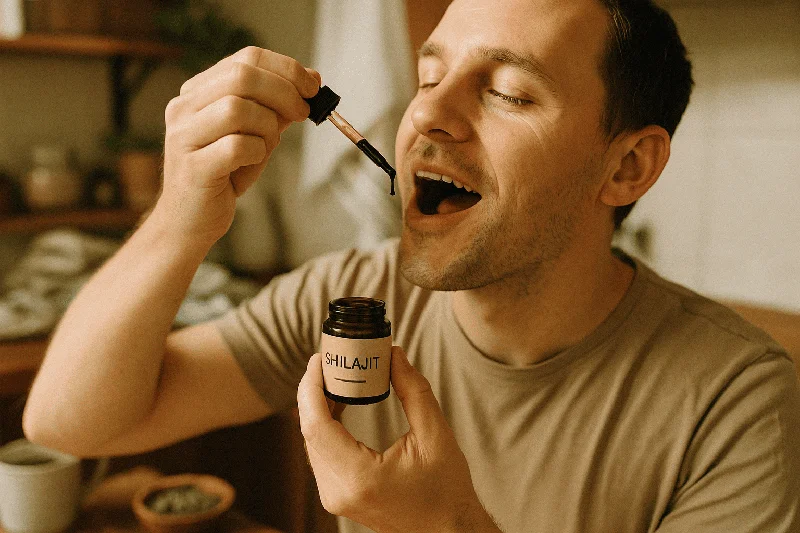
Shilajit is a sticky, blackish-brown substance found primarily in the rocks of the Himalayas, formed over centuries by the gradual decomposition of certain plants and organic matter. Used in Ayurvedic medicine for over 4,000 years, it is classified as a rasayana — a rejuvenating substance believed to promote longevity, vitality, and overall well-being. Modern research is now catching up with ancient wisdom, revealing that shilajit contains over 84 minerals, fulvic acid, dibenzo-α-pyrones, and a range of bioactive compounds that may support cognitive function, energy metabolism, testosterone levels, and immune health.
But here's where most articles stop. They tell you shilajit is "amazing" without helping you figure out how much to take, which form to buy, whether it's safe with your medications, or whether it even works for women. This guide changes that. We've analyzed the latest clinical research, Ayurvedic protocols, and regulatory standards to give you the most comprehensive, practical shilajit resource available anywhere.
What Is Shilajit and How Is It Formed?
Shilajit (pronounced shil-ah-jeet) is a natural phytocomplex — not a single compound, but a complex mixture of organic and inorganic substances. It oozes from cracks in mountain rocks during warm summer months, primarily at altitudes between 1,000 and 5,000 meters. The substance has a tar-like consistency, a smoky smell, and a bitter taste that most people find distinctly unpleasant on first encounter.
Origins and Formation Process
- The formation of shilajit spans centuries.
- It begins when specific plant species — including Euphorbia royleana, Trifolium repens (white clover), and various bryophytes (mosses and liverworts) — become trapped between layers of rock. Over hundreds of years, microbial action, geothermal pressure, and seasonal temperature fluctuations break this organic material down into the dense, mineral-rich substance we know as shilajit.
This isn't a quick process. Some geologists estimate it takes anywhere from 400 to 1,000+ years for a single deposit to form, which partly explains why authentic shilajit commands premium prices.
Geographic Distribution
While most people associate shilajit with the Indian Himalayas, it's actually found across multiple mountain ranges worldwide:
| Region | Local Name(s) | Altitude Range |
|---|---|---|
| Himalayas (India, Nepal, Tibet) | Shilajit, Silajatu, Shilajatu | 1,000–5,000 m |
| Altai Mountains (Russia, Mongolia) | Mumiyo, Mumijo | 1,500–4,000 m |
| Caucasus Mountains | Mumiyo | 1,000–3,500 m |
| Andes (Chile) | Andean Shilajit | 2,000–5,000 m |
| Pamir & Tien Shan (Central Asia) | Brag-shun (Mongolian), Momiai | 2,000–4,500 m |
| Arabian Peninsula | Hagar al-mawt | Varies |
Interestingly, Andean shilajit from Chile has shown ORAC (Oxygen Radical Absorbance Capacity) values of 50–500 Trolox units per gram — higher than noni fruit and blueberries, according to research published in PMC/NIH-indexed journals.
Varieties and Classification
Traditional Ayurvedic texts classify shilajit into four types based on color and associated metal content:
- Gold (red-brownish) — associated with gold, considered the highest grade
- Silver (whitish) — associated with silver
- Copper (bluish) — associated with copper
- Iron (blackish-brown) — associated with iron, the most common variety
Modern geological classification recognizes three types: coprolitic (most common, formed from fossilized organic matter), breccia-type (found in rock fragments), and evaporitic (formed through evaporation processes).
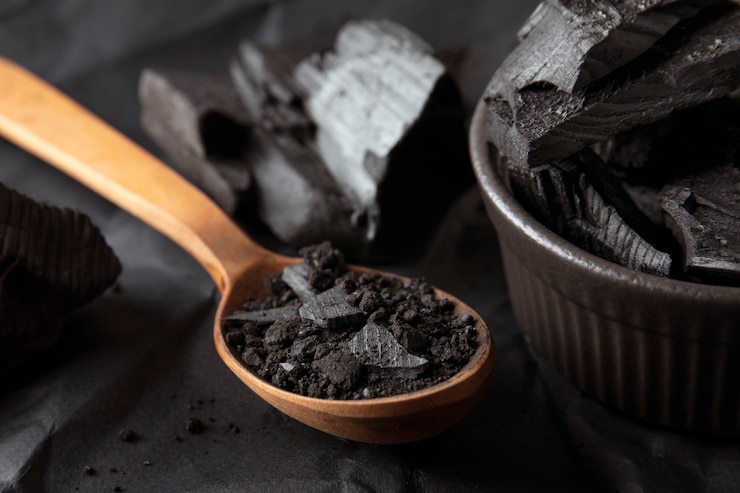
Shilajit Composition: What's Actually Inside?
Understanding what shilajit contains helps explain why it has such wide-ranging effects on the body.
Key Chemical Components
The composition of shilajit varies somewhat by geographic source, but a typical purified sample contains:
- Humic substances (60–80%): The dominant component, including fulvic acid and humic acid. Fulvic acid is the primary bioactive compound and acts as a powerful antioxidant and mineral transporter.
- Dibenzo-α-pyrones (DBPs) and their chromoproteins: Unique compounds that support mitochondrial energy production and may explain shilajit's anti-fatigue effects.
- Minerals and trace elements: Over 84 minerals in ionic form, including iron, zinc, magnesium, potassium, selenium, calcium, and manganese.
- Amino acids: Including glycine, glutamic acid, and methionine.
- Fatty acids and polyphenols: Contributing to its antioxidant and anti-inflammatory profile.
The Fulvic Acid Factor
Fulvic acid deserves special attention. It's a potent electrolyte that enhances nutrient absorption at the cellular level, helps transport minerals across cell membranes, and acts as both an antioxidant and a chelator of heavy metals. A 2012 study published in the International Journal of Alzheimer's Disease found that fulvic acid can inhibit the self-aggregation of tau protein — a hallmark of Alzheimer's pathology.
Heavy Metal Concerns in Raw Shilajit
Here's something most supplement companies don't want to talk about openly: raw, unpurified shilajit can contain dangerous levels of heavy metals, including lead, mercury, arsenic, and cadmium. A 2016 analysis found that some commercially available shilajit products contained lead concentrations exceeding safe limits.
This is precisely why purification matters. Traditional Ayurvedic purification involves dissolving raw shilajit in water, filtering out impurities, and then dehydrating it multiple times. Modern processing adds third-party heavy metal testing. Never consume raw shilajit collected directly from rocks.
What Is Shilajit Used For? Proven Health Benefits
Let's separate what's reasonably well-supported by science from what's purely traditional or speculative. The honesty here matters.
Cognitive Function and Brain Health
This is arguably the most exciting area of shilajit research. A landmark study indexed in PMC/NIH demonstrated that fulvic acid in shilajit can block the self-aggregation of tau protein — the protein whose abnormal clumping is associated with Alzheimer's disease and other neurodegenerative conditions.
A formulation called Brain Up-10 (combining processed shilajit with vitamins B6, B9, and B12) has shown promising results in morphometric studies on hippocampal cells in rat models, suggesting neuroprotective effects. While human clinical trials are still limited, the mechanistic evidence is compelling enough that researchers have called for larger studies.
Beyond Alzheimer's, traditional Ayurvedic practitioners have used shilajit as a medhya rasayana (cognitive enhancer) for millennia. Modern users report improved focus, mental clarity, and reduced brain fog — though individual responses vary significantly.
Energy, Stamina, and Fatigue Reduction
A 2019 study published in the Journal of the International Society of Sports Nutrition examined shilajit supplementation in recreationally active individuals. Participants taking 500 mg/day of purified shilajit showed better maintained muscle strength during fatiguing protocols compared to placebo.
The mechanism likely involves dibenzo-α-pyrones and their role in mitochondrial energy production. Shilajit appears to support CoQ10 levels (a critical enzyme in cellular energy production), which may explain why many users report sustained energy without the jitteriness associated with caffeine.
What Does Shilajit Do for a Man?
This is one of the most searched questions about shilajit, and for good reason.
Testosterone and Male Fertility
A 2016 randomized, double-blind, placebo-controlled study published in Andrologia found that healthy male volunteers (aged 45–55) taking 250 mg of purified shilajit twice daily for 90 days experienced:
- 20.45% increase in total testosterone
- 19.14% increase in free testosterone
- Significant improvement in gonadotropin levels (FSH and LH)
An earlier 2010 study on infertile men showed that 90 days of shilajit supplementation increased total sperm count by 61.4%, sperm motility by 12.4–17.4%, and serum testosterone by 23.5%.
These aren't miraculous numbers, but they are statistically significant and clinically meaningful — especially for men experiencing age-related hormonal decline.
Muscle Adaptation and Athletic Performance
For men interested in fitness, shilajit may support skeletal muscle adaptation to exercise. The 2019 sports nutrition study mentioned earlier found that shilajit supplementation helped maintain muscular strength during overreaching phases of training and supported collagen-related gene expression in muscles.
Shilajit Benefits for Women
Here's a major gap in the existing literature and most online guides — almost everything focuses on men. But shilajit offers several potential benefits for women that deserve attention:
Iron Deficiency and Anemia Support
Shilajit contains ionic iron and fulvic acid, which enhances iron absorption. For women dealing with iron-deficiency anemia (extremely common during reproductive years), shilajit may serve as a supportive supplement alongside conventional iron therapy. A small study showed that regular shilajit supplementation increased hemoglobin levels in iron-deficient individuals, though larger trials are needed.
Bone Health and Calcium Metabolism
- Post-menopausal women face accelerated bone loss.
- Shilajit's mineral profile — particularly calcium, magnesium, and zinc in bioavailable ionic forms — combined with fulvic acid's ability to enhance mineral absorption, makes it a theoretically strong candidate for bone health support.
Skin, Hair, and Anti-Aging
Shilajit's antioxidant properties (primarily from fulvic acid and selenium) may help combat oxidative stress that contributes to premature skin aging. Some Ayurvedic practitioners recommend shilajit for women experiencing hair thinning related to mineral deficiencies.
Fertility Support for Women
While research is more limited than for male fertility, traditional Ayurvedic practice includes shilajit in formulations for female reproductive health, particularly for regulating menstrual cycles and supporting uterine health. Clinical validation is still pending.
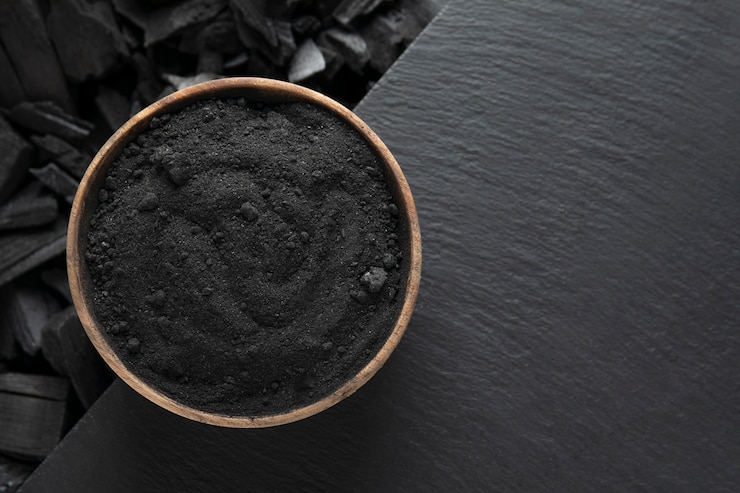
What Happens When You Take Shilajit Daily? Dosage and Protocols
This is the section most competitors completely skip — and it's exactly what people searching for shilajit information actually need.
Recommended Dosages
| Purpose | Daily Dosage | Duration | Notes |
|---|---|---|---|
| General wellness | 300–500 mg | 6–8 weeks on, 2 weeks off | Start with lower dose |
| Testosterone support | 250 mg twice daily (500 mg total) | 90 days | Based on clinical studies |
| Cognitive support | 250–500 mg | 8–12 weeks | Combine with B vitamins for enhanced effect |
| Energy and stamina | 300–500 mg | 4–8 weeks | Take in the morning |
| Athletic performance | 500 mg | 8 weeks minimum | Time around training |
When and How to Take Shilajit
Timing: Most practitioners recommend taking shilajit in the morning on an empty stomach, or 30 minutes before meals. For those taking it twice daily, morning and early afternoon doses work best — avoid evening doses as it may interfere with sleep in some individuals. How to consume:
- Resin form: Dissolve a pea-sized amount (roughly 300–500 mg) in warm water, milk, or herbal tea. Never use boiling water as it may degrade active compounds.
- Powder form: Mix with warm liquid. Slightly less potent than resin due to processing.
- Capsules: Follow manufacturer's dosage. Most convenient but potentially lowest bioavailability.
Cycling: Ayurvedic tradition and modern biohacking both agree — don't take shilajit continuously without breaks. A common protocol is 6–8 weeks on, followed by 2 weeks off. This prevents tolerance buildup and gives your body time to recalibrate.
Combining Shilajit with Other Supplements
Shilajit pairs well with:
- Ashwagandha — for stress resilience and testosterone support
- Vitamins B6, B9, B12 — for cognitive enhancement (the Brain Up-10 principle)
- CoQ10 — for enhanced mitochondrial support
- Warm milk with honey — traditional Ayurvedic method for better absorption
Shilajit Side Effects and Safety Concerns
No responsible guide should skip this section. While shilajit has a strong safety profile when purified and dosed correctly, there are real risks to be aware of.
Known Side Effects
Most side effects are dose-dependent and uncommon at recommended doses:
- Digestive discomfort (nausea, loose stools) — usually resolves within a few days
- Allergic reactions (rare but documented, particularly skin rash)
- Increased uric acid levels in some individuals — potentially problematic for those with gout
- Dizziness or lightheadedness, especially when starting supplementation
- Insomnia if taken too late in the day
Drug Interactions and Contraindications
This is critical information that virtually no competitor provides adequately.
| Medication/Condition | Interaction Risk | Recommendation |
|---|---|---|
| Diabetes medications (metformin, insulin) | Shilajit may lower blood sugar → risk of hypoglycemia | Monitor blood sugar closely; consult doctor |
| Blood thinners (warfarin, aspirin) | Theoretical risk of enhanced anticoagulation | Avoid or use under medical supervision |
| Iron supplements | May increase iron absorption excessively | Monitor iron/ferritin levels |
| Blood pressure medications | Shilajit may lower BP modestly | Monitor BP regularly |
| Immunosuppressants | Shilajit may stimulate immune function → conflict | Consult doctor before use |
Absolute contraindications:
- Hemochromatosis (iron overload disorder)
- Active kidney disease or severe renal impairment
- Pregnancy and breastfeeding (insufficient safety data)
- Children under 12 (no pediatric dosing established)
- Known allergy to any shilajit component
Don't wait or self medicate. Start chat with Doctor NOW
How to Choose Quality Shilajit: A Complete Buyer's Guide
The shilajit market is unfortunately flooded with adulterated, contaminated, and outright fake products. Here's how to protect yourself.
Forms of Shilajit Compared
| Form | Fulvic Acid Content | Bioavailability | Convenience | Price per Dose | Best For |
|---|---|---|---|---|---|
| Resin (paste) | Highest (typically 40–60%) | Highest | Low — requires measuring | ₹15–40 | Purists, maximum potency |
| Powder | Moderate (20–40%) | Moderate | Medium | ₹8–20 | Mixing in drinks/smoothies |
| Capsules | Varies widely (10–30%) | Lower | Highest | ₹10–25 | Convenience seekers |
| Liquid drops | Moderate | Moderate-High | Medium | ₹20–35 | Easy dosing |
Red Flags of Fake or Low-Quality Shilajit
- 1.Dissolves instantly in cold water — real shilajit dissolves slowly, turning water golden-brown
- 2.No bitter taste — authentic shilajit is distinctly bitter and slightly metallic
- 3.Burns with a flame and produces ash — real shilajit doesn't burn; it bubbles and swells
- 4.Suspiciously low price — genuine Himalayan shilajit resin below ₹500 for 20g is almost certainly fake or heavily diluted
- 5.No third-party testing — reputable brands provide certificates of analysis (COA)
- 6.No mention of purification process — raw shilajit is unsafe; any legitimate product describes its purification method
Certifications to Look For
- FSSAI certification (mandatory in India)
- AYUSH ministry approval for Ayurvedic formulations
- GMP (Good Manufacturing Practice) certification
- Third-party heavy metal testing — specifically for lead, mercury, arsenic, and cadmium
- Fulvic acid percentage listed on the label — if they won't tell you, that's a red flag
- NSF International or USP certification (gold standard, though rare for shilajit products)
Regulatory Status Across Countries
- In India, shilajit falls under FSSAI and AYUSH ministry regulations and is widely accepted as a traditional Ayurvedic supplement. In the United States, it's sold as a dietary supplement with FDA disclaimer requirements ("not intended to diagnose, treat, cure, or prevent any disease"). In the European Union, many shilajit products face Novel Food classification hurdles, making availability more limited.
- Understanding this regulatory landscape matters — it affects what quality standards the product was manufactured under.
Shilajit for Athletes and Fitness Enthusiasts
This is an area with growing scientific interest that most guides completely overlook.
Exercise Performance and Recovery
The 2019 study in the Journal of the International Society of Sports Nutrition is particularly relevant here. Recreationally active men and women supplementing with 500 mg of shilajit daily for 8 weeks showed:
- Better maintenance of maximal muscular strength following fatiguing exercise
- Upregulation of collagen and proteoglycan-related genes in muscle tissue
- Trends toward improved VO2max (though not statistically significant in this particular study)
Muscle Adaptation and CoQ10
Shilajit appears to enhance CoQ10 levels in muscle tissue, which is critical for aerobic energy production. For endurance athletes, this could translate to improved stamina and faster recovery between training sessions. For strength athletes, the testosterone-supporting effects add another layer of potential benefit.
Practical Protocol for Athletes
Most sports nutrition practitioners who recommend shilajit suggest 500 mg daily (split into two doses), taken with food, for 8–12 week cycles with 2–4 week breaks. Some athletes take their first dose 60–90 minutes before training, though research hasn't specifically validated pre-workout timing.
Frequently Asked Questions About Shilajit
What does shilajit actually taste like?
Pure shilajit resin has a strong, bitter, slightly smoky taste with metallic undertones. Most people find it unpleasant initially. Mixing it with warm milk and a teaspoon of honey (the traditional Ayurvedic method) makes it much more palatable. If your shilajit tastes like nothing or tastes sweet, it's probably not authentic.
Can I take shilajit with coffee or tea?
- Yes, though avoid mixing with very hot liquids (above 70°C/158°F) as excessive heat may degrade some bioactive compounds.
- Warm — not boiling — beverages are ideal.
How long does it take to feel the effects of shilajit?
Most users report noticeable changes in energy levels within 1–2 weeks. Hormonal benefits (testosterone, fertility) typically require 8–12 weeks of consistent use. Cognitive benefits may take 4–8 weeks to become apparent.
Is shilajit safe for diabetics?
Shilajit has been shown to lower blood glucose levels in some studies, which could be beneficial — but also risky if you're already on glucose-lowering medication. If you have diabetes, you must work with your doctor to monitor blood sugar levels and potentially adjust medication dosages.
Can women take shilajit during menstruation?
Traditional Ayurvedic practice generally permits shilajit use during menstruation. Some practitioners actually recommend it during this time due to its iron content and potential to combat fatigue associated with menstrual blood loss. However, individual responses vary, so start with a lower dose.
What is the shilajit price range in India?
Authentic Himalayan shilajit resin typically costs between ₹800 and ₹3,000 for 20–30 grams, depending on purity and brand. Capsule forms range from ₹300 to ₹1,200 for 60 capsules. Anything dramatically cheaper than these ranges should be viewed with suspicion.
Does shilajit expire?
Properly stored shilajit resin has an extremely long shelf life — traditional texts suggest it remains potent indefinitely when stored in a cool, dry place away from direct sunlight. Modern manufacturers typically list a 2–3 year expiry for regulatory compliance, but the substance itself is remarkably stable.
Is shilajit vegan?
This is debated. Shilajit is derived from decomposed plant matter and minerals, with no animal products intentionally added. However, the formation process involves microorganisms, and some traditional purification methods use milk (triphala decoction or cow's milk). Check with the specific manufacturer if strict veganism is important to you.
Conclusion: Is Shilajit Worth Taking?
Based on the available evidence — both traditional and scientific — shilajit is one of the more credible natural supplements available, particularly for energy support, cognitive function, testosterone optimization, and mineral supplementation. It's not a miracle cure, and anyone who tells you otherwise is selling something.
The key factors for success with shilajit are simple: choose a purified, third-party tested product from a reputable source, follow established dosage protocols (300–500 mg daily, cycled), be aware of drug interactions, and give it adequate time to work (minimum 4–8 weeks).
If you're considering adding shilajit to your wellness routine, start with a low dose, monitor how your body responds, and consult with a qualified healthcare practitioner — especially if you're on any medications, pregnant, or managing a chronic health condition. Ancient wisdom and modern science don't always agree, but in the case of shilajit, they're increasingly telling the same story.
Scientific Sources
- Clinical evaluation of purified Shilajit on testosterone levels in healthy volunteers — Pandit S et al., 2016, Andrologia
- Shilajit: a review — Agarwal SP et al., 2007, Phytotherapy research : PTR
- A Comprehensive Review on Shilajit: What We Know about Its Chemical Composition — Kamgar E et al., 2025, Critical reviews in analytical chemistry
- Quantifying of thallium in Shilajit and its supplements to unveil the potential risk of consumption of this popular traditional medicine — Kamgar E et al., 2025, BMC chemistry
- Review on shilajit used in traditional Indian medicine — Wilson E et al., 2011, Journal of ethnopharmacology
- Rapid Determination and Quantification of Nutritional and Poisonous Metals in Vastly Consumed Ayurvedic Herbal Medicine (Rejuvenator Shilajit) by Humans Using Three Advanced Analytical Techniques — Aldakheel RK et al., 2022, Biological trace element research
- Mechanisms of generation and exudation of Tibetan medicine Shilajit (Zhaxun) — Ding R et al., 2020, Chinese medicine
- Hazardous or Advantageous: Uncovering the Roles of Heavy Metals and Humic Substances in Shilajit (Phyto-mineral) with Emphasis on Heavy Metals Toxicity and Their Detoxification Mechanisms — Hussain A et al., 2024, Biological trace element research
- Shilajit extract (ZhaXun) protects against acetaminophen-induced liver injury via modulation of the NF-κB/AKT/Caspase-3 axis — He SQ et al., 2026, Journal of ethnopharmacology
- Traditional Chinese and Indian medicine in the treatment of opioid-dependence: a review — Doosti F et al., 2013, Avicenna journal of phytomedicine
- Hepatoprotective effects of Shilajit on high fat-diet induced non-alcoholic fatty liver disease (NAFLD) in rats — Ghezelbash B et al., 2020, Hormone molecular biology and clinical investigation
- Accelerating effect of Shilajit on osteogenic property of adipose-derived mesenchymal stem cells (ASCs) — Kangari P et al., 2022, Journal of orthopaedic surgery and research
- Protective Roles of Shilajit in Modulating Resistin, Adiponectin, and Cytokines in Rats with Non-alcoholic Fatty Liver Disease — Ghezelbash B et al., 2022, Chinese journal of integrative medicine
- Selected herbals and human exercise performance — Bucci LR, 2000, The American journal of clinical nutrition
- Activation of Strychnine-Sensitive Glycine Receptors by Shilajit on Preoptic Hypothalamic Neurons of Juvenile Mice — Bhattarai JP et al., 2016, The Chinese journal of physiology
- Complement-fixing activity of fulvic acid from Shilajit and other natural sources — Schepetkin IA et al., 2009, Phytotherapy research : PTR
- Antioxidant, cytotoxic and hyperalgesia-suppressing activity of a native Shilajit obtained from Bahr Aseman mountains — Jafari M et al., 2019, Pakistan journal of pharmaceutical sciences
- Shilajit potentiates the effect of chemotherapeutic drugs and mitigates metastasis induced liver and kidney damages in osteosarcoma rats — Jambi EJ et al., 2022, Saudi journal of biological sciences
- Shilajit mitigates chemotherapeutic drug-induced testicular toxicity: Study on testicular germ cell dynamics, steroidogenesis modulation, and Nrf-2/Keap-1 signaling — Rajpoot A et al., 2024, Journal of Ayurveda and integrative medicine
- Evaluation of preventive effect of shilajit on radiation-induced apoptosis on ovaries — Kececi M et al., 2016, Archives of gynecology and obstetrics
Questions from users
What are the potential side effects of taking Shilajit?
Client_949b3d
13 hours ago
Potential side effects of taking shilajit include digestive issues like nausea, diarrhea, and stomach pain. It can also cause allergic reactions in some individuals, leading to itching or rash. Shilajit may interact with medications, particularly those affecting blood pressure, which could pose risks. Contaminated or impure shilajit could lead to heavy metal poisoning. If you experience any adverse effects, it's vital to stop use and consult a healthcare provider. Always choose purified shilajit from reputable sources and consider consulting a doctor, especially if you have underlying health conditions or take other medications.
Can Shilajit be used safely during pregnancy or breastfeeding?
Client_5145dd
5 days ago
It is generally advised to avoid using shilajit during pregnancy or breastfeeding due to limited research on its safety in these groups. While shilajit is known for benefits like energy support and enhanced iron absorption, its effects on pregnant or nursing mothers and their babies are not well-studied. Any supplement use during pregnancy or breastfeeding should be discussed with a healthcare provider to ensure safety and prevent any potential adverse effects. If you are considering shilajit, consult your doctor for personalized advice.
How long does it take to feel the effects of Shilajit?
Client_1bd324
10 days ago
The effects of shilajit can start to be felt within a few days to a couple of weeks, though this varies widely based on individual factors like health status and lifestyle. While some athletes report feeling more energetic within an hour or so of taking it pre-workout, this immediate effect isn't backed by specific research. Typical benefits like improved energy, enhanced performance, or reduced fatigue might take several weeks of regular use to fully manifest. If you experience any adverse effects or if desired improvements aren’t noticed, consult with a healthcare provider for guidance.
How does Shilajit affect energy levels and fatigue in athletes?
Client_8e3871
15 days ago
Shilajit can boost energy levels and reduce fatigue in athletes by improving mitochondrial function and increasing ATP production, which is crucial for energy release. Some studies suggest that shilajit may enhance exercise performance, particularly endurance, and aid in recovery, allowing athletes to train more intensively with less fatigue. A typical usage pattern involves taking shilajit for 6–8 weeks, followed by a 2-week break. As its availability can be restricted in certain regions like the EU, ensure any purchase meets your local quality and regulatory standards. Always consult a healthcare professional before adding new supplements to your routine, especially if you have underlying health conditions.
Can I use Shilajit for skin health and beauty?
Client_01c7b6
20 days ago
Shilajit can potentially benefit skin health due to its fulvic acid content, which has antioxidant properties that help combat free radicals and promote skin repair. It may improve skin elasticity and reduce inflammation when applied topically or taken as a supplement. However, results can vary significantly among individuals and typically take several weeks of consistent use to become noticeable. It's crucial to use high-quality, tested shilajit to avoid heavy metal contamination. If you have skin conditions or are on medication, consult a doctor before using shilajit. Ayurveda mentions shilajit in various formulations, but scientific evidence should guide your choice.
How can Shilajit support immune health and function?
Client_1e8adc
30 days ago
Shilajit may support immune health due to its high content of fulvic acid and minerals, which are known to have antioxidant and anti-inflammatory properties. These compounds potentially enhance the body's defense mechanisms by neutralizing free radicals and reducing inflammation. Incorporating shilajit into your routine might show benefits in a few weeks, but individual responses can vary. It's important to purchase high-quality shilajit for optimal results and consult a healthcare provider before use, especially if you have underlying health conditions or take medication.
Is Shilajit suitable for enhancing endurance in athletes?
Client_eaf8fd
40 days ago
Shilajit may enhance endurance in athletes, as it is thought to support energy and improve recovery. It is rich in fulvic acid and minerals, which can aid in nutrient absorption and reduce fatigue. Athletes sometimes take shilajit 60–90 minutes before training, although the optimal timing hasn't been scientifically validated. Results can vary, and noticeable effects may take several weeks. Monitor for any side effects, such as dizziness or allergic reactions, and consult a healthcare professional before starting shilajit, especially if you have underlying health conditions. Ayurveda traditionally supports its use for vitality but consult modern studies for evidence-based practices.
Can Shilajit help improve iron levels in individuals with anemia?
Client_f35b37
50 days ago
Shilajit may help improve iron levels in individuals with anemia due to its content of ionic iron and fulvic acid, which can enhance iron absorption. However, the effectiveness can vary depending on the person and the severity of the anemia. It is not a substitute for conventional treatments like prescribed iron supplements or dietary adjustments. Results, if any, may take several weeks of consistent use. Individuals should monitor their condition and watch for symptoms like fatigue and weakness. It is essential to consult a healthcare provider to ensure appropriate anemia treatment and before starting any new supplement, including shilajit.
How does Shilajit impact testosterone levels in men?
Client_3438c6
59 days ago
Shilajit may increase testosterone levels in men, according to some studies that have observed this effect over 90 days of supplementation. It is rich in minerals and fulvic acid, which some research suggests can enhance testicular function and improve overall testosterone production. You should consume pure, properly processed shilajit to avoid heavy metals or contaminants. If considering it for testosterone support, consult a healthcare provider, especially if you have underlying health conditions or take other medications.
What is the best way to prepare Shilajit for consumption?
Client_0503f1
69 days ago
Best way to prepare shilajit for consumption is to dissolve a small piece (like a pea size) in warm milk or water. You can add honey if the taste is too bitter for you. Just make sure it's fully dissolved before drinking, it's kinda like making tea! And start small if you're new to it, to see how your body responds.
Related articles

General Medicine
Rajat Bhasma – Benefits, Dosage, Ingredients, Side Effects and Preparation
Exploration of Rajat Bhasma – Benefits, Dosage, Ingredients, Side Effects and Preparation
2,723

General Medicine
Mahalaxmi Vilas Ras – Benefits, Dosage, Ingredients, Side Effects
Exploration of Mahalaxmi Vilas Ras – Benefits, Dosage, Ingredients, Side Effects
4,283

General Medicine
Chandanadi Vati Benefits, Dosage, Side Effects, Ingredients
Exploration of Chandanadi Vati Benefits, Dosage, Side Effects, Ingredients
4,061

General Medicine
Vishama Jwara: Ayurvedic & Modern Insights
Explore Vishama Jwara from Ayurvedic roots to modern research. Learn causes, symptoms, and practical management tips for better health.
3,830

General Medicine
Jantu Kitanu Buti: Ayurvedic Approach to Eliminate Germs and Pathogens Naturally
Jantu Kitanu Buti: Ayurvedic Approach to Eliminate Germs and Pathogens Naturally
5,548

General Medicine
Suvarna Malini Vasant: Comprehensive Overview for Better Health
Explore the science, history, and uses of Suvarna Malini Vasant. Learn how it may support health, potential precautions, and expert guidance tips.
3,106
General Medicine
Laja Manda: The Rare Ayurvedic Herb for Rejuvenation
Explore the ancient Ayurvedic preparation Laja Manda, its therapeutic uses, benefits, composition, and holistic approaches for rejuvenation and balance using traditional wisdom.
4,333

General Medicine
Dadimavaleha Benefits, Dose, Side Effects, How To Use, Ingredients
Exploration of Dadimavaleha Benefits, Dose, Side Effects, How To Use, Ingredients
3,510

General Medicine
Chandanasava for Body Heat: Cool Down with Ayurvedic Wisdom
Explore how Chandanasava can balance body heat, its benefits, usage guidelines, potential side effects, and the scientific evidence behind this traditional Ayurvedic remedy.
6,083

General Medicine
Dhanwantharam Kashayam for Weight Loss: Natural Ayurvedic Tonic
Discover how Dhanwantharam Kashayam aids weight loss, its benefits, usage guidelines, and the Ayurvedic science behind this traditional herbal formulation.
3,736
Related consultations on the topic
Legal
Additional Documents
© 2024 Ask Ayurveda. All rights reserved.