How to Avoid Pregnancy After Sex: Natural and Timely Methods

We’ve all been there — in the heat of the moment, emotions run high, and sometimes precautions get missed. Then comes the afterthought: how to avoid pregnancy after sex? Whether it was unprotected or the condom broke, knowing your options (especially natural ways to avoid pregnancy) can bring a huge sigh of relief.
This article dives into practical, safe, and even Ayurvedic ways to help avoid pregnancy after sex. We’ll explore natural remedies, timing methods, and when tablets may or may not be necessary. And while no method (except abstinence) is 100% foolproof, understanding your body and timing can give you more control than you think. Ready? Let’s jump into it.
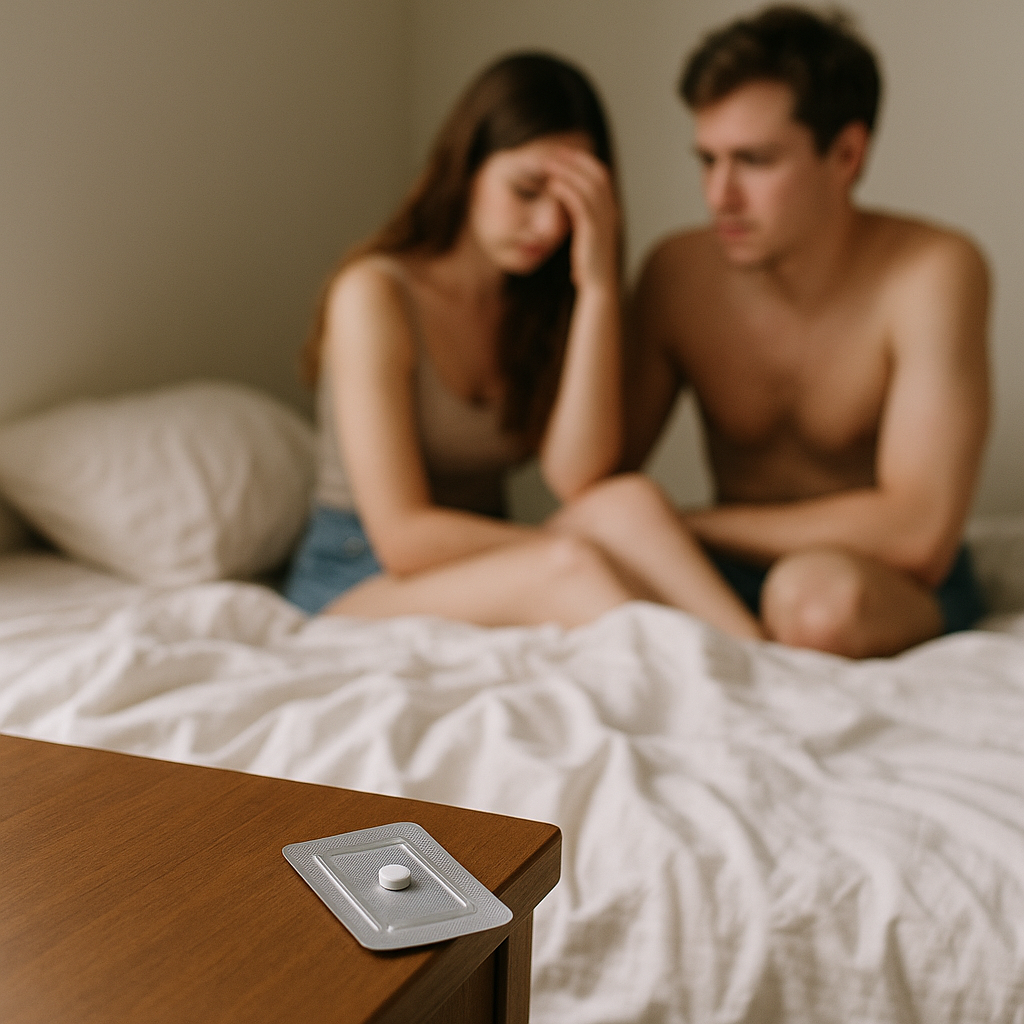
How to Avoid Pregnancy After Sex Naturally
If you’ve recently had unprotected sex and you're wondering how to avoid pregnancy naturally, there are a few methods — both ancient and modern — that might help. Many women prefer natural alternatives due to concerns about hormone disruption or side effects from pharmaceutical pills.
Herbal and Ayurvedic Remedies for Emergency Use
In traditional Indian and Southeast Asian medicine, several herbs have been used for centuries to help women avoid unwanted pregnancy. Neem (Azadirachta indica) is one such plant. Neem oil, when used vaginally, is believed to have spermicidal properties. Papaya is another one. Eating raw papaya right after intercourse has been said to interfere with hormone production and may prevent fertilization.
Parsley tea and cotton root bark are also thought to stimulate uterine contractions — though these are less reliable and should be used with caution. But here’s the catch: none of these are guaranteed, and they shouldn't be seen as full-proof contraception.
Also, be aware that some online sources recommend remedies like ginger tea or asafoetida powder (hing), but research on their effectiveness is... spotty at best. Use these as complementary options, not primary ones.
What Should Be Eaten to Avoid Pregnancy Naturally
Your diet can play a very subtle role when you're trying to avoid pregnancy after sex. Foods like unripe papaya, pineapple, and even dried figs are traditionally believed to support natural birth control due to their supposed enzyme content that can interfere with implantation. Again, these aren't morning-after substitutes — but they might offer slight support.
Some also claim that Vitamin C (ascorbic acid) in high doses can affect progesterone levels and act as a sort of emergency contraception. That said, it’s not a medically approved method and may cause side effects if overdone. If you do go down this route, do it with awareness and not just because "someone on the internet" said so.

Best Time to Have Sex to Avoid Pregnancy
Understanding your cycle is probably one of the most powerful tools in natural family planning. The best time to have sex to avoid pregnancy is, quite literally, when you are least fertile. That might sound simple, but it takes a bit of observation and calendar-keeping to get it right.
Ovulation and Fertile Window
Ovulation typically occurs around day 14 of a 28-day menstrual cycle. But the tricky part is — not everyone has a textbook cycle. Sperm can live up to 5 days inside the female body, so if you ovulate earlier or later than expected, things can get complicated. The fertile window spans about 6 days: 5 days before ovulation and the day of ovulation itself.
So if you're looking to avoid pregnancy, the smart move is to steer clear of sex (or use protection) during these days. Apps and fertility trackers can help, but nothing beats knowing your own cycle through basal temperature and cervical mucus observation.
Safe Days to Avoid Pregnancy: Ayurvedic Perspective
Ayurveda approaches fertility from a whole-body lens — not just timing. According to Ayurvedic texts, the body is more fertile when the doshas (Vata, Pitta, Kapha) are in balance. Avoiding sex during days 11 to 17 of the cycle is generally advised. These are considered “unsafe” days in both modern and traditional wisdom. Outside of this fertile window — say, days 1–7 and 21–28 — are thought to be safe days to avoid pregnancy.
One thing to remember: this isn’t a replacement for contraception if you have irregular periods or are unsure of ovulation timing.
Tablets to Avoid Pregnancy After Intercourse
When natural methods aren't enough or the timing just feels risky, many people turn to emergency contraception — aka pregnancy avoid tablet options. They’re effective when used correctly, but also come with a few things to keep in mind.
When to Take Pregnancy Avoid Tablets
Emergency contraceptive pills (ECPs) are most effective when taken within 24 to 72 hours after unprotected sex. The sooner, the better. These tablets to avoid pregnancy usually contain either levonorgestrel or ulipristal acetate, which work by delaying ovulation or preventing a fertilized egg from implanting in the uterus.
But here’s the part most people miss: they don’t terminate an existing pregnancy. So if implantation has already happened, the pill won’t work. It’s purely preventive — not abortive.
Side effects? Yeah, there can be a few. Nausea, fatigue, a headache, or a slightly off-cycle period aren’t uncommon. But for many, that’s a small trade-off for peace of mind.
One more thing — emergency contraception isn’t meant for regular use. It’s not a replacement for condoms or birth control pills. Think of it as a seatbelt in a crash, not something you wear all day, every day.
Ayurvedic Alternatives to Hormonal Pills
Some women prefer a natural route due to hormone sensitivities or personal beliefs. Ayurveda offers a more holistic lens. While there isn’t a direct Ayurvedic “morning-after pill,” there are certain herbs and practices believed to help balance the reproductive system.
Ashoka bark and Shatavari root are two commonly referenced herbs for managing the menstrual cycle. Some sources claim they may help avoid pregnancy after sex when used as a uterine stimulant. But again — there is no scientific backing to say they are reliable emergency contraceptives.
It’s essential to consult with a trained Ayurvedic doctor before trying any herb in large quantities. Just because it’s natural doesn't always mean it’s safe. Dose and timing matter — a lot.
How to Avoid Pregnancy After One Month (If Periods Are Late)
Okay, let’s talk about that stomach-dropping moment when your period is late... by a whole month. If you're searching for how to avoid pregnancy after one month, it’s important to know where you actually stand first.
Natural Observation and Gentle Detox Approaches
First: take a pregnancy test. If it's negative and you're still not bleeding, stress or hormonal imbalance might be the real culprit. Some women turn to gentle detoxes — things like warm castor oil packs on the abdomen, triphala for digestion, or light herbal teas to “reset” the cycle.
One commonly suggested tea includes parsley, ginger, and cinnamon. These ingredients are believed to increase blood flow to the uterus and stimulate menstruation. Again, no guarantees — but it’s gentle and not likely to harm.
Another thing you could try? Light exercise like walking or yoga. Physical movement can help regulate your hormones and encourage your cycle to kick in naturally.
When to See a Doctor or Ayurvedic Practitioner
If your period is more than two weeks late and pregnancy tests are still negative, it’s time to check in with a professional. It could be a sign of polycystic ovary syndrome (PCOS), thyroid imbalances, or even just lifestyle-related stress.
But if the test is positive and you’re not ready for a pregnancy, talking to a doctor early gives you more options. There’s a huge myth that if you wait, the problem might “go away.” It won’t. And inaction can limit your choices.
An Ayurvedic practitioner can offer a different path, focusing on balancing the doshas, liver function, and reproductive health — not just the symptoms.
Conclusion
Avoiding pregnancy after sex isn’t always straightforward, but it doesn’t have to be panic-inducing either. Whether you’re exploring natural ways to avoid pregnancy, looking into the best time to have sex to avoid pregnancy, or considering an emergency pregnancy avoid tablet, you have more options than you might think.
Let’s be real — not all of them are 100% foolproof. Natural methods, timing your cycle, Ayurvedic remedies… they work best when you know your body well. Tablets and hormonal options are more effective but come with side effects and limitations. Ultimately, the key is knowledge, preparation, and staying calm when things don’t go as planned.
Try to remember this: the body isn't a machine, and no method — not even hormonal pills — works every single time. Combining methods and being aware of your fertile window gives you the best possible control. Also, it’s totally okay to feel overwhelmed. Take a breath. Ask questions. Learn. You got this.
And hey — if this helped you out, share it. You never know who might be silently freaking out and searching for how to avoid pregnancy after sex at 2 a.m. on a Tuesday.
FAQs
Is it possible to prevent pregnancy after sex?
Yes, it is — especially if you act quickly. Taking an emergency contraceptive pill within 72 hours after sex can prevent ovulation and fertilization. Natural methods, like certain foods or herbal remedies, may help but are far less reliable. If you’re within a few hours post-sex and unprotected, emergency contraception is your best bet.
How can I be sure I am not pregnant after sex?
The only way to be sure is to take a pregnancy test — ideally about 10 to 14 days after sex. That’s when the body produces enough hCG hormone to show up in a home test. If your period arrives on time and feels normal, that’s also a strong sign you’re not pregnant. But remember, stress and anxiety can delay your period, making it harder to tell what’s going on.
For peace of mind, some people take multiple tests or get a blood test done for confirmation. Do what feels right for you.
How many days after sex will I know if I'm pregnant?
Usually, it takes about 6–12 days for a fertilized egg to implant in the uterus, which is when your body starts producing the pregnancy hormone hCG. Most at-home pregnancy tests can detect hCG around day 14 post-intercourse. Some sensitive tests may work a little earlier, but false negatives are common if you test too soon.
If your period is late by more than a few days, that’s a good time to test. Still nothing? See a doctor just to rule things out.
Final Thoughts
Understanding how to avoid pregnancy — both naturally and medically — is part of reclaiming control over your reproductive health. From knowing the safe period for sex to avoid pregnancy to exploring what should be eaten to avoid pregnancy, being informed makes all the difference.
If you found this article helpful, share it with a friend, or save it for later. These conversations are important, and the more we talk about it, the less scary it becomes. And if you're feeling unsure or overwhelmed, talk to a professional — whether a gynecologist or an Ayurvedic expert. You don’t have to navigate this alone.
Ask Ayurvedic doctor a question and get a consultation online on the problem of your concern in a free or paid mode.
More than 2,000 experienced doctors work and wait for your questions on our site and help users to solve their health problems every day.
Related articles