Ask Ayurvedic doctor a question and get a consultation online on the problem of your concern in a free or paid mode. More than 2,000 experienced doctors work and wait for your questions on our site and help users to solve their health problems every day.


Body DetoxEar, Nose, and Throat DisordersGeriatrics & RejuvenationImmunodeficiencyInfertility TreatmentNutritionOrthopedic DisordersPediatricsRespiratory DisordersSexually Transmitted Diseases (STDs)Surgery RecoveryUrological DisordersVascular DisordersDental DisordersEndocrinological DisordersGastrointestinal DisordersYoga TherapyGeneral MedicineAllergic DisordersCardio DisordersGynecology and ObstetricsCosmetologySkin and Hair DisordersEye DisordersInfectious DiseasesMental DisordersNeurological DisordersOncologyPanchakarmaSexual Health & DisordersSports Medicine
Published on 06/26/25
(Updated on 08/11/26)
star_border 4
7,516
How to Make Hair Silky Permanently: Ayurvedic Tips

Ever wondered how to make hair silky permanently without running to the salon every other week? Or maybe you've typed “how to make your hair silky” into Google more times than you’d like to admit. You’re not alone — countless people are searching for how to make hair silky, especially in ways that feel natural, affordable, and lasting.
In today’s world, where pollution, stress, and harsh products wreak havoc on your scalp, having soft and shiny locks feels like a luxury. But here's the truth: achieving silky hair isn’t about buying the most expensive products. It’s about going back to roots — quite literally. Ayurveda, an ancient system of healing from India, offers long-term, natural solutions that don’t just cover up issues but heal them at the core.
Let’s dive into the world of Ayurvedic hair care and explore how you can get smooth and silky hair at home naturally — and for good.
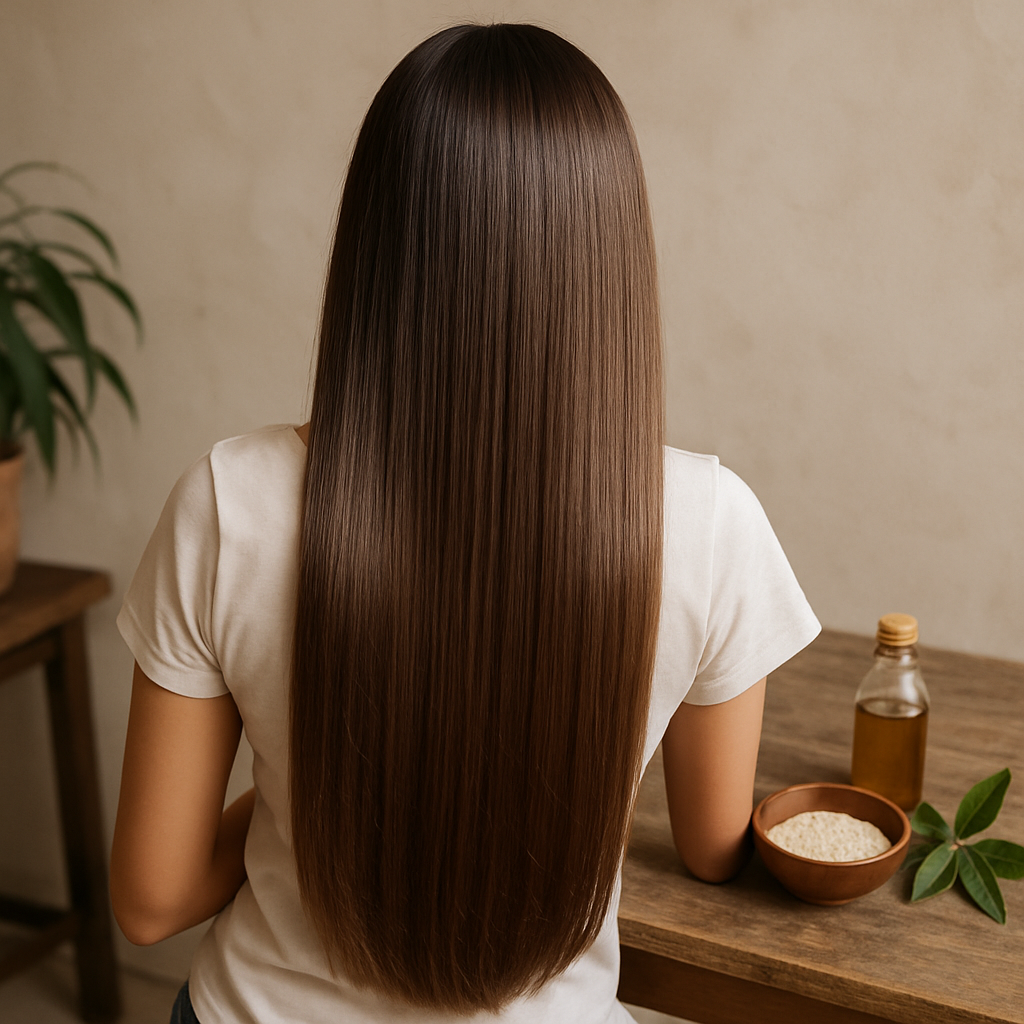
What Makes Hair Silky and Why It Loses Shine
Hair Texture According to Ayurveda
In Ayurveda, your hair's health is closely linked to the balance of your doshas — Vata, Pitta, and Kapha. Each dosha represents different elements and governs specific body functions.
-
Vata (air and space) leads to dry, frizzy hair when imbalanced.
-
Pitta (fire and water) can cause scalp irritation, hair thinning, or premature graying.
-
Kapha (earth and water) usually brings thick, oily hair, but excess can result in buildup or dullness.
If your doshas are out of whack, it reflects in your strands. Ayurvedic care focuses on restoring this balance to naturally enhance shine and softness.
Common Causes of Dry, Rough, or Frizzy Hair
Let’s be real: most of us abuse our hair. Between heat tools, chemical-laden shampoos, hard water, and... well, life — it’s no wonder our hair revolts.
Other culprits include:
-
Overwashing: Stripping your scalp’s natural oils
-
Lack of moisture: Not using nourishing oils or conditioners
-
Diet: Not enough healthy fats or hydration
-
Stress: It affects everything, even your hair texture
When hair lacks nourishment, it becomes dull, coarse, and brittle. Learning how to make hair smooth and silky at home starts with understanding these root causes.
Benefits of Silky Hair: Strength, Protection, Appearance
Silky hair isn’t just about looking good (though let’s admit it — it's a confidence booster). It also:
-
Reduces breakage thanks to better elasticity
-
Reflects light, giving that healthy shine
-
Protects your scalp, forming a barrier against UV and pollutants
-
Detangles easier, reducing mechanical damage
So if you’ve been wondering how to get soft and silky hair, you’re already on the right track. Awareness is half the battle.

How to Make Hair Silky Permanently at Home
Ayurvedic Oils and Herbal Treatments for Silky Hair
Let’s talk oils — not the heavy, greasy kind that sits on your scalp for days. We’re talking about Ayurvedic elixirs that penetrate deep, nourish the roots, and restore shine.
Here are some of the top silky hair tips home remedies using oils:
-
Bhringraj oil: Known as the “king of herbs” for hair, it strengthens and darkens strands.
-
Amla (Indian gooseberry) oil: Packed with Vitamin C, it fights dandruff and dullness.
-
Coconut oil + curry leaves: A simple kitchen remedy to improve texture and reduce split ends.
-
Sesame oil: Balancing for Vata dosha — adds moisture and warmth.
Apply warm oil to your scalp twice a week. Massage gently — not like you’re scrubbing a dirty pot — and leave it for at least an hour, or overnight if possible.
How to Make Your Hair Silky at Home Using Natural Ingredients
So, how to make your hair silky at home — without emptying your wallet or clogging your scalp with chemicals? The answer lies in your kitchen. Honestly, the best tips for smooth and silky hair are probably already sitting in your fridge or pantry.
Here are some go-to natural ingredients you can use today:
-
Aloe Vera Gel: It’s cooling, soothing, and loaded with enzymes that repair dead skin cells on the scalp. Apply directly and leave for 30 mins.
-
Honey: Nature’s moisturizer. Mix with a carrier oil (like olive oil) to lock in hydration and boost shine.
-
Eggs: Yep, messy but magical. They’re full of protein — perfect for damaged strands. Combine with yogurt or olive oil for a powerful mask.
-
Banana + Yogurt: Moisturizing, rich in potassium, and easy to blend into a creamy texture. Leave on for 20 minutes before rinsing.
-
Apple Cider Vinegar: Great as a final rinse. Restores pH balance, smooths cuticles, and adds a noticeable shine.
Try different combos until you find what works for your hair type. Everyone’s strands are a lil' different, and that’s okay.
Daily Routine and Long-Term Care for Lasting Results
You can’t expect miracles from a one-time mask. How to make hair silky permanently means creating habits that stick — and that don’t stress you out.
Here’s a basic Ayurvedic-inspired routine:
-
Weekly oil massage (Shiro Abhyanga): Helps circulation, reduces stress, and nourishes roots.
-
Mild herbal shampoo: Avoid sulfates. Look for reetha (soapnut), shikakai, or amla-based formulas.
-
Conditioning rinse: After washing, use a mix of aloe vera juice and rose water or ACV rinse.
-
Air dry: Let your hair breathe. Skip the heat whenever you can.
-
Comb with a wide-tooth wooden comb: It reduces friction and spreads natural oils.
-
Silk pillowcase: Yep, this one’s a game-changer — less friction, less frizz.
Over time, these practices can actually change your hair's texture. You’ll see why tips for silky and shiny hair at home don’t need a brand name slapped on them.
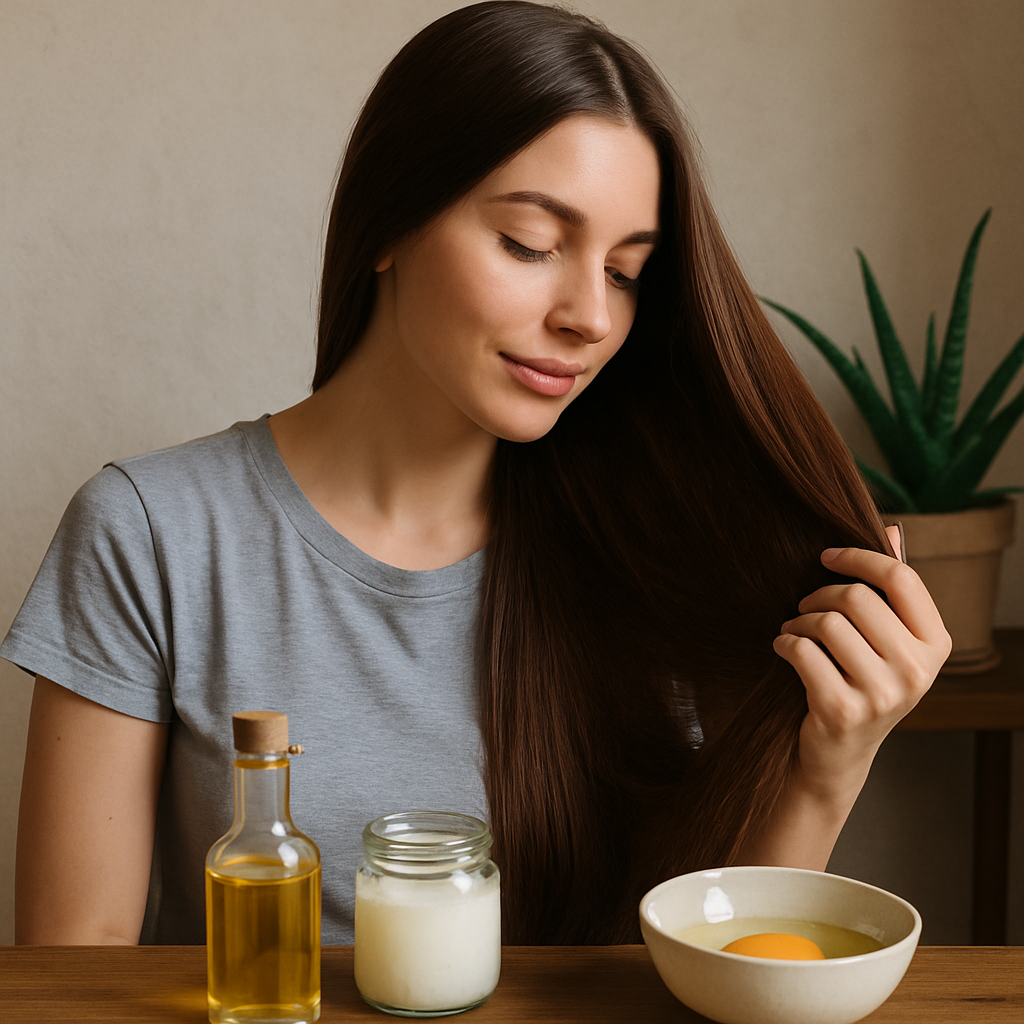
Homemade Tips for Silky and Smooth Hair
Best DIY Hair Masks and Packs for Shine
Let’s get hands-on with some favorite homemade tips for silky hair that people swear by (and we’ve tried them, too — most of 'em don't smell great, but boy do they work).
Avocado and Olive Oil Mask
-
Mash half an avocado, add 2 tbsp olive oil
-
Apply from mid-lengths to ends
-
Leave on 30 mins, then rinse and wash
Fenugreek Seed Paste
-
Soak 2 tbsp methi (fenugreek) seeds overnight
-
Blend into a paste
-
Apply to scalp and hair
-
Rinse after 40 mins — soft, bouncy, shiny hair
Coconut Milk and Honey Mask
-
Mix ½ cup coconut milk with 1 tbsp honey
-
Apply generously
-
Leave for 30–40 mins
-
Shampoo as usual
These DIY treatments are the real deal when it comes to how to make hair smooth and silky at home. Just make sure to patch test if you have sensitive skin or scalp conditions.
How to Get Soft Hair Naturally Without Chemicals
There's a myth that you need fancy products to get that Instagram-glow hair. Nah. How to get soft hair naturally at home is more about consistency than it is about magic potions.
-
Drink more water — seriously. Hydration matters more than conditioner.
-
Trim regularly — split ends make your hair look and feel rough.
-
Avoid daily shampooing — once every 2–3 days is usually enough.
-
Use natural fabrics — cotton towels can be too harsh. Use a microfiber towel or an old soft tee for drying.
Skip the chemicals, give it some time, and your hair will thank you.
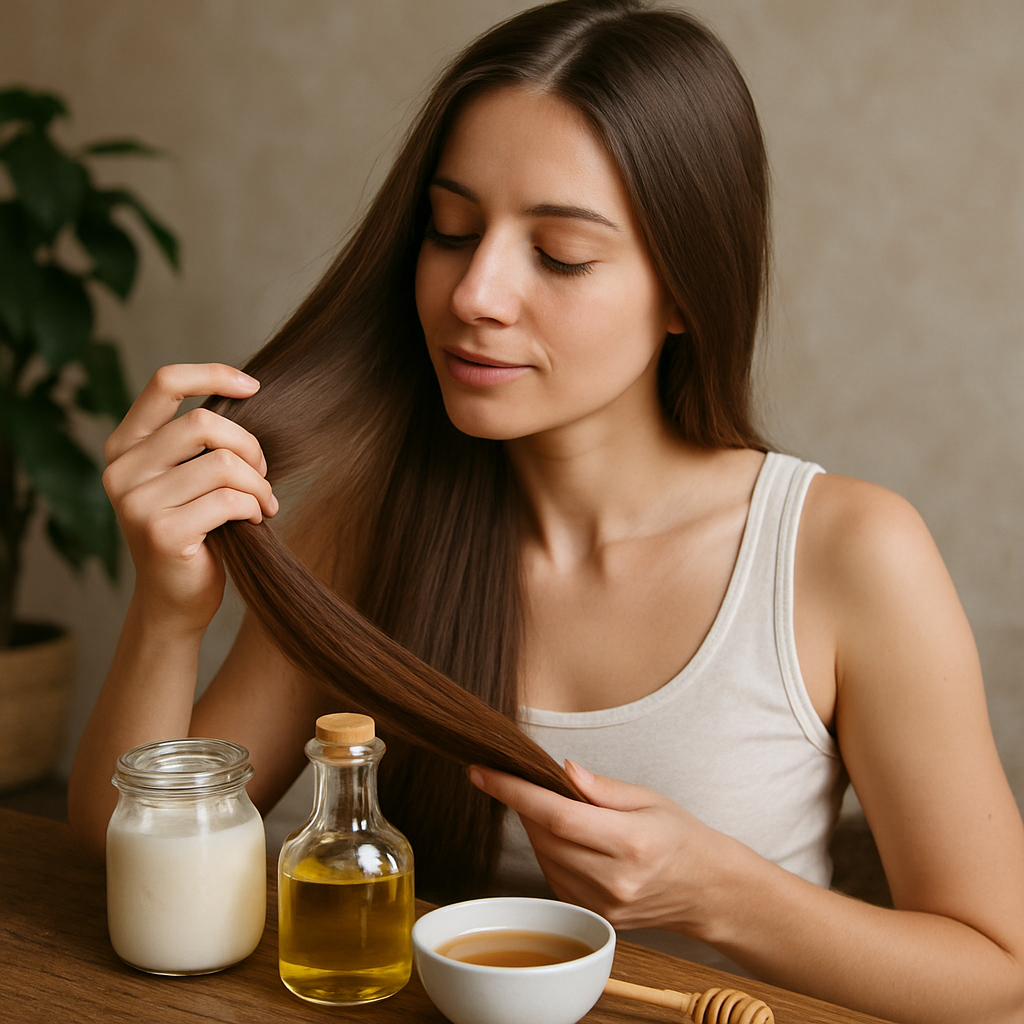
Ayurvedic Hair Care Rituals for Silky Hair
Shiro Abhyanga (Oil Massage) and Herbal Washes
Shiro Abhyanga — which basically means "head massage" — is one of Ayurveda’s core rituals for hair health. It’s not just about applying oil; it’s about activating marma (energy) points, improving circulation, and calming the nervous system. If you’re serious about how to make your hair silky at home, make this a non-negotiable weekly treat.
Follow up your oil massage with herbal washes instead of harsh commercial shampoos. Try these combos:
-
Reetha + Shikakai powder paste
-
Hibiscus leaf paste
-
Green gram flour and rose water
Sure, they take some time to prepare, but they're worth it. And once you get into the rhythm, you won’t wanna go back.
Best Herbs for Soft Hair: Hibiscus, Amla, Fenugreek, Brahmi
Ayurveda is full of plant power, and these four herbs are the GOATs (greatest of all time, in case you’re not hip with the lingo 😅) when it comes to silky hair tips at home:
-
Hibiscus: Promotes hair growth, improves texture, and adds a deep natural sheen.
-
Amla: Rich in antioxidants, strengthens follicles, and helps prevent grays.
-
Fenugreek (Methi): Reduces dandruff, conditions deeply, and prevents breakage.
-
Brahmi: Calms the scalp and encourages thicker, softer hair.
Use them in powders, infusions, or oils. Keep it simple or go wild — your choice.
How to Maintain Silky Hair During Seasonal Changes
Seasonal transitions mess with your hair more than you’d think. Cold air dries it out, summer heat makes it greasy, monsoons bring frizz. To get soft and silky hair, adjust your routine a bit:
-
Winter: Deep oiling, warm herbal rinses, and less frequent washing.
-
Summer: Lighter oils (like coconut), scalp cooling masks, frequent hydration.
-
Monsoon: Anti-fungal herbs like neem, ACV rinses, extra cleansing.
Be flexible, and don’t expect one routine to work all year. Adapt like your wardrobe, ya know?
Conclusion
So, what’s the takeaway from all this?
You can learn how to make hair silky permanently, but not with overnight gimmicks or chemical shortcuts. Ayurveda teaches us to care for the root — literally and figuratively — with patience, intention, and natural goodness.
Whether it’s weekly oil massages, homemade tips for silky hair, or just avoiding that third heat-styling session in a row (guilty), small changes add up.
And now that you know how to get soft and silky hair, go make it happen — your healthiest, shiniest hair is waiting for you to just start.
👉 Try one tip today. Maybe a banana mask. Or a warm oil massage. Or just drinking more water. Your hair’s new chapter starts now.
Don't wait or self medicate. Start chat with Doctor NOW
FAQs
Q: How long does it take to make hair silky naturally?
A: It depends on your current hair health and consistency. Most people notice improvements within 3–4 weeks of regular oiling, natural masks, and Ayurvedic shampoos. But for lasting results? Think in months, not days.
Q: Can Ayurveda help make hair silky permanently?
A: Yes, if followed consistently. Ayurveda works on the root cause — imbalanced doshas, poor nutrition, stress — not just surface-level problems. The key is to be patient and regular with treatments.
Q: Are there any diet changes that support soft hair?
A: Absolutely. Include ghee, almonds, leafy greens, sesame seeds, and amla in your diet. Stay hydrated. Avoid excessive caffeine and processed foods, which dry out the scalp and mess with your body's balance.
Want more real-world Ayurveda and DIY self-care tips? Share this article with a friend who needs a hair revival and follow for more juicy rituals and remedies. ✨
Questions from users
What are effective home remedies for split ends repair?
Client_ea77c8
4 days ago
To effectively repair split ends at home, trimming them is the most reliable method since no remedy can fully "heal" split ends. To prevent further damage and improve overall hair health, try deep conditioning treatments using natural oils like coconut or olive oil. These oils can help lock in moisture and reduce breakage. Use a small amount of oil, leave it on for 30 minutes, and then shampoo. Incorporating egg masks might also help, as the proteins can temporarily strengthen hair. Minimize the use of heat styling tools and harsh chemical treatments to avoid further split ends. If split ends are severe and persistent, consult a dermatologist or trichologist for tailored advice.
What natural oils can I mix with ghee for hair shine?
Client_f29387
9 days ago
You can mix ghee with natural oils like coconut oil, olive oil, or almond oil to enhance hair shine. These oils are known for their moisturizing properties, which help to lock in hydration, adding luster and smoothness to the hair. Typically, a weekly application can show improvements in 3–4 weeks. Warm the mixture slightly and apply it to the hair, leaving it on for at least 20 minutes before rinsing. Be cautious if you have oily skin or scalp conditions, and if irritation occurs, consult a dermatologist.
How to incorporate hydration into my hair care routine for shine?
Client_6b135e
14 days ago
To incorporate hydration into your hair care routine for added shine, begin by drinking plenty of water daily as internal hydration is key. Use moisturizing hair products like shampoos and conditioners with ingredients such as argan oil or shea butter. Regularly applying a hydrating hair mask or a warm oil treatment, such as coconut or olive oil for 20 minutes before rinsing, can help boost moisture levels. Limit heat styling and use a wide-tooth comb to prevent breakage. For persistent dryness or if you're unsure which products to use, consulting a dermatologist or trichologist is advisable.
What are the best seasonal hair care tips for dry hair?
Client_c1d1cb
19 days ago
For dry hair during the winter, deep oil treatments such as using almond or castor oil, warm herbal rinses like chamomile, and reducing the frequency of washes can help maintain moisture. In summer, opt for lighter oils such as coconut, use scalp cooling masks, and ensure regular hydration to combat dryness. During the monsoon, incorporate anti-fungal herbs like neem or apple cider vinegar rinses and increase cleansing to prevent scalp infections. If dryness persists despite these adjustments, consider consulting a dermatologist.
How long should I leave natural oils in my hair for best results?
Client_ddb31a
29 days ago
You should typically leave natural oils in your hair for at least 30 minutes to allow them to penetrate and nourish the strands effectively. For deeper conditioning, some people leave the oil in overnight if it is comfortable and does not irritate the scalp. Natural oils like coconut, argan, and olive oil can help with hydration and hair health, but be mindful of your hair type and any allergies. Rinse thoroughly and use a gentle shampoo to remove excess oil. If you notice irritation or increased hair fall, consult a dermatologist.
What natural ingredients enhance the effectiveness of Ayurvedic hair treatments?
Client_f08feb
39 days ago
To enhance the effectiveness of Ayurvedic hair treatments, incorporate natural ingredients like amla, bhringraj, and coconut oil, which are known for promoting hair health and shine. Amla helps strengthen hair follicles, bhringraj is renowned for promoting hair growth, and coconut oil deeply conditions hair. Regular use of these ingredients can make improvements noticeable within weeks. Ensure a balanced diet with leafy greens, almonds, and sesame seeds. If no improvement is seen after 3-4 weeks, or if hair issues worsen, consulting a healthcare provider is recommended.
What are the best drinks to stay hydrated for healthy hair?
Client_34b04f
49 days ago
To keep your hair healthy and hydrated, water and herbal teas are the best choices. Drinking sufficient water daily, about 8-10 glasses, helps maintain optimal hydration throughout your body, including your hair. Herbal teas, such as chamomile or green tea, can also be beneficial due to their antioxidant properties. Coconut water and aloe vera juice can be hydrating while providing nutrients that support hair health. Avoid sugary drinks and excessive caffeine, as these can dehydrate you. If you notice persistent dry hair despite following these tips, see a healthcare professional to rule out any underlying issues.
How to choose the right hair mask for damaged strands?
Client_ee23a3
58 days ago
To choose the right hair mask for damaged strands, look for products rich in proteins and moisturizing ingredients like keratin, argan oil, or coconut oil. Protein helps repair and strengthen the hair, while oils restore moisture. Assess your hair's specific needs—if it's very dry, opt for deeply hydrating masks. Consistent use over weeks is key; don't expect immediate results. If you don't see improvement after a few weeks, or if your hair is particularly fragile or breaking, consult a dermatologist or trichologist.
What causes frizzy hair and how can I prevent it naturally?
Client_cbff79
68 days ago
Frizzy hair often happens due to a lack of moisture or because your hair's damaged. To prevent it naturally, Ayurveda suggests nourishing your hair from the inside. Externally, try regular oiling with coconut or almond oil before washing, and use a mild, herbal shampoo. Diet also plays a role, so include those ghee, almonds, and amla you've seen in the article. Remember to be gentle, no over-washing or excessive heat styling. Let nature do its thing!
How to mix natural oils and eggs for a homemade hair treatment?
Client_ec9197
77 days ago
To whip up a fab homemade hair treatment, crack an egg (or two for longer hair) and beat them until smooth. Mix in about 1-2 tablespoons of a carrier oil like olive or coconut oil. Adjust the amount depending on hair length, no hard rules! This blend, when applied, can nourish hair, enhance shine, and repair damage. Try a small patch though, just in case your scalp will be fussy! Happy hair care! 😊
Related articles
Skin and Hair Disorders
Kushta Chikitsa – Revitalizing Skin Health with Ayurveda
Discover Kushta Chikitsa, an age-old Ayurvedic approach to treating skin disorders. Learn how natural herbs, dietary modifications, and holistic therapies balance doshas and restore radiant skin.
2,948

Skin and Hair Disorders
What Is Red Sandalwood Used For: Ayurvedic Benefits and Applications
Discover what red sandalwood is used for in Ayurveda. Learn its skin and face benefits, how to use the powder, and natural ways to apply it for skin whitening
5,549

Skin and Hair Disorders
Which Oil Is Good for Dandruff: Ayurvedic Oils and Remedies
Which oil is good for dandruff? Learn the best oils for dandruff and hair fall. Discover Ayurvedic hair oil remedies and essential oils for scalp health
9,137

Skin and Hair Disorders
Can We Use Almond Oil for Hair: Benefits, Growth, and Ayurvedic Insights
Find out if almond oil is good for hair and its benefits. Learn about almond oil for hair growth, low porosity hair, and safe application methods
11,389

Skin and Hair Disorders
Corn Treatment in Ayurveda: Natural Remedies for Smooth and Healthy Skin
Learn about Ayurvedic treatments for corns, focusing on natural remedies to remove and prevent corns, soothe discomfort, and promote skin health.
7,206

Skin and Hair Disorders
How to Use Nutmeg for Skin Pigmentation: Ayurvedic Remedies
How to use nutmeg for skin pigmentation? Learn the benefits of nutmeg powder for dark spots, how to apply it overnight, and why nutmeg is good for glowing skin
16,513

Skin and Hair Disorders
Garlic for Hair: Ayurvedic Uses, Growth & Cautions
Is garlic good for hair? Learn about garlic benefits for hair growth, how to use garlic oil and juice, and potential side effects in Ayurvedic hair care routine
13,100

Skin and Hair Disorders
Does Salt Make Hair White? Ayurvedic Perspective and Hair Care Tips
Does salt make hair white or damage it? Learn the side effects, benefits of salt for hair, sea salt uses, and Ayurvedic tips for healthy hair
12,582

Skin and Hair Disorders
Neelibhringadi Oil Benefits, How To Use, Ingredients, Side Effects
Exploration of Neelibhringadi Oil Benefits, How To Use, Ingredients, Side Effects
5,121

Skin and Hair Disorders
How to Use Nutmeg Powder Effectively in Daily Life
Learn how to use nutmeg powder for skin, face, sleep, and pigmentation. Discover its Ayurvedic benefits, recipes, and practical tips for daily wellness
7,549
Related consultations on the topic
Legal
Additional Documents
© 2024 Ask Ayurveda. All rights reserved.