Ask Ayurvedic doctor a question and get a consultation online on the problem of your concern in a free or paid mode. More than 2,000 experienced doctors work and wait for your questions on our site and help users to solve their health problems every day.


Body DetoxEar, Nose, and Throat DisordersGeriatrics & RejuvenationImmunodeficiencyInfertility TreatmentNutritionOrthopedic DisordersPediatricsRespiratory DisordersSexually Transmitted Diseases (STDs)Surgery RecoveryUrological DisordersVascular DisordersDental DisordersEndocrinological DisordersGastrointestinal DisordersYoga TherapyGeneral MedicineAllergic DisordersCardio DisordersGynecology and ObstetricsCosmetologySkin and Hair DisordersEye DisordersInfectious DiseasesMental DisordersNeurological DisordersOncologyPanchakarmaSexual Health & DisordersSports Medicine
Published on 07/08/25
(Updated on 08/13/26)
star_border 5
11,751
What Foods Kill Mucus: Ayurvedic Nutrition for Clear Breathing

If you’ve been feeling congested, foggy, or constantly battling that nagging cough — it could be more than just allergies or a cold. Excess mucus in the body is often a sign that something’s out of balance. And while over-the-counter meds might offer temporary relief, there’s a more natural, lasting approach rooted in ancient healing traditions. Yes, we’re talking about Ayurveda — and more specifically, what foods kill mucus, mucus reducing foods, and anti mucus foods that support clear lungs and calm digestion.
In this guide, we’re diving into the Ayurvedic view of mucus (or "Kapha" imbalance), the foods that destroy mucus, and how your everyday diet might either be helping or harming your ability to breathe freely. Plus, we’ll walk through a simple anti-mucus diet you can start today. Ready to feel lighter, clearer, and more energized? Let’s go.
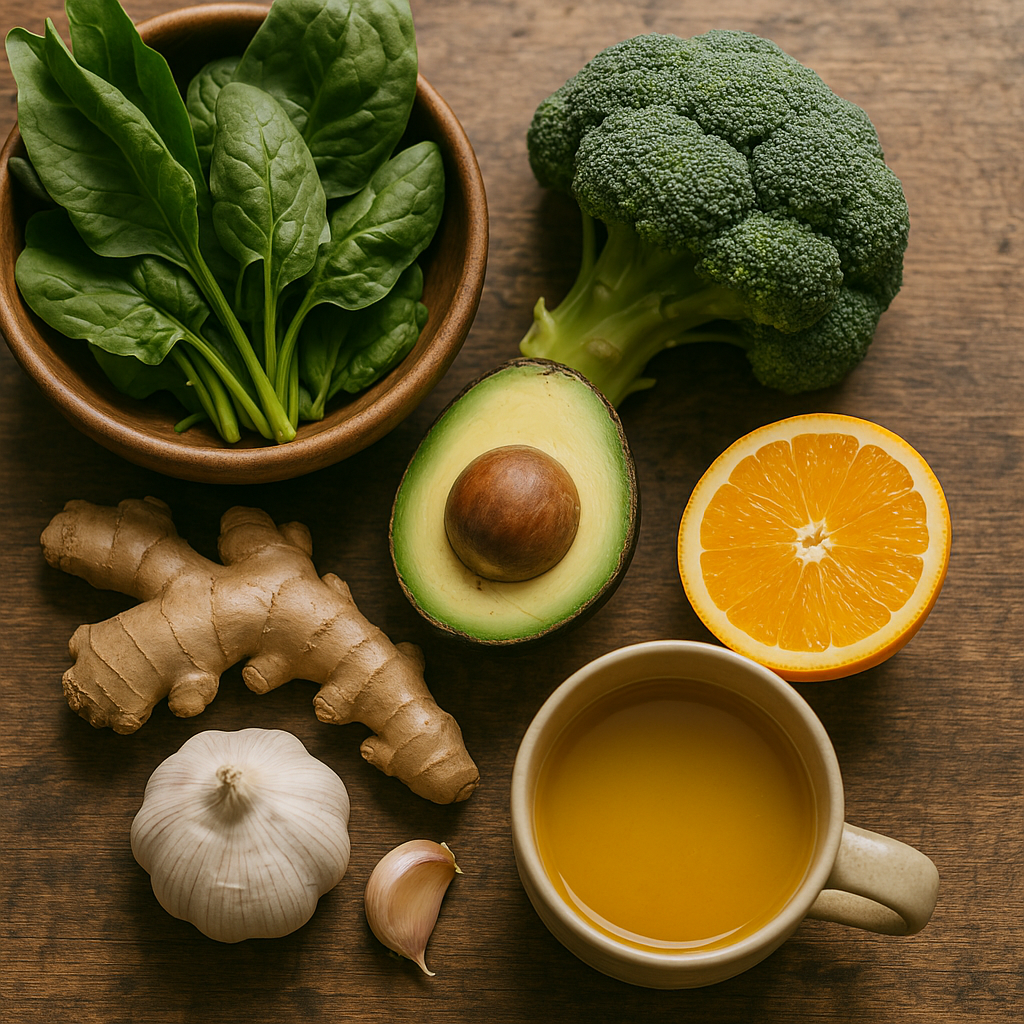
Mucus Buildup from an Ayurvedic Perspective
What Causes Excess Mucus in the Body
In Ayurveda, mucus is closely tied to Kapha dosha — the element of earth and water that governs stability, lubrication, and structure. While some mucus is totally normal (we need it to protect tissues and trap pathogens), too much can signal that Kapha has gone wild.
The usual culprits? Well, it’s not always what you’d expect. Dairy is a big one — milk, cheese, and even “healthy” yogurt often increase mucus production, especially when cold or consumed at night. But it’s not just dairy. Cold drinks, sugary foods, fried snacks, and processed carbs can all bog down your system and lead to that heavy, sluggish feeling.
Add in stress, lack of movement, or a sedentary lifestyle (hello, remote work era) — and boom, you’ve got a mucus party going on in your sinuses, lungs, and gut.
Why Reducing Mucus Is Important for Lung and Gut Health
You may be thinking, “So what if I have some extra mucus?” But here's the deal — too much mucus doesn't just affect your breathing. It clogs up digestion, weakens immunity, and becomes a breeding ground for bacteria and yeast.
In the lungs, it can trap toxins, irritate airways, and increase your risk of infections or asthma flare-ups. In the gut, excess mucus may be a sign of candida overgrowth or poor digestion, leading to bloating, gas, or fatigue. Basically, mucus overload = system overload.
So yeah, clearing it out matters — a lot.
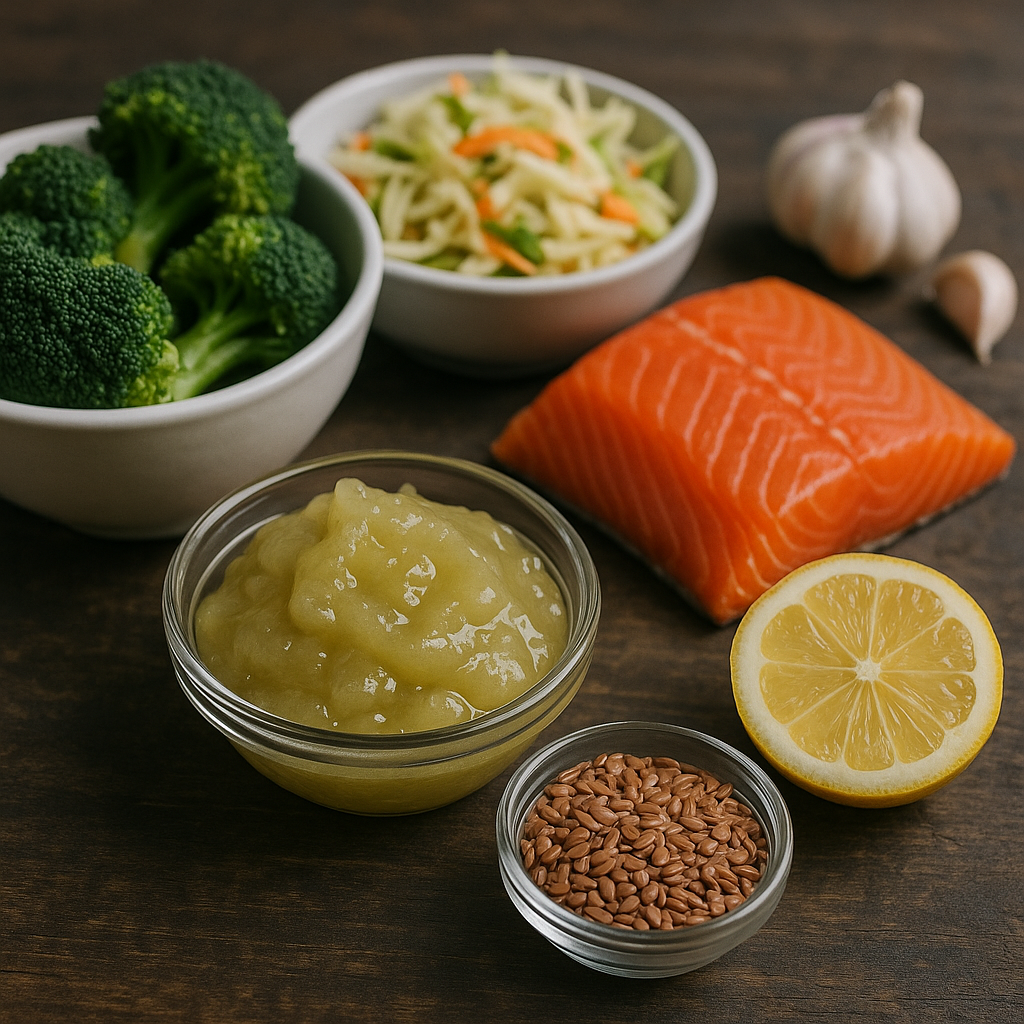
What Foods Kill Mucus and Promote Detox
Mucus Reducing Foods in Ayurveda
Ayurveda recommends a range of mucus clearing foods that are naturally warming, bitter, pungent, or astringent in taste. These qualities help dry up excess Kapha and stimulate digestion. Some top picks include:
-
Ginger (fresh or dried)
-
Turmeric
-
Garlic
-
Radishes
-
Leafy greens (think arugula, kale, mustard greens)
-
Pomegranate
-
Apples (especially baked!)
These aren’t just random superfoods. They’re healing foods that destroy mucus naturally by improving "Agni" — your digestive fire — which is key for metabolizing excess fluids and waste.
Fun fact: radishes are actually one of the best foods to remove mucus from lungs, especially raw ones. They’re spicy, sharp, and go straight to work on clearing out congestion.
Healing Foods That Destroy Mucus Naturally
Other mucus killing foods you should keep in your kitchen?
-
Chili peppers – their heat helps thin mucus so it’s easier to expel
-
Onions – rich in sulfur compounds that fight bacteria and clear sinuses
-
Lemon – astringent and detoxifying, helps dry up phlegm
-
Honey (in moderation) – especially with ginger or tulsi, can soothe the throat and reduce mucus build-up
Don’t underestimate the power of warming herbs and spices either. Cumin, coriander, cinnamon, and black pepper all stimulate digestion and reduce fluid stagnation.
Now, this doesn’t mean you need to survive on kale and cayenne for the rest of your life. But adding these foods that destroy mucus into your daily meals can make a major difference over time.
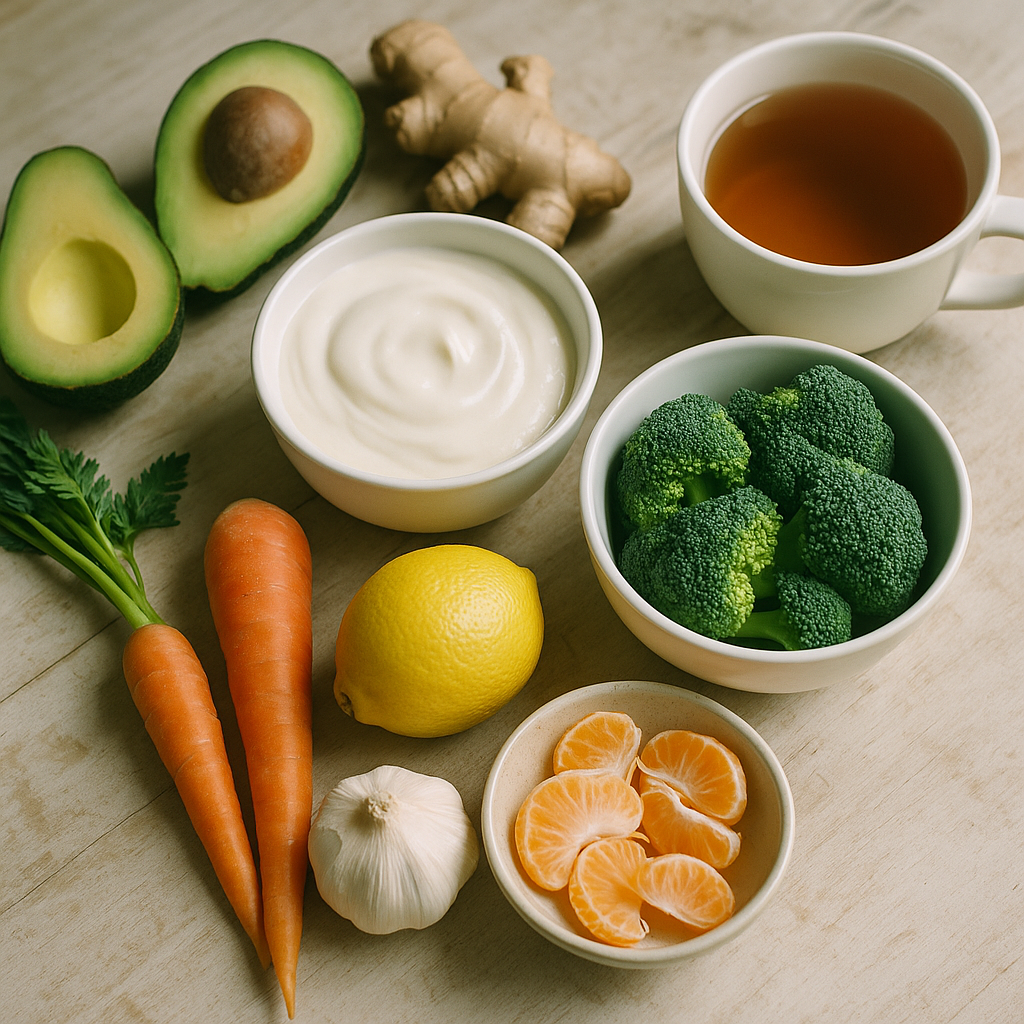
Foods to Avoid That Increase Mucus Production
Alright, so now that we’ve covered mucus killing foods, let’s talk about the flipside — the foods that make your mucus situation worse. A lot worse.
Here’s a not-so-fun truth: many of the foods we consider “comforting” or “normal” are secretly fueling that congested, heavy feeling. Some are obvious, some… not so much.
Top mucus-producing offenders include:
-
Dairy products – Milk, cheese, cream, yogurt (yep, even Greek yogurt) can thicken mucus and coat the gut.
-
Refined sugar – Sugar feeds inflammation and candida, which increases mucus.
-
Cold drinks – Ice water, smoothies straight from the fridge, cold beer — all slow digestion and encourage Kapha.
-
White bread and pastries – Highly processed and hard to digest, these create “ama” (toxic buildup) and promote mucus.
-
Fried and oily foods – Slows down metabolism and increases dampness in the system.
Now, here’s where it gets real: sometimes “healthy” foods can be mucus triggers too — especially when eaten in excess or the wrong time of day. Bananas, avocados, even tofu or nut butters (if eaten cold) can increase Kapha for certain body types.
It doesn’t mean you need to eliminate everything forever — but tuning into how these foods affect you is half the battle.
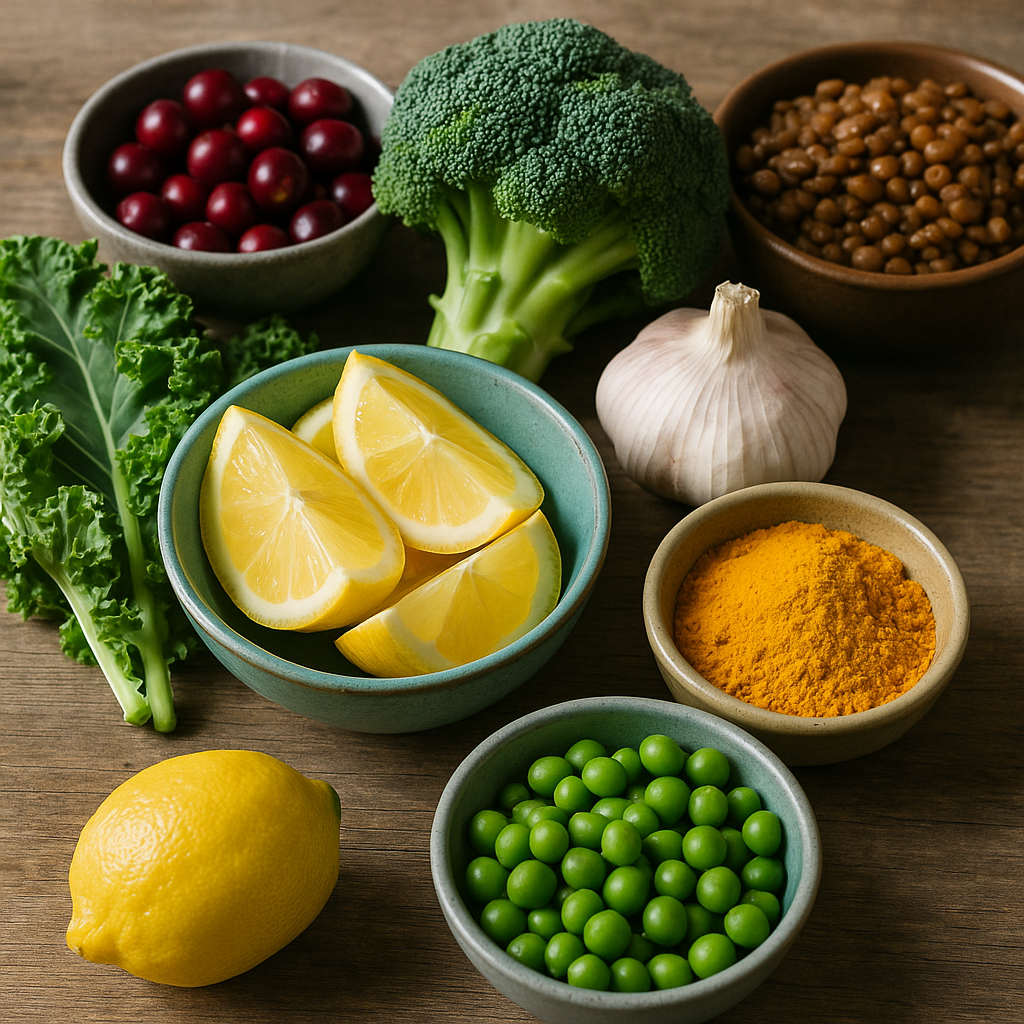
Anti-Mucus Diet Plan and Recipes
Okay, let’s shift gears. You know what to avoid. Now let’s talk about what to eat to feel clear-headed, energized, and free from that annoying drip-drip in the back of your throat.
Here’s your go-to anti-mucus diet plan — simple, practical, and delicious.
Sample One-Day Diet to Clear Mucus
Morning (7–9 AM):
-
Warm lemon water with a pinch of cayenne
-
Light breakfast: cooked apple with cinnamon and a drizzle of raw honey
-
Herbal tea (like tulsi or ginger)
Mid-morning Snack:
-
Handful of roasted pumpkin seeds or fresh pomegranate
Lunch (12–1 PM):
-
Steamed greens with cumin, turmeric, and black pepper
-
Red lentil dal
-
Quinoa or lightly spiced basmati rice
-
Pickled ginger or radish on the side
Afternoon (3–4 PM):
-
Herbal tea: cinnamon + clove + fennel
-
Sliced pear or baked sweet potato
Dinner (6–7 PM):
-
Light veggie soup with garlic, onions, carrots, and celery
-
Small side of sautéed kale or mustard greens
Eat dinner early if you can. Avoid snacking after 7pm (a mistake many of us make without thinking — myself included).
Herbal Teas and Spices That Reduce Mucus
Teas can be a game changer — not just warm and soothing, but actively mucus reducing. Here’s a few blends to try:
-
Ginger + tulsi + black pepper – powerful lung cleanser
-
Cinnamon + cardamom + clove – dries up excess moisture
-
Licorice root + fennel – gentle support for irritated lungs
Make sure your tea is warm (not hot enough to burn your tongue though... learned that the hard way), and sip slowly. It’s part of the ritual.
Simple Recipes for Mucus-Free Digestion
Try this mucus clearing recipe:
Kapha-Balancing Vegetable Stir Fry
-
1 cup chopped kale
-
½ cup sliced radish
-
1 carrot, shredded
-
1 tsp grated ginger
-
½ tsp turmeric
-
Dash of black pepper
-
Squeeze of lemon juice
Sauté all ingredients in a bit of ghee or coconut oil until tender. Add a sprinkle of cumin seeds at the end. Serve warm — never cold!
Conclusion
So, what’s the takeaway here?
When it comes to battling congestion, foggy sinuses, or sluggish digestion, the answer might just be hiding in your kitchen. What foods kill mucus isn’t just a catchy question — it’s a real path to better breathing, clearer thinking, and a lighter, more energized body.
By choosing mucus reducing foods like ginger, garlic, leafy greens, radishes, and spices like turmeric and cumin, you can gently cleanse your system without harsh pills or weird detox powders. These aren’t just “superfoods” — they’re healing foods that destroy mucus in a way that’s safe, sustainable, and rooted in centuries of wisdom.
And hey, don’t beat yourself up if you’ve been munching on cheesy pasta or sipping on iced lattes every day. We’ve all been there (I literally ate cold pizza for breakfast last week — big mistake).
The key is to notice how your body responds, and shift toward an anti mucus diet that supports you day to day. Small changes lead to big shifts. Add one warming tea. Swap one dairy-heavy meal for a veggie stir fry. Take it slow.
Your lungs, your sinuses, and honestly your mood — will thank you.
Don't wait or self medicate. Start chat with Doctor NOW
FAQs
What foods destroy mucus in the lungs naturally?
Several foods can help clear mucus from the lungs naturally. Ginger, garlic, turmeric, radishes, and chili peppers are among the top contenders. These work by thinning mucus, reducing inflammation, and improving circulation — especially to respiratory tissues.
Pineapple (because of its enzyme bromelain), onions, and citrus fruits can also support the breakdown of stubborn phlegm.
Can I use anti mucus foods to reduce sinus congestion?
Absolutely! Anti mucus foods are very effective for sinus relief. Spicy foods like ginger, horseradish, or even a warm curry can help open up nasal passages. Add warming teas (like tulsi or cinnamon-clove blends), and avoid mucus-producing foods like dairy and sugar for a few days — you'll likely notice a difference fast.
Oh — and try inhaling steam with eucalyptus or peppermint oil. Not food, but super helpful.
What to eat to reduce mucus during colds and flu?
When you're sick, it's even more important to eat foods that destroy mucus. Focus on warm, easy-to-digest meals like veggie soups with garlic, onion, and turmeric. Add black pepper and ginger for extra heat and decongestion.
Skip the cold smoothies, dairy-heavy dishes, and anything fried or processed. Your body needs support, not sludge.
Drink plenty of warm fluids, add lemon and honey to tea, and eat light. This helps your body focus on healing rather than digestion.
Final Thoughts
If you’re serious about feeling clearer, lighter, and more vibrant — it’s time to rethink what’s on your plate. Ayurveda gives us a roadmap not just to reduce symptoms, but to build deep, sustainable wellness from the inside out.
Start by asking yourself: what to eat to reduce mucus today? Then make one small shift. Maybe it’s swapping milk for ginger tea. Or choosing cooked greens instead of bread with dinner. These tiny tweaks add up.
Feeling inspired? Share this article with someone who's always clearing their throat, always congested, or just curious about natural healing. Spread the good vibes. And if you try the anti-mucus diet plan or recipes — let me know how it goes. You’ve got this.
Breathe easy, friend. 🌿
Questions from users
What are some effective home remedies for reducing mucus naturally?
Client_845bf9
27 days ago
To reduce mucus naturally, consider drinking warm fluids like herbal teas and broths, which can thin and loosen mucus. Spices such as ginger, garlic, and turmeric have anti-inflammatory properties that may help decrease mucus production. Inhaling steam from a bowl of hot water or using a humidifier can also ease congestion. Limit dairy and sugary foods, as they might exacerbate mucus formation. If excessive mucus persists for over two weeks or is accompanied by severe symptoms, consult a healthcare professional.
What foods should I avoid to reduce excess mucus production?
Client_4ba4eb
37 days ago
To reduce excess mucus production, avoid dairy products, as they are known to increase mucus in some people. Cutting back on sugary foods and beverages can also help, as sugar may contribute to inflammation and mucus production. Opt for warm fluids like ginger tea to help clear nasal passages. Replace heavy, fatty foods with lighter meals such as soups and steamed vegetables. If excess mucus persists for more than a few weeks or is accompanied by other symptoms, consider consulting a healthcare professional.
How long does it take to see results from an anti-mucus diet?
Client_e095ee
47 days ago
Results from an anti-mucus diet can vary depending on the individual's overall health and the extent of mucus build-up. Generally, individuals may begin to notice improvements in mucus production and related symptoms, such as nasal congestion or coughing, within a few days to a couple of weeks of starting the diet. Foods like ginger, turmeric, and chili peppers are particularly effective in reducing mucus. Consistent dietary changes, along with hydration and avoiding mucus-producing foods like dairy, can enhance the benefits. If symptoms persist or worsen, it is advisable to see a healthcare provider.
What are the benefits of herbal teas for respiratory health?
Client_f2588d
56 days ago
Herbal teas can benefit respiratory health primarily by helping to reduce mucus. Ingredients like ginger, peppermint, and thyme are known for their mucus-thinning properties, which can ease congestion and support easier breathing. These teas are soothing and may reduce inflammation in the airways, potentially helping with conditions like sinusitis or mild respiratory infections. Always ensure the ingredients used are safe for you, especially if you have allergies or are taking medication. If respiratory symptoms persist or worsen, consulting a healthcare provider is important to rule out more serious conditions.
Is it safe to drink too much ginger tea when trying to reduce mucus?
Client_93bf92
66 days ago
Drinking ginger tea can be pretty helpful to reduce mucus because it's warming and helps stimulate digestion, balancing Kapha. But, too much can irritate your stomach or cause heartburn, especially if you have sensitive digestion or Pitta imbalance. So, enjoy in moderation, maybe a couple cups a day, and pay attention to how your body feels!
What is the role of black pepper in reducing mucus and improving digestion?
Client_c1dc2c
75 days ago
Black pepper is great for reducing mucus and boosting digestion. In Ayurveda, it helps balance the Kapha dosha, which is linked to mucus and heaviness. It's got piperine that aids digestion by stimulating the agni, or digestive fire. So, adding a bit of black pepper to your meals or even teas can be a good move!
What is the connection between hydration and mucus production in the lungs?
Client_9dff78
85 days ago
Hydration is quite key in managing mucus production. When you're well-hydrated, it helps thins out mucus, making it easier to expel. If you think of Kapha dosha, it's associated with heaviness and accumulation, like mucus. Drinking warm fluids helps balance Kapha, keeping mucus in check in your lungs. So keep sipping!
Can I use herbal remedies along with an anti-mucus diet for better sinus relief?
Client_6f7160
93 days ago
Yep, herbal remedies can totally work alongside an anti-mucus diet for sinus relief. Herbs like ginger and turmeric, which are already part of the anti-mucus foods, are great for reducing inflammation. Just be sure they align with your dosha balance. You can also try tulsi or eucalyptus steam inhalations for extra relief! If you're not sure, a quick chat with an Ayurvedic practitioner could help.
Can I drink ginger tea daily to help reduce mucus production effectively?
Client_c0e341
103 days ago
Yep, you can totally drink ginger tea daily to help with mucus production. Ginger is great for reducing that kapha imbalance, which can be behind excess mucus. Just make sure you're not overdoing it if ginger's warming quality causes any discomfort like heartburn or too much heat in your body. If you're too pitta, just balance it out with some cooling foods or herbs.
Can cumin and coriander also help with reducing fatigue and bloating?
Client_dbc119
112 days ago
Yes, cumin and coriander can help with fatigue and bloating! Both spices aid in digestion and help balance doshas, so by stimulating your agni and smoothing out digestion, they can help reduce that heavy, bloated feeling and give you a bit more energy. Just remember, every individual is different, so it might take a little time to see how they work for you!
Related articles

Nutrition
Elaneer Kuzhambu Benefits, Dosage, Ingredients, And Side Effects
Exploration of Elaneer Kuzhambu Benefits, Dosage, Ingredients, And Side Effects
2,595

Nutrition
How to Make Cinnamon Tea for Weight Loss: Recipes & Benefits
Exploration of Harness the Power of Cinnamon Tea for Natural Weight Loss and Metabolism Boost
8,112
Nutrition
So, Is Curd Really That Great? Let’s Talk About the Disadvantages of Eating Curd
Okay, let’s just get this out of the way: curd is everywhere. It’s in our breakfasts, our lunches, sometimes even dinners (and yeah, raita counts). It’s been passed down generations like some sacred dairy relic, praised for its “cooling” effects, digestiv
3,621

Nutrition
What Is Alsi: Ayurvedic Guide to Seeds, Oil, Benefits and Uses
Exploration of Unlocking the Health Benefits of Alsi: Flaxseeds in Ayurveda
4,208

Nutrition
Shilapravang Special Benefits, Dosage, Side Effects, Ingredients
Exploration of Shilapravang Special Benefits, Dosage, Side Effects, Ingredients
3,052

Nutrition
What Is Kokum: Ayurvedic Uses, Health Benefits, and Precautions
What is kokum and how is it used? Learn about kokum fruit, juice, oil, and syrup, their health benefits, Ayurvedic properties, and possible side effects
10,340

Nutrition
Dietetics and Its Solutions in Ayurveda
Ayurveda, also called the Science of Life has a two-folded aim, which is “Swasthasya Swasthya Rakshanam” i.e. to preserve the good health of the healthy, and “Aturasya Vikara Prashamanam” which means to cure the disease of the diseased.
3,346

Nutrition
Patanjali Power Vita Granules
Exploration of Patanjali Power Vita Granules
2,966

Nutrition
Exploring Coconut Curd in Ayurveda
Coconut curd is a popular dairy-free alternative in Ayurveda, made from coconut milk, offering a creamy texture and unique flavor.
7,360

Nutrition
Is Ghee and Honey Combination Poisonous?
Is mixing ghee and honey really poisonous? Learn the Ayurvedic perspective, potential side effects, and how to safely consume ghee and honey together for health
20,162
Related consultations on the topic
Legal
Additional Documents
© 2024 Ask Ayurveda. All rights reserved.