Ask Ayurvedic doctor a question and get a consultation online on the problem of your concern in a free or paid mode. More than 2,000 experienced doctors work and wait for your questions on our site and help users to solve their health problems every day.


Body DetoxEar, Nose, and Throat DisordersGeriatrics & RejuvenationImmunodeficiencyInfertility TreatmentNutritionOrthopedic DisordersPediatricsRespiratory DisordersSexually Transmitted Diseases (STDs)Surgery RecoveryUrological DisordersVascular DisordersDental DisordersEndocrinological DisordersGastrointestinal DisordersYoga TherapyGeneral MedicineAllergic DisordersCardio DisordersGynecology and ObstetricsCosmetologySkin and Hair DisordersEye DisordersInfectious DiseasesMental DisordersNeurological DisordersOncologyPanchakarmaSexual Health & DisordersSports Medicine
Published on 07/18/25
(Updated on 08/10/26)
4.67
3,370
How to Balance Hormones Naturally: Ayurvedic Guide for Women and Men

Ever feel like your body’s running a show and forgot to send you the script? You’re not alone. Hormonal imbalances—whether it’s a short fuse, unpredictable cycles, sluggish energy, or poor sleep—can throw your entire life off track. And while modern medicine offers solutions, many people are turning to more holistic routes to bring their hormones in balance. If you’ve been googling how to balance hormones naturally or wondering how to balance your hormones in a week, you're in the right place.
In this Ayurvedic-inspired guide, we’ll dive into food, lifestyle, herbs, and routines that help regulate your body’s natural rhythms. From foods that balance hormones in females to yoga to balance hormones, this guide is practical, rooted in ancient wisdom, and surprisingly simple to follow. No magic pill here—just nature, discipline, and some good ol’ self-awareness.
Why Hormonal Balance Matters for Health and Wellbeing
Hormones are like text messages from your brain to your body. They control nearly everything—from your metabolism and immune function to your sleep and mood. And when they’re out of whack? You feel it. Hard.
Balanced hormones can improve energy, enhance skin, boost mood, regulate menstrual cycles, and even help with weight loss or muscle gain. On the other hand, imbalances can lead to acne, insomnia, anxiety, fatigue, infertility, and more. Which is why learning how to balance hormones in female and male bodies alike isn’t just a “nice to have”—it’s essential.
Signs of Hormonal Imbalance in Women and Men
Sometimes it's subtle, other times it's like a freight train. Here’s what to look for:
-
Irregular periods or PMS
-
Weight gain (especially belly fat)
-
Mood swings or depression
-
Low libido
-
Fatigue or poor sleep
-
Hair thinning or loss
-
Brain fog
-
Cravings (usually sugar or salt)
Men may also notice low testosterone symptoms like decreased energy, reduced strength, or erectile issues. If you're nodding along, it might be time to check in on those hormone levels.

How to Balance Hormones Naturally Through Ayurveda
Ayurveda—the ancient Indian science of life—believes that disease begins with imbalance. Specifically, with your doshas: Vata (air), Pitta (fire), and Kapha (earth). These doshas regulate everything in your body, including hormones.
Dosha Imbalances and Their Role in Hormonal Health
-
Vata imbalances can disrupt your nervous system, leading to anxiety and insomnia—two major hormone wreckers.
-
Pitta types may suffer from inflammation, skin flare-ups, and irritability.
-
Kapha imbalances often cause sluggish metabolism, weight gain, and depression.
Knowing your dominant dosha helps you customize your diet and habits to bring your hormones in balance naturally.
Ayurvedic Herbs That Balance Hormones in Females
Nature provides some powerful tools here. These herbs have been used for centuries to help balance female hormones:
-
Shatavari: Known as the “queen of herbs” for female health, it nourishes reproductive tissues and eases PMS.
-
Ashwagandha: A potent adaptogen that reduces cortisol (stress hormone) and supports thyroid function.
-
Licorice root: Helps soothe adrenal fatigue and stabilize estrogen.
-
Turmeric: Great for Pitta types—reduces inflammation and supports liver detox.
These are some of the best herbs that balance hormones in females, especially when used under guidance of an Ayurvedic practitioner.
What to Eat to Balance Hormones: Foods, Fruits, and Vitamins
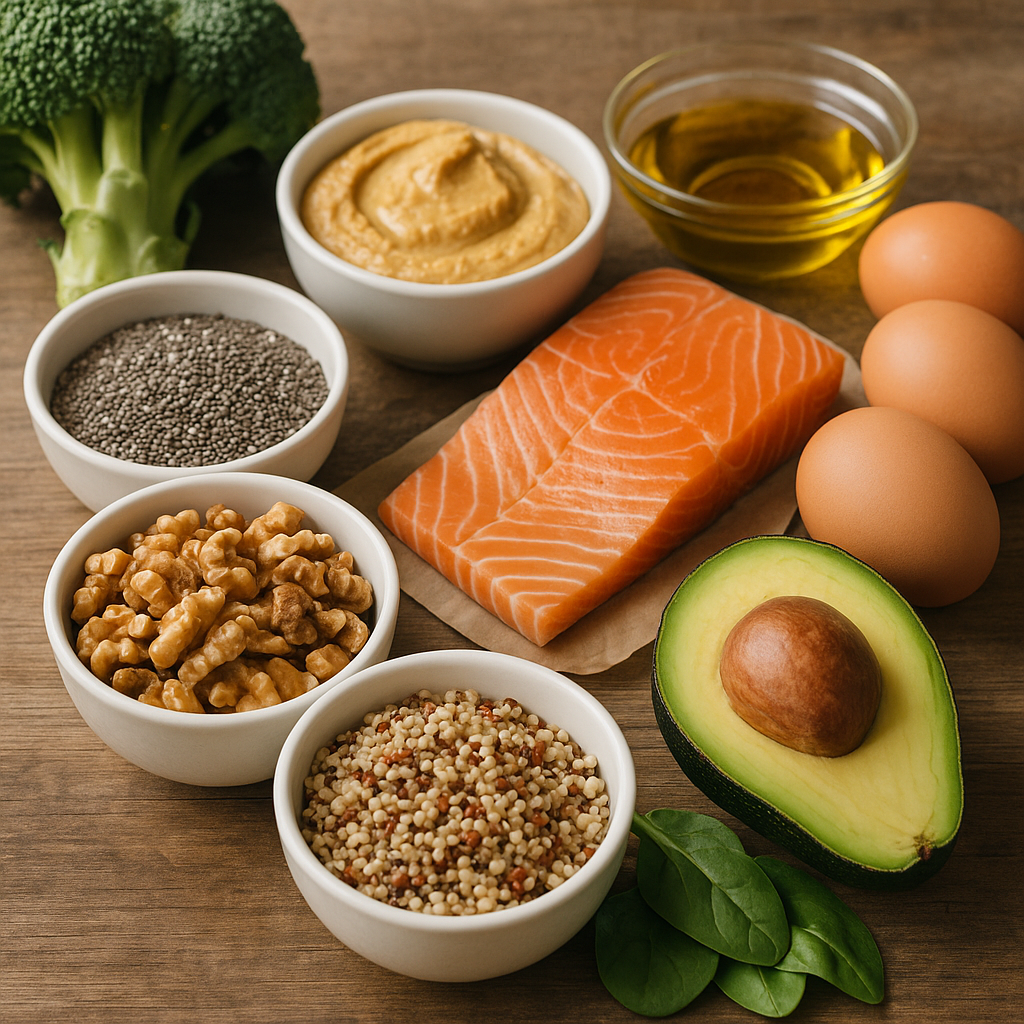
Food is not just fuel. It's information. Every bite you take sends signals to your body, including your endocrine system—the one responsible for producing and regulating hormones. When it comes to how to balance hormones naturally, diet plays a HUGE role (yes, that needed to be in caps).
Let’s break down exactly what to eat to balance hormones, whether you're female, male, or somewhere in between on the hormonal rollercoaster.
Foods That Balance Hormones in Females and Men
Certain foods are like love letters to your hormones. Others? Total heartbreakers. Skip the ultra-processed junk and reach for these hormone-friendly whole foods:
-
Leafy greens (spinach, kale, moringa): Packed with magnesium and fiber that support estrogen detox.
-
Cruciferous veggies (broccoli, cauliflower, Brussels sprouts): These help metabolize excess estrogen, which is crucial for both men and women.
-
Healthy fats (avocados, nuts, seeds, ghee): Your body needs fat to produce sex hormones like estrogen, progesterone, and testosterone.
-
Wild-caught fish: Rich in omega-3s that lower inflammation and balance mood hormones.
-
Fermented foods (like kimchi, yogurt, and sauerkraut): Gut health = hormone health.
These are classic examples of hormones balance food—they work subtly but powerfully over time.
Fruits That Balance Hormones in Females Naturally
Fruit isn’t the enemy. In fact, certain fruits are incredibly powerful allies in your hormonal healing:
-
Pomegranates: Natural phytoestrogens that may help regulate estrogen levels.
-
Berries: Blueberries, raspberries, and strawberries are full of antioxidants that protect hormonal glands.
-
Bananas: High in vitamin B6, they support serotonin (the happy hormone) and aid in adrenal balance.
-
Avocados (yes, they’re technically a fruit!): Rich in monounsaturated fats and potassium, they’re amazing for hormone production.
These are the top fruits that balance hormones in females, especially when eaten fresh and in moderation.
Vitamins to Balance Hormones for Females
No matter how clean your diet is, sometimes we all need a little boost. Here are the best vitamins to balance hormones for females:
-
Vitamin D3: Technically a hormone, not a vitamin. Helps regulate insulin and support mood.
-
Vitamin B-complex: Especially B6 and B12 for energy and stress relief.
-
Magnesium: Calms the nervous system, regulates cortisol, and aids in estrogen detox.
-
Zinc: Supports progesterone levels and helps with acne/hair issues.
Taking a high-quality supplement or boosting your intake through food (like seeds, beans, and whole grains) can really support how to balance female hormones effectively.
Drinks to Balance Hormones: Teas and Tonics
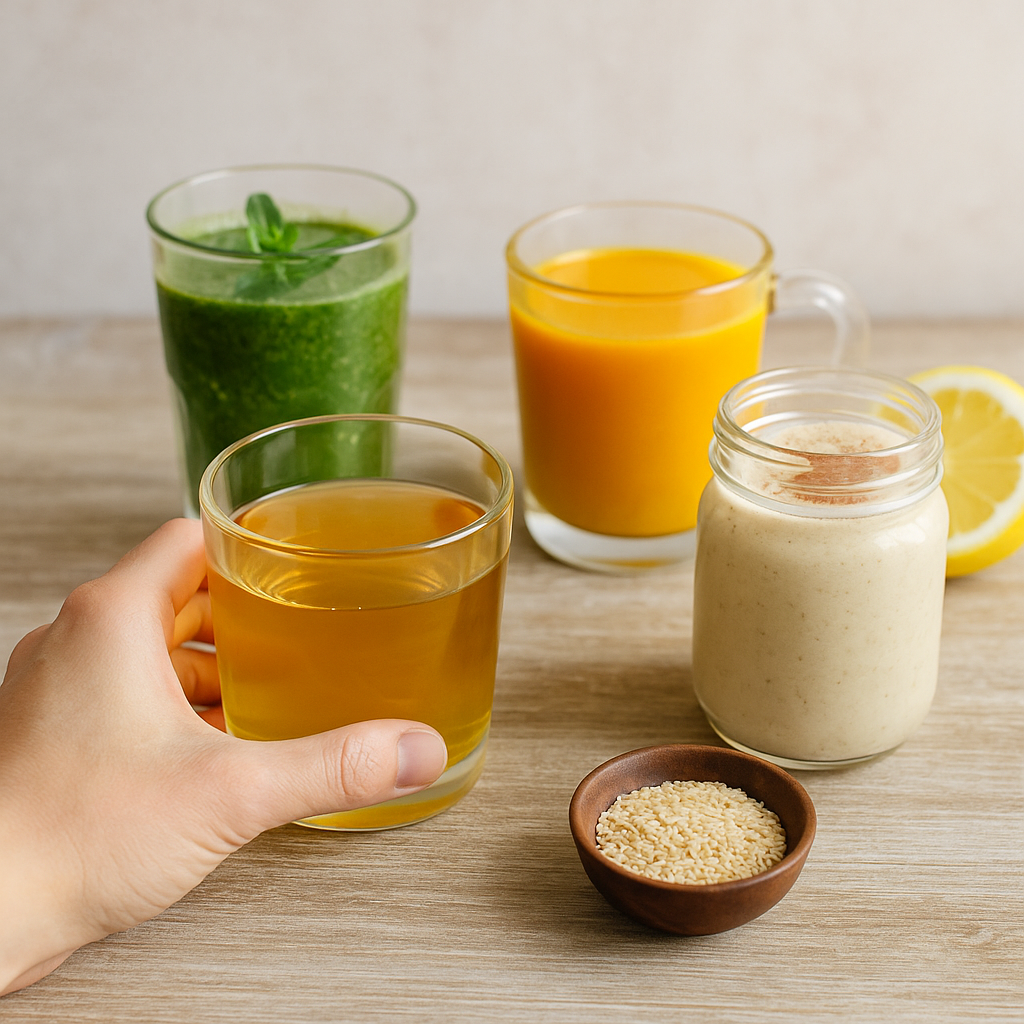
Drinks are sneaky. Most people don’t realize their morning latte or soda might be crashing their hormones. Replace those with:
-
Spearmint tea: Shown to lower testosterone in women with PCOS.
-
Ashwagandha tea: Calms the adrenals and improves thyroid function.
-
Golden milk (turmeric + warm milk + cinnamon): Great for Pitta types and PMS symptoms.
-
Warm lemon water: Kickstarts digestion and liver detox first thing in the morning.
These drinks to balance hormones not only taste great but can help shift your mood, cycle, and sleep in all the right directions.
Lifestyle Shifts to Balance Your Hormones in a Week
Can you really learn how to balance your hormones in a week? While long-term changes take time, you'd be surprised what 7 days of focused habits can do. The key is consistency, not perfection. And yeah, expect some trial and error — we’re human, after all.
How to Balance Your Hormones in a Week with Routine and Rest
Your hormones love rhythm. Structure. Regularity. That’s why setting a daily routine—even a simple one—can help balance things out surprisingly fast.
Here’s what that might look like:
-
Wake and sleep at the same time every day. (Yes, weekends too. Ugh, I know.)
-
Eat meals at regular intervals. Avoid skipping meals; it spikes cortisol and crashes blood sugar.
-
Morning sunlight and movement. Boosts serotonin and supports circadian rhythms.
-
Wind down with a tech-free hour before bed. Helps melatonin production.
People often underestimate the power of sleep when exploring how to balance hormones in female or male bodies. But sleep is when hormonal magic happens—growth hormone, melatonin, cortisol, all recalibrating like a tiny internal orchestra.
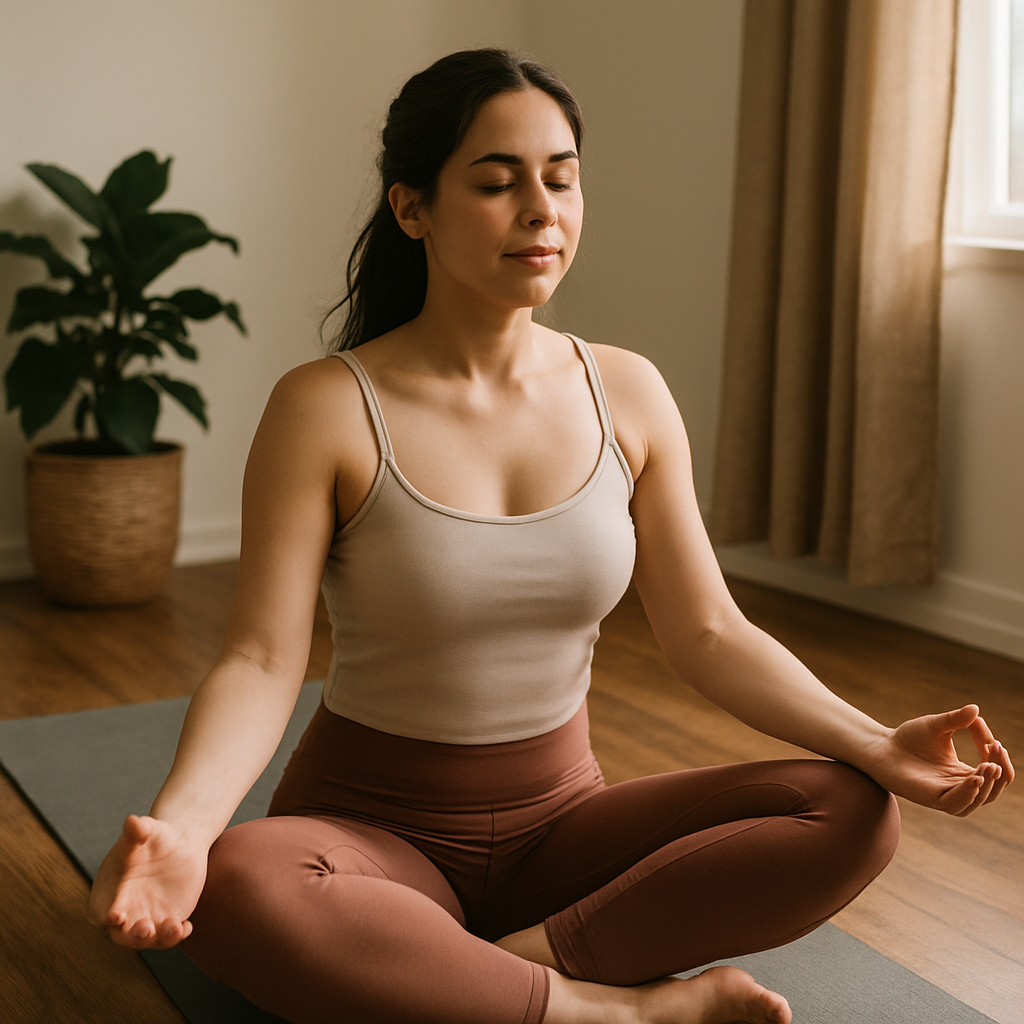
Yoga to Balance Hormones in Females and Reduce Stress
If you’re looking for a practice that’s gentle yet powerful, yoga is your hormone’s best friend. Not only does it regulate stress (and stress wrecks hormones), but specific poses stimulate glands like the thyroid, ovaries, and adrenals.
Try incorporating:
-
Legs-up-the-wall pose (Viparita Karani): Calms the nervous system, reduces cortisol.
-
Bridge pose: Stimulates the thyroid and balances estrogen.
-
Cat-cow: Gently massages the adrenal glands.
-
Alternate nostril breathing (Nadi Shodhana): Balances both sides of the brain, calms anxiety.
Yoga for hormones isn’t just trendy—it’s backed by thousands of years of Ayurvedic practice. Plus, it’s kinda fun and doesn’t require a gym or leggings that cost $120.
How to Balance Hormones in Men Through Mindful Practices
Men deal with hormone swings too—it’s just less talked about. Testosterone, cortisol, insulin, and even estrogen levels fluctuate based on stress, diet, sleep, and lifestyle choices.
Here’s how to balance hormones in men naturally:
-
Strength training: Increases testosterone naturally.
-
Cold exposure: A morning cold shower can boost testosterone and reduce inflammation.
-
Healthy fats and protein: Vital for testosterone and muscle synthesis.
-
Reduce alcohol: It lowers testosterone and disrupts sleep.
And don't overlook stress management—mindfulness, breathwork, or even a walk without your phone can help regulate cortisol.
Don't wait or self medicate. Start chat with Doctor NOW
Conclusion
Your hormones don’t have to be a mystery. By tuning into your body, embracing Ayurvedic principles, and making small but powerful changes—like eating foods to balance hormones, drinking calming teas, and practicing yoga—you can bring your hormones in balance naturally. It won’t happen overnight, but it will happen if you stick with it.
Whether you're dealing with mood swings, energy crashes, or hormonal acne, remember this: your body is trying to tell you something. Listen, respond with kindness, and let nature guide the way.
Feeling better starts with a choice. Why not start today?
FAQs
How to balance your hormones in a week naturally?
Start with sleep, hydration, and eating real, whole foods. Add yoga, stress reduction, and herbal teas. Stick to a consistent routine, and you may notice a shift in 5–7 days.
Can men balance hormones using Ayurvedic lifestyle changes?
Absolutely. Ayurveda isn’t gender-exclusive. Men can benefit from herbs like Ashwagandha, meditation, cold exposure, and clean eating just as much as women.
What are the best drinks and fruits that balance hormones?
Spearmint tea, golden milk, and ashwagandha tea are top drinks. For fruits, pomegranates, bananas, and berries are excellent for hormone support.
✅ Liked this guide? Share it with someone who needs a hormone tune-up!
Questions from users
Is it safe to use supplements for hormone balance in men?
Client_050852
20 days ago
It is generally safe to use supplements for hormone balance in men when done under professional guidance. Supplements like vitamin D, zinc, and magnesium can support hormonal health, but it's crucial to talk to a healthcare provider before starting any new supplement regimen. This is because hormone imbalances can be complex, and self-supplementation without medical advice can lead to unwanted side effects. Typically, it may take several weeks to a few months to notice any changes. If you experience symptoms like severe mood swings or fatigue, consult a doctor to rule out underlying conditions.
What essential oils can help support hormonal balance naturally?
Client_b256dd
25 days ago
Essential oils like clary sage, lavender, and geranium are popular for supporting hormonal balance naturally. Clary sage is often used for menstrual discomfort, while lavender promotes relaxation, which can indirectly help balance hormones related to stress. Geranium is believed to balance hormones associated with the reproductive system. Using these oils in a diffuser or as part of a massage oil can be effective. However, results can vary, and improvements may take several weeks. Always dilute essential oils before topical application, and consult a healthcare professional if symptoms persist.
What role does hydration play in hormonal balance for women?
Client_0859f0
30 days ago
Hydration plays a critical role in hormonal balance for women by supporting the body's overall physiological functions, including hormone transport and distribution. Proper hydration helps maintain blood volume, crucial for efficient hormone circulation. Aim to drink enough fluids daily, typically about 2-3 liters, depending on activity level and climate. Dehydration can impair kidney function and stress the body, potentially disrupting hormonal balance. If you notice symptoms like fatigue, mood swings, or irregular periods, consult a healthcare provider to explore the underlying causes.
What are the signs of vitamin D deficiency related to hormonal health?
Client_a1d162
35 days ago
Vitamin D deficiency can lead to hormonal imbalances that manifest as mood changes, fatigue, and sleep disturbances. These symptoms occur because vitamin D is involved in the production and regulation of hormones like estrogen, progesterone, and cortisol. If you experience these signs alongside bone pain or frequent infections, consider consulting a healthcare provider. It typically takes several weeks to months of consistent vitamin D supplementation to notice improvements. Always get a blood test to confirm any deficiency before self-supplementing.
Can I track my menstrual cycle to identify hormone imbalances?
Client_492123
40 days ago
Yes, tracking your menstrual cycle can help identify potential hormone imbalances. By monitoring patterns in cycle length, flow, and symptoms like mood swings or fatigue, you might notice irregularities suggesting hormonal issues. Use apps for precise tracking over several cycles to gather comprehensive data. Pay attention to symptoms like extremely heavy or painful periods, which could indicate a need for further investigation. A doctor can perform tests and provide guidance if a hormonal imbalance is suspected. While Ayurveda and lifestyle adjustments like reducing caffeine intake may support hormonal health, professional medical advice is irreplaceable.
How long should I sunbathe daily for optimal hormone balance?
Client_a51b62
45 days ago
For optimal hormone balance, aim for about 10 to 30 minutes of sun exposure daily, preferably in the morning. This exposure aids in serotonin production, which supports mood and circadian rhythm regulation. The exact duration depends on your skin type and location; fair skin requires less time, while darker skin may require more. Excessive sun exposure increases the risk of skin cancer, so seek shade or wear sunscreen beyond your recommended sunbathing time. If you have concerns about your hormone levels or sun exposure, consult a healthcare provider.
How to create a yoga routine to reduce hormonal symptoms?
Client_2ad948
50 days ago
To create an effective yoga routine to reduce hormonal symptoms, focus on practices that promote relaxation and stress reduction. Incorporate poses such as child’s pose, legs-up-the-wall, and reclined bound angle, which can help balance hormones by calming the nervous system. Breathing exercises like pranayama can also aid in reducing stress and anxiety. Aim for consistency, practicing at least a few times a week, but effects may take several weeks to notice. Be mindful of any adverse symptoms and consult a doctor if your hormonal symptoms persist or worsen.
What are effective breathing techniques to support hormonal balance?
Client_ed279e
55 days ago
Effective breathing techniques to support hormonal balance include diaphragmatic breathing, alternate nostril breathing, and box breathing. Diaphragmatic breathing helps reduce stress by activating the parasympathetic nervous system. Practicing for 5-10 minutes daily can assist in reducing cortisol levels. Alternate nostril breathing can help balance left and right brain activity, potentially stabilizing mood swings. Box breathing, with its equal inhale-hold-exhale-hold cycle, can enhance focus and calm. Improvements may be seen in as little as a week but may take longer for some. Consult a healthcare provider if experiencing severe hormonal imbalance symptoms.
How to reduce stress levels to support hormonal balance?
Client_729cdf
60 days ago
To reduce stress levels and support hormonal balance, focus on practical lifestyle modifications like regular physical activity, mindfulness practices such as meditation or yoga, and ensuring adequate sleep. Consistent routines in these areas can positively impact hormonal regulation within weeks. Chronic stress is linked to imbalances in cortisol and other hormones, so prioritizing relaxation and recovery is crucial. Incorporate balanced nutrition with whole foods and avoid excessive caffeine and alcohol. If stress management and lifestyle changes do not bring improvements, or if you experience persistent hormonal symptoms, consult a healthcare professional. Ayurveda can support these practices through herbal supplements and stress-reduction techniques, but results vary individually.
What daily routines can help regulate menstrual cycles effectively?
Client_b973e5
65 days ago
Establishing a consistent daily routine can significantly help regulate menstrual cycles. Wake and sleep at the same time each day, even on weekends, to support hormonal balance. Regular exercise and a healthy diet rich in iron, calcium, and essential nutrients also contribute to cycle regularity. Stress management through activities like yoga, meditation, or mindfulness can further aid in regulation. If cycles remain irregular despite routine adjustments, it is advisable to consult a healthcare professional to rule out underlying health issues.
Related articles

General Medicine
R Compound Tablet
Exploration of R Compound Tablet
2,198

General Medicine
Best Supplements for Fatty Liver (And Which to Avoid)
Silymarin, omega-3, vitamin D, berberine and Ayurvedic herbs like kutki, plus the supplements that worsen fatty liver and how to sequence them safely.
452

General Medicine
Whole Foods for Weight Loss: Eat Less Without Trying
The best whole foods for weight loss, why unprocessed eating lowers intake on its own, the 30/30/30 rule assessed, and eight practical swaps.
330

General Medicine
Somasav: A Comprehensive Guide to This Emerging Therapy
Explore the science behind Somasav, its potential benefits, clinical evidence, and expert insights. Learn about usage, safety, and latest research findings.
3,424

General Medicine
Sexual disorders
Sexual disorders are a common problem among both men and women.
232,168

General Medicine
Ras Sindoor Benefits, Dosage, Side Effects, Ingredients
Exploration of Ras Sindoor Benefits, Dosage, Side Effects, Ingredients
3,822

General Medicine
Yograj Guggul Benefits, Dosage, How to Use, Side Effects, Ingredients, Reference
Exploration of Yograj Guggul Benefits, Dosage, How to Use, Side Effects, Ingredients, Reference
6,606

General Medicine
Laja Manda: The Rare Ayurvedic Herb for Rejuvenation
Explore the ancient Ayurvedic preparation Laja Manda, its therapeutic uses, benefits, composition, and holistic approaches for rejuvenation and balance using traditional wisdom.
4,787

General Medicine
Iodine Supplement for Thyroid: When It Helps, When It Harms
How much iodine your thyroid needs, why it worsens Hashimoto's, safe doses, kelp risks, and the Ayurvedic herbs that work when iodine is not the answer.
387

General Medicine
Kalyanakam Kashayam: Ancient Healing for Modern Wellness
Explore Kalyanakam Kashayam: a traditional Ayurvedic decoction that boosts immunity, detoxifies, and supports respiratory health for modern wellness.
6,968
Related consultations on the topic
Additional Documents
© 2026 Ask Ayurveda. All rights reserved.