Ask Ayurvedic doctor a question and get a consultation online on the problem of your concern in a free or paid mode. More than 2,000 experienced doctors work and wait for your questions on our site and help users to solve their health problems every day.


Body DetoxEar, Nose, and Throat DisordersGeriatrics & RejuvenationImmunodeficiencyInfertility TreatmentNutritionOrthopedic DisordersPediatricsRespiratory DisordersSexually Transmitted Diseases (STDs)Surgery RecoveryUrological DisordersVascular DisordersDental DisordersEndocrinological DisordersGastrointestinal DisordersYoga TherapyGeneral MedicineAllergic DisordersCardio DisordersGynecology and ObstetricsCosmetologySkin and Hair DisordersEye DisordersInfectious DiseasesMental DisordersNeurological DisordersOncologyPanchakarmaSexual Health & DisordersSports Medicine
Published on 11/07/24
(Updated on 08/12/26)
4,381
Vijaya Herb: Ancient Healing Power
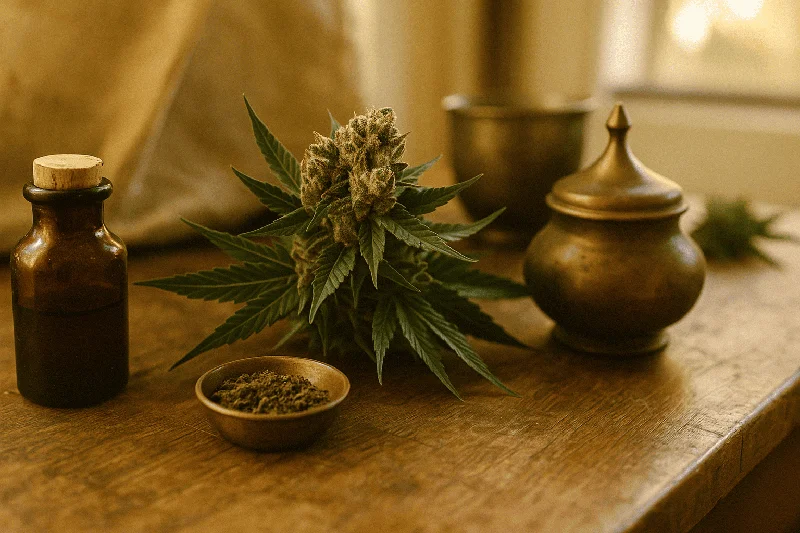
Vijaya herb is the ancient Ayurvedic name for the Cannabis plant (Cannabis sativa L.), revered for over 3,000 years in Indian traditional medicine as a powerful therapeutic agent for pain, insomnia, anxiety, digestive disorders, and dozens of other conditions. Often called the "King of the Herbs," "God's Herb," and "Herb of the Immortals," Vijaya holds a unique position in Ayurveda — it is one of the only five sacred plants mentioned in the Atharva Veda (Book 11, Hymn 8, Verse 15) as a liberator from distress.
- But here's the thing most articles won't tell you: Vijaya is not just "cannabis rebranded." It represents a sophisticated pharmacological tradition with over 157 documented formulations in classical Ayurvedic texts, specific dosing protocols, and a legal framework in India that most people fundamentally misunderstand.
- This guide covers everything — from the mythology and botany to modern clinical evidence, dosages, side effects, and the actual legal status — going far beyond what you'll find elsewhere.
What Is Vijaya Herb?
Vijaya herb refers specifically to the Cannabis plant as described and classified within the Ayurvedic medical system. The Sanskrit word "Vijaya" translates to "the one that conquers" or "victorious," reflecting the herb's reputation for overcoming disease and suffering.
In Ayurvedic pharmacology (Dravyaguna Shastra), Vijaya is classified with these properties:
- Rasa (Taste): Tikta (Bitter), Kashaya (Astringent)
- Guna (Quality): Laghu (Light), Tikshna (Sharp), Sukshma (Subtle)
- Virya (Potency): Ushna (Hot)
- Vipaka (Post-digestive effect): Katu (Pungent)
- Dosha Action: Primarily Kapha-Vata shamaka (pacifies Kapha and Vata doshas)
These properties explain why Vijaya has traditionally been prescribed for pain (Vata disorders), respiratory congestion (Kapha disorders), and digestive sluggishness.
Why Is Cannabis Plant Known as "Vijaya, the King of the Herbs"?
The title "King of the Herbs" isn't marketing — it comes directly from classical texts. The Bhava Prakash Nighantu (16th century) categorizes Vijaya as one of the most potent Upavisha (sub-toxic medicinal substances), meaning it requires expert handling but delivers unmatched therapeutic power when used correctly.
The name also reflects its extraordinary versatility. While most Ayurvedic herbs address 3-5 conditions, Vijaya appears in formulations targeting pain, mental health, digestion, reproduction, oncology, epilepsy, and more. No other single herb in the Ayurvedic pharmacopoeia covers such a broad therapeutic range.
Why Is Bhang Called Vijaya?
The term Bhang specifically refers to preparations made from the leaves and seeds of the Cannabis plant — the parts that are actually legal under Indian law. Bhang has been called Vijaya because it represents the most common traditional preparation method. In the Anandakanda text, Bhang preparations are described as "Vijaya" when processed (Shodhana) correctly through traditional purification methods, which reduce toxicity and enhance therapeutic effects.
Other classical synonyms include Bhanga, Indrasana (Indra's hemp), Jaya, Trailokya Vijaya (victorious across three worlds), and Ganja (specifically the flowering tops).
Botanical Description: Cannabis Sativa vs. Indica
This is a gap most articles skip entirely. Understanding the botany matters because different plant parts and species have different therapeutic profiles.
| Feature | Cannabis sativa | Cannabis indica |
|---|---|---|
| Plant Height | 2–4.5 meters (tall, slender) | 0.6–1.8 meters (short, bushy) |
| Leaf Shape | Narrow, elongated leaflets | Broad, wider leaflets |
| Primary Cannabinoids | Higher CBD-to-THC ratio typically | Higher THC-to-CBD ratio typically |
| Traditional Ayurvedic Use | Most referenced in classical texts | Less distinguished in ancient texts |
| Growth Region in India | Himalayan foothills, Uttarakhand, J&K | Manipur, parts of Northeast India |
| Flowering Time | 10–16 weeks | 6–8 weeks |
Full chemical profile includes over 120 identified cannabinoids (not just CBD and THC), 200+ terpenes (myrcene, limonene, linalool, pinene), and numerous flavonoids (cannflavin A and B, apigenin, quercetin). The terpene profile is particularly important in Ayurvedic use because these compounds contribute to the "entourage effect" — where the whole plant works synergistically, which aligns perfectly with Ayurveda's emphasis on whole-herb formulations rather than isolated compounds.
Mythological and Historical Origins of Vijaya
The Samudra Manthan Legend
According to Hindu mythology, Vijaya originated during the Samudra Manthan (the churning of the ocean of milk) — one of the most significant events in Vedic cosmology. When the gods (Devas) and demons (Asuras) churned the cosmic ocean to obtain Amrita (the nectar of immortality), a drop of this divine nectar fell from the heavens to earth. Where it landed, the Cannabis plant sprouted.
This is why Vijaya is called "Herb of the Immortals" — its very origin is tied to divine nectar. Lord Shiva, who consumed the poison (Halahala) that emerged during the churning, is also closely associated with Cannabis. The Mahanirvana Tantra describes Bhang as sacred to Shiva, and this association persists today in traditions across Varanasi, Mathura, and during Holi festivals.
Vijaya in Vedic and Classical Texts
The textual evidence for Vijaya's medicinal use spans millennia:
- Atharva Veda (circa 1500–1000 BCE): Lists Cannabis among five sacred plants. Verse 11.8.15 explicitly states it as a "source of happiness" and "liberator."
- Sushruta Samhita (circa 600 BCE): Recommends Cannabis preparations for phlegmatic conditions, diarrhea, and as an anesthetic adjunct before surgical procedures.
- Charaka Samhita (circa 300 BCE): References Vijaya in formulations for digestive disorders and as a pain-relieving agent.
- Anandakanda (12th century): Contains detailed Shodhana (purification) protocols for Cannabis, including methods of processing with cow's milk, ghee, and specific herbal decoctions.
- Bhava Prakash Nighantu (16th century): Provides the most comprehensive classical monograph, describing Vijaya's pharmacological properties, therapeutic applications, and safety parameters.
- Rasa and Chikitsa Granthas: Collectively document over 157 formulations containing Bhanga as a pharmacological agent — a staggering number that underscores the herb's central role in traditional practice.
Health Benefits of Vijaya Herb: What Does Science Actually Say?
Let me be upfront: the gap between traditional claims and rigorous clinical evidence is real but narrowing rapidly. Below, I combine classical Ayurvedic indications with the best available modern research.
Pain Relief: The Primary Benefit
This is Vijaya's most well-documented benefit, both traditionally and scientifically.
A landmark 2015 systematic review published in the Journal of the American Medical Association (JAMA) analyzed 79 trials involving 6,462 participants and found moderate-quality evidence that cannabinoids are effective for chronic neuropathic pain. A 2018 review in the Journal of Headache and Pain reported that Cannabis-based medicines reduced chronic pain intensity by 30% or more in a significant proportion of patients.
- In Ayurvedic practice, Vijaya addresses pain through its Ushna Virya (hot potency) and Vata-pacifying properties.
- Classical texts recommend it for:
- Chronic joint pain and arthritis (Sandhivata)
- Neuropathic pain
- Menstrual cramps (Kashtartava)
- Post-surgical pain
- Headaches and migraines
How CBD and THC Work for Pain
Cannabinoids interact with the body's endocannabinoid system (ECS) — a network of CB1 receptors (concentrated in the brain and central nervous system) and CB2 receptors (found in immune cells and peripheral tissues).
- THC binds directly to CB1 receptors, producing both pain relief and psychoactive effects
- CBD does not bind directly to these receptors. Instead, it modulates serotonin receptors (5-HT1A), vanilloid receptors (TRPV1), and inhibits the enzyme FAAH that breaks down anandamide — the body's natural "bliss molecule"
This dual mechanism is why full-spectrum Vijaya preparations (containing both CBD and THC in traditional ratios) often outperform isolated compounds, something Ayurveda has intuitively understood for centuries.
Sleep Improvement and Insomnia Treatment
A 2019 study published in The Permanente Journal followed 72 adults with anxiety and poor sleep. Within the first month, 66.7% reported improved sleep scores with CBD use. The improvement was sustained but fluctuated over the 3-month study period, suggesting the need for dosage optimization.
Traditional Ayurvedic preparations for insomnia typically combine Vijaya with Jatamansi (Spikenard) and Tagara (Valerian) to enhance the sedative effects while minimizing next-day grogginess.
Anxiety and Mental Health Support
The anxiolytic (anti-anxiety) properties of Vijaya are among its most promising applications. A 2019 Brazilian study published in the Brazilian Journal of Psychiatry administered CBD to 57 healthy men before a simulated public speaking test. Doses of 300 mg CBD significantly reduced anxiety compared to placebo, while interestingly, 150 mg and 600 mg doses did not — suggesting a specific therapeutic window.
For mental health, Vijaya's classical applications include:
- Anxiety disorders (Chittodvega)
- Depression and mood instability (Avasada)
- PTSD-related symptoms
- ADHD and focus difficulties
Digestive System Benefits
Vijaya has been used as a digestive aid in virtually every Ayurvedic text that mentions it. Its hot potency (Ushna Virya) stimulates Agni (digestive fire), while its antispasmodic properties calm intestinal cramping.
Modern research supports this. A 2020 review in Phytotherapy Research highlighted cannabinoids' role in modulating gut motility, reducing intestinal inflammation, and managing symptoms of Irritable Bowel Syndrome (IBS) and Crohn's disease through CB2 receptor activation in the gastrointestinal tract.
Specific digestive applications include:
- Appetite stimulation in debilitated patients
- Diarrhea management (classical texts are particularly emphatic about this)
- Acid reflux and hyperacidity
- Inflammatory bowel disease
- Nausea and vomiting (especially in chemotherapy patients)
Anti-inflammatory and Arthritis Support
Chronic inflammation underlies many of the conditions Vijaya treats. A 2016 study in Clinical Hemorheology and Microcirculation demonstrated that CBD reduced joint inflammation and pain-related behaviors in a rat model of arthritis — without evident side effects.
In Ayurveda, Vijaya's anti-inflammatory action is attributed to its Tikta Rasa (bitter taste), which is inherently Pitta-pacifying and reduces Shotha (swelling).
Neuroprotective Properties
- This is an area where modern research is particularly exciting.
- Vijaya's potential neuroprotective applications include:
- Epilepsy: The FDA approved Epidiolex (pure CBD) in 2018 for Lennox-Gastaut and Dravet syndromes after clinical trials showed a 37-42% reduction in seizure frequency (Devinsky et al., New England Journal of Medicine, 2017)
- Multiple Sclerosis: Nabiximols (Sativex) has been approved in multiple countries for MS-related spasticity
- Parkinson's Disease: A small 2014 study in the Journal of Psychopharmacology found that CBD at doses of 75-300 mg/day improved quality of life measures in PD patients
Cancer Support
Let's be clear: Vijaya is not a cancer cure. But evidence supports its role as an adjunctive therapy.
A 2019 review in the British Journal of Pharmacology documented that cannabinoids can inhibit tumor growth through multiple mechanisms — inducing apoptosis (programmed cell death), inhibiting angiogenesis (blood vessel formation to tumors), and reducing metastasis in preclinical models.
More immediately relevant: cannabinoids effectively manage chemotherapy side effects. The American Society of Clinical Oncology acknowledges Cannabis-based medicines for chemotherapy-induced nausea and vomiting when standard antiemetics fail.
Aphrodisiac and Reproductive Health
- Classical texts, particularly the Anandakanda and Bhava Prakash, describe processed Vijaya as a Vajikarana (aphrodisiac).
- Traditional applications include:
- Enhancing libido in both men and women
- Managing erectile dysfunction
- Reducing sexual performance anxiety
- Improving reproductive tissue quality (Shukra Dhatu)
However, this is dose-dependent — excessive use has the opposite effect, which classical texts explicitly warn about.
Bone Repair and Chronic Fatigue
A 2015 study from Tel Aviv University published in the Journal of Bone and Mineral Research found that CBD alone enhanced fracture healing in rats, making bones 35-50% stronger after healing. Researchers identified that CBD improves collagen cross-linking in bone tissue.
For chronic fatigue, Vijaya's mechanism appears to work through ECS regulation of energy homeostasis and sleep cycle normalization rather than stimulant effects.
- Vijaya Herb vs Other Ayurvedic Herbs: A Comparison
No other article provides this comparison, but it's essential for anyone choosing between popular Ayurvedic options.
| Parameter | Vijaya (Cannabis) | Ashwagandha | Brahmi | Turmeric |
|---|---|---|---|---|
| Primary Action | Analgesic, anxiolytic, anti-spasmodic | Adaptogenic, rejuvenative | Nootropic, nervine | Anti-inflammatory, antioxidant |
| Best For | Pain, insomnia, anxiety, appetite | Stress, fatigue, strength | Memory, cognition, focus | Joint inflammation, immunity |
| Onset of Action | 15 min–2 hrs (depends on form) | 2–4 weeks | 4–6 weeks | 4–8 weeks |
| Legal Restrictions | Yes (regulated, doctor supervision) | No | No | No |
| Psychoactive | THC-containing preparations: Yes | No | No | No |
| Dosha Action | Kapha-Vata shamaka | Tridoshahara | Tridoshahara | Kapha-Pitta shamaka |
| Safety Profile | Requires medical supervision | Generally safe | Generally safe | Generally safe |
| Classical Formulations | 157+ documented | 50+ | 30+ | 80+ |
Key takeaway: Vijaya is uniquely suited for acute pain relief and sleep disorders where rapid onset is needed. For chronic stress and general rejuvenation without regulatory concerns, Ashwagandha remains more practical for unsupervised use.
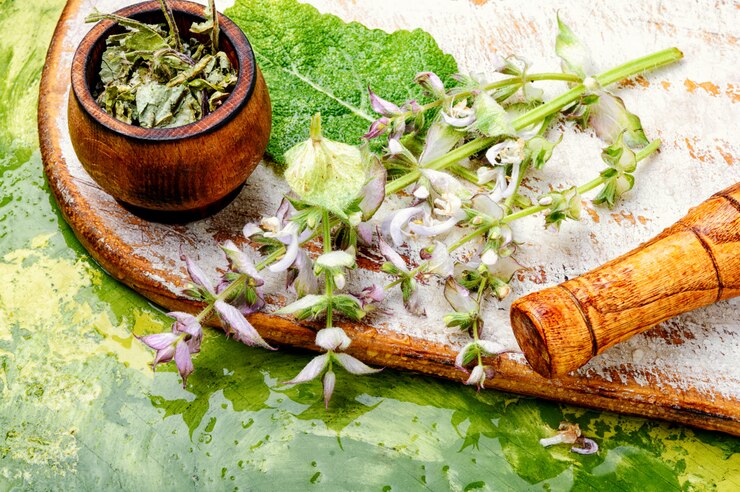
Dosage, Forms, and How to Use Vijaya Safely
This is perhaps the most critical section — and the one no competitor addresses adequately.
Traditional Preparation Methods
Classical Ayurveda describes several preparation methods:
- Bhang Churna (Powder): Dried leaves ground into powder, traditionally purified (Shodhana) by soaking in water for 3 days, then processing with cow's milk or ghee
- Vijaya Vati (Tablets): Compressed formulations combining processed Cannabis with other herbs
- Taila (Oil): Cannabis infused in sesame or coconut oil through specific heating protocols (Paka vidhi)
- Lepa (Topical Paste): For external application on painful joints and inflammatory skin conditions
Modern Product Forms
| Product Form | Typical CBD Content | Onset Time | Duration | Best For |
|---|---|---|---|---|
| Sublingual Oil/Tincture | 5–30 mg/mL | 15–45 minutes | 4–6 hours | Anxiety, general wellness |
| Capsules/Tablets | 10–50 mg per unit | 30–90 minutes | 6–8 hours | Chronic pain, sleep |
| Topical Cream/Balm | 1–5% concentration | 15–30 minutes (local) | 2–4 hours | Joint pain, skin conditions |
| Trailokya Vijaya Vati | Standardized extract | 30–60 minutes | 6–8 hours | Chronic pain, sleep disorders |
Recommended Dosages (General Guidelines)
Important disclaimer: These are general ranges from clinical literature and traditional practice. Individual dosing must be determined by a qualified Ayurvedic physician (Vaidya) based on your Prakriti (constitution), disease condition, and concurrent medications.
Starting Doses for CBD-Predominant Preparations:
- Mild conditions (general wellness, mild anxiety): 5–15 mg CBD, twice daily
- Moderate conditions (chronic pain, insomnia): 15–30 mg CBD, twice daily
- Severe conditions (epilepsy, severe pain): 30–50 mg CBD, 2-3 times daily (medical supervision essential)
Titration Protocol:
Start at the lowest effective dose and increase by 5 mg every 3–5 days until therapeutic effect is achieved. This "start low, go slow" approach minimises side effects and helps identify your personal therapeutic window.
Trailokya Vijaya Vati Dosage:
Classical texts recommend 1-2 tablets (125-250 mg each), typically taken with warm water or milk at bedtime for pain and sleep disorders. However, this should be prescribed and monitored by a registered Ayurvedic practitioner.
Side Effects, Risks, and Contraindications
No article in the top results provides a structured safety profile. This is irresponsible given that Vijaya is a regulated substance with real risks.
Common Side Effects
- Dry mouth (Mukha Shosha)
- Drowsiness and sedation (particularly with THC-containing preparations)
- Dizziness and lightheadedness
- Changes in appetite (usually increased)
- Mild gastrointestinal discomfort (nausea, diarrhea) — usually resolves within days
Serious Risks (Especially with THC-Rich Preparations)
- Cognitive impairment with chronic high-dose use
- Psychotic episodes in predisposed individuals — a 2019 Lancet Psychiatry study found that daily use of high-potency THC Cannabis was associated with 5x increased risk of psychosis
- Cardiovascular effects: tachycardia, orthostatic hypotension
- Dependency potential: approximately 9% of regular users develop Cannabis Use Disorder according to NIDA data
- Impaired driving and motor coordination
Contraindications
- Pregnancy and breastfeeding (THC crosses the placental barrier)
- History of psychotic disorders (schizophrenia, bipolar disorder with psychotic features)
- Severe liver disease (CBD is metabolized hepatically)
- Children under 18 (except FDA-approved formulations for specific epilepsy syndromes, under specialist supervision)
- Concurrent use with sedatives, blood thinners (warfarin), or anti-epileptic drugs without medical supervision
Drug Interactions
- CBD inhibits cytochrome P450 enzymes (CYP3A4 and CYP2C19), which metabolize approximately 60% of all pharmaceutical drugs.
- This means CBD can increase blood levels of:
- Clobazam and other benzodiazepines
- Warfarin and anticoagulants
- Certain statins
- Immunosuppressants like cyclosporine
Always disclose Vijaya use to your prescribing physician.
Don't wait or self medicate. Start chat with Doctor NOW
Is Vijaya Leaf Legal in India?
This is one of the most searched questions — and most misunderstood topics.
The NDPS Act 1985: What's Actually Banned
- The Narcotic Drugs and Psychotropic Substances Act, 1985 is the primary legislation governing Cannabis in India.
- Here's what most people get wrong: the Act does NOT ban the entire Cannabis plant.
- It specifically prohibits:
- Charas (Hashish): The resin extracted from the Cannabis plant — Illegal
- Ganja: The flowering and fruiting tops of the Cannabis plant — Illegal
What remains legal (or regulated at state level):
- Bhang (leaves and seeds): NOT classified as a narcotic under NDPS Act — regulated by individual state excise departments
- - **Hemp (industrial Cannabis with <0.3%
- THC):** Permitted for cultivation in several states including Uttarakhand, Uttar Pradesh, Madhya Pradesh, and Manipur
- Ayurvedic formulations: Licensed Ayurvedic medicines containing Cannabis extracts from permitted plant parts can be legally manufactured and sold with proper AYUSH Ministry licensing
State-Level Variations
- Uttarakhand: First Indian state to legalize hemp cultivation (2017). Active hemp industry
- Jammu & Kashmir: Traditional Bhang use is culturally accepted and largely unregulated
- Rajasthan, UP, Bihar: Bhang is sold through licensed government shops, especially during Holi and Mahashivratri
- Gujarat, Maharashtra, Tamil Nadu, and several other states: Stricter enforcement, Bhang availability varies significantly
- Recreational vs Medical Use: A Critical Distinction
This distinction matters enormously and is rarely articulated clearly:
| Aspect | Recreational Use | Medical/Ayurvedic Use |
|---|---|---|
| Purpose | Intoxication, social use | Therapeutic, disease management |
| Regulation | Largely prohibited (Ganja, Charas) | Permitted under AYUSH licensing |
| Dosage | Self-determined, often excessive | Physician-determined, titrated |
| Preparation | Raw or minimally processed | Shodhana (purification) processed |
| Legal Status | Illegal for most Cannabis products | Legal with proper medical licensing |
| Safety Monitoring | None | Regular follow-ups required |
Regional Traditions of Vijaya Use Across India and Beyond
India's Diverse Regional Practices
- Varanasi & Uttar Pradesh: Bhang thandai and Bhang lassi are deeply embedded in Shiva worship traditions. The city's ghats have served Bhang preparations for centuries
- Rajasthan: Bhang ki sabzi (Cannabis leaf vegetable) and Bhang pakoras are traditional preparations. Government-licensed Bhang shops operate openly
- Odisha & West Bengal: Cannabis use during Durga Puja and as medicine for rural populations
- Himalayan Regions (Himachal, Uttarakhand, J&K): Wild Cannabis grows abundantly. Traditional Malana Cream from Himachal Pradesh is world-famous though illegal
- Northeast India (Manipur): Indigenous communities use Cannabis in traditional medicine and increasingly in licensed hemp cultivation
International Perspective
- Israel: Global leader in Cannabis research since Dr. Raphael Mechoulam isolated THC in 1964 at Hebrew University
- Canada: Fully legalized (recreational and medical) since 2018
- United States: Medical Cannabis legal in 38 states; federal reclassification under review
- Germany: Legalized recreational Cannabis in 2024; established medical program since 2017
- Thailand: First Asian country to decriminalize Cannabis (2022), though re-regulation is ongoing
Modern Clinical Protocols: How Ayurvedic Doctors Prescribe Vijaya Today
Contemporary Ayurvedic physicians integrating Vijaya follow structured protocols that bridge classical wisdom and modern clinical standards:
- 1.Patient Assessment: Complete Prakriti analysis, disease diagnosis (Roga Pariksha), and review of current medications
- 2.Shodhana Selection: Choosing appropriate purification method based on intended use
- 3.Formulation Selection: Deciding between oil, tablet, topical, or combination based on condition
- 4.Dose Initiation: Starting at lowest therapeutic dose (typically 5 mg CBD equivalent)
- 5.Titration Period: 2-4 weeks of gradual dose adjustment with regular follow-up
- 6.Maintenance Phase: Stabilized dosing with monthly monitoring
- 7.Combination Therapy: Often combined with Panchakarma treatments, yoga therapy, and dietary modifications (Pathya-Apathya)
This integrative approach — combining Vijaya with broader Ayurvedic lifestyle medicine — typically produces better outcomes than Cannabis-based medicine alone.
Frequently Asked Questions About Vijaya Herb
What Is the Use of Vijaya Oil?
Vijaya oil (Cannabis-infused oil) is used both internally and externally. Internally, sublingual Vijaya oil provides relatively rapid absorption for pain relief, anxiety management, and sleep support. Externally, it's applied as Abhyanga (therapeutic massage) oil for joint pain, muscle stiffness, and inflammatory skin conditions like eczema and psoriasis. The oil is typically prepared by infusing Cannabis leaf extract in a base of sesame or coconut oil following traditional Taila Paka Vidhi (oil preparation method).
What Are the Reasons Behind the Booming Vijaya Extract Industry?
Several factors are driving growth: increasing clinical evidence supporting Cannabis therapeutics, India's AYUSH Ministry showing greater openness to Cannabis-based Ayurvedic formulations, growing consumer demand for natural pain management alternatives, and multiple Indian states legalizing hemp cultivation. The global medical Cannabis market is projected to reach $62 billion by 2028 (Grand View Research, 2022), and India's traditional Ayurvedic knowledge gives it a unique competitive advantage.
Why Should You Buy Full Spectrum CBD and Not Other Types?
Full-spectrum CBD contains all naturally occurring cannabinoids, terpenes, and flavonoids from the plant — not just isolated CBD. This creates the "entourage effect," where compounds work synergistically. A 2015 study from the Lautenberg Center for General Tumor Immunology in Jerusalem demonstrated that full-spectrum CBD extract was more effective than isolated CBD at equivalent doses. This philosophy aligns perfectly with Ayurveda's principle of using whole-herb preparations (Samagra Dravya) rather than isolated active ingredients.
Can CBD Benefit Pets?
Emerging veterinary research suggests CBD may help pets with anxiety, arthritis, and seizures. A 2018 Cornell University study found that 2 mg/kg CBD twice daily significantly improved comfort and activity in dogs with osteoarthritis. However, THC is toxic to dogs and cats, so only vetted, THC-free CBD products should ever be used — and always under veterinary guidance. This is not a traditional Ayurvedic application, but it represents a growing evidence-based use.
What Exactly Are CBD and THC?
- CBD (Cannabidiol) and THC (Tetrahydrocannabinol) are the two primary cannabinoids in the Cannabis plant.
- THC is psychoactive — it produces the "high" by binding to CB1 receptors in the brain. CBD is non-psychoactive and works through multiple indirect mechanisms including serotonin receptor modulation and endocannabinoid enhancement. Both have therapeutic value, but most legal Ayurvedic Vijaya products in India emphasize CBD-dominant or balanced formulations to minimize psychoactive effects while maximizing medical benefits.
Final Thoughts: Integrating Vijaya Into Your Wellness Journey
Vijaya herb represents one of humanity's oldest and most thoroughly documented plant medicines. With roots stretching back through the Atharva Veda to the mythological churning of the cosmic ocean, and with modern science increasingly validating what Ayurvedic physicians have practiced for millennia, Vijaya stands at a remarkable crossroads of ancient wisdom and contemporary medicine.
- But this is not a herb to self-prescribe. Its regulatory status, dose-dependent effects (therapeutic at low doses, potentially harmful at high doses), and drug interactions demand professional guidance.
- The classical texts themselves emphasize this — Vijaya is classified as an Upavisha precisely because it requires expert handling.
If you're considering Vijaya for a health condition:
- Consult a registered Ayurvedic physician (BAMS) experienced with Cannabis-based formulations
- Ensure any product you use comes from a licensed, AYUSH-certified manufacturer
- Start with the lowest possible dose and titrate gradually
- Maintain regular follow-ups and report any side effects promptly
- Never discontinue existing medications without discussing with your doctor
The ancient sages called it "Vijaya" — the victorious one. Used wisely, under proper guidance, it can indeed help conquer suffering. Used carelessly, it carries real risks. The choice, and the responsibility, is yours.
This article is for informational purposes only and does not constitute medical advice. Always consult a qualified healthcare provider before starting any new treatment, especially one involving a regulated substance like Cannabis.
Scientific Sources
- Conference report: Dhara - Vision Ayurveda 2047 — Sangle S et al., 2024, Journal of Ayurveda and integrative medicine
- Withaferin A-A Promising Phytochemical Compound with Multiple Results in Dermatological Diseases — Bungau S et al., 2021, Molecules (Basel, Switzerland)
- Ayurvedic approach for management of ankylosing spondylitis: A case report — Singh SK et al., 2016, Journal of Ayurveda and integrative medicine
- Differential effect of Ayurvedic nootropics on C. elegans models of Parkinson's disease — Anjaneyulu J et al., 2020, Journal of Ayurveda and integrative medicine
- Āyurveda's Contributions to Vegetarian Nutrition in Medicine — Manohar R et al., 2016, Forschende Komplementarmedizin (2006)
- An Overview on Genistein and its Various Formulations — Jaiswal N et al., 2019, Drug research
- Development of Ayurveda - Tradition to trend — Mukherjee PK et al., 2017, Journal of ethnopharmacology
- Swarna Prashana - faith in the embrace of research — Verma S et al., 2022, Journal of complementary & integrative medicine
- A contemporary approach on design, development, and evaluation of Ayurvedic formulation - Triphala Guggulu — Muguli G et al., 2015, Ayu
- Ayurvedic medicine in Mauritius: Profile of Ayurvedic outlet, use, sale, distribution, regulation and importation — Elaheebocus N et al., 2017, Journal of ethnopharmacology
- Ayurvedic medicine and renal calculi — Kieley S et al., 2008, Journal of endourology
- Ayurveda for Modern Obstetrics — Pisani-Conway C, 2021, Clinical obstetrics and gynecology
- Investigating Ayurvedic Strategies: An In-Depth Examination of Managing Diabetes across Different Types — Balkrishna A et al., 2025, Current diabetes reviews
- Psychosocial Effects of a Holistic Ayurvedic Approach to Well-being in Health and Wellness Courses — Patel S et al., 2019, Global advances in health and medicine
- Development process of a clinical guideline to manage type 2 diabetes in adults by Ayurvedic practitioners — Chattopadhyay K et al., 2023, Frontiers in medicine
- Management of threatened abortion through Ayurvedic intervention: A case report — Roy A et al., 2023, Journal of Ayurveda and integrative medicine
- Physicochemical characterization of Ayurvedic bhasma (Swarna makshika bhasma): An approach to standardization — Mohaptra S et al., 2010, International journal of Ayurveda research
- Chronic inflammation: Cross linking insights from Ayurvedic Sciences, a silver lining to systems biology and personalized medicine — Nair PP et al., 2024, Journal of Ayurveda and integrative medicine
- Emanating the specialty clinical practices in Ayurveda: Preliminary observations from an arthritis clinic and its implications — Rastogi S, 2021, Journal of Ayurveda and integrative medicine
- Interaction of Indian Culture and Ayurveda with Modern Medicine — Chandalia HB, 2025, The Journal of the Association of Physicians of India
Questions from users
How does Vijaya Herb impact gut health and digestion?
Client_fa6bef
25 days ago
Vijaya Herb, also known as cannabis or cannabinoids, can support gut health by modulating gut motility, reducing intestinal inflammation, and offering symptom relief for conditions like IBS and Crohn's disease through the activation of CB2 receptors in the gut. This can help with diarrhea management, acid reflux, and inflammatory bowel disease. Some individuals might experience improvement in symptoms within a few weeks, but results can vary. Always consult a healthcare provider if symptoms worsen or if there is no improvement, especially in severe cases.
What are the potential side effects of using Vijaya Herb?
Client_2145a7
35 days ago
The potential side effects of using Vijaya Herb, also known as cannabis, can vary based on its form and dosage. Common side effects include dizziness, dry mouth, altered mood or perception, reduced concentration, and increased heart rate. It's important to use it cautiously, as higher doses or improper use can lead to anxiety, confusion, or, in rare cases, psychosis. If you experience adverse effects, reduce the dose and consult a healthcare professional. Seek medical advice before using Vijaya Herb, especially if you have pre-existing health conditions or are taking medications. Avoid use if you are pregnant or breastfeeding.
What are the key factors for optimizing Vijaya Herb dosage for sleep disorders?
Client_4ddca6
45 days ago
To optimize Vijaya Herb dosage for sleep disorders, a "start low, go slow" approach is recommended. Start with low doses, typically 125-250 mg, and adjust based on your response under the guidance of a registered Ayurvedic practitioner. Combining Vijaya with herbs like Jatamansi and Tagara may enhance sedative effects while reducing next-day grogginess. It’s essential to monitor for side effects such as drowsiness or daytime fatigue. If symptoms persist or worsen, consult a healthcare professional promptly for personalized advice.
How long does it take to feel the effects of Vijaya Herb?
Client_7ecc47
54 days ago
The effects of Vijaya herb, or cannabis, can vary significantly depending on the method of consumption, dosage, and individual factors. Typically, if inhaled, effects can be felt within minutes, peaking around 30 minutes, and lasting for 2-3 hours. When ingested, it may take 30 minutes to 2 hours for effects to appear, lasting longer, around 4-12 hours. Key things to watch out for include altered mental state, increased heart rate, and impairment, and these warrant caution. For chronic pain or anxiety, it might take days to weeks of consistent use to notice benefits, and consulting a healthcare provider before starting is advisable.
Can Bhang be used to manage nausea caused by chemotherapy?
Client_9aa87f
64 days ago
Yes, Bhang, containing cannabinoids, might help with chemo-induced nausea. It's used sometimes to manage side effects like nausea and vomiting. But I'd suggest talking to your doc first—especially coz legality and effects can vary depending on where you are. It’s important to get personalized advice.
What is the difference between THC and CBD in terms of their effects on health?
Client_183c07
73 days ago
THC and CBD have different effects. THC is the psychoactive element that gives you that "high" feeling, while CBD is non-psychoactive. CBD is often used for pain and anxiety relief, and can work through indirect mechanisms like serotonin receptor modulation. Always good to consult a healthcare provider, especially if you're considering using them medicinally!
Can I use Vijaya Herb topically for skin conditions like eczema?
Client_c914d1
82 days ago
Yes, you can use Vijaya Herb topically for skin conditions like eczema. It's often applied as Abhyanga oil to help with inflammatory skin issues. Just be mindful of its potency and start with small amounts to see how your skin reacts! Remember to check it’s suitable for your dosha and consult with a practitioner if you're unsure.
Is it safe to give my dog CBD for anxiety while avoiding THC?
Client_a32fce
91 days ago
Yeah, it's generally safe but be careful. Always use THC-free CBD products 'cause THC can be harmful to dogs. And, you should really check with a vet first. CBD's got potential benefits like reducing anxiety. Just keep it all natural and safe for your furry friend.
Can Vijaya Herb help with reducing inflammation in the body?
Client_fbc609
101 days ago
Yes, Vijaya Herb, or cannabis, is known in Ayurveda for its healing properties. It's said to help with inflammation, with studies showing benefits for joint issues like arthritis. It could be due to its antioxidant compounds that are being explored. Just keep in mind, individual responses can vary, so it's good to consult with a practitioner, especially if you're new to it!
What is the role of Vijaya Herb in supporting mental health and emotional wellbeing?
Client_14ce49
111 days ago
Vijaya herb can play a key role in supporting mental health by offering calming effects that help reduce anxiety and depression. It's also known for improving sleep quality, which is crucial for emotional wellbeing. If considering using it, it's good to understand your prakriti, or body constitution, so it complements your lifestyle and dosha balance! 🌿
Related articles

General Medicine
Himasagara Taila: A Comprehensive, Evidence-Based Overview
Explore the science and holistic benefits of Himasagara Taila, an Ayurvedic oil known for its potential in promoting wellness and balance.
3,228

General Medicine
Neurological
The brain, spinal cord, and nerves make up the nervous system – together they control the whole body.
228,866

General Medicine
Palsinuron Capsules Benefits, Dosage, Ingredients, Side Effects
Exploration of Palsinuron Capsules Benefits, Dosage, Ingredients, Side Effects
4,151

General Medicine
Foods That Reduce Inflammation: Top 20 and a Day Plan
The top 20 foods that reduce inflammation, 5 signs you have it, what to drink, the 3 foods to cut first, and why digestion decides if any of it works.
132
General Medicine
Laghu Sutshekhar – Natural Ayurvedic Digestive & Pitta Balancing Remedy
Discover the benefits and uses of Laghu Sutshekhar, an ancient Ayurvedic formulation designed to promote digestive health, balance pitta dosha, and support overall well-being.
3,962

General Medicine
Shilajitwadi Lauha Vati Benefits, Dosage, Ingredients, Side Effects
Exploration of Shilajitwadi Lauha Vati Benefits, Dosage, Ingredients, Side Effects
3,071

General Medicine
Hema Garbha Pottali – Ayurvedic Therapeutic Pouch for Uterine Rejuvenation
Discover the benefits and uses of Hema Garbha Pottali, a traditional Ayurvedic therapeutic pouch designed to support uterine health, balance reproductive doshas, and promote overall feminine wellness.
3,698

General Medicine
Yograj Guggul Benefits, Dosage, How To Use, Side Effects, Ingredients, Reference
Exploration of Yograj Guggul Benefits, Dosage, How To Use, Side Effects, Ingredients, Reference
3,777

General Medicine
Punarnavadyarishta: Benefits, Dosage, Ingredients, Side Effects
Exploration of Punarnavadyarishta: Benefits, Dosage, Ingredients, Side Effects
5,194

General Medicine
Paneer Ke Phool in English: Your Comprehensive Health Guide
Discover Paneer Ke Phool in English (Indian Rennet) – its science, health benefits, and tips for safe use, supported by research and expert guidelines.
7,815
Related consultations on the topic
Legal
Additional Documents
© 2024 Ask Ayurveda. All rights reserved.