Laghu Sutshekhar – Natural Ayurvedic Digestive & Pitta Balancing Remedy
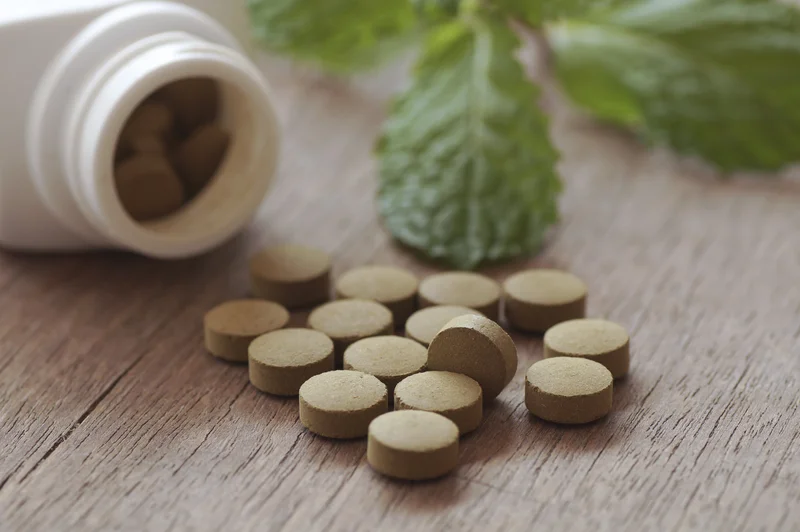
Laghu Sutshekhar Ras is a classical Ayurvedic herbomineral formulation primarily used to manage hyperacidity, acid reflux, indigestion, and other pitta-related digestive disorders. It works by neutralizing excess stomach acid, protecting the gastric mucosa, and restoring the balance of Agni (digestive fire). If you've been struggling with burning sensations in your chest, sour belching, or chronic gastritis — this is one of the most widely prescribed Ayurvedic medicines for exactly those complaints.
Unlike many modern antacids that offer temporary relief, Laghu Sutshekhar Ras addresses the root cause by pacifying aggravated Pitta dosha while simultaneously strengthening the digestive system. It's available from several reputable manufacturers including Dhootapapeshwar, Baidyanath, and Dabur, and has been used by Ayurvedic practitioners for centuries.
Let's dive deep into everything you need to know — from its ingredients and mechanism of action to dosage, safety concerns, and how it compares to the full Sutshekhar Ras formulation.
What Is Laghu Sutshekhar Ras?
Laghu Sutshekhar Ras (also spelled Laghu Sootashekhar Ras or Laghu Sutshekar Ras) is a Rasashastra-based Ayurvedic preparation. Rasashastra is the branch of Ayurveda that deals with the therapeutic use of metals, minerals, and gemstones after elaborate purification processes called Shodhana. The word "Laghu" literally means "light" or "simplified," indicating that this is a lighter version of the more complex Sutshekhar Ras formulation.
Classical Reference and Origin
- The formulation is referenced in the Rastantra Sar Siddhayog Sangraha, a well-known compendium of Ayurvedic pharmaceutical preparations. This classical text details the precise ingredients, proportions, and methods of preparation that practioners have followed for generations.
- It belongs to the category of Ras Aushadhis — medicines that contain processed metals and minerals combined with herbal ingredients.
Laghu Sutshekhar Ras vs Sutshekhar Ras — Key Differences
This is probably the most commonly asked question, and surprisingly, none of the top resources online explain it properly.
Here's a clear breakdown:
| Feature | Laghu Sutshekhar Ras | Sutshekhar Ras |
|---|---|---|
| Composition | Simplified; fewer metallic ingredients | Complex; contains Swarna (gold), Rajata (silver), Loha Bhasma, and more |
| Mineral Content | Contains Shuddha Parad & Shuddha Gandhak as primary mineral ingredients | Contains multiple Bhasmas including gold and silver |
| Potency | Milder, suitable for general pitta disorders | Stronger, used for severe and chronic conditions |
| Cost | More affordable due to simpler composition | Significantly more expensive (gold & silver) |
| Primary Focus | Hyperacidity, indigestion, mild gastritis | Severe gastritis, chronic pitta disorders, neurological symptoms associated with pitta |
| Safety Profile | Generally safer for broader use | Requires stricter medical supervision |
| Duration of Use | Can be used for moderate duration courses | Usually prescribed in shorter courses |
In simple terms: if Sutshekhar Ras is the "full-strength" formulation, Laghu Sutshekhar Ras is the "everyday" version — effective for most common digestive complaints without the complexity (and cost) of precious metals.
Ingredients and Composition
Complete List of Ingredients
The composition of Laghu Sutshekhar Ras includes both mineral and herbal ingredients working synergistically:
| Ingredient | Sanskrit/Common Name | Role in Formulation |
|---|---|---|
| Shuddha Parad | Purified Mercury | Base for Kajjali; enhances bioavailability of other ingredients |
| Shuddha Gandhak | Purified Sulphur | Combined with Parad to form Kajjali; antimicrobial and detoxifying |
| Shankha Bhasma | Conch Shell Ash | Natural antacid; directly neutralizes stomach acid |
| Sunti (Sounth) | Dried Ginger | Stimulates Agni, relieves nausea, promotes digestion |
| Pippali | Long Pepper | Enhances bioavailability (bioenhancer), digestive stimulant |
| Dalchini | Cinnamon | Carminative, reduces bloating, has anti-inflammatory properties |
| Maricha | Black Pepper | Contains piperine; aids absorption, stimulates digestive secretions |
| Geru | Red Ochre | Cooling effect, helps in acid-peptic disorders |
| Pan Kapuri | Camphor (edible) | Carminative, soothes stomach lining |
Role of Each Key Ingredient
Shankha Bhasma is arguably the star ingredient here. Prepared from conch shell through a series of calcination processes, it acts as a natural antacid — quite similar in mechanism to calcium carbonate-based antacids used in modern medicine. A study published in the Journal of Ayurveda and Integrative Medicine has confirmed the acid-neutralizing capacity of Shankha Bhasma. Pippali (Long Pepper) deserves special attention. Research published in Phytotherapy Research has demonstrated that piperine — the active compound in Pippali — can increase the bioavailability of co-administered substances by 30–200%. This means that Pippali helps the body absorb all other ingredients in the formulation much more efficiently. Shuddha Parad and Shuddha Gandhak are combined through a process called Kajjali preparation, where mercury and sulphur are ground together until they form a fine black powder. This process is believed to render mercury therapeutically active while significantly reducing its toxicity — a concept unique to Rasashastra.
Method of Preparation (Rasashastra Process)
The preparation follows strict Ayurvedic pharmaceutical procedures:
- 1.Shodhana (Purification): Parad (mercury) and Gandhak (sulphur) undergo rigorous purification using herbal decoctions and specific heating protocols
- 2.Kajjali Preparation: Purified Parad and Gandhak are triturated together in a mortar until they form a lusterless black powder
- 3.Bhasma Preparation: Shankha (conch shell) is subjected to repeated calcination cycles (Puta) until it becomes a fine, biocompatible ash
- 4.Bhavana (Trituration): All herbal ingredients are added and the entire mixture is triturated with specific herbal juices
- 5.Vati (Tablet) Formation: The final mixture is rolled into tablets of standardised weight
Each step has specific quality control parameters described in classical texts — for example, properly prepared Bhasma must pass the "Varitara" test (it should float on water) and the "Rekhapurna" test (it should fill the ridges of a fingerprint).
How Laghu Sutshekhar Ras Works
Effect on Doshas (Pitta Shamana)
According to Ayurvedic pharmacology (Dravyaguna Shastra), Laghu Sutshekhar Ras is primarily a Pitta Shamaka — it pacifies aggravated Pitta dosha. Pitta governs all metabolic and transformative processes in the body, including digestion.
When Pitta becomes excessively aggravated, it manifests as:
- Excessive acid production in the stomach
- Burning sensation in the chest and abdomen
- Inflammatory conditions of the GI tract
- Irritability and mental restlessness
The formulation brings Pitta back to its balanced state without suppressing Agni (digestive fire) — which is a crucial distinction from conventional acid-suppressing drugs like PPIs.
Mechanism of Action: Acid Buffering, Mucosal Protection, and Agni Regulation
On a physiological level, Laghu Sutshekhar Ras works through multiple mechanisms simultaneously:
- 1.Acid Buffering: Shankha Bhasma directly neutralizes hydrochloric acid in the stomach, raising the pH toward normal levels. Unlike aluminum-based antacids, it does not cause constipation.
- 2.Mucosal Protection: Ingredients like Geru and the herbal components create a protective coating on the gastric mucosa, shielding it from acid-induced damage. Think of it as a natural barrier.
- 3.Agni Regulation: Sunti, Pippali, and Maricha collectively regulate the digestive fire — they don't just suppress acid but rather normalize the entire digestive process. This is why Laghu Sutshekhar Ras can help with both hyperacidity AND poor digestion, conditions that seem contradictory but often coexist.
- 4.Bioavailability Enhancement: Piperine from Pippali and Maricha ensures that all the active compounds are efficiently absorbed, making the formulation highly effective even at small doses.
Uses and Health Benefits of Laghu Sutshekhar Ras
Hyperacidity and Acid Reflux (GERD)
This is the primary indication. Laghu Sutshekhar Ras provides relief from acid reflux symptoms including heartburn, sour eructations, and the uncomfortable feeling of acid rising into the throat. For patients with mild to moderate GERD, it can serve as an effective standalone treatment. For severe GERD, it works well as an adjunct therapy alongside conventional treatment — a point supported by integrative medicine practitioners.
Indigestion and Dyspepsia
Chronic indigestion characterized by heaviness after meals, irregular appetite, and abdominal discomfort responds well to this formulation. The combination of digestive stimulants (Sunti, Pippali, Maricha) with acid-neutralizers (Shankha Bhasma) creates a balanced approach — it improves digestion without triggering excess acid.
Gastritis and Stomach Ulcers
The mucosal-protective properties of the formulation make it useful in inflammatory conditions of the stomach lining. Patients with chronic gastritis often report significant improvement in symptoms like epigastric pain, nausea, and appetite loss. For peptic ulcers, it's typically used as a supportive therapy rather than the sole treatment.
Nausea and Vomiting
Sunti (dried ginger) is one of the most well-researched anti-emetic herbs in existence. A 2012 systematic review published in Nutrition Journal analyzed 12 randomized controlled trials and confirmed ginger's efficacy against nausea. Combined with the cooling, pitta-pacifying effects of other ingredients, Laghu Sutshekhar Ras is frequently prescribed for nausea of various origins.
Mental Wellness and Nervous System Support
Excess Pitta doesn't just affect digestion — it also impacts the mind, causing irritability, anger, and sleep disturbances. By pacifying systemic Pitta, this formulation can have a calming effect on the nervous system. This is a secondary benefit, not the primary indication, but patients often report improved sleep and reduced irritability as welcome side effects.
Evidence-Based Research and Clinical Studies
While large-scale randomized controlled trials specifically on Laghu Sutshekhar Ras are limited, there is substantive research on its individual ingredients:
- Shankha Bhasma: A study in the International Journal of Ayurvedic Medicine (2018) demonstrated significant acid-neutralizing capacity comparable to standard antacids, with the added benefit of slower onset but longer duration of action
- Piperine (from Pippali & Maricha): Multiple PubMed-indexed studies confirm piperine's role as a bioenhancer. A notable 1998 study by Shoba et al. showed that piperine increased the bioavailability of curcumin by 2000% — the same principle applies to enhancing absorption of co-administered ingredients in this formulation
- Zingiber officinale (Sunti): Extensive evidence supports its anti-emetic, anti-inflammatory, and prokinetic properties
A 2025 paper published in the World Journal of Pharmaceutical and Medical Research specifically explored the Ayurvedic properties of Laghu Sutshekar Ras and confirmed its role in managing acid-peptic disorders through multi-target action.
The key takeaway: while the whole formulation awaits large clinical trials, the individual ingredients have robust scientific backing.
Dosage and Administration Guidelines
Recommended Dosage for Adults
The standard recommended dosage is:
- 1–2 tablets, taken twice daily
- After meals (post-prandial administration)
- With plain water or as directed by your Ayurvedic physician
Important: This medicine should be taken strictly under medical supervision, especially since it contains mineral/metallic ingredients.
Duration of Course
This is a question no other resource answers properly.
Here's what clinical practice suggests:
- Acute symptoms (sudden acidity, heartburn): 7–14 days
- Chronic hyperacidity/gastritis: 4–8 weeks
- Long-term management: Should be assessed by a practitioner every 4–6 weeks; continuous use beyond 3 months is generally not recommended without medical review
Most patients begin noticing symptomatic relief within 3–5 days of regular use. Full therapeutic benefits typically manifest by week 2–3.
Anupana (Adjuvants) — What to Take It With
In Ayurveda, the vehicle (Anupana) used to take a medicine can significantly influence its action:
- Plain water — standard; suitable for most cases
- Honey — sometimes recommended for enhanced Pitta pacification
- Cold milk — occasionally suggested for severe burning sensations
Your practitioner will advise the best Anupana based on your specific condition.
Side Effects, Precautions and Contraindications
Known Side Effects
When taken in prescribed doses under medical supervision, Laghu Sutshekhar Ras is generally well-tolerated.
However, potential side effects include:
- Mild nausea in some individuals (usually transient, resolves within 2-3 days)
- Metallic taste in the mouth
- Mild constipation or loose stools (rare)
- Allergic reactions in individuals sensitive to any ingredient (very rare)
Overdosage can lead to more serious gastrointestinal symptoms and should be strictly avoided.
Safety During Pregnancy and Breastfeeding
This is crucial information that's missing from virtually every other source online.
Laghu Sutshekhar Ras contains Shuddha Parad (purified mercury) and Shuddha Gandhak (purified sulphur).
Due to the presence of these mineral ingredients:
- Pregnancy: Generally not recommended unless specifically prescribed by an experienced Ayurvedic practitioner who can assess the risk-benefit ratio. The potential risk of heavy metal exposure to the fetus makes caution essential.
- Breastfeeding: Avoid unless cleared by your doctor. Trace minerals could potentially pass into breast milk.
If you're pregnant and dealing with acidity or nausea, consult your Ayurvedic doctor for safer herbal alternatives.
Drug Interactions
Another gap in existing literature.
Based on pharmacological reasoning:
| Conventional Drug | Potential Interaction | Recommendation |
|---|---|---|
| Antacids (aluminum/magnesium based) | Additive effect; risk of excessive acid neutralization | Avoid concurrent use; space by at least 2 hours |
| PPIs (Omeprazole, Pantoprazole) | Overlapping mechanism; may cause excessive acid suppression | Use only under medical supervision; may allow PPI dose reduction |
| Antibiotics | Piperine may alter absorption and metabolism of certain antibiotics | Inform your doctor; space administration |
| Iron supplements | Shankha Bhasma may interfere with iron absorption | Take at least 3 hours apart |
| Blood thinners (Warfarin) | Piperine may enhance drug levels | Medical supervision essential |
Always inform your allopathic doctor if you're taking any Ayurvedic mineral-based medicines.
Heavy Metal Safety — The Parad/Mercury Question
This is an understandably concerning topic.
Here's what you need to know:
Shuddha Parad undergoes 18 stages of purification (Ashtadasha Samskar) in classical Rasashastra. Modern analytical studies have shown that properly purified and processed Parad in Bhasma form exists as mercuric sulphide (HgS) — a form that is largely insoluble and has dramatically lower bioavailability compared to organic mercury compounds (like methylmercury found in contaminated fish).
That said, the safety depends entirely on:
- Proper manufacturing processes being followed
- Quality certifications (GMP, AYUSH license)
- Prescribed dosage being strictly followed
- Duration of use being limited
Always purchase from reputable manufacturers with proper AYUSH certification and GMP compliance.
Who Should Avoid This Medicine
- Children under 12 years (unless specifically prescribed by a pediatric Ayurvedic specialist)
- Patients with kidney disease or impaired renal function
- Patients with known liver disorders
- Individuals with mercury sensitivity or allergy
- Pregnant and lactating women (as discussed above)
- Patients on multiple medications without medical co-ordination
Diet and Lifestyle Recommendations During Use (Pathya-Apathya)
Taking Laghu Sutshekhar Ras without dietary modifications is like putting premium fuel in a car with a broken engine — it helps, but you won't get the full benefit.
Here's what Ayurvedic tradition (and common sense) recommends:
Foods to Favor (Pathya):
- Cooling foods: rice, moong dal, bottle gourd, cucumber
- Sweet, bitter, and astringent tastes
- Room-temperature or slightly warm water
- Small, frequent meals rather than large heavy ones
- Coconut water, fennel tea, coriander water
Foods to Avoid (Apathya):
- Excessively spicy, oily, and fried foods
- Sour and fermented foods (pickles, vinegar, excessive citrus)
- Caffeine and alcohol
- Very hot beverages
- Late-night eating — aim to finish dinner by 7:30 PM
Lifestyle Tips:
- Practice Sheetali or Sheetkari Pranayama (cooling breathing exercises)
- Avoid excessive sun exposure and intense physical exertion during peak pitta hours (10 AM – 2 PM)
- Manage stress through meditation; stress is a major pitta aggravator
- Sleep by 10 PM — staying up late aggravates Pitta
Top Manufacturers and Brands Compared
| Brand | Form | Typical Pack Size | Approx. Price (INR) | Key Differentiator |
|---|---|---|---|---|
| Dhootapapeshwar | Tablets | 30/60 tablets | ₹150–₹350 | Premium quality; widely trusted in Maharashtra and South India |
| Baidyanath | Tablets | 50 tablets | ₹80–₹150 | Most widely available; strong presence in North India |
| Dabur | Tablets | 40 tablets | ₹90–₹140 | Trusted household brand; good quality control |
| Oushadhi | Tablets | 100 tablets | ₹120–₹200 | Government of Kerala undertaking; excellent quality assurance |
| Uma Ayurveda | Tablets | Various | ₹70–₹130 | Budget-friendly option |
| DAV Pharmacy | Tablets | Various | ₹60–₹120 | Associated with Arya Samaj institutions; traditional preparation |
How to choose: Look for manufacturers with valid AYUSH manufacturing license, GMP certification, and ideally FSSAI registration. Dhootapapeshwar and Baidyanath are generally considered the gold standard, though Oushadhi (a Kerala government pharmacy) offers exceptional value for money.
How to Buy and Storage Guidelines
Where to Buy:
- Authorized Ayurvedic pharmacies
- Online platforms like 1mg.com, Amazon.in, and PharmEasy
- Directly from manufacturer websites
Storage:
- Store in a cool, dry place away from direct sunlight
- Keep in the original airtight container
- Keep out of reach of children
- Shelf life is typically 5 years from the date of manufacture (Bhasma-based medicines have long shelf lives due to their mineral nature)
- Do not refrigerate unless specified on the packaging
Frequently Asked Questions (FAQ)
Can children take Laghu Sutshekhar Ras?
Generally not recommended for children under 12 years. For children experiencing acidity or digestive issues, consult a pediatric Ayurvedic specialist who may prescribe a reduced dose or suggest safer alternatives like Avipattikar Churna.
Is Laghu Sutshekhar Ras compatible with Omeprazole?
Both work to reduce stomach acidity but through different mechanisms. Taking them together could lead to excessive acid suppression. If you're currently on Omeprazole or any PPI, consult your doctor before adding Laghu Sutshekhar Ras. In some cases, doctors use it as a strategy to gradually reduce PPI dependancy.
Does it help with GERD (Gastroesophageal Reflux Disease)?
Yes, it is one of the commonly prescribed Ayurvedic medicines for mild to moderate GERD. For severe GERD with complications like Barrett's esophagus, it should be used only as adjunct therapy under supervision.
Can it help with nausea during pregnancy?
While the formulation contains anti-emetic ingredients like Sunti, the presence of mercury-based compounds makes it unsuitable during pregnancy. Safer alternatives for pregnancy-related nausea include plain ginger tea or Ela (cardamom) under medical guidance.
How to remove Pitta from body naturally?
Beyond taking medicines, you can pacify Pitta through: cooling diet (favor sweet, bitter, and astringent tastes), regular practice of Sheetali Pranayama, adequate sleep before 10 PM, avoiding excessive heat exposure, applying sandalwood paste on forehead, and drinking coriander-infused water daily. Laghu Sutshekhar Ras supports this process medicinally.
What is the price of Laghu Sutshekhar Ras?
Prices typically range from ₹60 to ₹350 depending on the manufacturer, pack size, and retailer. Baidyanath and Uma Ayurveda tend to be more affordable, while Dhootapapeshwar sits at the premium end.
Can I take it on an empty stomach?
No. Laghu Sutshekhar Ras should be taken after meals. Taking it on an empty stomach may cause gastric irritation in some individuals.
What certifications should I look for when buying?
Look for a valid AYUSH manufacturing license number on the pack, GMP (Good Manufacturing Practice) certification, and batch number with expiry date. FSSAI registration is an additional quality marker.
Conclusion
- Laghu Sutshekhar Ras stands out as one of Ayurveda's most effective formulations for managing hyperacidity, acid reflux, and pitta-related digestive disturbances.
- Its multi-target mechanism — combining acid buffering, mucosal protection, digestive fire regulation, and pitta pacification — offers advantages that single-action modern antacids simply cannot match.
- However, it's not a casual supplement to self-prescribe.
- The presence of mineral ingredients demands respect: proper dosage, limited duration, reputable sourcing, and medical supervision are non-negotiable. When used correctly, this centuries-old formulation can provide remarkable relief and support long-term digestive health.
Consult a qualified Ayurvedic practitioner before starting Laghu Sutshekhar Ras. They can assess your Prakriti, current dosha imbalance, and any existing medications to create a personalised treatment plan that's both safe and effective.
Scientific Sources
- Chinese herbal medicine-derived extracellular vesicles as novel biotherapeutic tools: present and future — Zhang J et al., 2024, Journal of translational medicine
- Efficacy of herbal medicine (cinnamon/fennel/ginger) for primary dysmenorrhea: a systematic review and meta-analysis of randomized controlled trials — Xu Y et al., 2020, The Journal of international medical research
- A critical review of Ginger's (Zingiber officinale) antioxidant, anti-inflammatory, and immunomodulatory activities — Ayustaningwarno F et al., 2024, Frontiers in nutrition
- Ayurvedic Herbal Medicines: A Literature Review of Their Applications in Female Reproductive Health — Patibandla S et al., 2024, Cureus
- Zingiber officinale var. rubrum: Red Ginger's Medicinal Uses — Zhang S et al., 2022, Molecules (Basel, Switzerland)
- Piperine: A review of its biological effects — Haq IU et al., 2021, Phytotherapy research : PTR
- Health Benefits of Culinary Herbs and Spices — Jiang TA, 2019, Journal of AOAC International
- [Liver Injury Associated with Turmeric-A Growing Problem: Ten Cases from the Drug-Induced Liver Injury Network [DILIN]](https://pubmed.ncbi.nlm.nih.gov/36252717/) — Halegoua-DeMarzio D et al., 2023, The American journal of medicine
- Herbal formulation "turmeric extract, black pepper, and ginger" versus Naproxen for chronic knee osteoarthritis: A randomized, double-blind, controlled clinical trial — Heidari-Beni M et al., 2020, Phytotherapy research : PTR
- Aromatherapy and Essential Oils: Holistic Strategies in Complementary and Alternative Medicine for Integral Wellbeing — Caballero-Gallardo K et al., 2025, Plants (Basel, Switzerland)
- Herb-Drug Interactions in Neurological Disorders: A Critical Appraisal — Wilson V et al., 2018, Current drug metabolism
- Piper longum L.: A comprehensive review on traditional uses, phytochemistry, pharmacology, and health-promoting activities — Biswas P et al., 2022, Phytotherapy research : PTR
- Overview of the therapeutic potential of piplartine (piperlongumine) — Bezerra DP et al., 2013, European journal of pharmaceutical sciences : official journal of the European Federation for Pharmaceutical Sciences
- Review of Scientific Evidence of Medicinal Convoy Plants in Traditional Persian Medicine — Sadati SN et al., 2016, Pharmacognosy reviews
- An Ayurvedic formulation 'Trikatu' and its constituents — Johri RK et al., 1992, Journal of ethnopharmacology
- Can Guduchi (Tinospora cordifolia), a well-known ayurvedic hepato-protectant cause liver damage? — Panneer Selvam K et al., 2023, Journal of Ayurveda and integrative medicine
- Medicinal and Beneficial Health Applications of Tinospora cordifolia (Guduchi): A Miraculous Herb Countering Various Diseases/Disorders and its Immunomodulatory Effects — Dhama K et al., 2017, Recent patents on endocrine, metabolic & immune drug discovery
- Humoral immune and adjuvant responses of mucosally-administered Tinospora cordifolia immunomodulatory protein in BALB/c mice — Aranha I et al., 2020, Journal of Ayurveda and integrative medicine
- Indian Ayurvedic medicine: Overview and application to brain cancer — Newton HB, 2024, Journal of Ayurveda and integrative medicine
- Using Guduchi (Tinospora cordifolia) as an eco-friendly feed supplement in human and poultry nutrition — Saeed M et al., 2020, Poultry science
Ask Ayurvedic doctor a question and get a consultation online on the problem of your concern in a free or paid mode.
More than 2,000 experienced doctors work and wait for your questions on our site and help users to solve their health problems every day.
Related articles