Ask Ayurvedic doctor a question and get a consultation online on the problem of your concern in a free or paid mode. More than 2,000 experienced doctors work and wait for your questions on our site and help users to solve their health problems every day.


Body DetoxEar, Nose, and Throat DisordersGeriatrics & RejuvenationImmunodeficiencyInfertility TreatmentNutritionOrthopedic DisordersPediatricsRespiratory DisordersSexually Transmitted Diseases (STDs)Surgery RecoveryUrological DisordersVascular DisordersDental DisordersEndocrinological DisordersGastrointestinal DisordersYoga TherapyGeneral MedicineAllergic DisordersCardio DisordersGynecology and ObstetricsCosmetologySkin and Hair DisordersEye DisordersInfectious DiseasesMental DisordersNeurological DisordersOncologyPanchakarmaSexual Health & DisordersSports Medicine
Published on 09/05/25
(Updated on 08/06/26)
8,437
Will Aloe Vera Remove Tan? Ayurvedic Guide and Benefits

If you’ve ever spent too much time under the sun and noticed your skin turning several shades darker, you’re not alone. Sun tanning is a very common skin concern, especially in countries with warm climates where the sun feels almost unavoidable. Many people turn to creams and chemical peels to lighten their skin tone, but the big question remains — will aloe vera remove tan safely? And more importantly, can aloe vera remove tan naturally without causing side effects?
The short answer: yes, aloe vera for tan removal is one of the most trusted natural remedies. From Ayurveda to modern skincare, aloe vera gel has been used for generations to soothe, cool, and rejuvenate skin. In this article, we’ll explore how aloe vera works, how to use aloe vera for tan removal effectively, and why Ayurvedic wisdom continues to recommend it even today.
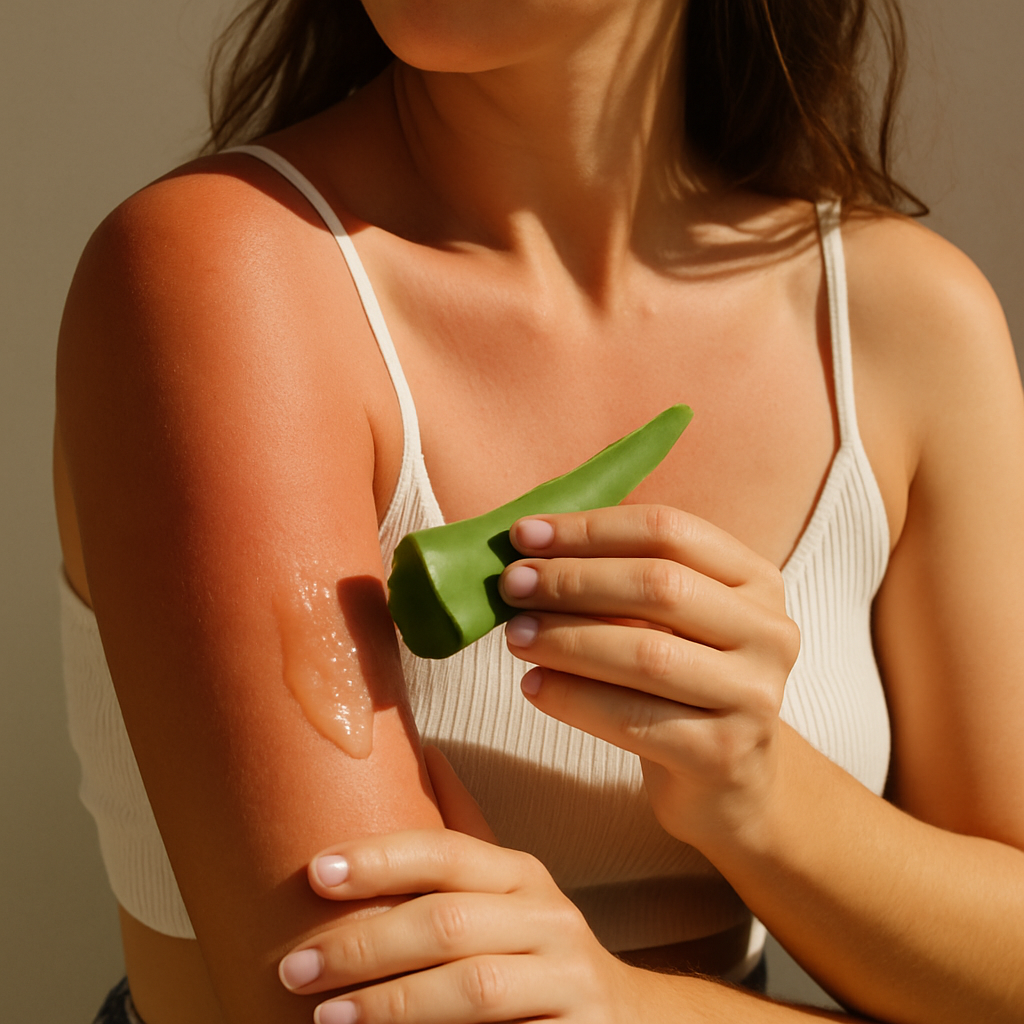
Why Natural Remedies Are Used for Tan Removal
Chemical-based whitening creams may show fast results, but they often come with hidden problems—dryness, irritation, and in some cases long-term skin damage. This is why natural remedies are making a comeback in everyday skincare. Aloe vera for tan removal is not just a trend; it’s part of a deeper movement towards safe and holistic skin care.
Nature has its own toolkit of gentle ingredients that don’t just target the problem (like tanning) but also nourish the skin. When it comes to removing tan, the goal isn’t just to lighten the skin instantly. It’s about repairing the sun damage, reducing redness, and restoring a healthy glow that looks natural. Aloe vera fits perfectly into this because it hydrates, cools, and supports healing—all at once.
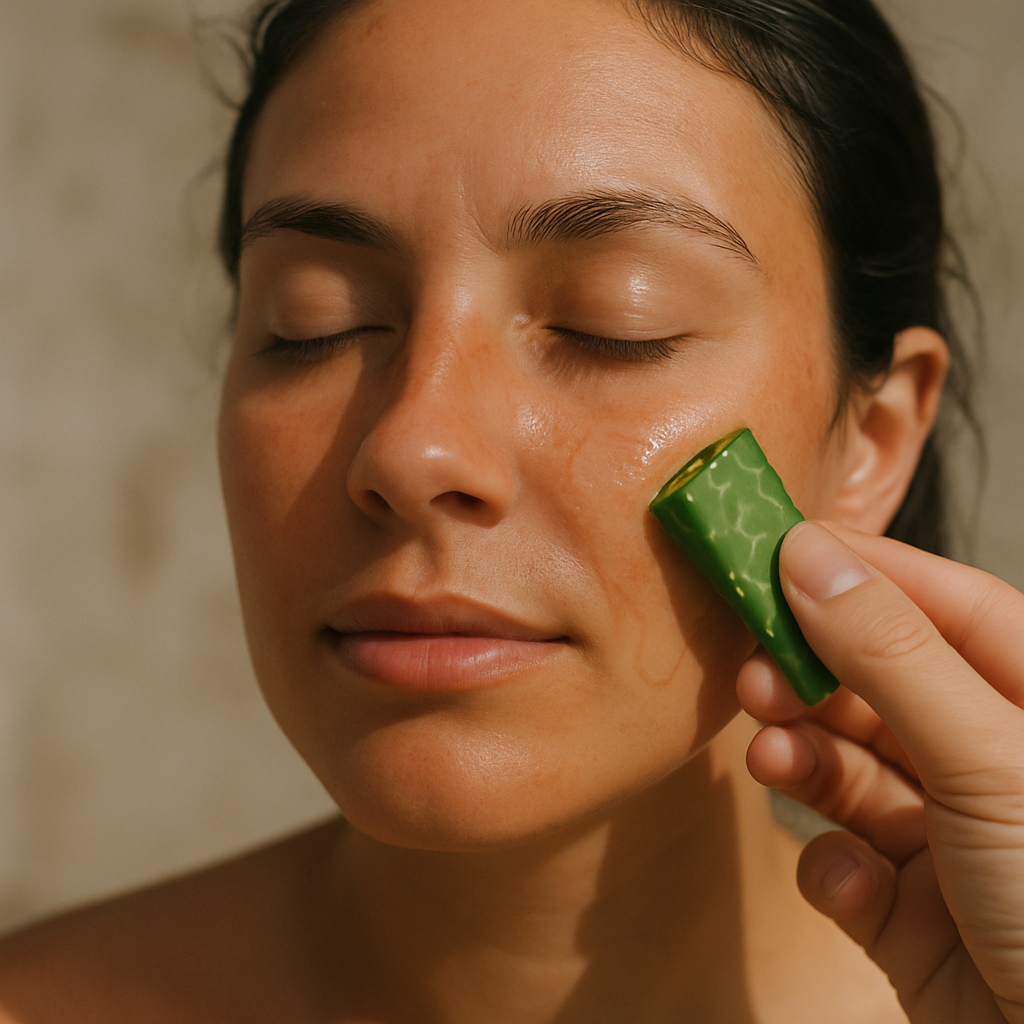
Will Aloe Vera Remove Tan?
This is probably the most searched question online: will aloe vera remove tan for real, or is it just hype? The answer lies in its composition. Aloe vera contains aloin, a compound with mild depigmenting properties, and enzymes that gently exfoliate the dead skin cells where much of the tan resides.
Can Aloe Vera Remove Tan Naturally?
Yes, it can. Aloe vera tan removal works by gradually lightening the skin over time rather than stripping it. Think of it as a slow but steady healer instead of a harsh bleach. Some users notice visible changes in as little as a week, while for others it may take a month of consistent application.
Does Aloe Vera Remove Tan from Face Effectively
The skin on your face is thinner and more sensitive compared to the rest of the body. Using aloe vera for tan on the face is highly recommended because it doesn’t clog pores or cause breakouts. Still, patch testing is smart—especially if you have acne-prone or super dry skin. People often ask does aloe vera remove tan from face without side effects? For most, yes, but you must apply fresh gel and avoid mixing it with too many harsh ingredients.
How to Use Aloe Vera for Tan Removal
Okay, so we know aloe vera works, but how do you actually use it the right way? There are multiple methods, and the best one depends on your skin type and lifestyle. Below, let’s break it down step by step.
How to Remove Tan with Aloe Vera Gel
The simplest method is applying pure aloe vera gel directly to the tanned skin. Ideally, scoop fresh gel from a leaf (it’s slimy, yes, but that’s the good stuff). Apply a thin layer over the affected area, leave it for 20–30 minutes, then rinse with cool water. Doing this daily can slowly fade the tan. One mistake people make is washing it off too soon—it needs time to penetrate.
How to Remove Tan from Face with Aloe Vera Packs
For stubborn tan on the face, aloe vera packs can be more effective. You can blend aloe gel with ingredients like honey, rose water, or even a pinch of turmeric. Spread the mixture evenly, let it sit for 15–20 mins, and rinse off. These packs not only help with tan but also brighten and hydrate the skin. Small note though—don’t go overboard with turmeric unless you like looking a little yellow-ish for a day!
Aloe Vera Tan Removal DIY Remedies at Home
If you’re wondering how to remove tan with aloe vera in more creative ways, DIY remedies are the answer. Honestly, the beauty of aloe vera is its versatility—you can pair it with dozens of kitchen staples to create quick and effective tan removal packs. Here are a few you might want to try:
-
Aloe Vera + Lemon Juice
Lemon is famous for its bleaching effect. Mix a spoon of fresh aloe gel with a few drops of lemon juice. Apply it to tanned areas, keep for 10–15 minutes, and rinse. This works fast, but be careful, lemon can sting or cause dryness if left too long. -
Aloe Vera + Cucumber Pulp
This combo is perfect for soothing sunburn along with tan. The coolness of cucumber mixed with the healing nature of aloe vera creates a calming paste. Great for the face, especially during hot summer days when your skin feels fried. -
Aloe Vera + Multani Mitti (Fuller’s Earth)
A classic Ayurvedic remedy! Mix aloe gel with multani mitti to form a thick paste. Apply evenly and let it dry before washing. This not only reduces tan but also controls excess oil, making it excellent for oily skin. -
Overnight Aloe Vera Treatment
Many people ask is aloe vera good for tan removal if left overnight? Yes, in fact leaving a thin layer on your skin overnight can deeply moisturize and accelerate healing. Just make sure it’s pure gel without added chemicals.
Little reminder—always do a patch test before trying any DIY, because what works for one person might not suit another.
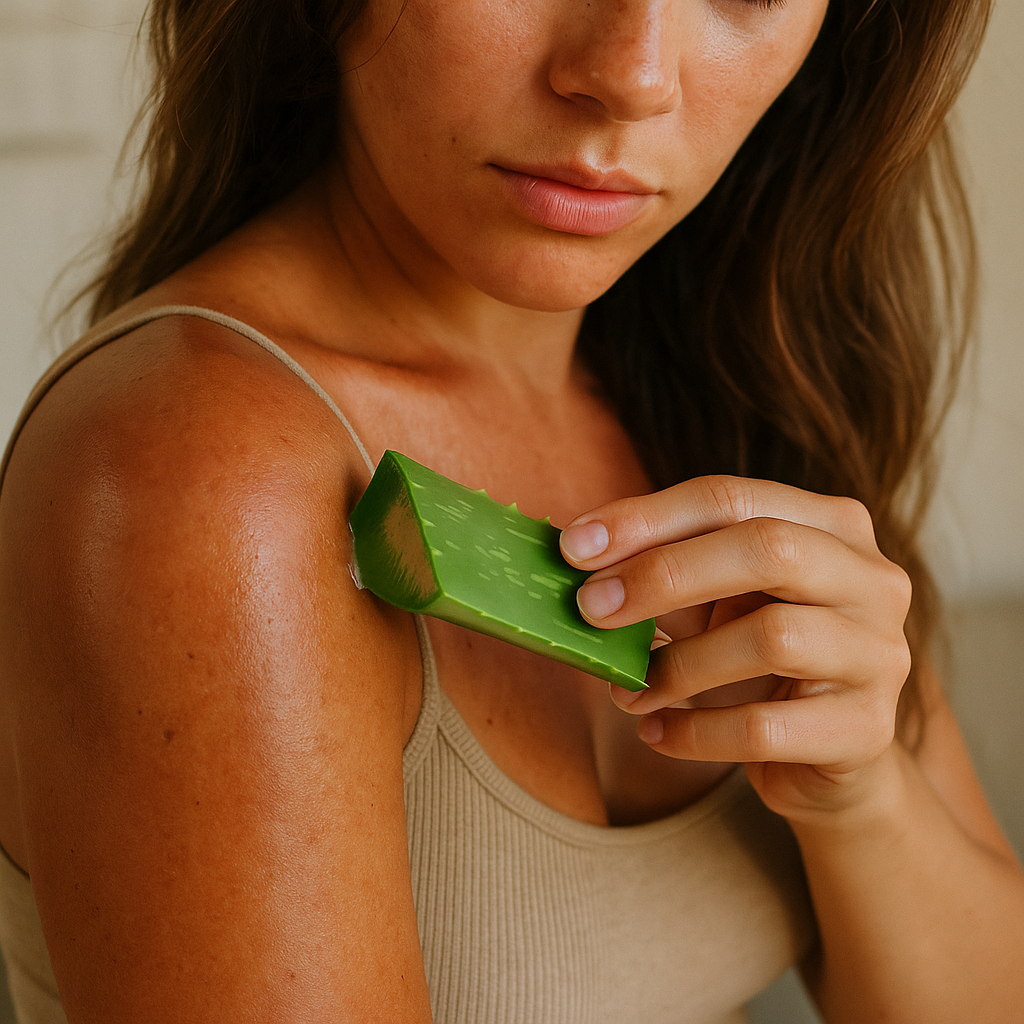
Ayurvedic Insights on Aloe Vera for Tan
Now let’s dig a bit deeper into Ayurveda. Aloe vera (known as Kumari in Sanskrit) has been a cornerstone of Ayurvedic skincare for centuries. The name itself translates to “young girl,” symbolizing youth and vitality. Ancient Ayurvedic texts describe aloe as a rasayana (rejuvenator), meaning it not only heals but also restores natural balance in the body and skin.
Aloe Vera in Ayurveda for Skin Healing
According to Ayurveda, skin tanning is a form of pitta dosha aggravation (excess heat in the body). Aloe vera, with its cooling and moisturizing properties, pacifies pitta and helps the skin recover from sun damage. This is why traditional healers often prescribed fresh aloe pulp applied directly on sunburns and tanned skin.
Unlike chemical treatments, Ayurveda views skincare as holistic. So when using aloe vera for tan, it’s not only about surface-level lightening—it’s also about calming inner heat and restoring skin health naturally.
Blending Aloe Vera with Herbs for Better Results
One of the reasons aloe vera remains so popular in Ayurveda is because it blends beautifully with other herbs:
-
Aloe Vera + Turmeric: Turmeric’s anti-inflammatory powers, when paired with aloe, create a skin-brightening pack that reduces tan and pimples too.
-
Aloe Vera + Sandalwood: Sandalwood is another cooling herb, often used with aloe to relieve sunburn and lighten stubborn tan.
-
Aloe Vera + Neem: For acne-prone skin, mixing aloe with neem paste works wonders. It clears breakouts while tackling tan at the same time.
These combinations show that aloe vera isn’t just a standalone remedy—it’s a flexible base that enhances the effect of other Ayurvedic herbs.
Small but Realistic Side Notes
It’s important to remember that while aloe vera for tan removal works well, results won’t come overnight. You’ll need patience and consistency. Some days your skin might look like nothing’s changing, and then suddenly after two weeks, you notice a clear brightness.
Another note—don’t expect aloe vera to make you dramatically lighter than your natural skin tone. What it does is remove the external tan and restore your skin’s original shade. In other words, aloe vera helps you get back to your real complexion, not change it completely.
Don't wait or self medicate. Start chat with Doctor NOW
Conclusion
So, will aloe vera remove tan? The answer is yes—slowly but surely. Aloe vera for tan removal isn’t a magic “one-day fix,” but it is one of the safest, most natural, and most effective ways to heal sun-damaged skin. Whether you’re using fresh gel, DIY packs, or Ayurvedic blends with herbs, aloe vera works by soothing, hydrating, and gradually lightening the tanned layers of your skin.
More importantly, it gives your skin back its health. While some quick-fix creams may promise “instant whitening,” aloe vera focuses on deep healing and balance. That’s why people who stick to aloe remedies often notice not only reduced tan but also softer, smoother, and glowing skin.
At the end of the day, the goal isn’t to chase unrealistic beauty standards. It’s about restoring your natural tone, feeling comfortable in your own skin, and choosing safe remedies that won’t harm you in the long run.
If you’ve been asking yourself questions like can aloe vera remove tan, or does aloe vera remove tan from face without irritation, the best way to find out is to try it consistently for a few weeks. You might be surprised at how such a simple plant can make such a big difference.
And here’s a little call to action: If this guide helped you, share it with a friend who’s also struggling with tanning or sunburn. Sometimes, the best skincare secret is already growing in the garden (or sitting in a small pot by the window).
FAQs
How fast can aloe vera remove tan?
Results depend on your skin type and how deep the tan is. For some, aloe vera tan removal can show visible changes in about a week of daily use. For others, it may take three to four weeks. The key is consistency—apply regularly and give it time to work.
Does aloe vera make skin glow?
Yes, absolutely. Aloe vera hydrates and nourishes the skin, which helps improve texture and brightness. Many people notice that their face looks fresher and more radiant after consistent use. It’s not just about tan removal; it’s about overall skin health.
Can I leave aloe vera overnight?
Yes, you can. In fact, applying a thin layer of fresh aloe gel overnight is one of the best ways to get deeper results. It allows the skin to fully absorb the nutrients and repair itself while you sleep. Just make sure the gel is clean and free from added chemicals.
Questions from users
How effective is aloe vera for treating sunburned skin?
Client_252944
18 days ago
Aloe vera is an effective treatment for sunburned skin due to its cooling, anti-inflammatory, and hydrating properties. Applying fresh aloe vera gel directly onto the affected areas can help soothe the pain and redness commonly associated with sunburn. Positive effects, such as reduced inflammation and pain relief, can typically be observed within a few hours to a couple of days. However, if the sunburn includes blisters, severe pain, or extensive coverage, it's important to see a doctor. Ayurveda also acknowledges aloe vera's soothing benefits, but always conduct a patch test to avoid irritation if you have sensitive skin.
What skin types benefit most from aloe vera treatments?
Client_e74aae
23 days ago
Aloe vera is particularly beneficial for people with sensitive, oily, or acne-prone skin due to its soothing and anti-inflammatory properties. It provides hydration without the greasy feel, making it suitable for these skin types. Typically, noticeable improvements can be seen after consistent use for a few weeks. Always conduct a patch test first, as aloe vera may irritate some individuals. If you experience severe redness or irritation, discontinue use and consult a dermatologist.
How to incorporate aloe vera into my daily skincare routine?
Client_c82ea5
28 days ago
To incorporate aloe vera into your daily skincare routine, you can apply pure aloe vera gel directly to your face after cleansing, using it as a moisturizer. For those looking to use aloe vera to remove tan, consistency is key; apply it daily and expect to see gradual results over several weeks. Aloe vera is generally safe for overnight use, which can enhance its impact on skin hydration and tan reduction. Always ensure you are using pure, natural aloe vera to minimize the risk of irritation. If you notice any adverse reactions or if your skin concerns persist, consulting a dermatologist is advisable.
How to create a DIY aloe vera mask for glowing skin?
Client_01f67d
33 days ago
To create a DIY aloe vera mask for glowing skin, combine 2 tablespoons of fresh aloe vera gel with a tablespoon of honey and a tablespoon of yogurt. Mix until it forms a smooth paste, then apply it evenly to your face. Leave the mask on for about 15-20 minutes before rinsing thoroughly with lukewarm water. Aloe vera hydrates the skin, honey has antibacterial properties, and yogurt contains lactic acid to gently exfoliate and brighten. This mask can be used 1-2 times a week for best results. If you experience any irritation, discontinue use and consult a dermatologist.
What are the best methods to apply aloe vera for facial tanning?
Client_f6d9e1
38 days ago
To use aloe vera for facial tanning, apply fresh aloe vera gel directly from the leaf onto your skin. Allow it to sit for 15–20 minutes before rinsing. For effective results, combine aloe gel with ingredients like honey, rose water, or turmeric, which can enhance its skin-soothing properties. Avoid rinsing it off too quickly to ensure it penetrates your skin effectively. Aloe vera is beneficial for reducing a tan and improving skin texture. If tanning persists or irritation occurs, consult a dermatologist.
How to properly store homemade aloe vera gel for longevity?
Client_46ce15
43 days ago
To store homemade aloe vera gel for longevity, transfer it into a clean, airtight container and refrigerate it. This can extend its shelf life to about one to two weeks. For even longer storage, consider freezing the gel in ice cube trays, which allows you to keep it for several months. Be sure the gel is pure, without added chemicals, to prevent contamination. Always perform a patch test before applying the gel, and if you notice any color change or odor, discard it. If you experience adverse reactions, consult a healthcare provider.
How does aloe vera help balance skin pH levels?
Client_fdc8e3
48 days ago
Aloe vera can help balance skin pH levels due to its mildly acidic nature, which aligns closely with the skin's natural pH of around 4.5 to 5.5. This soothing plant promotes healing and hydration, beneficial in maintaining healthy skin. Regular application of aloe vera gel helps to maintain the skin’s acid mantle, offering a layer of protection against bacteria and environmental harm. If skin issues persist or worsen, or if irritation occurs, it is recommended to consult a dermatologist.
How does aloe vera interact with other natural ingredients for skin care?
Client_af9935
53 days ago
Aloe vera interacts well with other natural ingredients for skincare, enhancing their effects due to its moisturizing and soothing properties. When combined with turmeric, it's known to help reduce inflammation and brighten the skin. Mixing aloe vera with honey can boost hydration and aid in acne management. Results from these combinations typically become noticeable after a few weeks of consistent use. However, perform a patch test to avoid allergic reactions. If skin irritation persists, consult a dermatologist for personalized advice.
What are the benefits of using aloe vera for post-sun exposure skin care?
Client_64fce0
58 days ago
Aloe vera is beneficial for post-sun exposure skin care primarily due to its soothing and anti-inflammatory properties. When applied to sunburned or tanned skin, aloe vera gel can help reduce redness, hydrate the skin, and promote healing. For visible results, apply aloe vera gel consistently, twice a day, and expect improvements within a few days to a week. Be aware of any allergic reactions; if irritation occurs, stop use and consult a doctor. While aloe vera may assist in tan removal over time, it is not an overnight solution.
Can I combine aloe vera with sunscreen for better tan protection?
Client_af9e04
63 days ago
Yes, you can combine aloe vera with sunscreen, but aloe vera itself won't enhance the sunscreen's effectiveness in providing tan protection. Aloe vera is primarily beneficial for its soothing and hydrating properties, making it great for after-sun care by reducing inflammation and aiding skin recovery. For effective tan protection, the focus should be on using a broad-spectrum sunscreen with an SPF of 30 or higher. Apply sunscreen generously on all exposed skin, and reapply every two hours, or more often if swimming or sweating. If seeking more holistic skincare, you can use aloe vera gel after sun exposure to help the skin heal. If you notice unusual skin changes or reactions, consult a dermatologist.
Related articles

Skin and Hair Disorders
Yashtimadhu Oil Benefits, How To Use, Ingredients, Side Effects
Exploration of Yashtimadhu Oil Benefits, How To Use, Ingredients, Side Effects
3,920

Skin and Hair Disorders
Is Coconut Oil Good for Hair? Ayurvedic Benefits, Growth & Usage Tips
Is coconut oil good for hair? Discover its benefits for hair growth, fall, low porosity, and how to apply or mix pure coconut oil for best Ayurvedic results
6,873

Skin and Hair Disorders
Chandanadi Vati Benefits: Cooling, Anti-Inflammatory, and Balancing Solutions!
Learn about the health benefits and uses of Chandanadi Vati, an Ayurvedic remedy for promoting skin health, cooling the body, and relieving heat-related conditions.
5,593

Skin and Hair Disorders
How to Cure White Hair at Young Age Naturally with Ayurveda
White hair at a young age solution: learn how to cure white hair naturally, stop premature greying, and explore Ayurvedic treatment for grey or white hair
5,869
Skin and Hair Disorders
Bhallataka Vati – Potent Ayurvedic Remedy for Rejuvenation & Therapeutic Support
Discover the bhallataka vati benefits, a powerful Ayurvedic formulation used for rejuvenation, pain management, and chronic condition support. Learn about its traditional preparation, therapeutic uses, dosage, and necessary precautions.
3,057
Skin and Hair Disorders
Ampucare Lotion – Nourishing & Revitalizing Skincare for Healthy, Radiant Skin
Discover Ampucare Lotion, a premium skincare solution designed to hydrate, nourish, and rejuvenate your skin. Learn about its natural ingredients, benefits, and application tips for a radiant complexion.
2,928
Skin and Hair Disorders
Yashad Bhasma Uses for Skin – Ayurvedic Remedy for Skin Health and Rejuvenation
Discover the benefits and uses of Yashad Bhasma, an Ayurvedic zinc-based formulation, renowned for its ability to treat skin conditions like acne, pigmentation, and aging signs.
5,342
Skin and Hair Disorders
Discover the Amazing Health & Beauty Benefits of Chandanbala Lakshadi Oil
Discover the proven chandanbala lakshadi oil benefits, proper usage, side effects, and scientific research behind this powerful Ayurvedic remedy.
3,545

Skin and Hair Disorders
How to Make Shampoo at Home with Natural Ingredients: Herbal Recipes and Benefits
Exploration of DIY Natural Shampoo: A Guide to Healthier Hair and Scalp
13,435

Skin and Hair Disorders
Sindooradi Lepam – An Ayurvedic Remedy for Skin Health and Radiance
Learn about Sindooradi Lepam, a powerful Ayurvedic paste that promotes healthy, radiant skin by treating blemishes, acne, pigmentation, and signs of aging.
4,035
Related consultations on the topic
Additional Documents
© 2026 Ask Ayurveda. All rights reserved.