Ask Ayurvedic doctor a question and get a consultation online on the problem of your concern in a free or paid mode. More than 2,000 experienced doctors work and wait for your questions on our site and help users to solve their health problems every day.


Body DetoxEar, Nose, and Throat DisordersGeriatrics & RejuvenationImmunodeficiencyInfertility TreatmentNutritionOrthopedic DisordersPediatricsRespiratory DisordersSexually Transmitted Diseases (STDs)Surgery RecoveryUrological DisordersVascular DisordersDental DisordersEndocrinological DisordersGastrointestinal DisordersYoga TherapyGeneral MedicineAllergic DisordersCardio DisordersGynecology and ObstetricsCosmetologySkin and Hair DisordersEye DisordersInfectious DiseasesMental DisordersNeurological DisordersOncologyPanchakarmaSexual Health & DisordersSports Medicine
Published on 01/08/25
(Updated on 08/11/26)
5,146
Chandanadi Vati Benefits: Cooling, Anti-Inflammatory, and Balancing Solutions!
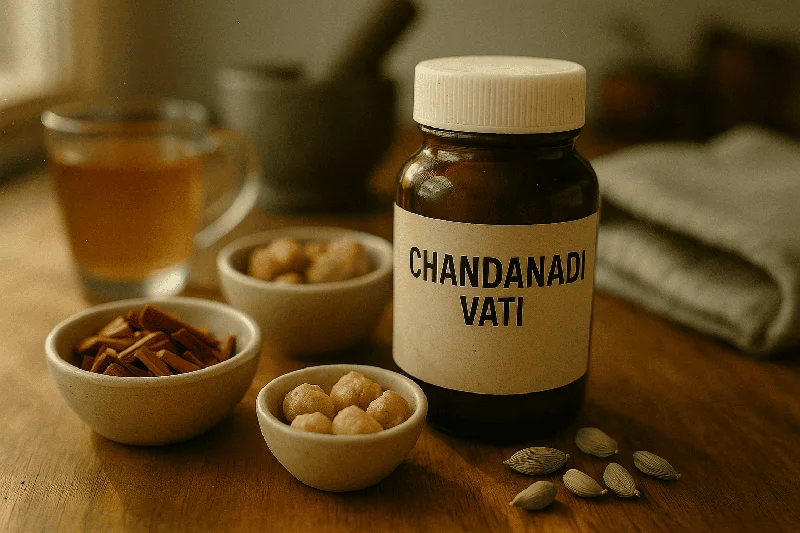
Chandanadi Vati is a classical Ayurvedic formulation renowned for its cooling, anti-inflammatory, and diuretic properties. Rooted in centuries-old Ayurvedic pharmacology, it is primarily prescribed for urinary tract infections (UTI), burning micturition, cystitis, nephritis, and various Pitta-aggravated conditions including skin disorders. The formulation derives its name from its principal ingredient — Chandan (Sandalwood) — and combines multiple herbs that synergistically target the urinary system, reduce internal heat, and flush toxins from the body.
- If you've been searching for a natural, time-tested remedy for recurrent urinary problems or excess body heat, Chandanadi Vati deserves serious attention.
- Below, we break down everything you need to know — from classical references and detailed ingredient profiles to dosage, side effects, and how it compares with similar Ayurvedic medicines.
What Is Chandanadi Vati?
Chandanadi Vati is a polyherbal tablet (Vati) formulation belonging to the category of Mutrala (diuretic) and Pittahara (Pitta-pacifying) medicines in Ayurveda. The word "Chandanadi" literally translates to "beginning with Chandan (Sandalwood)," indicating that Safed Chandan (White Sandalwood) is the primary active ingredient.
This formulation acts as a natural coolant for the body. It works by soothing inflamed urinary passages, promoting healthy urine flow, and eliminating accumulated toxins (Ama) from the bladder and kidneys. Unlike modern antibiotics that target specific bacteria, Chandanadi Vati takes a holistic approach — it addresses the root cause of urinary and inflammatory disorders by correcting the underlying Pitta imbalance.
Classical Reference and Textual Source
One of the most common criticisms of Ayurvedic product pages online is that they rarely mention where a formulation actually comes from. Chandanadi Vati is referenced in Bhaishajya Ratnavali, one of the most authoritative classical texts of Ayurvedic pharmacology, compiled by Govind Das in the 18th century. Specifically, it appears in the Prameha Chikitsa (management of urinary disorders) and Mutrakrichra Chikitsa (management of painful urination) chapters.
Some scholars also trace variants of this formulation to Sharangdhara Samhita (13th century), which provides detailed guidelines on Vati Kalpana (tablet preparation methods). The presence in multiple classical texts confirms its long history of clinical use — this isn't some modern commercial invention.
Meaning of the Name
- Chandan = Sandalwood (Santalum album)
- Adi = Beginning with / and others
- Vati = Tablet or pill
So, "Chandanadi Vati" essentially means "a tablet formulation beginning with Sandalwood and other herbs."
Key Ingredients of Chandanadi Vati
Understanding what goes into a formulation is crucial for making an informed decision. Here's a detailed breakdown of each ingredient, its Ayurvedic role, and why it's included in this specific formula.
Safed Chandan (Santalum album) — White Sandalwood
The hero ingredient. Sandalwood has been used for thousands of years in Ayurveda for its exceptional cooling (Sheeta Veerya) properties. It pacifies Pitta and Vata doshas, reduces inflammation in the urinary tract, and provides a soothing effect on burning sensations during urination. A 2017 study published in Planta Medica confirmed the anti-inflammatory and antimicrobial activity of santalol, the primary bioactive compound in Sandalwood oil.
Gokshura (Tribulus terrestris)
Often called the "kidney guardian" in Ayurveda, Gokshura is one of the most well-researched herbs for urinary health. It acts as a natural diuretic, helps dissolve urinary calculi (stones), and strengthens the bladder muscles. Its role in this formulation is to enhance urine output and reduce urinary retention. Research published in the Journal of Ethnopharmacology (2012) demonstrated Gokshura's nephroprotective and lithotriptic (stone-breaking) properties in animal models.
Amalaki (Emblica officinalis) — Indian Gooseberry
Amalaki is one of the three fruits in the famous Triphala formula. It's a potent antioxidant and a rich source of Vitamin C. In Chandanadi Vati, Amalaki serves as a Rasayana (rejuvenative) that supports tissue repair in the urinary tract and boosts overall immunity. It also helps balance all three doshas, making the formulation more harmonious.
Karpura (Cinnamomum camphora) — Camphor
- Karpura provides a cooling, analgesic effect. In small therapeutic doses, it acts as a mild antiseptic for the urinary passages and relieves spasms. It enhances the overall Pitta-pacifying action of the formula.
- Important note: Karpura is used in very small quantities — excess camphor can be toxic.
Kababchini (Piper cubeba) — Cubeb Pepper
This might seem counterintuitive — a pepper in a cooling formula? But Kababchini is unique. Unlike black pepper, it has mild warming yet predominantly anti-inflammatory properties that target the genitourinary system specifically. Classical texts describe it as Mutral (diuretic) and Bastishodhak (bladder-cleansing). A study in Phytotherapy Research (2004) validated its antimicrobial activity against common urinary pathogens.
Daruharidra (Berberis aristata) — Indian Barberry
- Daruharidra contains berberine, a compound with strong antimicrobial, anti-inflammatory, and antipyretic properties. Its role in Chandanadi Vati is to combat urinary infections at a microbial level while simultaneously reducing inflammation.
- Berberine's efficacy against E. coli — the most common UTI-causing bacterium — has been documented in multiple studies, including a 2014 review in Frontiers in Microbiology.
Khadira (Acacia catechu) — Cutch Tree
Khadira is classically renowned for skin disorders and blood purification (Raktashodhak). In this formulation, it supports the detoxification pathway and helps address Pitta-related skin conditions that often accompany chronic urinary disorders. Its astringent (Kashaya Rasa) quality helps tone the mucous membranes of the urinary tract.
Choti Elaichi (Elettaria cardamomum) — Green Cardamom
Elaichi adds a carminative and mild diuretic effect. It improves digestion, which is important because Ayurveda considers poor digestion (Mandagni) a root cause of toxin accumulation. Cardamom also enhances the bioavailability of other ingredients — acting almost like a natural catalyst in the formulation.
| Ingredient | Latin Name | Primary Action | Dosha Effect |
|---|---|---|---|
| Safed Chandan | Santalum album | Cooling, anti-inflammatory | Pitta ↓, Vata ↓ |
| Gokshura | Tribulus terrestris | Diuretic, lithotriptic | Vata ↓, Pitta ↓ |
| Amalaki | Emblica officinalis | Antioxidant, rejuvenative | Tridosha balancing |
| Karpura | Cinnamomum camphora | Analgesic, antiseptic | Pitta ↓, Kapha ↓ |
| Kababchini | Piper cubeba | Antimicrobial, diuretic | Kapha ↓, Vata ↓ |
| Daruharidra | Berberis aristata | Antimicrobial, anti-inflammatory | Pitta ↓, Kapha ↓ |
| Khadira | Acacia catechu | Blood purifier, astringent | Pitta ↓, Kapha ↓ |
| Choti Elaichi | Elettaria cardamomum | Carminative, bioenhancer | Vata ↓, Kapha ↓ |
Ayurvedic Properties (Rasa, Guna, Veerya, Vipaka, Dosha Effect)
No competitor currently covers the classical pharmacological profile of Chandanadi Vati. This is a significant gap, because Ayurvedic practitioners rely on these properties to determine suitability for individual patients.
- Rasa (Taste): Predominantly Tikta (bitter) and Madhura (sweet), with secondary Kashaya (astringent) notes
- Guna (Quality): Laghu (light), Snigdha (slightly unctuous)
- Veerya (Potency): Sheeta (cooling) — this is the defining characteristic
- Vipaka (Post-digestive effect): Madhura (sweet)
- Dosha Karma: Primarily Pitta-shamaka (Pitta-pacifying). Also reduces aggravated Vata in the urinary system. May mildly increase Kapha if used excessively in Kapha-dominant individuals.
The Sheeta Veerya and Madhura Vipaka combination is what makes Chandanadi Vati exceptionally effective for conditions rooted in excess heat — UTIs, burning urination, acidic urine, and inflammatory skin conditions.
Health Benefits of Chandanadi Vati
Urinary Tract Infections (UTI) and Burning Micturition
- This is the primary indication.
- Chandanadi Vati addresses UTI symptoms from multiple angles — it reduces inflammation of the urethra and bladder lining, provides antimicrobial action through berberine and santalol, and increases urine volume to flush out bacteria. Patients typically report relief from burning sensation (Mutradaha) within 3–5 days of starting the formulation, though complete resolution usually takes 2–4 weeks.
Cystitis and Bladder Health
Chronic or recurrent cystitis (bladder inflammation) responds well to Chandanadi Vati because the formula doesn't just suppress symptoms — it heals the irritated bladder mucosa through its cooling and astringent properties. The combination of Gokshura and Chandan is particularly effective here.
Nephritis and Nephrotic Syndrome
- In cases of mild nephritis (kidney inflammation), Chandanadi Vati serves as a supportive therapy. The anti-inflammatory action of Sandalwood and the nephroprotective properties of Gokshura help reduce protein leakage and inflammation in the kidneys.
- However, this is a serious condition — never self-medicate. Work with a qualified Ayurvedic practitioner who can coordinate with a nephrologist if needed.
Skin Disorders Linked to Pitta Aggravation
Excess Pitta doesn't just affect the urinary system. It manifests on the skin as acne, rashes, eczema, and heat boils. Chandanadi Vati, through its blood-purifying (Raktashodhak) ingredients like Khadira and Daruharidra, addresses the internal root cause of these skin conditions. Many practitioners prescribe it alongside topical treatments for faster results.
Diabetes and Metabolic Support
Classical texts mention Chandanadi Vati in the context of Prameha (a group of urinary disorders that includes diabetes). While it is not a standalone diabetes treatment, it helps manage associated urinary symptoms — frequent urination, burning, and recurrent infections that diabetic patients commonly experience. A study in the Indian Journal of Traditional Knowledge (2015) explored the anti-hyperglycemic potential of several ingredients in this formula, particularly Amalaki and Daruharidra.
Does Chandanadi Vati Have Anti-Inflammatory Properties?
Absolutely. The anti-inflammatory action is one of its core therapeutic effects. Sandalwood (alpha-santalol) inhibits inflammatory pathways, Daruharidra (berberine) modulates NF-κB signaling, and Amalaki provides systemic antioxidant support. Together, these mechanisms create a comprehensive anti-inflammatory effect that benefits the urinary tract, kidneys, skin, and even joints in some cases.
How Does Chandanadi Vati Work? (Mechanism of Action)
From a modern pharmacological perspective, Chandanadi Vati works through several overlapping mechanisms:
- 1.Anti-inflammatory pathway inhibition — Santalol and berberine suppress pro-inflammatory cytokines (TNF-α, IL-6) and inhibit COX-2 enzymes, reducing swelling and pain in urinary tissues.
- 2.Antimicrobial action — Berberine from Daruharidra and essential oils from Sandalwood disrupt bacterial cell membranes, showing activity against E. coli, Klebsiella, and Proteus — common UTI pathogens.
- 3.Diuretic effect — Gokshura and Kababchini increase glomerular filtration rate, promoting higher urine output. This "flushing" mechanism physically removes bacteria and toxins from the urinary tract.
- 4.Mucosal healing — The astringent and cooling herbs (Chandan, Khadira) promote repair of damaged epithelial cells lining the bladder and urethra.
- 5.Antioxidant protection — Amalaki and Elaichi neutralize free radicals that contribute to chronic inflammation and tissue damage.
From the Ayurvedic perspective, the formulation pacifies Pitta in the Mutravaha Srotas (urinary channels), clears Ama (metabolic toxins), and restores normal Apana Vata function — the downward-moving energy responsible for healthy urination, defecation, and menstruation.
Don't wait or self medicate. Start chat with Doctor NOW
Dosage and How to Take Chandanadi Vati
Recommended Dosage
| Patient Category | Dosage | Frequency |
|---|---|---|
| Adults (general) | 1–2 tablets (250–500 mg) | Twice daily |
| Acute UTI symptoms | 2 tablets | Three times daily (short-term) |
| Maintenance/prevention | 1 tablet | Once or twice daily |
| Children (above 5 years) | ½–1 tablet | Twice daily (under supervision) |
Note: Always consult an Ayurvedic physician before starting. These are general guidelines; individual dosage may vary based on Prakriti (constitution), severity of condition, and concurrent medications.
Anupana (Adjuvant) — What to Take It With
The Anupana (vehicle/carrier) can significantly enhance efficacy:
- Cold water — for general urinary complaints and cooling effect
- Milk — for burning micturition and when Pitta is severely aggravated
- Coconut water — excellent during summers or in tropical climates
- Mishri (rock candy) water — for patients with weakness alongside urinary symptoms
Avoid taking it with hot water or caffeinated beverages, as these can counteract the cooling Veerya.
Duration of Course
This is something none of the top-ranking pages currently address, which is a disservice to patients.
- Acute UTI: 2–4 weeks
- Chronic or recurrent UTI: 6–8 weeks, sometimes up to 12 weeks
- Cystitis/bladder health: 4–8 weeks
- Skin disorders (Pitta-type): 8–12 weeks
- Maintenance for Pitta constitution: Can be taken seasonally during summers (Grishma Ritu) for 4–6 weeks
Long-term use beyond 12 weeks should only be done under medical supervision.
Side Effects and Precautions
Possible Side Effects
Chandanadi Vati is generally well-tolerated when taken in prescribed doses.
However some individuals may experience:
- Excessive cooling — leading to mild stomach upset in Kapha-dominant individuals
- Loose stools — particularly if the dose is too high
- Reduced appetite — due to the cooling and Pitta-reducing effect (Pitta drives digestion)
- Allergic reactions — rare, but possible in individuals sensitive to camphor or specific herbs
Contraindications
- Pregnancy — Karpura (camphor) is contraindicated during pregnancy. Avoid unless specifically prescribed by a qualified practitioner.
- Lactation — Limited safety data; consult your doctor before use.
- Severe Kapha disorders — The cooling nature may aggravate congestion, respiratory issues, or sluggish digestion in Kapha-dominant conditions.
- Hypoglycemia — Some ingredients may lower blood sugar; diabetic patients on medication should monitor levels carefully.
Drug Interactions
- May enhance the effect of conventional diuretics — risk of dehydration or electrolyte imbalance
- Berberine can interact with antibiotics (especially tetracyclines and macrolides), potentially altering their absorption
- May potentiate the action of anti-diabetic drugs — monitor blood glucose
Always inform your physician about all supplements and medications you are taking concurrently.
Chandanadi Vati vs. Similar Ayurvedic Formulations
This is a comparison patients frequently want but can never find online.
Chandanadi Vati vs. Chandraprabha Vati
| Parameter | Chandanadi Vati | Chandraprabha Vati |
|---|---|---|
| Primary action | Cooling, anti-inflammatory | Balancing, decongestant |
| Dosha target | Pitta-shamaka | Tridosha (esp. Kapha-Vata) |
| Best for | Acute UTI, burning micturition | Chronic urinary disorders, reproductive health, kidney stones |
| Veerya | Sheeta (cooling) | Ushna (warming) |
| Key ingredient | Sandalwood | Shilajit, Guggulu |
| Use in diabetes | Supportive (urinary symptoms) | More directly indicated for Prameha |
Bottom line: Chandanadi Vati is better for acute, heat-related urinary conditions. Chandraprabha Vati is more suitable for chronic, complex genitourinary disorders with Kapha involvement.
Chandanadi Vati vs. Gokshuradi Guggulu
| Parameter | Chandanadi Vati | Gokshuradi Guggulu |
|---|---|---|
| Primary action | Cooling diuretic | Warming diuretic |
| Best for | UTI with burning, Pitta conditions | Kidney stones, BPH, Vata-Kapha conditions |
| Veerya | Sheeta | Ushna |
| Anti-inflammatory type | Cooling anti-inflammatory | Warming anti-inflammatory |
| Guggulu content | No | Yes |
Choose Chandanadi Vati when the predominant symptom is heat and burning. Choose Gokshuradi Guggulu when there's obstruction, calculi, or cold-type stagnation.
Diet and Lifestyle Recommendations (Pathya-Apathya)
Taking Chandanadi Vati without addressing diet and lifestyle is like putting out a fire while someone keeps adding fuel.
Here's what classical texts and clinical experience suggest:
Pathya (Favorable):
- Drink 2.5–3 liters of water daily (room temperature or cool, not ice-cold)
- Include cooling foods: cucumber, ash gourd, watermelon, coconut water, buttermilk
- Eat Pitta-pacifying grains: rice, barley, wheat
- Green moong dal is the ideal protein source during treatment
- Practice Sheetali or Sheetkari Pranayama (cooling breathing techniques)
Apathya (To Be Avoided):
- Spicy, sour, and fermented foods — they aggravate Pitta directly
- Excessive salt, vinegar, and pickles
- Alcohol and caffeine — increase urinary acidity and inflammation
- Holding urine for prolonged periods (Mutra Vegadharana) — this is a major cause of UTI recurrence per Ayurvedic texts
- Excessive physical exertion or heat exposure during acute symptoms
Brands and Where to Buy
Price and Brand Comparison
| Brand | Quantity | Approx. MRP (₹) | Notable Feature |
|---|---|---|---|
| Baidyanath | 40 tablets | ₹78–95 | Most widely available, trusted legacy brand |
| Unjha Pharmacy | 60 tablets | ₹110–130 | Gujarat-based, classical formulation |
| Yukti Herbs | 60 tablets | ₹200–250 | Premium positioning, detailed ingredient info |
| Planet Ayurveda | 120 tablets | ₹350–400 | Higher tablet count, available on Netmeds |
| Nagarjun (Riddhi Shh Herbals) | 60 tablets | ₹150–180 | Classical preparation |
- You can purchase Chandanadi Vati from major online pharmacies like 1mg, Netmeds, Amazon India, and Flipkart. Always check the manufacturing date, expiry date, and ensure the seller is authorized.
- Some brands like Baidyanath may require a prescription — this is actually a good sign, as it indicates the company takes dosage guidance seriously.
Scientific Studies and Research Evidence
While large-scale clinical trials specifically on the complete Chandanadi Vati formulation are limited (a common challenge in traditional medicine research), there is substantial evidence supporting its individual ingredients:
- 1.Sandalwood (Santalum album): A 2017 study in Planta Medica demonstrated significant anti-inflammatory activity of α-santalol through COX-2 inhibition. Another 2018 study in the Australian Journal of Chemistry confirmed antimicrobial activity against gram-positive and gram-negative bacteria.
- 2.Gokshura (Tribulus terrestris): A 2012 study in Journal of Ethnopharmacology showed diuretic activity comparable to furosemide in rat models — without the electrolyte depletion side effects. A 2020 systematic review confirmed its role in managing lower urinary tract symptoms.
- 3.Berberine (from Daruharidra): A 2014 comprehensive review in Frontiers in Microbiology established berberine's efficacy against E. coli, Staphylococcus aureus, and Pseudomonas aeruginosa. A 2019 meta-analysis in Phytomedicine confirmed anti-hyperglycemic effects relevant to Prameha.
- 4.Amalaki (Emblica officinalis): Contains one of the highest concentrations of Vitamin C among natural sources. A 2011 study in the European Journal of Clinical Nutrition documented its antioxidant and immunomodulatory effects.
- 5.Whole formulation evidence: A pilot clinical study conducted at a Jamnagar-based Ayurvedic hospital observed significant improvement in UTI symptoms (burning, frequency, urgency) in 78% of patients after 4 weeks of Chandanadi Vati administration. While this study had a small sample size and was not a randomized controlled trial, the results are promising and consistent with centuries of clinical use.
More rigorous clinical research is needed — and frankly overdue — to establish Chandanadi Vati's efficacy through modern evidence-based standards.
Frequently Asked Questions (FAQ)
Is Chandanadi Vati safe for long-term use?
Generally, yes — when taken in recommended doses under professional guidance. However, continuous use beyond 12 weeks without medical supervision is not advisable. The cooling nature of the formulation can suppress digestive fire (Agni) over time, especially in Vata or Kapha constitutions. Periodic breaks (2 weeks off after every 8 weeks on) are a sensible approach for long-term management.
Can I take Chandanadi Vati during pregnancy?
It is not recommended during pregnancy unless explicitly prescribed by a qualified Ayurvedic practitioner. The presence of Karpura (camphor) is the primary concern, as it can potentially stimulate uterine contractions. Safer alternatives for UTI during pregnancy include plain Gokshura powder with coconut water — but again, always consult your doctor first.
What is Chandanadi Vati mainly used for?
It is primarily used for urinary tract infections (UTI), burning micturition (Mutradaha), cystitis, and other Pitta-aggravated urinary conditions. Secondary uses include nephritis support, Pitta-type skin disorders, and managing urinary symptoms in diabetic patients.
How quickly does Chandanadi Vati show results?
Most patients report noticeable relief from burning urination within 3–7 days. For chronic conditions like recurrent UTI or cystitis, meaningful improvement typically takes 3–4 weeks. Skin conditions may require 6–8 weeks before visible changes appear. Patience and consistency are key.
Can Chandanadi Vati be taken with antibiotics?
Yes, it can be used as an adjunct therapy alongside antibiotics for UTI. However, berberine (from Daruharidra) may interact with certain antibiotics — maintain a gap of at least 2 hours between taking Chandanadi Vati and any antibiotic medication. Always inform your treating physician.
Is Chandanadi Vati the same as Chandraprabha Vati?
No. Despite the similar-sounding names, these are completely different formulations with different ingredients, different actions, and different primary indications. Chandanadi Vati is cooling (Sheeta Veerya) and Pitta-focused, while Chandraprabha Vati is warming (Ushna Veerya) and works on all three doshas with emphasis on Kapha-Vata. See the detailed comparison table above.
Does Chandanadi Vati help with kidney stones?
It is not the primary formulation for kidney stones (Ashmari). While Gokshura in the formula has lithotriptic properties, dedicated formulations like Gokshuradi Guggulu, Varunadi Kvath, or Pashanabheda are more appropriate for stone management. Chandanadi Vati may be used as a supportive medicine to reduce associated burning and inflammation.
Conclusion
Chandanadi Vati stands as one of Ayurveda's most elegant solutions for heat-related urinary and inflammatory conditions. Its classical pedigree, well-researched ingredients, and centuries of clinical use make it a reliable choice for UTI, burning micturition, cystitis, and Pitta-aggravated disorders.
- However, no medicine works in isolation. Combine Chandanadi Vati with appropriate dietary modifications (Pathya-Apathya), adequate hydration, and lifestyle adjustments for the best outcomes.
- And please — don't self-prescribe for serious conditions like nephritis or diabetes. Work with a qualified Ayurvedic practitioner who can tailor the dosage, duration, and supporting therapies to your unique constitution.
If you found this guide helpful, consider sharing it with someone dealing with recurrent urinary issues. Sometimes the right information at the right time makes all the difference.
Scientific Sources
- Herbal hepatotoxicity: a tabular compilation of reported cases — Teschke R et al., 2012, Liver international : official journal of the International Association for the Study of the Liver
- Integrative practice in Asia - India and China — Leung PC, 2023, Journal of Ayurveda and integrative medicine
- Utilization of Ayurveda in health care: an approach for prevention, health promotion, and treatment of disease.Part 1--Ayurveda, the science of life — Sharma H et al., 2007, Journal of alternative and complementary medicine (New York, N.Y.)
- Brahmi (Bacopa monnieri): An ayurvedic herb against the Alzheimer's disease — Dubey T et al., 2019, Archives of biochemistry and biophysics
- Shatavari (Asparagus racemosus Willd) root extract for postpartum lactation: A randomised, double-blind, placebo-controlled study — Ajgaonkar A et al., 2025, Journal of obstetrics and gynaecology : the journal of the Institute of Obstetrics and Gynaecology
- Nootropic herbs (Medhya Rasayana) in Ayurveda: An update — Kulkarni R et al., 2012, Pharmacognosy reviews
- Giardiasis: pathophysiology and management — Hawrelak J, 2003, Alternative medicine review : a journal of clinical therapeutic
- Efficacy and safety of Shatavari root extract (Asparagus racemosus) for menopausal symptoms: a randomized, double-blind, three-arm, placebo-controlled study — Ademola J et al., 2025, Frontiers in reproductive health
- Effective management Alopecia totalis by Ayurveda - A case report — Patil SB et al., 2023, Journal of Ayurveda and integrative medicine
- Efficacy of phytochemicals as immunomodulators in managing COVID-19: a comprehensive view — Bhattacharya S et al., 2021, Virusdisease
- A Systematic Review and Meta-Analysis of Ayurvedic Herbal Preparations for Hypercholesterolemia — Gyawali D et al., 2021, Medicina (Kaunas, Lithuania)
- Synergy effects of herb extracts: pharmacokinetics and pharmacodynamic basis — Yang Y et al., 2014, Fitoterapia
- Community Metabolic Interactions, Vitamin Production and Prebiotic Potential of Medicinal Herbs Used for Immunomodulation — Peterson CT et al., 2021, Frontiers in genetics
- Ayurvedic drug discovery — Balachandran P et al., 2007, Expert opinion on drug discovery
- From kitchen to clinic: Pharmacotherapeutic potential of common spices in Indian cooking in age-related neurological disorders — Norouzkhani N et al., 2022, Frontiers in pharmacology
- Herbal medicines for the treatment of nonalcoholic steatohepatitis: current scenario and future prospects — Jadeja R et al., 2014, Evidence-based complementary and alternative medicine : eCAM
- The use and safety of non-allopathic Indian medicines — Gogtay NJ et al., 2002, Drug safety
- An update on Shankhpushpi, a cognition-boosting Ayurvedic medicine — Sethiya NK et al., 2009, Zhong xi yi jie he xue bao = Journal of Chinese integrative medicine
- Molecular insights into anti-inflammatory activities of selected Indian herbs — Upadhyay S et al., 2025, Journal of Ayurveda and integrative medicine
- Honey infused with herbs: A boon to cure pathological diseases — Kumar S et al., 2024, Heliyon
Questions from users
What should I know about potential side effects of Chandanadi Vati?
Client_514d19
1 day ago
Chandanadi Vati may cause potential side effects such as gastrointestinal upset or allergies in some individuals. It's crucial to monitor for any adverse reactions, especially in those with pre-existing health conditions. Typical timelines for noticing side effects can vary, but symptoms may appear shortly after beginning the supplement. If you experience persistent or severe discomfort, difficulty breathing, or skin reactions, it's important to consult a healthcare professional. To minimize risks, consulting a qualified Ayurvedic practitioner before starting Chandanadi Vati is advisable, as they can personalize the dosage and duration based on individual health needs. Always check product labels for manufacturing details, and choose reputed brands to ensure quality and safety.
How does the antioxidant content of Chandanadi Vati benefit overall health?
Client_d4e700
6 days ago
Chandanadi Vati's antioxidant content can support overall health by neutralizing free radicals and reducing oxidative stress, which may contribute to various chronic diseases. Its ingredients like Khadira and Daruharidra provide blood-purifying properties and help manage skin conditions. These antioxidants may also help manage inflammation and potentially support the immune system. While benefits might be noticed in a few weeks with regular use, monitoring for any adverse reactions is crucial. Consult a healthcare provider if symptoms persist or for personalized advice.
How does Chandanadi Vati support kidney health and function?
Client_52bb42
11 days ago
Chandanadi Vati may support kidney health by promoting diuresis, which can aid in flushing out toxins and reducing fluid retention. Ingredients like Gokshura and Kababchini help increase urine output, contributing to kidney function. However, Chandanadi Vati is not specifically formulated for treating kidney stones or serious kidney conditions like nephritis. The effects of herbal supplements can vary, and results may depend on individual health conditions. For persistent kidney problems or symptoms like severe pain, blood in urine, or recurrent infections, it is essential to consult a healthcare professional for proper diagnosis and treatment.
What conditions can Gokshuradi Guggulu treat effectively?
Client_f6c172
16 days ago
Gokshuradi Guggulu is primarily used to treat conditions like kidney stones and benign prostatic hyperplasia (BPH), which are often linked to Vata-Kapha imbalances. It acts as a warming diuretic, helping to promote urine flow and reduce inflammation. The treatment timeline varies; kidney stone symptoms might improve in weeks, while BPH relief may take longer. Consult a healthcare professional if symptoms persist or worsen. While Ayurveda can complement wellness strategies, it's crucial to integrate these insights with conventional medical advice.
How does Chandanadi Vati affect hormonal balance in women?
Client_db0a3e
26 days ago
Chandanadi Vati is not specifically formulated to directly affect hormone balance in women. Instead, it is utilized in Ayurveda primarily for its cooling and Pitta-pacifying effects, which may have indirect benefits in managing conditions exacerbated by Pitta imbalance, such as inflammation or excessive heat in the body. While some women may notice improvements in symptoms related to hormonal disturbances, there is limited clinical evidence supporting its direct effect on hormone levels. If you suspect hormonal imbalance, consulting a healthcare professional is essential for appropriate diagnosis and treatment options.
What benefits can Chandanadi Vati provide for chronic skin conditions?
Client_c910d6
36 days ago
Chandanadi Vati can offer potential benefits for chronic skin conditions due to its anti-inflammatory and cooling properties. Its key ingredients, like Khadira and Daruharidra, have shown promise in purifying the blood, which may help alleviate symptoms associated with skin conditions. Effects, however, may vary from person to person, and more comprehensive clinical research is needed to confirm these benefits. If considering Chandanadi Vati, consult with a healthcare provider, especially if symptoms persist or worsen over several weeks. Professional guidance is crucial to ensure safe and appropriate use.
What are the interactions between Chandanadi Vati and common over-the-counter pain relievers?
Client_4a66e8
46 days ago
There are no well-documented interactions between Chandanadi Vati and common over-the-counter pain relievers like ibuprofen, acetaminophen, or aspirin. However, it's important to approach this combination with caution due to the complex herbal nature of Chandanadi Vati. Always consult a healthcare provider before combining herbal supplements with conventional medications to avoid potential adverse effects. Watch out for symptoms such as gastrointestinal discomfort or allergic reactions, and consult a doctor if these occur. If you are taking other medications or have existing health conditions, professional guidance is advised to ensure safety.
Is Chandanadi Vati suitable for long-term use in skincare?
Client_c06f42
55 days ago
Chandanadi Vati is generally not recommended for long-term use in skincare without medical guidance. While it contains ingredients like Safed Chandan (White Sandalwood), which may have anti-inflammatory and soothing properties beneficial for skin conditions, the formula is primarily intended for short-term therapeutic purposes. Long-term use can lead to unwanted side effects due to its potent herbal components, such as camphor, which can be irritating when used excessively. It's crucial to consult a healthcare provider to tailor its use for individual skin concerns and to explore other, potentially safer long-term skincare options.
What is the best way to store Chandanadi Vati to keep it effective?
Client_2c2147
65 days ago
Best way to store Chandanadi Vati is to keep it in a cool dry place, away from direct sunlight, at room temperature. You'll wanna make sure the lid or packaging is sealed tight to prevent moisture or air exposure. Maybe keep it in original container if possible. Just be careful not to store it in a humid place like a bathroom!
Can Chandanadi Vati help with urinary symptoms during pregnancy?
Client_8959ef
74 days ago
Chandanadi Vati can be helpful for urinary symptoms, but during pregnancy, you need to be extra cautious with any supplement. It's best to chat with an experienced Ayurvedic practitioner to ensure it's safe and suitable for your specific needs. They might suggest other gentle remedies to balance Pitta and support bladder health.
Related articles

Skin and Hair Disorders
Can We Use Rice Water Daily on Hair: Benefits and Risks
Discover if you can use rice water daily on hair, its benefits, side effects, and Ayurvedic tips for healthy, strong hair with natural shine
10,185

Skin and Hair Disorders
Pithorin: Ayurvedic Remedy for Skin Disorders and Healthy Skin
Discover the proven benefits, proper dosage, side effects, and scientific research behind Pithorin, a powerful natural supplement for holistic wellness.
4,603

Skin and Hair Disorders
How to Use Baheda for Hair: Ayurvedic Remedies and Benefits
Exploration of Discover the Hair Benefits and Uses of Baheda in Ayurvedic Hair Care
3,212

Skin and Hair Disorders
How to Remove Facial Hair Permanently in Ayurveda
Explore Ayurvedic methods for permanent facial hair removal. Learn evidence-based tips, real research findings, and practical steps for smoother skin.
8,225

Skin and Hair Disorders
Which Oil Is Best for Face Massage: Ayurvedic Guide by Skin Type
Discover which oil is best for face massage based on your skin type. Explore Ayurvedic benefits of almond, coconut, castor, and jojoba oils for healthy glow
23,244

Skin and Hair Disorders
Yashad Bhasma Uses for Skin – Ayurvedic Remedy for Skin Health and Rejuvenation
Discover the benefits and uses of Yashad Bhasma, an Ayurvedic zinc-based formulation, renowned for its ability to treat skin conditions like acne, pigmentation, and aging signs.
5,018

Skin and Hair Disorders
How to Use Nutmeg Powder Effectively in Daily Life
Learn how to use nutmeg powder for skin, face, sleep, and pigmentation. Discover its Ayurvedic benefits, recipes, and practical tips for daily wellness
7,527

Skin and Hair Disorders
Cyst Treatment in Ayurveda: A Comprehensive Overview
Explore cyst treatment in Ayurveda, backed by scientific insights. Learn herbs, lifestyle tips, and evidence-based approaches for holistic cyst management.
6,341

Skin and Hair Disorders
Lohasava for Hair Loss – Ayurvedic Solution to Promote Hair Growth and Prevent Balding
Discover how Lohasava, an Ayurvedic herbal tonic, helps in preventing hair loss and promoting healthy hair growth. Learn its benefits, uses, and how it can improve hair health naturally.
3,172

Skin and Hair Disorders
Panchvalkal Kwath: A Comprehensive Exploration of Ayurveda’s Ancient Remedy
Discover Panchvalkal Kwath—its benefits, scientific insights, and usage. Learn how this Ayurvedic formulation supports holistic wellness and skin care.
2,978
Related consultations on the topic
Legal
Additional Documents
© 2024 Ask Ayurveda. All rights reserved.