Ask Ayurvedic doctor a question and get a consultation online on the problem of your concern in a free or paid mode. More than 2,000 experienced doctors work and wait for your questions on our site and help users to solve their health problems every day.


Body DetoxEar, Nose, and Throat DisordersGeriatrics & RejuvenationImmunodeficiencyInfertility TreatmentNutritionOrthopedic DisordersPediatricsRespiratory DisordersSexually Transmitted Diseases (STDs)Surgery RecoveryUrological DisordersVascular DisordersDental DisordersEndocrinological DisordersGastrointestinal DisordersYoga TherapyGeneral MedicineAllergic DisordersCardio DisordersGynecology and ObstetricsCosmetologySkin and Hair DisordersEye DisordersInfectious DiseasesMental DisordersNeurological DisordersOncologyPanchakarmaSexual Health & DisordersSports Medicine
Published on 01/06/25
(Updated on 08/10/26)
4,621
Pithorin: Ayurvedic Remedy for Skin Disorders and Healthy Skin
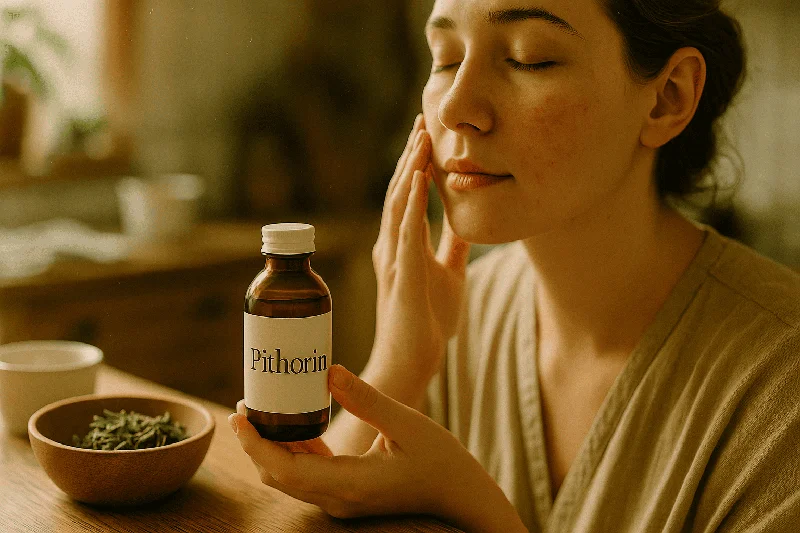
Pithorin is a classical Ayurvedic proprietary medicine manufactured by IMIS (Indian Medical Institute of Sciences), primarily used for the management of gallstones (cholelithiasis) and related biliary disorders. Available as tablets, Pithorin combines hepatoprotective and cholagogue herbs — including Picrorhiza kurroa, Andrographis paniculata, Piper nigrum, and Allium sativum — that work synergistically to promote bile flow, reduce bile viscosity, and support the natural dissolution of gallstones. Priced at approximately ₹800 for 100 tablets, it is one of the few Ayurvedic formulations specifically targeting gallbladder health with a well-defined mechanism of action.
In this comprehensive guide, we'll cover everything you need to know: what Pithorin actually does at the biochemical level, its full ingredient profile, proper dosage and administration, side effects, how it compares to conventional treatments, and real-world usage guidance. Whether your doctor has recommended it or you're researching it on your own, this article gives you the most thorough, evidence-informed resource on Pithorin available anywhere.
What Is Pithorin?
Pithorin is a polyherbal Ayurvedic tablet formulation classified under proprietary Ayurvedic medicine. Unlike classical formulations documented in ancient texts like Charaka Samhita or Sushruta Samhita, Pithorin is a modern formulation developed by IMIS — leveraging traditional Ayurvedic knowledge of hepatobiliary herbs with contemporary understanding of gallstone pathophysiology.
The formulation is specifically designed to address disorders of the gallbladder and biliary tract, with a primary focus on gallstone management. It is not a general "liver tonic" or a broad-spectrum Ayurvedic supplement — its ingredient profile is precisely calibrated for bile-related conditions.
Manufacturer & Brand: IMIS (Indian Medical Institute of Sciences)
IMIS is a Hyderabad-based Ayurvedic pharmaceutical company that manufactures a range of proprietary Unani and Ayurvedic formulations. The company operates under Good Manufacturing Practice (GMP) guidelines as mandated by the AYUSH Ministry, Government of India. IMIS products are available through authorized retailers, the company's own online store (shop.imisayurveda.com), and major e-commerce platforms including Amazon and Flipkart.
Key points about IMIS:
- Licensed Ayurvedic manufacturer under the Drugs and Cosmetics Act, 1940
- Products manufactured in GMP-certified facilities
- Portfolio includes formulations for renal, hepatic, dermatological, and gastrointestinal conditions
- Pithorin is among their flagship hepatobiliary products
Pithorin vs. Other IMIS Products
IMIS manufactures several related but distinct formulations. Pithorin should not be confused with Calcury (primarily for renal calculi/kidney stones) — a mixup that commonly appears on some marketplace listings. Pithorin targets gallstones specifically, not kidney stones. This is an important distinction because the pathophysiology, stone composition, and treatment approach for gallstones versus kidney stones are fundamentally different.
What Is Pithorin Used For?
Primary Indication: Gallstone Management (Cholelithiasis)
The core use of Pithorin is managing gallstones — hardened deposits that form in the gallbladder when bile components crystallize. In India, gallstone prevalence ranges from 2% to 29% depending on the region and demographic studied, with higher rates observed in North India and among women over 40 (Stinton & Shaffer, Canadian Journal of Gastroenterology, 2012).
Pithorin is intended for:
- Small to moderate cholesterol gallstones where surgery is not immediately indicated
- Biliary sludge (a precursor to gallstone formation)
- Post-treatment maintenance to prevent recurrence after conservative management
- Patients who are not surgical candidates due to age, comorbidities, or personal preference
- Supportive therapy alongside conventional treatment under medical supervision
Secondary Benefits: Hepatoprotection and Bile Health
Beyond gallstones, Pithorin's ingredient profile suggests benefits for:
- Sluggish bile flow (biliary dyskinesia): herbs like garlic and black pepper stimulate biliary secretion
- Mild hepatic congestion: Picrorhiza kurroa has well-documented hepatoprotective activity
- Digestive discomfort related to fat malabsorption: improved bile flow enhances fat digestion
- Cholecystitis support: anti-inflammatory herbs may help manage mild gallbladder inflammation
A Note on Skin Disorders
- Some online sources list Pithorin as a remedy for skin disorders. However, this appears to be based on the general adaptogenic properties attributed to some of its ingredients rather than the formulation's actual design purpose. The IMIS product literature and the formulation's cholagogue-heavy composition clearly indicate that gallbladder and biliary health is the primary therapeutic target.
- Any skin benefits would be secondary, at best — possibly mediated through improved liver detoxification and bile metabolism.
Pithorin Ingredients: Detailed Composition & Mechanism of Action
What sets Pithorin apart from generic "liver support" supplements is its specifically targeted ingredient selection. Each component plays a defined role in bile chemistry and gallstone management.
Key Active Ingredients
| Ingredient | Latin/Scientific Name | Key Bioactive Compounds | Primary Mechanism in Pithorin |
|---|---|---|---|
| Katuki (Kutki) | Picrorhiza kurroa | Picrosides I & II, kutkoside | Hepatoprotection; stimulates bile production; antioxidant protection of hepatocytes |
| Kalmegh | Andrographis paniculata | Andrographolides | Reduces bile viscosity; anti-inflammatory; prevents cholesterol crystallization |
| Lahsun (Garlic) | Allium sativum | Allicin, ajoene, diallyl sulfides | Stimulates bile secretion (cholagogue effect); lowers biliary cholesterol |
| Kali Mirch (Black Pepper) | Piper nigrum | Piperine | Enhances bioavailability of other ingredients; stimulates digestive enzyme activity; mild cholagogue |
How Each Ingredient Works — The Biochemistry
Picrorhiza kurroa (Kutki) is arguably the most critical ingredient. A landmark study by Floersheim et al. demonstrated that picrosides provide significant hepatoprotection by scavenging free radicals and stabilizing hepatocyte membranes. In the context of gallstones, kutki works by stimulating hepatic bile production — increased bile volume helps dilute cholesterol concentration, reducing the lithogenic index (the ratio that predicts stone formation). A study published in the Journal of Ethnopharmacology (2004) showed that Picrorhiza kurroa extract significantly increased bile flow in rat models by approximately 38% over baseline.
- Andrographis paniculata (Kalmegh) contributes through andrographolides — diterpenoid lactones that exhibit potent anti-inflammatory and choleretic activity. Research published in Planta Medica (2010) demonstrated that andrographolides reduce bile viscosity and inhibit cholesterol crystallization in biliary fluid.
- This is crucial for gallstone management: less viscous bile with lower cholesterol saturation means reduced stone formation and potentially facilitated passage of small stones.
Allium sativum (Garlic) has been studied extensively for its effects on lipid metabolism. Allicin, its primary bioactive compound, stimulates bile acid secretion — a direct cholagogue effect. A controlled study by Effendy et al. (Atherosclerosis, 1997) showed that garlic supplementation reduced biliary cholesterol levels in animal models. For gallstone patients, lower biliary cholesterol directly translates to a reduced lithogenic index.
- Piper nigrum (Black Pepper) serves a dual role.
- Piperine is well-established as a bioavailability enhancer — it inhibits hepatic and intestinal glucuronidation, increasing the systemic availability of co-administered compounds (Shoba et al., Planta Medica, 1998, famously showed piperine increased curcumin bioavailability by 2,000%). In Pithorin, this means better absorption of kutki's picrosides and kalmegh's andrographolides. Piperine also stimulates pancreatic and intestinal digestive enzymes, supporting overall digestive function.
Understanding Gallstones: Why Pithorin's Approach Matters
- To fully appreciate how Pithorin works, it helps to understand why gallstones form in the first place.
- This isn't just academic — understanding the pathophysiology helps you make informed decisions about treatment.
Types of Gallstones
| Stone Type | Prevalence | Composition | Can Pithorin Help? |
|---|---|---|---|
| Cholesterol stones | ~80% of all gallstones | Primarily cholesterol (>50%) | Yes — Pithorin targets cholesterol saturation in bile |
| Pigment stones (black) | ~15% | Calcium bilirubinate | Limited — different mechanism of formation |
| Pigment stones (brown) | ~5% | Calcium bilirubinate + bacteria | Limited — may require antibiotics |
The Lithogenic Triangle
Gallstone formation depends on three factors — what gastroenterologists call the "lithogenic triangle":
- Cholesterol supersaturation of bile (too much cholesterol relative to bile acids and phospholipids)
- Nucleation (cholesterol crystals begin forming)
- Gallbladder hypomotility (stasis allows crystals to grow into stones)
Pithorin addresses all three mechanisms: kutki and garlic increase bile acid secretion (reducing supersaturation), andrographolides inhibit nucleation by reducing bile viscosity, and the overall cholagogue effect promotes gallbladder motility. This is a more comprehensive approach than single-agent therapies.
Pithorin vs. Surgery and Conventional Treatments
| Parameter | Pithorin (Ayurvedic) | Ursodeoxycholic Acid (UDCA/Ursosan) | Laparoscopic Cholecystectomy |
|---|---|---|---|
| Approach | Polyherbal bile modifier | Synthetic bile acid | Surgical removal |
| Effective for | Small cholesterol stones, sludge | Small cholesterol stones (<1cm) | All gallstone types and sizes |
| Time to results | 3–6 months typically | 6–24 months | Immediate (surgical) |
| Recurrence rate | Limited data | ~50% within 5 years after stopping | 0% (no gallbladder = no stones) |
| Side effects | Generally mild (GI discomfort) | Diarrhea, mild hepatotoxicity | Surgical risks, post-cholecystectomy syndrome (10-40%) |
| Cost (approx.) | ₹800/100 tablets | ₹150–300/month | ₹40,000–1,50,000 |
| Best suited for | Patients with mild symptoms, small stones, surgery-averse | Non-calcified cholesterol stones <1cm | Symptomatic gallstones, large stones, complicated cases |
Important: Pithorin is not a replacement for surgery in cases of acute cholecystitis, pancreatitis secondary to gallstones, or large impacted stones. Always consult a qualified gastroenterologist or Ayurvedic physician before making treatment decisions.
Pithorin Tablet Dosage: How to Take It Correctly
Standard Dosage
The generally recommended dosage for Pithorin tablets is:
- Adults: 1–2 tablets, twice daily (250–500 mg per dose)
- Timing: After meals, with lukewarm water
- Duration: Typically 3–6 months for gallstone management, depending on stone size and clinical response
Detailed Administration Guidelines
Dosage by Condition Severity
| Condition | Suggested Dosage | Duration | Notes |
|---|---|---|---|
| Biliary sludge | 1 tablet twice daily | 2–3 months | Reassess with ultrasound |
| Small gallstones (<10mm) | 2 tablets twice daily | 3–6 months | Monitor with ultrasound every 3 months |
| Post-treatment maintenance | 1 tablet once daily | 2–3 months | Prevent recurrence |
| Digestive support (bile-related) | 1 tablet twice daily | 1–2 months | As needed |
What to Do If You Miss a Dose
If you miss a dose, take it as soon as you remember — unless it's almost time for the next dose. In that case, skip the missed dose. Never double up. Pithorin works cumulatively over weeks and months, so a single missed dose won't significantly impact outcomes.
Can I Take Pithorin Daily?
- Yes. Pithorin is designed for regular, sustained use over weeks to months.
- The herbs in the formulation — particularly kutki and kalmegh — build their therapeutic effect gradually. However, continuous use beyond 6 months should be supervised by a qualified practitioner, as long-term hepatic effects need periodic monitoring.
Don't wait or self medicate. Start chat with Doctor NOW
Side Effects of Pithorin Tablet
Pithorin is generally well-tolerated, but like any medicine — Ayurvedic or otherwise — it can cause side effects in some individuals.
Commonly Reported Side Effects
- Mild gastrointestinal discomfort: Loose stools, mild nausea, or increased gas — particularly in the first week. This often resolves as the body adjusts.
- Garlic-related effects: Body odor or garlic breath due to the Allium sativum component. Mild but noticeable in some people.
- Mild heartburn: Especially if taken on an empty stomach (which is why post-meal administration is recommended)
Rare but Possible Side Effects
- Allergic reactions: Skin rash, itching — particularly in individuals with known allergy to garlic or black pepper
- Excessive bile stimulation: In rare cases, strong cholagogue action may trigger biliary colic if a stone shifts. This is a theoretical risk with any choleretic agent
- Hypotension: Garlic has mild blood pressure-lowering effects; relevant for those on antihypertensive medications
Who Should Avoid Pithorin?
- Pregnant and breastfeeding women: Insufficient safety data. Andrographolides have shown anti-fertility effects in animal studies — avoid until human safety data is available
- Patients with bile duct obstruction: Stimulating bile flow into an obstructed system can be dangerous
- People on blood-thinning medications: Garlic and piperine may enhance anticoagulant effects (relevant for warfarin, aspirin, clopidogrel users)
- Children under 12: No pediatric dosing data available
- Pre-surgical patients: Discontinue at least 2 weeks before any scheduled surgery due to potential bleeding risk from garlic component
Does Pithorin Interact With Other Medications?
This is a critical section that no other source has adequately addressed.
Known and Theoretical Drug Interactions
| Medication Class | Interaction Risk | Mechanism | Recommendation |
|---|---|---|---|
| Anticoagulants (Warfarin, Heparin) | Moderate-High | Garlic inhibits platelet aggregation; piperine affects CYP metabolism | Avoid or use under strict medical supervision |
| Antihypertensives | Low-Moderate | Garlic has mild vasodilatory effects | Monitor blood pressure regularly |
| Diabetes medications | Low-Moderate | Some ingredients may lower blood glucose | Monitor blood sugar; adjust doses if needed |
| Immunosuppressants (Cyclosporine) | Moderate | Piperine alters CYP3A4 enzyme activity, affecting drug metabolism | Consult physician before combining |
| UDCA (Ursodeoxycholic acid) | Low (possibly synergistic) | Both target bile chemistry through different mechanisms | May be used together under medical guidance |
| Statins | Low | Piperine may slightly alter statin metabolism | Generally safe; inform your doctor |
Interaction With Food
- High-fat meals: May actually enhance Pithorin's effect, as bile secretion increases with fat intake
- Turmeric: Piperine dramatically increases curcumin absorption — beneficial if you also consume turmeric
- Grapefruit: Both grapefruit and piperine affect CYP enzymes; avoid combining in large quantities
- Alcohol: Avoid during treatment. Alcohol is hepatotoxic and counterproductive to gallstone management
Dietary Recommendations While Taking Pithorin
Pithorin works best when combined with appropriate dietary modifications. In Ayurvedic terms, gallstones are associated with aggravated Pitta and Kapha doshas — dietary management aims to pacify both.
Foods That Support Pithorin's Action
- Bitter vegetables: Bitter gourd (karela), fenugreek leaves, neem flowers — stimulate bile flow (Pitta-pacifying)
- Fiber-rich foods: Whole grains, oats, vegetables — bind excess cholesterol in the gut
- Healthy fats in moderation: Olive oil, ghee (small amounts) — stimulate gallbladder contraction
- Lemon water: Traditional Ayurvedic recommendation; citric acid may help dissolve cholesterol
- Cumin, coriander, fennel tea: Digestive support without aggravating Pitta
Foods to Avoid
- Deep-fried foods and excessive saturated fat: Increase biliary cholesterol
- Refined sugars and processed carbohydrates: Linked to increased gallstone risk (Tsai et al., Annals of Internal Medicine, 2005)
- Full-fat dairy in excess: May increase cholesterol saturation in bile
- Red meat: Associated with higher gallstone incidence in epidemiological studies
- Rapid weight loss diets: Paradoxically increase gallstone risk due to bile stasis
Pithorin Tablet Price and Where to Buy
Current Pricing
| Source | Price (approx.) | Pack Size | Per-Tablet Cost |
|---|---|---|---|
| IMIS Official Store (shop.imisayurveda.com) | ₹800 | 100 tablets | ₹8.00 |
| Amazon India | ₹750–850 | 100 tablets | ₹7.50–8.50 |
| Flipkart | ₹780–830 | 100 tablets | ₹7.80–8.30 |
| IndiaMART (bulk) | Variable | Bulk packs | Negotiable |
How to Ensure Authenticity
Given the rise of counterfeit Ayurvedic products, always:
- Buy from IMIS's official store or authorized retailers listed on their website
- Check the manufacturing date, batch number, and expiry date on the packaging
- Verify the AYUSH license number printed on the label
- Be cautious of prices significantly below ₹700 for 100 tablets — this may indicate counterfeit product
Is Pithorin Available as Capsules?
Some marketplace listings refer to "Pithorin Capsules." As of the latest information, IMIS primarily manufactures Pithorin in tablet form. If you encounter capsule variants, verify directly with IMIS customer support to ensure legitimacy.
Is Pithorin Safe for Women?
This is one of the most frequently asked questions about Pithorin, and it deserves a direct answer.
For non-pregnant, non-breastfeeding women: Yes, Pithorin is generally considered safe and may be particularly relevant since women are disproportionately affected by gallstones (2–3 times higher prevalence than men due to estrogen's effect on biliary cholesterol). During pregnancy: Not recommended. Andrographis paniculata has demonstrated anti-implantation and abortifacient effects in animal studies (Akbarsha et al., Journal of Ethnopharmacology, 1990). Until human safety data is available, pregnant women should avoid Pithorin entirely. During breastfeeding: Insufficient data. The garlic component may alter breast milk flavor and potentially cause colic in nursing infants. Consult your doctor. Women on oral contraceptives: Oral contraceptives increase gallstone risk by raising biliary cholesterol. Pithorin's bile-modifying effects could theoretically be beneficial, but piperine may alter hormone metabolism. Discuss with your gynecologist.
Frequently Asked Questions (FAQ)
How long does it take for Pithorin to show effects?
- Most practitioners report that symptomatic relief (reduced bloating, improved digestion, decreased right-upper-quadrant discomfort) begins within 2–4 weeks.
- However, actual gallstone size reduction — visible on ultrasound — typically requires 3–6 months of consistent use. Individual results vary significantly based on stone size, composition, and overall compliance with dietary recommendations.
Can Pithorin help with weight loss?
- Pithorin is not designed or indicated for weight loss. However, improved bile flow does enhance fat digestion and metabolism, which may indirectly support weight management efforts as part of a comprehensive lifestyle approach.
- Don't use it as a weight loss supplement — that's not what it's for.
Is Pithorin suitable for vegetarians and vegans?
Yes. All ingredients in Pithorin are plant-based. The tablets do not contain gelatin, lactose, or any animal-derived components based on the published ingredient list. However, always check the packaging for the latest excipient information, as formulations can sometimes change.
Can Pithorin dissolve kidney stones?
- No.
- This is a common confusion — likely originating from misattributed marketplace listings. Pithorin targets gallstones (in the gallbladder), not kidney stones (in the urinary tract). The pathophysiology is completely different. For kidney stones, consult your urologist or look into formulations specifically designed for renal calculi.
Can I take Pithorin with Ursodeoxycholic acid (UDCA)?
- There is no documented adverse interaction between Pithorin and UDCA.
- In fact, some integrative practitioners combine both — UDCA works by increasing bile acid concentration (reducing cholesterol saturation from one direction), while Pithorin's herbs work through complementary mechanisms. However, always take this combination under medical supervision, as excessive bile stimulation carries theoretical risks.
Where can I purchase high-quality Pithorin supplements?
The safest option is directly from the IMIS official online store (shop.imisayurveda.com). Amazon India and Flipkart also carry genuine products, but verify seller ratings and product authenticity marks. Avoid purchasing from unverified WhatsApp sellers or social media advertisements.
What is the difference between Pithorin and Gayatrin tablets?
Gayatrin is a different Ayurvedic formulation with a different ingredient profile and therapeutic target. While both may fall under the broad umbrella of "Ayurvedic tablets," they are not interchangeable. Always verify the specific formulation and its indicated uses before purchasing.
Final Verdict: Should You Take Pithorin?
Pithorin occupies a genuinely useful niche in the Ayurvedic pharmacopeia — it's one of the few commercially available formulations with a rationally designed ingredient profile specifically targeting gallstone pathophysiology. The combination of kutki (hepatoprotection + bile stimulation), kalmegh (bile viscosity reduction), garlic (cholagogue effect), and black pepper (bioavailability enhancement) addresses the lithogenic triangle more comprehensively than most single-herb approaches.
Pithorin may be right for you if:
- You have small cholesterol gallstones and want to explore conservative management
- Your doctor has confirmed biliary sludge on ultrasound
- You are looking for adjunctive support alongside conventional treatment
- You prefer a non-surgical approach for mild, uncomplicated gallstone disease
Pithorin is probably NOT right for you if:
- You have acute cholecystitis or gallstone pancreatitis (you need emergency medical care)
- Your gallstones are large (>2cm) or calcified
- You are pregnant or planning to become pregnant
- You have bile duct obstruction
The bottom line? Pithorin is a legitimate, well-formulated Ayurvedic option for gallstone management — but it's not a miracle cure and it's not a substitute for proper medical evaluation. Get an ultrasound. Know your stone type and size. Consult both a gastroenterologist and a qualified Ayurvedic practitioner. Then make an informed decision.
Disclaimer: This article is for informational purposes only and does not constitute medical advice. Always consult a qualified healthcare professional before starting any new medication or supplement, including Ayurvedic formulations.
Scientific Sources
- An In-vitro evaluation of a polyherbal formulation, against SARS-Cov-2 — Kanchibhotla D et al., 2022, Journal of Ayurveda and integrative medicine
- Community Metabolic Interactions, Vitamin Production and Prebiotic Potential of Medicinal Herbs Used for Immunomodulation — Peterson CT et al., 2021, Frontiers in genetics
- Effect of Ayurveda water purification method on total dissolved solutes in water — Pruthi Z et al., 2022, Ayu
- Was Hawan Designed to Fight Anxiety-Scientific Evidences? — Romana RK et al., 2020, Journal of religion and health
- Integrative practice in Asia - India and China — Leung PC, 2023, Journal of Ayurveda and integrative medicine
- Immunomodulatory Effects of a Herbo-Mineral Ayurvedic Formulation in Experimental Models — Prakash VB et al., 2024, Cureus
- Role of indigenous herbs in the management of Alzheimer's disease — Nishteswar K et al., 2014, Ancient science of life
- Ayurveda Rasayana as antivirals and immunomodulators: potential applications in COVID-19 — Singh R et al., 2021, Environmental science and pollution research international
- Traditional Nutritional and Health Practices Targeting Lifestyle Behavioral Changes in Humans — Singh A et al., 2020, Journal of lifestyle medicine
- Rasayans and non-rasayans herbs: Future immunodrug - Targets — Doshi GM et al., 2013, Pharmacognosy reviews
- Traditional medicine herbs as natural product matrices in cancer chemoprevention: A trans pharmacological perspective (scoping review) — Kalachaveedu M et al., 2023, Phytotherapy research : PTR
- Healthcare and disease management in Ayurveda — Mishra L et al., 2001, Alternative therapies in health and medicine
- An update on Shankhpushpi, a cognition-boosting Ayurvedic medicine — Sethiya NK et al., 2009, Zhong xi yi jie he xue bao = Journal of Chinese integrative medicine
- Analyzing the Use of Medicinal Herbs During the First Wave and Second Wave of COVID-19 — Singh T et al., 2022, Proceedings of the National Academy of Sciences, India. Section B
- Prameha in Ayurveda: correlation with obesity, metabolic syndrome, and diabetes mellitus.Part 2--management of Prameha — Sharma H et al., 2011, Journal of alternative and complementary medicine (New York, N.Y.)
- Mechanistic role and potential of Ayurvedic herbs as anti-aging therapies — Raina K et al., 2023, Drug metabolism and personalized therapy
- Berberine Derivatives with Different Pharmacological Activities via Structural Modifications — Xiao D et al., 2018, Mini reviews in medicinal chemistry
- Dietary supplements and medicinal plants in urolithiasis: diet, prevention, and cure — Oswal M et al., 2023, The Journal of pharmacy and pharmacology
- Phytochemicals in the treatment of patients with depression: a systemic review — Picheta N et al., 2024, Frontiers in psychiatry
- Oxidative Stress and Cancer: Chemopreventive and Therapeutic Role of Triphala — Prasad S et al., 2020, Antioxidants (Basel, Switzerland)
Questions from users
How does Pithorin affect bile acid secretion and digestion?
Client_f0c656
11 hours ago
Pithorin affects bile acid secretion by stimulating it through its primary bioactive compound, allicin, which has a cholagogue effect. Increased bile acid secretion can improve fat digestion and metabolism, potentially aiding in weight management as part of a holistic lifestyle approach. However, Pithorin should not be used as a weight loss supplement. Be aware of possible side effects like body odor or garlic breath caused by its Allium sativum component. Consult a doctor if you notice significant side effects or have specific health concerns.
Is Pithorin suitable for individuals with liver conditions?
Client_2cdc2d
5 days ago
Pithorin may not be suitable for individuals with liver conditions without direct medical supervision. As a choleretic agent, it stimulates bile production, which could potentially stress an already compromised liver. People with liver conditions should approach any bile-stimulating supplements cautiously due to the liver's key role in bile production and detoxification. It is crucial to consult a healthcare provider before starting any new supplement regimen if you have a liver condition, as they can help assess the risks and monitor any adverse effects.
What indications suggest that Pithorin is necessary for me?
Client_0f6634
10 days ago
Determining whether Pithorin is necessary depends on your specific health needs and medical condition. Pithorin is often used in the Ayurvedic treatment approach aimed at managing certain liver and bile duct conditions due to its potential effects on bile acid secretion. If you have symptoms or a medical diagnosis indicative of such conditions, this may warrant consideration of Pithorin. However, it is crucial to consult your healthcare provider to evaluate your condition and determine if Pithorin is appropriate for you. Look for signs such as digestive issues or unexplained discomfort and discuss these with your doctor for a precise diagnosis. Always obtain advice before starting any new supplement, and purchase only from reputable sources.
What potential side effects should I watch for when using Pithorin?
Client_97c7f2
15 days ago
When using Pithorin, potential side effects include gastrointestinal disturbances such as nausea or diarrhea, which can arise from its cholagogue-heavy formulation aimed at promoting bile flow. Allergic reactions are possible, so watch for signs such as rash or itching. As with any supplement targeting gallbladder health, individuals with gallstones should use caution and consult a healthcare provider, especially if experiencing symptoms like severe abdominal pain. If you are pregnant, breastfeeding, or have liver conditions, seek medical advice before using Pithorin.
What dietary changes should I consider while taking Pithorin?
Client_7d354f
20 days ago
When taking Pithorin, you should focus on a diet that supports your particular health condition, often related to liver or gallbladder issues. Increase your intake of high-fiber foods, vegetables, and lean proteins while limiting saturated fats and sugars to promote overall liver health. Staying hydrated and limiting alcohol intake can also be beneficial. Remember, specific dietary recommendations can vary based on your exact health needs and objectives. Consult a healthcare provider for personalized advice, especially if you have existing conditions or are taking other medications.
How long should I take Pithorin for gallstone management effectiveness?
Client_2868b2
30 days ago
The duration for which Pithorin should be taken for gallstone management can vary based on individual circumstances such as the size and composition of the gallstones. Unfortunately, the article does not specify an exact timeline. Generally, the effectiveness of herbal formulations like Pithorin, which combines Ayurvedic knowledge with modern science, might be assessed over weeks to months, and often in conjunction with dietary changes. It's crucial to work closely with a healthcare provider to monitor progress and avoid potential side effects. If there is no improvement or if symptoms worsen, consult your doctor for alternative treatments.
How does Pithorin specifically target gallstones compared to other treatments?
Client_f6c125
40 days ago
Pithorin targets gallstones by promoting the reduction of biliary cholesterol levels, which helps in preventing the formation and growth of gallstones. This is in contrast to other treatments like surgery, which physically remove gallstones, or medication that may dissolve them over time. Typical treatment timelines vary, and effectiveness can depend on the specific composition of the gallstones; thus, monitoring with an ultrasound is recommended. Always consult both a gastroenterologist and a qualified Ayurvedic practitioner before starting Pithorin, especially if you are pregnant, breastfeeding, or have existing health conditions such as hypotension.
What is the recommended time of day to take Pithorin for optimal results?
Client_b20115
49 days ago
The optimal time of day to take Pithorin is not explicitly stated, as it can depend on the specific needs it addresses and the patient's health condition. Generally, Ayurvedic practitioners suggest taking such supplements after meals or as directed by a healthcare provider, to minimize any gastrointestinal discomfort. Pithorin is formulated to target gallstone issues, so proper timing may enhance its effectiveness. Always consult with a healthcare provider to determine the best regimen for your individual circumstances, especially considering any other medications or conditions.
Is Pithorin effective for managing stress and anxiety symptoms?
Client_24f44f
59 days ago
Pithorin may offer some relief for stress and anxiety symptoms, as it contains Ayurvedic ingredients traditionally used to promote relaxation. However, there is limited scientific evidence specifically supporting its efficacy for stress and anxiety management. If considering Pithorin or any stress-related treatment, consult a healthcare provider, especially if symptoms are severe or persistent. Monitor for side effects such as gastrointestinal discomfort. For chronic stress and anxiety, a comprehensive approach including lifestyle changes and possible therapy may be more effective. If symptoms worsen, seek medical advice.
What is the role of garlic in Pithorin and how does it affect digestion?
Client_1c2cca
69 days ago
Garlic in Pithorin mainly acts as a cholagogue, which means it stimulates bile secretion. This can support digestion by improving the breakdown of fats. However, if you have a Pitta imbalance, too much garlic might irritate the stomach or cause heartburn. It's good to be aware of your unique body constitution when using it.
Related articles

Skin and Hair Disorders
Which Oil Is Best for Hair Growth and Thickness?
Looking for the best oil for hair growth and thickness? Discover Ayurvedic oils like castor, rosemary, almond, and more to boost hair strength and scalp health
5,518

Skin and Hair Disorders
Nimbadi Kashayam Benefits, Dose, Side Effects, And Ingredients
Exploration of Nimbadi Kashayam Benefits, Dose, Side Effects, And Ingredients
2,852

Skin and Hair Disorders
How to Make Onion Juice for Hair? Benefits, Storage, and Application Tips
Learn how to make onion juice for hair at home, how to apply it for hair fall and growth, and how long you can store it. Discover its key benefits for hair care
17,111

Skin and Hair Disorders
Lakshadi Kera Thailam: Ayurvedic Hair Nourishment
Discover the benefits, proper dosage, side effects, and scientific research behind Lakshadi Kera Thailam, a potent Ayurvedic herbal oil for hair and scalp health.
3,766

Skin and Hair Disorders
How to Apply Curd in Hair: Ayurvedic Tips and Benefits
Exploration of Unlock the Benefits of Curd for Healthier, Shinier Hair with Ayurveda
5,601

Skin and Hair Disorders
Visora Oil – A Natural Ayurvedic Remedy for Healthy Skin and Hair
Learn about the benefits of Visora Oil, an Ayurvedic oil known for promoting healthy skin and hair, detoxifying the body, and supporting overall well-being.
3,293

Skin and Hair Disorders
Maha Manjishtadi Kashayam – Ayurvedic Decoction for Blood Purification & Skin Health
Discover Maha Manjishtadi Kashayam, an ancient Ayurvedic herbal decoction renowned for its blood purification, skin healing, and dosha balancing properties. Enhance overall wellness naturally.
3,071

Skin and Hair Disorders
Dushta Vrana – Ayurvedic Management of Chronic & Infected Wounds
Explore the benefits and uses of Dushta Vrana management in Ayurveda, a natural approach to healing chronic wounds, promoting detoxification, balancing doshas, and encouraging tissue regeneration.
3,530

Skin and Hair Disorders
How Long Should Oil Be Kept in Hair for Best Results?
Discover how long to keep oil in hair for best results. Learn the minimum time, ideal duration, and tips for washing. Improve hair health with correct oiling
17,804
Related consultations on the topic
Legal
Additional Documents
© 2024 Ask Ayurveda. All rights reserved.