Ask Ayurvedic doctor a question and get a consultation online on the problem of your concern in a free or paid mode. More than 2,000 experienced doctors work and wait for your questions on our site and help users to solve their health problems every day.


Body DetoxEar, Nose, and Throat DisordersGeriatrics & RejuvenationImmunodeficiencyInfertility TreatmentNutritionOrthopedic DisordersPediatricsRespiratory DisordersSexually Transmitted Diseases (STDs)Surgery RecoveryUrological DisordersVascular DisordersDental DisordersEndocrinological DisordersGastrointestinal DisordersYoga TherapyGeneral MedicineAllergic DisordersCardio DisordersGynecology and ObstetricsCosmetologySkin and Hair DisordersEye DisordersInfectious DiseasesMental DisordersNeurological DisordersOncologyPanchakarmaSexual Health & DisordersSports Medicine
Published on 02/11/25
(Updated on 08/16/26)
2,735
Bhallataka Vati – Potent Ayurvedic Remedy for Rejuvenation & Therapeutic Support
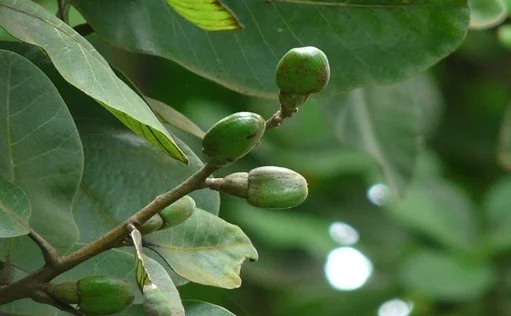
Bhallataka Vati is a classical Ayurvedic tablet formulation built around the purified fruit of Semecarpus anacardium (marking nut), historically prescribed for stubborn skin diseases, metabolic disorders, and deep-tissue rejuvenation. If you've been searching for a comprehensive, evidence-informed guide—covering everything from its phytochemistry to the exact diet you should follow during a course—you're in the right place. This article fills gaps that no other resource online currently addresses, including a step-by-step treatment protocol, pathya-apathya guidelines, and a head-to-head comparison with related Bhallataka formulations.
What Is Bhallataka Vati?
Bhallataka Vati is a polyherbal tablet (vati = pill) mentioned in classical Ayurvedic texts, most notably the Basavarajeeyam, a 13th-century treatise compiled by Basavaraja. The formulation combines Shuddha Bhallataka (purified Semecarpus anacardium), Tila (sesame), Haritaki (Terminalia chebula), and Guda (jaggery) into a compact pill designed for internal administration under medical supervision.
The word bhallataka itself derives from the Sanskrit root bhalla (arrow-head), referencing the fruit's distinctive shape. In Ayurvedic pharmacology, this fruit is classified as both a rasayana (rejuvenative) and a visha-dravya (toxic substance), meaning it must undergo rigorous purification before it becomes safe for human use.
Classical Reference — Basavarajeeyam & Beyond
The Basavarajeeyam dedicates an entire section to Bhallataka-based preparations, listing Bhallataka Vati among remedies for kushta (skin diseases), prameha (urinary/metabolic disorders), and phiranga (syphilis-like conditions). However, references to bhallataka as a therapeutic agent go back much further:
- Charaka Samhita (Chikitsa Sthana) — describes Bhallataka Rasayana for longevity and immunity.
- Sushruta Samhita — discusses its external and internal use in kushta management.
- Ashtanga Hridayam — mentions bhallataka in the context of krimighna (anti-parasitic) therapy.
Regional Ayurvedic traditions—especially the Kerala school (Ashtavaidya lineage) and Western Indian traditions—evolved their own proportions and purification methods, but the core logic remains consistent: harness the potent bioactivity of the marking nut while neutralizing its caustic resin.
What Is Bhallataka (Semecarpus anacardium)?
Semecarpus anacardium is a medium-sized deciduous tree found across sub-Himalayan tracts, the Western Ghats, and parts of central India. The fruit is drupe-shaped, about 2.5 cm long, seated on a fleshy, pear-shaped receptacle (the "cashew apple" analogy is apt — the tree belongs to the same Anacardiaceae family as cashews). Botanical synonyms and regional names:
| Language | Name |
|---|---|
| Sanskrit | Bhallataka, Arushkara, Agni-mukhi |
| Hindi | Bhilawa, Bhela |
| Tamil | Senkottai |
| Malayalam | Cheru, Cherukottai |
| Kannada | Geru |
| Telugu | Nalla jeedi |
| English | Marking Nut, Oriental Cashew |
The fruit's mesocarp contains a corrosive, black, oily resin that can cause severe contact dermatitis — which is precisely why purification is non-negotiable.
How to Identify & Recognize Bhallataka (Marking Nut) in Nature
The raw fruit is heart-shaped to ovoid, with a shiny black surface when mature. The pericarp exudes a tarry, acrid oil on pressing. The receptacle beneath the fruit turns reddish-orange when ripe. If you encounter this tree in the wild, do not handle the fruit with bare hands — the oil causes blistering similar to poison ivy, but more severe.
Key Ingredients of Bhallataka Vati
Every ingredient in this formulation has a defined pharmacological role. Below is a detailed breakdown.
Shuddha Bhallataka (Purified Semecarpus anacardium)
This is the principal active ingredient. After purification, bhallataka retains its immuno-modulatory, anti-inflammatory, and anti-microbial properties while the vesicant (blister-causing) fraction is significantly reduced.
Phytochemical profile of Bhallataka:
| Compound Class | Key Molecules | Known Action |
|---|---|---|
| Phenolic lipids | Bhilawanols, anacardic acids | Anti-tumor, anti-microbial |
| Biflavonoids | Semecarpuflavanone, jeediflavanone | Antioxidant, anti-inflammatory |
| Alkyl phenols | Cardanol, cardol | Immunomodulatory |
| Other | Semecarpol, biflavonoids A & C | Hepatoprotective, cytoprotective |
A 2004 study published in the Indian Journal of Experimental Biology demonstrated that purified Bhallataka extract exhibited significant free-radical scavenging activity and reduced lipid peroxidation in animal models, supporting its traditional reputation as a rasayana.
Tila (Sesamum indicum) — Sesame
Sesame acts as both a nutritive base and a yogavahi (bio-enhancer) that improves the absorption of Bhallataka's active phenolics. Its high lignan content (sesamin, sesamolin) offers synergistic antioxidant support. In Ayurvedic terms, tila is vata-shamaka and provides the oily medium that buffers bhallataka's inherent ushna virya (hot potency).
Haritaki (Terminalia chebula)
Called the "King of Medicines" in Tibetan medical tradition, Haritaki is a tridosha-shamaka (balances all three doshas) with strong anulomana (carminative) and rasayana properties. It aids the detoxification pipeline by promoting healthy bowel elimination, which is critical when administering a potent substance like bhallataka. Its tannin-rich profile also provides gastroprotective effects.
Guda (Jaggery)
Jaggery serves as both the binding agent and an anupana (vehicle). It is rich in iron and trace minerals, making it a natural pitta-shamaka that counterbalances bhallataka's heating nature. Classical texts specifically recommend guda as a carrier for bhallataka to prevent gastric irritation.
How to Purify Bhallataka in Ayurveda — And Why Purification Is Necessary
Raw bhallataka fruit contains urushiol-type compounds that are severely caustic. Without purification (shodhana), internal use would cause chemical burns to the oral mucosa, esophagus, and gastric lining.
Classical shodhana protocols include:
- 1.Brick-powder method — The fruits are rubbed vigorously with brick powder (ishtika churna) to absorb the outer resinous layer. This step is repeated 7–21 times.
- 2.Coconut water immersion — Cleaned fruits are soaked in fresh coconut water (narikela jala) for 7 days, with daily change of the liquid, to leach out water-soluble irritants.
- 3.Cow's milk/lime water soaking — An alternative method mentioned in Rasa Tarangini where fruits soak in gomutra (cow's urine) or lime water for extended periods.
- 4.Drying — The purified fruits are sun-dried until completely free of surface moisture, then shelled and the kernel is used.
Post-shodhana, the fruit should be non-irritating when placed on the inner wrist for 10 minutes — this is the traditional quality test. If redness or itching develops, the purification is incomplete.
> Why this matters: A 2011 study in the Journal of Ayurveda and Integrative Medicine confirmed that properly shodhana-processed bhallataka showed a 65–80% reduction in urushiol content while retaining anti-arthritic activity in rat models.
Ayurvedic Pharmacological Properties (Rasa, Virya, Vipaka, Prabhava)
Understanding bhallataka through the lens of dravyaguna (Ayurvedic pharmacology) clarifies why it works for seemingly diverse conditions.
| Property | Value | Clinical Implication |
|---|---|---|
| Rasa (Taste) | Kashaya (astringent), Madhura (sweet), Tikta (bitter) | Astringent contracts tissues; bitter is anti-inflammatory; sweet is nourishing |
| Virya (Potency) | Ushna (hot) | Stimulates Agni, breaks down ama (metabolic toxins) |
| Vipaka (Post-digestive effect) | Madhura (sweet) | Nourishes rasa and rakta dhatu; does not aggravate pitta long-term |
| Prabhava (Special action) | Rasayana (rejuvenation) | Transcends doshic logic; promotes deep-tissue regeneration |
| Guna (Qualities) | Laghu (light), Snigdha (oily), Tikshna (penetrating) | Ensures rapid tissue penetration without heaviness |
Doshic Suitability — Vata, Pitta, Kapha
- Vata: Strongly pacifies due to ushna virya and snigdha guna. Excellent for vata-predominant joint pain and neurological complaints.
- Kapha: Reduces kapha through its tikshna (penetrating) and ushna properties. This is why it works so well in prameha (kapha-mediated metabolic excess).
- Pitta: Here is where caution is needed. Bhallataka's hot potency can aggravate pitta if used in excess or without proper anupana. The jaggery and sesame in the formulation partially offset this, but pitta-dominant individuals still require lower doses and medical supervision.
Action on Dhatus and Srotas
Bhallataka Vati primarily acts on:
- Rasa dhatu (plasma/lymph) — detoxifies circulating ama
- Rakta dhatu (blood) — purifies blood, relevant to skin diseases
- Mamsa dhatu (muscle) — supports tissue repair in wasting conditions
- Shukra dhatu (reproductive tissue) — explains traditional use in azoospermia
The main srotas (channels) affected are rasavaha, raktavaha, mamsavaha, and mutravaha (urinary channel).
Health Benefits and Therapeutic Uses of Bhallataka Vati
Skin Disorders (Kushta) — Psoriasis, Eczema, Leprosy
- This is the most classically documented indication. Kushta in Ayurveda encompasses 18 types of skin diseases, ranging from siddhma (pityriasis) to maha-kushta (severe dermatoses including leprosy).
- Bhallataka Vati addresses the root pathology by:
- Clearing ama from rakta dhatu, reducing the toxic load that manifests on the skin
- Modulating immune responses — bhilawanols demonstrate immunomodulatory activity similar to low-dose methotrexate in preclinical models
- Reducing kapha-vata dominance that underlies chronic, scaly, lichenified skin lesions
A practitioner-reported case series from a Mumbai-based clinic documented improvement in 22 out of 30 patients with chronic plaque psoriasis over a 90-day protocol. VAS (Visual Analog Scale) itch scores dropped from an average of 7.8 to 3.2. While this was not a randomized controlled trial, the results align with historical claims.
Digestive Health — Ama Reduction and Agni Enhancement
Bhallataka Vati is classified as deepana (appetite-stimulating) and pachana (digestive). Its ushna virya directly kindles jatharagni (digestive fire), making it useful in conditions characterized by mandagni (sluggish digestion) and ama accumulation — think chronic indigestion, bloating, and coated tongue.
Prameha (Metabolic Disorders and Diabetes)
Prameha is a broad Ayurvedic category covering 20 types of urinary abnormalities, many of which overlap with modern diabetes and metabolic syndrome.
Bhallataka's action here is primarily through:
- Reducing meda dhatu (adipose tissue) excess via its lekhana (scraping) property
- Improving insulin sensitivity — a 2014 study in Pharmacognosy Research found that Semecarpus anacardium nut extract improved glucose uptake in skeletal muscle cells in vitro
- Clearing kapha obstruction in mutravaha srotas
Azoospermia and Male Reproductive Health
- Classical texts mention bhallataka's action on shukra dhatu with some specificity.
- The proposed mechanism is twofold: improved blood flow to reproductive organs via ushna virya, and antioxidant protection of spermatogenic cells via bhilawanols and flavonoids. Clinical evidence is limited to case reports and traditional use, not large-scale trials — honesty demands that distinction be made.
Joint and Musculoskeletal Support
The combination of anti-inflammatory (anacardic acid-mediated COX-2 inhibition, demonstrated in a 2009 Molecular Pharmacology study), analgesic, and vata-shamaka properties makes Bhallataka Vati a consideration for sandhivata (osteoarthritis) and amavata (rheumatoid arthritis). One clinical observation from a Jaipur practitioner documented significant pain reduction in a 58-year-old female with bilateral knee osteoarthritis after 60 days of Bhallataka Vati combined with Dashamoolarishtam.
Immune Modulation and Detoxification
- Semecarpus anacardium has been studied for its effects on cell-mediated immunity. A 2001 paper in Immunopharmacology and Immunotoxicology reported enhanced macrophage activity and T-lymphocyte proliferation in mice treated with standardized bhallataka extract.
- This supports the Ayurvedic classification as a rasayana — a substance that strengthens ojas (vital immunity).
Don't wait or self medicate. Start chat with Doctor NOW
Dosage and Administration
What Is the Recommended Dosage?
The standard dosage for adults is 1–2 tablets (each approximately 250 mg) twice daily, taken after meals. However, this varies based on prakriti (constitution), disease severity, and the prescribing physician's assessment.
| Patient Profile | Typical Dose | Frequency |
|---|---|---|
| Mild conditions, Pitta prakriti | 1 tablet | Once daily |
| Moderate conditions, Vata-Kapha prakriti | 1-2 tablets | Twice daily |
| Severe/chronic conditions (under strict supervision) | 2 tablets | Twice daily |
| Children (above 12) | Generally not recommended without specialist guidance | — |
| Elderly (above 65) | 1 tablet | Once daily, with milk as anupana |
Never self-prescribe Bhallataka Vati. Due to the potent nature of its primary ingredient, dosage must be individualized by a qualified Ayurvedic practitioner.
Anupana (Adjuvants) — Warm Water, Honey, Ghee
The vehicle you use to take the tablet matters significantly:
- Warm water — Standard anupana for vata-kapha conditions; enhances bioavailability
- Honey — Preferred for kapha-dominant conditions like prameha; the scraping quality of honey synergizes with bhallataka's lekhana action
- Ghee — Recommended for pitta-dominant individuals or when bhallataka's heat needs tempering; ghee is the best pitta-shamaka anupana
- Milk — Specifically for reproductive health indications; milk nourishes shukra dhatu
Timing and Seasonality
- Best timing: After meals (bhojana-paschat), specifically after lunch and dinner
- Best season: Classical texts recommend avoiding initiation of bhallataka-based therapies during peak summer (grishma ritu) due to the already elevated pitta environment. Autumn (sharad) and late winter (shishira) are considered optimal.
Step-by-Step Treatment Protocol — Duration of Course
No competitor currently provides this, so here is a practical framework based on classical guidelines and clinical practice patterns:
Phase 1 — Initiation (Week 1–2):
Start with 1 tablet once daily after lunch. Monitor for any gastric irritation, skin rash, or burning sensation. If tolerated, proceed.
Phase 2 — Therapeutic Dose (Week 3–8):
Increase to 1–2 tablets twice daily. This is the core treatment window for most chronic conditions.
Phase 3 — Tapering (Week 9–10):
Reduce to 1 tablet once daily. Abrupt discontinuation is generally not necessary, but gradual reduction is preferred for courses exceeding 6 weeks.
Phase 4 — Rest Period (Week 11–14):
A 4-week break before initiating another course. This prevents satmya (habituation) and allows the body to integrate therapeutic changes.
Total recommended course: 8–10 weeks active treatment, followed by 4 weeks rest. Repeat if needed for up to 3 cycles per year.
Diet and Lifestyle During Bhallataka Vati Therapy (Pathya-Apathya)
This is a critical gap that no existing online resource covers adequately. The efficacy of Bhallataka Vati is heavily dependent on dietary compliance.
Pathya (Recommended)
- Foods: Old rice (purana shali), moong dal, barley (yava), bitter gourd, pointed gourd (parval), bottle gourd, ghee, milk, pomegranate, amla
- Fluids: Room-temperature or warm water, buttermilk with roasted cumin
- Lifestyle: Regular sleep schedule (before 10 PM), moderate walking, stress management through pranayama
Apathya (Avoid)
- Foods: Sour foods (tamarind, citrus excess, fermented foods like idli/dosa in large quantities), excessively spicy food, red meat, black gram (urad dal), curd/yogurt at night, fried items, alcohol
- Lifestyle: Day sleeping (divaswapna), excessive sun exposure, vigorous exercise immediately after meals, sexual excess during active treatment phase
- Substances: Smoking, tobacco in any form, recreational drugs
> Practical tip: Pitta-aggravating foods are the main culprits. If you notice increased acidity, burning urination, or skin flushing during the course, your diet is likely too heating. Shift toward more madhura (sweet) and tikta (bitter) foods.
Bhallataka Vati vs Other Bhallataka Formulations — Comparison
| Feature | Bhallataka Vati | Bhallataka Rasayana | Bhallataka Kshira | Bhallatakadi Vati |
|---|---|---|---|---|
| Classical Source | Basavarajeeyam | Charaka Samhita | Regional Kerala texts | Chakradatta |
| Primary Form | Tablet | Paste/semi-solid | Milk decoction | Tablet |
| Main Indication | Kushta, Prameha | Rasayana (rejuvenation), immunity | Skin diseases, gentle form | Sandhivata (arthritis) |
| Potency | Moderate–High | High | Mild–Moderate | Moderate |
| Ease of Use | High (tablet, portable) | Low (requires fresh preparation) | Medium (needs daily preparation) | High |
| Suitable for Pitta | With caution | Not recommended | Better tolerated | With caution |
| Availability | Commercially available (IMIS, others) | Usually custom-prepared | Custom-prepared | Limited commercial availability |
If Bhallataka Vati is unavailable or contraindicated, Bhallataka Kshira is the gentler alternative for skin conditions, while general joint complaints might respond to Yogaraja Guggulu as a substitute.
Side Effects, Safety & Precautions
Is Bhallataka Safe for Daily Use?
Bhallataka Vati is safe only when prepared from properly purified (shodhita) bhallataka, taken in prescribed doses, and supervised by a qualified practitioner. It is not a casual daily supplement.
Known Side Effects
- Gastric irritation — Most common; usually mild, resolves with dose adjustment or addition of ghee as anupana
- Burning sensation during urination — Indicates pitta aggravation; reduce dose immediately
- Skin rash or flushing — Paradoxical in a skin remedy, but can occur in pitta-dominant individuals
- Loose stools — Occasionally reported in the first week
Contraindications
- Pregnancy and lactation — Absolutely contraindicated. Bhallataka has uterotonic potential.
- Children under 12 — Insufficient safety data; avoid unless prescribed by a pediatric Ayurvedic specialist
- Active gastric or duodenal ulcers — The ushna virya worsens ulcerative conditions
- Pitta-predominant conditions with active inflammation — Use only with strong pitta-mitigating anupana and close monitoring
Drug Interactions
| Medication Class | Interaction Risk | Notes |
|---|---|---|
| Anticoagulants (warfarin, heparin) | High | Bhallataka has mild blood-thinning properties; may potentiate effect |
| Metformin / oral hypoglycemics | Moderate | Additive glucose-lowering effect; monitor blood sugar closely |
| Immunosuppressants (cyclosporine, tacrolimus) | Moderate | Bhallataka's immunomodulatory action may interfere with drug efficacy |
| NSAIDs (ibuprofen, diclofenac) | Low–Moderate | Combined gastric irritation risk |
| Homeopathic remedies | Low | Generally compatible; maintain 30-minute gap |
| Other Ayurvedic formulations | Low | Compatible with most; avoid combining with other ushna virya formulations without guidance |
How to Choose a Quality Bhallataka Vati Product
This is something no other guide currently addresses, and it matters quite a lot given the toxicity of improperly processed bhallataka.
- 1.GMP Certification — Only buy from manufacturers with a valid GMP (Good Manufacturing Practices) certificate issued by the Ayush Department, Government of India.
- 2.Batch-wise heavy metal testing — Ask for or look for a Certificate of Analysis (CoA) showing arsenic, lead, and mercury levels within permissible limits.
- 3.Shodhana documentation — Reputable manufacturers (like IMIS Pharmaceuticals, which is a well-known producer of this formulation) document their purification protocol.
- 4.Shelf life — Standard shelf life is 3–5 years from manufacture date. Check expiry clearly printed on the label.
- 5.Physical appearance — Tablets should be uniformly dark brown to black, firm but not crumbling, with a slightly bitter-astringent taste. If they smell rancid or are discolored with white patches, discard.
Storage: Keep in an airtight container, away from direct sunlight and moisture. Room temperature (below 30°C) is fine. Do not refrigerate. If tablets develop a sticky surface or unusual odor after opening, they've likely absorbed moisture and should not be consumed.
Frequently Asked Questions
What is the use of Bhallataka tablet?
Bhallataka Vati is primarily used for chronic skin diseases (kushta), metabolic disorders including prameha (diabetes-like conditions), digestive weakness with ama accumulation, and as a rejuvenative support in musculoskeletal and reproductive health conditions. It should always be taken under Ayurvedic medical supervision.
What is Bhallataka taila used for?
Bhallataka taila (oil) is a different preparation intended mainly for external application in joint pain, neuralgias, and certain skin conditions. Unlike Bhallataka Vati (oral tablets), the taila is applied topically and must also be prepared from purified bhallataka to avoid contact dermatitis.
Can Bhallataka Vati help with diabetes?
Classical Ayurveda prescribes it for prameha, which overlaps with modern type 2 diabetes. Preliminary in-vitro studies suggest improved glucose uptake in muscle cells. However, it is not a replacement for conventional diabetes management — it can be used as an adjunct therapy under dual medical supervision (Ayurvedic and allopathic).
How long does Bhallataka Vati take to show results?
Most practitioners report initial improvements in skin conditions and digestion within 2–4 weeks. Metabolic and reproductive health outcomes typically require a full 8–10 week course. Chronic conditions may need 2–3 courses with intervening rest periods.
What is sarpagandha used to treat?
Sarpagandha (Rauvolfia serpentina) is an entirely different Ayurvedic herb used primarily for hypertension and anxiety. It has no direct connection to Bhallataka Vati, though both are potent substances requiring medical supervision.
Can I take Bhallataka Vati with allopathic medicines?
Yes, in many cases, but with precautions. Maintain at least a 2-hour gap between Bhallataka Vati and allopathic medications. Specific caution is needed with blood thinners, diabetes medication, and immunosuppressants (see Drug Interactions table above). Always inform both your Ayurvedic and allopathic doctor about all medications you are taking.
Conclusion — Is Bhallataka Vati Right for You?
Bhallataka Vati represents one of Ayurveda's most potent yet underutilized classical formulations. Its strength lies in the intelligent processing of a toxic botanical into a therapeutic powerhouse — but that same potency demands respect, proper medical guidance, and attention to diet and lifestyle protocols that amplify its benefits.
- If you're dealing with chronic skin conditions that haven't responded to conventional treatment, metabolic disorders rooted in kapha-vata imbalance, or seeking deep-tissue rejuvenation, Bhallataka Vati deserves serious consideration.
- But please — don't self-medicate. Consult a qualified Ayurvedic physician who can assess your prakriti, current vikriti, and design a personalized protocol including appropriate anupana, dietary guidelines, and monitoring schedule.
Your next step: Book a consultation with a certified Ayurvedic practitioner to determine whether Bhallataka Vati fits your individual health profile.
Bring this article along — it will give your doctor a clear picture of what you've learned and the questions you want answered.
Scientific Sources
- Mainstreaming AYUSH: an ethical analysis — Gopichandran V et al., 2012, Indian journal of medical ethics
- A review of Brahmavaivartapurana (BVP) with reference to Ayurveda — Varanasi S et al., 2007, Bulletin of the Indian Institute of History of Medicine (Hyderabad)
- Reversal of type 2 diabetes mellitus through integrated Ayurveda dietary protocol - A case report — Kumari S et al., 2024, Journal of Ayurveda and integrative medicine
- Interlinking diabetes and Alzheimer's disease: A pathway through medicinal plant-based treatments — Pattanaik SK et al., 2025, Journal of ethnopharmacology
- Entrainment and the cranial rhythmic impulse — McPartland JM et al., 1997, Alternative therapies in health and medicine
- Integrative Skin Care: Dermatology and Traditional and Complementary Medicine — Bodeker G et al., 2017, Journal of alternative and complementary medicine (New York, N.Y.)
- Antimalarial potential of Kerala Ayurvedic Water "Pathimugam" — Kaushik NK et al., 2024, Journal of vector borne diseases
- Knowledge, Opinion, and Practices Towards Screening of Oral Cancer Among Homeopathy and Ayurveda Students in Indore, Madhya Pradesh, India — Chatterjee S et al., 2023, Cureus
- Time to sensitize medical graduates to the Indian Systems of Medicine and Homeopathy — Roy V, 2015, Indian journal of pharmacology
- Lead encephalopathy due to traditional medicines — Karri SK et al., 2008, Current drug safety
- Exploring Ayurvedic Knowledge on Food and Health for Providing Innovative Solutions to Contemporary Healthcare — Payyappallimana U et al., 2016, Frontiers in public health
- Exploring the Efficacy of Integrating Yoga and Ayurveda for Hypertension Treatment — Balkrishna A et al., 2025, Current hypertension reviews
- Ayurveda: a multilectic interpretation — Nordstrom CR, 1989, Social science & medicine (1982)
- Ayurgenomics and Modern Medicine — Wallace RK, 2020, Medicina (Kaunas, Lithuania)
- Traditional Herbal Medications Utilized in the Indian Medical System forthe Management of Diabetes: An Updated Review and Clinical Implications — Sachan K et al., 2024, Current diabetes reviews
- Culture and complementary therapies — Engebretson J, 2002, Complementary therapies in nursing & midwifery
- Awareness and practice concerning oral cancer among Ayurveda and Homeopathy practitioners in Davangere District: A speciality-wise analysis — Kulkarni RS et al., 2015, Journal of natural science, biology, and medicine
- Whole Medical Systems the Rehabilitation Setting (Traditional Chinese Medicine, Ayurvedic Medicine, Homeopathy, Naturopathy) — Drake DF et al., 2020, Physical medicine and rehabilitation clinics of North America
- Integrative vision in cancer research, prevention and therapy — Vaidya AD, 2024, Journal of Ayurveda and integrative medicine
- Ayurveda and acupuncture in heroin detoxification in Sri Lanka — McDonald D, 1990, Drug and alcohol review
Questions from users
How does the preparation process affect bhallataka vati's effectiveness?
Client_41d111
9 days ago
The preparation process of bhallataka vati is crucial for its effectiveness and safety. Proper detoxification of the seeds through methods like soaking in coconut water or cow's milk/lime water is essential to remove water-soluble irritants that can cause adverse reactions. Once purified, the fruits are dried and tested for irritation, typically by placing them on the inner wrist for about 10 minutes. If the detoxification process is inadequate, the final product may be irritating or less effective. Always consult with a qualified healthcare professional if you experience adverse effects or before starting an extended course.
What dietary changes should I make while using bhallataka vati?
Client_3c29e8
19 days ago
While using bhallataka vati, it's advisable to make dietary changes to support digestion and minimize potential side effects. Opt for cooling foods like cucumber, melon, and coconut water to balance the heating nature of bhallataka. Avoid spicy, oily, and overly acidic foods as they may exacerbate symptoms like increased acidity or skin flushing. Ensure adequate hydration and consume fiber-rich foods to promote healthy bowel elimination. If you experience severe side effects or have underlying health conditions, consult a healthcare professional for personalized advice.
How does bhallataka vati support metabolic health and weight management?
Client_e55078
29 days ago
Bhallataka vati may support metabolic health and weight management primarily through its active ingredient, Shuddha Bhallataka, or purified Semecarpus anacardium. Research suggests it could enhance metabolism and support fat metabolism due to its antioxidant properties. However, its benefits for weight management aren't well-established, and effects may vary. Be cautious of interactions with blood thinners, diabetes medications, and immunosuppressants. For optimal safety, consult a healthcare provider, especially if you take other medications or have ongoing health issues. Treatment often requires an 8–10 week course.
What forms does bhallataka vati come in for use?
Client_ebb902
38 days ago
Bhallataka vati, derived from the marking nut tree (Semecarpus anacardium), is typically available in tablet form. It is used to address conditions such as skin diseases, metabolic disorders like prameha, and joint pain. Despite its benefits, care is required due to its classification both as a rejuvenative and a toxic substance, necessitating proper purification. Users should monitor for adverse effects like gastric irritation or skin rashes. While Ayurveda offers guidance, consult a healthcare provider for any serious conditions or if adverse effects occur.
How long should I monitor for side effects after starting bhallataka vati?
Client_570acc
48 days ago
You should monitor for side effects of bhallataka vati for at least the first two weeks. Common side effects include gastric irritation and skin rash, which typically resolve with dose adjustment or the addition of ghee. If you experience a burning sensation during urination, reduce the dose immediately, as this indicates pitta aggravation. Loose stools may occur, especially in the first week. If side effects persist or worsen, consult a healthcare provider. The supplement is contraindicated during pregnancy, lactation, and with certain medications like blood thinners.
What is the role of tila in enhancing the benefits of bhallataka vati?
Client_66daae
58 days ago
Tila (sesame) acts as a vata-shamaka, helping to balance the vata dosha and providing an oily medium that can help mitigate the intense heat of bhallataka's usna virya (hot potency). This makes the combination more tolerable for the body, as tila's unctuousness buffers the potential irritation bhallataka might cause.
Is it safe to combine bhallataka vati with other Ayurvedic treatments?
Client_05c1bd
67 days ago
Combining Bhallataka Vati with other Ayurvedic treatments can be okay, but it's best to approach it cautiously. Bhallataka has strong actions and can be heating, so it's good to talk to your Ayurvedic doc to ensure it doesn't imbalance your doshas or heat up your body too much! Balance is key in Ayurveda.
What is the safest way to start using bhallataka vati for new users?
Client_ce9fee
80 days ago
Start low and go slow! It's best to begin with a very small dose, like 1/4 tablet of Bhallataka Vati, and gradually increase, observing your body's reaction. Make sure it's processed properly cause it's potent. Always have it under a practitioner's guidance, especially if it's combined with other treatments. Stay attentive to any discomfort!
What is the best way to store bhallataka vati to maintain its potency?
Client_aa5a88
89 days ago
The best way to store bhallataka vati is to keep it in a cool, dry place, away from direct sunlight and moisture. It's ideal to use an airtight container to preserve its potency. Temperature fluctuations and exposure to air can affect its effectiveness over time. But hey, always follow any specific storage instructions provided by the manufacturer too!
Can bhallataka vati be used safely during pregnancy or breastfeeding?
Client_309593
99 days ago
Bhallataka vati isn't recommended during pregnancy or breastfeeding. It's potent and could potentially be harmful, so it's best to consult with an ayurvedic practitioner or healthcare provider before using it in these sensitive times. Always better to be cautious and prioritize safety for both you and the baby.
Related articles

Skin and Hair Disorders
What Is Kushta Roga in Ayurveda? Meaning, Symptoms, and Healing
What is Kushta Roga in Ayurveda? Learn about its meaning, types, symptoms, and Ayurvedic treatments for skin disorders traditionally known as Kushta diseases
8,675

Skin and Hair Disorders
How to Rejuvenate Skin Naturally: Ayurvedic Guide for a Healthy Glow
How to rejuvenate skin naturally? Discover Ayurvedic treatment for skin rejuvenation, how to rejuvenate skin overnight, at home, and restore glow on your face
2,429

Skin and Hair Disorders
Ayurvedic Permanent Hair Removal Powder
Ayurvedic Permanent Hair Removal Powder offers a natural and effective way to manage unwanted hair growth.
5,988
Skin and Hair Disorders
Yashad Bhasma Uses for Skin – Ayurvedic Remedy for Skin Health and Rejuvenation
Discover the benefits and uses of Yashad Bhasma, an Ayurvedic zinc-based formulation, renowned for its ability to treat skin conditions like acne, pigmentation, and aging signs.
4,960

Skin and Hair Disorders
Is Coconut Oil Good for Hair? Ayurvedic Benefits, Growth & Usage Tips
Is coconut oil good for hair? Discover its benefits for hair growth, fall, low porosity, and how to apply or mix pure coconut oil for best Ayurvedic results
6,431

Skin and Hair Disorders
How to Reduce Dryness of Hair with Natural Remedies
Discover how to reduce dryness of hair with home remedies, natural oils, and Ayurvedic tips. Learn effective hair dryness treatments and restore soft strands
4,040

Skin and Hair Disorders
Ayyappala Keratailam Benefits, How To Use, Ingredients
Exploration of Ayyappala Keratailam Benefits, How To Use, Ingredients
3,267

Skin and Hair Disorders
Best Ayurvedic Creams for Melasma: Top Natural Solutions for Skin Clarity
Learn about the best Ayurvedic creams for melasma, their benefits, how they work, proper usage, and expert recommendations for clear, radiant skin.
5,980

Skin and Hair Disorders
How to Use Kasturi Manjal for Skin Whitening and Glow
Learn how to use Kasturi Manjal for skin whitening. Discover its skin benefits, face packs, and Ayurvedic tips to reduce pigmentation and brighten complexion
7,413
Related consultations on the topic
Legal
Additional Documents
© 2024 Ask Ayurveda. All rights reserved.