Ask Ayurvedic doctor a question and get a consultation online on the problem of your concern in a free or paid mode. More than 2,000 experienced doctors work and wait for your questions on our site and help users to solve their health problems every day.


Body DetoxEar, Nose, and Throat DisordersGeriatrics & RejuvenationImmunodeficiencyInfertility TreatmentNutritionOrthopedic DisordersPediatricsRespiratory DisordersSexually Transmitted Diseases (STDs)Surgery RecoveryUrological DisordersVascular DisordersDental DisordersEndocrinological DisordersGastrointestinal DisordersYoga TherapyGeneral MedicineAllergic DisordersCardio DisordersGynecology and ObstetricsCosmetologySkin and Hair DisordersEye DisordersInfectious DiseasesMental DisordersNeurological DisordersOncologyPanchakarmaSexual Health & DisordersSports Medicine
Published on 02/07/25
(Updated on 08/08/26)
3,590
Ayurvedic Medicine for Herpes – Natural Remedies & Treatments
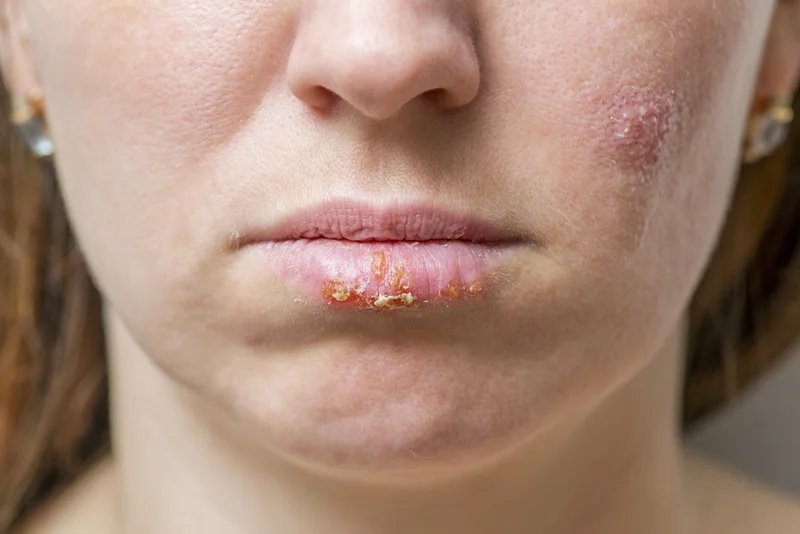
Ayurvedic medicine for herpes works by addressing the root cause of outbreaks — doshic imbalance, weakened immunity (Ojas), and accumulated toxins (Ama) — rather than simply suppressing symptoms. While modern antiviral drugs like acyclovir can manage acute episodes, they cannot eliminate the virus from nerve ganglia and often come with side effects. Ayurveda offers a comprehensive system that combines potent antiviral herbs like Neem, Guduchi, and Turmeric, Panchakarma detoxification therapies, dietary corrections, and lifestyle modifications to reduce outbreak frequency, accelerate healing, and strengthen the body's natural defenses against all three major herpes types: HSV-1, HSV-2, and Varicella-Zoster.
If you're dealing with recurrent herpes outbreaks and looking for a holistic, time-tested approach that goes beyond suppressive therapy — this guide covers everything you need to know.
What Is Herpes and What Are the 9 Types of Herpes?
Herpes is caused by the Herpesviridae family of viruses. While most people are familiar with cold sores and genital sores, the herpes family actually includes nine distinct human herpesviruses (HHV). Understanding them matters because Ayurvedic treatment strategies differ depending on which type you're dealing with.
The 9 Human Herpesviruses at a Glance
| HHV Type | Common Name | Primary Condition |
|---|---|---|
| HHV-1 | Herpes Simplex Virus 1 (HSV-1) | Oral herpes, cold sores |
| HHV-2 | Herpes Simplex Virus 2 (HSV-2) | Genital herpes |
| HHV-3 | Varicella-Zoster Virus (VZV) | Chickenpox & Shingles (Herpes Zoster) |
| HHV-4 | Epstein-Barr Virus (EBV) | Mononucleosis |
| HHV-5 | Cytomegalovirus (CMV) | CMV infection |
| HHV-6A/6B | Roseolovirus | Roseola infantum |
| HHV-7 | Roseolovirus | Roseola, pityriasis rosea |
| HHV-8 | Kaposi's Sarcoma Herpesvirus | Kaposi's sarcoma |
- For Ayurvedic treatment, the three most clinically relevant types are HSV-1, HSV-2, and VZV (Herpes Zoster).
- All three share a critical characteristic: after initial infection, the virus retreats into nerve ganglia (dorsal root ganglia or trigeminal ganglia) where it remains latent.
- Outbreaks are triggered when immunity drops — due to stress, poor diet, seasonal changes, or illness.
How Herpes Spreads and Recurs
HSV-1 transmits through oral contact (kissing, sharing utensils), HSV-2 through sexual contact, and VZV through airborne droplets or direct contact with active lesions. According to the WHO, an estimated 3.7 billion people under age 50 have HSV-1 infection globally. The CDC notes that approximately 572,000 new genital herpes infections occur annually in the United States alone.
The virus's ability to hide in nerve cells is what makes it so persistent. Modern antivirals can suppress replication but cannot reach latent virus in the ganglia — this is precisely where Ayurveda's systemic, immunity-focused approach becomes valuable.
What Is Herpes Called in Ayurveda?
Herpes finds strong correlations in classical Ayurvedic literature.
The condition is primarily described under two key terms:
Visarpa — The Ayurvedic Framework for Herpes
- Visarpa is described in texts like Charaka Samhita and Sushruta Samhita as a spreading skin disease characterized by vesicular eruptions, burning sensation, discoloration, and fever.
- The word itself means "that which spreads" — remarkably consistent with how herpes lesions progress.
- Herpes Zoster (Shingles) correlates with Pittaj Visarpa — predominantly a Pitta-aggravated condition with intense burning, redness, and inflammation following a dermatome pattern
- Genital Herpes (HSV-2) correlates with Upadamsha — described as a disease affecting the genital region, classified under Pitta-Kapha Pradhana Raktha Dusti (vitiation of blood dominated by Pitta and Kapha)
- Oral Herpes (HSV-1) falls under Mukha Roga with Pittaj Visarpa characteristics affecting the orofacial region
Dosha Imbalance as the Root Cause
Each dosha contributes specific symptoms:
- Pitta (fire element) — responsible for burning sensation, inflammation, redness, fever, and the acute inflammatory phase
- Vata (air element) — drives pain, tingling, numbness, pricking sensations, and post-herpetic neuralgia
- Kapha (water element) — manifests as fluid-filled vesicles, oozing, and slow healing
Understanding which dosha predominates in your presentation is crucial because it determines the specific herbs, diet, and therapies your Ayurvedic practitioner will recommend. For example, a Pitta-dominant presentation (intense burning, anger, irritability) requires cooling therapies, while a Vata-dominant presentation (severe pain, neuralgic symptoms) needs warming, nourishing treatments.
Top Ayurvedic Herbs and Medicines for Herpes Treatment
Several Ayurvedic herbs have demonstrated antiviral, anti-inflammatory, and immunomodulatory properties relevant to herpes management. A notable 2016 in-vitro study published in the Journal of Ayurveda and Integrative Medicine tested multiple Ayurvedic plants against HSV using CPE (cytopathic effect) assay and MTT assay, confirming measurable antiviral activity with quantifiable Selectivity Index values.
Neem (Azadirachta indica)
- Neem is perhaps the most widely studied Ayurvedic herb for herpes.
- Its active compounds — nimbin, nimbidin, and azadirachtin — demonstrate direct antiviral activity against HSV-1 and HSV-2. Neem also purifies blood (Rakta Shodhak), pacifies Pitta, and supports immune function.
How to use: Neem leaf juice (10-15 ml) twice daily on empty stomach. Neem oil applied topically on lesions provides soothing relief. Neem capsules (500 mg standardized extract) can be taken twice daily for 4-8 weeks during active outbreaks.
Guduchi (Tinospora cordifolia) — Giloy
Known as "Amrita" (the divine nectar), Guduchi is a powerful immunomodulator and Rasayana (rejuvenative). It enhances both innate and adaptive immunity, helping the body keep the latent virus suppressed. A study in the Indian Journal of Pharmacology confirmed its ability to increase macrophage activation.
How to use: Guduchi Satva (aqueous extract) 500 mg twice daily. Guduchi stem juice 20 ml with honey, or Guduchi Ghana Vati 2 tablets (250 mg each) twice daily for 6-12 weeks as immune support.
Turmeric / Haridra (Curcuma longa)
Curcumin, the active compound in turmeric, has well-documented anti-inflammatory and antiviral effects. Research published in Virology Journal showed curcumin can interfere with HSV replication. It's particularly effective for Pitta-dominant presentations with intense inflammation.
How to use: Haridra Khand 3-5 gm with warm milk twice daily. Topical paste of turmeric powder mixed with coconut oil applied directly on lesions. For enhanced absorption, combine with black pepper (Trikatu).
Manjistha (Rubia cordifolia)
An exceptional Rakta Shodhak (blood purifier) and Pitta-pacifying herb. Manjistha helps clear skin lesions, reduces discoloration left by healed sores, and supports lymphatic drainage.
How to use: Manjistha churna 3-5 gm with warm water twice daily, or Manjistha capsules 500 mg twice daily for 8-12 weeks.
Ashwagandha (Withania somnifera)
Since stress is one of the primary triggers for herpes recurrence, Ashwagandha's adaptogenic and nervine tonic properties make it essential. It modulates cortisol, strengthens Ojas (vital immunity), and nourishes the nervous system — particularly important for preventing post-herpetic neuralgia.
How to use: Ashwagandha churna 3-5 gm with warm milk at bedtime, or standardized extract capsules 300-600 mg daily for 8-12 weeks.
Other Important Herbs
- Yashtimadhu (Glycyrrhiza glabra / Licorice): Glycyrrhizin has demonstrated direct anti-HSV activity in multiple studies. 3-5 gm powder with honey twice daily. Caution: avoid in hypertension.
- Kumari (Aloe Vera): Topical application soothes blisters and accelerates healing. Gel from fresh leaf applied 3-4 times daily.
- Tulsi (Ocimum sanctum): The in-vitro study mentioned above found significant antiviral activity against HSV. 5-10 fresh leaves chewed daily or Tulsi tea twice daily.
- Punica granatum (Pomegranate): Showed one of the highest Selectivity Index values in laboratory testing against herpes viruses — the rind extract is particularly potent.
Key Ayurvedic Formulations for Herpes
| Formulation | Primary Action | Dosage | Duration |
|---|---|---|---|
| Chandraprabha Vati | Pitta-Kapha balancing, urogenital support | 2 tablets (500 mg) twice daily | 4-8 weeks |
| Arogyavardhini Vati | Liver detox, skin purification | 1-2 tablets twice daily | 4-6 weeks |
| Chyawanprash | Rasayana, immune strengthening | 1-2 tsp twice daily | Long-term |
| Kaishore Guggulu | Blood purification, anti-inflammatory | 2 tablets twice daily | 6-8 weeks |
| Mahamanjishthadi Kashayam | Deep blood purification, skin healing | 15 ml with equal water, twice daily | 6-12 weeks |
| Shatdhaut Ghrit with Camphor | Topical cooling, wound healing | Apply on lesions 2-3 times daily | Until healed |
| Dashang Lep | Topical anti-inflammatory paste | Apply as thick paste on lesions | During active outbreak |
Important: These dosages are general guidelines. Always consult a qualified Ayurvedic practitioner (BAMS/MD Ayurveda) who can customize the protocol based on your Prakriti (constitution), Vikriti (current imbalance), and severity.
How to Decrease Herpes Viral Load: Panchakarma & Detoxification
Panchakarma — Ayurveda's five-fold purification system — is considered essential for managing herpes, especially for chronic, recurrent cases. The goal is to eliminate accumulated Pitta and Ama from deep tissues, purify the blood, and reset the body's immune response.
Virechana (Therapeutic Purgation)
The most important Panchakarma procedure for herpes. Virechana specifically targets excess Pitta in the body, clearing it through the digestive tract. Typically performed after 3-7 days of internal oleation (Snehapana with medicated ghee) and external sudation.
Particularly effective for Pitta-dominant herpes presentations with intense burning and widespread eruptions. Usually administered once per seasonal cycle during Sharad Ritu (autumn) for long-term prevention.
Raktamokshan (Bloodletting) and Leech Therapy (Jalaukavacharana)
This is where things get really interesting. A study published in AyushDhara (2019) documented the management of Herpes Zoster through Jalaukavacharana (leech therapy) with remarkable results. The researchers measured outcomes using the validated ZBPI (Zoster-specific Brief Pain Inventory) scale, showing significant pain reduction.
Why Leech Therapy Works: The Exosome Connection
- Recent research has revealed a fascinating mechanism.
- Herpes viruses use exosomes — tiny extracellular vesicles — to spread between cells and evade the immune system. The exosomal communication helps the virus maintain latency and trigger reactivation. Medicinal leeches (Jalauka) release bioactive compounds including hirudin, hyaluronidase, and anti-inflammatory agents that appear to disrupt this exosomal communication pathway, essentially interfering with the virus's ability to spread and reactivate. This provides a scientific basis for what Ayurvedic practitioners have observed clinically for centuries.
Vasti / Basti (Medicated Enema)
Basti is particularly valuable for Vata-dominant herpes symptoms — neuralgic pain, tingling, numbness. Ksheerabala Taila Basti and Maha Narayan Taila Basti are specifically indicated for post-herpetic neuralgia (PHN), a debilitating complication of Herpes Zoster.
External Therapies (Sthanika Chikitsa)
Local treatments are critical for managing active lesions:
- Lepa (Herbal Paste Application): Chandanadi Lepa, Dashang Lepa, or paste of Neem + Turmeric + Sandalwood applied on lesions to reduce burning and promote healing
- Pradeha: Thicker application of medicated pastes that stays on longer for deeper penetration
- Medicated Oils (Taila): Jatyadi Taila, Mahanarayan Taila applied for wound healing and pain relief
- Yoni Prakshalana & Yoni Pichu (for Genital Herpes in Women): Vaginal wash with Triphala Kashaya or Panchavalkala Kashaya, followed by Yoni Pichu (medicated tampon) with Jatyadi Taila or Shatdhaut Ghrit. A detailed clinical case study published in JAIMS documented complete resolution of genital herpes lesions using this protocol over 3 cycles.
Post-Herpetic Neuralgia: Ayurvedic Management of Chronic Nerve Pain
- Post-herpetic neuralgia (PHN) deserves special attention.
- It's the most feared complication of Herpes Zoster — persistent, burning, stabbing nerve pain that continues months or even years after the skin lesions have healed. It can include allodynia (pain from normally non-painful stimuli like light touch), and conventional treatment options are limited.
Why PHN Occurs from an Ayurvedic Perspective
- PHN is a Vata Pradhana Vyadhi (Vata-dominated disease).
- After the acute Pitta phase resolves, Vata — aggravated in the nerve channels (Vatavaha Srotas) — remains disturbed. The dryness, degeneration, and erratic signaling characteristic of Vata manifest as chronic neuropathic pain.
Specific Treatment Protocol for PHN
- 1.Internal medications: Ashwagandha + Bala combination for nerve nourishment. Maharasnadi Kashayam 15 ml twice daily as Vata Shamak. Dashmool Kashayam for deep Vata pacification.
- 2.External therapies: Ksheerabala Taila Abhyanga (warm oil massage along the affected dermatome). Nadi Swedana (localized steam therapy) over the painful area. Pinda Sweda with Bala and Ashwagandha bolus.
- 3.Basti therapy: Anuvasana Basti with Ksheerabala Taila — the gold standard for chronic Vata disorders. Course of 8-16 sessions.
- 4.Nasya: Anu Taila Nasya for cases involving the trigeminal nerve (facial herpes with PHN).
Don't wait or self medicate. Start chat with Doctor NOW
Diet Plan for Herpes: Ayurvedic Dietary Guidelines (Pathya-Apathya)
Diet is considered half the treatment in Ayurveda. Since herpes involves Pitta aggravation primarily, the dietary approach focuses on cooling, Pitta-pacifying foods.
Recommended Foods (Pathya)
- Breakfast: Overnight soaked raisins (10-15) + soaked almonds (5-6). Cooling porridge made from rice flakes (Poha) with coconut.
- Herbal tea — coriander seed tea or fennel tea instead of regular chai.
- Lunch (Main Meal): Old Basmati rice or barley (Yava). Bitter gourd (Karela), snake gourd, bottle gourd preparations.
- Moong dal — the lightest, most Pitta-pacifying lentil. Fresh coriander and mint chutney. A teaspoon of ghee with meals.
Dinner (Light): Khichdi (moong dal + rice) with cooling vegetables. Vegetable soup with ash gourd. Roti made from old wheat flour with ghee. Snacks & Beverages: Pomegranate juice, coconut water, amla juice. Sweet grapes, ripe melons, sweet pomegranate. Gulkand (rose petal preserve) 1-2 tsp with cold milk.
Foods to Strictly Avoid (Apathya)
- Spicy foods: Chillies, black pepper in excess, hot sauces
- Sour foods: Vinegar, pickles, citrus fruits (especially during outbreaks), fermented foods, yoghurt (especially at night)
- Heating foods: Garlic and onion in excess, mustard oil, sesame oil internally
- Processed/junk foods: Refined sugar, white flour, deep fried items
- Alcohol and caffeine: Direct Pitta aggravators
- Incompatible food combinations (Viruddhahara): Fish with milk, fruit with meals, honey heated above 40°C
Preventing Herpes Recurrence: The Missing Strategy
This is something most resources completely overlook — a systematic approach to preventing outbreaks from coming back.
In Ayurveda, prevention of recurrence involves three pillars:
Rasayana Therapy (Rejuvenation)
Rasayana doesn't just mean taking Chyawanprash. It's a systematic rejuvenation protocol designed to strengthen Ojas — the subtle essence of immunity that Ayurveda considers the body's primary defense against viral reactivation.
- Chyawanprash: 1-2 teaspoons twice daily, particularly during winter months. Choose traditional preparations without excessive sugar.
- Guduchi Rasayana: Guduchi Satva 500 mg + Amalaki churna 1 gm + honey, taken daily for 3 months each season change
- Brahma Rasayana: Specifically indicated for improving Medha (intellect) and Ojas; relevant for stress-triggered outbreaks
Ritucharya (Seasonal Protocols)
Herpes outbreaks often follow seasonal patterns. Pitta-dominant types flare in summer/autumn; Vata-dominant types in late autumn/winter.
- Greeshma Ritu (Summer): Increase cooling foods, drink Shadanga Paniya, avoid sun exposure during peak hours, apply Chandanadi Lepa preventively
- Sharad Ritu (Autumn): This is the critical season — consider prophylactic Virechana. Drink bitter ghee preparations (Tikta Ghrita). Avoid Pitta-aggravating activities
- Hemanta/Shishira Ritu (Winter): Focus on Vata pacification. Oil massage (Abhyanga) with Bala Taila daily. Strengthen with Ashwagandha and warm milk
Stress Management and Lifestyle Modifications
Stress is the single most common trigger for herpes reactivation.
The Ayurvedic lifestyle approach includes:
- Yoga: Shavasana, Chandra Namaskar (Moon Salutation), and forward bends are cooling and Pitta-pacifying. Avoid intensive hot yoga during outbreaks
- Pranayama: Sheetali and Sheetkari pranayama (cooling breaths) for Pitta. Nadi Shodhana (alternate nostril breathing) for overall balance
- Meditation: Even 15-20 minutes daily of Dhyana significantly reduces cortisol and supports Ojas
- Sleep hygiene: Aim for sleep by 10 PM. Late nights aggravate Pitta dramatically
- Personal hygiene: Keep affected areas clean and dry. Use separate towels. Cotton undergarments only for genital herpes
Ayurveda vs Modern Medicine for Herpes: An Honest Comparison
| Parameter | Modern Antiviral Therapy | Ayurvedic Approach |
|---|---|---|
| Speed of acute relief | Fast (24-72 hours) | Moderate (3-7 days) |
| Virus elimination | Cannot remove from ganglia | Cannot remove from ganglia |
| Recurrence prevention | Suppressive daily therapy needed | Holistic prevention through Rasayana |
| Side effects | Nausea, vomiting, headache, confusion, hepatotoxicity, nephrotoxicity | Minimal when properly prescribed |
| Drug resistance | Acyclovir-resistant strains emerging | No resistance documented |
| Cost (long-term) | High (continuous medication) | Moderate initially, low long-term |
| Addresses root cause | No (symptomatic only) | Yes (doshic balance, immunity) |
| Post-herpetic neuralgia | Limited options (gabapentin, pregabalin) | Multiple effective approaches |
When Ayurveda Alone Is NOT Sufficient — Critical Safety Information
This is important, and no other guide seems to address it properly. There are situations where Ayurvedic treatment alone is inappropriate and modern medical intervention is essential:
- Herpes encephalitis: A medical emergency. Symptoms include severe headache, high fever, confusion, seizures. Requires immediate IV acyclovir. Delay can be fatal.
- Neonatal herpes: Herpes infection in newborns carries 30% mortality without treatment. Requires immediate antiviral therapy.
- Severe immunosuppression: HIV/AIDS patients, organ transplant recipients on immunosuppressants, patients on chemotherapy — disseminated herpes can be life-threatening
- Herpes keratitis (eye involvement): Can cause blindness if not treated promptly with antiviral eye drops
- First episode during pregnancy: Requires obstetric management to prevent transmission to the baby during delivery
The integrative approach — using Ayurveda for long-term management and recurrence prevention while keeping modern medicine available for acute, severe, or complicated cases — is often the most responsible strategy.
Frequently Asked Questions
Is there a permanent cure for herpes in Ayurveda?
- Honesty matters here.
- No system of medicine — including Ayurveda — can currently guarantee complete elimination of herpes virus from the body once it establishes latency in nerve ganglia. However, Ayurveda excels at achieving what practitioners call "functional cure": long-term remission where outbreaks become extremely rare or stop entirely. Many patients on consistent Rasayana therapy with proper Pathya (diet) report years without a single outbreak. The goal shifts from "killing the virus" to making your body an inhospitable environment for viral reactivation.
How long does Ayurvedic treatment for herpes take to show results?
- For active outbreaks, topical treatments (Lepa, medicated oils) typically provide symptomatic relief within 3-5 days. Internal medications show immune-building effects over 4-8 weeks. For meaningful reduction in outbreak frequency, expect a minimum 3-6 month commitment to the full protocol (herbs + diet + lifestyle).
- Panchakarma courses are usually seasonal — 2-3 times per year for the first 1-2 years.
Can I take Ayurvedic medicine alongside acyclovir or valacyclovir?
- In many cases, yes. An integrative approach is increasingly recommended by progressive practitioners.
- However, specific herb-drug interactions must be monitored — for instance, Yashtimadhu (Licorice) can affect drug metabolism, and some Panchakarma procedures may alter drug absorption. Always inform both your Ayurvedic practitioner and allopathic doctor about all medications you're taking.
Which dosha type is most prone to herpes outbreaks?
Pitta-dominant constitutions (Pitta Prakriti) are generally most susceptible due to their inherent tendency toward inflammation, heat, and blood impurity. However, any constitution can develop herpes. Pitta types tend to have more frequent, more inflammatory outbreaks. Vata types are more prone to neuralgic complications. Kapha types may have less frequent but more prolonged episodes with slow-healing, oozing lesions.
Are there any Ayurvedic herbs I should avoid during pregnancy if I have herpes?
Yes, several commonly used anti-herpes herbs are contraindicated in pregnancy: Neem (emmenagogue properties), Aloe Vera internally (can stimulate uterine contractions), strong Virechana herbs, and Arogyavardhini Vati (contains processed mercury). Safer options during pregnancy include Guduchi, topical Shatdhaut Ghrit, and Chandanadi Lepa externally. Consult a qualified practitioner experienced in Prasuti Tantra (Ayurvedic obstetrics).
Conclusion: Your Path to Managing Herpes Naturally
Ayurvedic medicine offers a genuinely comprehensive approach to herpes management — one that addresses not just the blisters on the surface, but the underlying doshic imbalance, weakened immunity, and lifestyle factors that allow the virus to reactivate. The combination of targeted antiviral herbs, Panchakarma detoxification, proper diet, Rasayana therapy, and stress management creates a multi-layered defense system that modern medicine simply does not provide on its own.
The key is consistency and patience. Ayurveda is not a quick fix. It's a systematic rebuilding of your body's innate intelligence and defense mechanisms. Start with consulting a qualified Ayurvedic practitioner who can assess your specific Prakriti, identify your dominant dosha imbalance, and create a personalized treatment protocol.
Whether you choose Ayurveda alone or an integrative approach combining Ayurvedic and modern medicine, the goal remains the same: fewer outbreaks, faster healing, less pain, and a better quality of life. That goal is absolutely achievable.
Have specific questions about your herpes condition? Consult with our verified Ayurvedic doctors for personalized guidance based on your unique constitution and health history.
Scientific Sources
- Rosemary and neem: an insight into their combined anti-dandruff and anti-hair loss efficacy — Hashem MM et al., 2024, Scientific reports
- Bangladeshi medicinal plant dataset — Borkatulla B et al., 2023, Data in brief
- Phytotherapy in periodontics as an effective and sustainable supplemental treatment: a narrative review — Gawish AS et al., 2024, Journal of periodontal & implant science
- Formulation and Evaluation of Turmeric- and Neem-Based Topical Nanoemulgel against Microbial Infection — Giri S et al., 2024, Gels (Basel, Switzerland)
- Medicinal plants with traditional use: Ethnobotany in the Indian subcontinent — Rupani R et al., 2018, Clinics in dermatology
- Ayurvedic Herbal Medicines: A Literature Review of Their Applications in Female Reproductive Health — Patibandla S et al., 2024, Cureus
- Iranian Traditional Medicine (ITM) and Natural Remedies for Treatment of the Common Cold and Flu — Shahrajabian MH et al., 2024, Reviews on recent clinical trials
- Ocimum sanctum L (Holy Basil or Tulsi) and its phytochemicals in the prevention and treatment of cancer — Baliga MS et al., 2013, Nutrition and cancer
- Harnessing the Antibacterial, Anti-Diabetic and Anti-Carcinogenic Properties of Ocimum sanctum Linn (Tulsi) — Arya R et al., 2024, Plants (Basel, Switzerland)
Questions from users
How long should I continue dietary changes for herpes management?
Client_dc848f
3 days ago
Dietary changes for herpes management typically need to be part of a long-term lifestyle adjustment rather than a short-term intervention. Cooling foods that pacify Pitta, like fresh fruits, vegetables, and staying hydrated, can help manage symptoms. The timeline for seeing results can vary; some individuals notice an improvement in outbreaks or symptom relief within 4-8 weeks. It's essential to be consistent and mindful of triggers. Consult a healthcare provider if symptoms worsen, don't improve over a few months, or if you're considering combining treatments like Ayurveda with conventional medicine.
What foods should I eat to balance Pitta during summer?
Client_819f11
8 days ago
To balance Pitta during the summer, focus on foods that are cooling, hydrating, and less spicy. Foods such as cucumbers, melons, leafy greens, coconut water, and dairy products like milk and yogurt can help maintain balance. Avoid excessive spicy, salty, or sour foods. Incorporating herbs such as coriander, mint, and fennel also provides a cooling effect. Symptoms of Pitta imbalance may include heat, inflammation, and irritability. If these symptoms persist or worsen, it is advisable to consult a healthcare professional for personalized advice.
How does diet impact recovery from post-herpetic neuralgia?
Client_6b4d4d
13 days ago
Diet alone is unlikely to significantly alter recovery from post-herpetic neuralgia (PHN), a condition where nerve pain persists after a shingles infection. However, maintaining a balanced diet rich in antioxidants, omega-3 fatty acids, and vitamins B, C, and D can support overall nerve health and immune function. Foods such as leafy greens, nuts, fish, and citrus fruits are beneficial. These nutrients might help reduce inflammation and support nerve repair, but substantial relief typically requires medical treatments like pain medications or neuropathic drugs. If symptoms persist, consult a doctor.
What are the benefits of local herbal treatments for post-herpetic neuralgia?
Client_64e078
18 days ago
Local herbal treatments can offer supportive benefits for post-herpetic neuralgia (PHN) by alleviating pain and promoting healing of the affected skin. Herbal pastes like Chandanadi Lepa and Dashang Lepa, as well as a combination of neem, turmeric, and sandalwood, are often applied to lesions to reduce burning sensations and accelerate skin healing. Additionally, medicated oils such as Jatyadi Taila and Mahanarayan Taila may provide pain relief and aid in wound healing. However, these remedies typically serve as complementary approaches and should not replace conventional treatment. If symptoms persist or worsen, it is important to consult a healthcare professional for further evaluation and treatment.
How to identify the symptoms of herpes for early treatment?
Client_20c31a
28 days ago
To identify the symptoms of herpes for early treatment, look for warning signs such as painful sores or blisters on or around the genitals, mouth, or other areas of the skin, as well as itching, burning, or tingling sensations. These initial symptoms can appear 2 to 12 days after exposure. Fever, body aches, and swollen lymph nodes can also occur. It's important to see a doctor for an accurate diagnosis through a physical exam and possibly a swab or blood test. Early medical intervention with antiviral medications like acyclovir can help manage symptoms effectively.
What is the role of pomegranate juice in boosting immunity?
Client_50313d
38 days ago
Pomegranate juice can play a supportive role in boosting immunity due to its high antioxidant content, particularly vitamins C and polyphenols like punicalagins. These antioxidants help reduce inflammation and oxidative stress, which can enhance immune function. Consuming pomegranate juice regularly, as part of a balanced diet, may offer gradual immune support. However, it won't provide immediate results and is best complemented by a healthy lifestyle, including a varied diet, regular exercise, and adequate sleep. Consult a doctor if you experience persistent immune-related symptoms or illnesses.
How long does it take for Virechana to show effects on herpes?
Client_961d34
48 days ago
Virechana, a cleansing procedure, typically takes effect in 4-8 weeks when it comes to managing herpes symptoms. This timeframe aligns with the general immune-boosting benefits noted during this period, particularly when paired with internal Ayurvedic medications aimed at enhancing immune function. It's crucial to consult a healthcare professional before starting Virechana for herpes, as incorrect application can lead to digestive issues or exacerbate symptoms. If you experience severe or persistent symptoms, seek medical advice promptly.
What natural remedies can help reduce pain during herpes outbreaks?
Client_ff72bf
57 days ago
Natural remedies can help alleviate pain during herpes outbreaks. Applying a cold compress or taking an oatmeal bath can soothe irritated skin. Lysine supplements may reduce the frequency of outbreaks, while topical honey may help with healing. Aloe vera gel can also relieve discomfort. Typically, these remedies offer symptomatic relief within a few days, but effectiveness varies. If outbreaks are severe or frequent, consult a healthcare provider for antiviral options. Avoid mentions of Ayurveda, such as Trikatu or Maharasnadi Kashayam, without medical advice.
Can I combine leech therapy with Ayurvedic treatments for better herpes management?
Client_5868d3
67 days ago
Yes, you can combine leech therapy with Ayurvedic treatments for herpes. Leech therapy helps detoxify and balance doshas, especially useful for Pitta imbalances, which are common in herpes. But it’s crucial you consult with a professional who understands both leech therapy and Ayurveda to make sure it’s safe for your specific needs. Check with them about timing and frequency.
What is Nadi Swedana and how does it help with herpes outbreaks?
Client_511b76
77 days ago
Nadi Swedana is a localized steam therapy. It helps with herpes outbreaks by improving circulation and breaking up toxin accumulation in the affected area. This can help reduce pain and inflammation and make your body less hospitable to the virus. The warm steam helps pacify aggravated Vata, which is often involved in herpetic conditions. Just remember, each person is different, so results may vary!
Related articles

Skin and Hair Disorders
Darunaka Thailam: Ayurvedic Dandruff & Scalp Relief – Benefits, Usage & Insights
Explore the benefits, proper usage, and scientific insights behind Darunaka Thailam, an Ayurvedic oil that effectively manages dandruff, nourishes hair, and soothes scalp issues.
4,527

Skin and Hair Disorders
How to Apply Egg on Hair: Ayurvedic Guide to Benefits & Growth
How to apply egg on hair? Discover egg hair mask recipes, benefits of egg for hair growth, how to use egg white, and possible side effects of applying egg
19,213
Skin and Hair Disorders
Bhallataka Vati – Potent Ayurvedic Remedy for Rejuvenation & Therapeutic Support
Discover the bhallataka vati benefits, a powerful Ayurvedic formulation used for rejuvenation, pain management, and chronic condition support. Learn about its traditional preparation, therapeutic uses, dosage, and necessary precautions.
2,785

Skin and Hair Disorders
Gandhak Malhar: Aromatic Ayurvedic Remedy for Balance and Clarity
Discover Gandhak Malhar, a time-tested Ayurvedic formula known for purifying the body and promoting mental clarity. Embrace the natural benefits of this aromatic remedy.
3,320

Skin and Hair Disorders
Jeevanthyadi Yamakam Ointment – Ayurvedic Ointment for Healing & Rejuvenation
Discover Jeevanthyadi Yamakam Ointment, a traditional Ayurvedic remedy formulated with potent herbs to promote wound healing, reduce inflammation, and rejuvenate skin health.
2,990
Skin and Hair Disorders
What is Treatment of Warts in Ayurveda?
Warts are a prevalent skin condition that can affect people of all ages.
7,536

Skin and Hair Disorders
Ayurvedic Hair Growth Tips and Remedies for Hair Fall
Hair loss – a phrase dreaded by many, it can shake our confidence and leave us scrambling for solutions.
6,975

Skin and Hair Disorders
How to Use Nutmeg for Skin Pigmentation: Ayurvedic Remedies
How to use nutmeg for skin pigmentation? Learn the benefits of nutmeg powder for dark spots, how to apply it overnight, and why nutmeg is good for glowing skin
16,498

Skin and Hair Disorders
How to Use Kasturi Manjal for Skin Whitening and Glow
Learn how to use Kasturi Manjal for skin whitening. Discover its skin benefits, face packs, and Ayurvedic tips to reduce pigmentation and brighten complexion
7,497

Skin and Hair Disorders
Garlic for Hair: Ayurvedic Uses, Growth & Cautions
Is garlic good for hair? Learn about garlic benefits for hair growth, how to use garlic oil and juice, and potential side effects in Ayurvedic hair care routine
13,077
Related consultations on the topic
Legal
Additional Documents
© 2024 Ask Ayurveda. All rights reserved.