Ask Ayurvedic doctor a question and get a consultation online on the problem of your concern in a free or paid mode. More than 2,000 experienced doctors work and wait for your questions on our site and help users to solve their health problems every day.


Body DetoxEar, Nose, and Throat DisordersGeriatrics & RejuvenationImmunodeficiencyInfertility TreatmentNutritionOrthopedic DisordersPediatricsRespiratory DisordersSexually Transmitted Diseases (STDs)Surgery RecoveryUrological DisordersVascular DisordersDental DisordersEndocrinological DisordersGastrointestinal DisordersYoga TherapyGeneral MedicineAllergic DisordersCardio DisordersGynecology and ObstetricsCosmetologySkin and Hair DisordersEye DisordersInfectious DiseasesMental DisordersNeurological DisordersOncologyPanchakarmaSexual Health & DisordersSports Medicine
Published on 11/26/25
(Updated on 08/08/26)
4,090
Shadanga Paniya: Benefits, Dose, Side Effects, Ingredients, Reference

Introduction
Shadanga Paniya is a time-honored Ayurvedic kashayam (herbal decoction) that’s been used for centuries to support overall health and balance the tridosha. Shadanga Paniya, literally meaning “six-limbed drink,” combines six potent herbs to help soothe the digestive fire (Agni), calm inflammatory responses, and strengthen immunity. You’ll often find it prescribed as part of panchakarma routines or daily regimens to boost vitality. In fact, I remember my grandmother brewing it every winter—her little kitchen would fill with a warm, spicy aroma that felt like a hug for your insides!
What Is Shadanga Paniya?
At its core, Shadanga Paniya is a simple decoction: herbs boiled down in water until the essence is drawn out. The “six limbs” refer to six ingredients known for their digestive and detoxifying properties. Unlike thick milk-based formulations, this one is light, easy on the stomach, yet remarkably effective. It’s categorized under Kashaya Yoga in classical texts like Charaka Samhita and Sushruta Samhita.
Historical Background
Legend has it that ancient rishis, while meditating in the Himalayas, discovered this recipe when they noticed local herbs comforting their stomach woes. Over time, the formulation was refined and included in Ayurvedic curricula, passed down by acharyas (teachers). You’ll find slight variations—some schools add a pinch of rock salt (saindhava lavana) or honey—but the heart remains the same: a synergistic blend to pacify Pitta, balance Vata, and kindle a healthy Agni. It’s been used in traditional Kerala Ayurveda for managing fevers (jvara) too!
Ingredients of Shadanga Paniya
Before you run to the store, let’s break down what goes into this magical brew. Most health shops sell ready-made Shadanga Paniya powder, but you can also source each herb individually and mix at home. Here are the essentials:
Primary Ingredients
- Haritaki (Terminalia chebula): Known as the “king of medicines,” this fruit balances all three doshas, especially Vata and Kapha.
- Amalaki (Emblica officinalis): Rich in vitamin C, it cools Pitta, rejuvenates tissues, and supports immunity.
- Bibhitaki (Terminalia bellirica): A great detoxifier, it aids respiratory health and laxative action in gentle ways.
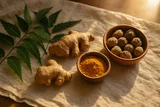
- Trikatu (Black pepper, long pepper, dry ginger): This trio kicks up the digestive fire, enhances bioavailability, and promotes circulation.
- Vidanga (Embelia ribes): An anti-parasitic herb that keeps gut critters in check—especially useful after foreign travel or rich feasts.
- Yavakshara (Barley alkaline extract): Helps in managing acidity, mild constipation, and balances Pitta.
Supporting Ingredients
- Saindhava Lavana (Rock salt) – Optional, but many practitioners add a pinch to improve taste and digestion.
- Ghee or honey – Added after decoction for taste and potency, though strictly speaking, not part of the “six limbs.”
Tip: If you’re making it yourself, use about 1–2 teaspoons of the combined powder per cup of water. Bring to a boil, simmer till the liquid reduces by half, strain, and sip warm.
Benefits of Shadanga Paniya
Shadanga Paniya isn’t just another trendy wellness drink. It’s deeply rooted in Ayurvedic wisdom with proven benefits. Here’s why people swear by it:
Digestive Health
- Balances Agni: The trikatu component (black pepper, long pepper, dry ginger) acts like a tiny flame-igniter for your digestive fire, helping you process even heavier foods with ease.
- Relieves Bloating & Gas: Vidanga and haritaki gently expel trapped gases, making it great after meals or when you feel “puffed up.”
- Aids Mild Constipation: The trio of Terminalia fruits—haritaki, amalaki, bibhitaki—works as a gentle laxative, clearing the bowels without harsh cramps.
Immunity and Dosha Balance
- Enhances Immunity: Amalaki’s high vitamin C content, combined with the other herbs, equips your body to fight seasonal colds, coughs, and viral infections.
- Tridoshic Harmony: Whether you’re Vata-predominant and feeling anxious, Pitta-dominant and inflamed, or Kapha-dominant with sluggishness, Shadanga Paniya brings you back to center.
- Detoxifying Action: It supports mild detox by flushing metabolic waste, perfect during Panchakarma or spring cleaning of your body.
Real-life example: A friend of mine used it daily during festival season when heavy eating and late nights were a recipe for indigestion. Within a week, she noticed less heartburn and more stable energy levels.
Dosage and Administration
Getting the dosage right is key. Too little, and you won’t feel the magic; too much, and you might irritate your stomach or get a mild warming effect that’s too intense. Here’s a practical guide:
Recommended Dose
- Daily Maintenance: 30–50 ml once or twice a day after meals. Ideal for ongoing digestive support.
- Acute Digestive Upsets: 50–100 ml, 2–3 times daily, but only under professional guidance. Don’t overdo it, because the trikatu can be stimulating.
- Children (6–12 years): Half the adult dose, adjusted with warm water or ghee to suit taste.
Preparation Method
Follow these steps to brew your own Shadanga Paniya:
- Measure 1–2 teaspoons of Shadanga Paniya powder.
- Boil 200–250 ml of water.
- Add the powder, reduce heat, and simmer for 8–10 minutes until it’s roughly half the volume.
- Strain through a fine cloth or standard tea strainer.
- Optional: Stir in a teaspoon of honey or a few drops of ghee once it’s cool enough to drink.
Note: Avoid adding honey to boiling decoction—heat reduces its potency, so wait till it’s lukewarm.
Side Effects and Precautions
Even though Shadanga Paniya is generally safe, there are a few things to watch out for. Ayurvedic herbs are powerful, and your dosha type, current health status, or concurrent medications can influence how you respond.
Potential Side Effects
- Excess Heating: Trikatu can excessively ramp up Pitta in Pitta-dominant people, leading to heartburn, acidity or mild skin rashes.
- Loose Stools: Bibhitaki and haritaki’s mild laxative effect might be too strong if you’re already prone to diarrhea—cut back the dose.
- Allergic Reactions: Rare, but possible. If you notice swelling, breathing difficulty, or intense itching—stop immediately and seek help.
Who Should Avoid Shadanga Paniya?
- Pregnant or breastfeeding women—consult your Ayurvedic practitioner first.
- People with ulcerative colitis or severe peptic ulcers—best to get professional guidance.
- Young children under 6, unless advised by a qualified doctor.
- Anyone on anticoagulant drugs—some herbs can affect blood clotting.
tip: Always start with a small test dose (10–15 ml) to check tolerance.
Don't wait or self medicate. Start chat with Doctor NOW
Conclusion
In a world of quick-fix supplements and flashy superfoods, Shadanga Paniya stands out as a simple, grounded Ayurvedic solution. It’s not magic bullet, but if used thoughtfully, it helps ignite your digestive fire, maintain tridoshic balance, and bolster natural defenses. Sure, the taste is a bit peppery and earthy—some even call it an acquired taste—but once you get used to its warmth, it’s hard to imagine daily life without it.
Remember: quality matters. Opt for organic, 100% pure Ayurvedic powders from reputable brands or pharmacies. Consistency is key—make it a ritual, perhaps first thing in the morning or after dinner. And of course, combine it with good sleep, mindful eating, and gentle exercise for best results. If you have chronic health issues, do consult a professional to tweak the formulation or dosage for your unique constitution.
FAQs
- Q1: Can I take Shadanga Paniya every day?
A: Yes, for general maintenance 30–50 ml once or twice daily is fine. Just monitor how you feel and adjust if needed. - Q2: Is it safe for diabetics?
A: Generally yes, since it doesn’t spike sugar. But avoid adding sugar or too much honey; consult your doctor. - Q3: How long until I see benefits?
A: Some notice relief in a week; for deeper balance, use consistently for 1–3 months. Ayurveda thrives on patience! - Q4: Can I combine it with other Ayurvedic herbs?
A: You can, but be cautious. Always check with a practitioner to ensure compatibility—especially with strong rasayanas like Chyawanprash. - Q5: Where can I buy genuine Shadanga Paniya powder?
A: Look for certified Ayurvedic pharmacies or trusted online brands. Check labels for purity, no fillers, and batch testing details. - Q6: Can children drink it?
A: Yes, but half the adult dose and ideally under guidance. You might dilute further with warm water or add a little ghee to soften the spice. - Q7: Does it help respiratory issues?
A: It’s traditionally used for mild respiratory complaints due to Vidanga’s antimicrobial action, but don’t rely on it as sole treatment for serious infections.
Questions from users
Can I take Shadanga Paniya on an empty stomach?
Client_d00f2e
4 days ago
You can take Shadanga Paniya on an empty stomach. This traditional Ayurvedic drink is often recommended for digestive health and can be consumed first thing in the morning to aid in digestion and detoxification. It's important to ensure that you are starting with small doses, especially if you are new to Shadanga Paniya, to monitor how your body responds. If you experience discomfort or any adverse effects, discontinue use and consult a healthcare professional. Always choose high-quality, pure products from reputable sources to ensure safety and efficacy.
What are the cultural origins of Shadanga Paniya in Ayurvedic practice?
Client_7ec6d1
9 days ago
Shadanga Paniya originates from Ayurveda, specifically mentioned in classical texts like the Charaka Samhita and Sushruta Samhita. These ancient Ayurvedic scriptures categorize it under Kashaya Yoga, which includes formulations known for their lightness and digestive benefits. According to legend, it was discovered by rishis in the Himalayas when they observed local herbs providing relief for stomach issues. For modern use, always ensure the ingredients are safe for your specific health conditions, and consult a healthcare provider if you have concerns.
Can Shadanga Paniya be used for weight management?
Client_71b5d5
14 days ago
Shadanga Paniya, an Ayurvedic herbal decoction, is not primarily intended for weight management but can support overall health, which may indirectly assist with weight management. It is known for its potential to support digestion and balance bodily processes. For weight loss, focus on a balanced diet, regular exercise, and adequate hydration. If using Shadanga Paniya, consume 30–50 ml once or twice a day after meals, as recommended. Always consult a healthcare provider before starting any new regimen, especially if you have underlying health conditions or are taking medications.
What times of day are best for taking Shadanga Paniya?
Client_ceb954
19 days ago
The best times to take Shadanga Paniya are typically after meals. For daily maintenance, you might take 30–50 ml once or twice a day following meals. If you're using it for acute digestive upsets, 50–100 ml can be taken 2–3 times daily, but this should be done under professional guidance. Many find it helpful to make this a consistent routine by taking it first thing in the morning or after dinner. If you experience any adverse effects or consistently troubling symptoms, consult a healthcare professional.
How can Shadanga Paniya enhance detoxification processes in the body?
Client_6e8e05
29 days ago
Shadanga Paniya can potentially enhance detoxification processes in the body due to its combination of natural ingredients believed to support digestive health and improve metabolic function. This herbal formulation may help in eliminating toxins through its mild diuretic properties, promoting urine flow and thereby assisting in the body's waste elimination process. Typical use involves consuming 30-50 ml daily, possibly diluted with warm water, but effectiveness can vary based on individual health conditions. It's important to consult a healthcare provider for personalized advice, especially if you have ongoing health concerns or are considering it as part of a detox regimen. Look for causes of concern such as persistent adverse reactions, which necessitate professional medical consultation. Although rooted in Ayurvedic tradition, Shadanga Paniya should complement, not replace, evidence-based medical detox methods advised by your doctor.
What are the potential side effects of using Shadanga Paniya?
Client_02a27d
39 days ago
The potential side effects of using Shadanga Paniya may include digestive discomfort or allergic reactions, especially in individuals with sensitivities to its herbal components. If you experience symptoms such as nausea, diarrhea, or itching, discontinue use and consult a healthcare professional. Shadanga Paniya is generally well-tolerated, but ensure you only use it as recommended, typically 30–50 ml once or twice daily after meals. Long-term benefits may take 1-3 months to appear. Always consult a doctor before adding it to your routine, particularly if you have pre-existing health conditions.
Is Shadanga Paniya suitable for children or expectant mothers?
Client_14a5c9
48 days ago
Shadanga Paniya is typically not recommended for children or expectant mothers without professional guidance due to its potent herbal formulations. The blend includes herbs that can affect digestion, immunity, and body heat, which are crucially regulated during pregnancy and in children's developing bodies. Ingredients like Trikatu may increase Pitta, potentially causing heartburn or skin rashes, while Bibhitaki and Haritaki may have strong laxative effects. If you're considering Shadanga Paniya for children or during pregnancy, consult with a healthcare professional or qualified Ayurvedic practitioner to tailor it safely to individual needs and avoid adverse effects.
How long does it take to feel effects from Shadanga Paniya?
Client_a687a8
58 days ago
You may start to feel the effects of Shadanga Paniya within a week, especially if you are using it for issues like occasional heartburn or energy stabilization. The typical recommended dose is 30-50 ml once or twice per day after meals. While many might feel some benefits within this timeframe, the exact time to notice significant changes can vary based on individual factors like diet and lifestyle. If you do not experience any improvement after a few weeks, or experience adverse symptoms, it's advisable to consult a healthcare professional.
What is Kashaya Yoga and how is it related to Shadanga Paniya?
Client_2955e8
67 days ago
Kashaya Yoga refers to decoction-based formulations in Ayurveda, where the herbs are boiled down to enhance their therapeutic properties. It's related to Shadanga Paniya because this drink is actually made using Kashaya Yoga principles, involving six specific herbs that are boiled together to help with digestion and detoxification. The focus is on creating a balance between the doshas using these natural ingredients!
How does Shadanga Paniya support overall gut health and balance?
Client_61e855
77 days ago
Shadanga Paniya really got this soothing nature, you know? It helps balance your doshas, especially if you got Pitta going a bit wild. It kinda keeps the "agni" or digestive fire burning just right, aiding digestion. Also, the herbs in it work like a small cleanse, helping toxins move out and keeping your gut happy. Drink regularly, a little patience and you should feel a difference!
Related articles

Panchakarma
Panchakola Choornam Benefits, Dosage, Ingredients, Side Effects
Exploration of Panchakola Choornam Benefits, Dosage, Ingredients, Side Effects
3,100

Panchakarma
Raktamokshana in Ayurveda: A Comprehensive Overview
Explore raktamokshana in Ayurveda—a traditional bloodletting therapy. Learn benefits, research findings, procedures, and safety tips in this in-depth guide.
4,807

Panchakarma
Ksheerabala Thailam (Kshirabala Oil)
Exploration of Ksheerabala Thailam (Kshirabala Oil)
7,599
Panchakarma
Appendix Treatment in Ayurveda: A Natural Path to Healing
The appendix is a small, finger-shaped pouch attached to the large intestine. Inflammation of this organ, known as appendicitis, is usually caused by blockages, infections, or dietary issues.
5,912

Panchakarma
Pinda Thailam Benefits How To Use Ingredients Side Efects
Exploration of Pinda Thailam Benefits How To Use Ingredients Side Efects
5,928

Panchakarma
Urustambha Chikitsa – Ayurvedic Approach to Leg Stiffness and Pain Relief
Explore the Ayurvedic treatment of Urustambha Chikitsa, a traditional remedy for relieving leg stiffness, muscle pain, and improving flexibility and mobility.
3,670

Panchakarma
Panchakarma: Ayurvedic Detox and Rejuvenation Therapy
Panchakarma, derived from Sanskrit, translates to “five procedures ” or “five treatments.”
4,254

Panchakarma
Panchamrut Loha Guggul Benefits, Dosage, Ingredients, Side Effects
Exploration of Panchamrut Loha Guggul Benefits, Dosage, Ingredients, Side Effects
4,965

Panchakarma
Maha Manjishtadi Kashayam Benefits, Dose, Side Effects, Ingredients, Reference
Exploration of Maha Manjishtadi Kashayam Benefits, Dose, Side Effects, Ingredients, Reference
3,203

Panchakarma
Mahanarayan Oil
Exploration of Mahanarayan Oil
5,574
Related consultations on the topic
What Are The Early Signs Of Nervous System Deterioration?
9 days ago
Can I resume oil treatments after my period ends if I started virechana and got my period after 3 days of oiling?
82 days ago
How much can Panchakarma treatment improve quality of life for a 92-year-old with atypical Parkinson's and diabetes?
82 days ago
Legal
Additional Documents
© 2024 Ask Ayurveda. All rights reserved.