Trivrit Lehyam – Benefits, Dose, Side Effects, How to Use and Ingredients

Introduction
Trivrit Lehyam is a potent herbal jam in Ayurveda that's been used for centuries. Trivrit Lehyam – Benefits, Dose, Side Effects, How to Use and Ingredients are hot topics among herbal enthusiasts and health seekers alike.
Picture a rustic kitchen in Kerala or Tamil Nadu, where grandma is stirring a bubbling pot of medicinal herbs and jaggery – that’s where Trivrit Lehyam comes alive. It’s traditionally prescribed to clear digestive blockages, support detox, and bring back the lost glow of your health. I remember my aunt mixing it with warm water on a chilly morning, remarking “It does wonders for my stomach!”
What Is Trivrit Lehyam?
In simple terms, Trivrit Lehyam is a semi-solid, sweet herbal preparation – also called Leha or Lehyam. It’s aimed mostly at digestion, bowel cleansing, and mild detoxification. The key ingredient is Radish (Raphanus sativus) root, known as Trivrit in Sanskrit, hence the name.
Why It’s Popular Today
With growing interest in Ayurvedic home remedies, people search “Trivrit Lehyam benefits and uses”, “Trivrit Lehyam dosage”, “Trivrit Lehyam side effects”. This trend shows a real thirst for natural healthcare solutions. And lemme tell ya, this herbal jam has its share of fans on Instagram and health blogs!
Traditional Uses and Historical Background
Origins in Classical Texts
Trivrit Lehyam finds mention in classics like Bhaishajya Ratnavali and Sahasrayoga. It was a go-to Rasayana (rejuvenative) remedy in ancient Kerala treatises. Over time, practitioners used it for indigestion, constipation, bloating and as a gentle purgative. It’s often grouped under Virechana therapies which emphasize elimination of toxins via bowel movements.
Regional Variations and Folk Adaptations
Depending on where you go—Andhra Pradesh, Tamil Nadu, or even Sri Lanka—the recipe can slightly differ. Some add black pepper, ginger, or even ajwain (carom seeds) to boost the digestive fire (Agni). Others prefer replacing sugar with palm jaggery for a deeper, smoky taste. Real-life tip: if you don’t have jaggery, you can try honey (added after cooling, to preserve enzymes).
Ingredients and Preparation of Trivrit Lehyam
Core Ingredients Explained
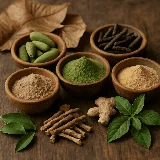
- Trivrit (Radish) Root: Main purgative, high fiber content.
- Triphala: A combination of Haritaki, Bibhitaki, Amalaki – balances all three doshas.
- Jaggery or Sugar: Provides a pleasant taste and preservative qualities.
- Ginger & Black Pepper: Enhances Agni (digestive fire).
- Long Pepper (Pippali): Opens respiratory channels and supports digestion.
- Cardamom & Cloves: For flavor and mild antimicrobial action.
Step-by-Step Preparation Guide
Gather all the dried powders – radish, Triphala, ginger, pepper, pippali – and measure them according to classical ratios (usually 1:1:1 by weight for radish:Triphala: sweetener). Here’s a basic approach:
- Boil 2 cups of water; add 2 tablespoons of radish powder and Triphala.
- Let it simmer till the water reduces by half.
- Add jaggery (or sugar) gradually; stir continuously.
- Introduce pepper, pippali, ginger infusions.
- Cook on low flame till mixture thickens to a jam consistency.
- Cool, store in a sterilized glass jar. It keeps up to 3 months refrigerated.
Benefits and Therapeutic Properties
Digestive Health and Detox
Trivrit Lehyam is mostly revered as a mild laxative, helping relieve constipation and bowel stagnation. By cleansing the digestive tract, it indirectly improves nutrient absorption – so you feel lighter, less bloated. Studies on Triphala within the formula also indicate enhanced gut motility.
Respiratory and Immunity Boost
Thanks to pippali and ginger, this preparation also opens up nasal passages, helps in mild coughs and colds. Anecdotally, many use a spoonful before travel or during seasonal changes, to cut down risk of winter woes. The antioxidant properties of Triphala amp up immunity, making you more resilient to infections.
Other Notable Effects
- Blood sugar regulation – jaggery’s iron content plus Triphala aids glycemic control (in moderation).
- Liver support – mild detoxification action prevents toxin overload.
- Skin benefits – clearer complexion due to toxin elimination.
Dosage, How to Use, and Side Effects
Recommended Dosage and Timing
The general Ayurvedic dose is 3–6 grams (around 1 teaspoon) once or twice daily, ideally before bed or early morning on an empty stomach. For elderly or weak individuals, start with 1/2 teaspoon. Don’t exceed 10 grams/day without consulting a practitioner. Real talk: I once took too much on an empty stomach and had a wild detox ride.
Precautions and Possible Side Effects
- Excessive Purging: Too high a dose can lead to diarrhea, dehydration.
- Pregnancy & Nursing: Avoid or consult a healthcare provider.
- Hypotension: May lower blood pressure; be cautious if you’re prone to dizziness.
- Cold Exposure: Pungent herbs might aggravate Pitta; avoid during high heat or inflammation.
If you experience cramps or headaches, cut the dose or take with warm water. Always seek professional advice if unsure.
Conclusion
To wrap it up, Trivrit Lehyam – Benefits, Dose, Side Effects, How to Use and Ingredients all point to one thing: this age-old Ayurvedic jam can truly support digestion, mild detox, and immunity when used wisely. It’s not just folklore—mounting scientific interest in its components underscores its therapeutic value.
Of course, no quick fix replaces a balanced diet, regular exercise, and mindful living. But adding a spoonful of Trivrit Lehyam to your daily ritual might just be the extra nudge your system needs. So next time you feel sluggish or bloaty, consider this sticky herbal sweet – just mind the dose and listen to your body. Share this article with your wellness tribe, try the recipe, and let us know how it goes!
Frequently Asked Questions (FAQs)
- Q: Can children take Trivrit Lehyam?
A: Generally, reduce the dose to 1/4–1/2 teaspoon and give after meals. But best to consult a pediatric Ayurvedic specialist. - Q: How long before I see results?
A: Some feel relief in 1–2 days for constipation; immune benefits can take a few weeks of regular use. - Q: Can diabetics use it?
A: With caution. Jaggery may affect blood sugar—opt for minimal sweetener, monitor glucose levels. - Q: Is it vegan?
A: Yes, when you use plant-based sweeteners (jaggery, sugar). No animal products involved. - Q: Where to buy authentic Trivrit Lehyam?
A: Look for reputable Ayurvedic pharmacies or certified organic brands. Check ingredient lists and avoid fillers.
Ask Ayurvedic doctor a question and get a consultation online on the problem of your concern in a free or paid mode.
More than 2,000 experienced doctors work and wait for your questions on our site and help users to solve their health problems every day.
Related articles