Ask Ayurvedic doctor a question and get a consultation online on the problem of your concern in a free or paid mode. More than 2,000 experienced doctors work and wait for your questions on our site and help users to solve their health problems every day.


Body DetoxEar, Nose, and Throat DisordersGeriatrics & RejuvenationImmunodeficiencyInfertility TreatmentNutritionOrthopedic DisordersPediatricsRespiratory DisordersSexually Transmitted Diseases (STDs)Surgery RecoveryUrological DisordersVascular DisordersDental DisordersEndocrinological DisordersGastrointestinal DisordersYoga TherapyGeneral MedicineAllergic DisordersCardio DisordersGynecology and ObstetricsCosmetologySkin and Hair DisordersEye DisordersInfectious DiseasesMental DisordersNeurological DisordersOncologyPanchakarmaSexual Health & DisordersSports Medicine
Published on 09/05/25
(Updated on 08/06/26)
star_border 4.86
16,911
How to Use Ashwagandha Powder: Ayurvedic Guide and Benefits

If you’ve ever wondered how to use ashwagandha powder or how to take ashwagandha powder in a safe and effective way, you’re not alone. This ancient Ayurvedic herb has become super popular worldwide, and for good reason—it supports stress relief, boosts energy, and may even improve sleep quality. But many people get confused about the right ashwagandha powder uses or the proper benefits of ashwagandha powder they can expect. Should you mix it with water? Or maybe milk? How much is too much? This guide will break it all down in a simple, practical way so you can feel confident about adding it into your daily routine.
What Is Ashwagandha Powder and Its Ayurvedic Importance
Ashwagandha (Withania somnifera) is often called the “Indian ginseng,” though it’s technically not related to ginseng. In Ayurveda, it’s classified as a Rasayana, which means it’s a rejuvenating herb designed to promote longevity, energy, and vitality. For centuries, healers in India used it to balance the body’s stress response and strengthen the immune system.
The powder is typically made from the root of the plant, dried and ground into a fine, pale-yellow consistency. Because of its slightly bitter, earthy flavor, many people prefer to mix it with milk, honey, or smoothies rather than eating it plain.
Benefits of Ashwagandha Powder for Health
There are countless benefits of ashwagandha powder backed by modern science:
-
Stress & Anxiety Relief: Ashwagandha is considered an adaptogen, meaning it helps the body adapt to stress.
-
Better Sleep: Many users notice deeper, more restful sleep after a few weeks of regular use.
-
Energy & Focus: It can reduce fatigue and even help with mild brain fog.
-
Hormonal Balance: Traditionally, it’s been used to support reproductive health for both men and women.
-
Immunity: Boosts the body’s natural defense system—something we all need more of these days.
Of course, results vary, and while some feel benefits quickly, for others it takes consistant usage to see a shift.
Traditional Uses of Ashwagandha Powder
Historically, ashwagandha was mixed into warm milk at night to calm the mind and encourage sound sleep. Warriors, on the other hand, sometimes consumed it before battles to improve strength and stamina. Today, modern lifestyles allow for more creative uses of ashwagandha powder—from lattes to protein shakes.
How to Use Ashwagandha Powder in Daily Life
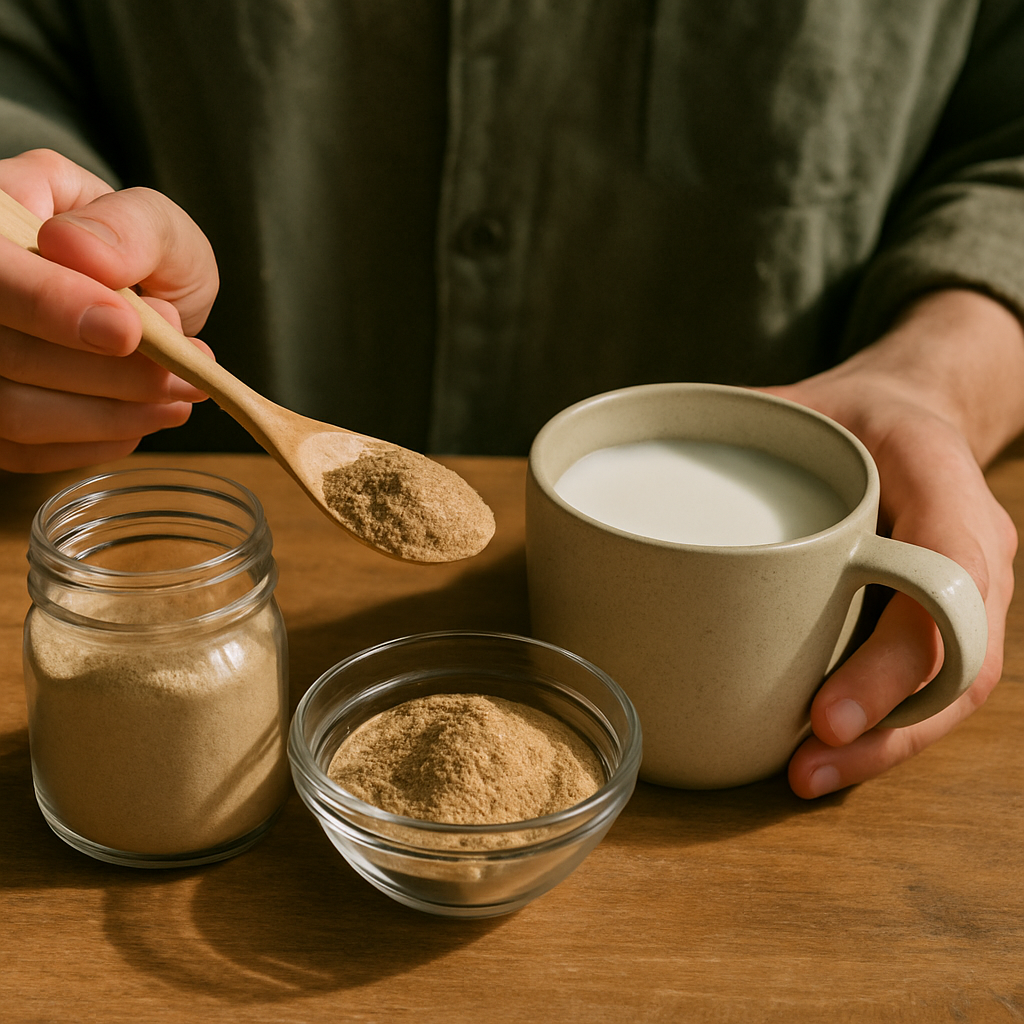
Now the big question: how to consume ashwagandha powder in a way that’s both effective and enjoyable? It’s actually very versatile. You can stir it into warm liquids, blend it with food, or even just take it with water if you’re in a hurry.
How to Take Ashwagandha Powder Safely
If you’re new, start small. Begin with half a teaspoon and gradually increase as your body adapts. Always check with a healthcare provider if you’re pregnant, breastfeeding, or on medication. Consistency is key, but so is safety. Too much can upset the stomach or cause drowsyness.
How to Consume Ashwagandha Powder with Water
This is the simplest method. Mix about half a teaspoon into a glass of lukewarm water and drink it once or twice daily. It’s quick, but not everyone likes the bitter taste. A tip? Add a squeeze of lemon or a bit of honey to make it more palatable.
How to Use Ashwagandha Powder with Milk
This is perhaps the most classic method and still widely recommended in Ayurveda. Stir one teaspoon into a cup of warm milk (dairy or plant-based), maybe with a pinch of cinnamon or cardamom for extra flavor. Taken before bed, it doubles as a soothing sleep tonic.
Ashwagandha Powder Dosage and Timing
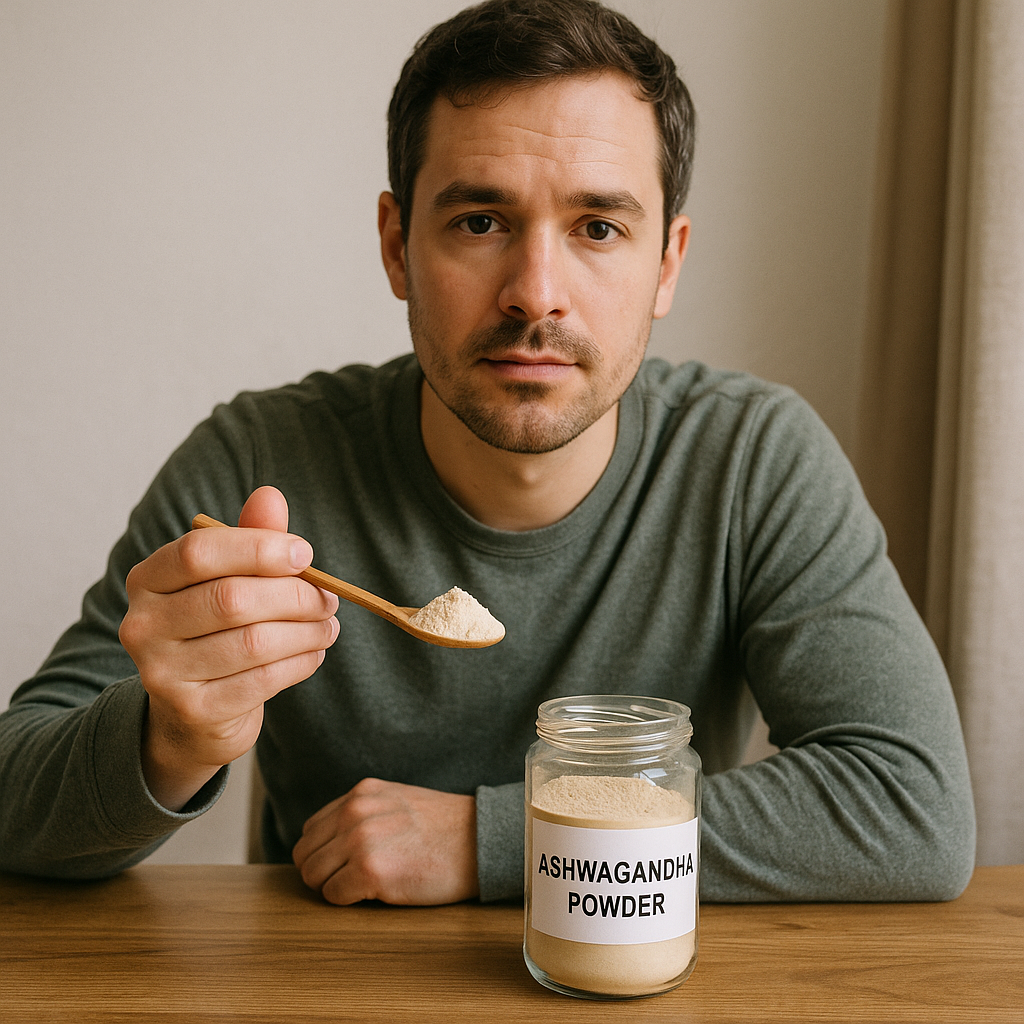
One of the most common questions people ask is: What’s the right ashwagandha powder dosage? The answer isn’t one-size-fits-all. Dosage depends on your age, health condition, and overall goals. Ayurveda generally emphasizes moderation—too little may not give results, while too much could cause discomfort.
Recommended Ashwagandha Powder Dosage for Adults
For most healthy adults, a typical ashwagandha powder dosage ranges from 1 to 2 teaspoons daily (roughly 3–6 grams). Beginners may start with just half a teaspoon to see how their body reacts. Some folks split it into two smaller doses—morning and evening—while others prefer taking it all at once, usually at night.
But remember: herbs like this work best when taken regularly over time, not as a quick fix. Think weeks or even a couple months before you notice bigger changes.
Best Time to Take Ashwagandha Powder for Results
When it comes to how to take ashwagandha powder effectively, timing matters.
-
Morning: Good for energy, focus, and reducing daytime stress. Try it in smoothies or tea.
-
Evening: Excellent for sleep, relaxation, and balancing cortisol levels before bed.
-
With Meals: Helps digestion and may reduce stomach irritation for sensitive people.
There’s no single “perfect” time, but consistency is more important than the clock. Choose a routine you can actually stick to (otherwise it just becomes another supplement forgotten in your kitchen cabinet).
Practical Ways to Eat or Drink Ashwagandha Powder
If you don’t like plain powders, don’t worry. There are creative and delicious uses of ashwagandha powder that make it easy to fit into daily life.
How to Eat Ashwagandha Powder with Meals
Adding ashwagandha to meals is simple. Sprinkle a small amount into soups, curries, or even oatmeal. Its earthy taste blends better with warm, spiced dishes compared to cold foods. Another trick? Mix it with honey to make a paste and spread it on toast or just eat a spoonful straight (though the flavor is strong).
Some people also mix it into energy balls, alongside dates and nuts, which hides the bitterness and turns it into a tasty snack.
Recipes and Preparations Using Ashwagandha Powder
Here are a few popular ideas if you’re wondering how to consume ashwagandha powder in more enjoyable ways:
-
Ashwagandha Latte: Mix the powder with warm milk (dairy or plant-based), add honey, cinnamon, and a pinch of nutmeg. Great before bed.
-
Smoothie Boost: Blend half a teaspoon into a banana smoothie with almond milk and peanut butter. This masks the earthy flavor well.
-
Golden Ashwagandha Tea: Combine ashwagandha with turmeric, ginger, and black pepper in hot water. Add honey if you like it sweet.
-
Protein Balls: Mix oats, nut butter, honey, and ashwagandha powder. Roll into small balls and refrigerate. Perfect as an on-the-go snack.
These recipes not only make it easier how to eat ashwagandha powder, but also ensure you’ll actually enjoy taking it daily instead of dreading the taste.
A Note on Consistency and Real Expectations
It’s worth mentioning again: herbs like ashwagandha aren’t magic pills. You won’t feel instantly calmer after the first teaspoon. Benefits usually build up gradually as your body adapts. Some people feel more relaxed after 1–2 weeks, while others notice changes after a month or two.
If you’re serious about wellness, combine it with other healthy lifestyle habits—like better sleep routines, mindful eating, or exercise. Otherwise, you might be expecting too much from just one herb.
Don't wait or self medicate. Start chat with Doctor NOW
Conclusion
So now you know how to use ashwagandha powder in different ways—whether mixed with water, stirred into warm milk, or added to smoothies and meals. You’ve also seen the many benefits of ashwagandha powder, from reducing stress and supporting sleep, to boosting energy and focus during the day.
The real magic, though, comes not from a single serving but from consistency. Using it daily in a safe ashwagandha powder dosage that works for your body is what brings long-term results. Some prefer the simplicity of water, while others enjoy the comforting tradition of warm milk before bed. However you choose, the key is to make it enjoyable so it actually becomes part of your routine—not just another “superfood” collecting dust on the shelf.
Ashwagandha is powerful, yes, but it works best as part of a broader healthy lifestyle. Pair it with good sleep, balanced meals, and stress-reducing habits. Then, share what you’ve learned with friends or family—because wellness is always better when it’s shared.
FAQs
What is the best time to take ashwagandha powder?
The best time depends on your goals. If you want more energy and focus, morning is a great choice. If your main goal is better sleep or relaxation, try taking it in the evening, especially in warm milk. Honestly, there’s no strict rule—just be consistent with whichever timing works for you.
What to mix ashwagandha powder with?
Classic options include water, milk, or honey. For a more modern twist, blend it into smoothies, lattes, or even energy bites. If you’re not a fan of the taste, adding it into recipes with stronger flavors (like peanut butter or chocolate) helps a lot.
Can I eat ashwagandha directly?
Technically yes, you can eat it plain. But the taste is bitter, earthy, and not pleasant for most people. It’s usually better to mix it with something—water, milk, or food—to make it more enjoyable. Some folks mix it with honey to mask the flavor, which is a simple and effective option.
Questions from users
How to make ashwagandha powder taste better in recipes?
Client_2d4a83
1 day ago
To make ashwagandha powder taste better in recipes, try blending it into a smoothie with fruits like bananas or berries to mask its bitter flavor. You can also stir it into a cup of warm milk or a latte, adding spices like cinnamon or cardamom for enhanced taste. Energy bites with nuts and honey can be another tasty option. Consuming in recipes daily can help integrate its health benefits without the undesirable taste. However, monitor any adverse reactions and consult a doctor if you experience unusual symptoms.
Can I combine ashwagandha powder with protein shakes?
Client_9efecf
6 days ago
Yes, you can combine ashwagandha powder with protein shakes. This blend can enhance your shake's nutritional profile by adding ashwagandha's potential stress-relieving and energy-boosting benefits. Typically, you can start by adding one teaspoon of ashwagandha to your shake, adjusting the taste as needed. Consistent use is key, as benefits often manifest over weeks. Watch for any gastrointestinal discomfort; if symptoms persist or you're taking medication, consult a healthcare professional. Always ensure both the protein powder and ashwagandha are from reputable sources for safety.
How much ashwagandha powder should I take daily for beginners?
Client_f2fe98
11 days ago
For beginners, the typical daily dosage of ashwagandha powder is 300 to 500 mg, taken once or twice a day. Start on the lower end to assess how your body reacts, and gradually increase if needed. Mix the powder with water, milk, or food for better taste and absorption. Benefits like stress relief and improved energy levels may start to appear in 1-2 weeks, but some people might notice changes only after a month or more. If you experience any adverse effects such as stomach upset or allergic reactions, reduce the dosage or stop using it altogether. Consult a doctor if symptoms persist or if you plan to take it alongside other medications, especially since ashwagandha can interact with certain medications or health conditions.
What are the potential side effects of taking ashwagandha powder?
Client_ff518b
16 days ago
Ashwagandha powder can cause side effects such as stomach upset, diarrhea, and drowsiness, especially when consumed in large amounts. Allergic reactions are rare but possible. Typically, you should start with a small dose, like half a teaspoon, and gradually increase it as your body gets used to it. Mixing it with water, milk, or honey can mitigate its strong taste, but will not eliminate potential side effects. If you experience significant discomfort or any allergic symptoms, consult a healthcare professional. Pregnant or breastfeeding women and those with autoimmune disorders should exercise caution and consult their doctor before using ashwagandha.
How long does it take to feel the effects of ashwagandha powder?
Client_66357e
21 days ago
Ashwagandha powder typically takes about 2 weeks to a month to start showing noticeable effects. This adaptogen may improve stress response, enhance sleep, or boost energy levels depending on individual responses. Consistent daily use is recommended, usually around 300-500 mg, but it's crucial to follow specific dosage instructions on the product you buy. Consult your healthcare provider if you're pregnant, breastfeeding, or on medication. While Ayurvedic traditions endorse ashwagandha, it's necessary to base its use on current scientific understanding and personal health considerations.
How can I incorporate ashwagandha powder into smoothies effectively?
Client_267ada
31 days ago
To incorporate ashwagandha powder effectively into smoothies, start by adding about 1 teaspoon per serving. Its earthy taste pairs well with ingredients like banana, almond milk, and cocoa, which can help mask its taste. Blend thoroughly to ensure even distribution. Begin with small amounts to assess tolerance, and adjust based on taste preference. As always, consult a healthcare professional if you're unsure about dosage or interactions, especially if you have health conditions or are taking other medications.
What are the best times to take ashwagandha for energy enhancement?
Client_af6184
40 days ago
For energy enhancement, the best time to take ashwagandha is typically in the morning. This aligns with your body's natural cortisol cycle, helping promote alertness and focus throughout the day. Taking ashwagandha in the morning provides potential energy benefits as it may reduce stress and improve concentration. If your goal is to enhance physical performance, consuming it about an hour before exercise could be effective. Watch for any side effects like gastrointestinal discomfort or drowsiness. If these occur or you're taking other medications, consult a healthcare provider to ensure safety and proper dosing.
What are the best beverages to enhance ashwagandha flavor?
Client_03f345
50 days ago
The best beverages to enhance ashwagandha flavor include warm milk, which can add a comforting, creamy texture, and golden tea, an infusion of hot water with turmeric, ginger, and black pepper that complements the herb's earthy notes. Honey can also be a great addition for sweetness. To integrate ashwagandha effectively into your routine, mix it with beverages you already enjoy; there's no rigid rule, but consistency is key. If the flavor or herbal interactions cause discomfort, consult a healthcare professional.
How do I properly store ashwagandha powder for longevity?
Client_e92f7b
59 days ago
To store ashwagandha powder properly for longevity, keep it in an airtight container that is opaque to prevent exposure to light. Store the container in a cool, dark, and dry place to avoid moisture and heat, which can diminish potency and reduce shelf life. It’s best to check the expiration date on the packaging and consume it before this date for maximum effectiveness. Look for changes in color, smell, or texture as these can indicate degradation. If you notice any of these changes, or if your ashwagandha smells off, it is wise to discard it.
What are the benefits of taking ashwagandha powder regularly for overall wellness?
Client_e36712
69 days ago
Taking ashwagandha regularly can help reduce stress, boost energy levels, and improve overall well-being. It's known for supporting the body's response to stress, kinda balancing the mind. Good for sleep, anxiety, even supportive in boosting immunity. Just remember, it's best combined with a healthy lifestyle, like good sleep and balanced diet. Stick with it and see how it goes!
Related articles

Body Detox
Dooshivishari Gulika: Uses, Ingredients, Dosage
Exploration of Dooshivishari Gulika: Uses, Ingredients, Dosage
2,956

Body Detox
Which Mudra Is Good for Sleep: Discover Ayurvedic Hand Gestures for Restful Nights
Explore the best mudra for sleep and anxiety, hand mudras for deep sleep, and yoga mudra to sleep fast. Practice nightly for relaxation and improved rest
12,029

Body Detox
Langhan in Ayurveda – A Therapeutic Approach to Digestion and Health
Explore the ancient practice of Langhan in Ayurveda for effective detoxification and rejuvenation. Learn how this traditional method supports metabolism and overall vitality.
4,849

Body Detox
How to Remove Inflammation from the Body: Natural Ayurvedic Ways
Learn how to remove inflammation from your body naturally with herbs, diet, and Ayurvedic remedies. Discover foods and practices to reduce internal inflammation
3,687

Body Detox
How to Make Green Juice: Recipes, Ingredients and Ayurvedic Benefits
Learn how to make green juice with easy recipes, ingredients, and Ayurvedic tips. Discover green juice for weight loss, glowing skin, detox, and daily wellness
6,222

Body Detox
Ayurvedic Liver Detox: Facts & Insights
Liver detoxification is vital for maintaining overall health as the liver filters toxins; a cleanse can improve its function.
3,595

Body Detox
How to Take Steam Bath at Home: Ayurvedic Guide to Detox and Relaxation
How to take steam bath at home? Learn how to make a steam bath at home, set it up safely, and use herbal bath powders for detox, relaxation, and skin care
7,243

Body Detox
Bharangyadi Kwath – Natural Ayurvedic Detox & Healing Decoction
Discover the benefits and uses of Bharangyadi Kwath, a traditional Ayurvedic bitter decoction known for detoxification, balancing doshas, and promoting overall well-being.
3,184

Body Detox
Krimighatini Vati: Effective Ayurvedic Treatment for Digestive Health
Explore the benefits, proper dosage, uses, and scientific research behind Krimighatini Vati, a potent Ayurvedic medicine for skin health and detoxification.
3,285

Body Detox
Mahasudarshan Kadha – Herbal, Benefits, Uses, Dosage
Exploration of Mahasudarshan Kadha – Herbal, Benefits, Uses, Dosage
4,672
Related consultations on the topic
Legal
Additional Documents
© 2024 Ask Ayurveda. All rights reserved.