Ask Ayurvedic doctor a question and get a consultation online on the problem of your concern in a free or paid mode. More than 2,000 experienced doctors work and wait for your questions on our site and help users to solve their health problems every day.


Body DetoxEar, Nose, and Throat DisordersGeriatrics & RejuvenationImmunodeficiencyInfertility TreatmentNutritionOrthopedic DisordersPediatricsRespiratory DisordersSexually Transmitted Diseases (STDs)Surgery RecoveryUrological DisordersVascular DisordersDental DisordersEndocrinological DisordersGastrointestinal DisordersYoga TherapyGeneral MedicineAllergic DisordersCardio DisordersGynecology and ObstetricsCosmetologySkin and Hair DisordersEye DisordersInfectious DiseasesMental DisordersNeurological DisordersOncologyPanchakarmaSexual Health & DisordersSports Medicine
Published on 12/22/25
(Updated on 08/08/26)
star_border 5
4,124
Saraswatarishta Uses, Dose, Side Effects, And Ingredients

Introduction
If you’ve ever wondered about Saraswatarishta Uses, Dose, Side Effects, And Ingredients in the world of Ayurveda, you’re in the right place. Saraswatarishta is a classical herbal tonic that’s been cherished for centuries—yes, centuries!—for its cognitive and nervous system benefits. In this article, we’ll unpack everything from its key constituents to how to dose it, plus potential side effects and handy tips for safe use.
Now let’s dive into the history, the science, and some real-life examples of how folks today still use this golden-brown brew. Ever heard your grandmother swear by a daily sip for memory boost? That’s Saraswatarishta at work.
What Is Saraswatarishta?
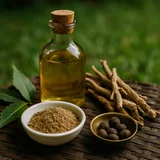
Saraswatarishta is an Ayurvedic fermented liquid preparation, often called an “arishta.” Basically, you take a bouquet of herbs—namely the “saraswata” group like Brahmi, Shankhapushpi and more—mix them with jaggery, a little water, and let nature’s yeast do their magic. The result? A gently effervescent, sweet-sour tonic loaded with bioactive compounds known to support the brain, nerves, and mental clarity.
Historical Background and Traditional Wisdom
Originating in classical texts like the Charaka Samhita and Sushruta Samhita, Saraswatarishta was prescribed for conditions such as Unmada (psychosis), Smritibhramsha (memory loss), and general nervous debility. Ayurvedic scholars believed that by harmonizing the Vata and Kapha doshas in the mind, one could enhance intellect (medha) and speech (vak). Fast forward to today and herbalists across India still swear by it—take a bottle from any Ayurvedic shop near you and you’ll see shelf after shelf of this stuff.
Key Ingredients in Saraswatarishta
Primary Herbal Components
- Bacopa monnieri (Brahmi): The superstar for improving memory, attention span, and learning ability. Anecdotally, students going for exams often rely on this one.
- Convolvulus pluricaulis (Shankhapushpi): A mood lifter and nervine tonic. Warning: overdoing it may cause slight drowsiness, so don’t plan to drive immediately after.
- Glycyrrhiza glabra (Yashtimadhu / Licorice): Sweetens the brew and soothes the GI tract. It also potentiates the action of other herbs.
- Piper longum (Pippali): Enhances bioavailability via its “hot” (i.e., bio-enhancing) properties.
- Jaggery: Natural fermentable sugar that kickstarts the fermentation process.
Aside from these, you might find minor additions like honey, cinnamon, or cardamom, depending on the local tradition. The real trick is in the balance—each ingredient plays off the others, providing synergistic get-the-job-done effects.
Role of Fermentation and Preparation Methods
Fermentation isn’t just for beer or kombucha! In Ayurvedic arishtas, it transforms inert plant matter into a more bioavailable form. After boiling the herbs in water, the mixture is sweetened lightly, then sealed and left to ferment for anywhere between 7 to 21 days. Temperature, local wild yeasts, even altitude — all tweak the end product slightly. (So yes, Saraswatarishta from Mumbai may taste a bit different than one from the Himalayas!) That natural fizz you see reflects the gentle production of beneficial compounds like organic acids and enzymes that boost absorption.
Clinical Uses and Benefits of Saraswatarishta
Cognitive Health and Demenza Support
Modern research has begun to validate what ancient texts claimed: compounds in Brahmi and Shankhapushpi help protect neurons, promote neural growth factors, and may even slow cognitive decline. Patients with mild cognitive impairment often report better focus and clarity after a few weeks of regular use, though it’s not a magic pill—consistency is key. Anecdotally, many seniors in Ayurvedic clinics notice improved recall of names, better conversation flow, and fewer “senior moments.”
Note: it’s not a replacement for medical care in diagnosed dementia or Alzheimer’s disease. Always consult a qualified practitioner alongside conventional treatments.
Stress, Anxiety, and Mood Support
Got stress? It’s everywhere—work deadlines, traffic jams, that email you forgot to reply to. Saraswatarishta’s nervine relaxing herbs help calm an overactive mind. Glycyrrhiza’s gentle sweetness soothes, while the fermentation acids stabilize mood swings. You might feel a subtle sense of calm focus rather than sedation—perfect for when you need to think straight under pressure. A quick story: my friend Kuna swears by a night-time dose of Saraswatarishta during her hectic audit season—she says it keeps her from tossing and turning till 3 AM.
Dose and Administration of Saraswatarishta
Recommended Dosage Guidelines
Standard dosingg in Ayurvedic texts often suggests 12–24 ml (approx. 2–4 teaspoons) twice a day, diluted in equal parts water. For kids or sensitive folks, start low—say 5–10 ml once daily—and watch how they respond. There’s no one-size-fits-all, body weight, age, existing health conditions, and concurrent medications all play a role. Don’t go chugging an entire bottle hoping for a miracle—more isn’t necessarily better.
- Typical adult dose: 15–30 ml twice daily.
- For elders or delicate constitutions: 10–15 ml once or twice daily.
- Children (6–12 years): 5–10 ml once daily.
Timing, Method, and Duration
Best taken on an empty stomach—ideally 30 minutes before meals—to maximize absorption. If you find an upset tummy, try after meals instead, but with caution. Duration: Ayurveda recommends at least 1–3 months of regular use to notice sustained effects. Breaks can be taken between courses—say, 1 week off every month. And always shake the bottle gently; you want that sediment mixed back into your dose.
Side Effects and Precautions of Saraswatarishta
Common Side Effects
While generally safe, a few minor reactions might pop up:
- Gastrointestinal upset (bloating, mild diarrhea) if taken in excess.
- Excessive sweetness could influence blood sugar—caution for diabetics.
- Rare allergic reactions—itching, rash. Stop use if this happens.
The key is moderation. If you notice headaches or dizziness, lower your dose or pause for a few days. Your gut flora is adjusting to the fermented compounds, so some “detox” feelings like slight gas or mood swings can occur initially.
Interactions and Contraindications
Saraswatarishta Herbs can interact with:
- Anticoagulants: Licorice has mild blood-thinning properties; caution if you’re on warfarin or aspirin.
- Diabetic medications: The sugar content may require dose adjustment in insulin or sulfonylurea therapies.
- Thyroid drugs: Some constituents may affect thyroid hormone levels; monitor closely.
Not advised for pregnant or breastfeeding women without professional guidance. Always mention any herbal tonic to your healthcare provider to avoid unexpected interactions.
Don't wait or self medicate. Start chat with Doctor NOW
Conclusion
So there you have it—a practical, down-to-earth guide to Saraswatarishta Uses, Dose, Side Effects, And Ingredients. From its ancient roots to modern lab findings, this tonic stands out for cognitive support, stress relief, and overall nervous system health. Remember: herbal remedies work best when paired with a balanced lifestyle—adequate sleep, mindful diet, and a dash of exercise. If you decide to give Saraswatarishta a try, start slow, observe how your body responds, and adjust accordingly.
FAQs
- Q: How soon can I expect results?
A: Some people notice subtle mood improvements in 1–2 weeks, but cognitive benefits often require 4–8 weeks of consistent use. - Q: Can children take Saraswatarishta?
A: Yes, in smaller doses (5–10 ml) once daily, but consult a pediatric herbalist first. - Q: Is it safe with other Ayurvedic herbs?
A: Generally yes, though combinations should be guided by a qualified Ayurvedic practitioner to avoid overloading certain doshas. - Q: How should I store my bottle?
A: In a cool, dark place away from direct sunlight; refrigeration can extend shelf life but isn’t mandatory. - Q: Can I give Saraswatarishta to someone with diabetes?
A: Use caution because of sugar content—look for sugar-free formulations or adjust usual antidiabetic meds after consulting your doctor.
Questions from users
What ingredients in Saraswatarishta support brain health and function?
Client_717527
4 days ago
Saraswatarishta supports brain health through ingredients like Brahmi (Bacopa monnieri) and Shankhapushpi, both recognized for their neuroprotective properties. Brahmi is known to enhance memory and cognitive functions by promoting neuron health and encouraging the development of neural growth factors. Shankhapushpi is credited with helping to slow cognitive decline. Effects typically take 1–3 months to become noticeable. Individuals should monitor for any side effects, especially if on other medications, and consult a doctor if adverse effects occur.
How does the fermentation process affect Saraswatarishta's efficacy?
Client_0ac6ff
9 days ago
The fermentation process in Saraswatarishta enhances its efficacy by naturally producing bioactive compounds that may improve absorption and effectiveness of its herbal components. During fermentation, jaggery acts as a natural fermentable sugar, allowing beneficial microorganisms to create alcohol and other compounds. This can increase the bioavailability of active ingredients like Brahmi and Ashwagandha, potentially boosting their effects on cognition and stress. The typical fermentation period is 7 to 21 days, and external factors such as temperature and local yeast strains can subtly affect the final product. If you experience any adverse effects or have underlying health conditions, consult a healthcare professional before using Saraswatarishta.
What lifestyle changes should accompany taking Saraswatarishta for best results?
Client_5e2840
14 days ago
To optimize the benefits of Saraswatarishta, certain lifestyle changes can be beneficial. Regular practices such as maintaining a balanced diet rich in whole grains, fruits, and vegetables can support cognitive health. Incorporating a consistent exercise routine, particularly yoga or meditation, helps reduce stress and improve concentration. Ensure adequate sleep, as rest significantly impacts memory and mood. Avoid excessive caffeine and alcohol, which can counteract the calming effects. If symptoms like memory decline or severe anxiety persist, consult a healthcare professional for guidance.
Can Saraswatarishta help with sleep issues in seniors?
Client_e498ae
19 days ago
Saraswatarishta may provide some benefit for sleep issues in seniors, particularly when stress is a contributing factor. It is an herbal tonic commonly used in Ayurveda that is believed to support mental clarity and calmness, which in turn might improve sleep. Typical usage involves a dose of 12–24 ml, often taken at night, but results are individual and may take several weeks to appear. Seniors should be cautious and consult with a healthcare provider, especially if they are on other medications or have underlying health conditions, as interactions and side effects like an upset stomach can occur. For persistent sleep issues, a medical evaluation is recommended.
How to prepare and store Saraswatarishta properly?
Client_5ad7f9
29 days ago
To prepare Saraswatarishta properly, boil the chosen herbs in water and sweeten the mixture lightly before sealing it to ferment for 7 to 21 days. This fermentation transforms the concoction into a medicated wine. To store it, keep Saraswatarishta in a cool, dark place, like a cupboard, to preserve its potency. Ensure the container is airtight and always shake the bottle gently before use to mix any sediment. Be cautious of gastrointestinal upsets or blood sugar effects in diabetics. Seek medical advice if you experience persistent side effects such as bloating or rash.
What are the potential side effects of taking Saraswatarishta?
Client_c85b6f
38 days ago
Taking Saraswatarishta can lead to potential side effects such as digestive issues like nausea, diarrhea, or bloating, particularly due to its alcohol content from the fermentation process. Some individuals might also experience allergic reactions or an increase in anxiety levels. These side effects are variable and can depend on personal health factors and the dosage taken. If side effects persist or if you're taking other medications, it’s important to consult a healthcare professional. Pregnant and breastfeeding women should avoid it unless advised by a healthcare provider.
How does Saraswatarishta interact with other medications?
Client_2657a4
48 days ago
Saraswatarishta may interact with other medications by affecting their absorption, effectiveness, or metabolism. This Ayurvedic elixir contains herbs like Brahmi and Ashwagandha, which can have mild sedative effects and might amplify or diminish the action of psychiatric medications, blood thinners, or sedatives. Effects vary among individuals, so monitor for any unusual changes when combining with other treatments. Always consult a healthcare provider before starting Saraswatarishta if you're on other medications, especially those with narrow therapeutic windows or significant interactions.
How long should I take Saraswatarishta to notice improvements?
Client_88c8d5
58 days ago
You can generally expect to notice improvements from Saraswatarishta after about 1 to 3 months of consistent use. This Ayurvedic tonic is primarily used for cognitive support and stress relief, and its effects can vary depending on individual health factors and the specific issues being addressed. It's crucial to consult with your healthcare provider before starting, especially if you're on other medications to avoid potential interactions. If you experience any side effects like headaches or dizziness, reduce the dosage or pause usage. If symptoms persist or if you are treating a diagnosed condition, consult your doctor.
What causes drowsiness when taking Saraswatarishta and how can I manage it?
Client_a31cf6
67 days ago
Saraswatarishta might cause drowsiness due to its calming effects on the nervous system; it helps balance the Vata and Kapha doshas. To manage this, start with a low dose, maybe just 5-10 ml, and take it in the evening when winding down, so you wont have to do anything that needs full alertness like driving. If it's too much, you could try taking breaks between usage, like a week off per month. Always check how your body responds and adjust accordingly!
Can I use Saraswatarishta to help with anxiety and mood stabilization?
Client_3279fb
77 days ago
Yep, Saraswatarishta can definitely be used to help with anxiety and mood stabilization. It includes herbs known for calming the mind, promoting relaxation, and improving mental clarity. Just remember to start with a lower dose and observe how it affects you. If you're trying it for the first time, it might be a good idea to chat with an Ayurvedic practitioner too!
Related articles

Neurological Disorders
Syphilis Treatment in Ayurveda: Herbal Remedies and Healing Practices
Discover effective Ayurvedic treatments for syphilis, including herbal remedies, lifestyle practices, dosage guidelines, and scientific evidence supporting natural healing.
5,272

Neurological Disorders
Hamsapathyadi Kashayam: Traditional Ayurvedic Remedy for Holistic Health
Discover the proven benefits, proper dosage, side effects, and scientific research behind Hamsapathyadi Kashayam, a powerful Ayurvedic remedy for holistic health.
3,096

Neurological Disorders
How to Eat Brahmi Leaves for Memory and Brain Function
Explore how to eat brahmi leaves for memory. Learn ways to use brahmi for brain power, mental focus, and boosting memory naturally in Ayurveda
6,937

Neurological Disorders
Ayurvedic Remedies for Insomnia
In today’s hectic world, sleep disorders have become an everyday issue for many of us.
232,845

Neurological Disorders
How to Shrink Acoustic Neuroma Naturally?
The topic of acoustic neuromas raises critical concerns and considerations, given that these benign tumors can affect an individual’s hearing, balance, and overall quality of life.
226,488

Neurological Disorders
Ayurvedic Medicine for Numbness in Feet: What Really Helps?
Let’s be honest—numb feet are annoying. Not in the “mildly inconvenient” way a cold shower is, but in the “is something seriously wrong with me?” kind of way. Whether it's that unsettling pins-and-needles buzz, or just dead, dull silence below your ankles
4,467

Neurological Disorders
Neuron Capsule
Exploration of Neuron Capsule
3,141

Neurological Disorders
Vrat Vat Chintamani Ras: Ayurvedic Remedy for Digestive Health and Detoxification
Explore the benefits and uses of Vrat Vat Chintamani Ras, an Ayurvedic formulation known for its ability to support digestive health, balance Vata dosha, and aid in detoxification.
3,308

Neurological Disorders
Anuvasana Vasti: Benefits and Insights Into This Healing Ayurvedic Enema Therapy
Discover the proven benefits, proper dosage, side effects, and scientific research behind Anuvasana Vasti, a powerful Ayurvedic therapy for detoxification and balance.
3,729
Neurological Disorders
Ayurvedic Medicine for Peripheral Neuropathy: An Ancient Answer to Modern Nerve Pain
Peripheral neuropathy. Sounds clinical, doesn’t it? Cold, detached — like something you’d hear in a sterile doctor’s office while staring blankly at a prescription pad. But the reality of it? Oh, it’s anything but detached. It’s raw. It tingles. It burns.
5,357
Related consultations on the topic
Legal
Additional Documents
© 2024 Ask Ayurveda. All rights reserved.