Brahmi Ghrita Benefits, Dosage, How To Use, Side Effects, Ingredients, Reference

Introduction
If you’ve ever searched online for “Brahmi Ghrita Benefits, Dosage, How To Use, Side Effects, Ingredients, Reference”, this is finally the place where all your questions get answered sorta everything in one article. Right off the bat, Brahmi Ghrita is a time-tested Ayurvedic medicated ghee (ghrita) infused with the potent herb Bacopa monnieri (known popularly as Brahmi). It’s been used for centuries across India to support memory, calm the nerves, and balance Vata dosha. it’s super old-school yet totally relevant today when we’re all juggling stress, screens, and sleepless nights.
In this introduction, I’ll cover what Brahmi Ghrita really is, why people rave about its myriad advantages, and a quick peek at its long, winding history.
What Is Brahmi Ghrita?
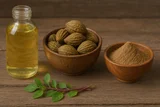
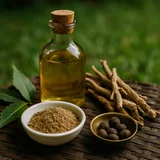
Brahmi Ghrita is essentially clarified butter (ghee) that’s been heated with Brahmi and other supporting herbs. This process takes place over low flame for hours, allowing the ghee to soak up the fat-soluble phytonutrients of Brahmi like bacosides A and B, which are touted for neuroprotective action. The end result is a creamy, golden-yellow ghee infused with herbal goodness that you can eat by the spoonful or add to warm water/milk.
Many folks describe it as having a slightly bitter-sweet taste, lightly aromatic, and super smooth texture. I’ve tried a spoon in warm milk before bedtime, and it did feel kind of decadent although I’ll be honest, I didn’t fall asleep the second I swallowed it, but a calmer mind before lights-out was definitely there.
Why Brahmi Ghrita Is Gaining Popularity Now
Sure, Ayurvedic texts like Charaka Samhita and Sushruta Samhita have recommended Brahmi Ghrita for ages, but it’s the modern hustle culture that’s brought it back in vogue. We’re all searching for natural, holistic ways to boost focus, reduce stress, and protect our brains from digital overload. While no supplement is a silver bullet, combining Brahmi’s calming effects with the nourishing qualities of ghee is a time-honored formula that resonates with today’s wellness seekers.
Plus, with more scientific research on bacosides and their cognitive effects, the traditional claims are starting to get lab confirmation. So even if you’re skeptical, there’s growing evidence that Brahmi Ghrita isn’t just woo-woo. And if grandmothers in India have used it for generations, there’s got to be something to it, right?
Ingredients of Brahmi Ghrita
One of the best parts of Brahmi Ghrita is its simplicity. While recipes vary slightly depending on the lineage of the Ayurvedic practitioner, the core ingredients remain consistent. Knowing exactly what goes into your ghee is key to ensuring quality, efficacy, and safety especially if you’re sourcing commercially or trying a DIY batch at home.
Main Herbal Ingredients
- Brahmi (Bacopa monnieri): The star of the show, responsible for cognitive support, memory enhancement, and neuroprotection. Its active compounds, bacosides, help with nerve regeneration and stress modulation.
- Ghee: Clarified butter used as the carrier medium. Ghee enhances the bioavailability of fat-soluble herbs and provides a nourishing base that’s easy to digest for most people (unless you have a dairy allergy).
- Supporting Herbs (optional):
- Shankhapushpi (Convolvulus pluricaulis) – often added for additional mental clarity and calming effect.
- Ashwagandha (Withania somnifera) – sometimes included to balance stress and improve stamina.
- Tagara (Valeriana wallichii) – for added relaxation, particularly useful if you’re prone to insomnia.
Other Components and Sourcing
Beyond herbs and ghee, classical preparations sometimes incorporate rock salt or black pepper to improve absorption and dosha balance. If you’re buying Brahmi Ghrita online or from a local herbal shop, always check for:
- Organic certification: ensures minimal pesticide residue and clean cultivation methods.
- Purity of ghee: Grass-fed, A2 cow’s milk ghee is generally considered superior in Ayurvedic circles.
- Lab testing: Look for GC-MS or HPTLC reports showing bacoside content, absence of heavy metals, and microbial safety.
DIY tip: If you’re feeling crafty, you can make small batches yourself using home-made ghee and Brahmi powder. But be warned maintaining low, even heat for 2–3 hours and skimming impurities takes patience (and a good stove).
Brahmi Ghrita Benefits
Ready to geek out on benefits? Here’s the lowdown on why so many people are talking about Brahmi Ghrita Benefits from mental performance to emotional resilience. Remember, results can vary per person, so it’s wise to cycle it (use for a few weeks, pause, then resume) rather than chug a jar nonstop.
Cognitive and Memory Support
Hands down, one of the biggest draws of Brahmi Ghrita is its potential to sharpen memory. Studies on Bacopa extract suggest improved recall and learning in healthy adults add ghee as a carrier, and you get enhanced absorption of bacosides. In real-life scenarios:
- Students cramming for exams have noticed calmer nerves and less mental fog (true anecdote from a cousin of mine!).
- Professionals with high-pressure jobs often report better concentration during long hours of spreadsheets or code.
- Older adults in some small pilot studies have shown slowed cognitive decline with regular use over 12 weeks nothing miraculous, but promising.
Mechanism-wise, Brahmi promotes dendritic arborization (branching of neurons), which can mean better synaptic connections fancy science talk for “your brain wires get more efficient.”
Emotional Well-Being and Stress Relief
We live in an age of chronic stress social media, deadlines, constant notifications. Brahmi Ghrita is prized as a Vata-pacifying tonic. It gently calms the nervous system without the drowsiness of some pharmaceuticals. People often cite:
- Reduced anxiety episodes—like fewer racing thoughts at 2 AM.
- Enhanced resilience to daily stress—think of it as a buffer against micro-stressors (traffic jams, bad emails, burnt toast).
- Balanced mood swings—particularly helpful for those with mild PMS irritability or situational blues.
Practically speaking, I’ve heard friends say that even one teaspoon in warm milk before bed makes a big difference in how rested they feel the next morning.
Dosage and How To Use Brahmi Ghrita
Now, how much Brahmi Ghrita should you actually use? There’s no one-size-fits all, but below are some time-tested guidelines from Ayurveda and modern practice. Don’t freak out if you mess up once or twice just aim for consistency over months, not days.
Recommended Dosage Guidelines
- Adults: ½ to 1 teaspoon (2–5 ml) once or twice daily. Beginners should start low—say ½ teaspoon—and observe effects for 7–10 days before upping the dose.
- Elderly: 1 teaspoon per day, preferably in the morning or evening with warm herbal tea or milk.
- Children (above 5 years): ¼ to ½ teaspoon daily, mixed in a bit of honey or warm water. Always check with a pediatrician, especially for kids under 10.
A quick note: if you’re on blood thinners or have gallstones, chat with a healthcare provider before starting ghee is high in saturated fats, and Brahmi can have mild blood-thinning effects.
Administration Methods and Best Practices
There are a few popular ways to consume Brahmi Ghrita:
- On an empty stomach: First thing in the morning with lukewarm water. This is thought to prime your digestive fire (Agni) and deliver the herb directly to systemic circulation.
- With milk: Warm a cup of milk, stir in the ghrita, maybe a pinch of turmeric or cardamom. Great before bedtime if you have a hard time winding down.
- In herbal teas: Blend with Tulsi or Chamomile tea. Stir until dissolved. This method is more flavorful but slightly dilutes the potency.
tip: Avoid metal spoons with ghee use ceramic or wooden utensils to preserve the subtle energetics (as per classic Ayurvedic advice). Also, store your Brahmi Ghrita in a cool, dark place; it can last months if kept away from sunlight and moisture.
Side Effects, Precautions, and References
No natural remedy is 100% free of potential downsides, and Brahmi Ghrita is no exception. Most people tolerate it well, but let’s be crystal clear about what to watch for and where you can find solid references if you want to dig deeper.
Potential Adverse Effects
- Digestive upset: High doses (over 2 teaspoons/day) may lead to loose stools or nausea in sensitive individuals.
- Allergic reactions: Rare, but possible in those with dairy allergies; symptoms include itching, hives, or respiratory discomfort. If this happens, stop immediately.
- Excessive drowsiness: A few users report feeling too relaxed or sleepy if taken mid-day. In that case, shift to evening use only.
Always listen to your body if something feels off, reduce dose or discontinue.
Usage Precautions and Scientific References
Ayurvedic tradition cautions against using Brahmi Ghrita during acute fever, inflammatory conditions, or when Pitta is aggravated (so if you’re feeling burning sensations or rashes, hold off). Pregnant and breastfeeding women should consult their healthcare provider before use.
For those wanting to geek out with evidence, here are a few references worth exploring:
- Charaka Samhita, Sutrasthana, Chapter on Ghrita Kalpana: classical recipe and indications.
- Journal of Ethnopharmacology (2014): Study on Bacopa monnieri’s neuroprotective role.
- Phytotherapy Research (2020): Clinical trial assessing Brahmi’s cognitive effects in elderly volunteers.
- Ayurveda and Modern Science—various meta-analyses on bacoside efficacy (search PubMed for “Bacopa monnieri bacoside” for dozens of papers).
These sources give a solid starting point if you want proper citations or deeper reading—no need to rely solely on anecdote.
Conclusion
So that wraps our deep dive into Brahmi Ghrita Benefits, Dosage, How To Use, Side Effects, Ingredients, Reference—one of Ayurveda’s crown jewels for cognitive support and emotional balance. What started as an ancient remedy has proven its worth in both traditional texts and modern labs. From boosting memory to mellowing stress, Brahmi Ghrita offers a holistic approach to brain health that’s hard to match in the supplement aisle.
Remember: quality matters. Always use high-grade, tested Brahmi Ghrita (or make your own if you’re confident in the process), start with low doses, and monitor how you feel. If you’re juggling exam prep, a hectic career, or just seeking a calmer mind, this golden ghee could become a game-changer just be patient, consistent, and informed.
FAQs
- Q1: What is the best time to take Brahmi Ghrita for optimal results?
A1: Ideally either first thing in the morning on an empty stomach with warm water or right before bed in warm milk. Morning use kick-starts the day with mental clarity, while evening use promotes deeper relaxation and sleep quality.
- Q2: Can children safely use Brahmi Ghrita?
A2: Yes, children above 5 years can have ¼ to ½ teaspoon daily, mixed in honey or milk. But always check with a pediatrician first, especially for kids under 10 or those with known allergies.
- Q3: How long before I notice effects from Brahmi Ghrita?
A3: Some users report subtle calming and clearer thinking within 1–2 weeks, while memory or cognitive improvements may take 4–8 weeks of consistent use. Results vary, so patience is key.
- Q4: Are there any known drug interactions?
A4: Brahmi can mildly thin the blood, so take caution if you’re on anticoagulant medications. Also, combine thoughtfully with other sedatives to avoid excessive drowsiness. Consult your healthcare provider if in doubt.
- Q5: How should Brahmi Ghrita be stored?
A5: Store in a cool, dark place, away from moisture and direct sunlight. A tightly sealed glass jar at room temperature is perfect—no need for refrigeration unless your climate is extremely hot.
- Q6: Can I cook with Brahmi Ghrita?
A6: Technically yes, but heating beyond recommended low temperatures may degrade some of the active compounds. It’s best used as a finishing oil—drizzle over cooked veggies or stir into warm dishes rather than deep-frying.
- Q7: Is Brahmi Ghrita vegan-friendly?
A7: No, it’s based on cow’s ghee, so not suitable for vegans. However, you can find vegan meditated oils infused with Brahmi powder if needed, though they won’t be classic ghrita.
- Q8: Where can I find authentic references on Brahmi Ghrita?
A8: Check classical Ayurveda texts like Charaka Samhita (Sutrasthana on ghrita kalpana) and modern journals—Journal of Ethnopharmacology, Phytotherapy Research, PubMed—search “Bacopa monnieri bacoside ghee”. Many full-text articles are available online or via academic libraries.
Ask Ayurvedic doctor a question and get a consultation online on the problem of your concern in a free or paid mode.
More than 2,000 experienced doctors work and wait for your questions on our site and help users to solve their health problems every day.
Related articles