Ask Ayurvedic doctor a question and get a consultation online on the problem of your concern in a free or paid mode. More than 2,000 experienced doctors work and wait for your questions on our site and help users to solve their health problems every day.


Body DetoxEar, Nose, and Throat DisordersGeriatrics & RejuvenationImmunodeficiencyInfertility TreatmentNutritionOrthopedic DisordersPediatricsRespiratory DisordersSexually Transmitted Diseases (STDs)Surgery RecoveryUrological DisordersVascular DisordersDental DisordersEndocrinological DisordersGastrointestinal DisordersYoga TherapyGeneral MedicineAllergic DisordersCardio DisordersGynecology and ObstetricsCosmetologySkin and Hair DisordersEye DisordersInfectious DiseasesMental DisordersNeurological DisordersOncologyPanchakarmaSexual Health & DisordersSports Medicine
Published on 01/13/26
(Updated on 08/13/26)
3,227
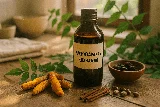
Kunthalakanthi Thailam Benefits, Ingredients, Side Effects

Introduction
If you’re into natural hair care, you might have stumbled upon Kunthalakanthi Thailam Benefits, Ingredients, Side Effects when googling “Ayurvedic hair oil” or “traditional hair elixir.” Kunthalakanthi Thailam is an age-old hair treatment oil from Kerala, India, used for centuries to maintain healthy locks and a soothed scalp. It’s a potent blend of herbs, oils, and roots that goes beyond the usual “makes hair shiny” claims. And yes, im just a regular person writing this, a bit excited about sharing real-life tips.
Here’s why it’s worth your time: this Ayurvedic scalp oil isn’t just another “hairdresser’s” favorite. It’s been passed down from mother to daughter, aunt to niece, even some grandpas use it to calm their mind before meditation (true story). You might wonder: what makes Kunthalakanthi Thailam stand out among all the other Ayurvedic oils? Well, stay tuned. We’ll dive into:
- The secret combo of ingredients powering this oil
- How to properly apply it for maximum effect (a quick guide, honest tips included!)
- Key benefits — hair fall reduction, dandruff relief, and more
- Potential side effects and who should skip it
By the end, you’ll know enough to decide if this traditional remedy deserves a spot on your shelf. Let’s get rolling.
Understanding Kunthalakanthi Thailam
Kunthalakanthi Thailam is named after the herb Kunthalakam (Cuscuta reflexa) and Kanthi (a Sanskrit term meaning glow). It’s an Ayurvedic preparation combining these with sesame oil, coconut oil, and other potent botanicals. In Ayurvedic texts, it’s often lauded for its ability to strengthen hair follicles, cool down inflamed scalps, and even calm the mind double score if you’re stressed. But what exactly goes into this stuff? Let’s break it down.
Primary Ingredients
- Kunthalakam (Cuscuta reflexa): parasitic vine that’s rich in alkaloids; promotes hair growth.
- Sesame Oil: carrier oil with warming properties, penetrates deep into the scalp.
- Coconut Oil: famous moisturizing agent, rich in lauric acid; fights dandruff.
- Bhringraj (Eclipta alba): known as “false daisy,” supports hair regeneration.
- Hibiscus Flowers: high in vitamin C; helps maintain hair color and shine.
- Neem Leaves: powerful anti-microbial, keeps scalp free from infections.
- Other Herbs: Amla, Shatavari, Yashtimadhu, all included in small quantities to enhance efficacy.
Often, herbal practitioners add a pinch of turmeric or Methi seeds extract for extra punch against bacterial and fungal issues on the scalp. Each ingredient is simmered (decoction style) for hours in sesame oil, then filtered.
Traditional Preparation Method
In the old days, they’d use a clay pot on a slow, wood-fired stove, stirring for what felt like ages. Today, many Ayurvedic pharmacies follow GMP (Good Manufacturing Practices) but the essence remains: low heat, patience, and precise herb-to-oil ratios. If you ever see “Kunthalakanthi hair oil” in local markets, just check the label for ingredients rather than fancy packaging it’s the content that counts!
Side note: some home recipes skip coconut oil, while others add extra Amla. Not a big deal, but your blend may vary in consistency and smell. Imperfections?
Key Benefits of Kunthalakanthi Thailam
Okay, here comes the fun part: what does this oil actually do? Spoiler alert: it’s not magic, but it sure works wonders for a lot of folks. Let’s list out the top Kunthalakanthi Thailam benefits, accompanied by some real-life examples and a casual chat about usage.
1. Reduces Hair Fall and Strengthens Follicles
One of the most buzzed-about advantages. Users often report 30-40% less hair shedding within a month of regular use. My cousin, who struggled with stress-induced hair fall during college exams, tried this. She massaged her scalp gently with the oil, left it overnight, and noticed baby hairs popping up in a couple of weeks.
2. Fights Dandruff and Scalp Itchiness
Neem, turmeric, and coconut oil team up here. The anti-fungal properties are key if flakes are your enemy, a weekly oiling session can make a big difference. A software engineer buddy of mine, always sweating under that hoodie, saw his flaky scalp calm down after 3 weeks. He even bragged to colleagues
3. Promotes Hair Growth and Thickness
Thanks to Bhringraj and Kunthalakam extracts, regular application can lead to noticeable new growth, especially along the hairline and temples. Think of it as fertilizer for your scalp feed the roots, reap the bounty. People with thinning hair or post-pregnancy fallout often find this a lifesaver.
4. Enhances Natural Shine and Texture
Dry, frizzy hair? No problem. The combined oils seal moisture, smoothen the cuticle, and give hair that “just had a spa day” glow. It’s like adding a protective layer, making your locks less prone to split ends, breakage, and general dullness. My aunt, who’s super picky about shine, is obsessed with this oil now.
5. Soothes Scalp Inflammation and Stress
Ayurveda sees scalp health tied to mental well-being. Massaging Kunthalakanthi Thailam is like a mini head spa: the cool sensation paired with calming herbs helps reduce tension headaches and stress. If you work long hours at a desk, this can be a game-changer my friend swears by it after he got chronic migraines.
- Hair nourishment
- Scalp detox
- Natural remedy for greying (slow down, not reverse)
How to Use Kunthalakanthi Thailam
Alright, you’ve got the facts, now let’s talk application. Doing it right maximizes the Kunthalakanthi Thailam benefits and minimizes any waste. Here’s the lowdown:
Step-by-Step Guide
- Warm it up slightly: Put the bottle in a bowl of hot water for a few minutes (or microwave for 5-10 secs). Don’t overheat.
- Section your hair: Divide into 4-6 parts so oil reaches every spot.
- Massage gently: Use fingertips, apply in circular motions for 5-7 minutes. Stimulates blood flow,.
- Leave it on: At least 1 hour, ideally overnight. Use an old towel on your pillow.
- Wash out: Use a mild, sulfate-free shampoo. You might need two rounds if hair is very oil-prone.
- Condition lightly: Only if you feel it’s needed, else the oil might suffice.
Frequency & Timing
For best results, oil 2-3 times a week. If you have an oily scalp, try once weekly. Many do Sunday night rituals oiling, watching a movie, then hitting the hay. When morning comes, rinse away stress (and oil!).
DIY Tips & Variations
- Add a drop of peppermint or rosemary essential oil for extra tingle and circulation.
- Mix with yogurt or honey for a combo hair mask (great for deep conditioning).
- Use it as a pre-shampoo treatment or a post-shower serum to tame flyaways.
Note: always patch-test before full application, especially if you have sensitive skin or allergies.
Possible Side Effects and Precautions
No product is free from risks, even if it’s “natural.” Kunthalakanthi Thailam side effects are rare but worth noting. Let’s cover who should be cautious and why.
Allergic Reactions
Some folks may react to herbs like Bhringraj or neem. Symptoms: itching, redness, mild rash. If this happens, wash it off immediately with cool water and a gentle soap. Always do a patch test on your forearm 24 hours before head application. Trust me, a little patch test goes a long way.
Excessive Oiliness
If you have an extremely oily scalp, frequent use can lead to clogged pores, pimples along the hairline, or seborrheic dermatitis flare-ups. Solution? Cut back to once per week or dilute oil with lighter carrier oils like grapeseed or almond oil.
Not for Everyone
- Pregnant or nursing moms: check with your doctor, as potent herbs may have contraindications.
- Babies/Young children: too strong, stick to milder oils.
- People on blood-thinning medication: some herbs can interact; get medical advice first.
Important: if you notice headaches, dizziness, or persistent itch, discontinue use. Consult an Ayurvedic practitioner or dermatologist if unsure. Small slip-ups in purity (like low-grade oil) can also cause scalp irritation, so choose a trusted brand.
Don't wait or self medicate. Start chat with Doctor NOW
Conclusion
So there you have it: a comprehensive dive into Kunthalakanthi Thailam Benefits, Ingredients, Side Effects. This traditional Ayurvedic oil is much more than a trendy hair remedy. From boosting growth and reducing hair fall to soothing an irritated scalp and giving you that coveted shine, its multi-faceted action makes it a standout remedy passed down for generations. Sure, it has its quirks like the occasional allergic reaction or the need for a patch test but overall, many find it to be a transformative addition to their self-care routine.
Remember, natural doesn’t always mean gentle for everyone. Listen to your body, adjust frequency, and don’t forget to warm and massage properly. If you stick to these tips, Kunthalakanthi Thailam can become your go-to solution for healthier, stronger, lusciously glowing hair.
FAQs
- Q: How soon will I see results with Kunthalakanthi Thailam?
A: Most people notice reduced hair fall and improved scalp condition within 3–4 weeks of regular use (2–3 times per week). - Q: Can I leave it in overnight?
A: Yes, leaving it overnight can enhance absorption. Use an old pillow cover to avoid stains. - Q: Is it suitable for colored or chemically-treated hair?
A: Generally yes, but test a small section first. The natural oils may interact with certain chemicals, leading to slight color shifts. - Q: Where can I buy authentic Kunthalakanthi Thailam?
A: Look for reputable Ayurvedic brands, check for ingredient lists, and read user reviews. Avoid highly discounted imports without certification. - Q: Can men use it for beard growth?
A: Absolutely. The same hair follicle–strengthening properties apply to facial hair too. - Q: Any DIY shortcuts to make it at home?
A: You can buy raw herbs online, but proper decoction and oil infusion require time and care—often easier to get a ready-made, quality product.
Questions from users
Can I use Kunthalakanthi Thailam on colored hair?
Client_830cce
24 days ago
Yes, you can use Kunthalakanthi Thailam on colored hair. This herbal oil blend is generally safe for dyed hair, as it does not contain any harsh chemicals that might strip color. Ingredients like herbs, roots, and oils are known for nourishing and strengthening hair without affecting the dye. However, since formulations may vary, initially perform a patch test to ensure compatibility and avoid potential irritation. If any adverse reactions such as itching or redness occur, or if you're concerned about product interactions, consult a dermatologist before continued use.
How do I store Kunthalakanthi Thailam for maximum shelf life?
Client_d67259
34 days ago
To store Kunthalakanthi Thailam and maximize its shelf life, keep it in a cool, dark place away from direct sunlight and heat, preferably in a tightly sealed glass container. Exposure to light and air can degrade the natural oils and active ingredients like neem and turmeric. Room temperature is typically adequate, but if the environment is particularly warm or humid, refrigeration may be beneficial. Be mindful of any changes in color or scent, which could indicate spoilage. For any adverse skin reactions, consult a healthcare professional.
How long does it take to see results from Kunthalakanthi Thailam?
Client_fc288a
44 days ago
It typically takes about 3 to 6 weeks to start seeing visible results from using Kunthalakanthi Thailam for issues like hair thinning or an irritated scalp. However, the exact timeline may vary depending on individual hair and scalp conditions, as well as the consistency and quality of the product used. Users have reported benefits such as reduced hair fall and improved scalp condition within this period. It's recommended to apply it at least twice a week for best results. If you do not notice any improvement after 6 weeks, or if new symptoms such as severe itching or redness occur, it is advisable to consult a dermatologist.
What are the side effects of Kunthalakanthi Thailam?
Client_693447
53 days ago
Kunthalakanthi Thailam may cause side effects such as headaches, dizziness, itching, redness, or mild rashes, especially for individuals with sensitive skin or allergies. If you experience these symptoms, it's best to discontinue use. Pregnant or nursing mothers should consult a doctor before using the oil due to its potent herbal ingredients. It is also advised to avoid this oil for babies and young children, as well as for individuals on blood-thinning medication, to prevent potential interactions. Always perform a patch test before full application. If adverse effects persist, consult a healthcare provider.
Can I mix essential oils with Kunthalakanthi Thailam for better results?
Client_10e25e
63 days ago
Yes, you can mix Kunthalakanthi Thailam with essential oils like peppermint or rosemary for an extra boost! Just be sure to do a patch test first, especially if you have sensitive skin. Start with a small amount to see how your hair and scalp respond. It's all about finding that balance according to your needs.
What is Kunthalakanthi Thailam made of and how does it work?
Client_138206
72 days ago
Kunthalakanthi Thailam is a blend of sesame oil, coconut oil, and potent herbs. It nourishes the scalp, cools inflammation, and reduces stress which supports hair health and growth. Its grounding effect aids mental balance too. If your hair is colored, just test it on a small area first to be sure its suit.
Can Kunthalakanthi Thailam help with dandruff?
Client_6e4586
82 days ago
Yeah, Kunthalakanthi Thailam can help with dandruff. It's got ingredients like herbs that balance the doshas and improve scalp health, which might reduce itching and flakes. But remember, everyone's different, so give it a try and see how it works for ya. If it doesn’t, you might wanna explore other options or check your diet and lifestyle for more clues.
How often should I use Kunthalakanthi Thailam for best results?
Client_46552a
90 days ago
For the best results, try to use Kunthalakanthi Thailam about 2–3 times a week. It's like a nice treat for your hair and scalp! You can leave it in overnight, maybe put a towel on your pillow, so it doesn't get messy. Just remember to wash it out with a gentle, sulfate-free shampoo in the morning.
How to do a patch test for Kunthalakanthi Thailam before using it?
Client_10c896
100 days ago
To do a patch test for Kunthalakanthi Thailam, just take a small amount and apply it on a small patch of skin, like your forearm. Make sure it's clean. Leave it on for 24 hours and just check for any redness, itching, or irritation. If there's no reaction, you should be good to go! If you notice any discomfort, maybe try something else or talk to a doc.
What causes itching or redness after using Kunthalakanthi Thailam?
Client_108eeb
109 days ago
Itching or redness after using Kunthalakanthi Thailam might be from an allergic reaction to any of its ingredients, like Bhringraj or Kunthalakam. Our bodies are different—what works for one person might not suit another. Doing a patch test on your arm first is a good way to check for any issues. If symptoms persist, you might want to stop using it or consult with an Ayurvedic doc for more personalized advice.
Related articles

Skin and Hair Disorders
Nibhanjan Cream: Unlocking the Secrets to Healthy Skin
Nibhanjan Cream
4,242

Skin and Hair Disorders
How to Remove Facial Hair Naturally: An Ayurvedic Take You Probably Haven’t Tried
Let’s be real — facial hair isn’t something people talk about openly at brunch. But whether it's that faint fuzz above your lip, coarse chin hair, or a stubborn shadow around your jawline, almost everyone (yes, everyone) has dealt with it at some point. A
6,500

Skin and Hair Disorders
How to Apply Ghee on Hair for Healthy Growth and Shine
Discover how to apply ghee on hair for nourishment, shine, and growth. Learn the benefits, methods, and Ayurvedic tips for healthy, strong hair naturally
8,930

Skin and Hair Disorders
Tuvaraka Taila – Ayurvedic Oil for Skin & Joint Health
Explore the benefits and uses of Tuvaraka Taila, an Ayurvedic herbal oil for skin health, joint pain relief, and holistic healing using ancient wisdom.
2,835
Skin and Hair Disorders
Kachayapanam Kuzhambu: An Ayurvedic Marvel for Holistic Healing
Kachayapanam Kuzhambu is a unique Ayurvedic herbal oil known for its potent healing properties. It is widely used in the treatment of skin disorders, joint pain, and various inflammatory conditions.
2,797

Skin and Hair Disorders
Which Nuts Are Good for Hair: Growth, Thickness, and Ayurvedic View
Exploration of Boost Your Hair Growth with These Essential Nuts
6,556

Skin and Hair Disorders
Ayurvedic Treatment for Herpes: Natural Healing Approaches
Explore effective Ayurvedic treatments for herpes, focusing on natural remedies to alleviate symptoms, promote healing, and reduce recurrence.
5,483

Skin and Hair Disorders
How to Use Navara Rice for Skin Whitening and Glow
How to use navara rice for skin whitening? Discover navara rice benefits, how to apply navara rice powder for skin, and its natural glow-enhancing properties
8,858

Skin and Hair Disorders
How to Get Black Hair Naturally: Ayurvedic Methods for Permanent Results
How to get black hair naturally? Discover Ayurvedic ways to turn white or grey hair black permanently at home without dye using oils, herbs, and natural care
11,112

Skin and Hair Disorders
Chicken Pox Treatment in Ayurveda: Natural Remedies for Relief
Discover effective chicken pox treatment in Ayurveda with herbal remedies, dietary tips, and lifestyle practices that soothe symptoms, boost immunity, and restore balance.
7,851
Related consultations on the topic
Legal
Additional Documents
© 2024 Ask Ayurveda. All rights reserved.