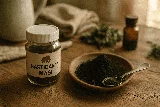
Nirgundyadi Kashaya

Introduction
Nirgundyadi Kashaya is a powerful Ayurvedic herbal decoction that’s been used for centuries in traditional Indian medicine. In this introduction, we’re going to uncover its secrets, uses, and why it matters to you. Nirgundyadi Kashaya, did I mention Nirgundyadi Kashaya? Yes, it’s the star of our show right from the start.
Now, you might be wondering what “Kashaya” actually means. In simple terms, Kashaya is a decoction think of it as an herbal tea, but way more intense. It’s made by simmering specific plants in water until the essence is extracted. This particular brew is known for targeting Vata dosha imbalances, relieving joint pain, and boosting overall wellness. Youll often hear words like “anti-inflammatory”, “analgesic”, and “dosha balancing” tossed around top-ranking Ayurvedic pages. We’ll cover all that and more.
In this section, we’ll set the stage:
- What is Nirgundyadi Kashaya?
- Why it’s relevant in modern herbal remedy circles
- Core benefits and what science says (a bit, not too much though!)
What’s in a Name?
The term “Nirgundyadi” refers to a group of herbs led by Vitex negundo (Nirgundi), while “Kashaya” simply means “decoction”. Together, it’s Nirgundyadi Kashaya a herbal mix that’s been chanted in Ayurvedic circles for ages.
Why You Should Care
Between busy workdays, chronic aches, and the constant hunt for natural remedies, this decoction might be exactly what you need. Whether you’re into herbal medicine, an Ayurveda newbie or just curious, Nirgundyadi Kashaya could become your go-to solution for inflammation, muscle stiffness, or even respiratory issues. It’s like having a little wellness potion in your cabinet. Cool, right?
Composition and Ingredients
Every Ayurvedic formulation is all about the synergy of its parts. You don’t just throw herbs together and pray for the best. There’s a reason for each ingredient in Nirgundyadi Kashaya, how they interact to balance doshas, and treat specific conditions. Let’s break down the primary ingredients in this kick-ass formula.
1. Nirgundi (Vitex negundo)
Dosha: Vata & Kapha pacifier
Key actions: Anti-inflammatory, analgesic, antispasmodic This is the hero of the show. Nirgundi brings muscle relaxation, eases joint pain, and calms coughs. Imagine it as the cool breeze on a hot day for your inflamed tissues. It’s used for arthritis, asthma, menstrual cramps you name it.
2. Ashwagandha (Withania somnifera)
Dosha: Vata & Kapha balancing
Key actions: Adaptogenic, rejuvenating, stress-reliever Ashwagandha is called Indian ginseng sometimes, though it’s not related. It fortifies your body’s resilience to stress, supports adrenal health, and can also reduce inflammation. In the decoction, it helps mellow out any sharp edge, making it gentler for daily use.
3. Bala (Sida cordifolia)
Dosha: Vata pacifier
Key actions: Analgesic, nerve tonic, anti-spasmodic Bala literally means “strength” in Sanskrit. This herb nourishes muscles, strengthens bones, calms nerve pain. If you’ve got sciatica, neuropathy or just muscle tension Bala lends you its might.
4. Vidari (Ipomoea digitata)
Dosha: Vata & Kapha balancing
Key actions: Aphrodisiac, rejuvenative, demulcent Vidari is often used in rasayanas (rejuvenation blends). It enhances stamina, supports respiratory function, and soothes mucous membranes. In our decoction, it’s like the oil that keeps the gears turning smoothly.
5. Additional Supporting Herbs
- Shunthi (Ginger) – Stimulates digestion, warms the body, enhances bioavailability of other herbs.
- Pippali (Long pepper) – Known to elevate bioavailability (called “yogavahi” in Sanskrit), aids respiratory health.
- Guduchi (Tinospora cordifolia) – Immunomodulator, detoxifier.
Each of these additions plays a specific role from enhancing absorption to targeting specific symptoms, so the final brew is balanced and potent.
Preparation Method
Alright, if you’re excited to make this at home, here’s where the rubber meets the road. Making Nirgundyadi Kashaya is simple but requires some attention. Remember, standardized dosages are important in Ayurveda, so follow quantities closely.
Ingredients List (for approx. 1 liter decoction)
- 20 grams dried Nirgundi (Vitex negundo) leaves or roots
- 10 grams Ashwagandha root powder
- 10 grams Bala root powder
- 10 grams Vidari root powder
- 5 grams Shunthi (dry ginger) slices
- 3 grams Pippali (long pepper) crushed
- 5 grams Guduchi stems (optional)
Step-by-Step Guide
- Grind or crush all the herbs into coarse powder — not too fine, you still want those chunky bits for better extraction.
- In a heavy-bottomed pot, add 1 liter of filtered water.
- Add all the herb powders and bring to a boil on medium heat.
- Reduce the flame, cover loosely, and simmer for 30–40 minutes until the volume reduces to roughly one-fourth (about 250 ml).
- Strain using a fine muslin cloth or sieve. Press gently to extract every last drop.
- Let it cool slightly. Optionally, add a teaspoon of honey or jaggery for taste (only after it’s warm, not hot!).
- Consume 15–30 ml warm, twice daily, or as directed by your Ayurvedic practitioner.
Note: Dosages vary by age, weight, and health condition. Always consult a qualified Ayurvedic doctor before long-term use, especially if pregnant or on medications.
Therapeutic Benefits
Nirgundyadi Kashaya isn’t just folklore; it’s been documented in classical Ayurvedic texts like the Charaka Samhita and Sushruta Samhita. And modern research is increasingly validating its benefits. This decoction offers a broad spectrum of therapeutic actions:
1. Anti-Inflammatory and Analgesic Effects
One of the primary uses is reducing pain and swelling in joints and muscles. Folks dealing with osteoarthritis, rheumatoid arthritis, or post-injury inflammation often find relief. The combination of Nirgundi + Bala hits inflammation on multiple pathways, easing the ache (pun intended).
2. Respiratory Support
If you’ve got bronchitis, asthma, or recurring coughs, the duo of Pippali and Vidari helps open airways, reduce mucus, and calm spasms in bronchial tubes. Think of it as a natural expectorant and bronchodilator rolled into one.
3. Nervine Tonic
In Ayurveda, Vata imbalances can lead to nerve pain, insomnia, anxiety. The adaptogenic Ashwagandha + calming Bala help modulate the nervous system, promoting better sleep and reduced stress. Many patients report improved mood stability when taking this decoction regularly.
4. Detoxification and Immune Boost
Guduchi, often called “Amrita” (the nectar of immortality), supports liver function, enhances immunity. Regular, short-term courses of Nirgundyadi Kashaya can help your body clear toxins, fight off minor infections, and maintain overall vitality.
Dosha Balancing and Ayurveda Perspective
To truly get the most out of Nirgundyadi Kashaya, it helps to understand doshas Vata, Pitta, Kapha the three bio-energies in Ayurveda. This herbal decoction primarily pacifies Vata and Kapha, while having a mild effect on Pitta. Let’s see what that really means:
Vata Pacification
- Qualities of Vata: Cold, dry, mobile, light.
- Symptoms of Vata excess: Joint pain, dry skin, anxiety, insomnia.
- How Nirgundyadi helps: Warmth from Shunthi, grounding from Bala, muscle relaxation from Nirgundi.
Kapha Pacification
- Qualities of Kapha: Heavy, static, cool, oily.
- Symptoms of excess: Congestion, sluggish digestion, weight gain.
- Herbal action: Pippali acts as a heat generator (ushna), balancing the cold nature of Kapha; Vidari uplifts energy and clears mucous.
Pitta Considerations
Though the decoction is not primarily for Pitta disorders (like excessive heat, acidity), it’s generally Pitta-neutral or mildly pacifying. But if you have high Pitta (skin rashes, heartburn), watch the Shunthi amount and prefer honey over jaggery. A tweak here or there can make it more Pitta-friendly.
Precautions and Side Effects
No remedy is 100% risk-free. While Nirgundyadi Kashaya is well-tolerated, some precautions:
- Allergies: If you’re allergic to any ingredient, avoid or substitute under guidance.
- Pregnancy/Lactation: Consult a practitioner; some herbs may not be recommended.
- Autoimmune Conditions: Ashwagandha can be stimulating to the immune system use cautiously.
- Medication Interactions: Anticoagulants, sedatives talk to your doc.
Conclusion
We’ve covered a lot history, ingredients, prep, benefits, dosha science, and safety. Nirgundyadi Kashaya is more than just a fancy herbal tea; it’s a carefully crafted remedy that addresses inflammation, pain, respiratory issues, and stress, all in one warm cup. Though ancient, its multi-dimensional benefits align with modern wellness needs from chronic pain relief to mood stabilization.
Whether you’re an Ayurvedic enthusiast or just someone looking for a holistic edge, this decoction deserves a spot in your routine. Just remember: quality ingredients, proper dosage, and professional guidance are key for maximum benefit and safety.
FAQs
- Q1: How often should I take Nirgundyadi Kashaya?
A: Generally, 15–30 ml twice daily before meals. But dosha type, age, and health condition can alter dosage. Best to consult an Ayurvedic practitioner. - Q2: Can children have it?
A: For kids above 5 years, half the adult dose can be safe, but always check with a pediatric Ayurvedic doctor. - Q3: How long before results?
A: Some feel relief in a week; for chronic conditions, a 1–3 month course is common. Patience is key. - Q4: Can I store leftovers?
A: Refrigerate in a sealed container for up to 2 days. Warm gently before drinking; do not add honey when it’s hot. - Q5: Any interactions with medications?
A: Potentially yes — especially anticoagulants and sedatives. Always discuss with your primary care physician.
Ask Ayurvedic doctor a question and get a consultation online on the problem of your concern in a free or paid mode.
More than 2,000 experienced doctors work and wait for your questions on our site and help users to solve their health problems every day.
Related articles