Natural Ways to Treat Anxiety That Actually Work

Anxiety needs treating on two clocks at once, and mixing them up is why so many natural approaches seem to fail. A breathing technique settles a spike in ninety seconds and will not lower your baseline. A herb lowers your baseline over six weeks and does nothing for a spike. You need both, and you need to know which one you are reaching for.
Ayurveda reads anxiety as aggravated vata — the principle of air and movement that governs the nervous system. When vata rises it becomes cold, dry, light and erratic, and the symptom list follows from those qualities: racing thoughts, restlessness, trembling, palpitations, insomnia, dry mouth, cold hands, constipation. Everything below either calms vata in the moment or gives it the weight, warmth and regularity it lacks.
One thing first, because it matters more than any technique here. Severe anxiety, panic attacks, anxiety that stops you functioning, or any thought of harming yourself needs professional medical care. Natural approaches work alongside therapy and medication; they complement treatment and never replace it. If you are in crisis in the US, contact the 988 Suicide and Crisis Lifeline or emergency services.
What Calms Anxiety Right Away
These work within minutes because they act on the physiology of the stress response rather than on your thoughts.
The 3-3-3 Rule
Name three things you can see. Name three sounds you can hear. Move three parts of your body.
It works by forcing attention outward through the senses, interrupting the internal loop anxiety runs on. It costs nothing and is genuinely useful in a supermarket queue or a meeting. It does not treat anxiety; it stops an escalation.
Lengthen the Exhale
The most reliable physiological lever you have. In through the nose for four counts, out for six or eight, for two minutes.
A long exhale stimulates the vagus nerve and shifts you toward parasympathetic activity — heart rate slows, blood pressure falls, the alarm quietens. The ratio matters more than the depth. Fast, deep breathing makes anxiety worse, which is why hyperventilating people feel more frightened, not less.
Nadi shodhana — alternate nostril breathing — is the classical version. Close the right nostril, inhale left; close the left, exhale right; reverse. Five minutes twice daily is a practice rather than a rescue, and it changes how reactive you are within a couple of weeks.
Bhramari, the humming breath, suits a racing mind at night. Exhale with a low continuous hum, ears lightly covered. The vibration is remarkably effective at stopping rumination.
Cold Water, Then Warmth and Weight
Splash cold water on your face, or hold something cold against your cheeks and the bridge of your nose for thirty seconds. This triggers the dive reflex and drops heart rate quickly — one of the few interventions fast enough to be useful during a panic surge.
Once the surge passes, reverse it. Vata is cold and light, so anything warm and heavy opposes it directly: a hot drink held in both hands, a weighted blanket, warm oil on the feet, a hot shower. Not metaphor — the tradition prescribes exactly these qualities, and the physiology cooperates.
Can a Vitamin Fix Anxiety?
Sometimes, and it is worth ruling in or out before anything else, because a nutritional cause is the easiest kind to fix.
| Deficiency or driver | How it presents | What to do |
|---|---|---|
| Magnesium | Muscle tension, restless legs, poor sleep, palpitations | Common shortfall; glycinate is best tolerated |
| Vitamin D | Low mood, fatigue, worse through winter | Test rather than guess; take with a fatty meal |
| Vitamin B12 | Anxiety with fatigue, tingling, poor concentration | Check if vegetarian, over 60, or on metformin |
| Iron (ferritin) | Anxiety with breathlessness, palpitations, hair loss | Very common in menstruating women |
| Blood sugar swings | Panic-like surges two to three hours after eating | Protein at every meal; stop skipping breakfast |
| Caffeine | Morning jitters, afternoon dread | Reduce gradually; four days to notice |
| Alcohol | 3 a.m. waking with anxiety | The rebound as alcohol clears is a major hidden cause |
The last three are not deficiencies, and they cause more anxiety in the US than all the deficiencies combined. Anyone on four coffees a day and two glasses of wine most evenings has a chemical explanation before any diagnosis is needed.
Herbs That Change the Baseline
These work over weeks, not minutes. Choosing between them depends on what your anxiety looks like, which is where most self-prescribing goes wrong.
| Herb | Suits | Quality | Note |
|---|---|---|---|
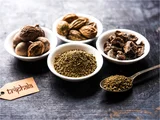
| Brahmi (Bacopa monnieri) | Overthinking, racing mind, heat and irritability | Cooling | The best choice for pitta-type anxiety |
| Jatamansi (Nardostachys jatamansi) | Agitation, insomnia, panic-type restlessness | Cooling, sedating | Traditionally the strongest calming herb |
| Ashwagandha (Withania somnifera) | Anxiety with exhaustion and physical tension | Warming, grounding | Interacts with sedatives and thyroid medication |
| Tulsi (holy basil) | Everyday stress, mental fog, low mood | Warming, uplifting | Easiest to take daily, as tea |
| Shankhpushpi | Mental fatigue, exam and study anxiety | Cooling, gentle | Suits teenagers well |
| Shatavari | Anxiety tied to hormonal shifts | Cooling, nourishing | Perimenopause, postpartum, cycle-linked anxiety |
Two things worth understanding about this table.
Warming is not always better. If your anxiety runs hot — irritability, anger, burning stomach, waking flushed — a warming herb like ashwagandha can intensify it. This is the commonest reason the internet's favourite calming herb makes some people feel agitated.
Ashwagandha has real interactions. It adds to the effect of benzodiazepines and other sedatives, and it raises thyroid hormone levels, which matters enormously if you take levothyroxine. It is also not recommended in pregnancy. That does not make it a bad herb; it makes it one to be prescribed rather than picked off a shelf.
Outside the Ayurvedic pharmacy, chamomile has reasonable trial evidence for generalised anxiety and is very safe, and lavender has decent supporting data. Both are easy to obtain.
The Daily Routine That Does the Heavy Lifting
If you do nothing else from this article, do this. Vata is disturbed above all by irregularity, so regularity itself is the treatment.
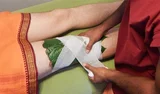
Abhyanga. Warm sesame oil massaged into the whole body before a shower, ten to twenty minutes, daily or at least three times a week. This is the most effective anti-anxiety practice in Ayurveda, chronically underrated because it sounds too pleasant to be therapeutic. Warmth, weight, oil and rhythmic touch oppose every quality of aggravated vata at once. Most people notice the effect on sleep within a week.
Fixed meal times. Three meals, same hours, largest at midday. Erratic eating destabilises both blood sugar and vata.
Fixed sleep times. Asleep before 10 p.m. where possible. After ten the pitta period brings a second wind, which is why people who stay up past their tiredness end up wide awake and anxious at midnight.
Screens off an hour before bed. Unremarkable advice, consistently effective, almost universally ignored.
Morning light and a short walk. Daylight in the first hour anchors the circadian rhythm that sleep and mood both depend on.
Warm, cooked, moist food. Soups, stews, khichdi, ghee, root vegetables, stewed fruit. Cold salads, dry crackers and iced drinks aggravate vata — light, cold and dry are precisely the qualities you are countering.
Movement That Helps, and Movement That Does Not
Exercise is one of the best-evidenced anxiety treatments there is, but type matters more for anxious people than for anyone else. Helps: walking, swimming, yoga, cycling at conversational pace, resistance training — anything rhythmic and repetitive, with grounding postures such as forward folds, child's pose and legs up the wall. Often backfires: high-intensity interval work and competitive training under time pressure, which raise cortisol and adrenaline in someone whose problem is already excess arousal. Plenty of anxious people are training hard and wondering why they feel worse.
Anxiety in Teenagers
Worth its own section, because the pattern differs and the parental instinct is to reach for supplements first.
The dominant drivers here are sleep debt, screens and social media at night, caffeine from energy drinks, skipped breakfasts and academic pressure. Correcting those changes more than any herb will.
Where herbs are appropriate, the gentle cooling ones fit best — brahmi, shankhpushpi, tulsi tea. Ashwagandha is generally not the first choice for adolescents, and any herb for a young person should be practitioner-guided.
Persistent anxiety in a teenager, school refusal, self-harm or any expression of hopelessness needs professional assessment quickly. Please do not wait to see whether a supplement helps.
When Natural Approaches Are Not Enough
Seek professional help if you have:
- Panic attacks — chest pain, racing heart, feeling you cannot breathe or that you are dying
- Thoughts of suicide or self-harm — an emergency, not something to manage at home
- Anxiety that prevents you working, sleeping or leaving the house
- Anxiety with weight loss, tremor, palpitations or heat intolerance — an overactive thyroid imitates anxiety disorder almost perfectly
- Anxiety that started after a new medication
- Anxiety you are managing with alcohol or other substances
- Symptoms lasting more than six months without improvement
Cognitive behavioural therapy has strong evidence and is not in competition with anything here. Neither is medication. The best outcomes we see come from people doing both — clinical treatment and daily routine — rather than choosing a side.
Frequently Asked Questions
What is the 3-3-3 rule for anxiety?
Name three things you see, three you hear, then move three parts of your body. A grounding technique for the moment of escalation.
What calms anxiety right away?
A long exhale — in for four, out for eight — for two minutes. Cold water on the face for a sharper surge.
What is the strongest natural remedy for anxiety?
Jatamansi is the most sedating of the classical herbs; ashwagandha has the strongest modern evidence. Neither is as strong as a consistent daily routine, which is the finding that surprises people most.
Can I take these herbs with my anxiety medication?
Often yes, but it must be supervised, particularly with sedatives. Never stop or reduce prescribed medication to make room for a herb.
How long before herbs work for anxiety?
Sleep often improves in the first week. The baseline anxiety effect builds over four to eight weeks.
Does magnesium really help anxiety?
For tension, restlessness and sleep onset, frequently yes, and it is safe for most people. Glycinate is better tolerated than oxide.
Can natural remedies stop panic attacks?
They can reduce how often panic occurs. Panic disorder itself responds best to therapy, and that is where to start.
The Bottom Line
Treat anxiety on both clocks. For the spike: long exhale, cold water, the 3-3-3 rule. For the baseline: fixed meals, fixed sleep, daily abhyanga with warm oil, warm cooked food, less caffeine and alcohol, and the herb matching your pattern rather than the one with the biggest marketing budget.
Check the boring things too — magnesium, vitamin D, B12, ferritin and thyroid. A meaningful minority of anxiety has a correctable physical cause underneath it.
And if your anxiety is severe, if you have panic attacks, or if you have had any thought of harming yourself, please get professional care now. Herbs and routine work best on top of proper treatment, not instead of it.
For the part that has to be individual — whether your anxiety runs hot or cold, which herb suits your constitution, and what is safe alongside anything you are prescribed — book a consultation with an Ask Ayurveda practitioner.
Scientific Sources
- Non-pharmacologic Approaches in Preoperative Anxiety, a Comprehensive Review — Wang R et al., 2022, Frontiers in public health
- Depression and Anxiety Disorders: Benefits of Exercise, Yoga, and Meditation — Saeed SA et al., 2019, American family physician
- Non-pharmacological treatment for pediatric pain and anxiety — Møller-San Pedro AJ et al., 2024, Ugeskrift for laeger
- Efficacy of nonpharmacologic interventions in preoperative anxiety: A systematic review of systematic reviews — Agüero-Millan B et al., 2023, Journal of clinical nursing
- Effectiveness of nonpharmacological interventions to reduce procedural anxiety in children and adolescents undergoing treatment for cancer: A systematic review and meta-analysis — Nunns M et al., 2018, Psycho-oncology
- Paediatric Pain Medicine: Pain Differences, Recognition and Coping Acute Procedural Pain in Paediatric Emergency Room — Pancekauskaitė G et al., 2018, Medicina (Kaunas, Lithuania)
Ask Ayurvedic doctor a question and get a consultation online on the problem of your concern in a free or paid mode.
More than 2,000 experienced doctors work and wait for your questions on our site and help users to solve their health problems every day.
Related articles