Gruhadhoomadi Choornam: Ayurvedic Formula for Digestive Wellness
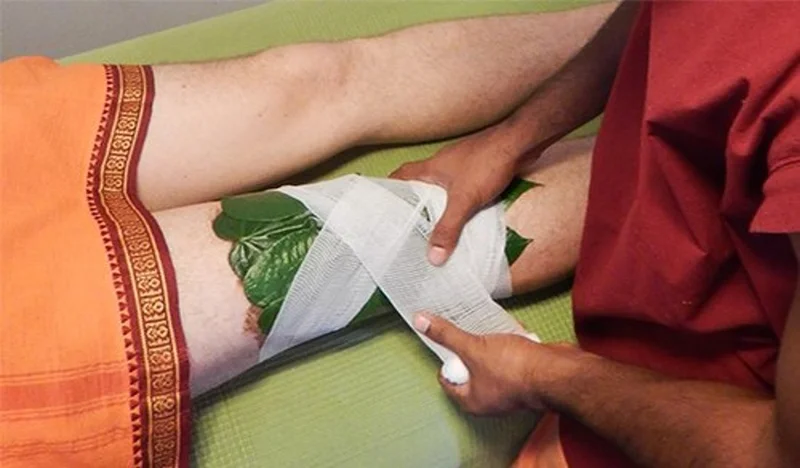
Gruhadhoomadi Choornam is a classical Ayurvedic herbal powder formulated exclusively for external application (Lepa) to manage gouty arthritis, joint inflammation, and Vata-Rakta conditions. Referenced directly in the ancient text Ashtanga Hridayam, this churna combines six powerful ingredients — including kitchen soot, turmeric, and costus root — into a paste that is applied topically to inflamed joints. Unlike many online sources that incorrectly describe it as an internal medicine for respiratory issues, Gruhadhoomadi Choornam is strictly a topical preparation. This comprehensive guide covers its authentic composition, pharmacological rationale, step-by-step application, scientific backing, and safety considerations so you can use it correctly and confidently.
What Is Gruhadhoomadi Choornam?
Gruhadhoomadi Choornam (also spelled Grihadhoomadi Choornam or Grhadhoomadi Choornam) is a polyherbal Ayurvedic powder classified as a Lepa — a medicated paste for external use. It is specifically designed to address Vata-Rakta (gouty arthritis), reduce joint swelling, and relieve pain caused by uric acid accumulation in the joints.
This is not a medicine you swallow. It's not a digestive aid or a respiratory remedy. It is mixed with water to form a thick paste and applied directly to the affected area. That distinction matters, and getting it wrong could mean missing out on the actual therapeutic benefits entirely.
Meaning of the Name & Alternative Spellings
The name "Gruhadhoomadi" is derived from Sanskrit:
- Gruha (Griha) = House/Home
- Dhooma = Smoke/Soot
- Adi = Beginning with / and others
- Choornam = Powder
So, literally: "The powder beginning with house-soot." The primary ingredient, Grihadhuma, is the carbon-rich soot collected from kitchen chimneys — a substance with well-documented adsorptive and anti-inflammatory properties in traditional medicine.
You'll find this formulation under several spellings across different texts and brands:
| Spelling Variant | Context |
|---|---|
| Gruhadhoomadi Choornam | Most common in commercial products |
| Grihadhoomadi Choornam | Sanskrit-accurate transliteration |
| Grhadhoomadi Choornam | Simplified academic transliteration |
| Gruhadhoomadi Lepa | Emphasizes its external application form |
All of these refer to the exact same formulation. The variation exists simply because Sanskrit-to-English transliteration follows different conventions depending on the publisher or manufacturer.
Classical Ayurvedic Reference (Ashtanga Hridayam)
Gruhadhoomadi Choornam is not a modern invention or a proprietary formula. It originates from Ashtanga Hridayam, Chikitsa Sthana, Chapter 22, Verse 36 — one of the most authoritative classical Ayurvedic texts, authored by Acharya Vagbhata (approximately 7th century CE).
The original Sanskrit shloka reads:
> Gruhadhuma vacha kushta shatahva haridra dvaym
> Lepa Vatarakta haram...
Translation: "A paste (Lepa) made from kitchen soot (Grihadhuma), Sweet flag (Vacha), Costus root (Kushta), Dill seed (Shatahva), and the two turmerics (Haridra and Daruharidra) alleviates Vata-Rakta."
This verse explicitly categorizes the formulation as a Lepa (external paste) and specifies its indication as Vata-Rakta — which corresponds closely to what modern medicine recognizes as gouty arthritis.
How Gruhadhoomadi Choornam Acts on the Tridosha
In Ayurvedic pharmacology, Gruhadhoomadi Choornam primarily calms Vata and Kapha doshas.
Here's why that matters for gout:
- Vata imbalance causes pain, stiffness, and erratic movement of toxins through the body
- Kapha imbalance contributes to swelling, heaviness, and fluid accumulation in joints
- Rakta (blood tissue) vitiation leads to the inflammatory heat and redness characteristic of gout
By pacifying Vata and Kapha while simultaneously cooling Rakta, the formulation addresses all three pathological factors in Vata-Rakta simultaneously.
Ingredients of Gruhadhoomadi Choornam
- The formulation contains exactly six ingredients in equal proportions. According to the standard reference, each ingredient constitutes approximately 1.67 grams per 10-gram preparation.
- Let's break down each one — not just what it is, but why it works.
Grihadhuma (Kitchen Soot / Carbon)
Grihadhuma is the carbon-rich soot deposited on kitchen walls and chimney surfaces from wood or cow-dung cake fires. While this might sound unusual, activated carbon has been extensively studied in modern pharmacology for its adsorptive properties. It binds toxins and inflammatory mediators on the skin surface.
In Ayurvedic terms, Grihadhuma is dry (Ruksha), light (Laghu), and possesses absorptive qualities that help reduce localized swelling by drawing out excess fluid from inflamed tissues.
Vacha (Acorus calamus – Sweet Flag)
Vacha is a potent anti-inflammatory herb whose rhizome contains β-asarone as its primary bioactive compound. A 2015 study published in the Journal of Ethnopharmacology demonstrated that Acorus calamus extracts significantly inhibited COX-2 enzyme activity — the same pathway targeted by modern anti-inflammatory drugs like ibuprofen.
In topical application, Vacha penetrates the skin to reduce local inflammation and improve blood circulation to the affected area.
Kushta (Saussurea lappa – Costus Root)
Kushta (also known as Kustha) contains costunolide and dehydrocostus lactone, two sesquiterpene lactones with documented anti-inflammatory and analgesic activity. A 2017 study in Phytotherapy Research showed that Saussurea lappa extracts reduced TNF-α and IL-6 levels — key inflammatory cytokines involved in gouty inflammation.
This ingredient directly targets the inflammatory cascade that causes the intense pain and redness of acute gout attacks.
Satapushpa / Shatahva (Anethum sowa – Indian Dill)
- Indian Dill seed brings analgesic and anti-spasmodic properties to the formula.
- Its essential oils — primarily carvone and limonene — have been shown to inhibit pain signaling pathways when applied topically. A 2013 study in the International Journal of Pharmacy and Pharmaceutical Sciences confirmed the analgesic properties of Anethum sowa extracts in animal models.
In the context of this Lepa, Satapushpa helps relieve the sharp, shooting pain characteristic of Vata-Rakta.
Haridra (Curcuma longa – Turmeric)
Perhaps the most well-researched ingredient in the formulation. Haridra contains curcumin, which has been the subject of over 12,000 published studies. A landmark 2016 systematic review in the Journal of Medicinal Food confirmed curcumin's ability to reduce joint inflammation, with effects comparable to phenylbutazone in some clinical trials.
When applied topically, curcumin inhibits NF-κB signaling — a master regulator of inflammatory gene expression. This makes Haridra particularly effective against the chronic, recurring inflammation seen in gout.
Daruharidra (Berberis aristata – Indian Barberry)
- The "other turmeric" referenced in the original shloka, Daruharidra contains berberine — an alkaloid with potent anti-inflammatory, antimicrobial, and xanthine oxidase inhibitory properties.
- That last point is crucial: xanthine oxidase is the enzyme responsible for producing uric acid. A 2018 study in Biomedicine & Pharmacotherapy showed berberine reduced serum uric acid levels in hyperuricemic rats by 35%.
While the topical application means systemic uric acid reduction is limited, local xanthine oxidase inhibition at the joint level can still reduce urate crystal deposition.
Pharmacological Properties Summary
| Ingredient | Latin Name | Key Active Compounds | Primary Action in Lepa |
|---|---|---|---|
| Grihadhuma | — (Carbon soot) | Activated carbon | Adsorptive, reduces swelling |
| Vacha | Acorus calamus | β-asarone | COX-2 inhibition, anti-inflammatory |
| Kushta | Saussurea lappa | Costunolide, dehydrocostus lactone | TNF-α/IL-6 reduction |
| Satapushpa | Anethum sowa | Carvone, limonene | Analgesic, anti-spasmodic |
| Haridra | Curcuma longa | Curcumin | NF-κB inhibition, anti-inflammatory |
| Daruharidra | Berberis aristata | Berberine | Xanthine oxidase inhibition, anti-inflammatory |
Which Conditions Can Gruhadhoomadi Choornam Treat?
The primary indication, as stated in the original text, is Vata-Rakta — a condition that manifests with symptoms strikingly similar to gouty arthritis. However, Ayurvedic practitioners also use it for several related conditions.
Gouty Arthritis (Vata-Rakta)
- This is the classical, textually supported indication.
- The Lepa is applied to joints affected by gout — most commonly the big toe (podagra), ankles, knees, and wrists. It helps during both acute flare-ups and chronic gout management.
Inflammatory Joint Swelling
Beyond gout specifically, Gruhadhoomadi Choornam is used for general inflammatory swelling in joints where Vata and Kapha dosha aggravation is present. This includes conditions with localized heat, redness, and fluid retention.
Knee Joint Inflammation
Several practitioners specifically recommend this formulation for knee joint inflammation (Janu Sandhigata Vata-Rakta), where the larger joint surface area allows the Lepa to cover a meaningful therapeutic area.
When It Should NOT Be Used
It's equally important to know what this formulation is not for:
- Respiratory conditions — despite what some online sources incorrectly claim
- Digestive disorders — it is not an internal medicine
- General body pain without inflammatory component
- Degenerative arthritis (Osteoarthritis) — where the primary issue is cartilage degeneration rather than inflammatory crystal deposition
How to Prepare and Apply Gruhadhoomadi Choornam (Step-by-Step)
Most sources simply say "mix with water and apply." That's technically correct but practically useless. Here's a detailed, step-by-step guide based on traditional Lepa preparation principles.
Preparing the Paste
- 1.Measure the powder: Take 10–15 grams of Gruhadhoomadi Choornam (approximately 2–3 teaspoons)
- 2.Add lukewarm water gradually: Use water at body temperature (around 37°C / 98°F).
- Add small amounts — about 1 teaspoon at a time
- 3.Mix to achieve the right consistency: The paste should be thick enough to stay on the skin without dripping, but smooth enough to spread evenly. Think of a consistency similar to thick yogurt or tomato paste
- 4.Optional enhancement: Some practitioners recommend using Dhanyamla (fermented herbal liquid) instead of plain water for enhanced anti-inflammatory action
Application Method
- Clean the affected area with lukewarm water and pat dry
- Apply the paste in a layer approximately 3–5 mm thick over the entire swollen or painful area
- Extend coverage about 1 inch beyond the visibly affected zone to address subclinical inflammation
- Leave it on for 30–45 minutes or until the paste dries completely and begins to crack
- Remove gently with lukewarm water. Do not scrub
- Pat dry and optionally apply a thin layer of sesame oil (Tila Taila) to prevent skin dryness
Frequency and Duration of Treatment
| Condition Severity | Application Frequency | Suggested Course Duration |
|---|---|---|
| Acute gout flare-up | Twice daily (morning and evening) | 5–7 days or until symptoms subside |
| Moderate inflammation | Once daily | 14–21 days |
| Chronic gout management | 3–4 times per week | 4–6 weeks, then reassess |
Important: These are general guidelines. Your Ayurvedic physician may adjust the frequency based on your Prakriti (constitution), the severity of the condition, and response to treatment.
Time of Day Considerations
Apply in the morning after bathing for best absorption, or in the evening before bed. If applying twice daily, maintain at least 8 hours gap between applications. Avoid applying immediately after heavy exercise or when the skin is excessively sweaty.
Gruhadhoomadi Choornam vs. Other Ayurvedic Remedies for Gout
One thing no other source provides is a clear comparison of how this formulation stacks up against alternatives. Here's an honest assessment.
| Feature | Gruhadhoomadi Choornam | Kaisora Guggulu | Kottamchukkadi Choornam | Kolakulathadi Choornam |
|---|---|---|---|---|
| Application | External (Lepa) | Internal (tablet) | External (Lepa) | External (Lepa) |
| Primary Indication | Vata-Rakta / Gout | Vata-Rakta / Gout, skin diseases | Joint pain, inflammation | Joint swelling, Vata disorders |
| Classical Reference | Ashtanga Hridayam | Bhaishajya Ratnavali | Sahasrayogam | Sahasrayogam |
| Doshic Action | Calms Vata & Kapha | Balances all three Doshas | Calms Vata & Kapha | Calms Kapha & Vata |
| Can Be Used Alone? | Yes (external) | Yes (internal) | Yes (external) | Yes (external) |
| Best Used Together? | With Kaisora Guggulu (internal + external) | With external Lepa | With internal Guggulu preparations | With internal anti-gout medicines |
The most effective approach, according to many practitioners, combines Gruhadhoomadi Choornam as external therapy with Kaisora Guggulu tablets internally — addressing gout from both outside and inside simultaneously.
Side Effects, Precautions & Contraindications
Since Gruhadhoomadi Choornam is an external application, systemic side effects are minimal. But that doesn't mean zero precautions.
Potential Side Effects
- Skin staining: Turmeric (Haridra) will temporarily stain the skin yellow. This is cosmetic and fades within 24–48 hours
- Mild skin irritation: Some individuals with sensitive skin may experience mild redness or itching, particularly from Vacha. If this occurs, dilute the paste further or reduce application time
- - Allergic contact dermatitis: Rare, but possible.
- Always perform a patch test first — apply a small amount on the inner forearm and wait 30 minutes before full application
Contraindications
- Open wounds or broken skin: Never apply to cuts, abrasions, or ulcerated areas
- Pregnancy: Avoid without explicit guidance from an Ayurvedic physician, as some ingredients (particularly Vacha) have uterotonic properties that may be absorbed transdermally
- Active skin infections: Fungal, bacterial, or viral skin infections at the application site
- Children under 12: Not traditionally indicated for pediatric use; insufficient safety data
Interaction with Other Medications
- Topical NSAIDs (diclofenac gel, etc.): Do not apply both simultaneously. Wait at least 4 hours between Lepa and any medicated gel or cream
- Blood thinners: Curcumin has mild anticoagulant properties. While transdermal absorption is limited, inform your doctor if you're on warfarin or similar medications
- Allopathic gout medications (allopurinol, colchicine): Can generally be used alongside, but stagger application times and inform both your allopathic doctor and Ayurvedic practitioner
Storage Guidelines
Store in a cool, dry place away from direct sunlight. Keep the container tightly sealed to prevent moisture absorption. Shelf life is typically 2 years from the date of manufacture when stored properly. Keep out of reach of children.
Dietary and Lifestyle Recommendations During Treatment (Pathya-Apathya)
No Ayurvedic treatment works in isolation. What you eat and how you live during the treatment course significantly impacts outcomes. These recommendations are specific to Vata-Rakta management.
Foods to Favor (Pathya)
- Old rice (Purana Shali), barley, and green gram (Mudga)
- Bitter gourd, pointed gourd (Parval), and snake gourd
- Cow's milk (lukewarm, not cold)
- Ghee in moderate quantities
- Plenty of room-temperature water — aim for 2.5 to 3 liters daily
Foods to Avoid (Apathya)
- High-purine foods: Red meat, organ meats, shellfish, sardines
- Alcohol — especially beer, which is high in purines
- Curd/yogurt (especially at night) — increases Kapha and Rakta vitiation
- Excessively sour, salty, and spicy foods
- Black gram (Urad dal) — heavy and Kapha-aggravating
- Jaggery and fermented foods
Lifestyle Modifications
- Avoid excessive walking or standing during acute flare-ups
- Do not suppress natural urges (urination, defecation, sneezing)
- Avoid daytime sleep, which aggravates Kapha
- Gentle oil massage (Abhyanga) with Dhanwantharam Taila on non-affected joints can help overall Vata management
- Mild exposure to morning sunlight (before 9 AM) supports vitamin D synthesis and joint health
Where to Buy Authentic Gruhadhoomadi Choornam
- Authenticity matters enormously with Ayurvedic preparations.
- The wrong formulation — or the right formulation with wrong ingredients — can be ineffective or even harmful.
Trusted Manufacturers
| Manufacturer | Location | GMP Certified | Availability |
|---|---|---|---|
| Kottakkal Arya Vaidya Sala | Malappuram, Kerala | Yes | Online + physical stores |
| Vaidyaratnam Oushadhasala | Thrissur, Kerala | Yes | Online + physical stores |
| AVP (Arya Vaidya Pharmacy) | Coimbatore, Tamil Nadu | Yes | Online + physical stores |
| SNA Oushadhasala | Thrissur, Kerala | Yes | Limited online availability |
What to Check Before Buying
- GMP certification on the packaging
- Batch number and manufacturing date clearly printed
- Complete ingredient list matching the six classical ingredients
- "For external use only" clearly stated — if a product claims internal use, it's either a different formulation or incorrectly labeled
Frequently Asked Questions (FAQ)
What is Gruhadhoomadi Choornam Kottakkal?
Gruhadhoomadi Choornam Kottakkal refers to this formulation manufactured by Kottakkal Arya Vaidya Sala, one of the most reputed Ayurvedic pharmacies in India. Their version follows the classical reference from Ashtanga Hridayam and uses standardized ingredient proportions. The product is GMP-certified and available in 10g and 50g packaging.
Can Gruhadhoomadi Choornam be used with other Ayurvedic treatments?
Yes, and in fact, it often works best as part of a comprehensive treatment plan. It can be combined with internal medicines like Kaisora Guggulu, Amritadi Guggulu, or Punarnavadi Kashayam. Panchakarma procedures like Virechana (therapeutic purgation) and Raktamokshana (bloodletting therapy) are also traditionally used alongside this Lepa for severe Vata-Rakta cases.
How long does it take to see results from Gruhadhoomadi Choornam?
During acute gout flare-ups, many patients report noticeable pain reduction within 2–3 applications (24–48 hours). However, for chronic gout management, a minimum course of 3–4 weeks is typically needed to see sustained improvement. Individual results vary based on disease severity, dietary compliance, and overall dosha imbalance.
Is Gruhadhoomadi Choornam the same as Upanaha Choornam?
No. While both are external applications, Upanaha Choornam is used for a different procedure — Upanaha Sweda (poultice therapy) — where the paste is applied warm and bandaged overnight. Gruhadhoomadi Choornam is a Lepa (paste) that is applied and left to dry without bandaging. The ingredient compositions are also entirely different.
Can I prepare Gruhadhoomadi Choornam at home?
Technically, yes — all six ingredients are individually available. However, the quality of Grihadhuma (kitchen soot) is critical; it must be collected from clean wood or cow-dung cake fires, not from kerosene, LPG, or other fossil fuel sources. Additionally, proper grinding to achieve uniform particle size affects absorption. For most people, purchasing from a GMP-certified manufacturer is safer and more reliable than home preparation.
What is the Gruhadhoomadi Choornam reference in Ayurvedic literature?
The primary reference is Ashtanga Hridayam, Chikitsa Sthana, Chapter 22 (Vata-Rakta Chikitsa), Verse 36, authored by Acharya Vagbhata. Some secondary texts also reference similar formulations, but Vagbhata's version is considered the standard classical source used by most Ayurvedic pharmacies today.
Are there any scientific studies on the complete Gruhadhoomadi formulation?
As of 2024, no published clinical trials have evaluated the complete Gruhadhoomadi formulation as a whole. However, individual ingredients have substantial research backing — curcumin alone has over 12,000 published studies, and berberine from Daruharidra has demonstrated xanthine oxidase inhibition in multiple in-vitro and animal studies. The evidence for individual ingredients strongly supports the rationale behind this classical combination.
Final Thoughts and Recommendations
- Gruhadhoomadi Choornam is a time-tested, textually authentic Ayurvedic formulation with a clear mechanism of action supported by modern pharmacological research on its individual ingredients.
- Its specificity — six ingredients, one condition, external use only — is actually its greatest strength. In an era of vague, multi-purpose herbal products, this Lepa does one thing and does it well.
That said, gouty arthritis is a complex metabolic condition. Topical application alone addresses symptoms at the joint level but doesn't correct the underlying metabolic dysfunction causing hyperuricemia. For lasting results, combine Gruhadhoomadi Choornam with appropriate internal medicines, dietary modifications (Pathya-Apathya), and lifestyle changes under the guidance of a qualified Ayurvedic physician.
Always consult a qualified Ayurvedic doctor (BAMS or MD Ayurveda) before starting any new treatment. Self-medication — even with classical formulations — without proper diagnosis of your Prakriti, Vikriti, and disease stage can lead to suboptimal results or complications. Disclaimer: This article is for educational purposes only and does not constitute medical advice. The information presented is based on classical Ayurvedic texts and published research on individual ingredients. Consult a qualified healthcare professional for diagnosis and treatment of any medical condition.
Scientific Sources
- Novel subgroups of adult-onset diabetes and their association with outcomes: a data-driven cluster analysis of six variables — Ahlqvist E et al., 2018, The lancet. Diabetes & endocrinology
- ChatGPT's role in alleviating anxiety in total knee arthroplasty consent process: a randomized controlled trial pilot study — Gan W et al., 2025, International journal of surgery (London, England)
- Theaflavin-3,3'-digallate stabilizes vulnerable plaques by reprogramming metabolic homeostasis in neovascularization via HK2/TIGAR — Cen K et al., 2025, Phytomedicine : international journal of phytotherapy and phytopharmacology
- Ultrasound in placental disorders — D'Antonio F et al., 2014, Best practice & research. Clinical obstetrics & gynaecology
- Kidd Blood Group System — Maheshwari A et al., 2026
- Ayurvedic Herbal Medicines: A Literature Review of Their Applications in Female Reproductive Health — Patibandla S et al., 2024, Cureus
- Bangladeshi medicinal plant dataset — Borkatulla B et al., 2023, Data in brief
- Iranian Traditional Medicine (ITM) and Natural Remedies for Treatment of the Common Cold and Flu — Shahrajabian MH et al., 2024, Reviews on recent clinical trials
- Ocimum sanctum L (Holy Basil or Tulsi) and its phytochemicals in the prevention and treatment of cancer — Baliga MS et al., 2013, Nutrition and cancer
- Harnessing the Antibacterial, Anti-Diabetic and Anti-Carcinogenic Properties of Ocimum sanctum Linn (Tulsi) — Arya R et al., 2024, Plants (Basel, Switzerland)
- Chinese herbal medicine-derived extracellular vesicles as novel biotherapeutic tools: present and future — Zhang J et al., 2024, Journal of translational medicine
- Efficacy of herbal medicine (cinnamon/fennel/ginger) for primary dysmenorrhea: a systematic review and meta-analysis of randomized controlled trials — Xu Y et al., 2020, The Journal of international medical research
- A critical review of Ginger's (Zingiber officinale) antioxidant, anti-inflammatory, and immunomodulatory activities — Ayustaningwarno F et al., 2024, Frontiers in nutrition
- Zingiber officinale var. rubrum: Red Ginger's Medicinal Uses — Zhang S et al., 2022, Molecules (Basel, Switzerland)
Ask Ayurvedic doctor a question and get a consultation online on the problem of your concern in a free or paid mode.
More than 2,000 experienced doctors work and wait for your questions on our site and help users to solve their health problems every day.
Related articles