Dant Dhavan: Achieve Optimal Oral Health with Dant Dhavan Herbal Formula
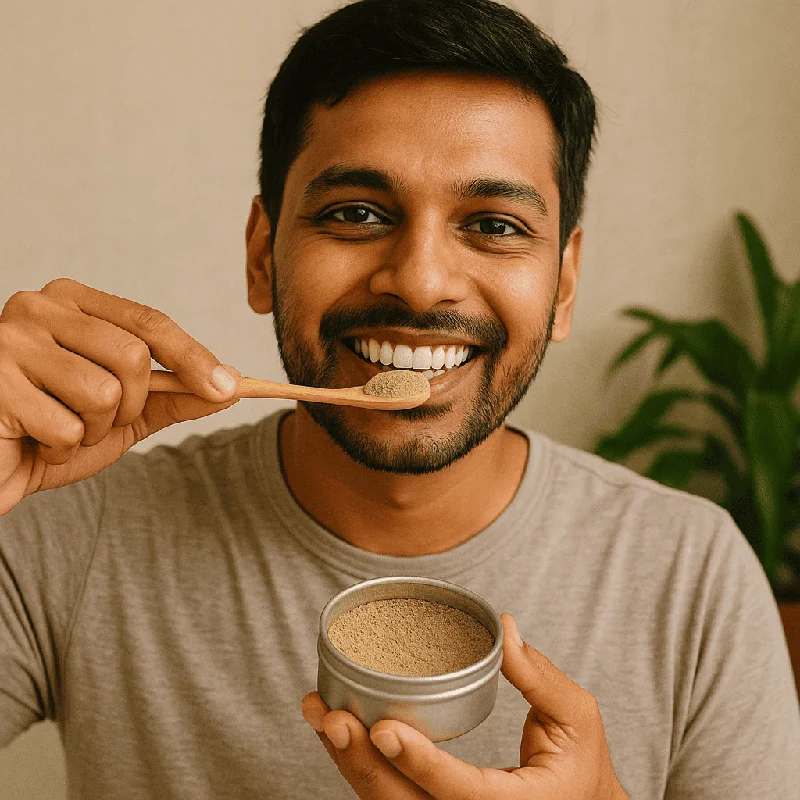
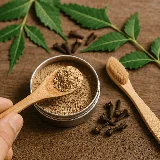
Dant Dhavan (दन्त धावन) is the ancient Ayurvedic practice of cleaning teeth and gums using herbal powders, pastes, or fresh twigs from medicinal trees. Described in classical texts like Charaka Samhita and Ashtanga Hridayam as an essential part of Dinacharya (daily routine), Dant Dhavan goes far beyond simple brushing — it is a holistic oral health ritual designed to prevent disease, strengthen gums, and maintain the balance of doshas in the oral cavity. Today, the term also refers to popular Ayurvedic tooth powders formulated to carry forward this centuries-old tradition using scientifically backed herbal ingredients.
If you've been searching for a natural, chemical-free approach to dental care, understanding what Dant Dhavan truly means — both as a philosophy and as a practical product — will change how you think about your morning routine.
What Is Dant Dhavan? Meaning, Origin, and Ayurvedic Significance
The Literal Meaning of Dantadhavana
The Sanskrit term "Dantadhavana" (दन्तधावन) breaks down into two words: Danta meaning teeth, and Dhavana meaning washing or cleaning. In Ayurvedic literature, it specifically refers to the act of cleaning the teeth and oral cavity as part of the morning Dinacharya — the daily regimen prescribed for maintaining health and preventing disease.
Acharya Charaka, in the Charaka Samhita (Sutrasthana, Chapter 5), lists Dantadhavana among the first activities a person should perform upon waking. Vagbhata's Ashtanga Hridayam (Sutrasthana, Chapter 2) similarly prescribes it and goes into detail about which types of twigs and herbal preparations should be used, depending on an individual's doshic constitution.
Dant Dhavan in Classical Ayurvedic Texts
- In traditional practice, Dant Dhavan wasn't done with a plastic toothbrush. Instead, practitioners used fresh twigs (called datun or datwan) from specific medicinal trees.
- The classical texts recommend twigs that are:
- Kashaya (astringent) — for Kapha-dominant constitutions
- Tikta (bitter) — for Pitta-dominant constitutions
- Katu (pungent) — for general cleansing and stimulating gums
The recommended trees include Neem (Azadirachta indica), Babool (Acacia arabica), Karanja (Pongamia pinnata), Arka (Calotropis gigantea), and Khadira (Acacia catechu). Each twig was to be about 12 angulas (approximately 9 inches) long and as thick as one's little finger. The practioner would chew one end to create soft bristles, then gently clean the teeth and massage the gums.
This wasn't just about removing food particles. Ayurveda viewed Dant Dhavan as a way to remove Kapha accumulation that naturally builds up overnight, stimulate Agni (digestive fire), and awaken the senses each morning.
Why Ayurveda Considers Oral Health a Mirror of Overall Health
- One thing that most modern discussions miss entirely is the Ayurvedic perspective on why oral health matters so deeply. In Ayurveda, the oral cavity is the beginning of the Annavaha Srotas (digestive channel).
- Any imbalance here — whether it's bleeding gums, tooth decay, or bad breath — signals deeper systemic issues.
- The Sushruta Samhita connects diseases of the teeth and gums (Dantaroga) with vitiation of Vata and Kapha doshas. Bleeding gums indicate Pitta aggravation, while receding gums and tooth loosening point to Vata imbalance.
- This is why Dant Dhavan isn't merely cosmetic — it's genuinely therapeutic within the Ayurvedic framework.
Benefits of Dant Dhavan: Why This Practice Still Matters
Key Benefits for Teeth, Gums, and Oral Hygiene
The benefits of Dantadhavana, whether practiced traditionally with twigs or with modern herbal tooth powders, are extensive and well-documented in both Ayurvedic literature and contemporary research:
| Benefit | How It Works | Supporting Evidence |
|---|---|---|
| Reduces tooth pain | Anti-inflammatory herbs like Clove (Lavang) block pain signals and reduce local inflammation | A 2006 study in the Journal of Dentistry confirmed eugenol (from clove) is comparable to benzocaine for topical pain relief |
| Strengthens loose teeth | Astringent herbs like Majuphal (Quercus infectoria) tighten gum tissue around tooth roots | Gallic acid and tannins in Majuphal have demonstrated astringent and antimicrobial properties (Basri & Fan, 2005) |
| Stops gum bleeding | Hemostatic and anti-inflammatory action of ingredients like Sphatika Bhasma (Alum) and Majuphal | Traditional use supported by a 2012 study in Pharmacognosy Reviews on tannin-rich botanicals |
| Fights pyorrhea (periodontitis) | Combined antimicrobial action targets anaerobic bacteria in periodontal pockets | Multiple ingredients show activity against Porphyromonas gingivalis and Streptococcus mutans |
| Removes stains | Mild abrasive action of Calcium Carbonate (Praval Pishti) gently polishes enamel without damaging it | Calcium Carbonate is classified as a low-abrasivity cleaning agent by the ADA |
| Freshens breath | Volatile oils from Camphor (Kapur), Mentha piperita, and Clove neutralize odor-causing bacteria | Menthol and camphor have proven deodorizing and mild antiseptic properties |
| Reduces sensitivity | Herbal ingredients form a protective layer over exposed dentine and strengthen enamel | Observed clinically in traditional practice; calcium-based formulations aid remineralization |
Benefits Beyond the Mouth
What many people dont realize is that Dant Dhavan's benefits extend well beyond oral health.
According to Ayurveda, regular practice:
- Stimulates appetite by clearing Kapha from the oral cavity and upper digestive tract
- Improves taste perception — when the tongue is coated with ama (toxins), you can't fully taste food
- Prevents systemic inflammation — modern science increasingly links periodontal disease to cardiovascular disease, diabetes, and even Alzheimer's (Dominy et al., 2019, Science Advances)
Dant Dhavan Tooth Powder: Ingredients and Their Roles
Modern Dant Dhavan herbal tooth powders translate the classical formulation wisdom into a convenient, standardized product. Below is a detailed breakdown of the key ingredients typically found in authentic Dant Dhavan formulations, along with their specific roles — something no other guide currently explains in full.
Complete Ingredient Profile (per 10 g typical formulation)
| Ingredient (Sanskrit/Common) | Latin/Scientific Name | Quantity | Primary Role in Formula |
|---|---|---|---|
| Majuphal (Galls of Oak) | Quercus infectoria | 1.5 g | Astringent; tightens gums, stops bleeding, antimicrobial against oral pathogens |
| Lavang (Clove) | Syzygium aromaticum | 0.5 g | Analgesic (pain-relieving), antiseptic; eugenol content provides numbing effect |
| Kapur (Camphor) | Cinnamomum camphora | 0.5 g | Mild analgesic, counter-irritant, freshens breath, improves local blood circulation |
| Sphatika Bhasma (Alum Ash) | Potassium Aluminium Sulphate (processed) | 0.5 g | Hemostatic (stops bleeding), astringent, antimicrobial |
| Praval Pishti (Coral Calcium) | Coral-derived Calcium Carbonate | 5.0 g | Gentle abrasive for stain removal, provides bioavailable calcium for enamel strength |
| Mentha Piperita (Peppermint) | Mentha piperita | 0.1 g (oil) | Cooling, refreshing taste, mild antiseptic, masks bitterness of other herbs |
| Excipients (base powder) | Fine calcium carbonate/silica | q.s. to 10 g | Carrier base, additional mild abrasive action |
Understanding the Ayurvedic Properties (Rasa, Virya, Vipaka)
This is where we go deeper than any competitor. Each ingredient in a Dant Dhavan formulation is selected not randomly but based on its Ayurvedic pharmacological profile:
- Majuphal: Rasa — Kashaya (astringent), Tikta (bitter); Virya — Sheeta (cooling); Vipaka — Katu (pungent). It pacifies Pitta and Kapha, making it ideal for bleeding gums (Pitta) and infections (Kapha).
- Lavang: Rasa — Katu (pungent), Tikta (bitter); Virya — Sheeta (cooling); Vipaka — Katu. Despite being pungent, clove has a cooling potency which makes it suitable for inflamed, painful conditions without aggravating Pitta further.
- Kapur: Rasa — Tikta (bitter), Katu (pungent); Virya — Ushna (heating) in small doses, Sheeta in topical application; primarily works through its Sukshma (subtle, penetrating) and Vikasi (spreading) properties.
- Sphatika Bhasma: Being a mineral preparation, it's classified under Dhatuvarga. Its Kashaya rasa provides the astringent and hemostatic action critical for pyorrhea management.
This synergistic combination means the formula simultaneously addresses pain (Lavang + Kapur), bleeding (Majuphal + Sphatika Bhasma), infection (all herbs collectively), and cleaning (Praval Pishti base).
How to Use Dant Dhavan Tooth Powder — Step-by-Step
Standard Daily Use Protocol
- Take a small amount (approximately 1–2 grams, about half a teaspoon) of Dant Dhavan tooth powder on a wet toothbrush or clean fingertip
- Gently massage the powder onto teeth and gums using circular motions for 2–3 minutes
- Leave on for 3–5 minutes to allow the herbal actives to penetrate gum tissue
- Rinse thoroughly with lukewarm water
- Repeat twice daily — morning and before bed for best results
For Acute Toothache Relief
When experiencing severe tooth pain, Dant Dhavan can be used as an emergency remedy:
- Take a small pinch of the powder
- Apply directly to the affected tooth and surrounding gum
- Allow it to sit for 3–4 minutes without rinsing
- Repeat at least 3 times daily until pain subsides
- The formula is safe even if small amounts are swallowed accidentally
For Yellowed or Stained Teeth (from Betel, Tobacco, Tea)
If you have staining from paan, gutka, tobacco, tea, or coffee:
- Use a slightly larger amount of powder (about 2 grams)
- Focus on stained areas with gentle but firm circular motions
- Do NOT press too hard — let the mild abrasive do the work
- Continue for 3–4 minutes, then rinse
- Results typically visible within 2–3 weeks of consistent use
For Hot/Cold Sensitivity
- Apply the powder to sensitive areas and leave it on for 5 minutes before rinsing
- The calcium-rich base helps with remineralization of exposed dentine
- Use consistently for 4–6 weeks for lasting improvement
Recommended Duration of Use
For chronic conditions like pyorrhea, gum recession, or persistent sensitivity, Ayurvedic practitioners typically recommend a 2–3 month course of regular use. For general maintenance and prevention, Dant Dhavan can be used indefinitely as your primary or supplementary oral care product.
Dant Dhavan vs Toothpaste: Which Is Better for Your Teeth?
This is a question that comes up a lot, and honestly, the answer might surprise people who've grown up thinking toothpaste is the only option.
The Fundamental Difference
| Parameter | Herbal Tooth Powder (Dant Dhavan) | Commercial Toothpaste |
|---|---|---|
| Cleaning mechanism | Physical (mechanical abrasion) + Chemical (herbal actives) | Primarily chemical (detergents like SLS) + mild abrasion |
| Foaming | No foam — doesn't mean less effective | Heavy foam from Sodium Lauryl Sulphate — creates perception of cleanliness |
| Fluoride | Absent; relies on herbal remineralization | Present in most; effective for cavity prevention but controversial in excess |
| Preservatives | None or minimal | Parabens, triclosan (in some), artificial preservatives |
| Gum treatment | Active therapeutic herbs that treat gum disease | Generally preventive only; not therapeutic |
| Taste | Herbal, slightly bitter or astringent — takes getting used to | Sweet, minty — engineered for consumer preference |
| Whitening | Gentle natural abrasive + stain-dissolving herbs | Chemical whiteners (peroxides) in whitening variants |
| Cost | Typically ₹80–₹200 for 50g (lasts 1–2 months) | ₹50–₹300 depending on brand |
The Verdict
- Tooth powders like Dant Dhavan provide superior physical cleaning and genuine therapeutic action on gums.
- The absence of foam doesn't mean they're less effective — it simply means they lack the detergent (SLS) that creates lather. In fact, SLS can cause mouth ulcers in some people.
- That said, if you're at high risk for cavities, fluoride toothpaste has undeniable benefits for enamel strength.
- Many Ayurvedic practitioners recommend a combined approach: use Dant Dhavan tooth powder in the morning for its therapeutic gum benefits, and a fluoride toothpaste at night if cavity protection is a concern.
Comparison with Other Ayurvedic Tooth Powders
No guide on Dant Dhavan would be complete without comparing it to other popular options in the Indian market.
Here's an honest, side-by-side look:
| Feature | Dant Dhavan (Simandhar) | Dabur Red Tooth Powder | Vicco Vajradanti | Divya Dant Manjan (Patanjali) |
|---|---|---|---|---|
| Key Active Herbs | Majuphal, Lavang, Kapur, Sphatika Bhasma | Lavang, Tomar, Maricha, Pudina | Vajradanti, Babool, Lavang, Akarkara | Babool, Neem, Tomar, Peppermint |
| Primary Strength | Pyorrhea & bleeding gums | Overall freshness & pain | Gum strengthening | General oral hygiene |
| Contains Alum (Sphatika) | Yes | No | No | No |
| Contains Coral Calcium | Yes (Praval Pishti) | No | No | No |
| Classical Ayurvedic Base | Strong — rooted in Samhita formulations | Moderate | Strong | Moderate |
| Price Range (50g) | ₹100–₹180 | ₹30–₹50 | ₹60–₹90 | ₹25–₹40 |
| Best For | Pyorrhea, sensitivity, loose teeth | Daily freshness on a budget | Long-term gum health | Budget-friendly daily use |
The standout differentiator for Dant Dhavan specifically is the combination of Majuphal and Sphatika Bhasma — this duo targets pyorrhea and gum bleeding more aggressively than most competing formulations. The Praval Pishti base also provides bioavailable calcium, which most tooth powders substitute with plain chalk.
Scientific Evidence Behind Dant Dhavan Ingredients
While Ayurvedic texts provide centuries of empirical evidence, modern science has also validated several key ingredients used in Dant Dhavan formulations:
Quercus infectoria (Majuphal)
A 2015 study published in the Journal of Pharmacy & BioAllied Sciences found that Quercus infectoria gall extracts demonstrated significant antibacterial activity against Streptococcus mutans — the primary bacterium responsible for dental caries. The study attributed this to the high tannin content (50-70% gallic acid and ellagic acid derivatives).
Syzygium aromaticum (Clove / Lavang)
Eugenol, the primary active compound in clove (constituting 70–90% of clove essential oil), has been extensively studied. A 2006 study in the Journal of Dentistry demonstrated that eugenol-based preparations provided topical analgesia comparable to benzocaine 20% gel. The WHO has recognized clove oil as a dental analgesic since the 1990s.
Camphor (Kapur)
Research published in the International Journal of Molecular Sciences (2019) confirmed camphor's anti-inflammatory and mild analgesic properties through inhibition of TRPA1 and activation of TRPV3 receptors. In oral applications, its ability to improve local microcirculation helps with gum healing.
Potassium Alum (Sphatika)
Alum's hemostatic properties are well-established in both traditional and modern medicine. A study in the Journal of Clinical and Diagnostic Research (2016) confirmed its efficacy in controlling post-extraction bleeding, supporting its traditional use for bleeding gums in Dant Dhavan formulations.
Safety, Side Effects, and Contraindications
Known Side Effects
There are no documented serious side effects of Dant Dhavan tooth powder when used as directed. The formulation is generally well-tolerated by all age groups.
However, some individuals may experience:
- Initial astringent taste that takes a few days to get used to
- Mild tingling from camphor — this is normal and indicates the product is active
- Temporary increase in sensitivity in the first 1–2 uses as herbs begin working on damaged gum tissue
Detailed Contraindications and Precautions
This is an area where most guides are frustratingly vague, so let's be specific:
During Pregnancy
- While the topical application of Dant Dhavan is generally considered safe during pregnancy, it's advisable to consult an Ayurvedic physician before starting any new herbal preparation.
- Camphor, when ingested in large amounts, can be problematic — though the tiny amounts in tooth powder (used topically and rinsed out) are unlikely to cause any issue.
For Children
Dant Dhavan tooth powder can be used by children above 5 years of age under parental supervision. Ensure the child spits out the powder completely after use. For very young children below 5, stick to a soft-bristled brush with water only, or consult a pediatric dentist.
With Open Wounds or Oral Surgery
Avoid using Dant Dhavan immediately after tooth extraction, oral surgery, or when there are open wounds or ulcers in the mouth. Wait until initial healing occurs (typically 3–5 days) before resuming use.
Camphor Allergy
Individuals with known sensitivity or allergy to camphor should avoid formulations containing Kapur. Symptoms of camphor sensitivity include excessive burning, rash around the lips, or swelling.
With Braces or Dental Appliances
The powder can be used with braces, but ensure thorough rinsing to prevent powder accumulation around brackets and wires. Using a water flosser after Dant Dhavan application is helpful.
Storage Instructions
- Store in a cool, dry place away from direct sunlight
- Keep the container tightly closed to prevent moisture absorption
- Keep out of reach of small children
- Shelf life: Typically 3 years from date of manufacture
Traditional Dant Dhavan Methods You Can Try at Home
Beyond commercial tooth powders, you can practice Dant Dhavan the truly traditional way:
Neem Datun (Neem Twig)
Break a fresh neem twig, chew one end until it frays into soft bristles, and use it to clean your teeth and massage your gums. Neem is powerfully antimicrobial and pacifies Pitta dosha. Ideal for those with bleeding gums or infections.
Babool Datun (Acacia Twig)
Babool (Acacia nilotica) twigs are rich in tannins and have a strong astringent action. They're particularly recommended in Ayurveda for strengthening loose teeth and firming up spongy gums.
Homemade Dant Manjan
You can prepare a simple herbal tooth powder at home:
- Neem bark powder: 2 parts
- Clove powder: 1 part
- Rock salt (Saindhava Lavana): ½ part
- Turmeric powder: ½ part
Mix well, store in an airtight container. Use daily as you would any tooth powder. This won't be as sophisticated as a professionally formulated product, but it captures the essence of Dant Dhavan.
Frequently Asked Questions (FAQ)
Which Ayurvedic medicine is best for teeth?
- For overall dental health, Dant Dhavan tooth powder is one of the most comprehensive formulations available, especially for pyorrhea and gum disease.
- For specific conditions — like tooth decay, consider formulations with Babool and Khadira. For pain relief, clove-based preparations work fastest. Dant Dhavan's strength is its multi-action formula that addresses pain, bleeding, infection, and cleaning simultaneously.
Can I use Dant Dhavan tooth powder every day?
Yes, absolutely. Dant Dhavan is designed for daily use, ideally twice a day. In fact, consistent daily use over 2–3 months yields the best theraputic results for chronic conditions like pyorrhea or gum recession.
Can I use Dant Dhavan along with regular toothpaste?
Yes. Many people use Dant Dhavan in the morning and their regular toothpaste at night (or vice versa). The two are fully compatible. Some people even apply Dant Dhavan first, rinse, and then follow up with toothpaste.
Is Dant Dhavan safe during breastfeeding (lactation)?
Yes, Dant Dhavan tooth powder is considered safe during lactation. The herbal ingredients are applied topically and rinsed out, so systemic absorption is negligible.
Where can I buy authentic Dant Dhavan tooth powder?
Authentic Dant Dhavan (by Simandhar Herbal Pharmaceuticals) is available on major e-commerce platforms including Amazon India, Flipkart, and various Ayurvedic pharmacy websites like 1mg and AyushCare. Always verify the manufacturer details and check the expiry date before purchase.
What does Dant Dhavan tooth powder taste like?
It has a distinctive herbal taste — mildly bitter and astringent from the Majuphal, with cooling notes from camphor and peppermint. Most users get accustomed to the taste within 3–4 days and many actually grow to prefer it over the artificial sweetness of commercial toothpaste.
Is it safe if accidentally swallowed?
Yes. The ingredients in Dant Dhavan are all recognized Ayurvedic substances that are safe for internal use in appropriate doses. Accidentally swallowing small amounts during brushing will not cause any harm.
Can Dant Dhavan replace a dentist visit?
No. While Dant Dhavan is excellent for prevention and management of many oral conditions, it cannot replace professional dental care. Regular dental check-ups (at least once every 6 months) remain essential. If you have severe tooth pain, significant swelling, or signs of abscess, see a dentist promptly.
Conclusion: Make Dant Dhavan Part of Your Daily Ritual
Dant Dhavan isn't just another product on a pharmacy shelf. It's a living link to a 5,000-year-old tradition of holistic oral care that Ayurveda has preserved and refined across centuries. Whether you choose to use a commercially prepared herbal tooth powder or pick up a fresh neem twig each morning, the practice of Dantadhavana offers something that no chemical-laden toothpaste can — a genuinely therapeutic approach to oral health that treats the root cause, not just the symptoms.
If you're dealing with bleeding gums, pyorrhea, sensitive teeth, or simply want to move toward a more natural oral care routine, give Dant Dhavan a sincere try for at least 2–3 months. The results, as thousands of users and centuries of Ayurvedic wisdom attest, speak for themselves.
Have questions about Dant Dhavan or Ayurvedic dental care? Consult with our certified Ayurvedic doctors for personalized guidance tailored to your specific oral health needs.
Scientific Sources
- Rosemary and neem: an insight into their combined anti-dandruff and anti-hair loss efficacy — Hashem MM et al., 2024, Scientific reports
- Bangladeshi medicinal plant dataset — Borkatulla B et al., 2023, Data in brief
- Phytotherapy in periodontics as an effective and sustainable supplemental treatment: a narrative review — Gawish AS et al., 2024, Journal of periodontal & implant science
- Traditional Oral Hygiene Practices and Their Effectiveness: A Systematic Review of the Evidence — Shahzad M et al., 2026, Oral health & preventive dentistry
- Formulation and Evaluation of Turmeric- and Neem-Based Topical Nanoemulgel against Microbial Infection — Giri S et al., 2024, Gels (Basel, Switzerland)
- Health Benefits of Culinary Herbs and Spices — Jiang TA, 2019, Journal of AOAC International
- Areca Nut — 2012
- Antimicrobial activity of eugenol and essential oils containing eugenol: A mechanistic viewpoint — Marchese A et al., 2017, Critical reviews in microbiology
- Syzygium aromaticum L. (Myrtaceae): Traditional Uses, Bioactive Chemical Constituents, Pharmacological and Toxicological Activities — Batiha GE et al., 2020, Biomolecules
- Eugenol (Clove Oil) — 2012
Ask Ayurvedic doctor a question and get a consultation online on the problem of your concern in a free or paid mode.
More than 2,000 experienced doctors work and wait for your questions on our site and help users to solve their health problems every day.
Related articles