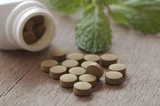
Unveiling Gomutra Ghan Vati: Experience Natural Remedies!

Gomutra Ghan Vati is a concentrated Ayurvedic tablet made from dehydrated cow urine (gomutra), often blended with select herbs and processed into a convenient pill form. Used for centuries in traditional Indian medicine, it is primarily valued for detoxification, digestive support, liver cleansing, blood purification, and immune strengthening. Unlike raw cow urine or Go Ark (distilled cow urine), Ghan Vati delivers the bioactive compounds in a standardized, easy-to-consume format — without the strong taste and smell that many people find difficult to tolerate.
- But does it actually work? What does the science say, and how should you use it safely?
- This guide covers everything — from chemical composition and Ayurvedic principles to clinical research gaps, contraindications, and how to choose a quality product. Whether you're a long-time Ayurveda practitioner or simply curious, you'll find actionable, evidence-informed answers below.
What Is Gomutra Ghan Vati and How Is It Made?
- Gomutra Ghan Vati literally translates to "cow urine concentrated tablet" (Ghan = concentrated extract, Vati = tablet).
- The formulation takes fresh gomutra — ideally from indigenous Indian breeds like the Gir cow — and reduces it through a multi-step manufacturing process to create a solid, shelf-stable tablet.
The Manufacturing Process: From Raw Gomutra to Tablet
Transparency about manufacturing matters. Here's how reputable producers typically make Gomutra Ghan Vati:
- 1.Collection — Fresh urine is collected from healthy, organically raised cows (preferably desi breeds like Gir, Sahiwal, or Red Sindhi). Ethical producers ensure the cows are not confined or stressed during collection.
- 2.Filtration — The raw gomutra is filtered multiple times to remove physical impurities, sediment, and debris.
- 3.Slow Evaporation (Kwath Preparation) — The filtered liquid is heated at a controlled, low temperature for several hours.
- This reduces the volume significantly — often by 75-80% — concentrating the dissolved bioactive compounds.
- 4.Drying & Solidification — The concentrated paste (ghan) is further dried until it reaches a solid or semi-solid state.
- 5.Herb Addition (if applicable) — Some manufacturers blend in powdered herbs such as Giloy, Ashwagandha, Arjun, or Neem at this stage to create specialized variants.
- 6.Tablet Pressing — The dried concentrate is ground, mixed with a natural binding agent, and pressed into uniform tablets, typically 250–500 mg each.
- 7.Quality Testing & Packaging — Finished tablets undergo microbial testing, heavy metal analysis, and potency checks before being packaged in airtight containers.
This process preserves the volatile and non-volatile compounds of gomutra while eliminating excess water and reducing bacterial contamination.
It's essentially a Ghan Satva preparation — a classical Ayurvedic method for concentrating liquid formulations.
Historical Roots and Ayurvedic Significance
Cow urine holds a unique position in Ayurveda. The Charaka Samhita, one of the foundational texts of Ayurvedic medicine (dating back roughly 2,000 years), mentions gomutra as part of "Panchagavya" — five products derived from the cow that are considered purifying and therapeutic. The Sushruta Samhita also references gomutra for its role in treating skin conditions, digestive disorders, and general detoxification.
In classical Ayurvedic pharmacology, gomutra is classified as having:
- Rasa (taste): Katu (pungent), Tikta (bitter), Kashaya (astringent)
- Guna (quality): Laghu (light), Tikshna (sharp/penetrating)
- Virya (potency): Ushna (hot)
- Vipaka (post-digestive effect): Katu (pungent)
This pharmacological profile suggests that gomutra is particularly suited for balancing Kapha and Pitta doshas, while it should be used cautiously by those with a predominant Vata constitution or conditions involving excess dryness and heat.
Beyond medicine, gomutra plays a role in certain Vedic purification rituals and is considered sacred in Hindu tradition. This spiritual dimension contributes to its widespread cultural acceptance in India, though it also means claims about it sometimes blur the line between faith and pharmacology — something we'll address honestly in this article.
Chemical Composition of Gomutra: What's Actually in It?
One of the biggest gaps in existing content about Gomutra Ghan Vati is the lack of specific compositional data. Let's fix that.
Cow urine is not just "urine." It's a complex biological fluid containing over 20 identified compounds. Research published in the Journal of Pharmacy and Pharmaceutical Sciences and analysis by institutions like the CSIR-National Botanical Research Institute have documented the following approximate composition:
| Component | Approximate Content | Potential Relevance |
|---|---|---|
| Water | 95% (removed during Ghan Vati processing) | Solvent — removed in tablet form |
| Urea | 2.5% | Antimicrobial, moisturizing (topical) |
| Creatinine | 67 mg/dL (varies) | Metabolic marker |
| Sodium | 0.14–0.23% | Electrolyte balance |
| Potassium | 0.14–0.21% | Heart and nerve function |
| Chloride | 0.17% | Fluid balance |
| Sulphur | Traces | Antifungal, skin health |
| Phosphate | Traces | Bone and energy metabolism |
| Ammonia | Variable | Converted during processing |
| Phenolic compounds (Carbolic acid) | Present | Antioxidant, antimicrobial |
| Hippuric acid | Present | Antimicrobial |
| Enzymes (Urokinase, etc.) | Trace amounts | Fibrinolytic activity |
| Vitamins A, B, C, D, E | Trace amounts | General nutritional support |
| Gold traces (Swarna Kshar) | Claimed in Ayurvedic texts | Immunomodulatory (traditional claim) |
Important note: The composition of gomutra varies significantly based on cow breed, diet, age, season, and health status. Research by Randhawa and Sharma (2015) noted that urine from indigenous Indian breeds (Bos indicus, such as the Gir cow) tends to have higher concentrations of phenolic acids and antioxidants compared to crossbred or exotic breeds. This is why many premium Gomutra Ghan Vati products specifically source from Gir or Sahiwal cows.
During the evaporation process used to create Ghan Vati, water is removed and the concentration of these active compounds increases substantially — which is why the tablet form is considered more potent per gram than raw or distilled gomutra.
What Are the Benefits of Gomutra Ghan Vati?
The claimed benefits of Gomutra Ghan Vati span a wide range. Let's break them down by category, noting where traditional claims align with available evidence and where they don't.
Detoxification and Liver Health
This is perhaps the most widely cited benefit. In Ayurvedic theory, gomutra acts as a "Shodhana" (purifying) agent — it stimulates the liver and kidneys to process and eliminate accumulated toxins (Ama).
A 2013 study published in the International Brazilian Journal of Urology examined the antioxidant properties of cow urine distillate and found measurable free radical scavenging activity, which supports the idea of a detoxification mechanism at the cellular level. Gomutra's bitter and pungent qualities are believed to stimulate hepatic (liver) enzymes, promoting bile flow and aiding the breakdown of metabolic waste.
Is Gomutra Good for the Liver?
According to Ayurvedic practitioners, yes — gomutra is considered a potent liver tonic. It is traditionally used to support liver function in conditions involving sluggish digestion, fatty liver, and mild hepatic congestion. However, rigorous clinical trials specifically on Gomutra Ghan Vati and liver health in humans remain limited. Animal studies, such as one by Jain et al. (2010) in the Journal of Ethnopharmacology, showed hepatoprotective effects of cow urine in rats exposed to liver toxins — but extrapolating animal studies to humans requires caution.
Blood Purification and Skin Health
- Gomutra Ghan Vati is frequently recommended for chronic skin conditions like eczema, dermatitis, acne, and itching.
- The Ayurvedic rationale is straightforward: impure blood (Rakta Dhatu imbalance) manifests on the skin. By purifying the blood, gomutra addresses the root cause rather than just symptoms.
The antimicrobial and phenolic compounds in gomutra may help reduce bacterial load on the skin and lower systemic inflammation. Some practitioners report improvements in patients with psoriasis and chronic urticaria, though published peer-reviewed clinical trials are scarce.
Digestive System Support
Gomutra Ghan Vati is widely used for:
- Chronic constipation
- Gas and bloating
- Acidity and hyperacidity
- General indigestion (Agnimandya)
Its Ushna Virya (hot potency) and Tikshna Guna (penetrating quality) stimulate Agni — the digestive fire in Ayurvedic terminology. Practically, this means it may promote gastric secretion, improve intestinal motility, and help break down undigested food material.
Can It Help with Weight and Fat Loss?
Several People Also Ask queries raise this question. While Gomutra Ghan Vati is not a weight loss pill, its digestive and metabolic-stimulating properties may indirectly support weight management when combined with a proper diet and physical activity. It is believed to enhance metabolism and reduce Kapha-type accumulation (heaviness, water retention, sluggish digestion), which aligns with mild fat-reducing effects in the Ayurvedic framework. Don't expect dramatic results from the tablets alone, though.
Immune System Strengthening
Multiple in-vitro studies have demonstrated that cow urine has immunomodulatory properties. A notable patent (US Patent No. 6896907, granted in 2005) was actually awarded for a bioenhancer composition derived from cow urine that enhances the efficacy of antimicrobial and anticancer agents. This research, conducted in India, showed that gomutra acts as a bioavailability enhancer — meaning it can help the body absorb and utilize other therapeutic compounds more effectively.
The combination of antimicrobial peptides, phenolic acids, and trace minerals in gomutra is thought to prime the innate immune response, helping the body fight off infections more efficiently.
Anti-Inflammatory and Pain-Related Benefits
Traditional practitioners recommend Gomutra Ghan Vati for inflammatory conditions including joint pain, mild arthritis, and general body inflammation. The anti-inflammatory activity has some preliminary scientific support: a study by Krishnamurthi et al. (2004) noted anti-inflammatory effects in animal models, potentially linked to the inhibition of COX pathways — similar in concept (though not in potency) to conventional NSAIDs.
Effect on Blood Pressure
- Gomutra is traditionally considered a mild hypotensive agent. Some Ayurvedic practitioners prescribe it alongside dietary modifications for patients with mild hypertension. The potassium content and diuretic properties of gomutra may contribute to this effect.
- However, this is one area where self-medication can be risky — anyone on antihypertensive drugs should consult their doctor before adding Gomutra Ghan Vati to their routine.
How to Use Gomutra Ghan Vati: Dosage and Directions
Standard Dosage
The commonly recommended dosage across most brands and practitioner guidelines is:
| Parameter | Recommendation |
|---|---|
| Standard dose | 2 tablets, twice daily |
| Timing | Before or after meals (varies by brand) |
| With | Lukewarm water |
| Duration | Typically 2–3 months for chronic issues |
| Maximum duration without review | 3 months — then consult a practitioner |
When to Take It: Morning vs. Evening
Most practitioners suggest taking the first dose in the morning on an empty stomach for maximum absorption and detox effect. The second dose can be taken in the evening, either before dinner or at bedtime with warm water.
Dosage for Special Populations
Children
Gomutra Ghan Vati is generally not recommended for children under 12 without specific guidance from a qualified Ayurvedic physician. For adolescents (12–18), a reduced dose of 1 tablet twice daily is sometimes suggested.
Elderly
Elderly individuals can usually take the standard dose but should start with 1 tablet twice daily for the first week to assess tolerance, especially if they have pre-existing kidney or liver conditions.
Side Effects and Contraindications: What No One Tells You
This is one of the most important sections of this article — and one that most competitor pages skim over or ignore entirely. Let's be thorough.
Known and Potential Side Effects
For the majority of healthy adults, Gomutra Ghan Vati taken at recommended doses appears to be well-tolerated.
However, some individuals may experience:
- Mild nausea or stomach discomfort — especially in the first few days
- Increased urination — due to its diuretic properties
- Heating sensation — because of its Ushna Virya; people with a Pitta constitution may feel increased body heat
- Loose stools — in sensitive individuals, particularly at higher doses
- Allergic reactions — rare, but possible in individuals with bovine protein sensitivity
Specific Contraindications
This is where the detail really matters:
| Condition / Situation | Recommendation |
|---|---|
| Pregnancy | Avoid — insufficient safety data; Ushna Virya may be contraindicated |
| Breastfeeding | Avoid unless under direct practitioner supervision |
| Chronic Kidney Disease (CKD) | Avoid or use with extreme caution — urea and nitrogen compounds may stress compromised kidneys |
| Acute urinary tract infections | Consult physician — may worsen symptoms in some cases |
| Pitta-aggravated conditions | Use cautiously — can increase body heat, acidity |
| On Metformin (Type 2 Diabetes) | Consult doctor — potential interaction with blood sugar-lowering effects |
| On Antihypertensive drugs | Consult doctor — additive hypotensive effect possible |
| On Blood Thinners (Warfarin, etc.) | Consult doctor — theoretical interaction with urokinase activity |
| Children under 12 | Not recommended without professional guidance |
Drug Interactions
No formal drug interaction studies exist for Gomutra Ghan Vati specifically. However, given its bioenhancing properties (as documented in the US patent mentioned earlier), it could theoretically increase the absorption and effect of concurrently taken medications. This is particularly relevant for drugs with narrow therapeutic windows — like warfarin, lithium, or digoxin.
- The bottom line: If you are on any prescription medication, talk to your doctor or a qualified Ayurvedic practitioner before starting Gomutra Ghan Vati.
- This isn't just a formality — it's essential.
Gomutra Ghan Vati vs. Other Ayurvedic Detox Remedies
No competitor currently offers a head-to-head comparison.
Here it is:
| Feature | Gomutra Ghan Vati | Go Ark (Distilled Gomutra) | Triphala | Neem Ghan Vati |
|---|---|---|---|---|
| Form | Tablet | Liquid | Powder/Tablet | Tablet |
| Primary Action | Detox, Immune boost, Liver support | Detox, Digestive | Digestive, Laxative, Antioxidant | Blood purification, Skin health |
| Taste/Palatability | Neutral (tablet) | Strong, unpleasant | Astringent, manageable | Bitter |
| Best For | Overall Shodhana (purification) | Quick detox, external application | Chronic constipation, colon health | Skin disorders, blood toxins |
| Dosha Suitability | Kapha & Pitta | Kapha & Pitta | Tridoshic (all three) | Pitta & Kapha |
| Ease of Use | Very easy | Difficult (taste/smell) | Easy | Easy |
| Speed of Effect | Gradual (2-4 weeks) | Faster (days) | Gradual (1-2 weeks) | Gradual (2-4 weeks) |
| Scientific Evidence | Limited but growing | Limited | Moderate (more human studies) | Moderate |
When to choose Gomutra Ghan Vati over alternatives: If your primary goal is broad-spectrum detoxification combined with immune support and you want the convenience of a tablet, Gomutra Ghan Vati is a solid choice. If you need a dedicated digestive remedy, Triphala may be more appropriate. For purely skin-focused concerns, Neem Ghan Vati might be a better starting point.
How to Choose a Quality Gomutra Ghan Vati Product
Not all products on the market are created equal.
Here's what to look for:
Certifications and Regulatory Status
- In India, Ayurvedic products fall under the purview of the Ministry of AYUSH and are regulated under the Drugs and Cosmetics Act, 1940.
- A legitimate Gomutra Ghan Vati product should have:
- AYUSH Manufacturing License — This is non-negotiable. The manufacturer should hold a valid license issued by the State Licensing Authority under AYUSH.
- GMP Certification — Good Manufacturing Practices ensure the product is made in a hygienic, controlled environment.
- FSSAI License — If the product is marketed as a health supplement rather than a drug, FSSAI registration may apply.
- Batch Number and Expiry Date — Always check. Avoid products without clear labeling.
- Heavy Metal Testing Certificate — Reputable brands test for lead, mercury, arsenic, and cadmium. Ask for it if it's not displayed.
Cow Breed Matters
Products sourced from indigenous Indian breeds (Gir, Sahiwal, Tharparkar, Red Sindhi) are generally considered superior in Ayurvedic practice. As noted earlier, research suggests higher bioactive compound concentrations in desi cow urine compared to crossbred or Holstein-Friesian cows.
Red Flags to Watch For
- No manufacturer address or license number on packaging
- Unrealistic claims ("cures cancer," "eliminates diabetes in 30 days")
- Unusually low pricing (may indicate adulteration or poor processing)
- No ingredient list or batch information
- Excessive use of artificial binders, colors, or preservatives
What Does the Science Actually Say? An Honest Assessment
Let's address the elephant in the room. Gomutra and Gomutra Ghan Vati are supported by thousands of years of traditional use and a growing body of preliminary research — but the level of clinical evidence is still limited compared to conventional pharmaceutical standards.
What We Know (Evidence Exists)
- Antimicrobial activity — Multiple in-vitro studies confirm that cow urine has antibacterial and antifungal properties (Sathasivam et al., 2010; Khanuja et al., 2002)
- Bioenhancing effect — US Patent 6896907 documents cow urine's ability to enhance drug absorption
- Antioxidant activity — Documented in several studies, including Randhawa (2010) in the International Journal of Cow Science
- Hepatoprotective effects — Demonstrated in animal models (Jain et al., 2010)
- Anti-inflammatory potential — Preliminary animal model evidence (Krishnamurthi et al., 2004)
What We Don't Know (Evidence Gaps)
- No large-scale randomized controlled trials (RCTs) on Gomutra Ghan Vati in humans
- No standardized dosing studies — current dosage recommendations are based on traditional practice, not pharmacokinetic data
- No formal safety profile — long-term safety data in humans is absent
- Cancer claims are unsubstantiated — while some preliminary cell-line studies show antiproliferative effects, claiming gomutra can treat cancer is premature and potentially dangerous
A 2014 observational pilot study published in the AYU Journal (indexed in PubMed: PMC4279317) examined the effect of "Gomutra Haritaki" alongside dietary modifications in metabolic syndrome patients and found improvements in several metabolic parameters. While not a study on Gomutra Ghan Vati specifically, it provides relevant supporting data for the broader therapeutic concept.
Our position: Gomutra Ghan Vati is a legitimate traditional formulation with promising preliminary evidence and a long history of use. It is not a miracle cure. Treat it as a complementary health supplement, not a replacement for medical treatment of serious conditions.
Storage and Shelf Life
Proper storage ensures the potency and safety of your Gomutra Ghan Vati tablets:
- Store in a cool, dry place away from direct sunlight
- Keep the container tightly sealed after each use
- Avoid storing in humid environments (bathroom cabinets are a bad idea)
- Typical shelf life is 24–36 months from the date of manufacture, but always check the label
- If tablets develop an unusual odor, discoloration, or crumble easily, discard them
Frequently Asked Questions (FAQ)
What is the purpose of Gomutra?
In Ayurveda, gomutra serves as a broad-spectrum detoxifier and bioenhancer. It is used to cleanse the liver, purify the blood, improve digestion, strengthen immunity, and enhance the absorption of other therapeutic compounds. Traditionally it is also used in spiritual purification practices.
Is Gomutra Ghan Vati safe for daily consumption?
For most healthy adults, yes — when taken at recommended doses (2 tablets twice daily) for a defined period. However, it's advisable to take breaks (e.g., 3 months on, 1 month off) and consult a practitioner for long-term use.
Can Gomutra Ghan Vati help with high blood pressure?
Some Ayurvedic practitioners recommend it as a supportive measure for mild hypertension, due to its potassium content and mild diuretic effect. It should never replace prescribed antihypertensive medication. Always inform your doctor if you're using it alongside blood pressure drugs.
What are the main ingredients in Gomutra Ghan Vati?
- The primary ingredient is concentrated (dehydrated) cow urine.
- Many formulations also include supportive herbs — the specific herbs vary by product variant (e.g., Giloy, Ashwagandha, Arjun, or plain). Check the product label for the exact ingredient list.
Are there any side effects of Gomutra Ghan Vati?
Most people experience no significant side effects. Mild nausea, increased urination, or a warming sensation may occur initially. People with kidney disease, pregnant or lactating women, and those on blood thinners or diabetes medication should avoid it or use it only under medical supervision.
Does Gomutra Ghan Vati aid in fat loss?
It is not a direct fat-burning supplement. However, by improving digestion, metabolism, and reducing Kapha-related sluggishness, it may support weight management as part of a holistic approach that includes diet and exercise.
Can I take Gomutra Ghan Vati with other Ayurvedic medicines?
Generally yes, as it is often prescribed alongside other formulations. In fact, its bioenhancing properties may improve the effectiveness of companion herbs. Still, it's best to consult a qualified practitioner for personalized combinations.
How long does it take to see results?
Most practitioners suggest a minimum of 2–4 weeks for noticeable effects on digestion and energy levels. For chronic conditions like skin issues or metabolic imbalances, 2–3 months of consistent use may be needed.
Final Thoughts: Is Gomutra Ghan Vati Worth Trying?
Gomutra Ghan Vati sits at a fascinating intersection of ancient wisdom and emerging science. It is one of the most time-tested formulations in the Ayurvedic pharmacopoeia, with a chemical profile that researchers are only beginning to fully understand. For those seeking a natural, traditional approach to detoxification, digestive health, and immune support, it's a reasonable option — provided you choose a quality product, follow recommended dosages, and maintain realistic expectations.
It is not a magic pill. It will not cure serious diseases on its own. But as part of a balanced Ayurvedic lifestyle that includes proper diet (Ahara), daily routine (Dinacharya), and seasonal practices (Ritucharya), Gomutra Ghan Vati can be a valuable tool in your wellness toolkit.
Before starting any new supplement, consult a qualified Ayurvedic physician or your healthcare provider — especially if you have pre-existing conditions or are on medication. Your health deserves both the wisdom of tradition and the rigor of modern safety standards.
Scientific Sources
- Competency-Based Reforms in Ayurveda Education: Challenges and Policy Recommendations for the Implementation of the National Commission for Indian System of Medicine (NCISM) — Kulkarni SP et al., 2025, Cureus
- The guggul for chronic diseases: ancient medicine, modern targets — Shishodia S et al., 2008, Anticancer research
- Advances in the discovery of genetic risk factors for complex forms of neurodegenerative disorders: contemporary approaches, success, challenges and prospects — Kumar S et al., 2018, Journal of genetics
- Unconventional antidiabetic agents(https://pubmed.ncbi.nlm.nih.gov/17484443/) — Rustenbeck I, 2007, Medizinische Monatsschrift fur Pharmazeuten
- Deluded confession: Response to Kishor Patwardhan — Karthik KP et al., 2023, Indian journal of medical ethics
- In Silico Screening for Anti-inflammatory Bioactive Molecules from Ayurvedic Decoction, Balaguluchyadi kashayam — S J RD et al., 2020, Current computer-aided drug design
- Proposed correlation of modern processing principles for Ayurvedic herbal drug manufacturing: A systematic review — Jain R et al., 2014, Ancient science of life
- Investigating Ayurvedic Strategies: An In-Depth Examination of Managing Diabetes across Different Types — Balkrishna A et al., 2025, Current diabetes reviews
- Why and how? Addressing to the two most pertinent questions about pharmacovigilance in Ayurveda — Rastogi S, 2011, International journal of Ayurveda research
- Immunomodulatory Effects of a Herbo-Mineral Ayurvedic Formulation in Experimental Models — Prakash VB et al., 2024, Cureus
- Association of L-DOPA with recovery following Ayurveda medication in Parkinson's disease — Nagashayana N et al., 2000, Journal of the neurological sciences
- Ethnobotanical, phytochemical, toxicology and anti-diabetic potential of Senna occidentalis (L.) link; A review — Lum Nde A et al., 2022, Journal of ethnopharmacology
- Philosophy of medicine according to Ayurveda — Pal MN, 1997, Bulletin of the Indian Institute of History of Medicine (Hyderabad)
- Ayurveda in Knee Osteoarthritis-Secondary Analyses of a Randomized Controlled Trial — Kessler CS et al., 2022, Journal of clinical medicine
- Importance of Manas Tattva: A searchlight in Yoga Darshana — Amin HD et al., 2014, Ayu
- Herbal products as skincare therapeutic agents against ultraviolet radiation-induced skin disorders — Sharma RR et al., 2022, Journal of Ayurveda and integrative medicine
- Yoga and physiotherapy: a speculative review and conceptual synthesis — Posadzki P et al., 2009, Chinese journal of integrative medicine
- Fundamental principles of ayurveda - part iv — Pandya VN, 1983, Ancient science of life
- Phytochemical portfolio and anticancer activity of Murraya koenigii and its primary active component, mahanine — Samanta SK et al., 2018, Pharmacological research
- A protocol for systematic reviews of Ayurveda treatments — Narahari SR et al., 2010, International journal of Ayurveda research
Ask Ayurvedic doctor a question and get a consultation online on the problem of your concern in a free or paid mode.
More than 2,000 experienced doctors work and wait for your questions on our site and help users to solve their health problems every day.
Related articles