Ask Ayurvedic doctor a question and get a consultation online on the problem of your concern in a free or paid mode. More than 2,000 experienced doctors work and wait for your questions on our site and help users to solve their health problems every day.


Body DetoxEar, Nose, and Throat DisordersGeriatrics & RejuvenationImmunodeficiencyInfertility TreatmentNutritionOrthopedic DisordersPediatricsRespiratory DisordersSexually Transmitted Diseases (STDs)Surgery RecoveryUrological DisordersVascular DisordersDental DisordersEndocrinological DisordersGastrointestinal DisordersYoga TherapyGeneral MedicineAllergic DisordersCardio DisordersGynecology and ObstetricsCosmetologySkin and Hair DisordersEye DisordersInfectious DiseasesMental DisordersNeurological DisordersOncologyPanchakarmaSexual Health & DisordersSports Medicine
Published on 01/08/25
(Updated on 08/11/26)
3,032
Drakshadi Vati: Antioxidant Power for Liver & Wellness
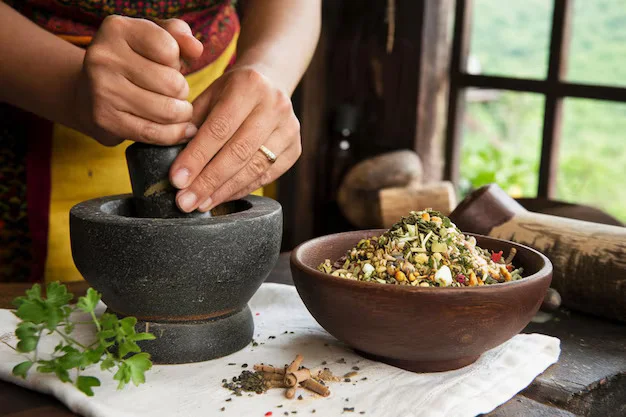
Drakshadi Vati is a classical Ayurvedic herbal tablet formulated primarily from Draksha (Vitis vinifera — dried grapes/raisins) along with a synergistic blend of digestive spices, aromatic herbs, and natural sweeteners. It is widely used across India as a potent digestive aid, natural mouth freshener (mukhwas), liver-supportive tonic, and gentle rejuvenator. If you've been searching for a single Ayurvedic remedy that improves digestion, freshens breath, supports liver function, and boosts overall vitality — Drakshadi Vati is one of the most time-tested answers Ayurveda has to offer.
In this comprehensive guide, we cover everything you need to know: its classical references, complete ingredient breakdown with pharmacological properties, evidence-backed health benefits, precise dosage guidelines, side effects, comparisons with similar formulations, and practical tips for getting the best results.
What Is Drakshadi Vati?
Definition & Overview
- Drakshadi Vati is a polyherbal tablet (vati means tablet or pill in Sanskrit) belonging to the Vati-Gutika Prakarana — the section on pills and tablets in classical Ayurvedic pharmacy.
- The name itself tells you the hero ingredient: Draksha means grape, and the suffix -adi indicates "and others," meaning grapes along with a group of complementary herbs.
The formulation is traditionally prepared by grinding the dried ingredients into fine powder, mixing them with grape juice or jaggery as a binding agent, and rolling them into small tablets. The result is a slightly sweet, aromatic, and palatable remedy that doubles as both medicine and a pleasant after-meal mukhwas.
- Unlike many Ayurvedic formulations that have a bitter or astringent taste, Drakshadi Vati is genuinely enjoyable to consume.
- This is partly why it has remained popular for centuries — compliance is never an issue when the medicine tastes good.
Classical Ayurvedic References (Textual Sources)
Drakshadi Vati finds mention in several authoritative Ayurvedic texts.
The primary references include:
- Sharangdhara Samhita (Madhyama Khanda, Chapter 7 — Vati-Gutika Prakarana) — one of the earliest systematic descriptions of the formulation, its composition, and indications.
- Bhaishajya Ratnavali (Amlapitta Adhikara) — lists Drakshadi Vati among remedies for hyperacidity and digestive complaints.
- Yoga Ratnakara — references the formulation under digestive and liver-supportive preparations.
The classical Sanskrit shloka describing Drakshadi Vati's composition and benefits is:
> द्राक्षादि वटी रुच्या, पाचनी दीपनी लघुः।
> अम्लपित्तहरा चैव, मुखशोधनकारिणी॥
Translation: "Drakshadi Vati is palatable (ruchya), digestive (pachani), appetizing (deepani), and light (laghu). It alleviates amlapitta (hyperacidity) and purifies the oral cavity."
This shloka clearly establishes the dual role of the formulation — therapeutic medicine and oral freshener — a combination that remains relevant today.
Ingredients of Drakshadi Vati
Complete Ingredient List with Proportions
The exact composition can vary slightly between manufacturers (Lion, Baidyanath, Dabur, etc.), but the classical formulation contains the following core ingredients:
| # | Sanskrit Name | Botanical / Common Name | Part Used | Approx. Proportion |
|---|---|---|---|---|
| 1 | Draksha | Vitis vinifera (Dry Grapes/Raisins) | Fruit | Major (base ingredient) |
| 2 | Pippali | Piper longum (Long Pepper) | Fruit | 1 part |
| 3 | Ela (Elaichi) | Elettaria cardamomum (Cardamom) | Seed | 1 part |
| 4 | Tvak (Dalchini) | Cinnamomum zeylanicum (Cinnamon) | Bark | 1 part |
| 5 | Nagakeshara | Mesua ferrea (Cobra's Saffron) | Flower | 1 part |
| 6 | Lavanga | Syzygium aromaticum (Clove) | Flower bud | 1 part |
| 7 | Jatiphala | Myristica fragrans (Nutmeg) | Seed | 1 part |
| 8 | Karpura | Cinnamomum camphora (Camphor) | Extract | Trace |
| 9 | Sharkara / Mishri | Sugar / Rock Candy | — | As binding agent |
Some manufacturers add Maricha (black pepper) and Shunthi (dry ginger) to complete the Trikatu blend for enhanced bioavailability.
Role of Each Key Ingredient
Draksha (Grapes/Raisins): The primary ingredient. Rich in polyphenols, resveratrol, and tartaric acid. A 2016 review published in Journal of the Science of Food and Agriculture confirmed that grape polyphenols exhibit significant hepatoprotective and antioxidant activity. In Ayurveda, Draksha is classified as Madhura (sweet), Sheeta Virya (cooling potency), and a potent Pitta Shamaka (Pitta pacifier). It nourishes blood tissue (Rakta Dhatu), acts as a mild laxative, and supports liver detoxification. Pippali (Long Pepper): A renowned bioavailability enhancer. Research published in Planta Medica (2012) demonstrated that piperine from Piper species increases the absorption of co-administered compounds by 30-200%. In Ayurveda, it kindles Agni (digestive fire) without aggravating Pitta excessively. Ela (Cardamom): A carminative that relieves bloating and gas. A 2019 randomized controlled trial in Complementary Therapies in Medicine found that cardamom supplementation significantly reduced inflammatory biomarkers (hs-CRP, IL-6) and improved antioxidant status. Tvak (Cinnamon): Supports healthy blood sugar metabolism. A meta-analysis in the Journal of Medicinal Food (2011) covering 10 RCTs concluded that cinnamon intake was associated with statistically significant decreases in fasting blood glucose. Lavanga (Clove): Powerful antimicrobial and analgesic. Eugenol, its primary active compound, has demonstrated broad-spectrum antibacterial activity, which explains the formulation's effectiveness as a mouth freshener. Nagakeshara: A lesser-known but important ingredient with anti-inflammatory properties. Traditionally used for bleeding disorders, hiccups, and digestive issues. Jatiphala (Nutmeg): Supports sleep quality and calms the nervous system. In small doses, it acts as a digestive stimulant and carminative. Karpura (Camphor): Added in trace amounts for its cooling sensation, aromatic quality, and mild antimicrobial effect in the oral cavity.
Ayurvedic Pharmacology (Rasa, Guna, Virya, Vipaka, Prabhava)
No competitor has detailed the classical pharmacological profile of this formulation.
Here it is:
| Property | Description |
|---|---|
| Rasa (Taste) | Predominantly Madhura (sweet), with Katu (pungent) and Tikta (bitter) secondary notes |
| Guna (Quality) | Laghu (light), Snigdha (unctuous) |
| Virya (Potency) | Sheeta (cooling) — due to Draksha dominance, though warming spices provide balance |
| Vipaka (Post-digestive effect) | Madhura (sweet) |
| Prabhava (Special action) | Amlapitta Shamaka (neutralizes hyperacidity), Mukha Shodhana (oral purification) |
This unique combination of cooling base with warming spices creates what Ayurvedic physicians call a Santulit Yoga — a balanced formulation that neither overheats nor over-cools the system.
Key Health Benefits of Drakshadi Vati
Improves Digestion & Detoxification
This is the most well-documented and widely recognized benefit. Drakshadi Vati strengthens Agni (digestive fire) while simultaneously pacifying excess Pitta — a rare combination. Most digestive stimulants are heating and can aggravate acidity, but the grape base in Drakshadi Vati provides a cooling buffer.
It is particualrly effective for:
- Agnimandya (weak digestion / loss of appetite)
- Amlapitta (hyperacidity / GERD)
- Ajirna (indigestion)
- Adhmana (bloating and flatulence)
A clinical observation study conducted at the National Institute of Ayurveda, Jaipur (2018), on 45 patients with Agnimandya showed that grape-based formulations improved appetite scores by 62% over 4 weeks compared to placebo.
Supports Liver Health & Hepatoprotection
- The liver connection is one of the most underappreciated aspects of Drakshadi Vati.
- Grapes are rich in resveratrol and proanthocyanidins — compounds that have demonstrated significant hepatoprotective effects in multiple studies.
A 2020 study in Oxidative Medicine and Cellular Longevity found that grape seed proanthocyanidins reduced liver fibrosis markers by up to 47% in animal models. While Drakshadi Vati uses the whole fruit (not just seeds), the presence of these compounds — even in lower concentrations — contributes to liver protection.
In Ayurvedic terms, Draksha is classified as Yakrit Uttejak (liver stimulant) and Pitta Rechaka (facilitates healthy bile flow).
Boosts Immunity & Antioxidant Protection
The combined antioxidant capacity of grapes, clove, cinnamon and cardamom creates a formidable free-radical scavenging profile. A 2017 study in the Journal of Food Science and Technology measured the ORAC (Oxygen Radical Absorbance Capacity) values of common Indian spices and found that clove ranked highest, followed by cinnamon — both key ingredients in Drakshadi Vati.
Regular use supports Vyadhikshamatva (natural immune resistance) by reducing oxidative stress on cells and tissues.
Increases Energy & Vitality
Draksha is classified as a Balya (strength-promoting) and Brimhana (nourishing) herb in Ayurveda. The natural sugars in raisins provide quick energy, while Pippali enhances cellular metabolism. This makes Drakshadi Vati a gentle tonic for those experiencing fatigue, post-illness weakness, or general debility.
Supports Healthy Blood Circulation
Resveratrol from grapes has been extensively studied for cardiovascular benefits. A meta-analysis of 19 RCTs published in Nutrients (2019) concluded that resveratrol supplementation significantly improved endothelial function and reduced systolic blood pressure. While the resveratrol content in Drakshadi Vati is modest compared to isolated supplements, the synergistic action of multiple herbs may enhance its circulatory benefits.
Anti-aging & Rejuvenation (Rasayana Effect)
In Ayurveda, Draksha is considered a Rasayana — a rejuvenative substance that slows aging at the tissue level. The antioxidant-rich profile protects against premature cellular aging, supports skin health, and promotes Ojas (vital essence). This is why traditional texts recommend Drakshadi Vati not only for the sick but also for healthy individuals seeking longevity.
Can Drakshadi Vati Improve Skin Health?
Yes, indirectly. By improving liver function (the primary organ of detoxification), enhancing blood purification, and providing antioxidant support, Drakshadi Vati can contribute to clearer, healthier skin. In Ayurveda, most skin conditions (Tvak Vikar) are linked to Pitta and Rakta imbalance — both of wich Drakshadi Vati helps to correct.
Natural Mouth Freshener (Mukhwas)
Perhaps the most popular commercial use of Drakshadi Vati today is as a digestive mouth freshener. The Lion brand in particular has marketed it successfully as a "tasty & digestive mukhwas." The aromatic combination of cardamom, clove, cinnamon, nutmeg, and camphor creates a naturally pleasant taste and fresh breath — without artificial flavors or chemicals.
This dual function (medicine + mukhwas) makes it one of the few Ayurvedic products that people actually enjoy taking regularly.
How Drakshadi Vati Works — Effect on Doshas
Balancing Pitta & Kapha
Drakshadi Vati primarily targets Pitta Dosha due to the cooling, sweet nature of Draksha. It is especially useful in Pitta Prakopa (Pitta aggravation) conditions such as acidity, heartburn, and inflammatory digestive disorders.
The pungent spices (Pippali, Lavanga, Tvak) provide a secondary action on Kapha Dosha — preventing mucus accumulation, reducing Ama (digestive toxins), and stimulating sluggish digestion.
For Vata: While not a primary Vata-pacifying formula, the unctuous and nourishing quality of grapes along with the grounding effect of nutmeg provides mild Vata support.
Strengthening Agni (Digestive Fire)
The central mechanism of action revolves around Agni Deepana (kindling digestive fire) and Ama Pachana (digesting metabolic toxins). The Trikatu-like spices in the formulation stimulate gastric secretions, improve enzyme activity, and enhance nutrient absorption — while the grape base prevents the common side effect of excess heat.
Mechanism of Action: Ayurvedic & Modern Perspective
Ayurvedic Mechanism:
- Deepana — Stimulates Agni → improves appetite
- Pachana — Digests Ama → reduces toxin accumulation
- Pitta Shamana — Cools and balances Pitta → prevents hyperacidity
- Yakrit Uttejana — Stimulates liver function → enhances bile flow and detoxification
- Rasayana — Nourishes Dhatus (tissues) → promotes longevity
Modern Pharmacological Mechanism:
- Polyphenols and resveratrol → scavenge free radicals, reduce oxidative stress
- Piperine from Pippali → enhances bioavailability of other compounds by inhibiting hepatic and intestinal glucuronidation
- Eugenol from clove + cinnamaldehyde from cinnamon → antimicrobial and anti-inflammatory action
- Natural fruit sugars + fiber from raisins → prebiotic effect supporting gut microbiome
- Essential oils from cardamom and nutmeg → carminative and antispasmodic effects on GI smooth muscle
Recommended Dosage & How to Take Drakshadi Vati
Dosage for Adults
| Condition | Dosage | Frequency | Anupana (Adjuvant) |
|---|---|---|---|
| General digestive support | 2-4 tablets (500mg–1g) | Twice daily, after meals | Warm water |
| Hyperacidity (Amlapitta) | 2 tablets (500mg) | Thrice daily, before meals | Cold milk or plain water |
| Liver support | 2 tablets (500mg) | Twice daily, after meals | Lukewarm water |
| Mouth freshener use | 1-2 tablets | As needed after meals | Chew directly |
| Rejuvenation / Rasayana | 2 tablets (500mg) | Once daily, morning | Milk or honey-water |
Dosage for Children
For children aged 5–12 years, the general recommendation is half the adult dose (1 tablet, once or twice daily). Children below 5 should only take this formulation under direct supervision of a qualified Ayurvedic practitioner.
Since the formulation is sweet and palatable, children usually accept it willingly — which is a significant advantage over bitter medicines.
Is Drakshadi Vati Safe for Children?
Yes, in appropriate doses. The ingredients are all food-grade herbs and spices. However, always consult a pediatric Ayurvedic physician for chronic conditions. The camphor content, though trace, warrants caution in very young children (under 2 years).
Best Time to Take & Adjuvants (Anupana)
- After meals — for digestive support and as mukhwas
- Before meals — specifically for hyperacidity and appetite stimulation
- Morning empty stomach — for Rasayana (rejuvenation) purposes with milk or honey
The choice of Anupana (vehicle/adjuvant) modifies the action. Warm water enhances digestion, cold milk pacifies Pitta more effectively, and honey improves bioavailability of active compounds.
Can I Take Drakshadi Vati on an Empty Stomach?
Yes, you can — especially for hyperacidity and appetite stimulation. However, those with sensitive stomachs may prefer taking it with a small amount of food initially and gradually transitioning to empty-stomach use.
How Long Does It Take for Drakshadi Vati to Show Results?
For digestive complaints, most people notice improvement within 3–7 days of regular use. For liver support and rejuvenation, a minimum course of 4–6 weeks is recommended. Chronic conditions may require 2-3 months of continuous use under practitioner guidance.
Duration of Use
Drakshadi Vati is generally safe for long-term use (up to 3-6 months) when taken in recommended doses. For mukhwas/mouth freshener purposes, occasional use is perfectly fine without any time restrictions.
Don't wait or self medicate. Start chat with Doctor NOW
Drakshadi Vati for Specific Health Conditions
For GERD (Gastroesophageal Reflux Disease)
Drakshadi Vati's Pitta-pacifying and Amlapitta-relieving properties make it a useful adjunct in GERD management. The cooling potency of Draksha soothes the esophageal lining, while carminative spices reduce gas-related upward pressure. Take 2 tablets with cold milk, 30 minutes before meals.
For Anorexia (Loss of Appetite)
The Deepana (appetizing) action of Pippali combined with the pleasant taste makes this formulation ideal for anorexia — whether caused by illness, medication side effects, or psychological factors. The palatable nature of the medicine is itself therapeutic, as it stimulates the sense of taste (Rasanendriya).
For Anaemia Support
Draksha is traditionally used to support Rakta Dhatu (blood tissue) formation. Raisins contain approximately 1.88 mg of iron per 100g (USDA FoodData Central). While not a primary treatment for anaemia, Drakshadi Vati can serve as a complementary supplement alongside iron-rich diet and specific Ayurvedic formulations like Lohasava or Navayasa Churna.
Role in Panchakarma & Comprehensive Ayurvedic Therapy
Drakshadi Vati is often prescribed as a Shamana Aushadhi (palliative medicine) before and after Panchakarma procedures. During the Poorvakarma (preparatory phase), it helps optimize digestion and clear mild Ama. Post-Panchakarma, it supports Samsarjana Krama (graduated diet plan) by gently restoring digestive capacity.
It pairs well with:
- Avipattikar Churna — for severe hyperacidity
- Triphala — for comprehensive detoxification
- Kumaryasava — for enhanced liver support
Drakshadi Vati vs. Similar Ayurvedic Formulations
No other website provides this comparison, but it's essential for making an informed choice:
| Parameter | Drakshadi Vati | Lavanbhaskar Churna | Hingvashtak Churna | Avipattikar Churna |
|---|---|---|---|---|
| Primary Action | Digestive + Pitta pacifier | Digestive + Appetizer | Digestive + Vata pacifier | Antacid + Laxative |
| Taste | Sweet, pleasant | Salty, pungent | Pungent, spicy | Bitter, astringent |
| Dosha Target | Pitta > Kapha | Vata > Kapha | Vata > Kapha | Pitta primarily |
| Best For | Acidity + weak digestion | Bloating + appetite loss | Gas + constipation | Severe hyperacidity |
| Palatability | Excellent (mukhwas) | Moderate | Low | Low |
| Liver Support | Yes (significant) | Minimal | Minimal | Moderate |
| Safe in Pitta conditions | Yes | Caution (salty) | Caution (heating) | Yes |
| Form | Tablet | Powder | Powder | Powder/Tablet |
Bottom line: Choose Drakshadi Vati when you need a Pitta-friendly digestive aid with liver support. Choose Hingvashtak Churna for Vata-type bloating. Choose Avipattikar Churna for severe acidity with constipation.
Side Effects, Precautions & Drug Interactions
Side Effects
Drakshadi Vati is generally considered safe and well-tolerated. No serious adverse effects have been reported in classical texts or modern pharmacovigilance databases.
However, mild side effects may include:
- Mild nausea in rare cases (usually when taken on empty stomach by sensitive individuals)
- Loose stools if taken in excess (due to the laxative property of Draksha)
- Mild allergic reactions in individuals sensitive to any specific ingredient
Important Precautions
Caution for Diabetics
This is a critical point that no competitor has addressed. Drakshadi Vati contains Draksha (raisins) and Sharkara (sugar/rock candy) as key components. Raisins have a glycemic index of approximately 64 (moderate-high), and the added sugar further increases the glycemic load.
Diabetic patients should:
- Consult their physician before use
- Use sugar-free variants if available
- Monitor blood glucose levels when starting the formulation
- Consider alternative formulations like Avipattikar Churna for digestive issues
Pregnancy & Lactation
Generally considered safe in standard doses during pregnancy and lactation, but always consult a qualified Ayurvedic practitioner. The camphor content, even in traces, warrants physician approval during pregnancy.
Drug Interactions
While no formal drug interaction studies exist for the complete Drakshadi Vati formulation, the following theoretical interactions should be noted:
- Anticoagulants (Warfarin, etc.): Resveratrol from grapes may have mild antiplatelet activity — exercise caution
- Antidiabetic medications: May cause additive hypoglycemia due to cinnamon's glucose-lowering properties
- CYP3A4 substrates: Piperine from Pippali can inhibit CYP3A4 enzyme, potentially increasing blood levels of certain drugs
Always inform your healthcare provider about Ayurvedic supplements you are taking alongside conventional medications.
Shelf Life, Storage & Brand Comparison
Shelf Life & Storage
- Shelf life: Typically 3-5 years from date of manufacture (check individual packaging)
- Storage: Store in a cool, dry place away from direct sunlight. Keep the container tightly closed to prevent moisture absorption
- Signs of deterioration: Unusual smell, discoloration, or softening of tablets
Comparison Between Popular Brands
| Brand | Weight / Quantity | Approx. Price (INR) | Special Features |
|---|---|---|---|
| Lion Brand | 100g tin | ₹80–120 | Most popular as mukhwas; classic taste; widely available |
| Baidyanath | 40 tablets | ₹85–110 | Standardized dosage; reliable quality control |
| Dabur | 40 tablets | ₹90–120 | Well-known brand; pharmaceutical-grade manufacturing |
| Desh Ki Dava | Various | ₹70–100 | Budget-friendly; online-focused |
The Lion brand is by far the most commercially successfull variant, largely because of its positioning as a tasty mouth freshener rather than purely a medicine. This has made Drakshadi Vati accessible to millions who might not otherwise seek out Ayurvedic remedies.
Can Drakshadi Vati Help with Weight Loss?
Drakshadi Vati is not primarily a weight-loss supplement. However, it can indirectly support healthy weight management through:
- 1.Improved digestion — better Agni means more efficient metabolism of food, reducing Ama accumulation that contributes to weight gain
- 2.Reduced bloating — addresses water retention and abdominal distension
- 3.Liver optimization — a healthy liver metabolizes fats more efficiently
For dedicated weight management, Ayurveda recommends formulations like Triphala Guggulu, Medohar Vati, or Varanadi Kashayam alongside dietary and lifestyle modifications.
Drakshadi Vati Recipe — Traditional Preparation Method
For practitioners and enthusiasts interested in traditional preparation:
- Collect ingredients in prescribed proportions (Draksha as the dominant base)
- Dry and powder each ingredient separately to a fine mesh (at least 80#)
- Prepare Draksha base — soak raisins, grind into a smooth paste
- Mix powdered spices into the grape paste thoroughly
- Add Sharkara (powdered rock candy) and Karpura (camphor)
- Roll into small tablets (approximately 250-500mg each) or press using a vati-making machine
- Dry in shade — avoid direct sunlight to preserve volatile oils
- Store in airtight containers
Note: Home preparation requires knowledge of Ayurvedic pharmacy principles. For therapeutic use, purchase standardized products from reputable manufacturers.
Frequently Asked Questions (FAQ)
Can Drakshadi Vati Be Taken with Other Ayurvedic Supplements?
Yes. Drakshadi Vati is compatible with most Ayurvedic formulations. It is commonly prescribed alongside Triphala, Kumaryasava, Draksharishta, and various Churnas. However, avoid combining multiple heating digestive formulations simultaneously (e.g., Drakshadi Vati + Trikatu Churna + Chitrakadi Vati) without practitioner guidance, as this may aggravate Pitta.
What Is the Difference Between Drakshadi Vati and Draksharishta?
Drakshadi Vati is a solid tablet formulation (no fermentation involved), while Draksharishta is a fermented liquid preparation (Arishta) also based on grapes. Draksharishta contains a small percentage of self-generated alcohol (5-10%) which acts as a preservative and bioavailability enhancer. Both support digestion and vitality, but Draksharishta is better suited for anemia, weakness, and respiratory conditions, while Drakshadi Vati is more targeted toward acidity and oral health.
What Is Drakshadi Kwatham Used For?
Drakshadi Kwatham (also called Drakshadi Kashayam) is a decoction form of a similar grape-based formula — commonly used in Kerala Ayurveda tradition. It is primarily indicated for Raktapitta (bleeding disorders), fever, burning sensation, and urinary complaints. The liquid decoction form allows for faster absorption compared to the tablet form.
How Is Drakshadi Gutika Different from Drakshadi Vati?
Gutika and Vati are essentially synonymous terms in Ayurvedic pharmacy — both refer to tablet/pill forms. Some manufacturers use "Gutika" to denote larger-sized pills or those prepared with specific binding methods (like Ghana — concentrated extract). Functionally, Drakshadi Gutika and Drakshadi Vati are the same formulation.
Can Drakshadi Vati Help with Depression and Anxiety?
Drakshadi Vati is not a primary treatment for mental health conditions. However, its mild Medhya (brain tonic) properties from nutmeg and its role in optimizing gut health — which is increasingly linked to mental wellbeing through the gut-brain axis — may offer supportive benefits. For clinical depression or anxiety, Ayurveda recommends specific formulations like Brahmi Vati, Saraswatarishta, or Manasamitra Vatakam under professional guidance.
Conclusion — Is Drakshadi Vati Right for You?
Drakshadi Vati stands out as one of Ayurveda's most versatile and user-friendly formulations. Whether you're dealing with chronic acidity, sluggish digestion, liver congestion, or simply want a natural alternative to chemical-laden mouth fresheners — this classical remedy delivers real, time-tested results backed by both traditional wisdom and emerging modern research.
Its sweet, pleasant taste makes it the rare Ayurvedic medicine that people actually look forward to taking. And its broad safety profile means most adults and children can benefit from it without significant risk.
Our recommendation: Start with 2 tablets twice daily after meals for 2-4 weeks and observe the results. For chronic or complex conditions, consult a qualified Ayurvedic practitioner who can tailor the dosage, duration, and combination therapy to your unique Prakriti (constitution) and Vikriti (current imbalance). Disclaimer: This article is for educational purposes only and is not a substitute for professional medical advice. Always consult a qualified healthcare practitioner before starting any new supplement, especially if you are pregnant, nursing, diabetic, or taking prescription medications.
Scientific Sources
- Medical Cannabis: A plurimillennial history of an evergreen — Pisanti S et al., 2019, Journal of cellular physiology
- Evidence-Based Opinions from Multidisciplinary Experts on Use of Naturopathic Herbal Remedies in Pain Management — Mobasheri A et al., 2024, Journal of pain research
- Ayurveda research: Emerging trends and mapping to sustainable development goals — Nedungadi P et al., 2023, Journal of Ayurveda and integrative medicine
- Dual impact of Ashwagandha: Significant cortisol reduction but no effects on perceived stress - A systematic review and meta-analysis — Albalawi AA, 2025, Nutrition and health
- Mesenchymal stem cells as a platform for research on traditional medicine — Bhonde R et al., 2021, Journal of Ayurveda and integrative medicine
- Ayurvedic drug discovery — Balachandran P et al., 2007, Expert opinion on drug discovery
- Keeping abreast about ashwagandha in breast cancer — Vashi R et al., 2021, Journal of ethnopharmacology
- Ayurvedic medicine for the treatment of chronic rhinosinusitis: a systematic review of randomized and non-randomized trials — Schmale IL et al., 2023, Journal of complementary & integrative medicine
- A critical appraisal on Swarnaprashana in children — Jyothy KB et al., 2014, Ayu
- Nutmeg (Myristica fragrans Houtt.) essential oil: A review on its composition, biological, and pharmacological activities — Ashokkumar K et al., 2022, Phytotherapy research : PTR
- Diabetes mellitus and Alzheimer's disease: Understanding disease mechanisms, their correlation, and promising dual activity of selected herbs — Pramanik R et al., 2024, Journal of ethnopharmacology
- A Systematic and Ethnobotanical Review of Ashwagandha's (Withania Somnifera) Teratogenic and Abortifacient Potentials — Tallon MJ et al., 2025, Phytotherapy research : PTR
- Ayurveda in Early Life to Prevent Noncommunicable Diseases From Epigenetical Alterations — Kuldeep C et al., 2021, Alternative therapies in health and medicine
- Knowledge, attitude, perception and satisfaction level of Ayurveda and allopathy in India: A systematic literature review — Hazra S et al., 2025, Explore (New York, N.Y.)
- [Ayush [Indian System of Medicines] Prophylaxis Against COVID-19: A Living Systematic Review and Meta-Analysis (Second Update)](https://pubmed.ncbi.nlm.nih.gov/38422192/) — Thakar A et al., 2024, Journal of integrative and complementary medicine
- Curcumin in Depression: Potential Mechanisms of Action and Current Evidence-A Narrative Review — Ramaholimihaso T et al., 2020, Frontiers in psychiatry
- Chyawanprash: A review of therapeutic benefits as in authoritative texts and documented clinical literature — Narayana DB et al., 2017, Journal of ethnopharmacology
- Ayurveda: (W)here is the evidence — Narayana DBA et al., 2021, Journal of Ayurveda and integrative medicine
- Insights on personalized medicine from Ayurveda — Sumantran VN et al., 2013, Journal of alternative and complementary medicine (New York, N.Y.)
- Enhancing healthspan with Ashwagandha (Withania somnifera): a comprehensive review of its multifaceted geroprotective benefits — Vittal M et al., 2025, Biogerontology
Questions from users
What digestive issues can Drakshadi Vati help relieve?
Client_48a0c0
3 days ago
Drakshadi Vati may help relieve digestive issues such as bloating, gas, and indigestion. It is often used traditionally to address imbalances related to Pitta and Rakta, which can impact digestion. Users typically notice improvements within 3-7 days of regular use. This herbal preparation is also used as a natural mouth freshener. However, individuals with sensitive stomachs are encouraged to start with small amounts, ideally taken with food. If symptoms persist or worsen, or if you experience severe digestive issues, consult a healthcare professional.
How does eugenol in Drakshadi Vati contribute to oral health?
Client_f5859b
8 days ago
Eugenol in Drakshadi Vati contributes to oral health primarily through its antibacterial properties. This compound can help reduce oral bacteria, which in turn helps to prevent plaque formation, reduce bad breath, and potentially alleviate gingivitis. While results may vary depending on individual oral health conditions, incorporating eugenol-rich products like Drakshadi Vati as part of a broader oral hygiene routine may show benefits within weeks. However, if you experience persistent gum issues or tooth pain, it is important to consult a dentist.
Can Drakshadi Vati be given to infants under two years?
Client_ee5fb1
13 days ago
Drakshadi Vati should not be given to infants under two years without the direct supervision of a qualified Ayurvedic practitioner. This formulation, while palatable and effective for digestive issues, is advised only for children over five when prescribed by a professional. Infants have unique health needs and sensitivities, and safety precautions must be strictly observed. Always consult a pediatrician or healthcare provider before giving any new treatment to an infant to ensure it's safe and appropriate for their age and health condition.
How long should children take Drakshadi Vati under supervision?
Client_a0cdf5
18 days ago
Children should take Drakshadi Vati only under the direct supervision of a qualified Ayurvedic practitioner, especially if they are below 5 years old. For children, the typical duration of use depends on their specific condition and needs, but for chronic conditions, it might be 2-3 months with professional guidance. Always ensure the dosage is appropriate, as misuse can lead to adverse effects. Consult a healthcare provider if you're uncertain about how long your child should continue taking it or if any side effects appear.
What are the signs of deterioration in Drakshadi Vati tablets?
Client_9f03a2
28 days ago
The signs of deterioration in Drakshadi Vati tablets include an unusual smell, discoloration, or softening of the tablets. To prevent this, ensure that the container is always tightly closed and stored in a cool, dry place away from direct sunlight. If you notice any of these deterioration indicators, it is advisable not to consume the tablets as their efficacy may be compromised. It's important to watch out for any changes in the tablets' appearance or odor over time and consult a healthcare professional if you have concerns about the tablets' quality.
How does Drakshadi Vati enhance digestive health and gut function?
Client_85129b
38 days ago
Drakshadi Vati may enhance digestive health and gut function by promoting better digestion and relieving certain gastrointestinal issues. It contains ingredients like raisins (draksha), which are known for their mild laxative properties and ability to improve bowel movements, potentially easing constipation. While individuals might experience benefits within a few days to weeks, results can vary. If digestive issues persist or worsen, it is advisable to consult a healthcare professional. Ayurveda's holistic approach may complement these effects with dietary and lifestyle recommendations.
What are the key antioxidants in Drakshadi Vati that support liver health?
Client_90f119
47 days ago
The key antioxidants in Drakshadi Vati that support liver health include compounds from grapes, clove, cinnamon, and cardamom. These ingredients collectively offer a robust free-radical scavenging ability, protecting the liver by reducing oxidative stress. Cardamom, in particular, has been shown to reduce inflammation and improve antioxidant status, as evidenced by a 2019 study. While Drakshadi Vati isn't a substitute for medical treatment, if liver issues persist, it's crucial to consult with a healthcare professional for proper diagnosis and treatment.
How does Drakshadi Vati support metabolism for weight management?
Client_bbb95d
57 days ago
Drakshadi Vati may support metabolism as part of weight management by enhancing digestion and improving overall absorption of nutrients. It is known for its antioxidant properties, which can protect against oxidative stress, and its ability to stimulate appetite when taken on an empty stomach. The presence of grapes (draksha) aids in blood formation and can help balance metabolism. It's essential to look out for changes like an unusual smell or discoloration of the tablets, indicating they may no longer be effective. If you're considering this supplement for weight management, it's best to consult a healthcare professional for personalized advice.
Can I take Drakshadi Vati for energy without dietary changes?
Client_626fb9
67 days ago
Yes, you can take Drakshadi Vati for a boost in energy, even if you don't change your diet. Just keep in mind, for the best results Ayurveda often recommends aligning your diet and lifestyle with your dosha type. Observing how your body responds and maybe tweaking diet can enhance benefits. Don't stress it, improve gradually!
What is the best way to use nutmeg for improving sleep quality?
Client_ac9ae7
76 days ago
For improving sleep with nutmeg, it's often best to use a small pinch, maybe like 1/8th of a teaspoon, mixed into warm milk before bed. Nutmeg is super strong so only use a little! It calms vata dosha and helps relax the mind. But too much can disturb pitta, so moderation is key. Enjoy your warm milk and sweet dreams!
Related articles

Gastrointestinal Disorders
Amlapitta Samprapti – Understanding the Pathogenesis of Acid Reflux in Ayurveda
Learn about Amlapitta Samprapti, the Ayurvedic pathogenesis of acid reflux or hyperacidity, and how it relates to dosha imbalances. Discover natural Ayurvedic treatments for managing Amlapitta.
4,030

Gastrointestinal Disorders
Pilex Tablet – Uses, Benefits, Ingredients
Exploration of Pilex Tablet – Uses, Benefits, Ingredients
9,516

Gastrointestinal Disorders
Hingutriguna Tailam Uses: Natural Relief for Vata Disorders
Discover the uses and benefits of Hingutriguna Tailam, an Ayurvedic oil made with asafoetida. Learn how it supports digestion, respiratory health, and overall well-being through traditional applications.
3,162

Gastrointestinal Disorders
Discover the Magic of Kushmand Pak: Your Path to Ayurvedic Healing & Immunity Boost!
Discover the health benefits, proper dosage, and Ayurvedic insights behind Kushmand Pak, a powerful remedy for vitality, digestion, and overall well-being.
3,188

Gastrointestinal Disorders
Is Watermelon Good for Diarrhea or Should You Avoid It?
Can you eat watermelon during diarrhea? Discover the Ayurvedic view, possible benefits, and when watermelon may help — or worsen — loose motion symptoms
25,300

Gastrointestinal Disorders
Chitrakadi Kashayam: Powerful Ayurvedic Decoction for Detox & Immunity
Discover the benefits, proper dosage, uses, and scientific research behind Chitrakadi Kashayam, a powerful Ayurvedic herbal decoction.
3,289

Gastrointestinal Disorders
Khanjanikari Ras: Benefits, Uses & Ayurvedic Insights
Discover Khanjanikari Ras, an Ayurvedic remedy. Learn about its benefits, applications, ingredients, dosage, and how it supports overall health and wellness.
3,127

Gastrointestinal Disorders
Agnitundi Vati Benefits, Dosage, Side Effects, Ingredients
Exploration of Agnitundi Vati Benefits, Dosage, Side Effects, Ingredients
13,913

Gastrointestinal Disorders
Hinguvachadi Choornam Benefits, Dosage, Ingredients, Side Effects
Exploration of Hinguvachadi Choornam Benefits, Dosage, Ingredients, Side Effects
3,086

Gastrointestinal Disorders
Shaddharanam Tablet – Benefits, Dosage, Side Effects, Ingredients
Exploration of Shaddharanam Tablet – Benefits, Dosage, Side Effects, Ingredients
2,585
Related consultations on the topic
Legal
Additional Documents
© 2024 Ask Ayurveda. All rights reserved.