Lomasathana Thailam: Ayurvedic Medicine for Unwanted Hair
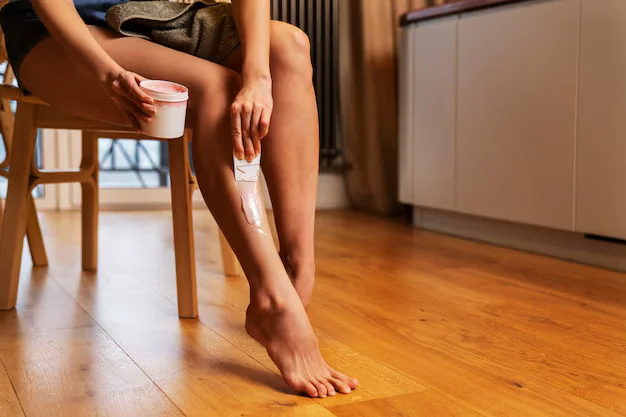
- Lomasathana Thailam is a classical Ayurvedic herbal oil formulated specifically for the removal and reduction of unwanted body and facial hair.
- Referenced in the ancient text Sahasrayogam — one of the most respected compendiums of Ayurvedic formulations originating from the Kerala tradition — this oil works by weakening hair follicles over time, leading to thinner, sparser, and eventually reduced hair growth. It is most commonly used by women dealing with hirsutism (excessive facial or body hair), often linked to conditions like PCOS, hormonal imbalances, or genetic predisposition.
Unlike chemical depilatory creams or invasive procedures, Lomasathana Thailam takes a gentler, more holistic approach rooted in centuries of Ayurvedic practice. But does it actually work? Is it safe, given that one of its ingredients contains a purified form of arsenic? And how does it stack up against modern hair removal methods?
This guide covers everything — from ingredients and mechanism of action to safety, step-by-step application, and honest expectations about results.
What Is Lomasathana Thailam?
- Lomasathana Thailam (sometimes transliterated as Lomashadana Thailam) is a medicated Ayurvedic oil designed to inhibit and reduce unwanted hair growth.
- The name itself gives away its purpose: Loma means hair, Sathana (or Shadana) means destruction or removal, and Thailam means oil.
- Literally — "hair-destroying oil."
It falls under the category of Bahya Prayoga (external-use formulations) in Ayurveda and is classified as a Keshya Nashaka preparation — one that targets hair removal rather than hair growth.
Classical Ayurvedic Reference: Sahasrayogam
The formulation of Lomasathana Thailam is documented in the Sahasrayogam, a classical Ayurvedic text believed to have been compiled in Kerala between the 14th and 17th centuries. The Sahasrayogam (literally "a thousand formulations") is a pharmacopeial reference that catalogs hundreds of Thailams, Kashayams, Churnas, and other preparations.
What's significant here is that most competitor articles online never mention the textual source. This isn't some modern concoction invented by a marketing team — it's a formulation that has been prescribed by Ayurvedic physicians (Vaidyas) for centuries, with a documented lineage traceable through classical literature.
The Sahasrayogam lists the specific ingredients, proportions, and method of preparation (Taila Paka Vidhi) for Lomasathana Thailam, providing it with a level of authenticity and standardization that many "Ayurvedic-inspired" products lack.
How It Works — The Ayurvedic Mechanism of Action
- From an Ayurvedic perspective, excessive hair growth in unwanted areas is often linked to vitiation of Pitta dosha (specifically Bhrajaka Pitta, which governs skin health) along with disturbances in Rakta dhatu (blood tissue) and Meda dhatu (fat tissue).
- Hormonal imbalances — which Ayurveda conceptualizes through the lens of Agni (metabolic fire) and Ama (toxins) — contribute to conditions like hirsutism.
Lomasathana Thailam works through several mechanisms:
- Follicular weakening: The active ingredients penetrate the hair shaft and weaken the root structure, making hair thinner and more brittle with each application cycle.
- Keratolytic action: Certain ingredients (particularly Haritala) have mild keratolytic properties that dissolve the protein structure of the hair.
- Anti-androgenic support: Ingredients like Haridra (turmeric) have shown anti-androgenic properties in studies, which may help reduce androgen-driven hair growth at the application site.
- Pitta pacification: The formulation aims to balance localized Pitta aggravation in the skin, addressing what Ayurveda considers the root cause rather than just the symptom.
The oil doesn't work like a depilatory cream that dissolves hair instantly. Instead, it's designed for sustained use over 3 to 6 weeks, progressively reducing hair density, thickness and regrowth rate.
Ingredients & Composition
Understanding what goes into Lomasathana Thailam is crucial — both for appreciating how it works and for making an informed decision about safety. The formulation is relatively simple compared to many Ayurvedic oils, with each ingredient serving a specific purpose.
Full Ingredient Table with Scientific Names & Dosages
| Ayurvedic Name | Scientific Name | English/Common Name | Part Used | Approximate Quantity (per batch) |
|---|---|---|---|---|
| Kadali | Musa paradisiaca | Banana / Plantain | Stem juice (Kanda Swarasa) | 1 part (liquid base) |
| Haridra (Nisha) | Curcuma longa | Turmeric | Rhizome (Kalka/paste) | 1/4 part |
| Haritala | Purified Arsenic Trisulfide (As₂S₃) | Orpiment (purified) | Mineral (Shodhita) | 1/8 part |
| Palasa | Butea monosperma | Flame of the Forest | Seed powder / Bark ash (Kshara) | 1/4 part |
| Shankha (Sambukajam) | Conch shell calx | Shankha Bhasma | Bhasma (calcined) | 1/8 part |
| Sarshapa Thaila | Brassica juncea | Mustard Oil | Oil (base) | 1 part |
Note: Exact proportions may vary slightly between manufacturers. The ratios above reflect the traditional formulation as described in the Sahasrayogam.
Role of Each Ingredient — Why These Specific Components?
Sarshapa Thaila (Mustard Oil) — The base oil. Mustard oil was chosen deliberately, not arbitrarily. It has natural rubefacient properties (causes mild warming and increased blood flow to the skin surface), which helps the active ingredients penetrate deeper. A 2016 study published in the Journal of Ethnopharmacology confirmed that mustard oil enhances transdermal absorption of co-applied compounds. It also has inherent antimicrobial properties that help prevent skin infections post-application. Kadali Swarasa (Banana Stem Juice) — Acts as the liquid medium during the oil preparation process. Banana stem juice is rich in potassium and has cooling (Sheeta Veerya) properties that balance the heating nature of mustard oil and Haritala. It also contains enzymes that may contribute to the softening of hair shafts.
- Haridra / Turmeric — Perhaps the most well-studied Ayurvedic ingredient globally.
- In this formulation, turmeric serves multiple roles: it's anti-inflammatory (protecting the skin from irritation caused by other active ingredients), antimicrobial, and — crucially — has demonstrated anti-androgenic activity. A 2020 study in Phytomedicine showed that curcumin can inhibit 5-alpha-reductase, the enzyme that converts testosterone to DHT, which is a primary driver of androgen-sensitive hair growth.
Palasa (Butea monosperma) — Known as the "Flame of the Forest," Palasa seeds and bark contain butrin, isobutrin, and coreopsin — flavonoid compounds with documented depilatory and anti-proliferative properties. In traditional Ayurvedic practice, Palasa kshara (alkaline ash) has been used independently as a hair-removing agent. A study in the International Journal of Pharma and Bio Sciences (2013) confirmed the keratolytic activity of Butea monosperma seed extracts. Shankha Bhasma (Conch Shell Calx) — Provides calcium-rich alkaline compounds that contribute to the breakdown of keratin in the hair shaft. Bhasmas in Ayurveda are nanoscale mineral preparations created through repeated cycles of calcination, making them bioavailable and effective at very small doses. Haritala (Purified Arsenic Trisulfide) — This is the ingredient that raises the most eyebrows, and rightfully so. Let's address it directly.
Safety of Haritala (Purified Arsenic Trisulfide) — The Shodhana Process
Yes, Haritala contains arsenic. Specifically, it is Arsenic Trisulfide (As₂S₃), a naturally occurring mineral also known as orpiment. In its raw, unpurified form, it would indeed be toxic. However, Ayurveda has a rigorous purification protocol called Shodhana that transforms it into a safer, therapeutically usable form.
The Shodhana Process for Haritala typically involves:
- 1.Nirvapana (Quenching) — The raw mineral is heated until red-hot and then repeatedly quenched in specific liquids: cow's urine (Gomutra), cow's milk, sesame oil, Kanji (fermented rice water), and Kulattha Kashaya (horse gram decoction). This cycle is repeated 7 times in each liquid.
- 2.Bhavana (Trituration) — The quenched material is ground with herbal juices to further reduce particle size and toxicity.
- 3.The result: The repeated thermal and chemical processing significantly reduces free arsenic content and converts it into bound, less bioavailable forms.
A 2017 study published in the Journal of Ayurveda and Integrative Medicine analyzed Shodhita (purified) Haritala and found that the Shodhana process reduced arsenic bioavailability by approximately 85-90% compared to raw samples. The purified form showed minimal systemic absorption when applied topically.
That said, it's essential to:
- Only use products from GMP-certified manufacturers that follow classical Shodhana protocols
- Never apply on broken skin, open wounds, or mucous membranes
- Always perform a patch test before first use
- Avoid prolonged use without guidance from a qualified Ayurvedic practitioner
- Keep it strictly for external use — never ingest
The presence of Haritala is precisely why this product should be treated as a medicine, not a casual cosmetic.
Key Benefits of Lomasathana Thailam
Unwanted Facial Hair Reduction in Women
The primary and most commonly reported benefit. Women with visible upper lip hair, chin hair, sideburn growth, or peach fuzz that becomes coarse over time represent the core user base for this product. Regular application over 3-6 weeks typically leads to noticeable reduction in hair thickness and density.
Hirsutism Management (PCOS-Related and Otherwise)
Hirsutism — male-pattern hair growth in women — affects an estimated 5-10% of women of reproductive age globally. While PCOS is the most common cause (responsible for roughly 70-80% of hirsutism cases, according to the Journal of Clinical Endocrinology & Metabolism), other causes include:
- Idiopathic hirsutism (no identifiable hormonal cause — accounts for about 15% of cases)
- Adrenal hyperplasia (congenital or late-onset)
- Obesity (excess adipose tissue increases androgen conversion)
- Medications (certain steroids, minoxidil, cyclosporine)
- Genetic predisposition (more prevalent in South Asian, Middle Eastern, and Mediterranean populations)
Lomasathana Thailam addresses the local symptom of excessive hair growth. For sustained results, Ayurvedic practitioners typically recommend combining it with internal treatments addressing the root cause — such as Shatavari for hormonal balance or Triphala for metabolic support.
Skin-Smoothing Properties
Users frequently report that the oil leaves skin feeling smoother after use, partly due to the exfoliating action of Palasa and Shankha Bhasma, and partly from the anti-inflammatory effects of turmeric. Unlike waxing or threading, which can cause redness and micro-tears, the oil works more gently on the skin surface.
How to Use Lomasathana Thailam — Step-by-Step Instructions
This is where most online resources fall short — they simply say "apply and wash off." Here's a detailed, practical guide.
Pre-Application Preparation
- 1.Perform a patch test first (critically important): Apply a small amount to the inner forearm. Wait 24 hours. If no redness, burning, itching, or rash appears, proceed.
- 2.Cleanse the area: Wash the target area with mild soap and warm water. Pat dry completely. The skin should be clean, dry, and free of any other products (no moisturizer, no sunscreen, no makeup).
- 3.Do NOT steam or exfoliate beforehand: Unlike some depilatory methods, you don't want the pores open or the skin barrier compromised — this increases the risk of irritation from Haritala.
Application Process
- 4.Shake the bottle gently before use — the mineral ingredients can settle.
- 5.Apply a thin, even layer of oil to the area with unwanted hair using your fingertip or a cotton pad. Don't glob it on; a thin coat is sufficient.
- 6.Leave on for 15-20 minutes for initial uses. If your skin tolerates it well after 3-4 applications, you can gradually extend to 25-30 minutes. Never exceed 45 minutes.
- 7.Do NOT rub aggressively during application — gentle, smooth strokes are enough.
Removal and Aftercare
- Wipe off with a soft damp cloth first, then wash the area with lukewarm water and a mild, pH-balanced cleanser.
- Apply pure aloe vera gel or coconut oil as a post-application soothing agent. Avoid chemical moisturizers for at least 2 hours.
- Avoid direct sun exposure on the treated area for 4-6 hours post-application. If going outdoors is unavoidable, apply a mineral sunscreen.
How Often Should You Use It?
- Weeks 1-2: Apply once every 3 days (approximately 2-3 times per week)
- Weeks 3-6: If tolerated well, increase to every other day
- After visible reduction: Switch to a maintenance schedule of 1-2 times per week
Most users begin to notice visible thinning of hair within 3-4 weeks and more significant reduction by 6-8 weeks. Individual results vary based on hair thickness, hormonal status, and consistency of use.
Does Lomasathana Thailam Permanently Remove Hair?
Let's be honest here.
No, it does not permanently remove hair in the way that laser hair removal or electrolysis can. What it does is progressively weaken hair follicles, resulting in finer, lighter, and slower-growing hair with continued use. Some users report near-complete cessation of visible hair growth in treated areas after several months of consistent use, but this isn't guaranteed and depends heavily on the underlying cause of hair growth.
If the excessive hair growth is driven by ongoing hormonal imbalances (active PCOS, for instance), the hair may gradually return if you stop using the oil without addressing the hormonal issue. This is why Ayurvedic practitioners emphasize samprapti vighatan — breaking the disease pathway — rather than just managing the surface symptom.
What Happens After You Stop Using It?
Based on user reports and practitioner observations:
- If used for 3+ months consistently: Many users maintain results for 2-4 months after discontinuation, with hair regrowing thinner than before.
- If used for less than 4 weeks: Hair typically regrows to pre-treatment levels within a few weeks.
- Maintenance use: Most practitioners recommend continuing 1-2 applications per week even after achieving desired results, to sustain the effect.
Lomasathana Thailam vs. Other Hair Removal Methods
No one has done this comparison properly online, so here is a practical side-by-side:
| Method | Pain Level | Avg. Cost (India) | Duration of Results | Skin Side Effects | Works on Root Cause? |
|---|---|---|---|---|---|
| Lomasathana Thailam | None to mild tingling | ₹150-300 per bottle (lasts 4-6 weeks) | Gradual reduction; semi-permanent with maintenance | Possible irritation if misused | Partially (via anti-androgenic ingredients) |
| Waxing | Moderate to high | ₹200-800 per session | 2-4 weeks regrowth | Ingrown hairs, redness, folliculitis | No |
| Threading | Moderate | ₹30-100 per session | 1-3 weeks regrowth | Redness, skin pulling, minor irritation | No |
| Depilatory Creams | None (may burn) | ₹100-400 per tube | 3-7 days regrowth | Chemical burns, allergic reactions, strong odor | No |
| Laser Hair Removal | Mild to moderate | ₹2,000-8,000 per session (6-8 sessions needed) | Semi-permanent to permanent | Hyperpigmentation, burns (rare), not ideal for all skin tones | No |
| Electrolysis | Moderate | ₹1,500-5,000 per session (many sessions needed) | Permanent (FDA-approved) | Scarring (rare), redness, swelling | No |
| Lomasathana Thailam + Internal Ayurvedic Treatment | None to mild | ₹500-1,500/month total | Long-term reduction | Minimal when used correctly | Yes |
The key advantage of Lomasathana Thailam isn't that it's the fastest or the most dramatic — it's that it combines hair reduction with skin care and can be part of a broader Ayurvedic protocol that addresses hormonal root causes.
Side Effects, Precautions & Contraindications
Known Side Effects
- Mild skin irritation or redness — common in first 1-2 applications, usually subsides
- Tingling or warming sensation — normal, due to mustard oil base
- Allergic contact dermatitis — rare but possible, particularly in individuals allergic to mustard
- Skin darkening (hyperpigmentation) — reported by some users who skipped sunscreen after application or applied the oil on broken skin
Full Contraindications List
This is something no competitor has published comprehensively:
- Pregnancy and breastfeeding — Due to the presence of Haritala (arsenic compound), use during pregnancy and lactation is strictly contraindicated. Even topical arsenic exposure should be avoided.
- Open wounds, cuts, or abrasions — Never apply on broken skin
- Active skin infections — Fungal, bacterial, or viral infections in the target area
- Children under 12 — Not studied in pediatric populations; avoid use
- Known allergy to mustard oil — The base oil is Sarshapa Thaila; mustard allergy would be a disqualifier
- Post-procedure skin — Don't apply after chemical peels, microdermabrasion, or laser treatments
- Eczema or psoriasis flare-ups in the application area
Can You Combine It with Other Skincare Products?
- Retinol / Retinoids: Do NOT use on the same day. Retinoids thin the skin barrier and increase the risk of irritation.
- AHA/BHA exfoliants (glycolic acid, salicylic acid): Avoid using within 12 hours before or after application of Lomasathana Thailam.
- Other Ayurvedic oils (Kumkumadi Thailam, Nalpamaradi Thailam): Can be used on alternate days, not simultaneously.
- Aloe vera gel, coconut oil, Kumkumadi Lepam: Safe to use as post-application soothers.
Manufacturer, Availability & Storage
Vaidyaratnam — The Primary Manufacturer
Lomasathana Thailam is most widely available from Vaidyaratnam Oushadhasala, one of India's oldest and most respected Ayurvedic pharmaceutical houses, established in 1942 in Thaikkattussery, Kerala. Vaidyaratnam holds GMP certification and operates under an AYUSH manufacturing license, which means their products comply with the standards set by India's Ministry of AYUSH.
Are There Other Manufacturers?
This is a question no one online has answered directly. While the formulation exists in the Sahasrayogam and is theoretically available for any licensed Ayurvedic manufacturer to produce, Vaidyaratnam is currently the dominant (and possibly only widely distributed) manufacturer of Lomasathana Thailam. Major brands like Kottakkal Arya Vaidya Sala, AVS, and Nagarjuna do not appear to currently list this specific formulation in their product catalogs as of early 2025.
This makes it somewhat of a niche product even within the Ayurvedic market.
Where to Buy
- Vaidyaratnam official store (vaidyaratnamstore.com)
- Amazon India — available in 25 ml bottles
- Flipkart — periodically stocked
- Ayurvedic pharmacy chains in Kerala and across South India
- International availability: Limited; some Ayurvedic specialty stores in the US, UK, and Middle East carry it, and Ayurplan.com ships internationally
Shelf Life & Storage
- Shelf life: Typically 3 years from date of manufacture (check the label)
- Storage: Keep in a cool, dry place away from direct sunlight. Do not refrigerate.
- Ensure the cap is tightly closed after each use — exposure to air can degrade the herbal compounds.
- Signs of expiration: Rancid smell, change in color from golden-brown to very dark, separation that doesn't resolve with shaking
Supporting Your Results: Ayurvedic Lifestyle Recommendations
For best results — especially if unwanted hair growth is driven by hormonal imbalance — Ayurvedic practitioners recommend complementing topical treatment with internal and lifestyle measures:
Daily Practices (Dinacharya):
- Pranayama: Nadi Shodhana (alternate nostril breathing) for 10 minutes daily helps regulate the endocrine system
- Abhyanga (self-oil massage): Weekly full-body massage with sesame oil supports hormonal balance via skin-based absorption
Internal Supplements (under practitioner guidance):
- Shatavari (Asparagus racemosus): Supports female hormonal health; a 2018 study in Biomedicine & Pharmacotherapy confirmed its phytoestrogenic properties
- Triphala: Supports metabolic detoxification and digestion
- Kanchanar Guggulu: Specifically indicated in Ayurveda for growths, cysts, and conditions related to Kapha and Meda dhatu — relevant for PCOS management
Dietary Recommendations:
- Reduce excess dairy and refined sugar (both can aggravate Kapha and insulin resistance)
- Include anti-inflammatory spices: turmeric, cinnamon, fenugreek
- Favor warm, cooked foods over raw/cold foods to support Agni
Home Remedies to Use Alongside (not instead of) Lomasathana Thailam:
- Ubtan: Mix besan (gram flour), turmeric, and raw milk into a paste. Apply to face, let dry, rub off against the direction of hair growth.
- Papaya paste: Raw papaya contains papain enzyme that weakens hair follicles. Apply mashed raw papaya with turmeric for 15 minutes, 2x per week.
- Thanaka powder: A traditional Burmese ingredient gaining popularity in India, mixed with water to form a paste that inhibits hair growth over time.
Frequently Asked Questions (FAQ)
What is Lomasathana Thailam used for?
It is an Ayurvedic medicated oil used for the reduction and removal of unwanted facial and body hair. Its primary indication is hirsutism in women, but it can be used by anyone seeking to reduce hair in unwanted areas like the upper lip, chin, arms, or legs.
Does Lomasathana Thailam have side effects?
Mild irritation, redness, and a warming sensation are common during initial use. Serious side effects are rare when used as directed. The product contains purified arsenic trisulfide (Haritala), so it should never be used on broken skin, during pregnancy, or without a patch test.
Is it safe for sensitive skin?
It can be used on sensitive skin with caution. Start with a shorter application time (10 minutes instead of 15-20), use it less frequently (once per week initially), and always do a patch test. If irritation persists beyond the 3rd application, discontinue use and consult an Ayurvedic doctor.
How long does it take to see results?
Most users report initial thinning of hair within 3-4 weeks of regular use. More noticeable results typically appear by 6-8 weeks. Complete results (maximum reduction achievable) usually require 3-6 months of consistent use.
Which oil removes unwanted hair?
Among Ayurvedic oils, Lomasathana Thailam is the most well-known classical formulation specifically designed for hair removal. Other approaches include Ant egg oil (a folk remedy, not classically documented) and various DIY oil blends with turmeric and papaya, though none have the standardized formulation of Lomasathana Thailam.
Can men use Lomasathana Thailam?
Yes, there's no gender restriction. Men sometimes use it for unwanted hair on the back, shoulders, or ears. However, it is not recommended for beard removal if the goal is simply grooming — it's primarily a therapeutic product for excessive or unwanted hair.
Does it stain clothes or skin?
The mustard oil base and turmeric content can leave a yellowish tint on fabric and temporarily on skin. Apply carefully, wear old clothing during the application period, and wash thoroughly after the recommended duration. The skin tint fades within a few hours.
Final Thoughts & What to Do Next
Lomasathana Thailam occupies a unique space — it's one of the very few classically documented Ayurvedic formulations specifically designed for hair removal, backed by centuries of traditional use and a clear textual reference in the Sahasrayogam. It's not a miracle product that will make hair vanish overnight, but for those seeking a natural, non-invasive alternative to chemical depilatories or expensive laser treatments, it is a genuinely worthwhile option.
The most important things to remember:
- Always do a patch test first
- Be consistent — results take 3-6 weeks minimum
- Address the root cause (hormonal balance) alongside topical treatment for lasting results
- Buy only from reputable, GMP-certified manufacturers like Vaidyaratnam
- Consult a qualified Ayurvedic practitioner if you have PCOS, hormonal disorders, or sensitive skin conditions
If you're struggling with unwanted facial hair and have tried threading, waxing, and creams without satisfactory results, Lomasathana Thailam offers a different approach — one that works with your body's biology rather than against it. Give it the time it needs, follow the instructions carefully, and combine it with the lifestyle recommendations above for the best possible outcome.
Disclaimer: This article is for informational purposes only and should not replace professional medical advice. Consult a certified Ayurvedic practitioner or dermatologist before starting any new treatment, especially if you are pregnant, nursing, or managing a chronic health condition.
Scientific Sources
- Culture and complementary therapies — Engebretson J, 2002, Complementary therapies in nursing & midwifery
- Chyawanprash: A review of therapeutic benefits as in authoritative texts and documented clinical literature — Narayana DB et al., 2017, Journal of ethnopharmacology
- Development of a reliable Dosha self-assessment questionnaire — Edwards MT et al., 2022, Explore (New York, N.Y.)
- Acute and subacute oral toxicity evaluation of Ayurvedic formulation Tapyadi loha in rats — Hinge PH et al., 2024, Drug and chemical toxicology
- Legal status of ayurveda in the healthcare system — Pashkov VМ et al., 2025, Polski merkuriusz lekarski : organ Polskiego Towarzystwa Lekarskiego
- Hot and Cold Theory: Evidence in Physiology — Namiranian P et al., 2021, Advances in experimental medicine and biology
- Ayush Indian System of Medicines Prophylaxis Against COVID-19: A Living Systematic Review and Meta-Analysis (Second Update)(https://pubmed.ncbi.nlm.nih.gov/38422192/) — Thakar A et al., 2024, Journal of integrative and complementary medicine
- Complete Resolution of Plantar Psoriasis With Ayurveda, A Case Report — Borse S et al., 2024, Alternative therapies in health and medicine
- Dentistry and Ayurveda--III (basics-ama, immunity, ojas, rasas, etiopathogenesis and prevention) — Amruthesh S, 2007, Indian journal of dental research : official publication of Indian Society for Dental Research
- Ayurvedic medicine for schizophrenia — Agarwal V et al., 2007, The Cochrane database of systematic reviews
- Exploring the Efficacy of Integrating Yoga and Ayurveda for Hypertension Treatment — Balkrishna A et al., 2025, Current hypertension reviews
- A systematic review of clinical and laboratory findings of lead poisoning: lessons from case reports — Samarghandian S et al., 2021, Toxicology and applied pharmacology
- Application of diet-derived taste active components for clinical nutrition: perspectives from ancient Ayurvedic medical science, space medicine, and modern clinical nutrition — Kulkarni AD et al., 2014, Current pharmaceutical design
- Curculigo orchioides: the black gold with numerous health benefits — Chauhan NS et al., 2010, Zhong xi yi jie he xue bao = Journal of Chinese integrative medicine
- The landscape of Ayurveda education in India: Current status and prospects — Kumar S et al., 2025, The National medical journal of India
- Celebrity-based medicine — Ernst E et al., 2006, The Medical journal of Australia
- Keeping the doctor in the loop: Ayurvedic pharmaceuticals in Kerala — Kudlu C, 2016, Anthropology & medicine
- From ancient medicine to modern medicine: ayurvedic concepts of health and their role in inflammation and cancer — Garodia P et al., 2007, Journal of the Society for Integrative Oncology
- Presidential address — Joshi GV, 1970, Journal of the Indian Medical Association
- Herbal Immunomodulators - A Remedial Panacea for Designing and Developing Effective Drugs and Medicines: Current Scenario and Future Prospects — Tiwari R et al., 2018, Current drug metabolism
Ask Ayurvedic doctor a question and get a consultation online on the problem of your concern in a free or paid mode.
More than 2,000 experienced doctors work and wait for your questions on our site and help users to solve their health problems every day.
Related articles