Ask Ayurvedic doctor a question and get a consultation online on the problem of your concern in a free or paid mode. More than 2,000 experienced doctors work and wait for your questions on our site and help users to solve their health problems every day.


Body DetoxEar, Nose, and Throat DisordersGeriatrics & RejuvenationImmunodeficiencyInfertility TreatmentNutritionOrthopedic DisordersPediatricsRespiratory DisordersSexually Transmitted Diseases (STDs)Surgery RecoveryUrological DisordersVascular DisordersDental DisordersEndocrinological DisordersGastrointestinal DisordersYoga TherapyGeneral MedicineAllergic DisordersCardio DisordersGynecology and ObstetricsCosmetologySkin and Hair DisordersEye DisordersInfectious DiseasesMental DisordersNeurological DisordersOncologyPanchakarmaSexual Health & DisordersSports Medicine
Published on 01/09/25
(Updated on 08/11/26)
3,563
Ayurvedic Medicine for Fertility: The Role of Punsavan Capsule

Punsavan Capsule is a polyherbal Ayurvedic formulation designed to support female fertility, promote hormonal balance, and aid healthy fetal development during pregnancy. It combines time-tested herbs like Shatavari, Ashwagandha, Shivlingi Beej, and Putranjivika Beej with mineral-based bhasmas to address reproductive health holistically. Whether you are trying to conceive, preparing your body for a healthy pregnancy, or looking for natural ways to regulate your menstrual cycle — this guide covers everything you need to know before taking Punsavan Capsule, including evidence-based ingredient analysis, exact dosages, safety concerns, legal considerations, and how it compares to other Ayurvedic fertility remedies.
What Is Punsavan Capsule and How Does It Work?
Punsavan Capsule is classified as a proprietary Ayurvedic medicine (not a single-herb supplement) that blends multiple botanicals and mineral preparations into a single capsule. The word "Punsavan" originates from one of the sixteen Samskaras (sacred rites) described in ancient Vedic literature — the Punsavana Samskara, traditionally performed during the second or third month of pregnancy to promote the healthy development of the fetus.
Modern Punsavan Capsule formulations draw from this tradition but repackage the concept as a fertility-support supplement. The capsules work through three primary mechanisms, according to Ayurvedic pharmacology:
Hormonal Regulation Through Phytoestrogens
Several ingredients in Punsavan Capsule — particularly Shatavari (Asparagus racemosus) and Shivlingi Beej (Bryonia laciniosa) — contain phytoestrogens and steroidal saponins that help modulate estrogen and progesterone levels. A 2016 study published in the Journal of Ethnopharmacology demonstrated that Shatavari extract significantly improved follicular growth and ovulation in animal models by regulating hypothalamic-pituitary-gonadal axis activity.
Strengthening Uterine Tissues (Garbhashaya Pushti)
In Ayurvedic terms, the capsule works on the Artava Dhatu (reproductive tissue) and Rasa Dhatu (plasma/nutrient tissue). Herbs like Putranjivika Beej and Garbhpal Ras nourish the uterine lining, improving endometrial receptivity — a critical factor for embryo implantation.
Stress Reduction and Adaptogenic Support
Ashwagandha (Withania somnifera) and Guduchi (Tinospora cordifolia) function as adaptogens, helping the body manage cortisol levels. Elevated cortisol is directly linked to suppressed gonadotropin-releasing hormone (GnRH), which can disrupt ovulation. A 2019 randomized controlled trial in Cureus found that Ashwagandha root extract (300 mg twice daily) significantly reduced serum cortisol and improved reproductive hormone profiles in stressed adults.
Full Ingredients Breakdown — What's Inside Each Capsule?
One of the biggest gaps in existing online resources is the lack of detailed pharmacological explanation for each ingredient. Below is a comprehensive breakdown based on commonly available Punsavan Capsule formulations:
| Ingredient | Amount (per capsule) | Traditional Use | Key Active Compounds |
|---|---|---|---|
| Shivlingi Beej (Bryonia laciniosa) | 139 mg | Ovulation support, hormonal balance | Punicic acid, bryonolic acid |
| Putranjivika Beej (Putranjiva roxburghii) | 100 mg | Uterine toning, conception support | Triterpenoids, saponins |
| Garbhpal Ras | 100 mg | Fetal nourishment, uterine strength | Herbo-mineral complex |
| Shatavari (Asparagus racemosus) | ~75-100 mg | Estrogen modulation, lactation | Shatavarins (steroidal saponins) |
| Ashwagandha (Withania somnifera) | ~75-100 mg | Stress reduction, vitality | Withanolides |
| Guduchi (Tinospora cordifolia) | ~50-75 mg | Immunity, detoxification | Berberine, tinosporin |
| Gokshura (Tribulus terrestris) | ~50-75 mg | Urogenital support, hormonal | Protodioscin |
| Kanchanar (Bauhinia variegata) | ~50 mg | Thyroid regulation, cyst reduction | Flavonoids, tannins |
| Mor Pankh Bhasma | 15 mg | Calcium supplementation, digestion | Calcified minerals |
| Praval Pisti (Coral calcium) | 10 mg | Calcium, Pitta pacification | Calcium carbonate |
| Moti Pisti (Pearl calcium) | 5 mg | Nervine tonic, cooling | Nacre, calcium |
| Chandi Waraq (Silver foil) | 5 mg | Rejuvenation, strength | Elemental silver |
Note: Exact compositions vary between manufacturers. Always check the label of your specific product. Some formulations may include additional herbs or differ in proportions.
How Shivlingi Beej Supports Fertility
Shivlingi Beej deserves special attention because it's the signature ingredient most associated with the "Punsavan" concept. Research published in Pharmacognosy Reviews (2011) documented its estrogenic, anti-implantation modulating, and gonadotropin-like activity. In traditional Ayurvedic practice, it is prescribed specifically for Vandhyatva (infertility) and is believed to prepare the uterus for conception by promoting regular ovulation.
The Role of Mineral Bhasmas
The inclusion of Praval Pisti, Moti Pisti, and Mor Pankh Bhasma might seem unusual for a fertility supplement. However, in Ayurvedic pharmacology, these calcified mineral preparations serve dual purpose — they provide bioavailable calcium (essential during pregnancy) and act as Pitta-shamaka (cooling agents) that prevent excessive heat in the reproductive system, which Ayurveda considers a cause of recurrent miscarriage.
Chandi Waraq (silver foil) at 5 mg is used as a Rasayana (rejuvenative) that is belived to enhance tissue regeneration and improve the bioavailability of herbal compounds it accompanies.
Benefits of Punsavan Capsule for Reproductive Health
Supporting Natural Conception and Fertility
The primary benefit is enhancing the body's natural fertility by addressing multiple factors simultaneously — hormonal imbalance, poor ovarian function, weak uterine lining, and nutritional deficiency. Unlike single-herb supplements, the polyherbal approach targets the reproductive system from several angles.
Can the Punsavan Capsule Help Regulate Irregular Menstrual Cycles?
Yes, this is one of the most commonly reported benefits. The phytoestrogenic activity of Shatavari combined with the cycle-regulating properties of Shivlingi Beej can help normalize menstrual patterns. In Ayurvedic terms, the capsule corrects Vata and Pitta imbalances that cause Aartava Vyapad (menstrual disorders). Most practitioners recommend at least 2–3 consecutive cycles of use before expecting noticeable menstrual regularity.
Prenatal Support and Fetal Development
When taken during the recommended window (late first trimester to early second trimester — typically weeks 10 through 16), the capsule is traditionally believed to support healthy fetal development. The calcium from bhasma preparations, the immune-boosting properties of Guduchi, and the nourishing effects of Garbhpal Ras all contribute to maternal and fetal wellness.
Immune Enhancement During Pregnancy
Guduchi (Tinospora cordifolia) is classified as Medhya Rasayana in Ayurveda and has been shown in a 2020 study in Phytotherapy Research to enhance macrophage activity and modulate both innate and adaptive immune responses — without causing immune overstimulation, which could be dangerous during pregnancy.
Dosage, How to Take, and Recommended Duration
Standard Dosage Protocol
The most commonly recommended dosage across Ayurvedic practitioners and product labels is:
- 1–2 capsules twice daily
- Take with lukewarm milk or water
- Best consumed after meals
| Purpose | Dosage | Duration | When to Start |
|---|---|---|---|
| Pre-conception fertility support | 1 capsule twice daily | 3–6 months before planned conception | Any time, preferably day 5 of menstrual cycle |
| During pregnancy (prenatal) | 1 capsule twice daily | As advised by Ayurvedic doctor | Late 1st trimester (week 10+) |
| Menstrual cycle regulation | 2 capsules twice daily | 3–4 months minimum | Day 1 of menstrual cycle |
How Long Does It Take to See Results From the Punsavan Capsule?
This depends entirely on the underlying concern. For menstrual irregularity, most women notice improvements within 2–3 cycles (8–12 weeks). For fertility enhancement, Ayurvedic practitioners generally recommend a minimum of 3 months of consistent use — this aligns with the approximately 90-day ovarian follicle maturation cycle.
Don't expect overnight results. Ayurvedic medicines work by gradually correcting systemic imbalances rather than providing immediate pharmacological effects.
Is the Punsavan Capsule Safe During Pregnancy? Side Effects & Contraindications
Known Side Effects
Most users tolerate Punsavan Capsule well.
However, reported side effects include:
- Mild gastrointestinal discomfort (bloating, nausea) — typically in the first week of use
- Allergic reactions in individuals sensitive to specific herbs — skin rash, itching
- Excessive heat sensation — rare, usually related to Pitta-dominant constitutions
- Changes in menstrual flow — heavier or lighter periods during initial cycles of use
Detailed Contraindications — Who Should NOT Take It
This is an area that no competing resource adequately covers. Based on Ayurvedic pharmacological principles and the known activity of individual ingredients, Punsavan Capsule should be avoided or used only under strict medical supervision in the following cases:
- Polycystic Ovary Syndrome (PCOS) with hyperandrogenism — some ingredients may interact unpredictably with already-disrupted hormonal pathways
- Endometriosis — estrogenic herbs like Shatavari could potentially exacerbate estrogen-dependent endometrial growth
- Uterine fibroids (Leiomyomas) — same concern regarding estrogenic stimulation
- Autoimmune conditions (lupus, rheumatoid arthritis) — Guduchi's immune-modulating effects may conflict with immunosuppressive therapy
- Ectopic pregnancy history — no evidence of benefit; medical supervision essential
- Known silver allergy — due to Chandi Waraq content
- First trimester (weeks 1–9) — most Ayurvedic practitioners advise avoiding it during early embryonic development unless specifically prescribed
Drug Interactions to Be Aware Of
Another critical gap that existing resources fail to address:
| Medication Type | Potential Interaction | Risk Level |
|---|---|---|
| Hormonal contraceptives | Phytoestrogens may reduce efficacy | Moderate |
| Hormone Replacement Therapy (HRT) | Additive estrogenic effects | High |
| Thyroid medications (Levothyroxine) | Kanchanar may alter thyroid hormone levels | Moderate |
| Blood thinners (Warfarin) | Ashwagandha may potentiate anticoagulant effects | Moderate |
| Immunosuppressants | Guduchi may counteract immunosuppression | High |
| Diabetes medications | Ashwagandha and Guduchi may lower blood sugar | Low–Moderate |
Always inform your doctor — both Ayurvedic and allopathic — about all supplements you're taking, especially during pregnancy.
Don't wait or self medicate. Start chat with Doctor NOW
Punsavan Capsule vs. Other Ayurvedic Fertility Remedies
No other resource provides this comparison, but it's exactly what someone researching fertility options needs:
| Parameter | Punsavan Capsule | Shatavari (standalone) | Phala Ghrita | Ashwagandha (standalone) |
|---|---|---|---|---|
| Type | Polyherbal + minerals | Single herb | Classical ghee preparation | Single herb |
| Primary Focus | Comprehensive fertility + prenatal | Female reproductive tonic | Conception & uterine health | Stress, energy, general vitality |
| Hormonal Action | Multi-pathway | Estrogenic | Progesteronic | Cortisol modulation |
| Ease of Use | Capsule — convenient | Powder/capsule | Medicated ghee — less convenient | Powder/capsule |
| Pregnancy Safe | 2nd trimester onward (with guidance) | Generally safe | Traditionally used in pregnancy | Limited pregnancy data |
| Cost (approx.) | ₹300–600 for 30-day supply | ₹150–300 | ₹250–500 | ₹150–350 |
| Clinical Evidence | Limited (polyherbal) | Moderate (several studies) | Minimal (classical use) | Strong (multiple RCTs) |
The key advantage of Punsavan Capsule over standalone herbs is its multi-target approach. The disadvantage is that polyherbal formulations are harder to study scientifically, and its harder to pinpoint which ingredient is producing which effect.
Legal and Ethical Context: The PCPNDT Act and Punsavan
This is perhaps the most important section that no competitor addresses properly.
The word "Punsavan" is historically associated with the Punsavana Samskara, which some traditional texts linked to influencing the sex of the unborn child. It is critical to understand that sex selection is illegal in India under the Pre-Conception and Pre-Natal Diagnostic Techniques (Prohibition of Sex Selection) Act, 1994 — commonly known as the PCPNDT Act.
Key legal facts:
- Any advertisement, product claim, or medical advice suggesting that a capsule, medicine, or procedure can determine or influence the sex of a child is a criminal offense under Section 22 of the PCPNDT Act
- Penalties include imprisonment up to 3 years and fines up to ₹10,000 for first offenses, with increased penalties for subsequent violations
- The Act was amended in 2003 to broaden its scope and strengthen enforcement
Legitimate modern Punsavan Capsule products do NOT claim sex-selection properties. They are formulated and marketed strictly for fertility support, hormonal balance, and prenatal care. If any seller or practitioner tells you this capsule can help you have a male (or female) child — that claim is both scientifically unfounded and illegal. Walk away.
When purchasing, look for products that clearly state their intended use as fertility and reproductive health support, without any sex-selection language.
Choosing an Authentic Punsavan Capsule — What to Look For
Certification and Regulatory Compliance
Genuine Ayurvedic products in India should have:
- AYUSH Manufacturing License — issued by the state AYUSH department under the Drugs & Cosmetics Act, 1940
- GMP Certification — Good Manufacturing Practice compliance ensures quality control
- FSSAI Registration — if the product is classified as a health supplement
- Batch number and expiry date — authentic products typically have a shelf life of 3–5 years
- Complete ingredient list with quantities — transparency is non-negotiable
Spotting Counterfeits
- Compare packaging with images on the official manufacturer website
- Check for holographic stickers or QR codes (some manufacturers now include these)
- Be wary of dramatically discounted prices on unverified e-commerce sellers
- If the product promises "guaranteed male child" or similar claims — it's either a scam or an illegal product. Possibly both.
What Is the Price of Punsavan Capsule?
Prices vary by manufacturer and pack size. As of 2025, typical retail prices range from ₹250 to ₹600 for a 30-day supply (60–120 capsules). Premium formulations containing higher-purity bhasmas may cost more. Some manufacturers offer combination packs with a 45–60 day supply.
Ayurvedic Prakriti and Personalized Use
Not every body type responds the same way to Punsavan Capsule. In Ayurveda, your Prakriti (constitutional type) determines how you metabolize and respond to herbs:
- Vata Prakriti — Benefits most from Ashwagandha and Shatavari components; may need to take capsules with warm milk to counter Vata's cold, dry qualities
- Pitta Prakriti — The cooling bhasmas (Praval, Moti Pisti) in the formulation help balance Pitta's heat; however, monitor for any signs of increased acidity
- Kapha Prakriti — May need a slightly higher dose or combination with Trikatu to enhance absorption, as Kapha constitutions tend to have slower metabolism
This personalized approach is something you should discuss with a qualified Ayurvedic practitioner (Vaidya) who can assess your Prakriti through pulse diagnosis (Nadi Pariksha) and other traditional examination methods.
Complementary Lifestyle Practices for Best Results
Punsavan Capsule works best as part of a holistic approach. No capsule alone can overcome poor lifestyle habits.
Diet Recommendations
- Emphasize Sattvic foods: fresh fruits, vegetables, whole grains, nuts, seeds, and dairy
- Include fertility-supporting foods: pomegranate, dates, almonds, sesame seeds, and ghee
- Avoid processed foods, excessive caffeine (limit to 200 mg/day), and alcohol
- Stay well-hydrated — aim for 2.5–3 liters of water daily
Yoga and Meditation
- Baddha Konasana (Butterfly Pose) — improves blood flow to pelvic region
- Supta Virasana (Reclining Hero Pose) — stretches the abdominal organs
- Nadi Shodhana Pranayama (Alternate Nostril Breathing) — balances the nervous system and reduces stress
- Daily meditation, even 10–15 minutes, can measurably reduce cortisol levels
Sleep and Routine
Maintain a consistent Dinacharya (daily routine). Ayurveda emphasizes sleeping by 10 PM and waking by 6 AM to align with natural circadian rythms. Poor sleep directly impacts reproductive hormone secretion, particularly luteinizing hormone (LH) and follicle-stimulating hormone (FSH).
Can Punsavan Capsule Be Used by Men?
Almost all existing resources focus exclusively on female fertility — but this is worth addressing. Some ingredients in Punsavan Capsule, particularly Ashwagandha and Gokshura, have documented benefits for male reproductive health:
- A 2013 study in Evidence-Based Complementary and Alternative Medicine showed Ashwagandha root extract improved sperm count, motility, and semen quality in infertile men over a 90-day period
- Gokshura (Tribulus terrestris) has been traditionally used for male sexual health, though clinical evidence is mixed
However, Punsavan Capsule is primarily formulated for women. The inclusion of phytoestrogenic herbs like Shatavari makes it unsuitable for regular male use without practitioner guidance. Men seeking Ayurvedic fertility support should consult a Vaidya for male-specific formulations.
Can You Continue Punsavan Capsule After Delivery and During Lactation?
This question is not answered anywhere online, yet it's highly practical.
The general Ayurvedic consensus is:
- Immediately postpartum (first 40 days): Most practitioners discontinue Punsavan Capsule and switch to Suthashekhar Ras or Dashamularishta for postpartum recovery
- During lactation: Shatavari — a key ingredient — is actually a well-known galactagogue (promotes milk production). However, the bhasma components and Shivlingi Beej may not be advisable during breastfeeding due to limited safety data
- Best practice: Stop Punsavan Capsule after delivery and, if desired, switch to standalone Shatavari supplementation for lactation support
Frequently Asked Questions (FAQ)
What Is the Use of Punsavan Capsule in Hindi?
पुंसवन कैप्सूल एक आयुर्वेदिक औषधि है जो महिला प्रजनन स्वास्थ्य (fertility) को बढ़ावा देने, हार्मोनल संतुलन बनाए रखने, और गर्भावस्था के दौरान शिशु के स्वस्थ विकास में सहायक होती है। इसका उपयोग मासिक धर्म की अनियमितता को ठीक करने और गर्भधारण की संभावना बढ़ाने के लिए किया जाता है।
Where Can I Find Authentic Punsavan Capsule?
Purchase from AYUSH-licensed pharmacies, authorized Ayurvedic clinics, or verified sellers on platforms like Amazon India (look for GMP certification in the listing). Avoid purchasing from unverified WhatsApp sellers or social media ads that make extraordinary claims.
Are There Any Side Effects Associated With the Punsavan Capsule?
- Most users experience no significant side effects. Mild GI discomfort and initial menstrual flow changes are the most common.
- Serious side effects are rare but possible — particularly allergic reactions. Discontinue use and consult a doctor if you experience severe abdominal pain, heavy bleeding, or skin rash.
Is Punsavan the Same as Punsvano Capsule?
Different manufacturers use slightly different spellings — "Punsavan," "Punsvano," and "Punsvan" are typically the same category of product, though exact formulations may vary between brands. Always compare ingredient lists rather then just brand names.
Can I Take Punsavan Capsule Without a Doctor's Prescription?
While Ayurvedic medicines are generally available over-the-counter in India, self-medication is strongly discouraged — especially for pregnant women or those with pre-existing conditions. A qualified Ayurvedic practitioner can assess your individual needs, determine the right dosage, and monitor for any interactions with other medications.
Final Thoughts — Making an Informed Decision
Punsavan Capsule represents a thoughtful combination of traditional Ayurvedic wisdom applied to modern fertility challenges. Its polyherbal and mineral-based formulation addresses multiple aspects of reproductive health simultaneously, which is both its greatest strenght and its primary limitation — the complexity makes it harder to isolate specific effects scientifically.
If you're considering Punsavan Capsule, here's your action plan:
- 1.Consult a qualified Ayurvedic practitioner — get your Prakriti assessed and discuss your specific reproductive health goals
- 2.Verify product authenticity — check for AYUSH license, GMP certification, and complete ingredient transparency
- 3.Inform your allopathic doctor — especially if you're on any hormonal, thyroid, or immune-related medications
- 4.Commit to the holistic approach — combine the capsule with proper diet, stress management, yoga, and adequate sleep
- 5.Be patient — give it at least 3 months of consistent use before evaluating results
- 6.Stay within legal boundaries — reject any claims about sex selection; they are illegal and unscientific
Your fertility journey is deeply personal. Ayurveda offers powerful supportive tools, but they work best when guided by qualified professionals and integrated into a balanced lifestyle.
Take the first step — consult an experienced Vaidya and make an informed choice.
Scientific Sources
- Traditional and contemporary herbal medicines in management of cancer: A scoping review — Imtiaz I et al., 2024, Journal of Ayurveda and integrative medicine
- Role of selected Indian plants in management of type 2 diabetes: a review — Saxena A et al., 2004, Journal of alternative and complementary medicine (New York, N.Y.)
- Plant stem cells in cosmetics: current trends and future directions — Trehan S et al., 2017, Future science OA
- Bacopa monnieri — Walker EA et al., 2026
- Herbal and Holistic Solutions for Neurodegenerative and Depressive Disorders: Leads from Ayurveda — Sharma R et al., 2018, Current pharmaceutical design
- Ayurveda in the integrative management of bovine secondary recumbency-a case report — R R et al., 2024, Journal of Ayurveda and integrative medicine
- An Ayurvedic formulation 'Trikatu' and its constituents — Johri RK et al., 1992, Journal of ethnopharmacology
- Indian Traditional Treatments for Psoriasis: A Critical Appraisal of Available Evidence Supporting Efficacy — Dayanand ND et al., 2023, Chinese journal of integrative medicine
- Medohara and Lekhaniya dravyas (anti-obesity and hypolipidemic drugs) in Ayurvedic classics: A critical review — Kumari H et al., 2013, Ayu
- Indian Ayurvedic medicine: Overview and application to brain cancer — Newton HB, 2024, Journal of Ayurveda and integrative medicine
- Ayurveda in Dentistry: A Review — Gupta R et al., 2015, Journal of international oral health : JIOH
- Rasayans and non-rasayans herbs: Future immunodrug - Targets — Doshi GM et al., 2013, Pharmacognosy reviews
- A Review on Natural Products and Herbs Used in the Management of Diabetes — Patle D et al., 2021, Current diabetes reviews
- Herbal Remedies, Nutraceuticals, and Dietary Supplements for COVID-19 Management: An Update — Chavda VP et al., 2022, Clinical complementary medicine and pharmacology
- Giardiasis: pathophysiology and management — Hawrelak J, 2003, Alternative medicine review : a journal of clinical therapeutic
- Effects of five Ayurvedic herbs on locomotor behaviour in a Drosophila melanogaster Parkinson's disease model — Jansen RL et al., 2014, Phytotherapy research : PTR
- Phytochemistry, pharmacological applications, and therapeutic effects of green synthesized nanomaterials using Cichorium species-a comprehensive review — Sishu NK et al., 2024, Naunyn-Schmiedeberg's archives of pharmacology
- Contemporary approaches in the management of uterine leiomyomas — Singh S et al., 2023, European journal of obstetrics, gynecology, and reproductive biology
- Personalized Response of Parkinson's Disease Gut Microbiota to Nootropic Medicinal Herbs In Vitro: A Proof of Concept — Peterson CT et al., 2023, Microorganisms
- Ayurveda and Yoga in Cardiovascular Diseases — Mamtani R et al., 2004, Cardiology in review
Questions from users
How does the Punsavan Capsule influence hormonal balance during menstruation?
Client_8e8f5a
2 days ago
The Punsavan Capsule may influence hormonal balance during menstruation by utilizing ingredients like Shatavari and Shivlingi Beej, which are thought to have phytoestrogenic activity and cycle-regulating properties. These effects could potentially help in normalizing menstrual patterns over time. However, the effects on hormonal balance may not be immediate, and individual responses can vary. It's essential to consult a healthcare provider or a qualified Ayurvedic practitioner to determine the appropriate use and dosage, especially if you're taking other medications or have underlying health conditions.
What potential side effects should I watch for when taking Punsavan Capsule?
Client_e86478
7 days ago
When taking Punsavan Capsule, be cautious of potential side effects such as severe abdominal pain, heavy bleeding, or skin rash. If you experience any of these symptoms, you should discontinue use immediately and consult a doctor. The timeline for side effects can vary depending on individual health conditions and dosages. There is no standardized formulation for Punsavan since it depends on the manufacturer, so check the ingredient list to avoid allergic reactions. Always inform your healthcare provider before starting any new supplement, especially during pregnancy or if attempting conception.
How does Punsavan Capsule support women's reproductive health?
Client_67330b
12 days ago
Punsavan Capsule supports women's reproductive health primarily through its herbal ingredients like Shivlingi Beej, which are traditionally used to promote fertility. Shivlingi Beej may help regulate hormones and support menstrual health, possibly aiding ovulation by balancing GnRH levels. Effects can vary among individuals; some might notice benefits in a few months, while others may require longer. It's essential to consult with a healthcare provider before starting any new supplement, especially if you have existing health conditions or are trying to conceive.
What are the key ingredients in the Punsavan Capsule for reproductive health?
Client_f0885d
17 days ago
The Punsavan Capsule is likely formulated with a range of herbal ingredients traditionally used to support reproductive health. Key ingredients often include herbs like Shatavari, Ashwagandha, or Lodhra, known for their role in menstrual regulation and hormonal balance. While specific compositions may vary among manufacturers, these herbs are common in Ayurvedic supplements targeting fertility and menstrual health. Always check the label for a precise ingredient list and ensure the brand is reputable. If you experience side effects or if symptoms persist, consult a healthcare professional.
How does cortisol affect fertility and ovulation in women?
Client_b58343
26 days ago
Elevated cortisol levels can negatively impact fertility and ovulation in women by interfering with the release of gonadotropin-releasing hormone (GnRH). GnRH is crucial for the menstrual cycle as it regulates the release of other hormones necessary for ovulation. If cortisol is consistently high, it may suppress GnRH, leading to disrupted ovulation and thus reduced fertility. If you are experiencing irregular cycles or fertility issues, it's important to manage stress effectively, monitoring lifestyle factors such as sleep and diet, and consider consulting a healthcare professional to evaluate cortisol levels and discuss potential treatments.
What are common signs of hormonal imbalance while taking Punsavan Capsule?
Client_a9aa24
36 days ago
Common signs of hormonal imbalance while taking Punsavan Capsule may include mild gastrointestinal discomfort and changes in menstrual flow. These changes are generally temporary and most women see improvement within two to three menstrual cycles, or roughly 8 to 12 weeks. While serious side effects are rare, it’s important to watch for signs of an allergic reaction. If menstrual irregularity or discomfort persists beyond this period, it is advisable to consult a healthcare provider for further evaluation.
What dietary changes can enhance the effectiveness of Punsavan Capsule for fertility?
Client_ee0d3a
46 days ago
To enhance the effectiveness of Punsavan Capsule for fertility, focus on a diet that supports hormonal balance and reproductive health. Including antioxidant-rich fruits like berries, leafy greens, nuts, and seeds can be beneficial. Omega-3 fatty acids from sources like flaxseeds and fatty fish help reduce inflammation and support hormone production. Maintain a balanced intake of complex carbohydrates and protein to regulate insulin and support ovulation. Minimize processed foods and excess sugar, which can disrupt hormone levels. Consult a healthcare provider if no improvement is seen within 3-6 months.
Can Punsavan Capsule impact sleep quality while trying to conceive?
Client_fc3a31
56 days ago
Punsavan Capsules are primarily used to support female fertility, but they may have side effects that can impact sleep quality. While there is no direct evidence that Punsavan Capsules cause insomnia or sleep disturbances, individual reactions vary, and the capsules can influence hormone levels that potentially affect sleep. Many factors impact sleep when trying to conceive, including stress and hormonal changes. If sleep issues arise after starting Punsavan Capsules, observe any other accompanying symptoms such as allergies or significant changes in mood, and consult a healthcare provider for tailored advice.
What is the best way to monitor my menstrual cycle while using Punsavan Capsule?
Client_cc0c5c
65 days ago
To keep track of your menstrual cycle while using Punsavan Capsule, consider keeping a journal or using a menstrual cycle app. Note any changes in cycle length, flow, and symptoms like cramps. Punsavan can help regulate cycles, but if you notice anything unusual, like heavy bleeding or pain, it's wise to check with a doctor.
Can Punsavan Capsule help with irregular menstrual cycles?
Client_6ea87f
75 days ago
Yes, Punsavan Capsule might help with irregular menstrual cycles because it contains herbs like Shatavari and Shivlingi Beej, known for their cycle-regulating properties. They help balance hormones and support reproductive health. But it's always good to consult a practitioner first to match your dosha and other needs best.
Related articles

Gynecology and Obstetrics
Evecare Syrup
Exploration of Evecare Syrup
14,557

Gynecology and Obstetrics
Garbhapal Ras Benefits, Dosage, Ingredients, Side Effects
Exploration of Garbhapal Ras Benefits, Dosage, Ingredients, Side Effects
4,769
Gynecology and Obstetrics
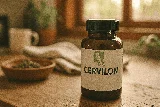
Cervilon Tablet: Cervilon Tablet – Support Your Cervical Health Naturally
Learn about Cervilon Tablet, its benefits, proper dosage, uses, and the scientific evidence supporting this Ayurvedic supplement for women's reproductive health and hormonal balance.
4,018

Gynecology and Obstetrics
How to Relieve Constipation During Pregnancy Immediately
Constipation during pregnancy isn't just “a bit uncomfortable.” It can be painful, frustrating, and sometimes even scary. I’ve had friends who said they cried in the bathroom. Others who were too embarrassed to bring it up at checkups. And some who popped
4,329

Gynecology and Obstetrics
Menosan Tablet
Exploration of Menosan Tablet
3,703

Gynecology and Obstetrics
Ashokarishta for PCOS: Ayurvedic Solution for Hormonal Balance and Health
Discover how Ashokarishta, an Ayurvedic tonic, can help manage PCOS by balancing hormones, improving menstrual health, and reducing symptoms associated with the condition.
5,755

Gynecology and Obstetrics
Kaharva Pishti Uses – Natural Ayurvedic Remedy for Health Balance
Discover the diverse kaharva pishti uses in Ayurveda for enhancing digestive health, balancing doshas, and promoting overall wellness with this time-tested natural remedy.
2,689

Gynecology and Obstetrics
Ayurvedic Treatment for Bartholin Cyst – Natural Remedies for Relief and Healing
Explore Ayurvedic treatments for Bartholin cysts, including herbal remedies, therapies, and lifestyle changes to naturally reduce cyst size and promote healing.
7,454

Gynecology and Obstetrics
How to Stop Brown Discharge After Period Naturally
How to stop brown discharge after period? Learn home remedies, how to reduce brown discharge, and Ayurvedic ways to deal with brown sticky or watery discharge
9,908

Gynecology and Obstetrics
Indukantam Ghritam – Benefits, Dosage, How To Use, Side Effects, Ingredients, Reference
Exploration of Indukantam Ghritam – Benefits, Dosage, How To Use, Side Effects, Ingredients, Reference
2,172
Related consultations on the topic
Legal
Additional Documents
© 2024 Ask Ayurveda. All rights reserved.