Ask Ayurvedic doctor a question and get a consultation online on the problem of your concern in a free or paid mode. More than 2,000 experienced doctors work and wait for your questions on our site and help users to solve their health problems every day.


Body DetoxEar, Nose, and Throat DisordersGeriatrics & RejuvenationImmunodeficiencyInfertility TreatmentNutritionOrthopedic DisordersPediatricsRespiratory DisordersSexually Transmitted Diseases (STDs)Surgery RecoveryUrological DisordersVascular DisordersDental DisordersEndocrinological DisordersGastrointestinal DisordersYoga TherapyGeneral MedicineAllergic DisordersCardio DisordersGynecology and ObstetricsCosmetologySkin and Hair DisordersEye DisordersInfectious DiseasesMental DisordersNeurological DisordersOncologyPanchakarmaSexual Health & DisordersSports Medicine
Published on 01/09/25
(Updated on 08/11/26)
5,255
Drakshadi Ghrita: Balancing Pitta, Vata, and Rakta
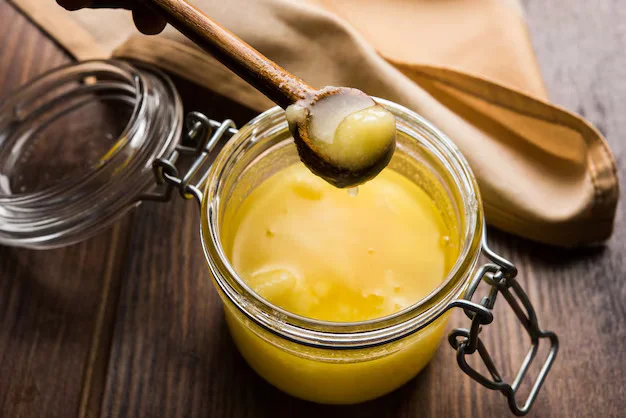
Drakshadi Ghrita is a classical Ayurvedic medicated ghee (ghrita) primarily used to pacify aggravated Pitta, Vata, and Rakta (blood tissue). It is prepared by processing clarified butter with Draksha (Vitis vinifera — dried grapes) and a carefully selected group of cooling, nourishing herbs according to the Sneha Kalpana method described in ancient texts like the Ashtangahridaya and Sharangdhara Samhita. This formulation is prescribed for conditions ranging from skin disorders and digestive inflammation to dry eye syndrome and certain pediatric ailments. In the sections below, you'll find a comprehensive breakdown of its composition, pharmacology, preparation method, therapeutic applications, dosage, precautions, and guidance on purchasing authentic products — information that no single source online has brought together until now.
What Is Drakshadi Ghrita?
Drakshadi Ghrita belongs to the category of Sneha Kalpana — medicated lipid preparations that use ghee as a base to extract, preserve, and deliver the fat-soluble active compounds of medicinal herbs deep into bodily tissues (Dhatus). The word "Drakshadi" indicates that Draksha (dried grape or raisin) is the primary herb in the formulation, while "Ghrita" simply means clarified butter or ghee.
Unlike raw herbal powders or decoctions, ghrita-based formulations have a unique advantage: ghee is considered the best Yogavahi (catalytic carrier) in Ayurveda, meaning it enhances the potency of herbs without losing its own beneficial properties. This makes Drakshadi Ghrita especially effective for conditions involving heat, dryness, and depletion — the hallmarks of Pitta and Vata vitiation.
Classical References (Ashtangahridaya & Sharangdhara Samhita)
The formulation is referenced in several classical texts:
- Ashtangahridaya (Uttarasthana) — Vagbhata mentions Drakshadi Ghrita in the context of Netra Roga (eye diseases), particularly for conditions like Thimira (a progressive visual impairment resembling early cataract or refractive errors) and dry eye.
- Sharangdhara Samhita (Madhyama Khanda, Chapter 9) — This text provides detailed guidelines on Sneha Kalpana, including the general method for preparing medicated ghee, the ratio of ghee to herbal paste (Kalka) and liquid (Drava), and the tests for completion (Siddhi Lakshana).
- Bhaishajya Ratnavali — References exist linking Drakshadi Ghrita to Rakta Pitta (bleeding disorders) and certain Bala Roga (pediatric conditions).
The original Sanskrit shloka from Ashtangahridaya describing this formulation reads (transliterated):
> "Drakshā-madhūka-chandana-pippalī-madhuyaṣṭi-samanvitam ghṛtam..."
This verse lists the key ingredients processed in ghee, each chosen for its cooling (Sheeta Virya) and Pitta-pacifying nature. The full verse varies slightly between textual traditions, which is why you'll see minor compositional differences across manufacturers.
Historical Significance in Ayurveda
- Ghrita preparations hold a priveleged position in Ayurvedic therapeutics. Charaka Samhita (Sutrasthana, Chapter 13) states that ghee is the best substance for alleviating Pitta and Vata, improving intellect (Medha), digestive fire (Agni), and Ojas (vital immunity). Drakshadi Ghrita, with its grape-based cooling formulation, was historically prescribed to royalty and individuals recovering from debilitating fevers, excessive heat exposure, and blood-related disorders.
- Its use in ophthalmology — particularly as an internal supplement before Netra Tarpana (eye nourishment therapy) — is a lesser-known but clinically significant application that dates back over a thousand years.
Drakshadi Ghrita Ingredients (Composition)
One of the biggest gaps in existing resources is a detailed breakdown of each ingredient. Below is a comprehensive composition table with the Ayurvedic pharmacological profile of each herb.
| Ingredient (Sanskrit) | Botanical Name | Rasa (Taste) | Virya (Potency) | Vipaka (Post-digestive) | Primary Role in Formulation |
|---|---|---|---|---|---|
| Draksha (primary herb) | Vitis vinifera | Madhura (Sweet), Amla (Sour) | Sheeta (Cool) | Madhura | Pitta-Rakta pacifier, mild laxative, nutritive tonic |
| Madhuka (Yashtimadhu) | Glycyrrhiza glabra | Madhura | Sheeta | Madhura | Anti-inflammatory, demulcent, heals mucosal lining |
| Chandana | Santalum album | Tikta (Bitter), Madhura | Sheeta | Katu | Cooling, blood purifier, reduces burning sensation |
| Pippali | Piper longum | Katu (Pungent) | Anushna Sheeta (mildly hot) | Madhura | Bioavailability enhancer, Agni stimulant without aggravating Pitta |
| Madhuyashti | Glycyrrhiza glabra | Madhura | Sheeta | Madhura | Soothes respiratory and GI tract, Rasayana |
| Sharkara (Mishri) | Crystallized sugar | Madhura | Sheeta | Madhura | Pitta shaman, improves palatability, nourishes Rasa Dhatu |
| Go Ghrita (base) | Clarified cow butter | Madhura | Sheeta | Madhura | Yogavahi carrier, nourishes all Dhatus, enhances Ojas |
> Note: Some manufacturers add additional herbs like Utpala (blue lotus), Padmaka (Prunus cerasoides), or Nagkesara (Mesua ferrea) depending on the specific textual tradition they follow. Always check the label of the product you purchase.
Herbal Synergy — How the Ingredients Work Together
The genius of this formulation lies in how these ingredients complement each other:
- 1.Draksha + Chandana + Madhuka — Three cooling, sweet herbs that collectively bring down aggravated Pitta and soothe inflamed tissues (skin, eyes, GI lining, blood vessels).
- 2.Pippali — Acts as a bioenhancer (similar in concept to modern drug delivery optimization). Even though Pippali has some heat, its post-digestive effect is sweet, and its inclusion in small quantity ensures the herbs are properly absorbed without disturbing the cooling nature of the formulation.
- 3.Ghee as carrier — Fat-soluble phytochemicals from Chandana and Draksha dissolve into the ghee during the cooking process, enabling them to cross cell membranes and reach deeper tissues (Majja, Asthi, Shukra Dhatu) that water-based preparations cannot easily access.
This synergy explains why Drakshadi Ghrita is effective for conditions that are deep-seated and chronic — not just surface-level symptoms.
Ayurvedic Pharmacology (Rasa Panchaka) of Drakshadi Ghrita
Understanding the overall pharmacological profile of the finished formulation helps practitioners select it appropriately:
| Parameter | Profile |
|---|---|
| Rasa (Taste) | Predominantly Madhura (Sweet), with traces of Tikta (Bitter) |
| Guna (Quality) | Snigdha (Unctuous), Guru (Heavy), Mridu (Soft) |
| Virya (Potency) | Sheeta (Cooling) |
| Vipaka (Post-digestive effect) | Madhura (Sweet) |
| Dosha Karma | Pitta Shamana, Vata Shamana; indirectly pacifies Rakta Dhatu |
| Dhatu Affinity | Rasa, Rakta, Mamsa, Majja, Shukra |
| Srotas (Channels) | Raktavaha, Annavaha, Purishavaha, Drishti (visual pathway) |
How Does Drakshadi Ghrita Help Balance Pitta, Vata, and Rakta?
This is one of the most commonly asked questions about the formulation.
Here's the mechanism through an Ayurvedic lens:
- Pitta Shamana: The predominantly sweet taste, cooling potency, and unctuous quality directly oppose Pitta's hot, sharp, and slightly oily nature. Chandana and Draksha are among the most effective Pitta-pacifying herbs in the Ayurvedic pharmacopoeia.
- Vata Shamana: Ghee itself is the single most recommended substance for Vata disorders. Its heavy, unctuous, and soft qualities counter Vata's dry, light, rough, and mobile nature. When infused with Madhura Vipaka herbs, the Vata-pacifying effect is amplified.
- Rakta Prasadana (Blood Purification): Chandana and Draksha are classified as Rakta Prasadana and Rakta Shodhana herbs. They help purify blood tissue, reduce Pitta that has "overflowed" into Rakta Dhatu (a common pathological mechanism in skin diseases, bleeding disorders, and inflammatory conditions).
Method of Preparation (Sneha Kalpana Process)
No competitor has detailed the actual preparation process. Here's how Drakshadi Ghrita is traditionally made, following the Sneha Paka Vidhi described in Sharangdhara Samhita:
Standard Proportions
The classical ratio for Sneha Kalpana is:
- Sneha (Ghee): 1 part (e.g., 1 kg)
- Kalka (Herbal paste): 1/4 part (250 g)
- Drava Dravya (Liquid — herbal decoction, juice, or milk): 4 parts (4 liters)
Step-by-Step Process
- 1.Kalka Preparation: Fresh or dried Draksha, Chandana, Pippali, Madhuka, and other herbs are ground into a fine wet paste.
- 2.Drava Preparation: A decoction (Kashaya) is prepared using the same herbs or specific liquid media like Draksha Swarasa (grape juice) or milk, depending on the text.
- 3.Cooking (Paka): Cow ghee is heated gently, Kalka paste is added first and sautéed briefly. The Drava liquid is then added. The mixture is cooked on low-to-medium heat with continuous stirring.
- 4.Siddhi Lakshana (Tests for Completion):
- The moisture completely evaporates (no crackling sound when a drop of water is sprinkled)
- Kalka becomes wick-like — when rolled between fingers, it forms a Varti (cylindrical wick) shape without sticking
- The ghee develops a characteristic pleasant aroma
- Froth subsides and ghee becomes clear
- 5.Filtration: The finished ghrita is filtered through a clean muslin cloth while still warm.
- 6.Storage: Stored in glass or food-grade stainless steel containers, away from moisture and direct sunlight.
The entire cooking process typically takes 4-8 hours depending on the quantity and intensity of heat.
Benefits and Therapeutic Uses of Drakshadi Ghrita
Skin Disorders and Blood Purification
Drakshadi Ghrita is widely prescribed for skin conditions rooted in Pitta-Rakta imbalance — including chronic urticaria, eczema (Vicharchika), psoriasis-like conditions (Kitibha Kushtha), and non-specific dermatitis characterised by redness, burning, and itching. The formulation works by cooling the blood, reducing inflammatory mediators from an Ayurvedic perspective, and nourishing the skin from within.
A 2018 review published in the Journal of Ayurveda and Integrated Medical Sciences noted that ghrita preparations containing Draksha and Chandana showed significant Pitta-Rakta Shamana activity in clinical settings, particularly when combined with Virechana (therapeutic purgation) as part of a Panchakarma protocol.
Eye Health — Dry Eye Syndrome and Thimira
This is a clinically important application that most resources overlook entirely. Drakshadi Ghrita is prescribed internally as a preparatory step before Netra Tarpana (an ocular rejuvenation therapy where warm ghee is pooled over the eyes) and also as a standalone oral supplement for:
- Dry Eye Syndrome (Shushkakshipaka): The unctuous, cooling nature of the ghrita directly counteracts the dryness and burning of Vata-Pitta type dry eyes.
- Thimira (Progressive visual impairment): Referenced in Ashtangahridaya Uttarasthana, this condition involves gradual dimming of vision. Drakshadi Ghrita nourishes the Drishti (visual pathway) and Majja Dhatu.
Application Methods for Eye Conditions
| Method | Description | Frequency |
|---|---|---|
| Abhyantara Prayoga (Internal) | Oral intake with warm water or milk | Daily for 1-3 months |
| Tarpana (Ocular procedure) | Ghrita pooled over closed eyes in a dough dam; performed by a practitioner | Weekly sessions, typically 7-14 sittings |
| Nasya (Nasal administration) | 2-4 drops instilled into each nostril in the morning | Daily for 7-21 days as prescribed |
Digestive Inflammation and Hyperacidity
The cooling, demulcent properties of Drakshadi Ghrita make it effective for Amlapitta (hyperacidity), gastritis, and Paittika Grahani (Pitta-type IBS). The ghee base coats and protects the GI mucosal lining, while Madhuka (licorice) has well-documented mucosal protective effects — a 2015 study in the Journal of Ethnopharmacology (Vol. 162, pp. 159-174) confirmed that Glycyrrhiza glabra extract significantly reduced gastric ulcer index in animal models.
Application in Pediatrics (Bala Roga)
This is another area largely ignored by existing resources. Classical texts reference Drakshadi Ghrita in the context of pediatric health:
- Bala Shosha (childhood wasting/malnutrition): The nutritive, Rasayana properties help build Rasa and Rakta Dhatu in underweight children.
- Pitta-dominant fevers in children: Small doses help reduce Pitta without the harshness of bitter decoctions that children typically refuse.
- Improving Agni in infants transitioning to solid foods: When administered in tiny quantities (1-2 ml) mixed with breast milk or warm water.
Pediatric Dosage Considerations
| Age Group | Suggested Dose | Anupana (Vehicle) |
|---|---|---|
| 6 months – 2 years | 1–2 ml | With breast milk or warm water |
| 2–6 years | 2–3 ml | With warm milk |
| 6–12 years | 3–5 ml | With warm milk or water |
> Important: Pediatric use should always be supervised by a qualified Ayurvedic physician. These are general guidlines and individual constitution matters significantly.
Mental Health and Nervous System Support
While Drakshadi Ghrita is not a primary formulation for depression or anxiety (formulations like Brahmi Ghrita or Kalyanaka Ghrita are more specific), its Vata-pacifying and Medhya (intellect-promoting) qualities through the ghee base do provide supportive benefits for stress-related conditions, insomnia linked to Pitta aggravation, and nervous exhaustion.
Don't wait or self medicate. Start chat with Doctor NOW
Dosage and Administration
What Is the Recommended Dosage of Drakshadi Ghrita?
Dosage varies based on the condition being treated, the patient's Agni (digestive strength), and the specific textual reference being followed:
| Context | Dose | Frequency | Anupana | Duration |
|---|---|---|---|---|
| General Pitta-Vata balancing | 5–10 ml | Once or twice daily | Warm water or warm milk | 1–3 months |
| Skin disorders | 10–15 ml | Twice daily, before meals | Warm water | 2–3 months minimum |
| Eye conditions (internal) | 5–10 ml | Twice daily | Warm milk | 1–3 months |
| Rakta Pitta (bleeding disorders) | 10–15 ml | Twice daily, on empty stomach | Warm water | As directed by physician |
| Pediatric use | 1–5 ml (age-dependent) | Once daily | Warm milk or water | 2–4 weeks |
Can Drakshadi Ghrita Be Taken on an Empty Stomach or During Fasting?
Yes, it can. In fact for Pitta conditions and Rakta Pitta, taking it on an empty stomach (Abhukta Pana) is often preferred as it ensures maximum absorption and direct action on Rasa-Rakta Dhatu. However, individuals with weak digestion should take it with or after food to avoid Agni Mandya (digestive sluggishness), since ghee is inherently heavy.
During fasting, small doses (5 ml) are acceptable and won't technically "break" an Ayurvedic therapeutic fast (Langhana), as ghee is considered Sattvic and easily assimilated. But check with your practitioner first.
How Soon Can I Expect to See Benefits?
Realistic timelines based on clinical observations:
- Digestive issues (hyperacidity, mild gastritis): 1–2 weeks
- Skin conditions: 4–8 weeks (often longer for chronic conditions)
- Eye health: 3–6 weeks for subjective improvement in dryness; longer for visual clarity
- General wellness and Pitta balancing: 2–4 weeks
Comparison with Other Ghrita Preparations
This comparison table helps practitioners and patients understand when to choose Drakshadi Ghrita over alternatives:
| Ghrita | Primary Dosha Target | Main Indication | Key Differentiator |
|---|---|---|---|
| Drakshadi Ghrita | Pitta, Vata, Rakta | Skin, eyes, bleeding disorders, hyperacidity | Cooling + nutritive, grape-based |
| Triphala Ghrita | Tridosha (mainly Pitta) | Eye diseases, Rasayana | Broader eye-specific action, Triphala synergy |
| Mahatiktaka Ghrita | Pitta, Rakta | Severe skin diseases, chronic wounds | Extremely bitter, stronger Pitta detox |
| Shatavari Ghrita | Pitta, Vata | Female reproductive health, lactation | Hormonal balancing, Stanya (breast milk) promotion |
| Brahmi Ghrita | Vata, Pitta | Mental disorders, epilepsy, memory | Primarily neurological and cognitive |
| Kalyanaka Ghrita | Tridosha | Psychiatric conditions, infertility | Complex formulation with 30+ herbs |
When to choose Drakshadi Ghrita specifically: When the patient presents with a combination of Pitta-Rakta vitiation (skin, blood, or inflammatory signs) alongside Vata dryness (dry eyes, dry skin, constipation), and when a palatable, non-bitter formulation is needed — especially for children or patients who cannot tolerate Tikta (bitter) ghrita preparations like Mahatiktaka Ghrita.
Side Effects, Precautions, and Contraindications
Are There Any Side Effects of Drakshadi Ghrita?
Drakshadi Ghrita is generally well-tolerated.
However, certain individuals need to exercise caution:
- Lactose intolerance or casein sensitivity: Ghee is largely free of casein and lactose (these are removed during clarification), but highly sensitive individuals may still react. Start with a small dose.
- Kapha Prakriti or Ama (toxin) conditions: Ghee is heavy and unctuous — taking it when there is significant Ama (coated tongue, loss of appetite, heaviness) can worsen congestion. Ensure Agni is functional before starting ghrita therapy.
- Obesity and high cholesterol: While Ayurveda considers ghee beneficial even for lipid metabolism in appropriate doses, individuals with medically diagnosed hyperlipidemia should use caution and consult both their Ayurvedic and allopathic physicians.
- Gallbladder disorders: Patients with active gallstones or history of cholecystectomy should avoid high-dose ghrita therapy.
- Pregnancy: Not contraindicated, but dosage should be physician-guided. Many Ayurvedic texts actually recommend ghrita preparations during pregnancy for fetal nourishment.
Who Should Avoid Using Drakshadi Ghrita?
- Individuals with acute pancreatitis or hepatitis
- Patients experiencing active diarrhea or loose stools (ghee can worsen these acutely)
- Anyone with known allergy to any of the herbal ingredients
- People on blood-thinning medications should consult their doctor, as Pippali may have mild antiplatelet activity
Storage, Shelf Life, and How to Identify Authentic Products
Storage and Shelf Life
- Shelf life: Properly prepared and stored Drakshadi Ghrita lasts 12–18 months (commercially manufactured products typically state 24 months with preservative-free formulation due to ghee's natural stability).
- Storage: Keep in a cool, dry place away from direct sunlight.
- Glass containers are ideal.
- Always use a clean, dry spoon — introducing moisture leads to rancidity and mold.
- Signs of spoilage: Sour or rancid smell, visible mold or discoloration, change in texture from smooth to grainy or lumpy.
Where Can I Purchase Authentic Drakshadi Ghrita?
Reputable manufacturers include:
- Kottakkal Arya Vaidya Sala — One of the most trusted names; follows traditional Kerala-school preparation methods
- Malabar Ayurveda — Referenced in clinical practice, widely available online
- Nagarjuna Ayurveda — GMP-certified, well-distributed in South India
- AVP (Arya Vaidya Pharmacy) — Another established brand with AYUSH certification
What to Look For on the Label
- AYUSH manufacturing license number
- GMP certification
- FSSAI license (for food-grade products sold in India)
- Batch number and manufacturing date
- Complete ingredient list matching classical reference
- No added artificial preservatives or colors
Integrating Drakshadi Ghrita with Diet and Lifestyle
For maximum therapeutic benefit, complement Drakshadi Ghrita intake with:
- Pitta-pacifying diet: Favor sweet, bitter, and astringent tastes. Include cooling foods like cucumber, coconut, coriander, fennel, pomegranate, and rice. Avoid excess spicy, sour, and fermented foods.
- Hydration: Room-temperature or cool water infused with mint or fennel seeds.
- Yoga: Sheetali and Sheetkari Pranayama (cooling breath techniques), Chandranadi Pranayama (left-nostril breathing), and gentle forward bends like Paschimottanasana.
- Lifestyle: Avoid midday sun exposure, excessive screen time (especially relevant for eye conditions), and emotionally heated situations. Moonlight exposure (Chandrika Snana) is classically recommended for Pitta pacification, which sounds poetic but essentially means spending calm time outdoors in the evening.
Frequently Asked Questions (FAQ)
What are the ingredients in Draksha Ghrita?
The core ingredients are Draksha (Vitis vinifera), Chandana (Santalum album), Madhuka/Yashtimadhu (Glycyrrhiza glabra), Pippali (Piper longum), Sharkara (sugar), and Go Ghrita (cow ghee). Some formulations include additional herbs like Utpala, Padmaka, or Nagkesara depending on the classical text followed. See the full ingredient table above for detailed pharmacological profiles.
What is Draksharishta used for, and how is it different from Drakshadi Ghrita?
Draksharishta (also spelled Draksharishtam) is a fermented liquid preparation (Asava-Arishta) made with Draksha, while Drakshadi Ghrita is a medicated ghee. Though both use grape as a primary ingredient, they differ fundamentally: Draksharishta is used mainly for digestive weakness, anemia, and general debility with a mild Agni-stimulating effect. Drakshadi Ghrita is more cooling, unctuous, and suited for Pitta-dominant conditions, eye health, and deeper tissue nourishment. They are sometimes prescribed together in complementary protocols.
What is Drakshasava used for?
Drakshasava is similar to Draksharishta — a self-generated alcohol-based preparation from grapes used for improving appetite, treating anemia, and general rejuvenation. It has a warming tendency compared to Drakshadi Ghrita's cooling nature.
Can Drakshadi Ghrita be used alongside modern medicine?
Generally, yes. Ghrita preparations have no known major drug interactions. However, if you are on anticoagulants (blood thinners), anti-diabetic drugs, or immunosuppressants, inform both your Ayurvedic and allopathic doctors. Maintain a gap of at least 30-60 minutes between Ayurvedic and allopathic medication intake.
Is Drakshadi Ghrita safe during pregnancy and breastfeeding?
Classical Ayurvedic texts actually recommend certain ghrita preparations during pregnancy (Garbhini Paricharya) for fetal nourishment and maternal health. Drakshadi Ghrita, with its cooling and nutritive profile, is considered safe. However, dosage must be determined by a qualified practitioner based on your specific constitution and trimester.
Which Ayurvedic medicine is best for depression and anxiety?
Drakshadi Ghrita is not the primary choice for depression and anxiety. More specific formulations include Brahmi Ghrita, Kalyanaka Ghrita, Saraswatarishta, and Manasamitra Vatakam. However, if depression or anxiety co-exists with significant Pitta aggravation (anger, irritability, burning sensations, inflammatory symptoms), Drakshadi Ghrita can serve as a supportive adjunct.
Conclusion
Drakshadi Ghrita represents a brilliant example of Ayurvedic pharmaceutical science — a formulation where every ingredient has a specific purpose, and the ghee base transforms simple herbs into a deep-tissue healing agent. Whether you're dealing with chronic skin inflammation, dry eyes, hyperacidity, or simply looking to pacify Pitta and Vata in a gentle, nourishing way, this classical preparation deserves serious consideration.
The key is authenticity — buy from a reputable, GMP-certified manufacturer, follow the dosage guidelines appropriate for your condition, and ideally work with a qualified Ayurvedic practitioner who can tailor the protocol to your unique Prakriti and Vikriti. Ayurveda works best when it's personalized, not one-size-fits-all.
If you found this guide helpful, consult a certified Ayurvedic physician to determine whether Drakshadi Ghrita is right for your specific health needs. A proper Nadi Pariksha (pulse diagnosis) and detailed case history will ensure the most effective and safe therapeutic outcome.
Scientific Sources
- History of the Growing Burden of Cancer in India: From Antiquity to the 21st Century — Smith RD et al., 2019, Journal of global oncology
- Withania somnifera (L.) Dunal whole-plant extract demonstrates acceptable non-clinical safety in rat 28-day subacute toxicity evaluation under GLP-compliance — Balkrishna A et al., 2022, Scientific reports
- Combined Ayurveda and Yoga Practices for Newly Diagnosed Type 2 Diabetes Mellitus: A Controlled Trial — Datey P et al., 2018, Complementary medicine research
- Ayurveda Management of Allergic Rhinitis: Protocol for a Randomized Controlled Trial — Mata S et al., 2024, JMIR research protocols
- New Approaches in Breast Cancer Therapy Through Green Nanotechnology and Nano-Ayurvedic Medicine - Pre-Clinical and Pilot Human Clinical Investigations — Khoobchandani M et al., 2020, International journal of nanomedicine
- The neuroendocrine system: organization and homeostatic role — Toni R, 2004, Journal of endocrinological investigation
- Some thoughts on the undergraduate Ayurveda curriculum — Chandra S, 2023, Indian journal of medical ethics
- Ayurvedic medicine. Core concept, therapeutic principles, and current relevance — Chopra A et al., 2002, The Medical clinics of North America
- Chyawanprash: A review of therapeutic benefits as in authoritative texts and documented clinical literature — Narayana DB et al., 2017, Journal of ethnopharmacology
- Recent Therapeutic Interventions of Fenugreek Seed: A Mechanistic Approach — Idris S et al., 2021, Drug research
- Ayurvedic treatment in the rehabilitation of ischemic stroke patients in India: A randomized controlled trial (RESTORE) — Sylaja PN et al., 2025, International journal of stroke : official journal of the International Stroke Society
- Efficacy and Safety of Ayurveda interventions in the management of conjunctivitis: A systematic review and meta-analysis — V KK et al., 2022, Complementary therapies in clinical practice
- Study to Evaluate the Comparative Efficacy of Medhya Rasayana (Pharmacological) Versus Nonpharmacological Interventions in Management of Gadget Addiction in Children: Protocol for Parallel, Triple-Arm, Randomized Clinical Trial — Yewale P et al., 2024, JMIR research protocols
- The Role of Ayurveda in Prostate Cancer Management — Jabbari P et al., 2025, Integrative cancer therapies
- Clinical evaluation of purified Shilajit on testosterone levels in healthy volunteers — Pandit S et al., 2016, Andrologia
- Integrative Skin Care: Dermatology and Traditional and Complementary Medicine — Bodeker G et al., 2017, Journal of alternative and complementary medicine (New York, N.Y.)
- Effects of Withania somnifera Extract in Chronically Stressed Adults: A Randomized Controlled Trial — Pandit S et al., 2024, Nutrients
- BHUx: a patented polyherbal formulation to prevent hyperlipidemia and atherosclerosis — Tripathi YB, 2009, Recent patents on inflammation & allergy drug discovery
- Swarna Prashana - faith in the embrace of research — Verma S et al., 2022, Journal of complementary & integrative medicine
- Mainstreaming AYUSH: an ethical analysis — Gopichandran V et al., 2012, Indian journal of medical ethics
Questions from users
How do cooling herbs in Drakshadi Ghrita affect inflammation?
Client_0e1d69
1 day ago
Cooling herbs in Drakshadi Ghrita, such as Draksha, Chandana, and Madhuka, help reduce inflammation by soothing tissues affected by excessive heat or the "aggravated Pitta" in Ayurvedic terms. These herbs are known for their sweet taste and cooling properties, which can relieve inflammation in areas like the skin, eyes, gastrointestinal lining, and blood vessels. Regular use may gradually lessen inflammatory symptoms, but individual results vary. If symptoms persist or worsen, it's advisable to seek medical advice to rule out any underlying conditions.
Is ghee effective for improving cognitive function in adults?
Client_026d99
6 days ago
Ghee may support cognitive function as it contains healthy fats that are crucial for brain health. However, there is limited scientific evidence to definitively say it directly improves cognitive function in adults. A balanced diet including omega-3 fatty acids, regular exercise, mental stimulation, and adequate sleep are well-evidenced methods for supporting cognitive health. When consuming ghee, moderation is key due to its high caloric content. If you have health concerns or take medications like anticoagulants, consult your doctor before increasing ghee consumption.
What are the potential side effects of Drakshadi Ghrita use?
Client_0e4b2d
11 days ago
The potential side effects of Drakshadi Ghrita, a traditional Ayurvedic preparation, can include digestive discomfort like bloating or nausea, especially in those not accustomed to ghee or oil-rich supplements. Allergic reactions, though rare, could occur in sensitive individuals. When used as Nasya, it might cause nasal irritation or drainage. If you experience any adverse effects, discontinue use and consult a healthcare professional. Additionally, before beginning any treatment, especially if it's intended to last several months, consult with a doctor to ensure it's suitable for you.
What ingredients in Drakshadi Ghrita promote digestive health?
Client_65266d
16 days ago
Drakshadi Ghrita promotes digestive health primarily through its key ingredients like Draksha (raisins), Chandana (sandalwood), and Madhuka (licorice). These ingredients are known for their cooling and soothing properties, which help alleviate inflammation in the gastrointestinal tract and balance aggravated Pitta. Pippali (long pepper) enhances the bioavailability of other ingredients, optimizing their effects on digestion. Consider consulting a healthcare professional if you experience persistent digestive issues to rule out underlying conditions.
How long does it take to see results from Drakshadi Ghrita?
Client_e39f3b
26 days ago
Seeing results from Drakshadi Ghrita can vary widely depending on the condition being treated and the individual's response to the remedy. Typically, some users may begin to notice improvements within a few weeks, particularly in digestive inflammation and mild skin conditions. For more chronic issues like eye health or pediatric ailments, it might take a few months of consistent use. It's critical to start with a small dose and monitor for any adverse effects, especially if there is significant Ama present. If symptoms persist or worsen, consulting a healthcare provider is advisable for further evaluation and treatment adjustments.
How does Drakshadi Ghrita support immune function and overall wellness?
Client_558ee7
36 days ago
Drakshadi Ghrita, an Ayurvedic medicated ghee, supports immune function and overall wellness primarily through its cooling and soothing properties. Ingredients like Draksha, Chandana, and Madhuka help reduce inflammation in tissues such as the skin, eyes, and gastrointestinal lining. Pippali enhances the bioavailability of these ingredients, optimizing their effects. While this formulation aims to balance bodily functions and promote health, its efficacy for boosting immunity isn't well-supported by clinical research. It's advisable to consult a healthcare provider if you experience persistent symptoms or have underlying health conditions.
What is the nutritional profile of Drakshadi Ghrita and its benefits?
Client_7dea14
46 days ago
Drakshadi Ghrita is a medicated ghee formulation primarily used in Ayurveda for its cooling and nourishing effects. It is designed to pacify Pitta and Vata imbalances and support blood tissue health. The nutritional profile of Drakshadi Ghrita includes its base of ghee, known for healthy fats and fat-soluble vitamins, and additional herbs like Draksha (grapes), which may contribute antioxidants and micronutrients. Its benefits include aiding eye health and nourishing deeper tissues. However, it's important to consult a healthcare provider to ensure it's suitable for your specific needs.
What precautions should I take when using ghee for cholesterol management?
Client_cd7794
55 days ago
When using ghee for cholesterol management, moderation is key. While ghee can have beneficial effects on lipid metabolism, its high saturated fat content can elevate cholesterol levels if consumed excessively. Start with a small amount, such as a teaspoon daily, and consult your healthcare providers to tailor it to your needs, especially if you have hyperlipidemia. Monitor cholesterol levels regularly and watch for weight gain. Avoid ghee if you have active gallbladder disorders, and during pregnancy, use it under medical guidance.
What is the best way to store Drakshadi Ghrita for maximum shelf life?
Client_fc4fe3
65 days ago
For storing Drakshadi Ghrita, keep it in a cool, dry place, away from direct sunlight and excessive heat. Use an airtight container to prevent contamination. If you live in a humid climate, fridge storage might be helpful, but make sure it's tightly sealed to avoid any moisture entering. Cheers! 😊
What is Draksharishta used for and how does it benefit digestive health?
Client_969263
74 days ago
Draksharishta is often used to improve digestion and stimulate appetite. It's particularly good for easing Vata and Pitta imbalances in the digestive system. It’s thought to support agni (digestive fire) and boost nutrient absorption. While it shares Draksha with Drakshadi Ghrita, their forms and effects differ—one's a liquid, the other a ghee!
Related articles

Nutrition
Is Jaggery Good for Weight Loss? Ayurvedic Perspective, Benefits, and Usage
Is jaggery good for weight loss? Learn how to consume jaggery, whether it’s better than sugar, and how jaggery helps in weight loss according to Ayurveda
4,444

Nutrition
Guduchi Satva: Benefits, Dosage, Ingredients, Side Effects
Exploration of Guduchi Satva: Benefits, Dosage, Ingredients, Side Effects
3,101

Nutrition
What Are the Benefits of Cardamom in Ayurveda and Daily Life
Explore cardamom benefits for males, females, skin, digestion, and more. Learn how cardamom water, tea, and powder improve well-being naturally
9,158
Nutrition
Is Curd Heating or Cooling? Ayurvedic Truths, Diet Tips & Lifestyle Insights
Ayurveda, the ancient Indian science of life, views curd as heating — yes, even though it’s stored cold and feels cool to the tongue. It’s heavy, sour, and increases Kapha and Pitta doshas — especially when consumed the wrong way. That means, curd can con
12,677

Nutrition
When to Drink Aloe Vera Juice: Ayurvedic Guide and Best Practices
Exploration of Aloe Vera Juice: Best Timing, Dosage, and Ayurvedic Benefits
10,110

Nutrition
How to Eat Fenugreek Seeds: Ayurvedic Guide to Daily Use and Benefits
How to eat fenugreek seeds? Learn the best ways to consume fenugreek for hair, hormones, diabetes, and more. Can we eat them raw or without soaking?
17,978

Nutrition
Is Ghee and Honey Combination Poisonous?
Is mixing ghee and honey really poisonous? Learn the Ayurvedic perspective, potential side effects, and how to safely consume ghee and honey together for health
20,147

Nutrition
How to Eat Chia Seeds with Water: Benefits, Timing, and Ayurvedic Methods
How to eat chia seeds with water? Discover when to drink chia water, how to use it for weight loss, benefits of soaking overnight, and Ayurvedic tips
16,298

Nutrition
Understanding EGGs in Ayurveda
Ayurveda advises caution with egg consumption, emphasizing its potential to disrupt bodily balance.
6,699
Related consultations on the topic
Legal
Additional Documents
© 2024 Ask Ayurveda. All rights reserved.