Ask Ayurvedic doctor a question and get a consultation online on the problem of your concern in a free or paid mode. More than 2,000 experienced doctors work and wait for your questions on our site and help users to solve their health problems every day.


Body DetoxEar, Nose, and Throat DisordersGeriatrics & RejuvenationImmunodeficiencyInfertility TreatmentNutritionOrthopedic DisordersPediatricsRespiratory DisordersSexually Transmitted Diseases (STDs)Surgery RecoveryUrological DisordersVascular DisordersDental DisordersEndocrinological DisordersGastrointestinal DisordersYoga TherapyGeneral MedicineAllergic DisordersCardio DisordersGynecology and ObstetricsCosmetologySkin and Hair DisordersEye DisordersInfectious DiseasesMental DisordersNeurological DisordersOncologyPanchakarmaSexual Health & DisordersSports Medicine
Published on 08/19/25
(Updated on 08/07/26)
star_border 5
14,276
Can Cucumber Cause Gas and Bloating?

Cucumber is one of those foods that feels so light, crisp, and refreshing that most people assume it’s completely harmless for digestion. But if you’ve ever asked yourself questions like “can cucumber cause gas”, “does cucumber cause gas”, or even “does cucumber cause bloating”, you’re definitely not alone. Many people enjoy cucumbers daily in salads, smoothies, or just plain slices with a sprinkle of salt, yet some notice digestive discomfort afterwards. In fact, cucumber causes gas in certain people more often than you might expect.
So what’s going on here? Is it something in the vegetable itself, or the way we eat it? The truth is a bit nuanced. While cucumber can cause gas for some individuals, others digest it perfectly well. Understanding why this happens—and how to reduce the chances of bloating—can help you enjoy cucumbers without discomfort. Let’s dive deeper.

Can Cucumber Cause Gas: Ayurvedic and Scientific Insights
Ayurveda, the ancient Indian system of medicine, has long observed that cucumber can cause gas in certain body types (especially those with vata imbalances). According to this tradition, cucumbers are considered cooling, but when combined with heavy or oily foods, they may disrupt digestive fire and create bloating.
From a scientific perspective, cucumbers contain cucurbitacins, a naturally occurring compound that sometimes leads to indigestion. Additionally, their high water and fiber content can ferment in the gut if your digestive system is sensitive, which explains why cucumber causes gas for some people. Interestingly, not everyone reacts the same way—our gut microbiome plays a big role.
Does Eating Cucumber Cause Gas or Bloating?
The short answer: yes, cucumber can cause bloating, but not always. For some, eating cucumber raw (especially with the skin) makes gas more likely. The skin and seeds contain insoluble fiber, which can be harder to break down. On the other hand, peeled cucumber or cucumber without seeds is usually easier on the stomach.
So if you’ve noticed that eating cucumber causes gas, it may simply be how you’re preparing or combining it with other foods. Pairing cucumbers with dairy (like yogurt dips) or very spicy meals sometimes makes the bloating worse, since your stomach is working overtime.
Cucumber Benefits for Digestion
Here’s the tricky part: even though cucumber can cause bloating, it’s also one of the best vegetables for hydration and digestive support. The high water content helps flush toxins and keeps bowel movements smooth. The fiber, when tolerated, supports gut motility and prevents constipation.
And for most people, cucumber for digestion is actually a positive choice. It’s low-calorie, refreshing, and rich in antioxidants. When eaten in moderation and prepared properly, cucumbers can help digestion rather than harm it.
Still, if you’re wondering “does cucumber cause bloating” or “can cucumber cause bloating,” the answer depends on your individual sensitivity. Some people feel light and energized after cucumber, while others may feel heavy and gassy. There’s no one-size-fits-all answer.
How to Eat Cucumber Without Causing Gas
If you love cucumbers but often feel uncomfortable after eating them, don’t worry—you don’t necessarily have to cut them out completely. Instead, a few small tweaks can make a big difference in how your body handles them.
First, try peeling the cucumber. The skin is where much of the insoluble fiber sits, and while that fiber is great for gut health in theory, it can also trigger bloating for sensitive folks. Removing the seeds may help too, since they sometimes ferment during digestion.
Second, moderation is key. Eating half a cucumber is unlikely to cause problems for most people, while finishing off two or three large cucumbers in one sitting might overwhelm your system. Remember, cucumber can cause gas when eaten in excess, especially raw.
Finally, timing matters. Eating cucumbers late at night, right before bed, can slow down digestion and lead to more noticeable bloating. If you’re asking “does eating cucumber cause gas at night?”, the answer is that yes—it can feel heavier then compared to earlier in the day.
Best Ways to Prepare and Combine Cucumber
Cucumbers are at their most digestible when they’re fresh, peeled, and eaten with simple meals. Pairing them with light proteins (like fish or chicken) or other non-gassy vegetables can minimize bloating. On the other hand, eating cucumbers with beans, dairy, or fried foods may make your stomach feel like it’s running a marathon.
Another trick is to lightly steam or sauté cucumbers. While we usually think of cucumbers as a raw-only veggie, gentle cooking softens the fibers and makes them easier to digest. A warm cucumber stir-fry with garlic might sound unusual, but it’s worth trying if you often wonder, “does cucumber cause bloating?”
Adding digestive spices like cumin, fennel, or ginger can also reduce gas formation. Ayurveda has long recommended combining cucumbers with cooling herbs such as mint or coriander to balance their effects.
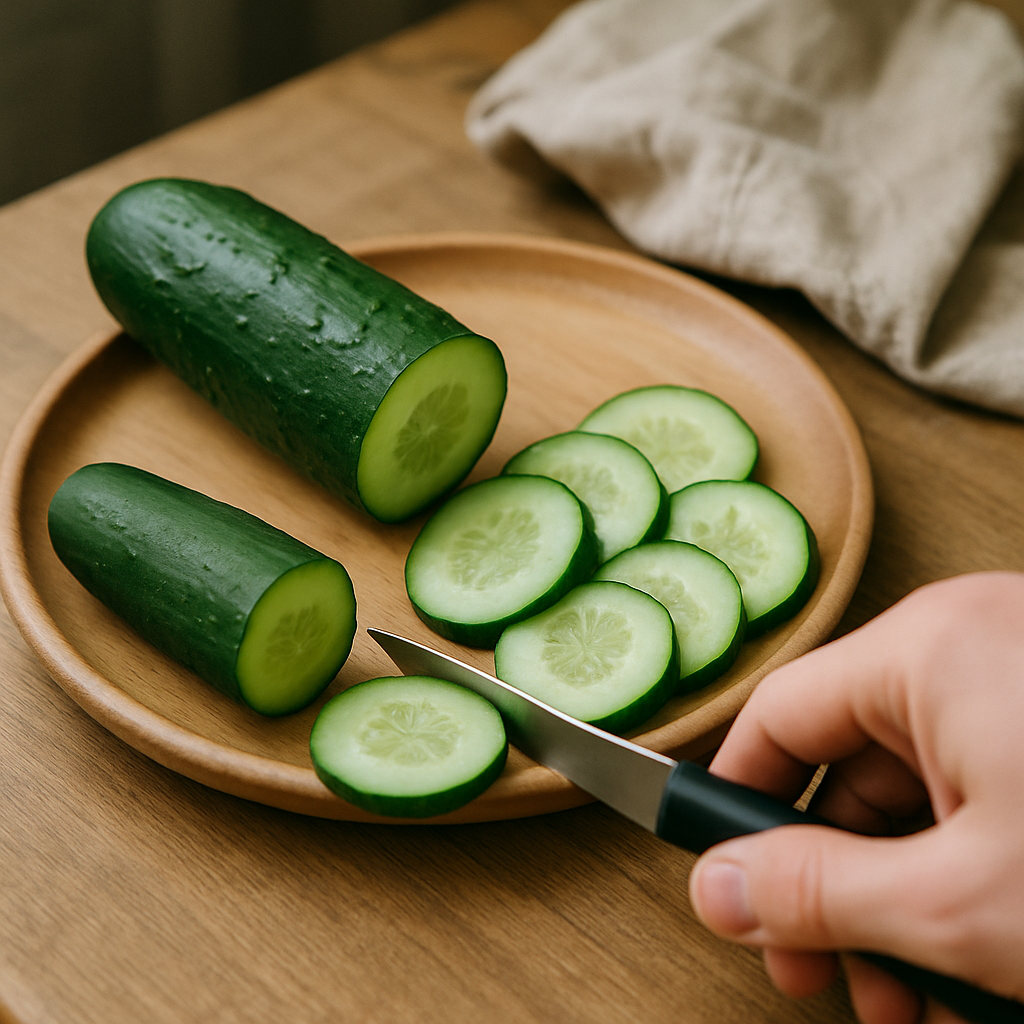
Cucumber and IBS: Helpful or Harmful?
This is where things get even more individual. If you’ve been diagnosed with Irritable Bowel Syndrome (IBS), you might be extra cautious about foods that can trigger bloating or cramps. So, is cucumber good for IBS?
The answer isn’t black-and-white. On one hand, cucumbers are low FODMAP when eaten in modest amounts, which usually makes them safe for people with IBS. They also provide hydration, which is essential for soothing digestive flare-ups. On the other hand, some IBS sufferers report that cucumber causes gas, especially when consumed raw and with skin.
So, can cucumber cause bloating in IBS patients? Yes, it can, but it doesn’t always. If you’re following a low FODMAP plan, cucumber for IBS may still be beneficial in small portions. But if you notice worsening symptoms, try peeling and deseeding them—or switching to other veggies that are gentler on the gut.
Alternatives to Cucumber for Sensitive Digestion
If cucumbers just don’t sit well with you, there are plenty of alternatives that provide the same refreshing crunch without the gas. Zucchini, for example, is much easier to digest when lightly cooked. Celery is another hydrating option that rarely causes bloating.
Other gentle choices include lettuce, spinach, or even steamed carrots. These veggies can replace cucumber in salads, smoothies, or side dishes without triggering discomfort.
So, while cucumber can cause gas for some, you don’t need to give up that light, fresh texture—you just need to choose a different veggie that your gut loves.
Conclusion
So, can cucumber cause gas and bloating? The answer is: sometimes. For many people, cucumbers are a hydrating, refreshing, and digestion-friendly vegetable. But for others, especially those with sensitive stomachs or IBS, cucumber can cause gas and mild discomfort.
The key takeaway is that cucumbers are not “bad” or universally problematic. Whether cucumber causes bloating for you depends on factors like preparation, portion size, timing, and your unique digestive system. Peeling, deseeding, and cooking cucumbers can reduce their tendency to cause bloating. And if they still don’t sit right, there are plenty of gut-friendly alternatives to enjoy.
At the end of the day, cucumbers are packed with water, fiber, and antioxidants. They can be a valuable part of your diet if you eat them in a way that suits your body. Don’t be afraid to experiment, listen to your gut (literally), and find the balance that works for you.
And hey, if this article helped you figure out why cucumbers sometimes make you feel puffy or heavy, share it with a friend. Chances are, they’ve wondered the same thing too!!
Don't wait or self medicate. Start chat with Doctor NOW
FAQs
How to eat cucumber to avoid gas?
To minimize bloating, peel off the skin, remove the seeds, and avoid eating very large portions in one sitting. Lightly cooking cucumbers, or pairing them with digestive spices like cumin and ginger, can also help reduce gas.
Can cucumber cause discomfort when eaten at night?
Yes, cucumber can cause gas or discomfort if eaten right before bed. Since digestion slows at night, cucumbers may sit longer in your stomach, increasing the chance of bloating. Eating them earlier in the day is usually easier on digestion.
Does cucumber skin increase the chance of bloating?
Yes, the skin contains insoluble fiber, which is harder to break down. For some people, especially those with IBS, the skin can make cucumbers more likely to cause gas. Peeling them before eating is often a good idea.
Final Thoughts
Cucumber is one of those foods that seems simple, but its effects on digestion are surprisingly complex. For some, it’s the perfect summer snack—hydrating, crisp, and belly-friendly. For others, cucumber can cause gas, bloating, and mild discomfort. Neither group is wrong.
The most important thing is to pay attention to how your body reacts. If cucumbers leave you feeling light and refreshed, keep enjoying them! If they cause bloating, try peeling, deseeding, or cooking them—or swap them out for alternatives like zucchini or celery.
Ultimately, no single food should control your comfort or your diet. Experiment, make small changes, and remember: every gut is unique.
If you found this guide helpful, share it with someone who might be wondering the same thing. And if you’re interested in more tips on digestion, healthy eating, and food swaps for sensitive stomachs, subscribe to our newsletter or check out our other articles on gut health.
Questions from users
What is the best way to prepare cucumbers for sensitive stomachs?
Client_1538d1
17 hours ago
The best way to prepare cucumbers for sensitive stomachs is to peel and deseed them. Peeling removes insoluble fiber, which can cause bloating in sensitive individuals, while deseeding reduces the potential for gas. Cooking cucumbers can also make them easier to digest. Pair them with light proteins or non-gassy vegetables to further minimize bloating. Monitor your body's reaction and see a doctor if discomfort persists, as it may indicate an underlying digestive issue. Ayurveda suggests incorporating ginger to enhance digestion, but consult with a healthcare provider for personalized advice.
Can I eat cucumbers if I have IBS or gut issues?
Client_b8e394
5 days ago
If you have IBS or gut issues, you can eat cucumbers, but it's best to take some precautions. Cucumbers can cause gas or bloating for some people, particularly due to the skin, which may be more irritating to those with IBS. To reduce these effects, peel the skin and remove the seeds before eating. It's also wise to consume cucumbers in moderation and avoid large portions. Pay attention to how your body reacts, and if cucumbers consistently cause discomfort, it might be helpful to consult with a healthcare provider or dietitian. If severe symptoms persist, seek medical advice.
What other vegetables can help soothe digestive problems effectively?
Client_197085
10 days ago
Other vegetables that can effectively soothe digestive problems include carrots, sweet potatoes, and zucchini. These are generally easy to digest and rich in fiber, aiding gut motility and reducing constipation. Leafy greens like spinach and kale can also be beneficial due to their fiber content and nutrients. Cooking these vegetables can make them easier on the stomach if raw forms cause digestive issues. It's helpful to monitor how different vegetables affect your digestion and to consult a healthcare provider if symptoms like gas, bloating, or pain persist. Ayurveda sometimes suggests ginger for digestive aid, but always consult your doctor for persistent issues.
What are the signs of cucumber intolerance or sensitivity?
Client_b671ca
15 days ago
Signs of cucumber intolerance or sensitivity can include digestive issues such as gas, bloating, or stomach discomfort after eating cucumbers. Skin reactions like itching or redness may also occur. These symptoms typically appear shortly after consumption. If you suspect an intolerance, try eliminating cucumbers from your diet to see if symptoms improve. Some individuals may notice changes within a few days to a week. If symptoms persist or are severe, consult a healthcare professional for a proper diagnosis and advice—particularly if there's a risk of an allergy.
How does the preparation method of cucumbers affect digestion?
Client_eec638
25 days ago
The preparation method of cucumbers can significantly affect digestion. Eating cucumbers with the skin on may increase bloating due to the insoluble fiber content. Consider peeling them if you experience discomfort. Eating cucumbers earlier in the day may also ease digestion for some people. Cooking cucumbers, rather than consuming them raw, can make them more digestible. If cucumbers consistently cause gas or bloating, it might be beneficial to adjust your preparation methods or consult a healthcare professional for advice.
Can eating cucumbers improve overall digestive health benefits?
Client_536988
35 days ago
Eating cucumbers can boost overall digestive health due to their high water content and dietary fiber, which help maintain hydration and smooth bowel movements. However, cucumbers can cause bloating in some people, especially when consumed with dairy or spicy foods, as these combinations may stress digestion. Typical digestive relief from increased hydration may be noticed within a day or two if you're properly hydrating with cucumbers. If you experience persistent bloating or discomfort, consider moderating cucumber intake and consult a doctor if symptoms persist, as it might be a sign of an underlying digestive condition.
How long does it take for cucumbers to aid digestion after eating?
Client_057387
45 days ago
The time it takes for cucumbers to aid digestion is not precisely defined, as it varies from person to person. Generally, the digestive process for most foods starts within a few hours after consumption. Cucumbers are mostly water and fiber, which can help promote digestion. However, if you have sensitivities, it can lead to bloating. To minimize such issues, consider peeling and deseeding cucumbers. If digestive issues persist, consult a healthcare professional to rule out any underlying conditions.
How can I incorporate cucumbers into meals for better gut health?
Client_717679
54 days ago
To incorporate cucumbers into meals for better gut health, try eating them peeled to reduce the insoluble fiber that can cause bloating. You can add thinly sliced cucumbers to salads, use them in sandwiches, or blend them into smoothies. Consider removing the seeds, as they may ferment during digestion in some people, which could cause discomfort. Introducing cucumbers gradually and in moderation can help your body adjust. If digestive issues persist, consult a healthcare professional for personalized advice.
Is it better to eat cucumbers fresh or cooked for better digestion?
Client_bc1eec
64 days ago
It's generally better to eat cucumbers fresh and peeled for better digestion, especially if you want to avoid that heavy, gassy feeling. Cooking them can sometimes make them easier to digest too, but fresh keeps more of their hydration benefits. Try them with simple meals, maybe some light protein, to keep things easy on your tummy!
What cooling herbs go well with cucumbers to help reduce digestive discomfort?
Client_5ceaa2
73 days ago
Mint and coriander are great choices to pair with cucumbers if you're looking to cool down and ease digestion. They're known for their soothing effects, especially if you're dealing with any kind of heat-related discomfort. Always listen to your body too – what works best can vary from person to person, you know? 😊
Related articles

Nutrition
Can We Eat Banana and Papaya Together? Ayurvedic View and Health Benefits
Can we eat banana and papaya together? Learn Ayurvedic views, health benefits, risks, and how papaya banana smoothies or juices can support digestion
23,195

Nutrition
Patanjali Divya Herbal Peya
Exploration of Patanjali Divya Herbal Peya
7,312

Nutrition
Unlocking Strong Muscles with Ayurveda
A strong muscle diet emphasizes balanced nutrition, with Ayurveda offering unique insights for muscle development.
4,316

Nutrition
Can We Eat Sweet Potato at Night? Ayurvedic Insights, Benefits, and Best Practices
Can we eat sweet potato at night? Learn if sweet potato before bed is good, its benefits, effects on weight loss, and when to eat it according to Ayurveda
17,073

Nutrition
Can We Eat Pomegranate at Night? Ayurvedic View on Timing and Weight Loss
Can we eat pomegranate at night? Discover the benefits, side effects, and best time to eat pomegranate or drink its juice, especially for weight loss
20,158

Nutrition
Dadimadi Ghrita – Benefits, Dosage, How to Use, Side Effects, Ingredients and Reference
Exploration of Dadimadi Ghrita – Benefits, Dosage, How to Use, Side Effects, Ingredients and Reference
3,458

Nutrition
Ayurvedic Diet: Eat for Balance, Energy, and Well-Being
Explore the Ayurvedic diet: how to eat for your dosha, enjoy easy Ayurvedic meals, and improve digestion, energy, and balance with this holistic nutrition approach
2,286

Nutrition
What Are the Benefits of Muskmelon: Ayurvedic and Nutritional Guide
Exploration of Discover the Health and Skin Benefits of Muskmelon
3,395

Nutrition
Understanding EGGs in Ayurveda
Ayurveda advises caution with egg consumption, emphasizing its potential to disrupt bodily balance.
6,658

Nutrition
Which Fruit Is Not Good for Piles: What to Avoid and What to Eat
Learn which fruit is not good for piles and which fruits help relieve symptoms. Discover piles fruits to avoid and best fruit juice for piles naturally
7,622
Related consultations on the topic
Legal
Additional Documents
© 2024 Ask Ayurveda. All rights reserved.