Ask Ayurvedic doctor a question and get a consultation online on the problem of your concern in a free or paid mode. More than 2,000 experienced doctors work and wait for your questions on our site and help users to solve their health problems every day.


Body DetoxEar, Nose, and Throat DisordersGeriatrics & RejuvenationImmunodeficiencyInfertility TreatmentNutritionOrthopedic DisordersPediatricsRespiratory DisordersSexually Transmitted Diseases (STDs)Surgery RecoveryUrological DisordersVascular DisordersDental DisordersEndocrinological DisordersGastrointestinal DisordersYoga TherapyGeneral MedicineAllergic DisordersCardio DisordersGynecology and ObstetricsCosmetologySkin and Hair DisordersEye DisordersInfectious DiseasesMental DisordersNeurological DisordersOncologyPanchakarmaSexual Health & DisordersSports Medicine
Published on 01/16/25
(Updated on 08/13/26)
2,695
Ashotone: Revolutionary Ayurvedic Formula for Holistic Health
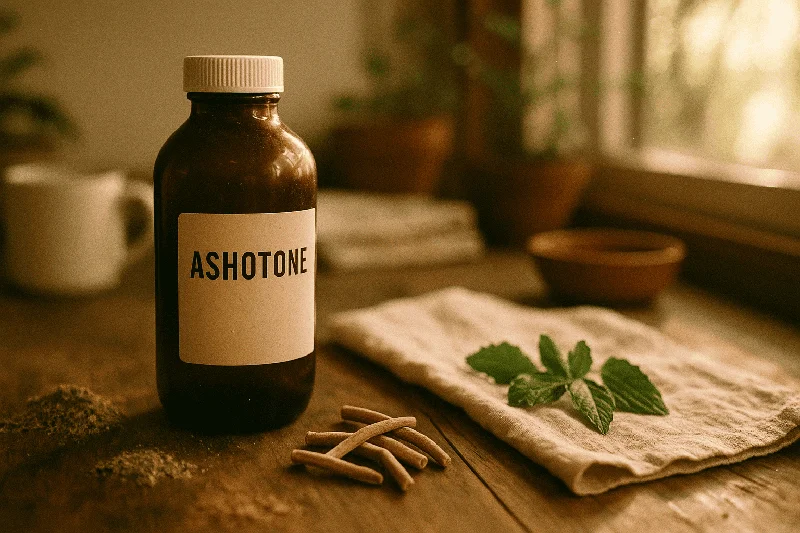
Ashotone is a non-hormonal herbomineral formulation manufactured by Solumiks Herbaceuticals (a division of Piramal Group / Shree Dhootapapeshwar Limited) designed specifically for women's gynecological health. It is primarily used to manage heavy menstrual bleeding (menorrhagia), dysfunctional uterine bleeding (DUB), and irregular menstrual cycles — without the side effects commonly associated with hormonal therapy. Available as tablets (blister of 30) and syrup (210 ml / 440 ml), Ashotone combines time-tested Ayurvedic botanicals with essential minerals to deliver hemostatic, anti-inflammatory, and uterine-toning effects.
If you've been searching for a safe, non-hormonal approach to menstrual irregularities, this guide covers everything you need to know: what Ashotone is, how it works at a physiological level, its full ingredient breakdown, dosage instructions, safety profile, and how it compares to similar products on the market. We've also included clinical evidence supporting its key ingredients — something you won't easily find in other resources online.
What Is Ashotone and What Is It Used For?
Ashotone is classified as a proprietary Ayurvedic medicine (not a pharmaceutical drug), which means it is formulated under Ayurvedic pharmacological principles using standardized herbal and mineral ingredients. It was developed to serve as a comprehensive solution for several gynecological conditions without introducing synthetic hormones into the body.
Core Indications
The primary uses of Ashotone include:
- Menorrhagia — excessively heavy or prolonged menstrual bleeding
- Dysfunctional Uterine Bleeding (DUB) — abnormal uterine bleeding not caused by structural or systemic disease
- Irregular menstrual cycles — inconsistent cycle length, timing, or flow
- Metrorrhagia — bleeding between periods
- Pre-menstrual syndrome (PMS) — associated anxiety, mood swings, and physical discomfort
- Beyond bleeding disorders, Ashotone also addresses the secondary symptoms that often accompany menstrual dysfunction: fatigue from blood loss, anxiety, stress, and general weakness.
- This makes it more than just a hemostatic agent — it's a holistic formulation targeting the root causes and consequences of menstrual imbalance.
Who Manufactures Ashotone?
Ashotone is manufactured by Solumiks Herbaceuticals Ltd, operating under the umbrella of Shree Dhootapapeshwar Limited (a Piramal Group company). The product is manufactured under GMP-compliant facilities and is authorized for sale in India, Nepal, and Sri Lanka. Solumiks follows standardized monographs (Shree Dhootapapeshwar Standards) for raw material quality and finished product consistency — a detail that most resources overlook but is critical for consumer confidence.
How Does Ashotone Work? Mechanism of Action Explained
This is where most available information about Ashotone falls short. Nobody really explains how the formulation works at a physiological level. Let's fix that.
Action on the Endometrium
The primary hemostatic action of Ashotone comes from its key ingredient, Ashoka (Saraca asoca). Research published in the Journal of Ethnopharmacology (2015) has demonstrated that Saraca asoca bark extract contains active compounds — particularly catechol and epicatechin — that exert a direct stimulatory effect on the uterine endometrium. These compounds promote contraction of uterine smooth muscle, which helps reduce excessive bleeding by mechanically constricting blood vessels in the endometrial lining.
Prostaglandin Modulation
Heavy menstrual bleeding is often linked to an imbalance in prostaglandin synthesis — specifically, elevated levels of PGE2 and PGI2 relative to PGF2α and thromboxane A2. Several ingredients in Ashotone, including Lodhra (Symplocos racemosa) and Nagkeshar (Mesua ferrea), have shown anti-inflammatory and prostaglandin-modulating properties. A 2013 study in Pharmacognosy Reviews found that Symplocos racemosa bark extract significantly reduced PGE2 levels in animal models, which directly correlates with reduced menstrual blood loss.
Estrogen-Modulating (Phytoestrogenic) Activity
Ashoka bark contains phytoestrogens that act as selective estrogen receptor modulators (SERMs). This means they can mildly stimulate estrogen receptors when estrogen is low and compete with excess estrogen when levels are high — effectively balancing hormonal influence on the uterus without being a hormonal product itself. This is a crucial distinction that makes Ashotone "non-hormonal" in classification while still addressing hormonal imbalance at the receptor level.
Adaptogenic and Anxiolytic Effects
Ingredients like Shatavari (Asparagus racemosus) and Ashwagandha (Withania somnifera) contribute adaptogenic properties — helping the hypothalamic-pituitary-adrenal (HPA) axis cope with stress. Since chronic stress disrupts the hypothalamic-pituitary-gonadal (HPG) axis and can directly cause menstrual irregularity, this adaptogenic support is not just a "bonus" — it targets one of the root causes of menstrual dysfunction.
Hematopoietic Support
Blood loss leads to iron-deficiency anemia. Ashotone addresses this through mineral ingredients like Praval Pishti (coral calcium) and Godanti Bhasma (calcined gypsum), along with iron-rich herbal extracts. These components support red blood cell regeneration and replenish mineral stores depleted by heavy periods.
Complete Ingredients List with Pharmacological Actions
One of the strengths of Ashotone is its multi-ingredient formulation where each component serves a specific purpose. Below is the complete breakdown.
Ashotone Tablet Composition
| Ingredient | Latin / Scientific Name | Quantity per Tablet | Primary Action |
|---|---|---|---|
| Ashoka | Saraca asoca | 100 mg | Uterine tonic, hemostatic, phytoestrogenic |
| Lodhra | Symplocos racemosa | 50 mg | Anti-inflammatory, reduces bleeding |
| Shatavari | Asparagus racemosus | 50 mg | Adaptogen, hormonal balance, galactagogue |
| Nagkeshar | Mesua ferrea | 25 mg | Hemostatic, anti-hemorrhagic |
| Durva | Cynodon dactylon | 25 mg | Hemostatic, wound healing |
| Amalaki | Emblica officinalis | 25 mg | Antioxidant, iron absorption enhancer |
| Dhataki | Woodfordia fruticosa | 25 mg | Astringent, anti-microbial |
| Praval Pishti | Coral calcium | 25 mg | Calcium supplement, Pitta-pacifying |
| Godanti Bhasma | Calcined gypsum | 25 mg | Calcium supplement, hemostatic |
| Mukta Pishti | Pearl calcium | 10 mg | Calming, anxiolytic, calcium source |
| Kumari | Aloe barbadensis | 25 mg | Uterine tonic, digestive support |
| Ashwagandha | Withania somnifera | 25 mg | Adaptogen, stress relief, vitality |
Note: Exact dosages may vary slightly between manufacturing batches. Always refer to the packaging for the most current formulation.
Ashotone Syrup Composition
- The syrup form contains the same core ingredients in liquid extract form, with additional excipients for palatability and preservation. The syrup may offer faster absorption for patients who have difficulty with tablets or who prefer liquid medicines.
- One key consideration: the syrup contains sugar, which makes it unsuitable for diabetic patients — a contraindication that is rarely mentioned in product descriptions but is clinically relevant.
Detailed Ingredient Spotlight
Ashoka (Saraca asoca) — The cornerstone ingredient. A 2019 systematic review in Journal of Ayurveda and Integrative Medicine confirmed its uterine stimulant, oxytocic, and anti-menorrhagic properties across multiple preclinical studies. Traditionally referred to as the "remover of sorrow" in Sanskrit — the name itself reflects its historical use in women's health. Lodhra (Symplocos racemosa) — Acts primarily as an astringent and anti-inflammatory agent. It reduces capillary permeability in the uterine endometrium, which directly decreases blood loss. A 2017 study published in Ancient Science of Life demonstrated significant reduction in menstrual blood loss in women taking Lodhra bark extract over 3 consecutive cycles. Shatavari (Asparagus racemosus) — Functions as a female reproductive tonic and galactagogue. It supports healthy estrogen metabolism and has been documented in a 2018 review in Biomedicine & Pharmacotherapy for its phytoestrogenic, antioxidant, and immunomodulatory activities. Mukta Pishti (Pearl calcium) — Beyond its calcium-supplying role, Mukta Pishti is traditionally used in Ayurveda for its cooling (Pitta-pacifying) and anxiolytic properties. It helps address the emotional component of menstrual disorders — irritability, anxiety, and restlessness.
Dosage: How to Take Ashotone Correctly
Standard Dosage for Tablets
The recommended dose is 1 tablet, 3 times daily, taken after meals with water or milk. The treatment should be continued for 3 consecutive menstrual cycles for optimal results.
Standard Dosage for Syrup
- For the syrup formulation: 2 teaspoons (10 ml), 2–3 times daily, also taken after meals.
- Same duration applies — 3 consecutive cycles.
What to Do If You Miss a Dose
If you miss a dose, take it as soon as you remember. However, if it's almost time for your next scheduled dose, skip the missed one and continue with your regular schedule. Do not double the dose to compensate for the missed one.
Expected Timeline of Results
This is something no competitor discusses, and honestly it's one of the most common questions women have. Here is a realistic timeline based on the pharmacology of the ingredients and clinical observations:
| Cycle | Expected Changes |
|---|---|
| Cycle 1 (Weeks 1–4) | Mild reduction in flow volume; some improvement in PMS symptoms like anxiety and irritability |
| Cycle 2 (Weeks 5–8) | Noticeable reduction in heavy bleeding days; improved cycle regularity; better energy levels |
| Cycle 3 (Weeks 9–12) | Significant improvement in menstrual pattern; reduced clotting; emotional balance; hemoglobin levels may start improving |
Keep in mind: individual results vary considerably. Some women notice changes within the first cycle itself, while others may need the full 3-cycle course. Patience matters here.
Key Benefits of Ashotone
Hemostatic and Anti-Hemorrhagic Action
The primary benefit. Ashotone reduces excessive menstrual blood loss through multiple pathways — uterine smooth muscle contraction, prostaglandin modulation, and endometrial astringent effects. This makes it effective for both menorrhagia and DUB.
Non-Hormonal Safety Profile
Perhaps the biggest advantage over conventional treatments. Hormonal therapies (oral contraceptives, progestins) carry risks of weight gain, mood changes, thromboembolism, and long-term endocrine disruption. Ashotone achieves similar regulatory effects without introducing exogenous hormones, making it suitable for women who cannot or prefer not to use hormonal medication.
Menstrual Cycle Regulation
By addressing underlying imbalances — both physiological (prostaglandin levels, endometrial health) and systemic (stress, nutritional deficiencies) — Ashotone helps normalize cycle length and flow patterns over time.
Stress and Anxiety Relief
The adaptogenic ingredients (Ashwagandha, Shatavari) and calming minerals (Mukta Pishti, Praval Pishti) address the neuropsychological dimension of menstrual disorders. Stress is both a cause and consequence of menstrual irregularity. Breaking this cycle is essential for long-term management.
Hematopoietic Support (Blood Building)
Chronic heavy bleeding depletes iron stores and can lead to iron-deficiency anemia. Ashotone's mineral content and iron-absorption enhancers (Amalaki/Vitamin C) help rebuild hemoglobin levels naturally alongside reducing blood loss.
Not Habit-Forming
Ashotone does not cause dependence or addiction. It can be discontinued after the recommended course without withdrawal symptoms. However, if you've been taking it for an extended period, gradual tapering is generaly advisable rather than abrupt cessation — simply as a good practice with any long-term supplement.
Ashotone Tablets vs Syrup: Which Form Is Better?
This is a comparison nobody else provides, and it's genuinely useful for making an informed choice.
| Parameter | Tablets (30s) | Syrup (210 ml / 440 ml) |
|---|---|---|
| Convenience | Highly portable, easy to carry | Bulky, requires measuring spoon |
| Absorption Speed | Standard (20–30 min) | Faster (liquid form, 10–15 min) |
| Taste | Neutral (coated) | Herbal/sweet taste; some may find unpleasant |
| Sugar Content | Minimal | Contains sugar — unsuitable for diabetics |
| Shelf Life | 3 years from manufacturing | 3 years (but may degrade faster once opened) |
| Suitability | General population | Better for those who have difficulty swallowing tablets |
| Cost-Effectiveness | Generally more economical per dose | Slightly more expensive per course |
Our recommendation: For most women, tablets are the more practical choice — easier to dose accurately, more convenient for daily use, and suitable for diabetic patients. Choose the syrup if you have swallowing difficulties or prefer liquid medicines and are not diabetic.
Don't wait or self medicate. Start chat with Doctor NOW
Safety Information and Side Effects
Are There Any Adverse Effects of Ashotone?
Ashotone is generally well-tolerated when taken as directed. No significant adverse effects have been widely reported. However, as with any herbal formulation, mild gastrointestinal discomfort (nausea, mild stomach upset) may occur in some individuals, especially when taken on an empty stomach. Taking it after meals usually prevents this.
Is Ashotone Safe for Pregnant or Lactating Women?
Ashotone should NOT be taken during pregnancy. Several of its ingredients — particularly Ashoka and Kumari — have uterine-stimulant properties that could potentially cause uterine contractions. During lactation, consult your Ayurvedic physician before use, as safety data during breastfeeding is limited.
Contraindications
- Pregnancy — strictly avoid
- Diabetes (syrup form) — contains sugar; tablets may be acceptable but consult your doctor
- Scanty menstruation (oligomenorrhea) — Ashotone is designed for heavy bleeding; using it for already scanty periods could worsen the condition
- Delayed menstruation / amenorrhea — not indicated; may not be appropriate
- Known allergy to any listed ingredient
Storage Instructions
- Store in a cool, dry place below 25°C
- Keep away from direct sunlight
- Keep out of reach of children
- Do not use beyond the expiry date
Can I Take Ashotone Alongside Other Medications?
Ashotone is generally compatible with other Ayurvedic preparations, multivitamins, and Omega-3 supplements. It can also be taken alongside allopathic and homeopathic medicines. However, if you are on anticoagulants (blood thinners like warfarin), anti-platelet drugs, or hormonal medication, you should definately consult your physician first, as interactions may occur through overlapping hemostatic or hormonal pathways.
Ashotone vs Competitors: How Does It Compare?
No existing resource provides this comparison, so here's a side-by-side look at Ashotone versus other popular Ayurvedic formulations for menstrual health.
| Feature | Ashotone | M2 Tone (Charak) | Evecare (Himalaya) | Lukol (Himalaya) |
|---|---|---|---|---|
| Type | Herbomineral | Herbal | Herbal | Herbal |
| Primary Focus | Heavy bleeding / DUB | Menstrual irregularity | Menstrual irregularity, PMS | Leucorrhea, pelvic infections |
| Contains Minerals | Yes (Praval, Godanti, Mukta Pishti) | No | No | No |
| Ashoka as Key Ingredient | Yes | Yes | Yes | Yes |
| Adaptogenic Herbs | Yes (Ashwagandha, Shatavari) | Yes (Ashwagandha) | Yes (Shatavari) | Limited |
| Non-Hormonal | Yes | Yes | Yes | Yes |
| Available Forms | Tablets + Syrup | Tablets + Syrup | Syrup + Capsules | Tablets |
| Best For | Menorrhagia, DUB | General menstrual regulation | PMS, mild irregularity | Leucorrhea, infections |
| Unique Strength | Mineral supplementation alongside hemostasis | Comprehensive cycle regulation | Widely available, well-known brand | Anti-microbial focus |
Key takeaway: Ashotone's unique advantage is its herbomineral composition — the inclusion of calcined mineral preparations (Bhasmas and Pishtis) sets it apart from purely herbal alternatives. This makes it particularly suitable for women who have both heavy bleeding AND mineral/calcium deficiency, which is common in Indian women of reproductive age.
Ayurvedic Context: Understanding Ashotone Through Dosha Theory
From an Ayurvedic perspective, excessive menstrual bleeding (Asrigdara or Raktapradar) is primarily a disorder of Pitta dosha — the principle governing heat, metabolism, and blood. When Pitta becomes aggravated (due to spicy food, stress, heat exposure, or constitutional predisposition), it increases the fluidity and volume of Rakta Dhatu (blood tissue), leading to heavy menstruation.
Ashotone's formulation is designed to:
- 1.Pacify Pitta — cooling ingredients like Praval Pishti, Mukta Pishti, and Godanti Bhasma directly counter excess heat
- 2.Strengthen Artava Vaha Srotas — the channels governing menstrual flow; Ashoka and Lodhra act as Srotoshodhaka (channel cleansers and tonics)
- 3.Nourish Rasa and Rakta Dhatu — Shatavari and Amalaki support healthy tissue regeneration
- 4.Balance Vata — Ashwagandha prevents Vata from pushing Pitta into the reproductive channels, a common pathological mechanism in menstrual disorders
This multi-dosha approach makes Ashotone a more holistic remedy than single-herb preparations — it addresses the root Samprapti (pathogenesis) rather than just symptomatic relief.
Dietary and Lifestyle Recommendations While Taking Ashotone
To maximize the effectiveness of Ashotone, consider these complementary dietary and lifestyle practices. No competitor covers this, but it can make a real difference in outcomes.
Foods to Emphasize
- Iron-rich foods: spinach, lentils (dal), beetroot, pomegranate, jaggery (gudh)
- Vitamin C sources: amla (Indian gooseberry), orange, lemon — enhances iron absorption
- Cooling foods: cucumber, coconut water, coriander, fennel seeds — supports Pitta pacification
- Whole grains: brown rice, oats, whole wheat — sustained energy and B-vitamins
Foods to Minimize
- Excessively spicy, sour, and salty foods — aggravate Pitta
- Caffeine and alcohol — increase heat and may worsen bleeding
- Processed and fried foods — create Ama (toxins) and disrupt digestion
Lifestyle Practices
- Moderate exercise: Walking, yoga (especially Baddha Konasana, Supta Virasana), and light stretching improve pelvic circulation without over-exerting
- Stress management: Pranayama (Sheetali, Anulom Vilom), meditation, and adequate sleep (7–8 hours)
- Avoid heavy physical exertion during the first 2–3 days of menstruation
- Stay hydrated: Minimum 2–2.5 liters of water daily
Pricing and Where to Buy Ashotone
Ashotone is widely availabe across India through both online and offline channels. Here's a price comparison across major platforms (prices as of 2025; subject to change):
| Platform | Ashotone Tablets (30s) | Ashotone Syrup (210 ml) |
|---|---|---|
| 1mg | ₹130–145 | ₹155–170 |
| Truemeds | ₹125–140 | ₹150–165 |
| AyurCentral | ₹140–150 | ₹165–175 |
| Amazon India | ₹135–155 | ₹160–180 |
| Local Ayurvedic pharmacies | ₹130–150 | ₹155–175 |
Tip: Buying directly from authorized Ayurvedic pharmacies or verified platforms like 1mg ensures product authenticity and proper storage conditions. Shelf life: 3 years from the date of manufacture. Always check the expiry date before purchasing.
Frequently Asked Questions (FAQ)
What is the use of Ashotone tablet?
Ashotone tablet is used primarily for managing heavy menstrual bleeding (menorrhagia), dysfunctional uterine bleeding, and menstrual irregularities. It acts as a non-hormonal uterine tonic that reduces excessive blood loss, regulates cycle patterns, and alleviates associated symptoms like fatigue and anxiety.
What is Ashotone syrup used for?
Ashotone syrup serves the same indications as the tablet — menorrhagia, DUB, and irregular periods. The syrup form offers faster absorption and is prefferred by those who have difficulty swallowing tablets. However, it contains sugar and is not suitable for diabetic patients.
Which syrup is best for irregular periods?
The "best" syrup depends on the specific nature of your irregularity. For heavy bleeding, Ashotone syrup is among the most effective options due to its herbomineral composition. For general cycle irregularity with light flow, products like Evecare (Himalaya) or M2 Tone (Charak) may be more appropriate. Consult an Ayurvedic practitioner for personalized guidance.
What is the use of female tonic?
A "female tonic" in Ayurveda refers to formulations designed to support women's reproductive health — regulating menstruation, improving fertility, balancing hormones, and reducing symptoms of PMS or menopause. Ashotone falls into this category as a specialized uterine tonic focused on hemostasis and cycle regulation.
Is Ashotone Tablet safe for pregnant or lactating women?
- No, Ashotone is contraindicated during pregnancy due to its uterine-stimulant ingredients.
- For lactating mothers, safety data is insufficient — consult your doctor before use.
Can Ashotone be taken long-term?
The standard course is 3 menstrual cycles. Extended use beyond this should be under medical supervision. Ashotone is not habit-forming, so there is no risk of dependency, but long-term safety data beyond 3–4 months is limited.
Does Ashotone cure PCOS?
Ashotone is not specifically formulated for Polycystic Ovary Syndrome (PCOS). While some of its ingredients (Shatavari, Ashwagandha) may offer supportive benefits for PCOS-related symptoms, it should not be relied upon as a standalone treatment for this condition.
Conclusion: Is Ashotone Right for You?
Ashotone stands out in the crowded space of Ayurvedic gynecological products because of its unique herbomineral formulation — combining proven uterine tonics like Ashoka and Lodhra with mineral preparations that address the nutritional consequences of heavy bleeding. Its non-hormonal approach makes it a viable option for women who want to avoid synthetic hormones, and its multi-target mechanism addresses not just the symptom (heavy bleeding) but also the underlying imbalances and downstream effects (anemia, stress, fatigue).
That said, Ashotone is not a replacement for proper medical evaluation. Heavy or irregular menstrual bleeding can sometimes indicate serious underlying conditions — fibroids, polyps, endometriosis, thyroid disorders, or even malignancy. Always get a proper diagnosis before starting any treatment.
If you've been diagnosed with menorrhagia or DUB and are looking for a safe, evidence-backed Ayurvedic approach, Ashotone is worth discussing with your healthcare provider. Start with the recommended 3-cycle course, follow the dietary guidelines outlined above, and track your progress cycle by cycle.
Consult a qualified Ayurvedic practitioner or gynecologist before starting Ashotone to ensure it's appropriate for your specific condition.
Scientific Sources
- Catharanthus roseus (L.) G.Don: A review of its ethnobotany, phytochemistry, ethnopharmacology and toxicities — Kumar S et al., 2022, Journal of ethnopharmacology
- Ayurveda for Animals — Dohmen L, 2025, The Veterinary clinics of North America. Small animal practice
- Botanical drugs in Ayurveda and Traditional Chinese Medicine — Jaiswal Y et al., 2016, Journal of ethnopharmacology
- Ayurvedic plumbism — Sadler M et al., 2017, Internal medicine journal
- Cancer--an ayurvedic perspective — Balachandran P et al., 2005, Pharmacological research
Questions from users
What are the key ingredients in Ashotone and their benefits?
Client_b28d8f
24 days ago
Ashotone's key ingredients include Ashoka and Kumari. Ashoka is known for its phytoestrogenic properties, which may support healthy estrogen metabolism and help manage menstrual irregularities. Kumari, or aloe vera, offers antioxidant and potential uterine-stimulant effects. Benefits often appear within one to three cycles, but individual responses can vary. It's critical to avoid Ashotone during pregnancy due to its potential to stimulate uterine contractions. For specific health concerns or before starting any supplement, consult a healthcare professional.
How long does it take to see results from Ashotone?
Client_531fbb
34 days ago
The time it takes to see results from Ashotone can vary depending on individual circumstances, but typically, noticeable effects on menstrual irregularity and associated stress symptoms may begin to appear within a few weeks of regular use. It's important to follow the recommended dosage of 1 tablet, 3 times a day after meals, as consistent use is key for herbal formulations. If there is no improvement after a month or if symptoms worsen, it is advisable to consult a healthcare provider to ensure there aren’t underlying issues that need attention.
What dietary restrictions should I consider while using Ashotone?
Client_b8ece6
43 days ago
When using Ashotone, avoid a high-sugar diet since the syrup contains sugar, making it unsuitable for people with diabetes. It's essential to check the current product formulation on the packaging. While Ashotone has ingredients like Lodhra and Nagkeshar for their anti-inflammatory properties, no specific widespread dietary restrictions exist beyond general health guidelines. However, if you have underlying health conditions or experience any adverse effects, consult with a healthcare provider for personalized advice.
Is Ashotone effective for managing stress-related menstrual irregularities?
Client_5a3913
53 days ago
Ashotone is an Ayurvedic formulation often used for managing menstrual irregularities, which can be exacerbated by stress. However, there isn't strong scientific evidence supporting its effectiveness specifically for stress-related menstrual issues. While some users report benefits, results can vary widely. Typically, improvements in menstrual regularity might be observed over several menstrual cycles. Maintain a balanced diet, manage stress, and engage in regular exercise as these lifestyle adjustments can support menstrual health. Consult a healthcare provider if irregularities persist, or if you experience significant side effects while taking Ashotone.
Is Ashotone safe to use during menstruation for symptomatic relief?
Client_bcfd2f
62 days ago
Yes, Ashotone is generally considered safe to use during menstruation for symptom relief. It's non-hormonal and focuses on supporting gynecological health through Ayurvedic principles. But, as always, it's a good idea to check with your healthcare provider before starting any new supplement, just to be sure it fits well with your individual health needs.
What is the role of Amalaki in Ashotone for improving hemoglobin levels?
Client_a3b9d6
72 days ago
Amalaki in Ashotone plays a crucial role in boosting hemoglobin levels because it's rich in Vitamin C, which enhances iron absorption. When your body absorbs iron more efficiently, it naturally helps in increasing hemoglobin. Plus, Amalaki is great for overall vitality and balancing doshas. Give it some time though, consistency is key!
Can Ashotone be taken with other medications for menstrual pain?
Client_430af8
81 days ago
Ashotone can usually be taken with other meds, but it's always a good idea to check with a healthcare provider. This ensures there's no interaction with what you're already taking, especially if it’s for menstrual pain. Also consider balancing doshas and supporting agni with a steady routine and diet 😊.
Is Ashotone suitable for younger women experiencing menstrual issues?
Client_5f7c16
92 days ago
Yes, Ashotone might be suitable for younger women with menstrual issues as it's made to help balance and support reproductive health naturally without hormones. But, make sure to check for allergies in the ingredient list and always consult a healthcare provider to ensure it fits your specific needs or situation. Little guidance can go a long way here!
Can I take Ashotone if I have a history of allergies to herbal supplements?
Client_e8a4fa
101 days ago
If you've had allergies to herbal supplements before, it's really important to proceed with caution. I would suggest speaking with a healthcare provider before taking Ashotone. They can provide personalized advice based on your specific allergy history and help ensure it's safe for you. Better safe than sorry when it comes to allergies!
Can Ashotone cause any side effects when used for heavy menstrual bleeding?
Client_ba4ef8
110 days ago
Yeah, so Ashotone is generally safe but can have side effects, like any treatment. Some users might experience digestive issues, headaches, or allergic reactions. It's always best to consult with your healthcare provider, especially if you have other health conditions or are on medication!
Related articles

Gynecology and Obstetrics
How to Get Periods Immediately: Ayurvedic Remedies, Food, and Tips
Learn how to get periods immediately using natural methods, food, exercises, and Ayurvedic remedies. Understand safe ways to induce menstruation effectively
16,371

Gynecology and Obstetrics
Raja Pravartini Vati Benefits, Dosage, Ingredients and Side Effects
Exploration of Raja Pravartini Vati Benefits, Dosage, Ingredients and Side Effects
5,377

Gynecology and Obstetrics
Tips for Regular Periods: Real Talk with an Ayurvedic Twist
That’s where Ayurveda comes in. Not as a quick fix, but as this quietly powerful system that’s been around for, oh, a few thousand years? I used to think it was all turmeric and oil massages, but wow, I was wrong. The Ayurvedic approach to regular periods
2,314

Gynecology and Obstetrics
Jeerakadyarishta Benefits: A Comprehensive Ayurvedic Guide
Discover how Jeerakadyarishta benefits digestion, postpartum health, and more. Learn key research, practical tips, and expert insights for safe use.
3,899

Gynecology and Obstetrics
Madhumalini Vasant Uses – An Ayurvedic Remedy for Diabetes and Blood Sugar Control
Learn about the uses of Madhumalini Vasant, an Ayurvedic formulation known for managing diabetes, balancing blood sugar levels, and promoting overall health.
2,950

Gynecology and Obstetrics
Bartholin Cyst Ayurvedic Treatment – Natural Remedies & Holistic Healing
Discover effective Ayurvedic treatments for Bartholin cysts, utilizing natural herbs and holistic practices to alleviate symptoms, reduce cyst size, and promote vaginal health naturally.
7,286

Gynecology and Obstetrics
Indukantam Ghritam – Benefits, Dosage, How To Use, Side Effects, Ingredients, Reference
Exploration of Indukantam Ghritam – Benefits, Dosage, How To Use, Side Effects, Ingredients, Reference
2,172

Gynecology and Obstetrics
How to Check Pregnancy at Home: Natural and DIY Methods
Learn how to check pregnancy at home using natural methods like sugar, salt, and baking soda tests. Explore safe DIY options and Ayurvedic recommendations
5,202

Gynecology and Obstetrics
Preg Utero: An Ayurvedic Approach to Supporting Pregnancy and Uterine Health
Learn about Preg Utero, an Ayurvedic supplement, and how it supports pregnancy, uterine health, and hormonal balance for women trying to conceive or during pregnancy.
2,571

Gynecology and Obstetrics
Chandrakala Vati Benefits, Dosage, Side Effects, Ingredients
Exploration of Chandrakala Vati Benefits, Dosage, Side Effects, Ingredients
3,322
Related consultations on the topic
Legal
Additional Documents
© 2024 Ask Ayurveda. All rights reserved.