Ask Ayurvedic doctor a question and get a consultation online on the problem of your concern in a free or paid mode. More than 2,000 experienced doctors work and wait for your questions on our site and help users to solve their health problems every day.


Body DetoxEar, Nose, and Throat DisordersGeriatrics & RejuvenationImmunodeficiencyInfertility TreatmentNutritionOrthopedic DisordersPediatricsRespiratory DisordersSexually Transmitted Diseases (STDs)Surgery RecoveryUrological DisordersVascular DisordersDental DisordersEndocrinological DisordersGastrointestinal DisordersYoga TherapyGeneral MedicineAllergic DisordersCardio DisordersGynecology and ObstetricsCosmetologySkin and Hair DisordersEye DisordersInfectious DiseasesMental DisordersNeurological DisordersOncologyPanchakarmaSexual Health & DisordersSports Medicine
Published on 01/06/25
(Updated on 08/10/26)
2,673
Cap Cervilon for Cervical Pain: Natural Ayurvedic Relief You Need
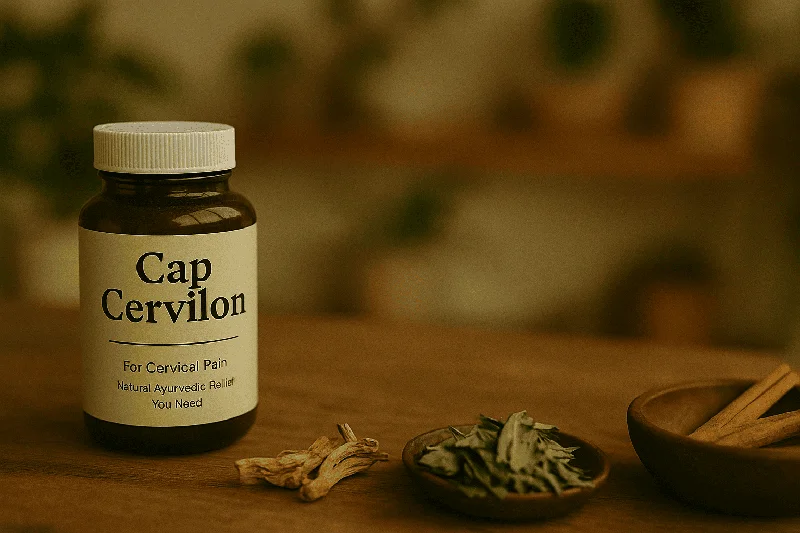
Cap Cervilon (Cervilon Soft Gel Capsules) is a clinically validated Ayurvedic formulation manufactured by AVN Ayurveda Formulations Pvt. Ltd., specifically designed to treat cervical spondylosis, cervical radiculopathy, and related neck pain conditions. Containing a powerful blend of traditional ingredients like Tila Taila, Bala, Dashamoolam, and Ashwagandha, Cap Cervilon works by rehydrating degenerated intervertebral discs, reducing inflammation, and promoting nerve remyelination — offering a natural alternative to conventional NSAID therapy. In a randomized clinical study conducted with KLE Ayurveda Mahavidyalaya Belgavi, patients experienced a 75% reduction in pain and 70% improvement in Neck Disability Index scores after completing the treatment course.
If you're dealing with persistent neck stiffness, radiating arm pain, or have been diagnosed with cervical spondylosis, this comprehensive guide covers everything you need to know about Cap Cervilon — from its full ingredient list and mechanism of action to dosage protocols, treatment duration, side effects, and how it compares to both allopathic medications and other Ayurvedic alternatives.
What Is Cap Cervilon and What Is It Used For?
Cap Cervilon is a proprietary Ayurvedic soft gel capsule that falls under the category of Sneha Kalpana (lipid-based Ayurvedic preparations). Unlike conventional tablets or hard capsules, the soft gel format ensures better absorption of its oil-based active ingredients — primarily Tila Taila (sesame oil) which serves as both the base medium and a therapeutically active component.
The formulation was launched on the market in 2009 by AVN Ayurveda Formulations Pvt. Ltd., based in Madurai, Tamil Nadu, India. Since then, it has been prescribed by more than 20,000 Ayurvedic and integrative medicine practitioners across India. The product holds proper AYUSH manufacturing licenses and is produced in GMP-certified facilities.
Is Cervilon Tablet Ayurvedic or Not?
Yes, Cap Cervilon is a 100% Ayurvedic formulation. It is manufactured under the Drugs and Cosmetics Act regulations for Ayurvedic, Siddha, and Unani (ASU) medicines. Each ingredient in the capsule is derived from classical Ayurvedic texts and traditional medicinal practices. The formulation does not contain any synthetic chemicals, steroids, or allopathic active pharmaceutical ingredients.
Manufacturer and Product History
AVN Ayurveda Formulations Pvt. Ltd. has a long-standing reputation in the Ayurvedic pharmaceutical industry. The company developed Cervilon after extensive research into traditional Sneha Kalpana preparations used for Vata disorders affecting the cervical spine. Since its 2009 launch, the product has undergone clinical testing and has been adopted widley across Ayurvedic hospitals and clinics throughout India.
Available Forms and Packaging Options
Cap Cervilon is available exclusively in soft gel capsule form.
The common packaging configurations include:
| Packaging | Quantity | Typical Use |
|---|---|---|
| Blister strip | 10 capsules per strip | Short-term / trial |
| Box (9 blisters) | 90 capsules | Standard monthly course |
| Bottle | 120 capsules | Extended treatment course |
Cap Cervilon Composition: Full Ingredient Breakdown
Understanding the composition of Cap Cervilon is essential for both practitioners and patients. The formulation is a carefully calibrated blend of Ayurvedic herbs processed in a sesame oil base.
Complete Table of Ingredients
| Ingredient (Sanskrit/Common) | Botanical/Latin Name | Key Therapeutic Role |
|---|---|---|
| Tila Taila (Sesame Oil) | Sesamum indicum | Base oil; Vata-pacifying, nourishes nerves and bones |
| Bala | Sida cordifolia | Muscle strengthening, nerve tonic |
| Dashamoolam (10 roots) | Various (10 species) | Anti-inflammatory, analgesic |
| Ashwagandha | Withania somnifera | Adaptogenic, promotes tissue regeneration |
| Kulattha | Dolichos biflorus | Reduces Vata, supports bone metabolism |
| Yava | Hordeum vulgare | Nutritive, reduces inflammation |
| Kola | Ziziphus jujuba | Nourishing, supports tissue repair |
| Saindhava (Rock Salt) | Sodium chloride (mineral) | Improves bioavailability, channel-clearing |
Role of Key Active Ingredients
Tila Taila forms the backbone of this formulation. In Ayurveda, sesame oil is considered the best oil for pacifying Vata dosha — the primary dosha responsible for degenerative conditions of bones, joints, and nerves. Its lipophilic nature enhances the bioavailability of herbal compounds, allowing them to penetrate deep tissues (Asthi and Majja dhatus). Bala (Sida cordifolia) is one of the most revered Ayurvedic herbs for musculoskeletal strength. Modern pharmacological studies have identified alkaloids like ephedrine and pseudoephedrine in Bala that exhibit anti-inflammatory and analgesic properties. Dashamoolam is a classical group of ten roots used extensively in Ayurveda for pain management. This combination provides broad-spectrum anti-inflammatory action and helps reduce swelling around compressed cervical nerve roots. Ashwagandha (Withania somnifera) contributes adaptogenic and regenerative properties. Research published in the Journal of Ayurveda and Integrative Medicine has demonstrated its ability to support nerve regeneration and reduce cortisol-mediated tissue degradation — both relevant mechanisms in chronic cervical spondylosis.
How Does Cap Cervilon Work? Mechanism of Action
Cap Cervilon operates through multiple pharmacological pathways, addressing cervical spondylosis at its root cause rather than simply masking symptoms.
Action on Intervertebral Discs and Bone
The primary pathology in cervical spondylosis involves dehydration and degeneration of intervertebral discs, followed by osteophyte (bone spur) formation. Cap Cervilon's oil-based formulation delivers lipid-soluble active compounds directly to the affected tissues, where they:
- 1.Rehydrate degenerated discs — The Sneha (oleaginous) nature of Tila Taila, combined with Bala and Ashwagandha, nourishes the Asthi dhatu (bone tissue) and helps restore disc hydration
- 2.Prevent osteophyte formation — By reducing localized Vata aggravation and improving nutrient supply to vertebral bodies
- 3.Promote remyelination of compressed nerves — Ashwagandha and Bala support Majja dhatu (nervous tissue), aiding in the repair of damaged myelin sheaths around cervical nerve roots
Ayurvedic Rationale: Vata-Dosha Perspective
From a classical Ayurvedic standpoint, cervical spondylosis is understood as a Vata-Vyadhi affecting the Greeva (neck) region. The aggravated Vata dosha causes dryness (Ruksha), degeneration (Kshaya), and pain (Shula) in the cervical spine.
- Cap Cervilon addresses this through Snehana (oleation therapy in capsule form), Vata Shamana (Vata pacification through Bala, Ashwagandha, and Dashamoolam), and Brumhana (nourishing therapy through Kulattha, Yava, and Kola).
- The Saindhava lavana acts as a Yogavahi — a catalyst that enhances the penetration of active compounds into deeper tissue layers (Srotas).
How Quickly Does Cap Cervilon Show Results?
- Based on clinical observations and the randomized study at KLE Ayurveda Mahavidyalaya, patients typically begin noticing symptomatic relief within 2–3 weeks of regular use.
- However, significant structural improvements — such as disc rehydration and reduction in nerve compression symptoms — generally require 2–3 months of consistent treatment. The oil-based soft gel format does enhance absorption compared to traditional kashayam or churna preparations, as the lipid matrix facilitates crossing biological membranes more efficiently.
Cap Cervilon Uses: Indications and Extended Applications
Primary Indications
Cap Cervilon is primarily indicated for:
- Cervical spondylosis — degenerative disc disease of the cervical spine
- Cervical radiculopathy — nerve root compression causing radiating arm pain, numbness, or tingling
- Cervical myelopathy — spinal cord compression in the neck region
- Muscular spasms of the cervical region — chronic neck stiffness and tension
Which Oil Is Best for Spondylosis?
- This is one of the most frequently asked questions, and it's worth addressing directly.
- For internal use, Tila Taila (sesame oil) — the base of Cap Cervilon — is considered the gold standard in Ayurveda for Vata-predominant musculoskeletal conditions. For external application alongside Cap Cervilon, Murivenna oil, Kottamchukkadi Tailam, or Dhanwantharam Tailam are commonly recommended by practioners for local massage of the cervical region.
Extended Indications Beyond Cervical Spine
While primarily formulated for cervical conditions, some Ayurvedic physicians have reported benefits in:
- Ulnar nerve entrapment — compression of the ulnar nerve at the elbow or wrist
- Cervicogenic migraine — headaches originating from cervical spine dysfunction
- Tinnitus and Meniere's disease — when associated with cervical spine pathology affecting vertebrobasilar circulation
These extended applications, while clinically observed, require further formal research for definitive recommendations.
Cap Cervilon Dosage, Treatment Duration & How to Take
Standard Dosage Protocol
| Patient Category | Dosage | Frequency | Timing |
|---|---|---|---|
| Adults (standard) | 2 capsules | 2–3 times daily | After meals |
| Mild cervical pain | 2 capsules | 2 times daily | After meals |
| Moderate to severe spondylosis | 2 capsules | 3 times daily | After meals |
Capsules should be swallowed whole with lukewarm water. Do not break, crush, or chew the soft gel capsules, as this would compromise the oil-based delivery system.
Treatment Duration by Stage of Disease
This is an area where existing resources are frustratingly vague. Based on clinical protocols and practitioner guidelines, here is a structured framework:
| Stage/Severity | Recommended Duration | Expected Outcome |
|---|---|---|
| Early/mild (occasional neck stiffness, no radiculopathy) | 4–6 weeks | Significant symptom relief |
| Moderate (persistent pain, early radiculopathy) | 2–3 months | Pain reduction + functional improvement |
| Severe/chronic (myelopathy, multiple level involvement) | 3–6 months | Symptomatic management + structural support |
| Maintenance (post-acute phase) | 1–2 capsules twice daily for 4–6 weeks | Relapse prevention |
Important: These are general guidelines. Your Ayurvedic physician should tailor the duration based on your specific clinical presentation, Prakriti (constitution), and response to treatment.
Combination Treatment Protocols
Cap Cervilon is often prescribed as part of a comprehensive treatment plan.
Common clinically used combinations include:
- Cervilon + Zeotone Tablets — for enhanced bone mineral support
- Cervilon + Maharasnadi Kashayam — for pronounced Vata symptoms with severe stiffness
- Cervilon + Perment Capsules — when peripheral neuropathy accompanies cervical issues
- Cervilon + Nirgundi Tablets — for additional anti-inflammatory and analgesic support
Never self-prescribe combination therapies. Always consult a qualified Ayurvedic doctor.
Don't wait or self medicate. Start chat with Doctor NOW
Cap Cervilon Side Effects and Contraindications
One of the biggest gaps in available information about Cap Cervilon is a thorough discussion of side effects and contraindications. While it's true that no significant adverse effects have been formally documented in clinical studies, responsible medical guidance requires addressing potential concerns.
Known Side Effects
In the clinical trial conducted at KLE Ayurveda Mahavidyalaya Belgavi, no serious adverse effects were reported among participants.
However, some patients may experience:
- Mild gastrointestinal discomfort — bloating or loose stools, particularly in individuals with sensitive digestion (usually resolves within a few days)
- Oily taste or mild nausea — due to the oil-based soft gel format, especially when taken on an empty stomache
- Allergic reactions — rare, but possible in individuals with sesame allergy (Tila Taila is the primary base)
Contraindications and Precautions
| Category | Recommendation |
|---|---|
| Pregnancy | Not recommended unless specifically prescribed by an Ayurvedic physician |
| Lactation | Use with caution; consult doctor before starting |
| Children (under 12) | Safety not established; avoid unless directed by specialist |
| Sesame allergy | Contraindicated (Tila Taila is the primary ingredient) |
| Bleeding disorders | Use cautiously; some ingredients may have mild blood-thinning properties |
| Concurrent allopathic medications | Inform your doctor about all medications, especially blood thinners, NSAIDs, and muscle relaxants |
Drug Interactions
While no formal drug interaction studies have been published for Cap Cervilon specifically, the following theoretical interactions should be considered:
- NSAIDs (Ibuprofen, Diclofenac) — additive anti-inflammatory effects; dose adjustment may be needed
- Anticoagulants (Warfarin) — Ashwagandha and sesame oil may mildly potentiate blood-thinning effects
- Antihypertensives — Ashwagandha may have mild hypotensive properties
Always disclose your complete medication list to both your Ayurvedic and allopathic doctors.
Cap Cervilon vs Allopathic Treatment: A Balanced Comparison
- Many patients wonder whether to choose Ayurvedic treatment with Cervilon or stick with conventional allopathic medicines.
- Here's an honest comparison:
| Parameter | Cap Cervilon (Ayurvedic) | Allopathic Approach (NSAIDs, Muscle Relaxants) |
|---|---|---|
| Onset of action | 2–3 weeks | 30 minutes – 2 hours |
| Pain relief | Gradual, sustained | Rapid but temporary |
| Root cause treatment | Yes — addresses disc degeneration | No — primarily symptomatic |
| Side effects (GI) | Minimal | Significant (gastritis, ulcers with long-term NSAID use) |
| Kidney/liver burden | Low | Moderate to high with prolonged use |
| Nerve regeneration | Supported (remyelination) | Not addressed |
| Long-term safety | Favorable | Concerns with chronic use |
| Cost of full course | Moderate (₹800–₹1,500 for 1 month) | Variable (₹300–₹2,000/month depending on drugs) |
Cervilon vs. Yogaraja Guggulu
For those comparing within the Ayurvedic pharmacopeia, Cervilon and Yogaraja Guggulu serve related but distinct purposes:
- Cervilon focuses on regeneration — disc rehydration, nerve repair, tissue nourishment
- Yogaraja Guggulu focuses on anti-inflammatory and detoxifying action — channel clearing, Ama (toxin) removal
For cervical spondylosis specifically, Cervilon is the more targeted formulation. Yogaraja Guggulu may be preferred for generalized joint conditions with significant Ama involvement.
Clinical Evidence: What Research Says About Cap Cervilon
The KLE Ayurveda Mahavidyalaya Belgavi Study
The most significant clinical evidence for Cap Cervilon comes from a randomized, prospective study conducted in collaboration with KLE Ayurveda Mahavidyalaya, Belgavi (Karnataka).
Key findings included:
- 75% reduction in pain scores — measured using Visual Analog Scale (VAS)
- 70% improvement in Neck Disability Index (NDI) — indicating substantial functional recovery
- 35% improvement in overall quality of life — assessed through standardized quality of life questionnaires
The study demonstrated that Cap Cervilon provided clinically meaningful improvements not just in pain but in daily functional capacity — something that NSAIDs alone often fail to achieve.
While this study provides encouraging data, it is worth noting that larger, multi-center, double-blind, placebo-controlled trials would further strengthen the evidence base. As of now, Cap Cervilon remains one of the better-studied proprietary Ayurvedic formulations for cervical spondylosis.
Cap Cervilon Price and Where to Buy
| Pack Size | Approximate Price (MRP) | Cost per Capsule |
|---|---|---|
| 10 capsules (1 strip) | ₹90–₹110 | ₹9–₹11 |
| 90 capsules (9 strips) | ₹750–₹900 | ₹8.3–₹10 |
| 120 capsules (bottle) | ₹950–₹1,200 | ₹7.9–₹10 |
Estimated cost of a full 3-month course (6 capsules/day): approximately ₹2,400–₹3,600 depending on the pack size and source.
Cap Cervilon is available through authorized Ayurvedic pharmacies, online platforms including 1mg, MedPlusMart, AyurKart, and directly through AVN Arogya stores. Always purchase from authorized sellers to ensure authenticity.
Storage Conditions and Shelf Life
- Storage temperature: Below 30°C, in a cool and dry place
- Protect from: Direct sunlight and moisture
- Shelf life: Typically 3 years from date of manufacture (check packaging for exact date)
- Post-opening: Use within the expiry period; ensure blister strips are intact before consumption
Diet and Lifestyle Tips to Enhance Cap Cervilon's Effectiveness (Pathya-Apathya)
Taking Cap Cervilon alone is only part of the solution. Your diet and daily habits significantly influence treatment outcomes.
Foods That Support Treatment (Pathya)
- Warm, cooked meals — soups, stews, khichdi
- Ghee (clarified butter) in moderate amounts — nourishes Vata
- Milk boiled with turmeric and a pinch of ginger
- Sesame-based foods (til chikki, tahini)
- Green leafy vegetables, beetroot, and carrots
Foods and Habits to Avoid (Apathya)
- Cold beverages and raw salads (aggravate Vata)
- Excessive caffeine and carbonated drinks
- Prolonged screen time without neck breaks
- Sleeping with an excessively high or flat pillow
- Carrying heavy bags on one shoulder
Supportive Exercises
- Gentle cervical range-of-motion exercises (neck rotations, side bends)
- Isometric neck strengthening
- Yoga asanas: Bhujangasana (Cobra pose), Marjariasana (Cat-Cow), and Shavasana for relaxation
- Avoid: headstands, heavy overhead lifting, and jarring activities during acute phases
Frequently Asked Questions (FAQ)
What is Cap Cervilon used for?
Cap Cervilon is used primarily for cervical spondylosis, cervical radiculopathy, cervical myelopathy, and muscular spasms of the neck region. It helps reduce pain, inflammation, and stiffness while supporting disc rehydration and nerve repair.
What is the content of Cap Cervilon?
Cap Cervilon contains Tila Taila (sesame oil), Bala, Dashamoolam (group of 10 roots), Ashwagandha, Kulattha, Yava, Kola, and Saindhava (rock salt) as its key ingredients, all processed according to traditional Sneha Kalpana methodology.
What is the dosage of Cervilon Capsules?
The standard dosage is 2 capsules taken 2–3 times daily after meals, swallowed whole with lukewarm water. Duration and exact frequency should be determined by your Ayurvedic physician based on the severity of your condition.
What is Cap Cervilon Easy Ayurveda?
- "Easy Ayurveda" is a well-known Ayurvedic health information website that features a detailed review of Cervilon Soft Gel Capsules, including its uses, ingredients, and clinical background.
- It is not a variant of the product itself — it's a trusted resource where you can read more about Cap Cervilon.
Can Cap Cervilon be taken with allopathic medicines?
While no formal contraindications have been established, it's advisable to inform both your Ayurvedic and allopathic doctors about all medications you're taking. Particular caution is warranted when using blood thinners or long-term NSAIDs concurrently.
Is there any certification for Cap Cervilon's quality?
Cap Cervilon is manufactured by AVN Ayurveda Formulations in GMP-certified facilities under valid AYUSH manufacturing licenses. The product complies with the Drugs and Cosmetics Act regulations applicable to Ayurvedic medicines in India.
How is Cap Cervilon different from regular pain killers?
Unlike NSAIDs which provide temporary symptomatic relief, Cap Cervilon aims to address the underlying pathology — disc degeneration, nerve compression, and tissue dehydration. It works gradually over weeks rather than minutes, but offers more sustained benefits with a significantly better long-term safety profile.
Can I take Cap Cervilon during pregnancy?
Cap Cervilon is generally not recommended during pregnancy unless specifically prescribed by a qualified Ayurvedic physician who has evaluated your individual case. The safety of all ingredients during pregnancy has not been formally established through clinical trials.
Conclusion: Is Cap Cervilon Right for You?
Cap Cervilon represents one of the most well-researched and widely prescribed Ayurvedic formulations for cervical spondylosis available in India today. With clinical evidence showing 75% pain reduction and 70% functional improvement, a strong safety profile, and a formulation rooted in centuries of Ayurvedic wisdom — it offers a compelling option for anyone struggling with chronic neck pain and cervical spine degeneration.
That said, cervical spondylosis is a complex condition that often benefits from a multimodal approach. Cap Cervilon works best when combined with appropriate lifestyle modifications, supportive exercises, and professional medical guidance.
- If you're considering Cap Cervilon for your cervical pain, consult a qualified Ayurvedic practitioner who can assess your Prakriti, disease stage, and overall health profile to design a personalized treatment protocol.
- Don't self-medicate — even with Ayurvedic medicines, proper medical supervision ensures the best outcomes and safest experience.
Scientific Sources
- Pharmacological Insights Into Ashwagandha (Withania somnifera): A Review of Its Immunomodulatory and Neuroprotective Properties — Dipankar SP et al., 2025, Cureus
- Gut microbiota: One of the new frontiers for elucidating fundamentals of Vipaka in Ayurveda — Ranade AV et al., 2019, Ayu
- Ayurvedic management of pulmonary tuberculosis: A systematic review — Samal J, 2016, Journal of intercultural ethnopharmacology
- Alteration of Community Metabolism by Prebiotics and Medicinal Herbs — Peterson CT et al., 2023, Microorganisms
- Mechanistic role and potential of Ayurvedic herbs as anti-aging therapies — Raina K et al., 2023, Drug metabolism and personalized therapy
- Comparative efficacy of Medhya Rasayana,Bacopa monnieri, and Centella asiatica in enhancing memory and IQ of 8-10 year-old healthy boys: A prakriti-based double-blind, randomized controlled trial — Verma J et al., 2025, Journal of Ayurveda and integrative medicine
- Traditional medicine herbs as natural product matrices in cancer chemoprevention: A trans pharmacological perspective (scoping review) — Kalachaveedu M et al., 2023, Phytotherapy research : PTR
- Ayurveda for diabetes mellitus: a review of the biomedical literature — Elder C, 2004, Alternative therapies in health and medicine
- Analyzing the Use of Medicinal Herbs During the First Wave and Second Wave of COVID-19 — Singh T et al., 2022, Proceedings of the National Academy of Sciences, India. Section B
- Honey infused with herbs: A boon to cure pathological diseases — Kumar S et al., 2024, Heliyon
- Study design of herbal medicine clinical trials: a descriptive analysis of published studies investigating the effects of herbal medicinal products on human participants — Koonrungsesomboon N et al., 2024, BMC complementary medicine and therapies
- Healthcare and disease management in Ayurveda — Mishra L et al., 2001, Alternative therapies in health and medicine
- Butea monosperma as a collective phytomedicine and environmentally sustainable, conservative, and beneficial plant — Hiremath KY et al., 2024, Archives of Razi Institute
- Chyawanprash: A Traditional Indian Bioactive Health Supplement — Sharma R et al., 2019, Biomolecules
- Herbal and Holistic Solutions for Neurodegenerative and Depressive Disorders: Leads from Ayurveda — Sharma R et al., 2018, Current pharmaceutical design
- Integrating ayurvedic medicine into cancer research programs part 2: Ayurvedic herbs and research opportunities — Arnold JT, 2023, Journal of Ayurveda and integrative medicine
- Exploration of bioactive compounds from Olea dioica in Western Ghats of Karnataka using GC-MS — Krishnappa S et al., 2024, 3 Biotech
- Mesenchymal stem cells as a platform for research on traditional medicine — Bhonde R et al., 2021, Journal of Ayurveda and integrative medicine
- Polyherbal formulation: Concept of ayurveda — Parasuraman S et al., 2014, Pharmacognosy reviews
- The practitioner's perspective: introduction to Ayurvedic herbalism — Khalsa KP, 2007, Journal of herbal pharmacotherapy
Questions from users
Can I use Cap Cervilon during pregnancy for neck pain?
Client_d164c8
2 days ago
It is not recommended to use Cap Cervilon during pregnancy for neck pain as its safety has not been formally established through clinical trials for pregnant women. While Cap Cervilon is widely used for cervical spondylosis and neck pain, pregnancy requires special consideration due to potential risks to the developing fetus. Instead, consider alternative treatments such as physiotherapy, gentle neck exercises, or applying warm compresses. If neck pain persists, consult a healthcare professional to explore safe pain management options during pregnancy.
What is the recommended dosage for Cap Cervilon for pain relief?
Client_3556c5
7 days ago
The recommended dosage for Cap Cervilon is not specified in the available literature, including the overview you provided. This is why it is crucial to consult a qualified Ayurvedic doctor for personalized advice on the appropriate dosage, particularly for pain relief. Cap Cervilon is designed to target underlying issues such as disc degeneration and nerve compression rather than merely masking pain like standard NSAIDs. If you experience any side effects or if symptoms persist, seeing a doctor is advisable to ensure proper diagnosis and treatment.
What ingredients are in Cap Cervilon and their benefits?
Client_bfb8e6
12 days ago
Cap Cervilon comprises ingredients such as Ashwagandha (Withania somnifera), known for its adaptogenic and regenerative properties. This Ayurvedic formulation is free from synthetic chemicals, steroids, or allopathic pharmaceutical ingredients, enhancing bioavailability through its oil-based, lipophilic nature, which helps herbal compounds penetrate deeper body tissues. It is crucial not to break, crush, or chew these soft gel capsules to preserve their oil-based delivery system. While specific benefits can vary based on individual health conditions, typically expect improvements in stress management and general well-being. Consult a healthcare professional if there is uncertainty about its use or if you experience any adverse effects.
How does Cap Cervilon aid in reducing inflammation for neck pain?
Client_299424
17 days ago
Cap Cervilon may help reduce neck pain inflammation by incorporating natural anti-inflammatory ingredients such as Ashwagandha and Dashamoolam. These components are known for their analgesic and anti-inflammatory properties, which can alleviate pain and stiffness associated with cervical spondylosis. However, results can vary, and individual response times may differ. Generally, improvement might be noticed over several weeks of consistent use. Be attentive to any adverse reactions and consult a healthcare provider if symptoms persist or worsen, or to confirm this supplement aligns with your healthcare needs.
How long does it take to see results from Cap Cervilon?
Client_3ec202
27 days ago
Results from taking Cap Cervilon for conditions like cervical spondylosis typically begin to appear after 4 to 6 weeks of consistent use. However, individual responses can vary based on the severity of the condition and overall health. This supplement is designed to target the root cause by addressing intervertebral disc dehydration and degeneration. While no specific side effects are documented, it's crucial to consult with a qualified Ayurvedic doctor before starting, as herbal interactions can differ per individual. If you experience any adverse reactions or if symptoms worsen, seek medical advice promptly.
How does Cervilon support nerve repair in cervical spondylosis?
Client_7861d8
37 days ago
Cervilon is an Ayurvedic formulation that claims to support nerve repair in conditions like cervical spondylosis by focusing on regeneration, such as disc rehydration and tissue nourishment. Although specific clinical evidence on Cervilon is limited, it is believed to aid nerve repair primarily through ingredients traditionally used in Ayurveda. While Cervilon might offer support, it should not replace conventional treatments. It is crucial to consult a healthcare provider for personalized advice, especially if symptoms worsen or do not improve in a few weeks.
What lifestyle changes can improve the effectiveness of Cap Cervilon?
Client_3adcbf
47 days ago
To improve the effectiveness of Cap Cervilon, which is used for treating cervical spondylosis and related neck pain, it's important to complement the treatment with specific lifestyle changes. Regular cervical exercises and posture corrections can significantly help. Engaging in gentle neck stretches and strengthening exercises will support cervical health. Good ergonomic practices, like using a supportive chair and appropriate desk height, can also prevent strain. Pay attention to diet; a balanced intake of anti-inflammatory foods can contribute overall. Warm compresses can alleviate discomfort. If symptoms persist or worsen, consult a healthcare professional.
What are the recommended storage conditions for Cap Cervilon?
Client_489c58
56 days ago
Cap Cervilon should be stored below 30°C in a cool, dry place to maintain its effectiveness and shelf life, which is typically 3 years from the date of manufacture. It is important to protect the capsules from direct sunlight and moisture. After opening, make sure the blister strips remain intact and use the product within the expiry period. Always verify the expiration date on the packaging before use. If you notice any damage to the packaging or capsules' appearance, consult a healthcare professional before continuing use.
What causes chronic neck pain and how can Cervilon help with it?
Client_c46efe
66 days ago
Chronic neck pain often comes from things like cervical spondylosis, which is basically wear and tear in the cervical spine. Cervilon works because it draws on Ayurvedic Sneha Kalpana principles to target Vata imbalances, helping nerve regeneration and lowering tissue degradation. Its natural ingredients help ease pain and improve function, making it a good pick for neck issues.
What is cervical spondylosis and what are its main symptoms?
Client_896783
76 days ago
Cervical spondylosis is basically age-related wear and tear affecting the neck's spinal disks. The main symptoms often include neck pain and stiffness, reduced neck movement, headaches, and sometimes, tingling or weakness in the arms. Ayurvedic approaches focus on balancing vata dosha, improving agni, and supporting dhatus to manage it. If interested, explore these aspects with a practitioner!
Related articles

Gynecology and Obstetrics
Evecare Syrup
Exploration of Evecare Syrup
14,557

Gynecology and Obstetrics
Garbhapal Ras Benefits, Dosage, Ingredients, Side Effects
Exploration of Garbhapal Ras Benefits, Dosage, Ingredients, Side Effects
4,769
Gynecology and Obstetrics
Cervilon Tablet: Cervilon Tablet – Support Your Cervical Health Naturally
Learn about Cervilon Tablet, its benefits, proper dosage, uses, and the scientific evidence supporting this Ayurvedic supplement for women's reproductive health and hormonal balance.
4,018

Gynecology and Obstetrics
How to Relieve Constipation During Pregnancy Immediately
Constipation during pregnancy isn't just “a bit uncomfortable.” It can be painful, frustrating, and sometimes even scary. I’ve had friends who said they cried in the bathroom. Others who were too embarrassed to bring it up at checkups. And some who popped
4,329

Gynecology and Obstetrics
Menosan Tablet
Exploration of Menosan Tablet
3,703

Gynecology and Obstetrics
Ashokarishta for PCOS: Ayurvedic Solution for Hormonal Balance and Health
Discover how Ashokarishta, an Ayurvedic tonic, can help manage PCOS by balancing hormones, improving menstrual health, and reducing symptoms associated with the condition.
5,755

Gynecology and Obstetrics
Kaharva Pishti Uses – Natural Ayurvedic Remedy for Health Balance
Discover the diverse kaharva pishti uses in Ayurveda for enhancing digestive health, balancing doshas, and promoting overall wellness with this time-tested natural remedy.
2,689

Gynecology and Obstetrics
Ayurvedic Treatment for Bartholin Cyst – Natural Remedies for Relief and Healing
Explore Ayurvedic treatments for Bartholin cysts, including herbal remedies, therapies, and lifestyle changes to naturally reduce cyst size and promote healing.
7,454

Gynecology and Obstetrics
How to Stop Brown Discharge After Period Naturally
How to stop brown discharge after period? Learn home remedies, how to reduce brown discharge, and Ayurvedic ways to deal with brown sticky or watery discharge
9,908

Gynecology and Obstetrics
Indukantam Ghritam – Benefits, Dosage, How To Use, Side Effects, Ingredients, Reference
Exploration of Indukantam Ghritam – Benefits, Dosage, How To Use, Side Effects, Ingredients, Reference
2,172
Related consultations on the topic
Legal
Additional Documents
© 2024 Ask Ayurveda. All rights reserved.