Nirgundyadi Kashayam: Boost Immunity with an Ancient Decoction
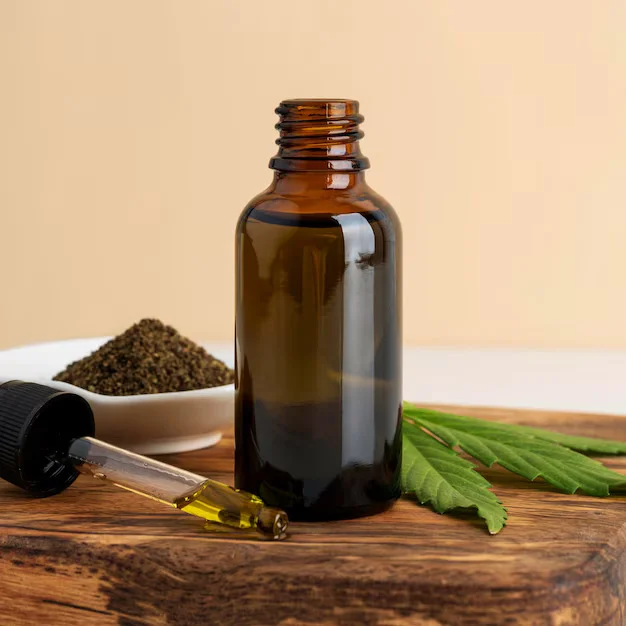
Nirgundyadi Kashayam is a classical Ayurvedic decoction (kashayam) primarily used as an anthelmintic — meaning it kills and expels intestinal worms and parasites. Rooted in the ancient text Sahasrayogam (Krimichikitsa chapter), this polyherbal formulation combines 17 potent herbs led by Nirgundi (Vitex negundo) to address parasitic infections, digestive disorders, respiratory ailments, and skin conditions linked to helminthiasis. It works by pacifying Vata and Kapha doshas while kindling digestive fire (Agni), creating an internal environment hostile to parasites.
If you're searching for detailed, evidence-backed information about this formulation — its complete ingredient list, how each herb works, proper dosage for adults and children, safety during pregnancy, and how it compares to similar kashayams — you're in the right place. This guide goes deeper than any other resource available online.
What Is Nirgundyadi Kashayam?
Definition and Ayurvedic Classification
Nirgundyadi Kashayam belongs to the Kashayam (decoction) category of Ayurvedic medicines. In Ayurvedic pharmacology, a kashayam is prepared by boiling coarsely ground herbs in water, typically in a 16:1 ratio, and reducing the liquid to one-eighth (or sometimes one-fourth) of the original volume. This concentrates the water-soluble active phytochemicals into a potent therapeutic liquid.
The prefix "Nirgundyadi" tells us the formulation is named after its principal herb — Nirgundi (Vitex negundo) — followed by "adi," meaning "and others." This naming convention is standard in classical Ayurvedic texts.
The formulation is classified under Krimighna (anti-parasitic) therapy in Ayurveda, though its applications extend well beyond just worm infestations.
Historical Origin and Classical References (Sahasrayogam)
The original Sanskrit shloka for Nirgundyadi Kashayam appears in Sahasrayogam, a widely respected Kerala Ayurvedic compilation containing one thousand formulations. Specifically, it is documented in the Krimichikitsa (treatment of worms/parasites) section.
The classical text also prescribes specific Anupana (adjuvants or co-administrators) to enhance its efficacy:
- Shigru (Moringa oleifera) — amplifies anti-parasitic action
- Vidanga (Embelia ribes) — a powerful standalone anthelmintic
- Hingu (Asafoetida) — improves digestive function and reduces bloating
- Saindhava Lavana (Rock salt) — enhances absorption and bioavailability
These adjuvants are selected based on the specific condition being treated, and your Ayurvedic practitioner will decide which one to combine with the kashayam.
How Does It Work According to Ayurveda? (Dosha Balancing Action)
From the Ayurvedic pharmacological perspective, Nirgundyadi Kashayam primarily pacifies Vata and Kapha doshas.
Here's why this matters for its therapeutic action:
Intestinal parasites thrive in an environment of excess Kapha (mucus, sluggish digestion) and disturbed Vata (irregular peristalsis). By reducing Kapha, the kashayam removes the mucoid lining that protects parasites. By normalizing Vata, it restores proper intestinal motility, helping the body physically expel dead worms and their eggs.
The formulation's overall pharmacological profile (Dravyaguna) can be summarized as:
| Parameter | Profile |
|---|---|
| Rasa (Taste) | Predominantly Tikta (bitter), Katu (pungent), Kashaya (astringent) |
| Guna (Quality) | Laghu (light), Ruksha (dry) |
| Veerya (Potency) | Ushna (hot) |
| Vipaka (Post-digestive effect) | Katu (pungent) |
| Dosha Karma | Vata-Kapha Shamaka (pacifies Vata and Kapha) |
| Primary Karma | Krimighna (anthelmintic), Deepana (appetizer), Pachana (digestive) |
This Ushna Veerya (hot potency) is what makes it critical to exercise caution in Pitta-dominant individuals — more on that in the side effects section.
Key Ingredients of Nirgundyadi Kashayam
Complete List of 17 Herbs with Botanical Names
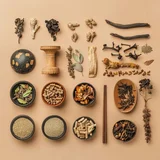
The formulation contains seventeen carefully selected herbs. Below is the comprehensive ingredient list with botanical names, parts used, and the regional names in Sanskrit, Malayalam, and Hindi:
| # | Sanskrit Name | Botanical Name | Part Used | Malayalam | Hindi |
|---|---|---|---|---|---|
| 1 | Nirgundi | Vitex negundo | Leaves | Karinochi | Sambhalu |
| 2 | Nimba | Azadirachta indica | Bark | Veppu | Neem |
| 3 | Guduchi | Tinospora cordifolia | Stem | Amruthu | Giloy |
| 4 | Patola | Trichosanthes dioica | Leaves | Pathirikkai | Parwal |
| 5 | Surasa | Ocimum sanctum | Leaves | Thulasi | Tulsi |
| 6 | Bhunimba | Andrographis paniculata | Whole plant | Kiriyattu | Kalmegh |
| 7 | Aragvadha | Cassia fistula | Fruit pulp | Kanikkonna | Amaltas |
| 8 | Vidanga | Embelia ribes | Fruit | Vizhalari | Vaividang |
| 9 | Karanja | Pongamia pinnata | Bark | Ungu | Karanj |
| 10 | Maricha | Piper nigrum | Fruit | Kurumulaku | Kali Mirch |
| 11 | Pippali | Piper longum | Fruit | Thippali | Pippal |
| 12 | Haritaki | Terminalia chebula | Fruit | Kadukkai | Harad |
| 13 | Vibhitaki | Terminalia bellirica | Fruit | Thannikka | Baheda |
| 14 | Amalaki | Emblica officinalis | Fruit | Nellikai | Amla |
| 15 | Shunthi | Zingiber officinale | Rhizome | Chukku | Sonth |
| 16 | Vacha | Acorus calamus | Rhizome | Vayambu | Bach |
| 17 | Musta | Cyperus rotundus | Rhizome | Muthanga | Motha |
Role of Each Ingredient in the Formulation
Unlike most resources that simply list herbs with one-line descriptions, let's examine the specific therapeutic contribution of each ingredient group:
Primary Anthelmintic Herbs (Direct Parasite Killers):
- Nirgundi — Contains vitexin and casticin, demonstrated to have anthelmintic activity against Pheretima posthuma (Indian earthworm model) in a 2013 study published in the International Journal of Pharmaceutical Sciences
- Vidanga — Considered the most powerful single anthelmintic herb in Ayurveda; embelin (its active compound) showed 98.7% worm mortality in vitro according to research published in Parasitology Research (2011)
- Nimba — Azadirachtin disrupts parasite reproduction and feeding
Digestive Fire Enhancers (Deepana-Pachana):
- Maricha, Pippali, Shunthi — This is the famous Trikatu combination, which enhances bioavailability of all other herbs by up to 30% (a mechanism similar to piperine's effect on curcumin absorption)
- Musta — One of the best Agni-deepana herbs; a 2018 study in Journal of Ethnopharmacology confirmed its gastroprotective activity
Immunomodulatory Herbs:
- Guduchi — A 2019 review in Journal of Clinical Medicine identified tinosporine and berberine as key immunostimulants that upregulate macrophage activity
- Amalaki, Haritaki, Vibhitaki — The Triphala trio, providing broad-spectrum antioxidant and immunoregulatory support
- Surasa (Tulsi) — Demonstrated adaptogenic and immune-boosting properties across multiple clinical trials
Detoxification and Anti-inflammatory Herbs:
- Bhunimba (Kalmegh) — Andrographolide is a proven hepatoprotective agent; supports liver detoxification of parasite metabolites
- Aragvadha — A mild laxative that helps expel dead parasites from the intestinal tract
- Patola — Anti-inflammatory action soothes the inflamed gut lining
- Karanja — Karanjin provides anti-inflammatory and skin-healing support
Neurological and Channel-opening Herbs:
- Vacha — Opens subtle channels (Srotas), ensuring the formulation reaches deep tissues where parasites may reside
Synergistic Action: The Science Behind the Combination
What makes this formulation remarkable is not just the individual herb potency but their designed synergy. The anthelmintic herbs kill parasites. The Trikatu combination enhances absorption. Aragvadha and Triphala facilitate elimination. Guduchi and Tulsi rebuild immunity that parasites had suppressed. And Vacha ensures all active compounds penetrate through blocked channels.
This multi-pronged approach — kill, digest, eliminate, rebuild — is characteristic of sophisticated Ayurvedic formulation science (Bhaishajya Kalpana). It's not just about killing worms; it's about restoring the entire ecosystem of the gut.
Therapeutic Uses and Health Benefits
Intestinal Worms and Parasitic Infections (Primary Indication)
This is the cardinal indication for Nirgundyadi Kashayam. It is effective against multiple types of intestinal parasites including roundworms (Ascaris), threadworms (Enterobius), hookworms, and tapeworms.
Symptoms that typically warrant its use include:
- Unexplained abdominal pain, especially around the navel
- Teeth grinding during sleep (bruxism) — a classic sign of worm infestation in children
- Itching around the anus, particularly at night
- Unexplained weight loss despite adequate food intake
- Visible worms in stool
- Disturbed appetite (either excessive hunger or complete loss of appetite)
Digestive Disorders and Weak Agni
Beyond parasites, this kashayam addresses several digestive complaints due to its Deepana-Pachana action. It is used in cases of chronic indigestion (Ajirna), flatulence, irregular bowel movements, and that heavy feeling after meals that suggests sluggish Agni. The Trikatu and Musta in the formulation specifically target these issues.
Respiratory Health and Kapha Disorders
Because it strongly pacifies Kapha dosha, Nirgundyadi Kashayam finds application in respiratory conditions including chronic cough, bronchitis, and excessive mucus production. Nirgundi itself has well-documented bronchodilatory properties — a 2014 study in Pharmacognosy Reviews noted its anti-asthmatic potential through mast cell stabilization.
Skin Conditions Linked to Helminthiasis
- This is an often-overlooked connection.
- Parasitic infections frequently manifest as skin problems — urticaria, eczema-like rashes, and chronic itching. By addressing the root cause (parasites), Nirgundyadi Kashayam resolves these secondary skin manifestations. Some Ayurvedic practitioners specifically prescribe it for skin conditions when they suspect an underlying parasitic etiology.
Immunomodulatory Benefits
Chronic parasitic infections suppress immune function. The Guduchi, Tulsi, and Triphala components in this formula actively rebuild immune competence. Research on Guduchi alone shows it can increase IgG antibody response and activate Natural Killer cells. In clinical practice, patients often report fewer seasonal infections after completing a course of this kashayam.
Application in Panchakarma (Detox Protocols)
Nirgundyadi Kashayam is sometimes used as a Purvakarma (preparatory) medicine before Panchakarma procedures, particularly before Virechana (therapeutic purgation). It helps clear parasites and toxins from the gut, making the subsequent Panchakarma more effective. Some practitioners also use it during the Paschat Karma (post-Panchakarma) phase to prevent re-infestation.
Dosage: How Much and When to Take
Standard Adult Dosage
The typical adult dosage is 12-24 mL (approximately 3-6 teaspoons) taken twice daily, before meals.
Preparation of traditional kashayam (from powder):
- Take 10-15 grams of the coarse powder
- Add 16 parts water (approximately 240 mL for 15g)
- Boil on low flame until reduced to 1/8th (about 30 mL)
- Filter while warm
- Consume lukewarm on an empty stomach
For readymade liquid kashayam (commercially prepared), follow the dosage on the product label — most brands recommend 15-25 mL diluted with equal quantity of lukewarm water.
Dosage for Children
Children aged 5-12 years: 2.5-5 mL twice daily, always diluted with warm water or honey to mask the bitter taste. Children under 5 should only take this medicine under strict medical supervision.
Dosage for Elderly
For patients above 65, start with the lower end of the adult dose (10-12 mL) and increase gradually based on tolerance and digestive strength.
Duration of Treatment (Course Length)
This is something no other resource clarifies properly.
Here are general guidelines:
| Condition | Typical Duration | Notes |
|---|---|---|
| Acute worm infestation | 7-14 days | Often combined with Vidanga churna |
| Chronic/recurring parasites | 21-30 days | May require a second course after 2-week gap |
| Digestive weakness | 14-21 days | Continue until Agni normalizes |
| Respiratory Kapha | 14-28 days | Based on symptom resolution |
| Pre-Panchakarma prep | 5-7 days | As directed by Panchakarma specialist |
Important: Do not self-medicate beyond 2 weeks. A qualified Ayurvedic practitioner should evaluate progress and adjust accordingly.
Anupana (Adjuvants) — What to Take It With
The classical text recommends specific adjuvants based on the condition:
- For worms: Take with Vidanga churna and warm water
- For digestive issues: Take with Hingu (asafoetida) and rock salt
- For respiratory conditions: Take with Shigru (Moringa) leaf juice
- For general use: Lukewarm water is sufficient
Diet and Lifestyle During Treatment (Pathya-Apathya)
No competitor covers this crucial aspect. Without proper dietary discipline, the effectiveness of Nirgundyadi Kashayam is significantly reduced.
Foods to Favor (Pathya)
- Light, easily digestible meals — khichdi, moong dal soup, steamed vegetables
- Bitter vegetables — bitter gourd, fenugreek leaves, drumstick
- Spices that support Agni — cumin, coriander, turmeric, ginger
- Buttermilk (takra) with roasted cumin and rock salt
- Plenty of warm water throughout the day
Foods to Avoid (Apathya)
- Sugar and sugary foods — parasites literally feed on sugar
- Heavy, fried, and oily foods — they suppress Agni and increase Kapha
- Dairy products (especially curd at night) — increases mucus/Kapha
- Raw salads and cold foods — weaken digestive fire
- Jaggery during active worm treatment — traditionally contraindicated
- Non-vegetarian food during the treatment course
Lifestyle Recommendations
- Maintain strict hygiene — wash hands thoroughly before meals, keep nails trimmed short
- Wash all fruits and vegetables properly
- Avoid sleeping during daytime (increases Kapha)
- Light exercise or walking after meals supports digestion
Side Effects, Precautions and Contraindications
Are There Any Side Effects?
Nirgundyadi Kashayam is generally well-tolerated when taken in prescribed doses under medical supervision.
However, possible side effects include:
- Mild gastric irritation or burning sensation (due to Ushna Veerya)
- Loose stools — usually a therapeutic effect, not a side effect, as the body expels parasites
- Nausea, especially if taken on a completely empty stomach without dilution
These effects are typically transient and resolve within a few days.
Detailed Contraindications
Most resources vaguely state "consult your doctor." Here are specific situations where Nirgundyadi Kashayam should be avoided or used with extreme caution:
| Contraindication | Reason |
|---|---|
| Pregnancy | Several ingredients (Pippali, Vacha, Aragvadha) have uterine stimulant activity; risk of miscarriage |
| Breastfeeding | Bitter compounds may pass into breast milk; use only if clearly necessary under supervision |
| Active gastric/duodenal ulcers | Hot potency (Ushna Veerya) can aggravate existing ulceration |
| High Pitta constitution or Pitta disorders | Multiple Tikta-Katu rasa herbs can push Pitta further out of balance |
| Severe dehydration | The Ruksha (dry) quality may worsen fluid depletion |
| Children under 3 years | Insufficient safety data; extremely sensitive digestive system |
| Concurrent anticoagulant therapy | Some ingredients (Guduchi, Nirgundi) may have mild blood-thinning effects |
Compatibility with Other Medicines
This is a question many patients ask but few resources answer.
Based on classical Ayurvedic practice:
- With allopathic (Western) medicines: Maintain a gap of at least 30 minutes between Nirgundyadi Kashayam and any allopathic medication
- With homeopathic medicines: Keep a gap of at least 30 minutes; the strong taste of the kashayam may antidote homeopathic remedies if taken too close together
- With other Ayurvedic medicines: Generally compatible; your practitioner may prescribe it alongside Vidangadi Churna or Krimikuthara Rasa for enhanced effect
Is It Safe for Long-Term Use?
No, this kashayam is not designed for indefinite use. It is a therapeutic intervention, not a daily supplement. Most courses run 2-4 weeks. Long-term unsupervised use may lead to excessive Pitta aggravation, electrolyte imbalances from the drying quality, and potential hepatic strain from prolonged exposure to multiple potent herbs. Always get reassessed after each course.
Nirgundyadi Kashayam vs. Similar Formulations
No competitor offers this comparison, but it's genuinely helpful for practitioners and informed patients:
| Feature | Nirgundyadi Kashayam | Vidangadi Kashayam | Krimighna Kashayam |
|---|---|---|---|
| Primary herb | Nirgundi (Vitex negundo) | Vidanga (Embelia ribes) | Mixed krimighna herbs |
| Number of ingredients | 17 | 8-12 (varies by text) | Varies |
| Primary action | Anthelmintic + Immunomodulatory | Primarily anthelmintic | Broad-spectrum anthelmintic |
| Dosha action | Vata-Kapha shamaka | Kapha-Vata shamaka | Varies |
| Best for | Worms + associated respiratory/skin issues | Isolated worm infestations | Resistant parasitic infections |
| Agni support | Strong (contains Trikatu + Musta) | Moderate | Moderate |
| Classical source | Sahasrayogam | Ashtanga Hridayam | Multiple texts |
When to choose Nirgundyadi over Vidangadi? When the patient has worm infestation accompanied by respiratory symptoms, skin manifestations, or immune deficiency. Nirgundyadi's broader formulation addresses the parasites AND their systemic effects simultaneously.
Available Brands, Forms and Storage
Major Manufacturers
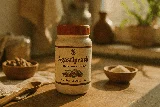
Several reputable Ayurvedic pharmacies manufacture Nirgundyadi Kashayam in India:
| Brand | Forms Available | Approximate Price (200 mL) |
|---|---|---|
| Vaidyaratnam | Liquid kashayam, Kashayam tablets | ₹130-180 |
| Kottakkal Arya Vaidya Sala | Liquid kashayam | ₹150-200 |
| Nagarjuna Ayurveda | Liquid kashayam | ₹120-170 |
| SNA Oushadasala | Liquid kashayam | ₹110-150 |
| Ashtamgam | Liquid kashayam | ₹130-160 |
| MVR Ayurveda | Kashayam Arkam (distilled form) | ₹140-180 |
The Kashayam Tablet form (offered primarily by Vaidyaratnam and Kottakkal) is convenient for patients who cannot tolerate the strong bitter taste of liquid kashayam. However, traditional practitioners generally consider the liquid form more potent.
The Arkam (distilled) form is a more palatable, preservative-free alternative with a longer shelf life.
Storage Guidelines
- Store in a cool, dry place away from direct sunlight
- Liquid kashayam (freshly prepared): Use within 24 hours; do not refrigerate overnight as it loses potency
- Commercially prepared liquid: Use within 3 months of opening; refrigerate after opening
- Kashayam tablets: Store at room temperature; shelf life typically 2-3 years from manufacture
- Do not freeze any form of kashayam — freezing destroys the delicate herbal matrix
Frequently Asked Questions (FAQ)
What is the difference between Nirgundyadi Kashayam and Nirgundyadi Erandam?
Nirgundyadi Erandam (also called Nirgundyadi Eranda Tailam) is an oil-based preparation from the same herb group, primarily used for external application or as a medicated oil in Vata disorders and joint pain. The Kashayam is an internal decoction for parasites and digestive issues. Same "Nirgundyadi" name, completely different formulations and uses.
Can it help with general skin problems not related to worms?
While its primary indication is parasitic skin conditions, the Nimba (Neem), Guduchi, and Nirgundi in the formulation do have broad-spectrum dermatological benefits. Some practitioners prescribe it for chronic urticaria and eczematous dermatitis even without confirmed parasitic infection, though this is an off-label application.
Can Nirgundyadi Kashayam be used for depression or anxiety?
No. Despite some PAA suggestions linking it to mental health, this formulation is not indicated for depression or anxiety. For those conditions, formulations like Manasamitra Vatakam, Brahmi Ghritam, or Saraswatharishtam are more appropriate.
Which Ayurvedic medicine is good for diabetes?
While this question often appears in searches related to kashayam, Nirgundyadi Kashayam is not a diabetic formulation. For diabetes management, consult a practitioner about Nishamalaki Churna, Chandraprabha Vati, or Katakakhadiradi Kashayam.
What is nirgundi used for as a standalone herb?
Nirgundi (Vitex negundo) independently is used for joint pain, inflammation, headaches, sinusitis, and as a mosquito repellent. It has analgesic properties comparable to mild NSAIDs according to a 2016 comparative study in Phytomedicine. In the kashayam, it serves as the lead herb, but its role is amplified and redirected toward anthelmintic action by the supporting herbs.
Can I prepare Nirgundyadi Kashayam at home?
Technically yes, if you can source all 17 authenticated herbs. However, ensuring correct proportions, proper identification of each herb (adulteration is common), and the precise decoction technique makes home preparation impractical for most people. Commercially prepared forms from licensed GMP-certified manufacturers are recommended.
Is a stool test necessary before taking this kashayam?
While not strictly mandatory in traditional Ayurvedic practice (where diagnosis is based on symptoms and Nadi Pariksha), getting a stool test is advisable. It confirms the type of parasite, helps track treatment efficacy, and rules out other conditions mimicking parasitic symptoms.
How quickly does it show results?
Most patients notice improvement in symptoms (reduced itching, better appetite, less abdominal discomfort) within 5-7 days. Complete parasite clearance, confirmed by stool examination, typically occurs within 14-21 days. Chronic cases may require longer treatment.
Final Thoughts
Nirgundyadi Kashayam represents the sophistication of classical Ayurvedic formulation — a multi-target herbal decoction that doesn't just eliminate parasites but simultaneously rebuilds the digestive and immune systems that allowed infestations to occur in the first place. Its 17-herb composition, documented in Sahasrayogam, remains clinically relevant centuries after its creation.
That said, self-medication with this potent formulation is not recommended. The Ushna Veerya and Tikta-Katu Rasa profile means it must be prescribed with awareness of the patient's Prakriti, current dosha imbalance, and coexisting conditions. Always consult a qualified Ayurvedic practitioner who can determine the right dosage, duration, and adjuvant for your specific situation.
Disclaimer: This article is for educational purposes only and should not replace professional medical advice. Always consult a certified Ayurvedic practitioner or healthcare provider before starting any herbal medication.
Scientific Sources
- Medical ethics in India: then and now — Pandya SK, 1999, Acta neurochirurgica. Supplement
- Cancer--an ayurvedic perspective — Balachandran P et al., 2005, Pharmacological research
- Treatment Strategies Against Psoriasis: Principle, Perspectives and Practices — Ramanunny AK et al., 2020, Current drug delivery
- RAACFDb: Rheumatoid arthritis ayurvedic classical formulations database — Mohamed Thoufic Ali AM et al., 2017, Journal of ethnopharmacology
- Ayurveda in changing scenario of diabetes management for developing safe and effective treatment choices for the future — Banerjee S et al., 2015, Journal of complementary & integrative medicine
- Elemental and Chemical Phase Analyses of Ras-Family Ayurvedic Medicinal Products — Duggal H et al., 2023, Biological trace element research
- Clinical research on ayurvedic therapeutics: myths, realities and challenges — Bhatt AD, 2001, The Journal of the Association of Physicians of India
- Twenty-eight days of repeated dose sub-acute toxicological evaluation of polyherbal Ayurvedic medicine BPGrit in Sprague-Dawley rats — Balkrishna A et al., 2024, Journal of applied toxicology : JAT
- Why the "sugars" in traditional Unani formulations are a pivotal component: A viewpoint perspective — Fazil M et al., 2022, Journal of integrative medicine
- Oxidative Stress and Male Infertility: Role of Herbal Drugs — Malik J et al., 2022, Advances in experimental medicine and biology
- Terminalia bellirica (Gaertn.) roxb. (Bahera) in health and disease: A systematic and comprehensive review — Gupta A et al., 2020, Phytomedicine : international journal of phytotherapy and phytopharmacology
- A short review on deciphering Vyadhikshamatva: insights from HLA-B27-ankylosing spondylitis relation — P AT et al., 2024, Journal of complementary & integrative medicine
- A Prospective Trial of Ayurveda for Coronary Heart Disease: A Pilot Study — DuBroff R et al., 2015, Alternative therapies in health and medicine
- Hot and Cold Theory: Evidence in Physiology — Namiranian P et al., 2021, Advances in experimental medicine and biology
- Influence of Yoga and Ayurveda on self-rated sleep in a geriatric population — Manjunath NK et al., 2005, The Indian journal of medical research
- Sleep medicine in ayurveda — Kumar VM et al., 2016, Sleep medicine reviews
- Ayurveda and Dietary Modification for T2DM Management — Rohit S et al., 2021, The Journal of the Association of Physicians of India
- Management of Parkinson's disease in Ayurveda: Medicinal plants and adjuvant measures — Pathak-Gandhi N et al., 2017, Journal of ethnopharmacology
- Confused mystification of Ayurvedic concepts — Krishna GL, 2025, Indian journal of medical ethics
- Triphala, Ayurvedic formulation for treating and preventing cancer: a review — Baliga MS, 2010, Journal of alternative and complementary medicine (New York, N.Y.)
Ask Ayurvedic doctor a question and get a consultation online on the problem of your concern in a free or paid mode.
More than 2,000 experienced doctors work and wait for your questions on our site and help users to solve their health problems every day.
Related articles