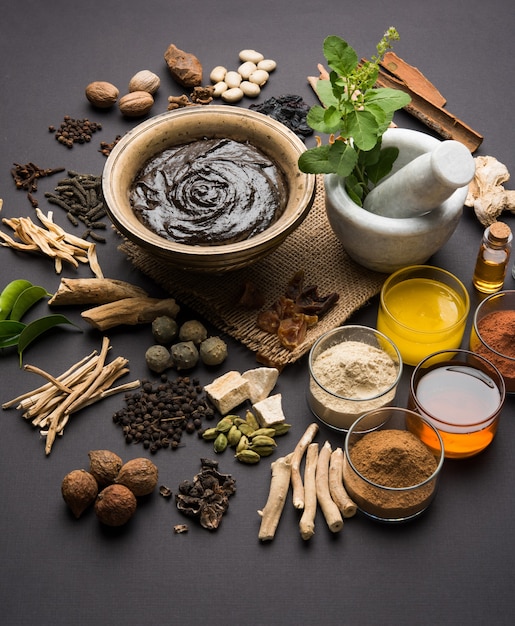

Ask Ayurvedic doctor a question and get a consultation online on the problem of your concern in a free or paid mode. More than 2,000 experienced doctors work and wait for your questions on our site and help users to solve their health problems every day.


Body DetoxEar, Nose, and Throat DisordersGeriatrics & RejuvenationImmunodeficiencyInfertility TreatmentNutritionOrthopedic DisordersPediatricsRespiratory DisordersSexually Transmitted Diseases (STDs)Surgery RecoveryUrological DisordersVascular DisordersDental DisordersEndocrinological DisordersGastrointestinal DisordersYoga TherapyGeneral MedicineAllergic DisordersCardio DisordersGynecology and ObstetricsCosmetologySkin and Hair DisordersEye DisordersInfectious DiseasesMental DisordersNeurological DisordersOncologyPanchakarmaSexual Health & DisordersSports Medicine
Published on 01/27/25
(Updated on 08/13/26)
3,793
Agnitundi Vati – Ayurvedic Medicine for Digestive Health

Introduction to Agnitundi Vati
Agnitundi Vati is a traditional Ayurvedic medicine renowned for its effectiveness in promoting digestive health. Crafted from a blend of potent herbs, Agnitundi Vati aims to enhance digestion, reduce bloating, and alleviate gastrointestinal discomfort. By balancing the body's doshas, particularly Vata and Pitta, this formulation supports optimal digestive function and overall well-being. Incorporating Agnitundi Vati into your daily regimen can provide natural relief from digestive issues and foster a healthy digestive system.
Historical Roots & Ayurvedic Significance
In Ayurveda, digestion is governed by Agni, the body's metabolic fire. A strong and balanced Agni is essential for effective digestion, nutrient absorption, and overall health. Agnitundi Vati is formulated to strengthen Agni, ensuring that the digestive process operates smoothly. Historically, this rasayana has been used to treat various digestive ailments, including indigestion, acidity, and gas, by harmonizing the doshas and eliminating ama (toxins) that disrupt digestive functions.
Key Components & Therapeutic Benefits
1. Herbal Composition
Agnitundi Vati is composed of a synergistic blend of herbs, each selected for their specific benefits to digestive health:
- Haritaki (Terminalia chebula): Acts as a natural laxative, promoting bowel movements and detoxification.
- Bibhitaki (Terminalia bellirica): Supports digestion and helps in clearing the digestive tract.
- Amalaki (Phyllanthus emblica): Rich in vitamin C, it enhances immunity and aids in digestion.
- Ginger (Zingiber officinale): Stimulates digestive enzymes and reduces nausea.
- Triphala: A traditional Ayurvedic formulation combining three fruits that detoxify and support digestion.
2. Digestive Support & Dosha Balancing
Agnitundi Vati primarily targets the Vata and Pitta doshas, which, when imbalanced, can lead to digestive disturbances. By pacifying Vata, it reduces dryness and rigidity in the digestive tract, alleviating issues like constipation and bloating. Balancing Pitta helps in managing acidity and inflammation, promoting a comfortable digestive experience.
3. Applications in Digestive Health
Agnitundi Vati is widely used to manage various digestive conditions, including:
- Indigestion: Enhances the digestive process, ensuring efficient breakdown of food.
- Acidity: Reduces excessive stomach acid, preventing heartburn and discomfort.
- Bloating & Gas: Alleviates abdominal distension by promoting the expulsion of excess gas.
- Constipation: Facilitates regular bowel movements, preventing buildup of toxins in the digestive system.
4. Integration with Ayurvedic Therapies
Agnitundi Vati can be effectively combined with other Ayurvedic treatments to amplify its digestive benefits:
- Panchakarma: Detoxification procedures like Virechana (therapeutic purgation) enhance the elimination of amaand restore doshic balance.
- Abhyanga (Oil Massage): Improves circulation and reduces stress, which can negatively impact digestion.
- Swedana (Herbal Steam Therapy): Promotes detoxification and relaxes digestive muscles, aiding in smoother digestion.
Don't wait or self medicate. Start chat with Doctor NOW
Potential Side Effects & Precautions of Agnitundi Vati
While Agnitundi Vati is generally considered safe for most individuals when used appropriately, it is essential to be aware of potential side effects and take necessary precautions to ensure safe usage.
1. Digestive Sensitivity
- Nausea: Some individuals may experience mild nausea, especially when starting the treatment.
- Diarrhea: Overconsumption can lead to loose stools due to the laxative effects of Haritaki and Bibhitaki.
- Stomach Cramps: Mild abdominal discomfort may occur as the digestive system adjusts.
2. Allergic Reactions
- Skin Rash: Rare cases of skin irritation or rash may occur.
- Swelling: Allergic reactions can cause swelling, particularly around the face or extremities.
- Difficulty Breathing: Severe allergic reactions may lead to respiratory distress, requiring immediate medical attention.
3. Interactions with Medications
- Antidiarrheal Drugs: The laxative properties of Agnitundi Vati may interfere with medications intended to reduce diarrhea.
- Blood Thinners: Some herbs in the formulation may have anticoagulant effects, potentially increasing the risk of bleeding when combined with blood-thinning medications.
4. Pregnancy & Nursing
- Consultation Required: Pregnant or breastfeeding women should consult an Ayurvedic practitioner before using Agnitundi Vati to ensure safety for both mother and child.
5. Underlying Health Conditions
- Autoimmune Diseases: Individuals with autoimmune conditions should seek professional guidance to prevent exacerbation of symptoms.
- Liver or Kidney Issues: Those with compromised liver or kidney function should use Agnitundi Vati cautiously and under medical supervision.
6. Dosage and Administration
Adhering to the recommended dosage is crucial to minimize side effects:
- Avoid Overconsumption: Taking more than the prescribed dose can increase the likelihood of adverse effects.
- Follow Instructions: Use Agnitundi Vati as directed by a qualified Ayurvedic practitioner to tailor the treatment to your specific needs.
7. Quality and Source of the Product
Ensuring the quality of Agnitundi Vati can prevent adverse effects:
- Purchase from Reputable Vendors: Obtain Agnitundi Vati from trusted Ayurvedic pharmacies to ensure purity and authenticity.
- Check for Contaminants: Verify that the product is free from harmful additives and contaminants to ensure safe usage.
Frequently Asked Questions (FAQ)
What is Agnitundi Vati used for?
Agnitundi Vati is used in Ayurveda to promote digestive health. It is effective in managing conditions like indigestion, acidity, bloating, gas, and constipation by enhancing the digestive process and balancing the doshas.
How does Agnitundi Vati support digestion?
Agnitundi Vati contains herbs that stimulate digestive enzymes, promote bowel movements, reduce stomach acid, and eliminate excess gas. This comprehensive approach ensures efficient digestion and alleviates common digestive discomforts.
Can Agnitundi Vati be taken with other medications?
While Agnitundi Vati is natural, it may interact with certain medications, such as antidiarrheal drugs and blood thinners. It is advisable to consult with a healthcare provider before combining Agnitundi Vati with other treatments to avoid potential interactions.
What are the side effects of Agnitundi Vati?
Possible side effects include mild nausea, diarrhea, stomach cramps, skin rash, and allergic reactions. Starting with a lower dose can help assess tolerance and minimize the risk of adverse effects.
How long does it take to see results from Agnitundi Vati?
The timeframe for experiencing benefits varies based on individual health conditions and consistency of use. Some individuals may notice improvements in digestion within a few days, while others might require several weeks for significant changes. Consistent use as per practitioner guidance is essential for optimal outcomes.
Is Agnitundi Vati safe for children?
Agnitundi Vati is generally safe for children when used appropriately and under the guidance of a qualified Ayurvedic practitioner. Dosage may vary based on the child's age and health condition.
Where can I purchase authentic Agnitundi Vati?
Authentic Agnitundi Vati can be sourced from reputable Ayurvedic pharmacies, certified Ayurvedic practitioners, or trusted online platforms specializing in Ayurvedic products. Always verify the quality and authenticity of the ingredients before purchase to ensure safety and effectiveness.
Conclusion & Expert Insights
Agnitundi Vati is a valuable Ayurvedic formulation for promoting digestive health and managing common digestive disorders. By balancing Vata and Pitta doshas and eliminating ama, it supports a healthy digestive system and enhances overall well-being. While Agnitundi Vati is generally safe, it is important to adhere to recommended dosages and consult with qualified Ayurvedic practitioners to tailor the treatment to individual needs. Ensuring the quality and authenticity of the product further enhances its efficacy and safety. Incorporating Agnitundi Vati into your wellness regimen can provide natural relief from digestive discomfort and foster a balanced, healthy digestive system.
References & Further Reading
- Sharma, P.V. (1995). Ayurvedic Healing: A Comprehensive Guide. Motilal Banarsidass Publishers.
- Lad, V. (2002). Ayurveda: The Science of Self-Healing. Lotus Press.
- National Institute of Ayurveda:
- Chopra, D. (2006). Perfect Health: The Complete Mind/Body Guide. Harmony Books.
- National Ayurvedic Medical Association. (n.d.). Ayurvedic Treatments for Digestive Health.
- Patwardhan, B., et al. (2014). "Ayurveda for modern times: challenges and opportunities." Frontiers in Pharmacology, 5, 89. https://doi.org/10.3389/fphar.2014.00089
- Mayo Clinic Staff. (2023). Indigestion (Dyspepsia). Mayo Clinic.
Questions from users
Can Agnitundi Vati be used for children with digestive issues?
Client_852d83
24 days ago
Agnitundi Vati is generally not recommended for children, especially without professional guidance. While it is formulated to improve digestion by enhancing Agni and easing gastrointestinal discomfort, children's digestive systems are sensitive and may respond differently to herbal formulations than adults. If a child is experiencing digestive issues, it is best to consult a pediatrician or a healthcare provider specializing in pediatric care. They can provide a tailored approach and determine whether any underlying conditions need specific treatments. If considering Ayurveda, ensure a qualified practitioner oversees any herbal remedies.
Is Agnitundi Vati safe for pregnant or breastfeeding women?
Client_7cb366
34 days ago
Agnitundi Vati is not recommended for pregnant or breastfeeding women. There is limited scientific evidence on its safety and potential effects during pregnancy and lactation. Some of its herbal components might not be safe for the developing fetus or a nursing baby. It's crucial to consult with a healthcare provider before taking any herbal supplement during pregnancy or while breastfeeding. It's best to rely on well-researched and physician-approved dietary adjustments or medications for managing digestive issues during these times.
How does Agnitundi Vati interact with common digestive medications?
Client_3fa263
44 days ago
Agnitundi Vati may interact with common digestive medications by either enhancing or reducing their effects. For instance, if taken with antacids, it might alter stomach pH, affecting drug absorption. Agnitundi Vati aids with indigestion, acidity, bloating, and constipation, but pairing it with antacids or laxatives could potentially lead to reduced effectiveness or increased side effects. Monitor for any unusual symptoms like worsening digestive discomfort, and consult a healthcare provider for personalized advice. An Ayurveda practitioner might suggest integrating traditional and modern treatments safely.
Is Agnitundi Vati effective for improving digestive enzyme function?
Client_13e2cd
53 days ago
Agnitundi Vati can be effective for improving digestive enzyme function by stimulating digestive fire and enhancing overall digestion. It is known to help alleviate symptoms such as bloating and indigestion by increasing enzymatic activity in the gastrointestinal tract. However, its efficacy can vary between individuals, and results may take a few weeks to appear. If you experience any allergic reactions, like skin rash or swelling, discontinue use and consult a healthcare provider. Always talk to a doctor if you have pre-existing health conditions or are on medication.
What is the recommended dosage of Agnitundi Vati for managing digestive issues?
Client_f166d3
63 days ago
The typical dose for Agnitundi Vati is often 1 to 2 tablets twice a day, but it's really good to ask an ayurvedic practitioner about what's best for you specifically. They can help adjust it based on your dosha and health needs. Remember, everyone's different, so personal guidance can make a big difference!
Can Agnitundi Vati support gut health and improve gut microbiome balance?
Client_42684d
72 days ago
Yes, Agnitundi Vati can support gut health. Its blend of herbs like Haritaki, Bibhitaki, and Amalaki help with digestion and detoxifying. It can positively influence gut microbiome balance by encouraging regular bowel movements & reducing digestive discomfort. But individual results may vary... so it's always good to consult an ayurvedic practitioner.
What causes allergic reactions like skin rash or swelling when taking Agnitundi Vati?
Client_bfe351
81 days ago
Allergic reactions like skin rash or swelling from taking Agnitundi Vati might be due to an individual sensitivity or intolerance to some of its ingredients. Maybe your body's dosha or agni isn't quite in balance with the vati, leading to an unusual response. Seeing an Ayurvedic practitioner could help identify and adjust the treatment.
How does Agnitundi Vati affect appetite and food cravings?
Client_dd53f3
90 days ago
Agnitundi Vati helps stimulate Agni, your digestive fire, and can enhance appetite by improving digestion. If your appetite's low due to weak Agni, you might notice fewer food cravings as your digestion balances out, but it can vary for everyone. Just watch how it feels for you and maybe start with smaller doses to see how your body responds!
What should I do if I notice swelling after taking Agnitundi Vati?
Client_8a47c3
100 days ago
If you notice swelling after taking Agnitundi Vati, it might be an allergic reaction. I'd recommend you stop taking it right away and reach out to a healthcare professional. They're gonna help check if it's really the Vati causing the issue and guide on next steps. Better safe than sorry when it comes to these things!
Can Agnitundi Vati help reduce symptoms of indigestion and heartburn?
Client_b8d1df
109 days ago
Yes, Agnitundi Vati might help with indigestion and heartburn by boosting digestion and balancing Agni, your digestive fire. Just keep an eye for any mild side effects, like cramps or nausea. It's always a good idea to chat with an Ayurvedic practitioner to make sure it's right for your unique dosha balance and needs!
Related articles

Gastrointestinal Disorders
Punarnava Guggulu Uses: Benefits, Research, and Precautions
Explore Punarnava Guggulu uses, evidence-based benefits, key research, and expert guidelines. Learn how this Ayurvedic herbal blend may support your health.
3,866

Gastrointestinal Disorders
Arsh Kuthar Ras – Benefits, Dosage, Ingredients, Side Effects
Exploration of Arsh Kuthar Ras – Benefits, Dosage, Ingredients, Side Effects
3,686

Gastrointestinal Disorders
Chitrakadi Vati – Benefits, Dosage, Ingredients, Side Effects
Exploration of Chitrakadi Vati – Benefits, Dosage, Ingredients, Side Effects
4,156
Gastrointestinal Disorders
Panchavalkala Kwatha Churna: Benefits, Dosage & Ayurvedic Insights
Explore the benefits, proper dosage, uses, and Ayurvedic foundations of Panchavalkala Kwatha Churna, a traditional herbal powder for digestive and overall health.
6,608

Gastrointestinal Disorders
Tulasi Kantakari: Uses, Benefits, and Ayurvedic Applications
Discover the benefits, proper dosage, uses, and scientific evidence behind Tulasi Kantakari, a potent Ayurvedic herb for holistic health and wellness.
3,211

Gastrointestinal Disorders
Laghu Sutshekhar Ras Uses: A Comprehensive Guide
Discover the practical, research-backed uses of Laghu Sutshekhar Ras in digestive health, acidity management, and more. Learn key benefits and safety tips here.
5,628

Gastrointestinal Disorders
Shaddharana Tablets for Weight Loss: Ayurvedic Slimming Solution
Discover Shaddharana Tablets for weight loss. Learn about their benefits, usage guidelines, dosage, and scientific insights for effective and natural slimming.
3,101

Gastrointestinal Disorders
Kapha Vriddhi Lakshana: Understanding Excess Kapha in Ayurveda
Learn about Kapha Vriddhi Lakshana, its underlying science, research-backed insights, and practical ways to balance excess Kapha for better health.
3,338

Gastrointestinal Disorders
Pancreatitis Ayurveda: Natural Treatments for Pancreatic Health
Discover Ayurvedic treatments for pancreatitis, focusing on natural remedies to reduce inflammation, support digestion, and promote healing of the pancreas.
6,825

Gastrointestinal Disorders
Virechana Dravya: A Comprehensive Ayurvedic Detox Guide
Discover the benefits of Virechana Dravya for Ayurvedic detoxification, backed by scientific insights, safety guidelines, and expert tips.
3,165
Related consultations on the topic
Legal
Additional Documents
© 2024 Ask Ayurveda. All rights reserved.