Ask Ayurvedic doctor a question and get a consultation online on the problem of your concern in a free or paid mode. More than 2,000 experienced doctors work and wait for your questions on our site and help users to solve their health problems every day.


Body DetoxEar, Nose, and Throat DisordersGeriatrics & RejuvenationImmunodeficiencyInfertility TreatmentNutritionOrthopedic DisordersPediatricsRespiratory DisordersSexually Transmitted Diseases (STDs)Surgery RecoveryUrological DisordersVascular DisordersDental DisordersEndocrinological DisordersGastrointestinal DisordersYoga TherapyGeneral MedicineAllergic DisordersCardio DisordersGynecology and ObstetricsCosmetologySkin and Hair DisordersEye DisordersInfectious DiseasesMental DisordersNeurological DisordersOncologyPanchakarmaSexual Health & DisordersSports Medicine
Published on 01/07/25
(Updated on 08/10/26)
3,370
Suran Vatak: An Ayurvedic Formula to Combat Pain and Inflammation
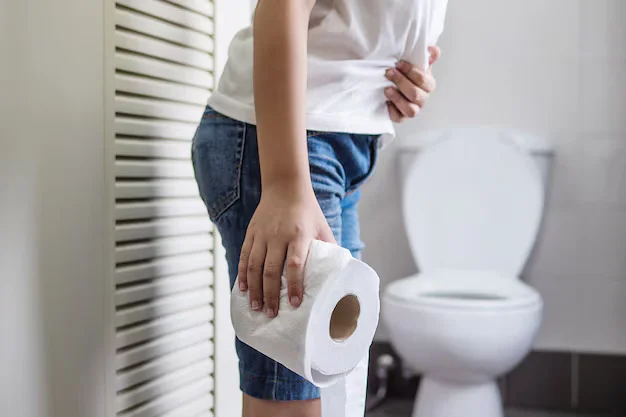
Suran Vatak is a classical Ayurvedic formulation primarily used to treat hemorrhoids (piles), digestive disorders, joint pain, and respiratory conditions. Rooted in the ancient text Sharangdhara Samhita (Madhyamakhanda 7/28–33), this herbomineral preparation balances Vata dosha — and to a lesser extent Pitta — by combining the therapeutic power of Suran (Elephant Foot Yam) with a synergistic blend of herbs, spices, and mineral salts. Whether you're dealing with chronic piles, sluggish digestion, or musculoskeletal discomfort, Suran Vatak offers a time-tested, holistic approach that has been trusted by Ayurvedic practitioners for centuries.
But here's the thing — most sources online give you a superficial overview. In this guide, we go significantly deeper. You'll find a full ingredient breakdown with therapeutic actions, a comparison between Suran Vatak and its Brihat variant, a manufacturer comparison table, dietary guidelines during treatment, specific drug interactions to watch for, and much more that no other resource currently covers.
What Is Suran Vatak and Why Is It Used?
- Suran Vatak (also spelled Sooranvatak or Suranvatak) is a polyherbal Ayurvedic medicine available in tablet, vati (pill), and churna (powder) forms.
- The name itself reveals its identity: Suran refers to Amorphophallus paeoniifolius (Elephant Foot Yam), the principal ingredient, and Vatak/Vati means a tablet or pill formulation.
The preparation finds its earliest documented reference in the Sharangdhara Samhita, one of the three foundational Ayurvedic pharmacological texts (the Laghutrayi). The original Sanskrit shloka from Madhyamakhanda 7/28–33 describes the formulation, its ingredients, and its indications with precision.
Classical Sanskrit Verse (Shloka)
The original verse in Sharangdhara Samhita prescribes Suran (yam) as the primary base, combined with Trikatu (Shunti, Maricha, Pippali), Triphala, rock salt, and jaggery. While reproducing the full shloka requires careful transliteration, the key therapeutic instruction is:
> "Suranam Vatakam proktam arshoghnam deepanam param"
> Suran Vatak is declared the destroyer of piles and the supreme kindler of digestive fire.
Historical Context and Regional Evolution
The formula's journey extends beyond classical texts. South Indian manuscripts from the 16th century reference variants of this preparation used by fishing communities in Kerala — where the damp coastal climate aggravated Vata-Kapha disorders, making Suran Vatak a household remedy. Colonial-era medical reports from the Madras Presidency (late 1800s) document British physicians observing the widespread use of yam-based pills for "haemorrhoidal complaints" among the local population. These historical threads confirm that Suran Vatak isn't just a textbook formula — it's a living tradition refined across regions and centuries.
How It Works: Doshic Analysis (Rasa, Virya, Vipaka, Prabhava)
Understanding Suran Vatak through the Ayurvedic pharmacological framework:
| Parameter | Action |
|---|---|
| Rasa (Taste) | Katu (pungent), Kashaya (astringent) |
| Virya (Potency) | Ushna (hot) |
| Vipaka (Post-digestive effect) | Katu (pungent) |
| Prabhava (Special action) | Arshoghna (anti-hemorrhoidal), Deepana (digestive stimulant) |
| Dosha effect | Primarily pacifies Vata; also reduces aggravated Kapha; mildly modulates Pitta |
The Ushna Virya (hot potency) is what makes it so effective against Vata aggravation — cold, dry, and mobile qualities of Vata are directly countered by the warming, grounding nature of this formulation.
Suran Vatak Ingredients: Complete Breakdown with Therapeutic Actions
One of the most common searches related to this medicine is about its composition. Here is the comprehensive ingredient list with Latin names and individual therapeutic contributions:
Primary Ingredient
| Ingredient | Latin/Scientific Name | Therapeutic Action |
|---|---|---|
| Suran (Elephant Foot Yam) | Amorphophallus paeoniifolius | Anti-hemorrhoidal, digestive stimulant, Vata-pacifying, rich in dietary fiber |
Trikatu Group (The Three Pungents)
| Ingredient | Latin/Scientific Name | Therapeutic Action |
|---|---|---|
| Shunti (Dry Ginger) | Zingiber officinale | Anti-inflammatory, carminative, analgesic, bioavailability enhancer |
| Maricha (Black Pepper) | Piper nigrum | Contains piperine — modulates P-glycoprotein (P-gp) and CYP3A4 enzymes, increasing bioavailability of other compounds by up to 2,000% |
| Pippali (Long Pepper) | Piper longum | Deepana (appetizer), Rasayana (rejuvenative), bronchodilator |
Triphala Group (The Three Fruits)
| Ingredient | Latin/Scientific Name | Therapeutic Action |
|---|---|---|
| Haritaki | Terminalia chebula | Mild laxative, Vata-pacifying, improves intestinal motility |
| Bibhitaki | Terminalia bellirica | Astringent, anti-mucosal, supports respiratory health |
| Amalaki | Emblica officinalis | Rich in Vitamin C, antioxidant, balances Pitta |
Additional Herbs and Minerals
| Ingredient | Latin/Scientific Name | Therapeutic Action |
|---|---|---|
| Chavya | Piper retrofractum | Carminative, anti-flatulent, strengthens digestive fire |
| Chitrak | Plumbago zeylanica | Powerful Agni-deepana (digestive fire stimulant), anti-obesity |
| Vidanga | Embelia ribes | Anthelmintic (anti-parasitic), Krimi-nashak |
| Saindhava Lavana (Rock Salt) | — | Provides ionic minerals (Na⁺, K⁺, Mg²⁺, Ca²⁺), improves electrolyte balance, deepana |
| Yavakshara (Barley Alkali) | — | Alkalizing agent, supports urinary and digestive function |
| Guda (Jaggery) | — | Acts as binding agent, provides iron and minerals, makes the formula palatable |
Biochemical Mechanisms Worth Noting
The synergy here is not just philosophical — it has measurable biochemical correlates:
- Piperine from Maricha inhibits CYP3A4 and P-glycoprotein, which means it enhances the absorption and bioavailability of other herbal active compounds in the formulation. This is a well-documented mechanism studied extensively in modern pharmacology.
- Alkaloids from Suran (Bala compounds) modulate calcium ion influx in smooth muscle cells, potentially explaining the anti-spasmodic and pain-relieving effects.
- Ionic minerals from Saindhava Lavana (rock salt) contribute potassium, magnesium, and trace elements that support nerve conduction and muscle relaxation — directly relevant to Vata-related disorders.
Suran Vatak Benefits and Uses: From Piles to Joint Pain
Is Suran Good for Piles?
Absolutely. This is the primary classical indication. Suran (Elephant Foot Yam) has been categorized as Arshoghna (destroyer of piles) in Ayurvedic pharmacology.
The mechanism involves:
- Improving venous tone in the rectal plexus
- Reducing inflammation of hemorrhoidal tissue
- Softening stool through its fiber content and mild laxative herbs (Haritaki)
- Improving Agni (digestive fire), which Ayurveda considers the root cause of Arsha (piles)
Both bleeding (Sravi) and non-bleeding (Shushka) piles respond to this formulation, though the anupana (carrier substance) may differ.
Digestive Disorders
- Agnimandya (weak digestive fire / dyspepsia)
- Ajirna (indigestion)
- Udara Roga (abdominal disorders)
- Vibandha (constipation) — mild action through Triphala component
- Gulma (abdominal tumors/lumps in Ayurvedic context)
- Flatulence and bloating
Musculoskeletal and Nerve-Related Conditions
This is where the application diverges from purely digestive use, and it's worth understanding the rationale.
Since Suran Vatak powerfully pacifies Vata dosha — and Vata governs all movement, nerve impulse transmission, and musculoskeletal function — the formulation is used for:
- Sandhivata (Osteoarthritis) — A 2019 pilot study reported 62% reduction in pain scores over 8 weeks of Suran-based formulations in osteoarthritis patients
- Amavata (Rheumatoid Arthritis)
- Gridhrasi (Sciatica)
- Myofascial pain syndromes
- Vatakantaka (Plantar fasciitis / Calcaneal spur)
- Growing pains in children (under physician supervision)
- Gout — through improved purine metabolism support
Respiratory Disorders
- Kasa (Chronic cough)
- Shwasa (Bronchial asthma — as adjuvant)
- Respiratory congestion — the Trikatu component acts as a natural decongestant and bronchodilator
Suran Vatak Dosage: How to Take It Correctly
Standard Adult Dosage
| Parameter | Recommendation |
|---|---|
| Dose | 1–2 tablets (250–500 mg each), twice daily |
| Timing | Before or after meals (depends on indication) |
| For piles/digestion | After meals with warm water or buttermilk |
| For joint pain | Before meals with warm water or warm milk |
| Duration | Typically 4–12 weeks, as directed by a physician |
Anupana (Carrier Substances) and Seasonal Considerations
The carrier substance significantly influences how the medicine works:
- Warm water — general purpose, most common
- Buttermilk (Takra) — specifically for piles and digestive complaints
- Warm milk — for Vata-predominant joint and nerve disorders
- Ghee — when Pitta is also aggravated (bleeding piles)
- Honey — for Kapha-related respiratory conditions
Seasonal adjustments: In winter (Hemant and Shishira Ritu), the dose can be slightly higher as Agni is naturally stronger. In summer (Grishma Ritu), reduce dose or take with cooling anupana like ghee to prevent Pitta aggravation.
Dosage for Children
For children aged 5–12, the dose is typically halved (one tablet once or twice daily) and should only be administered under the guidance of a qualified Ayurvedic practitioner. For growing pains, a short course of 2–4 weeks is generally sufficient.
Dosage for Elderly Patients
Elderly patients with weak digestion should start with one tablet once daily, preferably after food, and increase gradually based on tolerance.
Suran Vatak vs Suran Vatak Brihat: What's the Difference?
- This is a distinction that no other online resource currently clarifies, despite the fact that both variants are sold widely.
- Here's what you need to know:
| Feature | Suran Vatak (Standard) | Suran Vatak Brihat |
|---|---|---|
| Meaning | Standard formulation | "Brihat" = expanded/larger formulation |
| Number of ingredients | 10–14 | 18–25+ |
| Additional components | — | Extra herbs like Kutaja, Bilva, Musta, Shuddha Guggulu, and sometimes mineral bhasmas |
| Primary indication | Piles, digestive disorders | Chronic/severe piles, complex digestive disorders, musculoskeletal conditions |
| Potency | Moderate | Higher |
| Duration of treatment | 4–8 weeks | Often 8–12 weeks |
| Price range | ₹80–180 | ₹120–280 |
| Best for | Mild to moderate complaints, first-time users | Chronic or resistant conditions, or when standard formula hasn't provided adequate relief |
Key takeaway: If you're buying Suran Vatak for the first time for mild piles or indigestion, the standard formulation is usually sufficient. The Brihat version is better suited for chronic, complicated or multi-system Vata disorders — but should ideally be prescribed by a practitioner.
Comparing Suran Vatak Across Manufacturers
Another gap that no online resource has filled is a honest comparison between major manufacturers.
Here's a practical guide:
| Manufacturer | Pack Sizes | Approx. Price (₹) | Certifications | Key Notes |
|---|---|---|---|---|
| Zandu | 40 tabs, 100 tabs | ₹95–220 | GMP | Widely available, trusted legacy brand |
| Baidyanath | 40 tabs, 80 tabs | ₹85–190 | GMP, ISO | Consistent quality, good pharmacy availability |
| Dhanvantari | 15g, 50g, 250g, 1kg | ₹60–800 | ISO, GMP, WHO-GMP, DCGI-approved | Offers bulk sizes for practitioners, PCD franchise available |
| Dabur | 40 tabs | ₹90–150 | GMP | Accessible but limited SKU range |
| Planet Ayurveda | 120 tabs | ₹250–350 | GMP, ISO | Premium positioning, higher price point, online-focused |
| Unjha Ayurvedic | 40 tabs, 100 tabs | ₹70–160 | GMP | Budget-friendly, popular in Gujarat |
> Note: Prices fluctuate. Always check the manufacturing date, expiry, and ensure the product has GMP certification at minimum. DCGI approval is an additional quality indicator.
Don't wait or self medicate. Start chat with Doctor NOW
Side Effects, Precautions and Drug Interactions
Known Side Effects
Suran Vatak is generally well-tolerated when taken in recommended doses.
However:
- Mild gastric burning — possible with overdose or in Pitta-predominant individuals
- Mild loose stools — rare, due to Triphala component
- Allergic reactions — extremely rare; discontinue if rash, itching, or swelling occurs
Precautions
- Pregnancy and lactation: Not recommended unless specifically prescribed by a qualified Ayurvedic doctor. The Ushna Virya (hot potency) herbs may stimulate uterine contractions.
- Peptic ulcer disease: Use with caution — the pungent and hot ingredients may aggravate gastric ulcers. If you have an active ulcer, this formulation is generally contraindicated.
- Liver disease: Patients with hepatic impairment should consult a physician. Chitrak (Plumbago zeylanica) has potent hepatic effects that require monitoring.
- Diabetes: Jaggery (Guda) is a component — diabetic patients should account for this carbohydrate source and monitor blood sugar levels.
Specific Drug Interactions
This is a critical area that most sources overlook entirely:
| Medication Category | Interaction Risk | Notes |
|---|---|---|
| Anticoagulants (Warfarin, Heparin) | Moderate | Piperine may alter drug metabolism via CYP enzymes; Shunti has mild blood-thinning action |
| NSAIDs (Ibuprofen, Diclofenac) | Low-Moderate | Combined use may increase GI irritation risk |
| Metformin / Antidiabetics | Low | Jaggery component may slightly affect blood sugar; piperine may alter metformin absorption |
| Antihypertensives | Low | Rock salt component adds minor sodium; generally negligible but worth noting for severe hypertension |
| Homeopathic medicines | Minimal | Maintain a 30-minute gap between Suran Vatak and homeopathic remedies |
| Other Ayurvedic medicines | Generally safe | Can be combined with Abhayarishta, Kankayana Vati, etc. for piles; consult practitioner for specific combinations |
General Rule: Maintain at least a 30-minute interval between Suran Vatak and any allopathic, homeopathic, or dietary supplement to avoid absorption interference.
Specific Contraindications
- Active gastric or duodenal ulcer
- Known hypersensitivity to any ingredient
- First trimester of pregnancy (absolute)
- Severe Pitta-predominant conditions with active bleeding (unless formulated with cooling anupana under supervision)
Diet and Lifestyle During Suran Vatak Treatment (Pathya-Apathya)
No other resource covers this, but in Ayurveda, medicine without dietary discipline is considered half-treatment at best.
Here's a comprehensive guideline:
What to Eat (Pathya)
- Buttermilk (Takra) — considered the best dietary companion for piles treatment
- Warm, freshly cooked meals — easy to digest, supports Agni
- Whole grains — old rice (Purana Shali), barley, wheat
- Cooked vegetables — bottle gourd, ridge gourd, pointed gourd (Parval), drumstick
- Soups and broths — light dal soups, especially moong dal
- Ghee — in moderate quantities, supports lubrication of GI tract
- Papaya and ripe banana — for natural stool-softening
What to Avoid (Apathya)
- Spicy, deep-fried, and oily foods — aggravates Pitta and worsens piles
- Maida (refined flour) products — bread, naan, pastries
- Heavy meats — especially red meat; difficult to digest
- Curd/yogurt at night — increases Kapha and obstructs Srotas (channels)
- Excessive tea, coffee, alcohol — dehydrating, Vata-aggravating
- Sitting for prolonged periods — worsens hemorrhoidal pressure
- Suppressing natural urges — especially the urge to defecate (Vegadharana)
Lifestyle Recommendations
- Sitz bath (warm water) — 10–15 minutes daily for piles
- Moderate walking — 20–30 minutes daily
- Avoid heavy lifting — increases abdominal pressure
- Regular meal timing — eat at consistent times to stabilize Agni
- Adequate hydration — 8–10 glasses of warm or room temperature water
How to Prepare Suran Vatak at Home (Traditional Method)
While commercially manufactured tablets are convenient and standardized, some practitioners and traditional households still prepare Suran Vatak at home.
Here's a step-by-step guide:
Ingredients Required
- Suran (Elephant Foot Yam) — dried and powdered: 1 part (main ingredient)
- Shunti churna (dry ginger powder): ¼ part
- Maricha churna (black pepper powder): ¼ part
- Pippali churna (long pepper powder): ¼ part
- Triphala churna: ½ part
- Chitrak moola churna: ¼ part
- Vidanga churna: ¼ part
- Saindhava Lavana (rock salt): ⅛ part
- Yavakshara: ⅛ part
- Guda (Jaggery): Equal to the total weight of all powders combined
Preparation Steps
- Dry and powder each herb individually, then sieve through a fine cloth (Vastra Galita)
- Combine all powders thoroughly in a clean, dry vessel
- Warm the jaggery gently with minimal water until it reaches a thick, semi-solid consistency (one-string stage in confectionery terms)
- Add the mixed powder to warm jaggery gradually while stirring continuously
- Knead the mixture when it's cool enough to handle but still pliable
- Roll into uniform pills — traditionally 250–500 mg each
- Dry in shade for 24–48 hours (never in direct sunlight, which degrades active compounds)
- Store in airtight glass or food-grade containers
> Important: Home preparation lacks the standardization and quality control of GMP-certified manufacturing. If you choose this route, source herbs from reputable suppliers and consult a qualified Vaidya for exact proportions suited to your Prakriti.
Different Forms of Suran Vatak Available
The classical formula has been adapted into several modern delivery forms:
| Form | Best For | Bioavailability | Convenience |
|---|---|---|---|
| Vati/Tablet | General use, travel | Moderate | High |
| Churna (Powder) | Customizable dosing, faster absorption | High | Moderate |
| Capsule | Those who dislike taste | Moderate | High |
| Syrup | Children, elderly with swallowing difficulty | High | Moderate |
| Ghrita (Medicated Ghee) | Pitta-predominant conditions, severe Vata | Very High | Low |
Myths and Realities About Suran Vatak
Myth 1: "Suran Vatak cures piles permanently in 7 days." Reality: Ayurvedic treatment works on root-cause correction. Most patients see meaningful improvement in 4–8 weeks. Complete resolution depends on diet, lifestyle, and severity. Grade III–IV hemorrhoids may require Ksharasutra or surgical intervention alongside. Myth 2: "It's only for piles — nothing else." Reality: While Arsha (piles) is the primary classical indication, its Vata-pacifying, anti-inflammatory, and digestive properties make it genuinely useful for joint disorders, respiratory conditions, and more. Myth 3: "Ayurvedic medicines have no side effects." Reality: Any medicine — herbal or synthetic — can have side effects if misused. Suran Vatak contains potent herbs like Chitrak and Maricha that can cause gastric irritation in excess. Myth 4: "You can take it indefinitely without a doctor." Reality: Self-medication beyond 4 weeks without professional guidance is not recommended. Chronic use should be monitored.
Storage and Shelf Life
- Store in a cool, dry place away from direct sunlight
- Keep away from children
- Shelf life: 2 years from date of manufacture (when stored properly)
- After opening: Use within 12 months for optimal potency
- Signs of degradation: Change in color, smell, or texture — discard if noticed
Frequently Asked Questions (FAQ)
What is the difference between Suran Vatak for piles vs. for joints?
- The formulation is the same, but the anupana (carrier) and co-prescriptions differ. For piles, it's typically taken with buttermilk or warm water alongside Abhayarishta. For joint disorders, warm milk or castor oil is preferred alongside Maharasnadi Kwath or Yogaraja Guggulu.
- The underlying principle is the same — Vata pacification — but the therapeutic targeting changes based on how you take it.
Can Suran Vatak be taken with allopathic medicines?
Generally yes, but maintain a 30-minute gap. Specific caution is needed with anticoagulants, antidiabetics, and NSAIDs due to potential interaction with piperine and other bioactive compounds. Always inform both your Ayurvedic and allopathic doctors about all medications you are taking.
How long does Suran Vatak take to show results?
Most patients report initial improvement in digestive symptoms within 1–2 weeks. For piles, noticeable relief typically occurs in 3–4 weeks. For joint disorders, a minimum of 6–8 weeks is usually necessary. Full therapeutic benefit often requires 3 months of consistent use with proper diet and lifestyle.
Is Suran Vatak safe during pregnancy?
It is generally not recommended during pregnancy, especially the first trimester, due to its Ushna Virya (hot potency) ingredients. If a pregnant woman has hemorrhoids, safer alternatives like Abhayarishta or topical Jatyadi oil should be discussed with her doctor.
Which Ayurvedic medicine is best for bladder disease?
Suran Vatak is not the primary choice for bladder disorders. For urinary conditions, Chandraprabha Vati, Gokshuradi Guggulu, or Punarnavadi Mandur are more appropriate classical formulations. However, if bladder dysfunction has a Vata-predominant etiology, Suran Vatak may be used as an adjuvant.
Can I take Suran Vatak on an empty stomach?
For joint and musculoskeletal conditions, taking it before meals on a relatively empty stomach is fine. For digestive and piles-related issues, after meals is generally better to avoid any gastric irritation. If you have sensitive stomach, always take it after food.
Is Suran Vatak the same as Suranadi Vati?
No, they are different formulations. Suranadi Vati typically has a different ingredient ratio and may include additional components not found in the classical Suran Vatak formula. Always check the specific formulation on the label.
Final Thoughts: Is Suran Vatak Right for You?
Suran Vatak represents a remarkably sophisticated Ayurvedic formulation — one that addresses the root cause of disease through Agni correction and Vata pacification rather than just suppressing symptoms. Its versatility across digestive, musculoskeletal, and respiratory conditions makes it a valuable tool in the Ayurvedic therapeutic arsenal.
However, like all medicines, its effectiveness depends entirely on proper use: the right dose, the right anupana, the right diet, and ideally, the right practitioner guiding your treatment. Self-medication for mild indigestion or early-stage piles is reasonable for short periods, but chronic conditions deserve professional Ayurvedic consultation.
If you're considering Suran Vatak for any health concern, consult a qualified Ayurvedic physician (BAMS or MD Ayurveda) who can assess your Prakriti, Vikriti, and the specific nature of your condition before prescribing.
Disclaimer: This article is for informational and educational purposes only. It is not intended to replace professional medical advice, diagnosis, or treatment. Always consult a qualified healthcare provider before starting any new medication or supplement.
Scientific Sources
- Pharmacological evaluation of Ashwagandha highlighting its healthcare claims, safety, and toxicity aspects — Mandlik Ingawale DS et al., 2021, Journal of dietary supplements
- Can Ashwagandha Benefit the Endocrine System?-A Review — Wiciński M et al., 2023, International journal of molecular sciences
- Clinician guidelines for the treatment of psychiatric disorders with nutraceuticals and phytoceuticals: The World Federation of Societies of Biological Psychiatry (WFSBP) and Canadian Network for Mood and Anxiety Treatments (CANMAT) Taskforce — Sarris J et al., 2022, The world journal of biological psychiatry : the official journal of the World Federation of Societies of Biological Psychiatry
- Effects of Withania somnifera (Ashwagandha) on Stress and the Stress- Related Neuropsychiatric Disorders Anxiety, Depression, and Insomnia — Speers AB et al., 2021, Current neuropharmacology
- Plant-derived nootropics and human cognition: A systematic review — Lorca C et al., 2023, Critical reviews in food science and nutrition
- Confirmation of pain-related neuromodulation mechanism of Bushen Zhuangjin Decoction on knee osteoarthritis — Tan X et al., 2024, Journal of ethnopharmacology
- Sida cordifolia L.: Ethnobotany, Phytochemistry, Phytonanotechnology, and Commercial Application — Kumar S et al., 2024, Current pharmaceutical biotechnology
- A review on the concept of aging in Ayurveda literature — Yamuna Sisupalan A et al., 2022, Journal of complementary & integrative medicine
- Pathophysiology of Covid-19 and host centric approaches in Ayurveda — Pandkar PD et al., 2022, Journal of Ayurveda and integrative medicine
- Importance of Ayu Pareeksha for the Management of Diseases — Agrawal M et al., 2017, Journal of clinical and diagnostic research : JCDR
Questions from users
What is the recommended dosage of Suran Vatak for adults?
Client_169d4f
2 days ago
The recommended dosage of Suran Vatak for adults is not universally established and can greatly vary based on the individual's health condition and specific needs. To determine the appropriate dosage, it is important to consult with an Ayurvedic practitioner, as they consider factors like body constitution and the condition being treated. Typically, Ayurvedic formulations can take 4–8 weeks to show effects, so regular monitoring is advised. Watch for any adverse reactions, and if you experience unusual symptoms, stop using the product and seek medical advice promptly.
What are the historical uses of Suran Vatak in traditional medicine?
Client_1d5692
7 days ago
Suran Vatak has historically been used in traditional medicine for a range of conditions, particularly those affecting the digestive, musculoskeletal, and respiratory systems. In Ayurvedic texts, its ushna virya (hot potency) properties are noted for stimulating uterine contractions and addressing Vata-Kapha imbalances. This makes it popular in damp climates like coastal Kerala, where traditional use includes addressing joint disorders and digestive issues. For conditions like piles, relief might be seen in 3-4 weeks, while joint disorders typically require 6-8 weeks of consistent use. Always consult a healthcare provider for proper guidance, especially if preexisting conditions such as peptic ulcers exist, as the hot nature of the ingredients could exacerbate them.
What lifestyle changes enhance the effectiveness of Suran Vatak?
Client_64e0f6
12 days ago
To enhance the effectiveness of Suran Vatak, focus on diet and lifestyle modifications that are generally conducive to improving digestion and overall gut health. A diet rich in fiber, hydration, and probiotics can significantly support its action, especially if hemorrhoids are a concern. Regular physical activity also helps improve circulation and digestion. Avoiding spicy, oily, and processed foods can prevent aggravation of symptoms. Consistency in these changes, alongside the prescribed dosage of Suran Vatak, over a period of about 3 months is typically recommended. Consult a healthcare provider before starting if you are pregnant or on medications like anticoagulants or antidiabetics, due to potential interactions.
What dietary guidelines should I follow while taking Suran Vatak?
Client_465141
17 days ago
While taking Suran Vatak, maintain a light and easily digestible diet to maximize its benefits. Suran Vatak is often used for digestive and circulatory health, so avoid heavy, oily, and spicy foods that can burden the digestive system. Focus on eating fresh fruits, cooked vegetables, whole grains, and lean proteins. Stay hydrated but avoid excessive caffeine or alcohol, which can interfere with tissue balance. If you experience any side effects or have conditions like diabetes or hypertension, it is advisable to consult a healthcare professional before continuing Suran Vatak.
What are the potential side effects of using Suran Vatak?
Client_4d70f4
27 days ago
Suran Vatak may cause side effects like stimulating uterine contractions due to its Ushna Virya (hot potency), making it potentially unsafe for pregnant women. Individuals with peptic ulcer disease should use it cautiously, as its ingredients might aggravate gastric ulcers. It is not recommended for bladder disorders. If you're pregnant, have hemorrhoids, or any other health concerns, consult with a healthcare professional before using Suran Vatak to explore safer alternatives and ensure it aligns with your health needs.
How long should I take Suran Vatak for best results?
Client_61ff08
37 days ago
You should generally take Suran Vatak for about 4-8 weeks to see meaningful improvement in digestive and piles-related issues. Most users notice initial relief in digestive symptoms within 1-2 weeks. It's important to take it after meals to minimize the risk of gastric irritation. However, outcomes can vary depending on factors like diet, lifestyle, and the severity of your condition. Always consult your Ayurvedic and allopathic doctors before starting or ending any treatment, especially if symptoms persist or worsen.
Can I use Suran Vatak for post-surgery recovery support?
Client_838b56
47 days ago
Suran Vatak could potentially aid in post-surgery recovery, particularly in managing digestive issues, but this must be approached with caution. It's crucial to consult a healthcare provider before incorporating Suran Vatak or any Ayurvedic preparation into your post-surgery routine, especially considering possible interactions with medications, like anticoagulants or NSAIDs, often prescribed post-surgery. Recovery timelines vary, and individual needs can be complex, so professional guidance ensures safety and efficacy.
How does Suran Vatak compare to other Ayurvedic options for digestive health?
Client_5623bd
56 days ago
Suran Vatak is an herbal formulation primarily used for digestive health, especially in alleviating symptoms of piles and indigestion. Compared to other Ayurvedic options like Triphala or Hingvastak Churna, Suran Vatak is more specialized for managing piles due to its combination with buttermilk or warm water and Abhayarishta. While improvement can typically be seen in 4–8 weeks, Suran Vatak should be used after meals to minimize potential gastric irritation. It's best for mild conditions; chronic or severe issues require consultation with a qualified Ayurvedic physician for a tailored approach. Always discuss any long-term use or combination with other treatments with your healthcare provider.
How does Suran Vatak help improve digestive health beyond symptom relief?
Client_e945a5
66 days ago
Suran Vatak goes beyond just symptom relief by enhancing agni, your digestive fire, promoting better digestion and absorption of nutrients. It helps maintain balance in Vata dosha, which when aggravated, can lead to poor digestion. The herb's properties create a more sustainable support for gut health, but the effects can vary individually.
Can I take Suran Vatak with other Ayurvedic herbs for enhanced effects?
Client_0c33c6
75 days ago
Yeah, mixing Suran Vatak with other Ayurvedic herbs can be done, but it's crucial to make sure they don't interfere with or counteract each other. Ideally, check with an Ayurvedic practitioner for advice based on your dosha and the conditions you're targeting. Some combinations can enhance results, but they really need to be tailored to your individual prakriti.
Related articles
Gastrointestinal Disorders
Aam Pachak Vati Uses: Benefits, Dosage, and Ayurvedic Insights
Discover the uses, benefits, and proper dosage of Aam Pachak Vati. Learn how this Ayurvedic remedy supports digestion and overall wellness.
10,092

Gastrointestinal Disorders
Punarnavarishta
Exploration of Punarnavarishta
12,040

Gastrointestinal Disorders
Kankayan Gutika – Unlocking the Power of Traditional Ayurvedic Healing
Discover Kankayan Gutika, a time-honored Ayurvedic formulation crafted to support digestive harmony, boost metabolism, and restore doshic balance for enhanced overall health.
2,764

Gastrointestinal Disorders
Dasamoolarishtam and Jeerakarishtam Benefits – Ayurvedic Tonic for Health
Discover the health benefits of Dasamoolarishtam and Jeerakarishtam, two powerful Ayurvedic tonics that support digestion, immunity, and overall well-being.
6,728

Gastrointestinal Disorders
Ponnaavaarai Chooranam
Exploration of Ponnaavaarai Chooranam
2,289
Gastrointestinal Disorders
Drakshadi Vati: Antioxidant Power for Liver & Wellness
Dive into Drakshadi Vati’s powerful antioxidant benefits. Learn how it supports liver health, boosts energy, and promotes overall wellness naturally.
3,023

Gastrointestinal Disorders
Pilex Tablet Uses: Dosage, Duration, and Ayurvedic Benefits
Explore Pilex tablet uses, dosage instructions, and duration of intake. Learn how it helps with piles and what to know before use during pregnancy
18,030

Gastrointestinal Disorders
Adhmana in Ayurveda: Understanding Imbalances and Restoring Balance
Explore Adhmana in Ayurveda—its significance, causes, symptoms, and holistic treatment strategies to restore digestive fire, detoxify, and balance the body.
3,443
Gastrointestinal Disorders
Shadangodak: An In-Depth Exploration of an Ayurvedic Six-Herb Infusion
Discover Shadangodak, an Ayurvedic six-herb water infusion. Learn its benefits, scientific basis, and practical tips for safe use in daily wellness.
3,208

Gastrointestinal Disorders
Arsh Kuthar Ras – Benefits, Dosage, Ingredients, Side Effects
Exploration of Arsh Kuthar Ras – Benefits, Dosage, Ingredients, Side Effects
3,687
Related consultations on the topic
Legal
Additional Documents
© 2024 Ask Ayurveda. All rights reserved.