Ayurveda for Gas – 5 effective Natural Remedies to Relieve Gas & Bloating
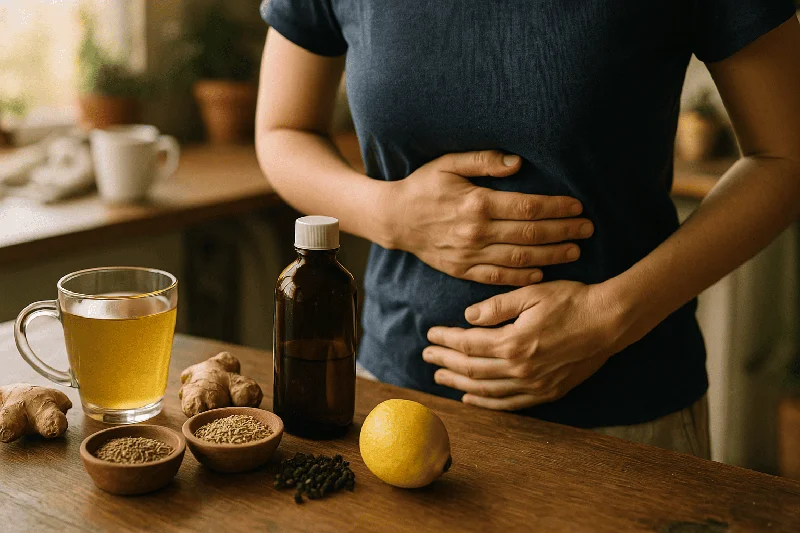
- Gas, bloating, and flatulence are among the most common digestive complaints worldwide — and Ayurveda has been addressing them for over 3,000 years. According to Ayurveda, gas (called Adhmana or Anaha) results primarily from an imbalance in Vata dosha and weakened digestive fire (Agni). The fix isn't just popping a pill. It's about restoring balance through specific herbs, classical formulations, dietary corrections, yoga, and daily routines.
- This guide covers everything — from root causes and dosha-specific remedies to classical medicines, scientific evidence, yoga poses, and red flags that mean you should see a doctor.
Whether you're dealing with occasional post-meal bloating or chronic, uncomfortable gas that disrupts your daily life, the Ayurvedic approach offers a systematic, individualized framework that modern research is increasingly beginning to validate.
What Causes Gas According to Ayurveda?
- In conventional medicine, gas forms when bacteria in the large intestine ferment undigested carbohydrates, or when you swallow excess air.
- Ayurveda doesn't disagree with this — but it goes deeper. The root cause, according to classical texts like Charaka Samhita and Ashtanga Hridaya, lies in three interconnected concepts: Agni, Ama, and Vata.
The Role of Agni (Digestive Fire) and Ama (Toxins)
Agni is your digestive fire — the metabolic capacity that breaks down food into nutrients. When Agni is strong (Sama Agni), digestion is complete, and very little gas is produced. When Agni becomes weak (Manda Agni) or irregular (Vishama Agni), food is only partially digested.
This partially digested food becomes Ama — a toxic, sticky residue that Ayurveda considers the root of most diseases. Ama accumulates in the gastrointestinal tract, blocks the channels (Srotas), and disturbs the normal downward flow of Vata. The result? Trapped gas, bloating, heaviness, and discomfort.
Think of it this way: Agni is the flame, food is the fuel, and Ama is the smoke from incomplete combustion. More smoke means more gas. Literally.
How Vata Dosha Imbalance Leads to Bloating
Among the five sub-types of Vata, Samana Vata governs the digestive process in the stomach and small intestine, while Apana Vata manages the downward movement of gas, stool, and urine. When Samana Vata is disturbed (by irregular eating, cold foods, stress, or travel), digestion falters. When Apana Vata is obstructed, gas that should move downward gets trapped, causing abdominal distension and pain.
This is why Ayurveda classifies Adhmana (bloating) primarily as a Vata disorder — even though Pitta and Kapha imbalances can contribute their own distinctive patterns.
Gas Types by Dosha: Vata, Pitta, and Kapha
No competitor covers this — but it's clinically important. The type of gas you experience often reflects your dominant dosha imbalance:
| Dosha Type | Symptoms | Common Triggers | Key Remedy Approach |
|---|---|---|---|
| Vata-type gas | Dry bloating, variable appetite, cramping, constipation, gurgling sounds | Cold/raw food, irregular meals, anxiety, travel | Warm, oily foods; Hingvashtak Churna; ginger tea; abhyanga |
| Pitta-type gas | Gas with burning, sour/acid belching, heartburn, loose stools | Spicy/fermented food, anger, alcohol, excess heat | Cooling herbs like fennel, coriander; Avipattikar Churna; aloe vera |
| Kapha-type gas | Heavy, dull bloating; nausea; sluggish digestion; mucus in stool | Heavy/oily/sweet food, dairy, sedentary lifestyle | Trikatu, dry ginger; light diet; vigorous exercise |
- Understanding your type helps you choose the right remedy instead of applying a one-size-fits-all approach.
- A quick Prakriti (constitution) assessment — looking at your body frame, skin type, temperament, and digestion pattern — can guide this. If your gas is primarily dry and crampy with constipation, it's almost certainly Vata. If it burns, think Pitta. If it's heavy and sluggish, Kapha is likely involved.
How to Get Rid of Gas Naturally: Top Ayurvedic Home Remedies
These are time-tested remedies drawn from classical Ayurvedic texts and validated, in many cases, by modern pharmacological research. Each one includes specific preparation instructions so you can actually use them — not just read about them.
Ginger (Adrak / Shunthi)
Ginger is perhaps the single most important Ayurvedic herb for gas. Fresh ginger (Adrak) and dry ginger (Shunthi) are both used, but dry ginger is considered more potent for deep-seated digestive issues.
Why it works: Ginger stimulates Agni, promotes gastric motility, and breaks down Ama. A 2019 meta-analysis published in Food Science & Nutrition confirmed that ginger accelerates gastric emptying by up to 25% and significantly reduces nausea and bloating symptoms. How to use:
- Chew a thin slice of fresh ginger with a pinch of rock salt (Sendha Namak) 15 minutes before meals
- Boil ½ teaspoon dry ginger powder in 1 cup water for 5 minutes. Add honey after cooling slightly. Drink after meals
- For chronic gas: mix equal parts dry ginger, black pepper, and long pepper (this is Trikatu) — take ½ tsp with warm water before meals
Fennel Seeds (Saunf)
Fennel is the classic carminative — a substance that prevents gas formation and helps expel trapped gas. In India, chewing fennel after meals is practically a cultural institution, and there's good science behind it.
Why it works: Fennel contains anethole, fenchone, and estragole, which relax smooth muscles in the GI tract and reduce spasms. A 2016 study in the Journal of Gastrointestinal and Liver Diseases found fennel oil capsules significantly improved bloating scores compared to placebo in IBS patients. How to use:
- Chew 1 teaspoon of roasted fennel seeds after each meal
- Fennel water: soak 2 tsp fennel seeds in 1 cup warm water overnight. Strain and drink in the morning on an empty stomach
- For infants with colic (a form of gas): fennel tea diluted appropriately — but consult a pediatrician first
Asafoetida (Hing)
Hing is the secret weapon in Indian kitchens, and honestly, it doesn't get enough credit internationally. This pungent resin from the Ferula plant is one of the most powerful anti-flatulence agents in Ayurveda. Why it works: Hing acts as an antispasmodic and enhances the secretion of digestive enzymes. Its volatile compounds help break up gas bubbles in the intestine. Research published in the Journal of Traditional and Complementary Medicine (2017) demonstrated its antimicrobial and carminative properties. How to use:
- Add a pinch of hing to your dal, curries, and lentil dishes during the tempering (tadka) process — this is both preventive and medicinal
- Quick relief paste: mix a pinch of hing in warm water and apply to the navel area (yes, externally — this is a traditional practice for trapped gas)
- Hing water: dissolve ¼ tsp hing in a glass of warm water and drink after meals
Cumin Seeds (Jeera)
Cumin stimulates the secretion of pancreatic enzymes, improving the overall breakdown of food. It's particularly useful for Vata-type and Kapha-type gas.
How to use:
- Jeera water: dry roast 1 tsp cumin seeds, crush lightly, boil in 2 cups of water until it reduces to 1 cup. Sip warm throughout the day
- Combine cumin, coriander, and fennel seeds in equal parts (CCF tea) — this is a classic Ayurvedic digestive tonic suitable for all doshas
Buttermilk (Takra / Chaas)
- Takra is specifically mentioned in Ayurvedic texts as one of the best remedies for Grahani (a condition encompassing IBS-like symptoms including gas, bloating, and irregular stools).
- It's not the same as regular yogurt — Takra is churned yogurt diluted with water, with the fat removed.
How to use:
- Blend ¼ cup fresh yogurt with ¾ cup water. Add a pinch of roasted cumin powder, hing, and rock salt. Drink with or after lunch (avoid at night)
- Specifically recommended for Pitta-type gas because it soothes the mucous lining without aggravating heat
Ghee with Rock Salt and Warm Water
This simple remedy is often overlooked but surprisingly effective for trapped gas with constipation.
Why it works: Ghee contains butyric acid (short-chain fatty acid), which has demonstrated anti-inflammatory properties in the gut lining. A 2018 study in Nutrition Reviews highlighted butyrate's role in maintaining intestinal barrier integrity and reducing gut inflammation. How to use: Mix 1 tsp ghee and a pinch of rock salt in a glass of warm water. Drink on an empty stomach in the morning. This lubricates the intestines and promotes downward movement of Apana Vata.
Best Ayurvedic Medicines for Gas and Bloating
Beyond home remedies, Ayurveda has a rich pharmacopoeia of classical formulations (Yoga in Ayurvedic pharmacology terminology) that combine multiple herbs synergistically. These are manufactured by various companies but are based on formulas documented centuries ago.
Which Ayurvedic Tablet and Churna Is Best for Gas?
| Formulation | Form | Key Ingredients | Best For | Typical Dosage |
|---|---|---|---|---|
| Hingvashtak Churna | Powder | Hing, cumin, black cumin, ginger, pepper, pippali, rock salt | Vata-type gas, bloating, loss of appetite | ½–1 tsp with warm water before meals |
| Lavanbhaskar Churna | Powder | Rock salt, black salt, cumin, pippali, cinnamon, cardamom | Gas with indigestion and constipation | ½–1 tsp with buttermilk after meals |
| Avipattikar Churna | Powder | Trikatu, Triphala, vidanga, clove, cardamom, sugar | Pitta-type gas, acidity, sour belching | 1 tsp with warm water or milk before bed |
| Shankha Vati | Tablet | Shankha Bhasma, hing, pippali, chitrak, shunthi | Acute gas and abdominal pain | 1–2 tablets after meals with warm water |
| Kumaryasava | Liquid (Asava) | Aloe vera, jaggery, dhataki, ginger | Chronic gas with liver sluggishness | 15–20 ml with equal water after meals |
| Dashamool Kwath | Decoction | Ten roots including Bilva, Shyonaka, Agnimantha | Severe Vata imbalance with gas and body pain | 15–20 ml twice daily |
Important: While these formulations are generally safe, dosages should be confirmed with an Ayurvedic practitioner (BAMS-qualified doctor), especially for children, pregnant women, and individuals on other medications. Self-prescribing Bhasma-based preparations is not recommended without professional guidance.
Ayurvedic Gas Relief Powders and Syrups
Several branded Ayurvedic preparations are widely available in India:
- Gas relief churnas typically combine Hingvashtak Churna with additional carminatives
- Digestive syrups often use Kumaryasava or Abhayarishta as a base, combined with modern palatability improvements
- When choosing between brands, look for GMP certification and check that the product lists classical references (Yoga Ratnakar, Bhaishajya Ratnavali, etc.)
Yoga and Pranayama for Gas Relief
This is a major gap that no top-ranking competitor covers — yet it's one of the most practical and immediately effective approaches. Specific yoga postures physically compress and release the abdominal organs, helping trapped gas move through and out of the digestive tract.
Best Yoga Poses for Trapped Gas
Pavanamuktasana (Wind-Relieving Pose) — The name literally means "pose that releases wind." Lie on your back, bring both knees to your chest, and hug them. Rock gently side to side. Hold for 30–60 seconds. This compresses the ascending and descending colon, mechanically promoting gas expulsion. Apanasana (Knees-to-Chest Pose) — Similar to Pavanamuktasana but with a focus on gentle breathing. Inhale as you release the knees slightly away, exhale as you draw them in. This rhythmic compression acts like a massage for the intestines. Malasana (Garland Pose / Deep Squat) — Squatting is the natural human posture for elimination. Malasana relaxes the pelvic floor and opens the ileocecal valve, facilitating the passage of gas. Hold for 1–3 minutes. Supta Matsyendrasana (Supine Twist) — Lying twists wring out the abdominal organs like a towel, stimulating peristalsis and releasing trapped gas pockets.
Pranayama Techniques for Digestion
Kapalbhati Pranayama — Rapid, forceful exhalations with passive inhalations. This creates a pumping action on the abdominal organs, stoking Agni and moving stagnant gas. Practice 3 rounds of 30 strokes each, on an empty stomach. Avoid during pregnancy or with hernia. Nauli Kriya — An advanced abdominal churning technique that directly massages the intestines. Extremely effective for chronic gas but requires proper instruction from a qualified yoga teacher.
Practice these in the morning before breakfast for the best results. Even 10 minutes of targeted yoga can provide more relief than an hour of random exercise.
Ayurvedic Diet and Lifestyle for Preventing Gas (Dinacharya)
Remedies are important, but prevention is where Ayurveda truly shines. The concept of Dinacharya (daily routine) and Pathya-Apathya (do's and don'ts) forms the backbone of long-term gas management.
Foods to Eat and Foods to Avoid
Eat more:
- Warm, cooked, slightly oily foods (soups, khichdi, stews)
- Spices: cumin, coriander, fennel, turmeric, ginger, hing in daily cooking
- Easily digestible grains: rice, old rice (Purana Shali), barley
- Cooked vegetables: bottle gourd (lauki), zucchini, pumpkin, carrots
- Warm water throughout the day — never ice cold
Avoid or minimize:
- Raw salads in excess, especially in the evening
- High-FODMAP vegetables when symptomatic: cabbage, cauliflower, broccoli, raw onions, beans (or soak beans thoroughly and cook with hing)
- Carbonated drinks, chewing gum (causes air swallowing)
- Incompatible food combinations (Viruddha Ahara): fruit with milk, fish with dairy, cold drinks with meals
Abhyanga: Self-Massage for Better Digestion
Abdominal Abhyanga is a technique specifically mentioned for Vata disorders. Warm sesame oil (for Vata), coconut oil (for Pitta), or mustard oil (for Kapha) is applied to the abdomen and massaged in clockwise circular motions — following the direction of the colon.
Do this for 5–10 minutes before a warm bath. It relaxes abdominal muscles, improves blood flow to the digestive organs, and directly calms Vata. A 2015 pilot study in the Journal of Ayurveda and Integrative Medicine noted that Abhyanga significantly reduced subjective bloating scores in participants with functional gastrointestinal disorders.
Daily Routine Tips (Dinacharya) for Gas Prevention
- Wake before 6 AM — the Vata time of morning naturally supports elimination
- Drink warm water with lemon first thing (stimulates Agni without overwhelming it)
- Eat your largest meal at lunch (12–1 PM) when Pitta and digestive fire peak
- Eat dinner before 7 PM — light and warm, nothing heavy
- Walk 100 steps after each meal (Shatapavali) — this simple practice is mentioned in Ashtanga Hridaya and dramatically reduces post-meal bloating
- Don't suppress natural urges — holding in gas, stool, or the urge to urinate directly aggravates Apana Vata
Panchakarma Therapy for Chronic Gas Problems
For chronic, stubborn gas that doesn't respond to home remedies and dietary changes, Ayurveda offers Panchakarma — a set of five cleansing procedures that detoxify the body at a deep level.
Key Panchakarma Procedures for Gas
Snehana & Swedana (Oleation & Sudation): Internal and external oiling followed by steam therapy. This loosens Ama from the tissues and prepares the body for cleansing. Typically done as a preparatory step. Vasti (Medicated Enema): This is considered the most important Panchakarma for Vata disorders — and gas is fundamentally a Vata problem. Anuvasana Vasti (oil enema) and Niruha Vasti (decoction enema) using Dashamool, sesame oil, and specific herbs directly calm Apana Vata in the colon. A series of 8–16 Vastis over multiple days is typical. Udwartana (Herbal Powder Massage): Dry herbal powder is massaged upward against the hair growth. This stimulates circulation and is particularly useful when Kapha-type heaviness accompanies gas. Virechana (Therapeutic Purgation): When gas is associated with Pitta imbalance (burning, acidity), controlled purgation with herbs like Trivrit or Aragvadha clears accumulated Pitta and Ama from the small intestine.
Panchakarma should only be done under supervision at a qualified Ayurvedic center. It requires proper preparation (Purvakarma), the main procedure (Pradhanakarma), and post-procedure dietary protocol (Paschatkarma). The whole process may take 7–21 days.
Acute vs Chronic Gas: When the Approach Differs
Not all gas is the same, and Ayurveda treats episodic and chronic gas quite differently.
Acute gas — occasional, triggered by a specific meal, travel, or stress. Home remedies like ginger tea, hing water, or Pavanamuktasana usually resolve it within hours. No long-term treatment needed.
Chronic gas (persistent for weeks or months) — indicates a deeper imbalance: weakened Agni, accumulated Ama, or a doshic disturbance that's become entrenched.
This requires:
- Constitutional assessment (Prakriti/Vikriti analysis)
- Dietary overhaul based on dosha type
- Classical formulations for a prescribed duration (usually 1–3 months)
- Potentially Panchakarma for deep cleansing
- Ongoing lifestyle modifications (Dinacharya)
If you've been dealing with gas daily for more than 4 weeks, the quick fixes alone won't cut it. You need the systematic approach.
When to See a Doctor: Red Flags You Shouldn't Ignore
Ayurvedic remedies are effective for functional gas and bloating. But certain symptoms indicate something more serious that requires medical evaluation — Ayurvedic or allopathic:
- Blood in stool or black, tarry stools
- Unexplained weight loss alongside digestive symptoms
- Severe abdominal pain that doesn't resolve with home measures
- Persistent vomiting or inability to keep food down
- Fever with bloating and abdominal pain
- Progressive worsening despite 2–4 weeks of consistent Ayurvedic treatment
- Difficulty swallowing or feeling of food getting stuck
- Family history of colon cancer or inflammatory bowel disease
These could indicate conditions like IBD, celiac disease, ovarian cysts, gallstones, or malignancy. Don't self-treat serious symptoms with home remedies alone.
Frequently Asked Questions (FAQ)
How can I solve my gas problem naturally?
Start with the simplest interventions: drink warm water instead of cold, chew food thoroughly (32 times per bite — yes, it actually matters), add hing and cumin to your cooking, and practice Pavanamuktasana daily. For most people, these changes alone reduce gas by 50–70% within a week. If that's not enough, add Hingvashtak Churna (½ tsp before meals) and CCF tea (cumin-coriander-fennel).
Which herb is best for gas?
- It depends on your type of gas.
- For Vata-type gas (dry bloating, constipation): dry ginger (Shunthi) is best.
- For Pitta-type gas (burning, acidity): fennel (Saunf) is ideal.
- For Kapha-type gas (heaviness, sluggishness): Trikatu (ginger + black pepper + long pepper) works fastest. If you had to pick just one herb for general use, ginger has the broadest evidence base and versatility.
What is bloating and what causes it?
Bloating is the subjective feeling of abdominal fullness, pressure, or distension — sometimes visible, sometimes just felt internally. In Ayurvedic terms, it's Adhmana, caused by Vata pushing gas upward or trapping it due to obstructed Apana Vata. Common causes include eating too fast, combining incompatible foods, consuming excess beans/lentils/cruciferous vegetables without proper spicing, stress, and a sedentary lifestyle.
Is Ayurvedic medicine for gas safe during pregnancy?
- Some remedies are safe — ginger in small amounts, fennel tea, cumin water.
- But avoid: strong purgatives (castor oil, Virechana herbs), high-dose Trikatu, hing in large quantities, Kapalbhati pranayama, and any Bhasma-based preparation unless specifically prescribed by an Ayurvedic doctor who knows you're pregnant. Always consult before starting anything new during pregnancy.
How long does Ayurvedic treatment take to relieve gas?
- Acute gas: home remedies like ginger tea or hing water can work within 15–30 minutes.
- Chronic gas with deep imbalance: expect 2–6 weeks of consistent treatment with classical formulations, diet changes, and lifestyle adjustments before significant, lasting improvement. Panchakarma results are often noticed within the first week of treatment but require the full protocol for sustained benefit.
Can Ayurvedic gas remedies interact with allopathic medicines?
- Yes, certain interactions are possible. For example, ginger can enhance the effect of blood-thinning medications (warfarin). Triphala may alter the absorption timing of some oral drugs.
- If you're taking prescription medications — especially for diabetes, blood pressure, or blood clotting — inform both your allopathic and Ayurvedic doctors. Take Ayurvedic formulations at least 1–2 hours apart from allopathic medicines as a general rule.
Final Thoughts: A Holistic Path to Lasting Digestive Comfort
- Ayurveda for gas isn't about a single magic remedy — it's a layered system.
- Start with the basics: warm water, proper spicing, mindful eating, and gentle yoga. If that resolves your symptoms, wonderful. If not, move to classical formulations matched to your dosha type. And for deeply rooted chronic issues, Panchakarma offers a reset that no amount of pills can replicate.
The beauty of this approach is that it treats you, not just your gas. The same practices that fix your bloating will improve your energy, sleep, skin, and mental clarity.
- Ready to take the next step? Consult with a qualified Ayurvedic practitioner (BAMS or MD Ayurveda) who can assess your Prakriti, identify your specific imbalance, and design a personalized protocol.
- Your gut — and the rest of your body — will thank you for it.
Scientific Sources
- Chinese herbal medicine-derived extracellular vesicles as novel biotherapeutic tools: present and future — Zhang J et al., 2024, Journal of translational medicine
- Efficacy of herbal medicine (cinnamon/fennel/ginger) for primary dysmenorrhea: a systematic review and meta-analysis of randomized controlled trials — Xu Y et al., 2020, The Journal of international medical research
- A critical review of Ginger's (Zingiber officinale) antioxidant, anti-inflammatory, and immunomodulatory activities — Ayustaningwarno F et al., 2024, Frontiers in nutrition
- Ayurvedic Herbal Medicines: A Literature Review of Their Applications in Female Reproductive Health — Patibandla S et al., 2024, Cureus
- Zingiber officinale var. rubrum: Red Ginger's Medicinal Uses — Zhang S et al., 2022, Molecules (Basel, Switzerland)
- A review of effective herbal medicines in controlling menopausal symptoms — Kargozar R et al., 2017, Electronic physician
- A Systematic Review and Meta-Analysis of Ayurvedic Herbal Preparations for Hypercholesterolemia — Gyawali D et al., 2021, Medicina (Kaunas, Lithuania)
- Cumin — 2006
- Anise — 2006
- Black Cumin Seed — 2012
- Polycystic ovaries and herbal remedies: A systematic review — Manouchehri A et al., 2023, JBRA assisted reproduction
- Nutritional and herbal interventions for polycystic ovary syndrome (PCOS): a comprehensive review of dietary approaches, macronutrient impact, and herbal medicine in management — Muhammed Saeed AA et al., 2025, Journal of health, population, and nutrition
- Dietary supplements for dysmenorrhoea — Pattanittum P et al., 2016, The Cochrane database of systematic reviews
- Fennel — 2006
- Herbal treatments for migraine: A systematic review of randomised-controlled studies — Lopresti AL et al., 2020, Phytotherapy research : PTR
- Phytotherapy in periodontics as an effective and sustainable supplemental treatment: a narrative review — Gawish AS et al., 2024, Journal of periodontal & implant science
- Spices: Therapeutic Potential in Cardiovascular Health — Rastogi S et al., 2017, Current pharmaceutical design
- Coriander Genomics Database: a genomic, transcriptomic, and metabolic database for coriander — Song X et al., 2020, Horticulture research
- Ethnobotanical and phytochemical aspects of the edible herb Coriandrum sativum L — Sobhani Z et al., 2022, Journal of food science
Ask Ayurvedic doctor a question and get a consultation online on the problem of your concern in a free or paid mode.
More than 2,000 experienced doctors work and wait for your questions on our site and help users to solve their health problems every day.
Related articles