Ask Ayurvedic doctor a question and get a consultation online on the problem of your concern in a free or paid mode. More than 2,000 experienced doctors work and wait for your questions on our site and help users to solve their health problems every day.


Body DetoxEar, Nose, and Throat DisordersGeriatrics & RejuvenationImmunodeficiencyInfertility TreatmentNutritionOrthopedic DisordersPediatricsRespiratory DisordersSexually Transmitted Diseases (STDs)Surgery RecoveryUrological DisordersVascular DisordersDental DisordersEndocrinological DisordersGastrointestinal DisordersYoga TherapyGeneral MedicineAllergic DisordersCardio DisordersGynecology and ObstetricsCosmetologySkin and Hair DisordersEye DisordersInfectious DiseasesMental DisordersNeurological DisordersOncologyPanchakarmaSexual Health & DisordersSports Medicine
Published on 03/06/25
(Updated on 08/15/26)
star_border 5
5,096
Kumkumadi Lepam How To Use – Traditional Ayurvedic Beauty Remedy Guide
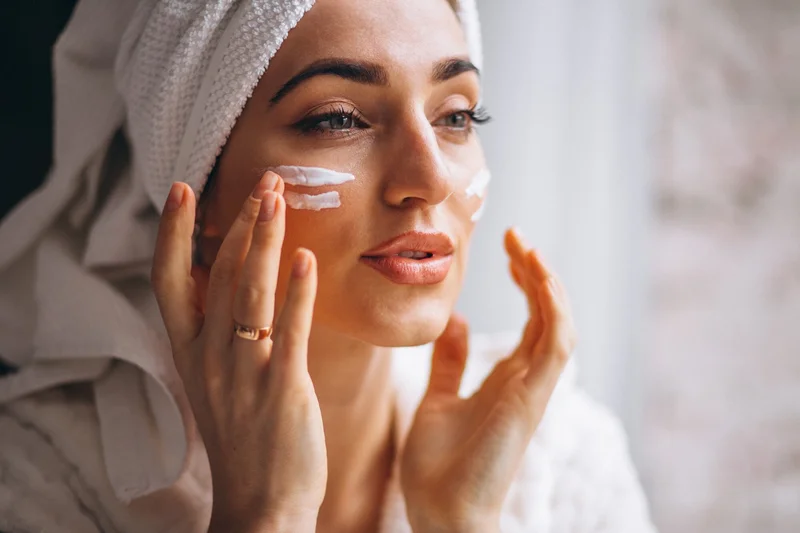
- Kumkumadi Lepam is a classical Ayurvedic paste (lepam) formulated primarily with saffron (Kumkuma), sandalwood, and turmeric to treat acne, pigmentation, dark spots, and uneven skin tone.
- Applied as a thin layer on cleansed skin — typically before bedtime or 30–60 minutes before bathing — it works by balancing Pitta and Bhrajaka Pitta (the sub-dosha governing skin lustre in Ayurveda). Unlike its oil counterpart Kumkumadi Tailam, the lepam format is a semi-solid paste that sits on the skin surface, delivering concentrated herbal actives directly where they're needed most.
If you've been searching for a time-tested, natural alternative to synthetic brightening creams, this guide covers everything: the classical source text, full ingredient breakdown with scientific evidence, how it compares to Kumkumadi Tailam, suitability by skin type, realistic timelines for results, side effects, and the best brands available in India.
What Is Kumkumadi Lepam Used For?
- Kumkumadi Lepam is a topical Ayurvedic formulation classified under Mukha Lepam (face pastes) in classical texts.
- The word itself breaks down simply: Kumkuma (saffron) + Adi (and others) + Lepam (paste/ointment). So it literally means "a paste beginning with saffron."
It's used externally — and only externally — for a range of skin concerns:
- Acne and pimples (Mukhadūṣikā / Mukapparu in Tamil)
- Pigmentation and dark spots (Vyaṅgam / Nīlikā / Karumaṅku)
- Melasma and uneven skin tone
- Dull, lacklustre complexion (Kāntipradam — beauty enhancing)
- Fine lines and early signs of aging
- Post-inflammatory hyperpigmentation from healed acne
The formulation is designed to enhance Kānti (natural radiance) and is described as Varṇya — complexion-promoting — in Ayurvedic pharmacology.
The Classical Source: Where Does This Formula Come From?
Here's something no other guide online tells you clearly. The Kumkumadi formulation traces its origins to Ashtanga Hridayam, one of the three foundational texts (Brihat Trayi) of Ayurveda, composed by Acharya Vagbhata around the 7th century CE. Specifically, variations of saffron-based face lepams appear in the Uttarasthana section, which deals with diseases of the head, eyes, and skin.
Some scholars also reference Bhaishajya Ratnavali (a later compendium from the 18th century) for standardized Kumkumadi formulations. The exact composition can vary slightly between texts and between manufacturers — which is why you'll see minor differences between brands like IMPCOPS, Kottakkal Arya Vaidya Sala, and Santhigiri.
This classical lineage matters. It means Kumkumadi Lepam isn't some modern marketing invention — it's a formula refined over more than a thousand years of clinical Ayurvedic practice.
Kumkumadi Lepam Ingredients: Full Breakdown With Scientific Evidence
- Most product listings mention 4–6 key ingredients. But the complete formulation contains significantly more.
- Here's the full breakdown with each ingredient's role — plus what modern research actually says.
| # | Ingredient (Sanskrit/Common) | Role in the Formulation | Scientific Evidence |
|---|---|---|---|
| 1 | Kumkuma (Saffron / Crocus sativus) | Primary brightening agent, Varṇya (complexion-enhancing) | A 2015 study in Journal of Cosmetic Dermatology found saffron extract significantly improved skin hydration and complexion in 8 weeks |
| 2 | Chandana (Sandalwood / Santalum album) | Cooling, anti-inflammatory, soothes Pitta-aggravated skin | A 2020 study in Cosmetics journal showed sandalwood oil reduced skin inflammation markers by 24% |
| 3 | Haridra (Turmeric / Curcuma longa) | Anti-acne, antibacterial, reduces hyperpigmentation | Curcumin inhibits tyrosinase activity — a 2019 Phytotherapy Research review confirmed its anti-pigmentation effects |
| 4 | Ushira (Vetiver / Vetiveria zizanioides) | Cooling, controls excess oil, calms irritated skin | Known adaptogenic and antioxidant properties (Journal of Ethnopharmacology, 2016) |
| 5 | Kadamba Attar (Anthocephalus cadamba) | Fragrance, mild antibacterial | Traditional use; limited modern studies |
| 6 | Kevda (Pandanus / Pandanus odoratissimus) | Aromatic, mild astringent, anti-oxidant | In-vitro antioxidant activity documented (Natural Product Research, 2017) |
| 7 | Pachai Karpooram (Borneol Camphor) | Penetration enhancer, mild analgesic, cooling sensation | Enhances transdermal absorption of other actives (Biol Pharm Bull, 2005) |
| 8 | Manjishtha (Rubia cordifolia) | Blood purifier, key Varṇya herb for dark spots | A 2013 study showed significant tyrosinase inhibition — comparable to kojic acid |
| 9 | Lodhra (Symplocos racemosa) | Astringent, tightens pores, reduces inflammation | Anti-inflammatory and wound-healing properties confirmed (J Ethnopharmacol, 2012) |
| 10 | Padmaka (Prunus cerasoides) | Skin-soothing, complexion-enhancing | Listed among Varṇya Mahakashaya in Charaka Samhita |
The genius of this formulation is synergy. Pachai Karpooram (borneol camphor) doesn't just provide the cooling sensation — it actually enhances the skin penetration of saffron and turmeric actives. Manjishtha and Lodhra work together on different mechanisms of pigmentation. This is classical Ayurvedic formulation science at its finest.
How to Apply Kumkumadi Lepam on Face: Step-by-Step
Getting the application right makes a genuine difference in results. Here's the method, based on traditional Ayurvedic practice and what IMPCOPS and other manufacturers recommend.
Before Bedtime (Preferred Method)
- Cleanse your face thoroughly with lukewarm water or a mild herbal cleanser
- Pat dry — don't rub. The skin should be clean but slightly damp
- Take a pea-sized amount (roughly 2–3 grams for the full face)
- Apply a thin, even layer across the face, focusing on problem areas — pigmented patches, acne spots, dark circles
- Avoid the immediate eye area and lips
- Leave overnight and wash off in the morning
Before Bathing (Alternative Method)
- Apply on clean skin 30–60 minutes before your bath
- Let it dry naturally — don't cover with cloth or bandage
- Wash off with lukewarm water during bathing
How Often Should It Be Used?
For most people, daily application is safe and recommended.
However, the frequency depends on your skin type:
For Oily and Acne-Prone Skin
Apply every night. The paste format is actually better suited for oily skin than oil-based formulations since it doesn't add excess oiliness. Start with alternate days for the first week to assess tolerance.
For Dry Skin
- Use 3–4 times per week. On alternate days, you might prefer Kumkumadi Tailam (oil) for added moisture.
- You can actually combine both — apply the tailam first, then a thin layer of lepam on specific dark spots.
For Sensitive Skin
Start with twice weekly application. Always perform a patch test first (more on this below). If no irritation after 2 weeks, gradually increase to alternate days.
For Normal/Combination Skin
Daily use is generally well-tolerated. Apply to the full face nightly for best results.
Kumkumadi Lepam vs Kumkumadi Tailam: Which Should You Choose?
This is probably the most common confusion — and surprisingly, no other guide online addresses it properly. Let's clear it up.
| Feature | Kumkumadi Lepam (Paste) | Kumkumadi Tailam (Oil) |
|---|---|---|
| Format | Semi-solid paste / ointment | Liquid oil (typically sesame oil base) |
| Best for skin type | Oily, acne-prone, combination | Dry, normal, mature skin |
| Primary action | Targeted treatment — spots, acne, pigmentation | Overall nourishment, glow, anti-aging |
| Application | Apply and leave on (or wash off) | Massage into skin |
| Absorption | Sits on surface, delivers concentrated actives | Absorbs into deeper skin layers |
| Pore-clogging risk | Low | Moderate (especially for oily skin) |
| Price range (India) | ₹90–₹370 for 15–30 g | ₹180–₹800 for 25–50 ml |
| Classical reference | Mukha Lepam category | Tailam (medicated oil) category |
The bottom line: If your main concerns are acne and dark spots and you have oily skin — go with the Lepam. If you want overall radiance, anti-aging, and have dry or normal skin — the Tailam is your pick. And honestly, many Ayurvedic practitioners recommend using both: the tailam as a daily facial oil and the lepam as a targeted treatment mask 2–3 times a week.
Does Kumkumadi Lepam Whiten Skin?
Let's address this directly because it's one of the top questions people ask.
No, Kumkumadi Lepam does not "whiten" skin in the way that chemical bleaching agents do.
What it does — and this is an important distinction — is restore your natural skin tone by:
- Reducing melanin overproduction in hyperpigmented areas (dark spots, melasma patches)
- Removing dead skin cells that make the complexion look dull
- Improving blood circulation to the facial skin (Bhrajaka Pitta optimization)
- Reducing post-inflammatory darkening from healed acne
The result is brighter, more even-toned skin — not artificially lightened skin. A 2019 study in Phytotherapy Research showed that curcumin (from turmeric, a key ingredient) inhibits tyrosinase enzyme activity by up to 60%, which is the same mechanism targeted by cosmetic ingredients like kojic acid and arbutin. Saffron's crocin compounds have shown similar effects in the Journal of Cosmetic Dermatology (2015).
So yes, you will notice your skin looking clearer and more luminous. But it's working with your biology, not against it.
Don't wait or self medicate. Start chat with Doctor NOW
Kumkumadi Lepam Side Effects and Precautions
This is a major gap in every other guide out there — nobody talks about potential downsides. Here's what you need to know.
Possible Side Effects
- Allergic reaction to saffron or camphor — rare but possible. Symptoms include redness, itching, or burning sensation that doesn't subside within 5 minutes
- Contact dermatitis — particularly in people with very sensitive skin or known allergies to any ingredient
- Temporary redness — mild redness immediately after application is normal due to camphor and increased blood flow. This should resolve within 15–20 minutes
Who Should Avoid or Use With Caution
- Pregnant women — consult your Ayurvedic practitioner before use. Some ingredients like camphor are traditionally avoided during pregnancy
- People with open wounds, cuts, or active eczema flare-ups — do not apply on broken skin
- Those using retinol, AHA/BHA, or other strong actives — combining these with Kumkumadi Lepam may cause irritation. Space them out (use Lepam at night, retinol on alternate nights)
- Children under 12 — generally not recommended unless prescribed by a qualified Ayurvedic doctor
How to Do a Patch Test
Apply a small amount behind your ear or on the inner forearm. Wait 24 hours. If there's no redness, swelling, or itching, you're good to go. This takes literally one day and could save you significant discomfort — don't skip it.
Kumkumadi Lepam vs Synthetic Skincare: How Does It Compare?
Many people wonder whether this traditional formulation can hold its own against modern dermatological ingredients. Here's an honest comparison.
| Concern | Kumkumadi Lepam | Modern Synthetic Equivalent |
|---|---|---|
| Dark spots/pigmentation | Saffron + Turmeric (tyrosinase inhibition) | Vitamin C serum, Kojic acid, Hydroquinone |
| Acne | Sandalwood + Turmeric (anti-inflammatory, antibacterial) | Benzoyl peroxide, Salicylic acid |
| Anti-aging | Manjishtha + Saffron (antioxidant) | Retinol, Niacinamide |
| Skin brightening | Lodhra + Padmaka (astringent, complexion-enhancing) | Alpha arbutin, Glycolic acid |
| Speed of results | Gradual — 4 to 12 weeks | Faster — often 2 to 6 weeks |
| Side effect profile | Generally mild, well-tolerated | Can cause dryness, peeling, sun sensitivity |
| Long-term safety | Centuries of traditional use | Some concerns with long-term hydroquinone, retinol |
- The honest truth? Synthetic actives often work faster.
- But Kumkumadi Lepam's multi-target approach — addressing inflammation, pigmentation, and skin nourishment simultaneously — offers a gentler, more holistic result. Many users report that while results take longer, they're more sustainable and come without the dryness or irritation common with retinol or chemical peels.
And here's something worth noting: you don't have to choose one or the other. Some dermatologists and Ayurvedic practitioners now recommend an integrative approach — using Kumkumadi Lepam alongside a basic modern routine (cleanser + sunscreen), avoiding only direct combination with strong chemical actives.
Realistic Timeline: When Will You See Results?
One user review on the IMPCOPS website mentions seeing changes "within a week." While that's possible for mild dullness, here's a more realistic timeline based on traditional Ayurvedic guidance and user feedback.
| Timeframe | What to Expect |
|---|---|
| Week 1–2 | Skin feels softer, mild improvement in glow, fresh and cleaner feeling after washing off |
| Week 3–4 | Noticeable reduction in active acne inflammation, skin tone begins to even out |
| Month 2 | Dark spots start fading visibly, overall complexion appears brighter |
| Month 3 | Significant improvement in pigmentation, acne marks, and skin texture |
| Month 4–6 | Best results — skin looks consistently radiant, old acne scars fade substantially |
- Important: Consistency is everything. Using it for 3 days and stopping won't do anything.
- As one Ayurvedic saying goes: "Aushadham amritam kalpe" — medicine becomes nectar only with time and discipline.
Results also depend on factors like diet (excess spicy/fried food aggravates Pitta and skin issues), sleep quality, water intake, and sun protection. Kumkumadi Lepam works best as part of a holistic approach, not in isolation.
Best Kumkumadi Lepam Brands in India
Several reputable Ayurvedic manufacturers produce this formulation. Here's an overview of the most established brands.
IMPCOPS Kumkumadi Lepam
The Indian Medical Practitioners' Co-operative Pharmacy and Stores (IMPCOPS), based in Chennai, has been manufacturing Ayurvedic medicines for over 80 years. Their Kumkumadi Lepam is one of the most widely available and trusted versions. Available in 15 g (approximately ₹90–₹130) and 30 g (₹160–₹250) packs. They hold a valid pharmacy license and follow traditional formulation methods.
Kottakkal Arya Vaidya Sala
One of India's most prestigious Ayurvedic institutions, founded in 1902 in Kerala. Their Kumkumadi formulations are considered among the most authentic. Slightly pricier, but the manufacturing standards are pharmaceutical-grade.
Santhigiri Ayurveda
Based in Kerala, Santhigiri offers their own proprietary version. They are notable for providing detailed Sanskrit-Tamil terminology on their product pages and include a clear medical disclaimer recommending doctor consultation before use. Their 15 g pack is competitively priced.
Kandamkulathy Vaidyasala
A traditional Kerala-based manufacturer with strong roots in classical formulations. Less commercially prominent but well-respected among Ayurvedic practitioners.
When choosing a brand, look for: GMP certification, pharmacy license number, clear ingredient listing, and manufacturing/expiry dates. Avoid unbranded or suspiciously cheap versions — saffron alone is expensive, and low-cost products may use adulterated ingredients.
Frequently Asked Questions
Can Kumkumadi Lepam help with pimples and blemishes?
Yes. The combination of sandalwood (anti-inflammatory), turmeric (antibacterial), and saffron (skin-healing) specifically targets acne and post-acne blemishes. Several user reviews also report effectiveness for hormonal acne, including PCOD-related breakouts. However, for severe cystic acne, use it as a complementary treatment alongside professional medical advice — not as a standalone solution.
Is Kumkumadi Lepam suitable for daily use?
For most skin types, yes. Oily and normal skin types can use it daily. Dry skin may benefit from 3–4 times per week, alternating with Kumkumadi Tailam. Sensitive skin should start with twice-weekly application after passing a patch test.
Is this an authentic Ayurvedic formulation?
Absolutely. It's rooted in Ashtanga Hridayam, one of the most authoritative classical Ayurvedic texts. The formula has been in continuous use for centuries. When purchased from licensed manufacturers like IMPCOPS, Kottakkal, or Santhigiri, you can be confident of authenticity.
Can I use Kumkumadi Lepam with other skincare products?
You can use it alongside a gentle cleanser and sunscreen without issues. However, avoid combining it directly with retinol, AHAs, BHAs, or vitamin C serums in the same routine — these combinations may cause irritation. If you want to use both, alternate nights.
Can I use it on bug bites or minor skin irritations?
- Some users report applying it on insect bites and minor skin irritations with soothing results, likely due to the sandalwood and camphor content.
- However, this is anecdotal — the formulation is specifically designed for facial skin concerns.
What products work well alongside Kumkumadi Lepam?
Traditional Ayurvedic companions include Nalpamaradi Tailam (a turmeric-based body oil for overall skin brightening), Kumkumadi Tailam (for deeper nourishment on dry skin days), and Raktha Chandan Soap (red sandalwood soap for daily cleansing). These products complement the lepam's action without interference.
Final Thoughts: Is Kumkumadi Lepam Worth It?
In a skincare market flooded with new ingredients every month, Kumkumadi Lepam stands out precisely because it isn't new. It's a formula backed by over a millennium of Ayurvedic clinical tradition, containing ingredients that modern science is only now validating through peer-reviewed research.
Is it a miracle cure? No. Will it replace medical treatment for severe dermatological conditions? No.
But for acne, pigmentation, dark spots, and overall skin radiance — used consistently for 2–3 months as part of a holistic routine — it delivers. The thousands of user reviews across platforms like Amazon India and IMPCOPS' own site consistently reflect this.
Available in India from ₹90 for a 15 g pack, it's also remarkably accessible. Few skincare products offer this combination of classical authenticity, scientific backing, and affordability.
- Start with a patch test. Choose a reputable brand. Apply consistently.
- Be patient. Your skin has its own timeline — and Kumkumadi Lepam is designed to work with it, not rush it.
Scientific Sources
- Clinician guidelines for the treatment of psychiatric disorders with nutraceuticals and phytoceuticals: The World Federation of Societies of Biological Psychiatry (WFSBP) and Canadian Network for Mood and Anxiety Treatments (CANMAT) Taskforce — Sarris J et al., 2022, The world journal of biological psychiatry : the official journal of the World Federation of Societies of Biological Psychiatry
- Depression and Its Phytopharmacotherapy-A Narrative Review — Dobrek L et al., 2023, International journal of molecular sciences
- The Effects of Crocus sativus (Saffron) on ADHD: A Systematic Review — Seyedi-Sahebari S et al., 2024, Journal of attention disorders
- Herbal medicine for depression and anxiety: A systematic review with assessment of potential psycho-oncologic relevance — Yeung KS et al., 2018, Phytotherapy research : PTR
- Neuroprotective Herbs for the Management of Alzheimer's Disease — Gregory J et al., 2021, Biomolecules
- Ulcerative colitis: molecular insights and intervention therapy — Liang Y et al., 2024, Molecular biomedicine
- Turmeric and Curcumin: From Traditional to Modern Medicine — Akaberi M et al., 2021, Advances in experimental medicine and biology
- Curcumin (Turmeric) and cancer — Unlu A et al., 2016, Journal of B.U.ON. : official journal of the Balkan Union of Oncology
- The Essential Medicinal Chemistry of Curcumin — Nelson KM et al., 2017, Journal of medicinal chemistry
- Aromatherapy and Essential Oils: Holistic Strategies in Complementary and Alternative Medicine for Integral Wellbeing — Caballero-Gallardo K et al., 2025, Plants (Basel, Switzerland)
- Traditional Tibetan medicine: therapeutic potential in lung diseases — Li C et al., 2024, Frontiers in pharmacology
- Santalum Genus: phytochemical constituents, biological activities and health promoting-effects — Sharifi-Rad J et al., 2023, Zeitschrift fur Naturforschung. C, Journal of biosciences
- Progress in biosynthesis of santalene and santalol(https://pubmed.ncbi.nlm.nih.gov/29943532/) — Wang Y et al., 2018, Sheng wu gong cheng xue bao = Chinese journal of biotechnology
- Multifunctional Therapeutic Potential of Phytocomplexes from Pterocarpus santalinus: A Review — Himanshu et al., 2026, Mini reviews in medicinal chemistry
- Toxicological Effects of Glycyrrhiza glabra (Licorice): A Review — Nazari S et al., 2017, Phytotherapy research : PTR
- Licorice — 2012
- Traditional Uses, Bioactive Chemical Constituents, and Pharmacological and Toxicological Activities of Glycyrrhiza glabra L. (Fabaceae) — El-Saber Batiha G et al., 2020, Biomolecules
- Shaoyao-Gancao Decoction, a famous Chinese medicine formula, protects against APAP-induced liver injury by promoting autophagy/mitophagy — Wu Y et al., 2024, Phytomedicine : international journal of phytotherapy and phytopharmacology
- Review of pharmacological effects of Glycyrrhiza sp. and its bioactive compounds — Asl MN et al., 2008, Phytotherapy research : PTR
- Therapeutic efficacy of rose oil: A comprehensive review of clinical evidence — Mohebitabar S et al., 2017, Avicenna journal of phytomedicine
- Efficacy and classification of Sesamum indicum linn seeds with Rosa damascena mill oil in uncomplicated pelvic inflammatory disease using machine learning — Sumbul et al., 2024, Frontiers in chemistry
- Effect of rose oil on Gastroesophageal Reflux Disease in comparison with omeprazole: A double-blind controlled trial — Adel Mehraban MS et al., 2021, Complementary therapies in clinical practice
- Assessment of Genetic Diversity and Population Structure in Oil-Bearing Rose Genotypes Using Start Codon-Targeted (SCoT) Markers — Zhelyazkova M et al., 2026, Plants (Basel, Switzerland)
- Efficacy of Rose Oil Soft Capsules on Clinical Outcomes in Ulcerative Colitis: A Pilot Randomized, Double-Blinded, Placebo-Controlled Clinical Trial — Tavakoli A et al., 2019, Galen medical journal
Questions from users
How long does it take to see results from Kumkumadi Lepam?
Client_13acd5
25 days ago
You might start seeing results from Kumkumadi Lepam within a few weeks to a month, but this can vary based on skin type and the specific issues being addressed, such as acne or blemishes. The product's key ingredients, like sandalwood, turmeric, and saffron, offer benefits like anti-inflammatory, antibacterial, and skin-healing properties. Use it 3–4 times a week for dry skin, but introduce it gradually to ensure your skin tolerates it well. Avoid combining it with active ingredients like retinol, AHAs, BHAs, or vitamin C to prevent irritation. If you have persistent skin issues or experience adverse reactions, consult a dermatologist.
What ingredients are typically found in Kumkumadi Lepam?
Client_c9571d
35 days ago
Kumkumadi Lepam typically contains a blend of natural ingredients like saffron, sandalwood, turmeric, and herbs such as licorice and manjistha, which are often used for their skin-enhancing properties. These ingredients are known for their potential to improve skin tone, reduce blemishes, and promote a radiant complexion. The efficacy timeline can vary, with some users noticing improvements in a few weeks. However, results depend on individual skin types and conditions. If skin irritation occurs, discontinue use and consult a healthcare professional. Always follow usage instructions on the product and perform a patch test before full application.
How often should I perform a patch test before using Kumkumadi Lepam?
Client_85e921
45 days ago
You should perform a patch test each time you use a new batch or formulation of Kumkumadi Lepam. To do this, apply a small amount of the product to a discreet area of skin (like the inner forearm) and wait 24 hours. Monitor for any signs of irritation such as redness, itching, or a burning sensation. If no adverse reaction occurs, it is likely safe to use on the face. However, if you experience any persistent discomfort or symptoms that don't subside quickly, it's advisable to consult a healthcare provider to rule out allergies or contact dermatitis.
Can Kumkumadi Lepam be used to treat sun damage on the skin?
Client_6ecb48
54 days ago
Kumkumadi Lepam, traditionally renowned for enhancing skin complexion, can help improve the appearance of sun-damaged skin due to its moisturizing and nourishing properties. However, it is not a substitute for sun protection or a cure for severe sun damage. For effective treatment of sun damage, it's advisable to use it alongside broad-spectrum sunscreen and consult a dermatologist for personalized advice. Watch for skin irritation or allergic reactions when you start using it and seek medical advice if symptoms persist or worsen.
Is Kumkumadi Lepam recommended for treating dry skin conditions?
Client_28b389
64 days ago
Kumkumadi Lepam can be beneficial for dry skin due to its blend of nourishing natural ingredients like saffron, sandalwood, and turmeric, which provide hydration and improve skin texture. It is typically applied in small amounts to the affected areas, often at night, and massaged gently. Visible improvements can vary but generally take 2 to 4 weeks. While it may help, it should not replace dermatologist advice, particularly if dry skin is accompanied by redness or itching. If symptoms persist, consult a healthcare professional rather than solely relying on Kumkumadi Lepam.
What is the history and origin of Kumkumadi Lepam in Ayurvedic skincare?
Client_c7ae91
74 days ago
Kumkumadi Lepam's history dates back over a thousand years in Ayurvedic tradition! Originally crafted using saffron, sandalwood, and turmeric, it was designed to enhance skin health and radiance. The formulation aims to balance Pitta dosha and was traditionally seen as a remedy for blemishes and uneven skin tones. If you're curious, diving deeper into classical Ayurvedic texts like the Ashtanga Hridayam might offer more insights!
What are the potential side effects of using Kumkumadi Lepam on the skin?
Client_185e62
91 days ago
Using Kumkumadi Lepam might cause some people to experience mild skin irritation, redness, or breakouts, especially if they have sensitive skin or an allergy to any of its ingredients. It's always good idea to do a patch test first. If irritation does occur, best to discontinue use and consult with a dermatologist if needed.
What is the best time of day to apply Kumkumadi Lepam for optimal skin benefits?
Client_b5b88a
100 days ago
The best time to apply Kumkumadi Lepam for optimal benefits is usually at night. Your skin repairs itself while you sleep, so applying it before bed helps the nutrients work overnight. Just make sure skin is clean and dry. In the morning, it might make your skin a lil' oily for the day, so nighttime is kinda ideal!
Can Kumkumadi Lepam help improve skin tone for uneven pigmentation?
Client_f2a8e2
110 days ago
Yes, Kumkumadi Lepam can help with uneven pigmentation. It contains potent herbal ingredients that improve skin radiance and reduce pigmentation over time. Just make sure to give it a few weeks to take effect, and it can be a great addition to your skincare routine. As always, it’s good to check if it fits your skin type and doesn’t cause any irritation. :)
What are the main skin concerns that Kumkumadi Lepam can help address effectively?
Client_74af09
120 days ago
Kumkumadi Lepam can help with lotta skin issues like enhancing complexion, reducing pigmentation and providing deep nourishment. Its antioxidants and anti-inflammatory components are great for combating premature aging and pigmentation. Make sure you use it regularly to get the best results.
Related articles

Skin and Hair Disorders
How to Apply Curd in Hair: Ayurvedic Tips and Benefits
Exploration of Unlock the Benefits of Curd for Healthier, Shinier Hair with Ayurveda
5,604

Skin and Hair Disorders
How to Increase Beard Growth Naturally at Home
Discover how to increase beard growth naturally at home, grow beard faster, use Ayurvedic tips, foods, and remedies. Does testosterone increase beard growth?
12,420

Skin and Hair Disorders
How to Use Essential Oils for Hair Effectively
Learn how to use essential oils for hair to boost growth, thickness, and scalp health. Discover the best oils, mixing tips, and Ayurvedic remedies for hair care
7,213

Skin and Hair Disorders
Hair & Skin
Hair and skin are much more than just sensory organs, they participate in metabolism, thermoregulation, and beauty.
3,512
Skin and Hair Disorders
Dashanga Lepa Uses: Ayurvedic Remedy for Pain and Swelling
Explore the uses and benefits of Dashanga Lepa, an Ayurvedic herbal paste. Learn how it alleviates pain, inflammation, and skin issues through traditional therapeutic applications.
4,502

Skin and Hair Disorders
What Happens If You Use Anti-Aging Products at a Young Age?
Is it safe to use anti-aging products at a young age? Learn about side effects, ideal age to start, and Ayurvedic views on skin rejuvenation and prevention
3,343

Skin and Hair Disorders
Eladi Gana Choornam – Traditional Ayurvedic Powder for Digestive & Respiratory Wellness
Discover Eladi Gana Choornam, a potent Ayurvedic polyherbal powder formulated to enhance digestion, relieve respiratory discomfort, and balance doshas naturally for holistic health.
3,675
Skin and Hair Disorders
Tankan Bhasma for Fungal Infection – Benefits, Uses, and Ayurvedic Treatment
Discover the benefits of Tankan Bhasma in Ayurvedic treatment for fungal infections. Learn how this powerful remedy works to fight infections, improve skin health, and restore balance.
7,116

Skin and Hair Disorders
Darunaka Thailam: Ayurvedic Dandruff & Scalp Relief – Benefits, Usage & Insights
Explore the benefits, proper usage, and scientific insights behind Darunaka Thailam, an Ayurvedic oil that effectively manages dandruff, nourishes hair, and soothes scalp issues.
4,547

Skin and Hair Disorders
Water Retention Cure Ayurveda – Effective Natural Remedies
Water Retention Cure Ayurveda – Effective Natural Remedies
5,995
Related consultations on the topic
Legal
Additional Documents
© 2024 Ask Ayurveda. All rights reserved.