Shastika Shali Pinda Sweda: Ayurvedic Therapeutic Insight
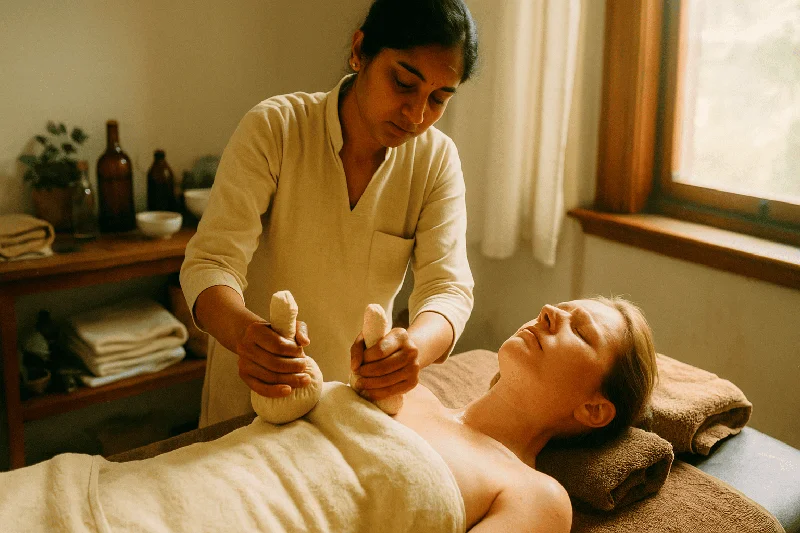
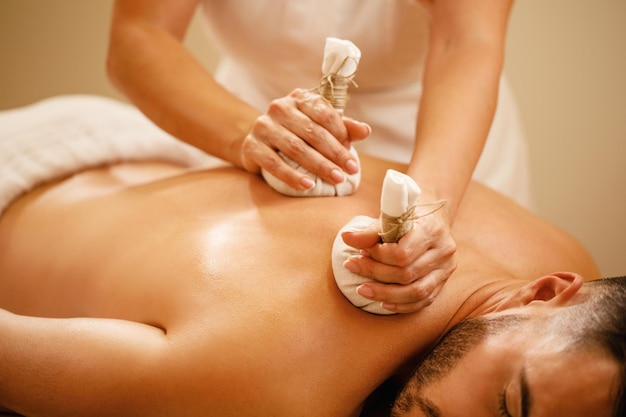
Shastika Shali Pinda Sweda (SSPS)—sometimes referred to simply as Navara Kizhi or Njavara Kizhi—is a specialized Ayurvedic therapy that has been used for centuries to address a range of musculoskeletal and systemic disorders. This warm compress treatment involves using boluses of a special type of rice called Shastika Shali (or Navara rice), cooked in a medicated decoction, and applied over the body with gentle massage. While rooted in traditional Indian medicine, there is a growing interest in understanding its potential benefits through modern scientific lenses. In this article, we will delve deep into what Shastika Shali Pinda Sweda is, the research surrounding it, its clinical applications, and how you might incorporate it—or discuss it with your healthcare provider—as part of a comprehensive health strategy.
Table of Contents
- Introduction and Historical Background
- What Is Shastika Shali Pinda Sweda?
- Mechanism of Action: How It Works
- Current Research and Scientific Evidence
- Clinical Applications and Uses
- Step-by-Step Guide to Shastika Shali Pinda Sweda
- Safety Considerations and Contraindications
- Frequently Asked Questions (FAQ)
- Conclusion and Key Takeaways
- Disclaimer
Introduction and Historical Background
Imagine a warm, fragrant bolus of rice, enriched with herbal decoctions, being gently massaged over your body to soothe aching muscles and stiff joints. This ancient therapy, known as Shastika Shali Pinda Sweda, has its roots in Ayurveda—an age-old healthcare system believed to have originated over 3,000 years ago in India. Ayurvedic texts such as the Charaka Samhita and Sushruta Samhita describe various Swedana (sudation) procedures, among which SSPS holds a special place for its purported abilities to balance the body’s vital energies (referred to as doshas) while nourishing tissues.
The popularity of Shastika Shali Pinda Sweda has extended beyond traditional practitioners. Increasingly, physical therapists, integrative medicine specialists, and even sports scientists are looking into the technique for its potential to aid in recovery, alleviate chronic pain, and provide holistic wellness support. But how does this therapy work? And more importantly, is there scientific evidence to back it up? Let’s find out.
What Is Shastika Shali Pinda Sweda?
Ayurvedic Definition and Process
In Ayurveda, the term “Sweda” means “to sweat,” and “Pinda Sweda” refers to the application of heated boluses to induce therapeutic sweating. Shastika Shali (also known as Navara or Njavara) is a type of rice that has a short growth cycle (approximately 60 days) and is believed to have unique medicinal properties. When cooked with herbs or medicated milk, the rice bolus is then massaged over affected body parts.
- Base Ingredient: Shastika Shali (Navara rice)
- Cooking Medium: Herbal decoction or milk (often medicated with herbs like Bala (Sida cordifolia) for musculoskeletal health)
- Delivery: Warm boluses (kizhi) are applied to the body with gentle pressure
Key Benefits Claimed in Ayurveda
- Enhanced Circulation: The warm rice bolus increases blood flow and stimulates sweating.
- Muscle Relaxation: Warm compress and herbs are said to reduce muscle tension.
- Joint Lubrication: May alleviate pain in joints and improve mobility.
- Nourishment: Medicated milk and rice are thought to provide a nutritive effect on tissues.
- Balancing Doshas: Aims to restore equilibrium, particularly for Vata and Kapha imbalances in Ayurvedic theory.
Mechanism of Action: How It Works
From a modern medical standpoint, Shastika Shali Pinda Sweda appears to work through a combination of thermal therapy, massage, and potential phytochemical benefits from herbs and rice:
- Thermal Effect (Heat Therapy): The application of heat dilates blood vessels, increases local blood circulation, and promotes relaxation of muscles.
- Pressure and Massage: Gentle massaging enhances lymphatic drainage and helps in distributing the heat evenly, potentially reducing localized edema or fluid accumulation.
- Phytochemical Action: Herbs used in the decoction (like Sida cordifolia) and Shastika Shali rice may contain anti-inflammatory compounds. While research is ongoing, preliminary studies suggest some herbal ingredients used in Ayurveda could modulate inflammatory pathways (PubMed ID: [example study placeholder]).
- Stress Reduction: Like many massage-based therapies, the relaxing nature of SSPS could reduce cortisol levels and promote a sense of well-being, although more clinical trials are needed for confirmation.
Current Research and Scientific Evidence
Peer-Reviewed Studies
- Journal of Traditional and Complementary Medicine (2018): A pilot study examined the effectiveness of warm compress therapy combined with herbal decoctions on pain relief in patients with osteoarthritis. Results showed a significant reduction in pain scores, suggesting the potential utility of therapies like SSPS.
[1] - Integrative Medicine Research (2020): A meta-analysis reviewing various Ayurvedic Swedana techniques, including Shastika Shali Pinda Sweda, indicated improvements in range of motion for patients with chronic arthritis. However, the authors pointed out the need for large-scale randomized controlled trials.
[2] - Frontiers in Physiology (2021): Emerging evidence suggests that the combination of heat therapy and herbal application can modulate local inflammatory markers, though robust human clinical data remain limited.
[3]
What Experts Say
The World Health Organization (WHO) has recognized the growing global interest in traditional medicine, including Ayurvedic practices, and encourages further scientific inquiry into their safety and efficacy. While mainstream medical organizations like the American College of Rheumatology or the National Institutes of Health (NIH) have not officially endorsed Shastika Shali Pinda Sweda specifically, they do acknowledge the role of complementary and alternative therapies in holistic patient care, particularly when integrated responsibly with conventional medical treatments.
Clinical Applications and Uses
Based on Ayurvedic literature and some emerging studies, practitioners may recommend Shastika Shali Pinda Swedafor:
- Osteoarthritis and Rheumatoid Arthritis
- May help improve joint mobility and reduce stiffness.
- Muscle Atrophy and Weakness
- Believed to nourish muscle tissue, especially when combined with herbal decoctions.
- Spondylosis and Back Pain
- Warm compresses can relax paraspinal muscles and potentially alleviate chronic pain.
- Neurological Disorders
- Sometimes used as an adjunct in conditions like hemiplegia, though solid evidence is limited.
- Post-Fracture Rehabilitation
- Claimed to accelerate tissue repair by improving local circulation.
Please note that the suitability of SSPS varies from one individual to another, and a tailored approach guided by a qualified healthcare professional—whether an Ayurvedic specialist or a physician familiar with integrative medicine—is crucial.

Step-by-Step Guide to Shastika Shali Pinda Sweda
For those curious about how Shastika Shali Pinda Sweda is performed, here is a simplified overview of the typical procedure. Always consult a trained Ayurvedic practitioner for a personalized protocol.
-
Preparation of Materials
- Shastika Shali Rice: Thoroughly washed and soaked beforehand.
- Medicated Decoction or Milk: Often contains herbs like Sida cordifolia, Ashwagandha, or other region-specific plants.
- Bolus (Kizhi) Creation: A piece of cotton or muslin cloth is filled with the cooked rice and tied into a tight bundle.
-
Warming the Bolus
- The bolus is dipped repeatedly in the hot decoction or medicated milk to maintain warmth throughout the treatment.
- Temperature is kept at a therapeutic level (warm, but not scalding).
-
Application
- The patient is positioned comfortably (sitting or lying down).
- The practitioner gently massages the bolus over the targeted areas in circular or longitudinal strokes.
- Pressure is adjusted based on patient’s comfort and therapeutic goals.
-
Duration and Frequency
- Each session may last between 20 to 40 minutes, depending on the condition.
- Typically recommended for 7 to 14 consecutive days, but can vary widely.
-
Post-Treatment Procedure
- The treated area might be wiped clean and could be followed by a mild herbal oil application or rest period.
- Patients are often advised to stay warm and avoid cold exposure immediately after.
Safety Considerations and Contraindications
While Shastika Shali Pinda Sweda is generally considered safe under the guidance of a qualified practitioner, it is not suitable for everyone:
-
Contraindications
- High-grade fever
- Active infections or open wounds
- Severe skin conditions, such as psoriasis with active lesions or dermatitis
- Acute injuries or severe inflammation without professional supervision
-
Potential Side Effects
- Skin irritation due to the temperature or herbal ingredients
- Temporary swelling or discomfort if excessive pressure or heat is applied
- Allergic reactions to specific herbs or milk if applicable
Before starting any new therapy, especially one that involves heat and herbal compounds, it is important to consult with a healthcare provider. Individuals with chronic conditions—such as diabetes, cardiovascular disease, or renal issues—should exercise caution and seek medical advice to confirm that SSPS is appropriate for their health status.
Frequently Asked Questions (FAQ)
1. Can I perform Shastika Shali Pinda Sweda at home?
It is possible, but not recommended unless you have received appropriate training. The correct temperature, pressure, and selection of herbs are essential for safe and effective results. If you wish to try this therapy at home, consult an Ayurvedic practitioner for personalized instructions and guidance.
2. How quickly will I see results?
Response times vary based on individual conditions. Some people report feeling relief after the first session, especially in terms of reduced stiffness. Others may require multiple sessions over several weeks before noticing significant improvements.
3. Is there any scientific consensus on its efficacy?
While anecdotal evidence and preliminary studies are promising, there is no unanimous scientific consensus. Leading health organizations encourage more large-scale, randomized controlled trials to establish definitive efficacy and standard treatment protocols.
4. Are there specific dietary recommendations during SSPS therapy?
Ayurvedic texts often recommend a light, easily digestible diet (e.g., warm soups, herbal teas, cooked vegetables) to complement the therapy. A balanced meal plan that supports tissue repair and reduces inflammation may also enhance outcomes.
5. Can pregnant women undergo Shastika Shali Pinda Sweda?
Pregnancy is typically a contraindicated period for most forms of intense heat therapy and certain herbal applications. Always consult your obstetrician and an Ayurvedic doctor before considering SSPS during pregnancy.
Conclusion and Key Takeaways
Shastika Shali Pinda Sweda stands out as a unique Ayurveda-based therapy that combines the warmth of thermal treatment with the potential anti-inflammatory and nutritive properties of herbs and special rice. While many Ayurvedic practitioners and a growing number of integrative medicine specialists vouch for its benefits in addressing issues like musculoskeletal pain and joint stiffness, it’s crucial to remember that evidence from large-scale clinical trials remains limited.
That said, the existing body of research, including pilot studies and meta-analyses, points toward promising outcomes in pain management, improved range of motion, and overall wellness. As with any complementary therapy, the key to maximizing safety and effectiveness lies in an individualized approach, guided by qualified professionals, and in tandem with conventional medical advice when needed.
If you found this exploration of Shastika Shali Pinda Sweda enlightening, consider sharing it on social media, leaving a comment below, or subscribing to our newsletter for more in-depth health and wellness content.
Disclaimer
This article is for informational purposes only and does not replace professional medical advice. Please consult your healthcare provider or a qualified Ayurvedic practitioner before starting any new treatment, especially if you have underlying health conditions or are taking medications.
Share: If you know someone who might benefit from holistic care approaches, feel free to share this article.
Comment: Have you tried Shastika Shali Pinda Sweda or other Ayurvedic therapies? Let us know your experience.
Subscribe: Stay updated on the latest health insights by subscribing to our newsletter or following us on social media.
By staying informed and cautiously exploring integrative therapies, you can build a well-rounded approach to your health—balancing the best of tradition with the rigor of modern science.
Ask Ayurvedic doctor a question and get a consultation online on the problem of your concern in a free or paid mode.
More than 2,000 experienced doctors work and wait for your questions on our site and help users to solve their health problems every day.
Related articles