Ask Ayurvedic doctor a question and get a consultation online on the problem of your concern in a free or paid mode. More than 2,000 experienced doctors work and wait for your questions on our site and help users to solve their health problems every day.


Body DetoxEar, Nose, and Throat DisordersGeriatrics & RejuvenationImmunodeficiencyInfertility TreatmentNutritionOrthopedic DisordersPediatricsRespiratory DisordersSexually Transmitted Diseases (STDs)Surgery RecoveryUrological DisordersVascular DisordersDental DisordersEndocrinological DisordersGastrointestinal DisordersYoga TherapyGeneral MedicineAllergic DisordersCardio DisordersGynecology and ObstetricsCosmetologySkin and Hair DisordersEye DisordersInfectious DiseasesMental DisordersNeurological DisordersOncologyPanchakarmaSexual Health & DisordersSports Medicine
Published on 04/30/25
(Updated on 08/08/26)
star_border 4
4,329
How to Relieve Constipation During Pregnancy Immediately

If you're pregnant and constipated, you're not alone. And yeah, it sucks. Let's talk solutions — now, not weeks from now. Ayurveda might just be your new best friend.
Constipation During Pregnancy: Why It Deserves Your Full Attention
Alright, let’s get real for a minute. Pregnancy is a miracle, yes. Glowing skin, baby kicks, that unspoken maternal magic. But you know what’s not magical? Going days without pooping.
Constipation during pregnancy isn't just “a bit uncomfortable.” It can be painful, frustrating, and sometimes even scary. I’ve had friends who said they cried in the bathroom. Others who were too embarrassed to bring it up at checkups. And some who popped fiber pills like candy, wondering why nothing worked.
Here’s the thing: constipation is super common during pregnancy. Some estimates suggest that around 40-50% of pregnant women experience it — though honestly, from the stories I’ve heard, I think it’s higher. It’s not just about sluggish digestion. It’s hormones (hello, progesterone), expanding uterus pressure, iron supplements, less physical activity, dehydration... the list goes on.
Now here's where it gets serious. Chronic constipation can lead to hemorrhoids, rectal bleeding, and general digestive chaos. Not to mention stress. And who needs more stress when you’re already busy growing a tiny human?
But here's the twist: Ayurveda — India’s time-tested medical system — has a radically different way of looking at all this. And if you’re tired of fiber bars and prune juice, it might actually offer you real, immediate relief.
In this article, we’re diving deep. You’ll learn:
-
Why pregnancy constipation happens (Ayurveda explains it in a fascinating way).
-
Real, practical Ayurvedic solutions — herbs, oils, home remedies, and rituals.
-
What to eat, what to avoid, and how to build a routine that works with your body, not against it.
-
When to seek help, and how to know if Ayurveda is enough (or not).
-
A few real stories, a dash of science, and maybe a little personal rambling.
Whether you’re bloated, battling dry stools, or just tired of the bathroom drama, this guide might be the thing that helps you breathe easy again — and poop better. Let’s get into it.

Understanding Constipation During Pregnancy — The Ayurvedic Take
What exactly is pregnancy constipation, anyway?
From a medical standpoint, constipation is usually defined as having fewer than three bowel movements a week, or passing hard, dry stools. In pregnancy, it’s more than a slow colon — there’s often bloating, discomfort, and a nagging feeling of never quite finishing things off.
The causes? Oh, so many:
-
Progesterone: This hormone relaxes smooth muscle — great for the uterus, not so great for the intestines.
-
Physical pressure: That growing uterus? It’s crowding out your poor colon.
-
Supplements: Iron is infamous for slowing digestion.
-
Water retention changes, less activity, and sometimes dietary shifts.
But Ayurveda sees it all a bit differently. It doesn’t just count symptoms or stool frequency. It’s about the energetic balance in your body — especially the balance (or imbalance) of Vata dosha.
Ayurvedic perspective: It's a Vata thing (mostly)
In Ayurveda, pregnancy is considered a Vata-dominant phase — Vata governs movement, dryness, and change. And when it’s out of whack, digestion is often the first casualty.
Vata imbalance = dryness, irregularity, lightness, coldness — basically everything that constipates.
You might be:
-
Eating dry, cold, or raw foods (a Vata no-no).
-
Skipping meals or eating at irregular times.
-
Stressed, anxious, or sleep-deprived.
-
Sitting too much, not walking after meals.
-
Not drinking enough warm fluids.
Ayurveda also pays attention to “Apana Vayu” — the sub-type of Vata that governs downward movement (elimination, menstruation, childbirth). When Apana is blocked or reversed, you feel... stuck. Literally.
How Ayurveda’s view is different (and oddly comforting)
Here’s what I find comforting about Ayurveda: It doesn’t just say “take more fiber.” It asks, why is your body rejecting elimination? It zooms out — are your emotions blocked? Are you cold inside? Is your routine chaotic?
Instead of treating constipation as a digestive problem, Ayurveda sees it as a whole-body signal — a call to slow down, warm up, nourish, and get grounded.
And honestly? That makes a lot of sense when you’re pregnant.
You don’t need a laxative. You need a reset. Ayurveda gives you tools to do that — with herbs, oils, food, and rituals that meet your body where it is.
Coming up next: What actually causes this mess, and why our modern lives make it worse.
What’s Really Causing This? (Ayurvedic Insights into Pregnancy Constipation)
Ayurvedic causes of constipation during pregnancy
So, what’s actually throwing things off? According to Ayurveda, the root is mostly Vata derangement, especially Apana Vayu, the subtype that controls elimination, urination, and childbirth. And during pregnancy, Vata’s already in the driver’s seat — things are expanding, drying, shifting, and let’s be honest, emotionally overwhelming.
Add to that:
-
Eating incompatible foods (milk with fruits? nope).
-
Too much dry, processed, or cold food.
-
Skipping warm ghee or oils — your gut’s lube, basically.
-
Erratic routines: one day breakfast at 7, next day not until noon.
-
Stress. I know, it’s everywhere. But stress directly spikes Vata.
Ayurveda teaches that digestion isn’t just about the gut. It’s a reflection of your Agni (digestive fire). If Agni is weak, irregular, or blocked by Ama (toxins), your whole system clogs up — including your bowels.
Common triggers & risks (Ayurveda's take)
-
Iron supplements: they’re drying and heavy — Ayurveda would balance them with ghee or warming herbs.
-
Lack of physical movement: pregnancy fatigue is real, but Apana needs support — gentle walks are medicine.
-
Overthinking: Yes. Thinking too much about everything actually worsens Vata.
-
Late dinners, cold breakfasts — disrupt your internal rhythms.
Why modern life isn’t helping
Let’s face it — our world isn’t built for balance. We eat fast, sit too long, stress constantly, and ignore body rhythms. Add pregnancy into the mix and suddenly everything’s amplified.
Ayurveda wants rhythm. Stillness. Warmth. Nourishment. Most of us are just running on caffeine and Google searches.
No wonder the bowels are confused.

Symptoms & Early Signs — How To Spot Constipation Before It Gets Bad
(More than 1500 characters)
Typical symptoms of constipation during pregnancy
This isn’t just about “not going.” It can start with:
-
Feeling full, bloated, or heavy.
-
Passing dry, hard stools (you know, the rabbit pellets).
-
Straining way too much.
-
Going every 3–4 days — but never feeling “done.”
-
Cramping without relief.
-
Gas buildup that feels like a balloon in your belly.
Ayurvedically, this reflects excess dryness (Ruksha), coldness (Sheeta), and roughness (Khara) — all Vata qualities.
Sneaky, overlooked signs
-
Dry skin or lips — your hydration is off inside and out.
-
Restlessness, insomnia — Vata isn’t just in your gut.
-
Lack of appetite — sluggish digestion often precedes constipation.
-
Bad breath — toxins (Ama) are backing up.
-
Irritability or anxiety — yep, even your mood can signal it.
When should you get Ayurvedic help?
Honestly? Don’t wait until you’re desperate.
See an Ayurvedic practitioner if:
-
You’ve gone 3+ days without a bowel movement, consistently.
-
You’re getting hemorrhoids, bleeding, or anal pain.
-
You’re losing appetite or feeling toxic.
-
Natural remedies aren’t working.
But here’s a reality check — Ayurveda can’t fix everything. If you’re in severe pain, vomiting, or passing blood frequently, see a doctor immediately. Pregnancy isn’t a time to gamble.
That said — if it’s early-stage, stuck-but-manageable constipation? Ayurveda might work wonders. Gently. Wisely. Without chemicals.
So How Does Ayurveda Diagnose Constipation?
Pulse, tongue, eyes — it’s not magic, it’s deep observation
Ayurvedic diagnosis is both science and art. You won’t just get a quick pill. The practitioner may:
-
Feel your Nadi (pulse) to assess dosha imbalances — a subtle but powerful skill.
-
Look at your tongue — is it dry, coated, cracked? Each mark tells a story.
-
Ask about your poop — frequency, color, texture, even smell. Seriously. It’s not gross, it’s diagnostic.
-
Feel your abdomen — tenderness, hardness, coldness — it all matters.
-
Note your emotional state — anxiety, fear, overthinking = Vata surge.
It’s holistic. Because in Ayurveda, your body isn’t a machine — it’s a story, unfolding daily.
Which Dosha is dominating your case?
While Vata is usually the main villain in constipation, sometimes:
-
Pitta contributes via inflammation (burning sensation, straining).
-
Kapha might slow digestion to a crawl (heaviness, white tongue coating).
Knowing which dosha(s) are involved determines the treatment — from herbs to lifestyle shifts.
It’s never just about “constipation” — it’s about your unique Prakriti (constitution) and Vikriti (current state).
Don't wait or self medicate. Start chat with Doctor NOW
Ayurvedic Treatments & Remedies — What Can Actually Help Right Now
Herbs & medicines that work (and how to use them)
Let’s cut to the chase — you want relief now. Here are time-tested Ayurvedic picks (but always talk to your practitioner before starting anything new in pregnancy):
-
Triphala (mild, safe in small doses): 1/2 tsp with warm water before bed.
-
Isabgol (psyllium husk): gentle bulk-forming agent. Take with warm milk + a drop of ghee.
-
Castor oil (Eranda): only under guidance — strong but effective in certain cases.
-
Draksha (raisins): soak 10–15 overnight, eat in the morning. Naturally lubricates.
-
Ghee: 1 tsp in warm milk at bedtime — classic Ayurvedic remedy.
Avoid harsh purgatives or detox herbs — pregnancy is not the time.
Ayurvedic therapies & Panchakarma (use cautiously)
During pregnancy, heavy detox therapies like Virechana (purgation) or Basti (medicated enema) are not recommended unless prescribed by an expert — and only in very specific situations.
However, gentle therapies like:
-
Abhyanga (warm oil massage) — soothes Vata, improves Apana flow.
-
Swedana (mild steaming) — aids elimination through sweat.
Can be helpful, calming, and pregnancy-safe — when done gently.
Home remedies & practical self-care
-
Warm sesame oil on the belly: massage clockwise to stimulate peristalsis.
-
Prune stews with ghee and cumin: softens stools.
-
Fennel-coriander tea: de-bloats and supports Agni.
-
Soak feet in warm water at night: grounds Vata and aids sleep (which helps digestion too).
Also? Sit calmly when you poop. Don’t rush. Elevate your feet on a small stool — trust me, it helps.
Diet & Lifestyle Tips for Managing Constipation During Pregnancy (Ayurveda Style)
What to Eat — Foods That Actually Help (And Why)
Let’s start simple: warm, moist, oily. If your food doesn’t sound like that, rethink it.
-
Khichdi (rice + mung dal): Gentle, nourishing, and super digestible.
-
Stewed fruits: Think prunes, apples, pears — cooked with cinnamon and a spoon of ghee.
-
Cooked veggies: Pumpkin, carrots, spinach, okra — all cooked with digestive spices like cumin, ginger, hing (asafoetida).
-
Whole grains: Brown rice, oats, barley — but cooked soft, never dry.
-
Ghee: Seriously, don’t skip this. 1–2 tsp a day — with rice, in milk, on toast if you like. It’s your gut’s moisturizer.
-
Warm milk at night with turmeric or nutmeg (unless you’re sensitive).
-
Spices: Ajwain (carom), fennel, coriander, cumin — all Vata-pacifying and gas-busting.
Try this combo: 👉 Cooked apple in ghee + pinch of cinnamon + 1/4 tsp ginger powder. Magic.
Oh, and hydrate — but with warm water. Cold water slows digestion down.
What Not to Eat — Foods That Will Make It Worse
-
Cold stuff: Smoothies, salads, iced drinks? Nope. Vata doesn’t like cold.
-
Dry foods: Crackers, toast, popcorn — your gut will just dry out more.
-
Processed stuff: Chips, frozen meals, anything with numbers on the label.
-
Unripe bananas: Constipating as heck.
-
Milk with fruit: Terrible combo in Ayurveda.
-
Excess iron or calcium supplements: If they constipate you, ask your doc for alternatives or balancing methods.
And the biggest enemy? Erratic eating. Skipping meals or grazing all day destroys digestive fire. Ayurveda wants rhythm. Routine. Respect for hunger.
Daily Routine & Lifestyle Habits That Work
-
Wake up before sunrise: Vata time = bowel time. Trust me.
-
Oil massage: Daily warm sesame oil self-massage (Abhyanga) calms nerves, nourishes skin, and supports digestion.
-
Mild movement: 15-30 min walking after meals is underrated magic.
-
Squatting to poop: Use a squatty potty or a footstool — realignment works wonders.
-
Early dinners: Aim for 6:30–7:30 PM. No midnight snacks.
-
Sleep: In bed before 10 PM. You’re growing a human — rest like you mean it.
Herbs Recap + Warnings
Let’s recap some herbs but add caution:
-
Triphala: Safe in small doses. Avoid if you’re bleeding or have weak digestion.
-
Isabgol: Bulk-forming, drink with plenty of water.
-
Draksha (raisins): Sweet, Vata-pacifying.
-
Castor oil: Only under supervision.
-
Licorice root: Mild laxative, soothing — avoid if you have high blood pressure.
-
Haritaki: Good for Vata-type constipation, but don’t overdo it.
🚨 Important: Always consult an Ayurvedic practitioner during pregnancy — even natural remedies can be too strong or wrongly timed.
Real Stories — What Actually Helped Some Women
Priya, 34, Mumbai: “I didn’t poop for five days. I was scared. My midwife suggested Triphala with warm water at bedtime and Abhyanga oil massage in the morning. On day three, everything just moved. I cried with relief.”
Elena, 28, London: “Stewed prunes with ghee and cumin tea became my daily ritual. I stopped iron pills and switched to iron-rich food. Within a week, I was going every day — sometimes twice.”
Nandita, 38, Bengaluru: “What really helped was fixing my routine. Eating on time, sleeping on time. It wasn’t sexy or instant, but within a week, I could feel my gut trusting me again.”
Notice a theme? It wasn’t a magic pill. It was consistent care, warm foods, and slowing down.
Does Science Back Ayurveda for Pregnancy Constipation?
What research says
-
Triphala: Studies confirm it has mild laxative effects and improves stool consistency without causing dependency.
-
Abhyanga (oil massage): Proven to reduce stress hormones, improve lymph flow, and stimulate parasympathetic (rest-and-digest) response.
-
Dietary changes: Cooked fiber (vs. raw) is easier on pregnant digestion. Ayurveda’s warming approach aligns with functional medicine's take on gut health.
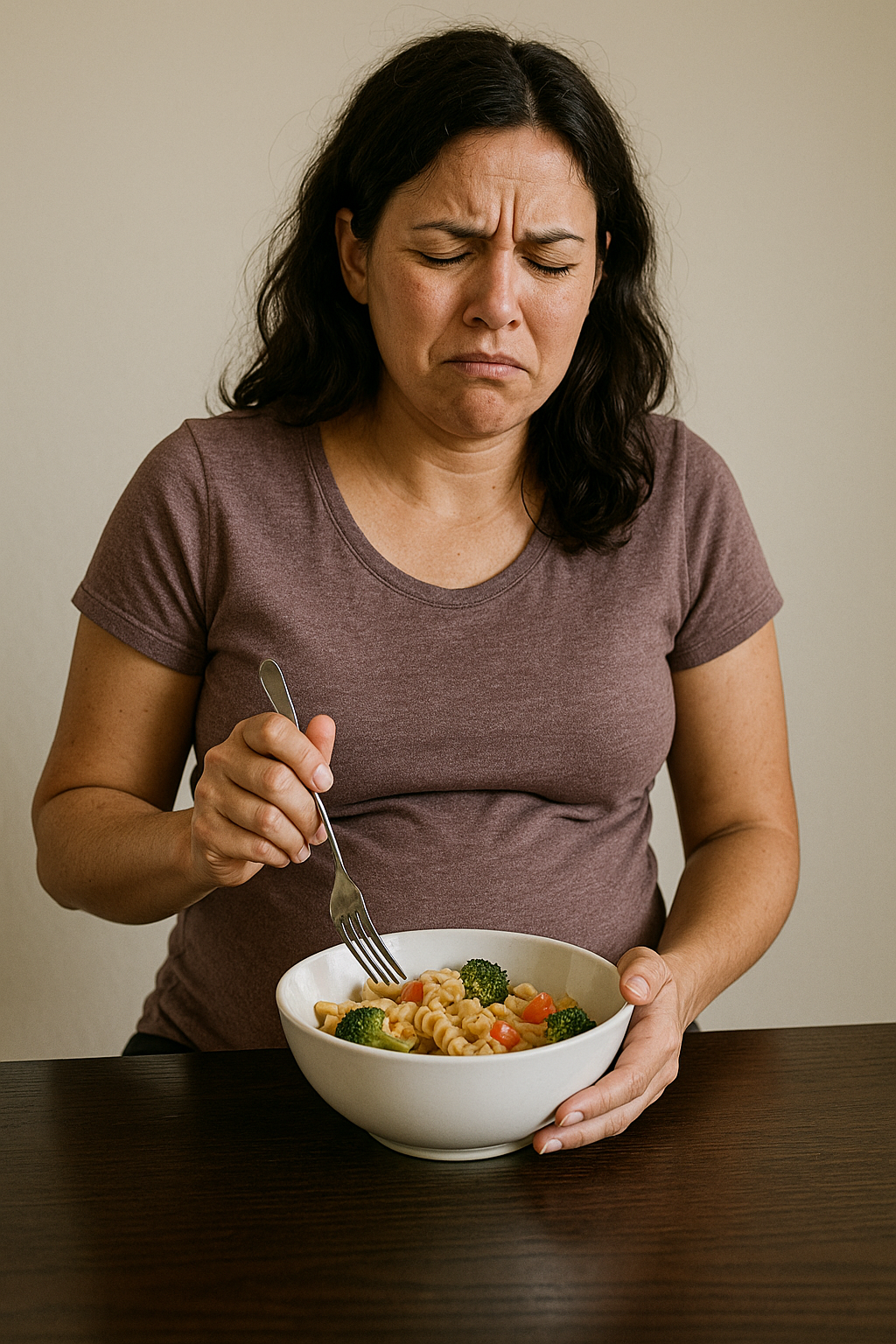
Common Misconceptions About Pregnancy Constipation & Ayurveda
(More than 1000 characters)
-
“Constipation is normal — just deal with it.”
Nope. Common ≠ normal. Chronic constipation can cause long-term issues — Ayurveda treats the root. -
“Ayurvedic herbs aren’t safe in pregnancy.”
True if misused. But gentle herbs, taken with guidance, can be safer than chemical laxatives. -
“Fiber is all you need.”
Actually, too much dry fiber can worsen Vata-type constipation. You need lubrication too — think ghee and oils. -
“Ayurveda is slow.”
Not always. Some remedies (like warm milk with ghee + raisins) work overnight. -
“All herbs are okay because they’re natural.”
Wrong. Natural ≠ safe. Always consult someone trained.
In Summary — Yes, You Can Poop Again
(More than 1500 characters)
Constipation during pregnancy isn’t just a minor annoyance — it can sap your energy, mess with your mood, and make an already sensitive time harder.
Ayurveda sees this as a Vata imbalance — and offers clear, warm, nourishing paths back to balance:
-
Eat soft, warm, cooked foods.
-
Add ghee generously.
-
Drink warm water — not icy smoothies.
-
Sleep well, move gently, and don’t skip your meals.
-
Use gentle herbs with guidance.
And maybe most importantly — slow down. Your body is talking. Your gut is whispering. Ayurveda teaches us to listen.
If you’re ready to try something natural, safe, and time-tested — consider an Ayurvedic consult. Start small. Stay warm. And trust your gut again.
👉 For personalized Ayurvedic guidance during pregnancy, visit Ask-Ayurveda.com and connect with a certified Vaidya.
Frequently Asked Questions — Constipation During Pregnancy & Ayurveda
1. Is Triphala safe during pregnancy?
In small doses, under expert supervision, yes. But always consult your Ayurvedic practitioner — overuse can be too cleansing for pregnancy.
2. Can ghee really help constipation?
Absolutely. Ghee lubricates the intestines, pacifies Vata, and improves digestion. It’s an Ayurvedic staple — especially when taken with warm milk at night.
3. What if I’m already taking iron pills that cause constipation?
Talk to your doctor. You might switch to iron-rich foods (dates, beets, jaggery, black sesame). Ayurveda also suggests balancing iron with digestive herbs or Triphala.
4. Can I use enemas (Basti) during pregnancy?
Not without expert guidance. Strong detox practices are usually avoided during pregnancy — but mild therapies may be used in select cases with a trained Vaidya.
5. How fast do Ayurvedic remedies work?
It depends — some remedies (like warm milk + ghee) work overnight. Others take a few days. But the goal is sustainable relief, not quick fixes.
References & Authoritative Resources
-
AYUSH - Ministry of Ayurveda -
World Health Organization (WHO) -
National Institutes of Health (NIH) -
National Center for Biotechnology Information (NCBI) -
Ayurveda Institute - Dr. Vasant Lad -
European Herbal & Traditional Medicine Practitioners Association (EHTPA)
Questions from users
What are the best Ayurvedic herbs to support digestion during pregnancy?
Client_2fa900
4 days ago
For overall digestive support during pregnancy, consider using safe, well-known Ayurvedic herbs like ginger, which may help with nausea and digestion, and fennel seeds, which can soothe the digestive tract and reduce bloating. Generally, incorporating small amounts of these herbs can support digestive comfort. However, always consult with a healthcare provider before starting any herbal regimen, as some herbs may not be safe during pregnancy. If you experience severe discomfort or any concerning symptoms, it is important to see a doctor.
How long does it take for ghee and warm milk to relieve constipation?
Client_1a3e60
9 days ago
Warm milk with ghee may relieve constipation within a few hours to overnight, though responses can vary based on individual digestion and severity of constipation. Ghee acts as a natural lubricant, helping to soften stool, while warm milk can stimulate bowel movement. If constipation persists for more than a few days despite using this remedy, or if it is accompanied by severe pain or bleeding, consult a doctor. Also, maintain hydration and consider dietary fiber intake for ongoing support. Ayurveda might mention this remedy, but its effects aren't guaranteed for everyone.
What lifestyle changes can support Vata balance for pregnant women?
Client_089698
14 days ago
To support Vata balance during pregnancy, focus on lifestyle changes that promote warmth, stability, and routine. Eating warm, cooked meals and staying hydrated can help combat Vata's natural tendency towards dryness and irregularity. Gentle exercise, such as walking or prenatal yoga, can maintain normal movement without overstimulation. Regular sleep patterns, with early bedtimes and waking up before sunrise, align with natural circadian rhythms. If you experience persistent anxiety or other symptoms, consult a healthcare provider to ensure you address any underlying health concerns beyond Vata balance.
How can establishing a regular bathroom routine help prevent constipation during pregnancy?
Client_cd518f
19 days ago
Establishing a regular bathroom routine can help prevent constipation during pregnancy by promoting consistency in bowel movements. The body benefits from routine, and scheduling regular time to relax on the toilet can encourage bowel movements. This helps to synchronize the body's natural rhythm and digestive process. It's important to stay hydrated, eat a fiber-rich diet, and get regular exercise, as these also aid digestive health. If constipation persists or is severe, consult a healthcare provider to ensure that there are no underlying medical issues.
How can stress management techniques alleviate constipation during pregnancy?
Client_2ecd0a
29 days ago
Stress management techniques can help alleviate constipation during pregnancy by reducing tension in the body, which may improve bowel function. Practices like deep breathing, prenatal yoga, and meditation can relax intestinal muscles and promote a healthier digestive system. Regularly engaging in these activities may lead to gradual relief over days or weeks. It's important for pregnant women to stay hydrated and consume a balanced diet rich in fiber. If constipation persists despite these efforts, it's advisable to consult a healthcare provider to rule out underlying issues.
What dietary changes can support Vata balance during pregnancy?
Client_c5037c
39 days ago
To support Vata balance during pregnancy, focus on a diet rich in warm, cooked meals that include ample healthy fats and oils, which can aid in alleviating dryness and support healthy digestion. Incorporate grounding foods such as whole grains, root vegetables, and well-cooked legumes. Warm herbal teas can also be soothing. It's important to avoid cold, raw, and dry foods that might aggravate Vata. Monitor for digestive issues or heightened anxiety, and consult a healthcare provider for personalized advice, especially regarding dietary supplements or significant changes.
How does emotional wellness impact digestion during pregnancy?
Client_4af17f
48 days ago
Emotional wellness can significantly affect digestion during pregnancy. When stress or anxiety levels are high, it can lead to digestive disturbances such as bloating, discomfort, and constipation. Stressful emotions can alter gut motility and impact how food moves through the digestive tract. To manage these symptoms, pregnant individuals should focus on maintaining emotional health through relaxation techniques, such as deep breathing or prenatal yoga. Eating regular, balanced meals and ensuring adequate sleep are also essential. If digestive issues persist, it's important to consult a healthcare provider to rule out any complications.
How can I use warm water to improve digestion during pregnancy?
Client_3de983
58 days ago
Drinking warm water can aid digestion during pregnancy by helping to maintain a healthy digestive system. Warm water can improve circulation and facilitate the breakdown of food, which may alleviate common pregnancy-related issues such as bloating and constipation. To see benefits, try consuming a glass of warm water in the morning and before meals. It’s important to monitor your body’s response and consult a healthcare provider if digestive issues persist. If considering Ayurvedic remedies like Triphala or Isabgol, always speak with your practitioner first due to unique pregnancy requirements.
How can waking up before sunrise help improve digestion according to Ayurvedic principles?
Client_ca3672
67 days ago
Waking up before sunrise helps align your body with the natural rhythms governed by Vata energy, which is active before dawn. According to Ayurveda, this is the best time for stimulating your bowels and promoting healthy elimination. By syncing up with this timing, you support your digestive fire (agni), getting things moving smoothly and naturally! Plus, it sets a good tone for your whole day, boosting energy and digestion.
Can ghee help with bloating during pregnancy?
Client_2bc6f1
77 days ago
Ghee can indeed help with bloating during pregnancy, but it's like, not a quick fix. It supports Agni (digestive fire) and calms Vata dosha, which can help with bloating and discomfort. It's soothing on the digestive system, but make sure you're consuming it in moderation and checking with your doctor, cuz everyone’s body is different especially during pregnancy!
Related articles

Gynecology and Obstetrics
Evecare Syrup
Exploration of Evecare Syrup
14,557

Gynecology and Obstetrics
Garbhapal Ras Benefits, Dosage, Ingredients, Side Effects
Exploration of Garbhapal Ras Benefits, Dosage, Ingredients, Side Effects
4,769

Gynecology and Obstetrics
Cervilon Tablet: Cervilon Tablet – Support Your Cervical Health Naturally
Learn about Cervilon Tablet, its benefits, proper dosage, uses, and the scientific evidence supporting this Ayurvedic supplement for women's reproductive health and hormonal balance.
4,018

Gynecology and Obstetrics
Menosan Tablet
Exploration of Menosan Tablet
3,703

Gynecology and Obstetrics
Ashokarishta for PCOS: Ayurvedic Solution for Hormonal Balance and Health
Discover how Ashokarishta, an Ayurvedic tonic, can help manage PCOS by balancing hormones, improving menstrual health, and reducing symptoms associated with the condition.
5,755

Gynecology and Obstetrics
Kaharva Pishti Uses – Natural Ayurvedic Remedy for Health Balance
Discover the diverse kaharva pishti uses in Ayurveda for enhancing digestive health, balancing doshas, and promoting overall wellness with this time-tested natural remedy.
2,689

Gynecology and Obstetrics
Ayurvedic Treatment for Bartholin Cyst – Natural Remedies for Relief and Healing
Explore Ayurvedic treatments for Bartholin cysts, including herbal remedies, therapies, and lifestyle changes to naturally reduce cyst size and promote healing.
7,454

Gynecology and Obstetrics
How to Stop Brown Discharge After Period Naturally
How to stop brown discharge after period? Learn home remedies, how to reduce brown discharge, and Ayurvedic ways to deal with brown sticky or watery discharge
9,908

Gynecology and Obstetrics
Indukantam Ghritam – Benefits, Dosage, How To Use, Side Effects, Ingredients, Reference
Exploration of Indukantam Ghritam – Benefits, Dosage, How To Use, Side Effects, Ingredients, Reference
2,172
Related consultations on the topic
Legal
Additional Documents
© 2024 Ask Ayurveda. All rights reserved.