Ask Ayurvedic doctor a question and get a consultation online on the problem of your concern in a free or paid mode. More than 2,000 experienced doctors work and wait for your questions on our site and help users to solve their health problems every day.


Body DetoxEar, Nose, and Throat DisordersGeriatrics & RejuvenationImmunodeficiencyInfertility TreatmentNutritionOrthopedic DisordersPediatricsRespiratory DisordersSexually Transmitted Diseases (STDs)Surgery RecoveryUrological DisordersVascular DisordersDental DisordersEndocrinological DisordersGastrointestinal DisordersYoga TherapyGeneral MedicineAllergic DisordersCardio DisordersGynecology and ObstetricsCosmetologySkin and Hair DisordersEye DisordersInfectious DiseasesMental DisordersNeurological DisordersOncologyPanchakarmaSexual Health & DisordersSports Medicine
Published on 05/02/25
(Updated on 08/09/26)
2,979
Ayurvedic Diet Plan for Fatty Liver: A Real Talk on Healing from the Inside Out
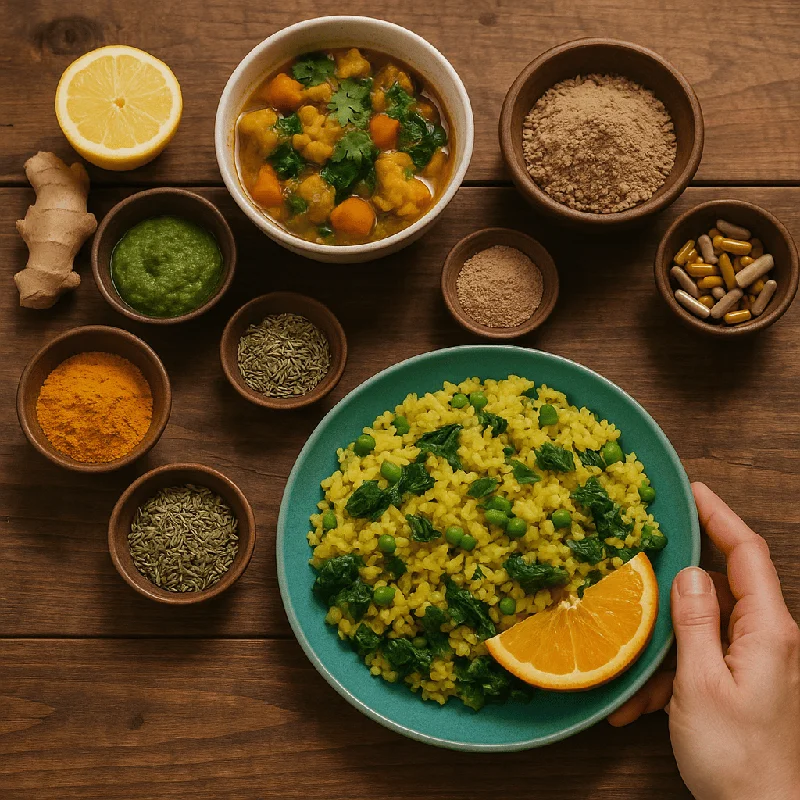
Introduction to Ayurvedic Diet Plan for Fatty Liver: Let’s Talk Honestly About Your Liver and Your Lifestyle
Fatty liver—now there’s a phrase that hits harder than it sounds. It feels almost deceptively mild, like some vague, lazy term your doctor might toss out while rushing through an appointment. But anyone who's been diagnosed with it, or worse, has ignored it for years only to be told they’re heading toward cirrhosis, knows it’s anything but harmless.
Here’s the kicker though: unlike a lot of conditions, fatty liver doesn’t always scream for attention. It kind of... creeps. A little bloating here, sluggishness there, maybe some extra fat around your waist that no gym session seems to touch. And then—bam!—your blood tests raise the red flags.
So now what?
This is where Ayurveda walks into the picture—not in that incense-burning, exotic-herbs kind of way (though, okay, sometimes that too), but in a grounded, ancient-science-meets-real-life approach that looks at your liver not just as an organ, but as part of a larger internal ecosystem.
What’s wild—and I mean this in the best way—is how incredibly tuned-in Ayurveda is to liver health, even though it was developed centuries before we knew what a liver technically was. It speaks in terms of “Pitta,” “Ama,” and “Agni”—concepts that sound mystical, sure, but when you peel back the Sanskrit, they’re often describing inflammation, toxins, and metabolism in ways modern medicine is just starting to echo.
This article? It’s not a one-size-fits-all prescription. It’s more of a chat—a long one, sure—about how to genuinely use Ayurvedic diet and lifestyle to manage (and maybe even reverse) fatty liver. From turmeric tea that actually works to the reason your sleep schedule might be making your liver worse, we’ll dive deep. There’ll be moments of “wait, what?” and a few “yeah, that totally makes sense now.”
Here’s what you’ll walk away with:
-
A crystal-clear understanding of why Ayurveda doesn’t treat fatty liver like a standalone issue.
-
Practical diet and lifestyle changes (yes, food lists are coming).
-
Specific breathing practices, herbal suggestions, and home routines that genuinely support liver healing.
-
A new lens to look at your health—not just through symptoms, but through root causes.
Sound good? Alright, let’s jump in.
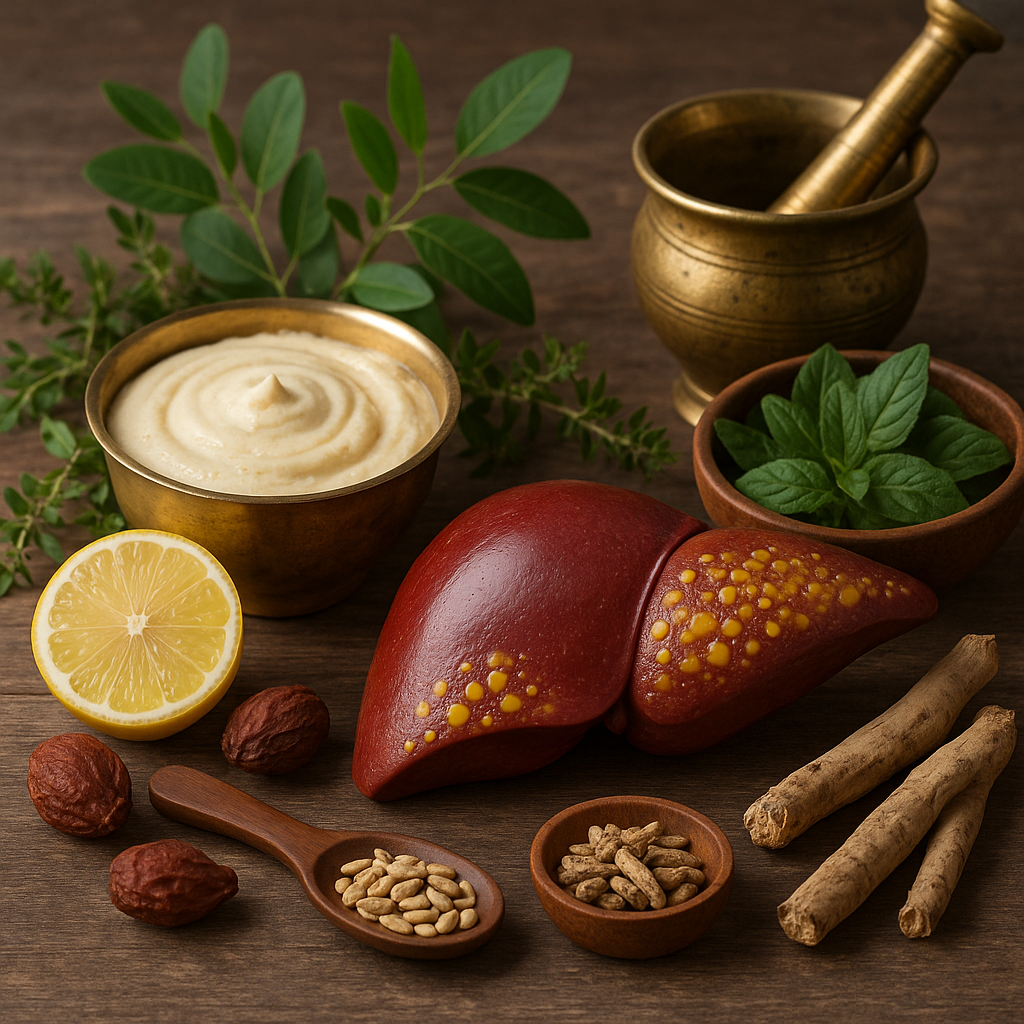
Understanding the Role of Ayurveda in Managing Fatty Liver
What Ayurveda Says About Fatty Liver
Here’s something worth chewing on: Ayurveda doesn’t actually have a term that translates directly to “fatty liver.” But that doesn’t mean it’s clueless about it. Quite the opposite.
In Ayurvedic terms, a fatty liver is often seen as the result of “Medo Dhatu Dushti”—a dysfunction in fat metabolism. This imbalance is usually tied to excess Kapha dosha (think heaviness, sluggish digestion, fluid retention) and sometimes Pitta (heat, inflammation). Ayurveda also talks a lot about “Ama”—a sticky, undigested waste material that builds up in the body due to weak Agni (digestive fire). And guess where Ama loves to hang out? Yep. The liver.
The Ayurvedic take is fascinating because it doesn’t just focus on “cleaning” the liver. It’s more like: hey, let’s fix the system that led to the liver clogging up in the first place.
So instead of isolating the liver, Ayurveda zooms out:
-
What’s your digestion like?
-
Are you eating when you’re not even hungry?
-
Are your meals emotionally charged?
-
Do you sleep at 2 a.m. and wake up feeling like a truck hit you?
It looks at everything—your food, your emotions, your routines—as part of the root cause.
How Ayurvedic Lifestyle & Diet Directly Impact Fatty Liver
I had a conversation recently with a friend who went on an "anti-fatty-liver" spree. She downloaded all the keto recipes, cut out every ounce of oil, and drowned herself in green juices. Two weeks in? Her skin looked worse, she couldn’t sleep, and her digestion was a mess. Why? Because none of it addressed her unique constitution.
Ayurveda doesn't believe in cookie-cutter plans. Its approach is painfully specific—like, beautifully so. A sluggish, Kapha-dominant body might benefit from warming spices, bitter greens, and early dinners. But someone else, maybe more Pitta-based (prone to heat and irritability), might actually worsen their condition with too many spicy or sour foods.
And timing? Crucial.
Ayurveda emphasizes eating your main meal when the sun is highest (hello, lunch!) and spacing meals to give your liver a break. It also warns about snacking mindlessly or eating heavy dinners late at night—both of which are modern crimes against liver health.
The bottom line: Ayurvedic lifestyle is like handing your liver a daily love letter. It’s not just what you eat; it’s how you live.
The Importance of Individualized Ayurvedic Approaches for Fatty Liver
This part matters more than any supplement or superfood out there: you are not a generic liver problem.
One person might develop fatty liver from overeating sweets and fried food, another from years of alcohol, and someone else from stress and irregular sleeping. Ayurveda honors that. It doesn’t try to squash you into a protocol. Instead, it looks at your dosha, your digestion, your habits, and builds a bespoke approach from there.
And sometimes that means admitting the obvious: yes, you need to move more. Yes, your 3 p.m. sugar crashes are a clue. And yes, that “healthy” salad with too many raw veggies could actually be hurting your digestion.
Ayurveda isn’t just about treating fatty liver—it’s about understanding you so well that you naturally stop doing the things that cause harm in the first place.
Ayurvedic Dietary Guidelines for Fatty Liver
Okay, now we’re getting to the juicy stuff. What to eat. What not to eat. And how the timing and vibe of your meals can either heal your liver or quietly work against it.
Spoiler: this isn’t just about cutting out fried food.
Foods Recommended by Ayurveda for Fatty Liver
First off, Ayurveda loves foods that are:
-
Light
-
Warm
-
Bitter or astringent in taste
-
Easy to digest
Think of it as feeding your liver a meal it doesn’t have to “fight” to process.
Here are some Ayurvedic favorites for fatty liver:
-
Green leafy vegetables like spinach, fenugreek (methi), and coriander. Bitter = liver’s BFF.
-
Turmeric (haldi) — not just a trend; it’s literally been used for centuries to reduce liver inflammation.
-
Amla (Indian gooseberry) — loaded with antioxidants and rejuvenating power. Great for all doshas, especially Pitta.
-
Moong dal — the poster child of light, liver-friendly protein.
-
Cumin, coriander, fennel seeds — excellent for boosting digestion and balancing all doshas.
-
Beets, carrots, and apples — these naturally sweet and fibrous foods support gentle detox.
-
Warm water with lemon (not ice water!) in the morning to stimulate the liver.
And believe it or not? Ghee, in moderation, is actually praised for improving Agni and supporting liver detox.
Foods Ayurveda Suggests Avoiding for Fatty Liver
There’s a whole world of “healthy” foods that actually aggravate a fatty liver—especially if digestion is weak.
Here’s what to hit pause on:
-
Heavy, oily, and fried foods — obviously.
-
Cold foods and drinks — they literally slow down your Agni.
-
Processed sugars and artificial sweeteners — these spike Kapha and generate Ama.
-
Excessive dairy (especially cheese, curd, cold milk).
-
Red meat and preserved meats — heavy, heating, and hard on the liver.
-
Alcohol — Ayurveda doesn’t just frown on it. It straight-up tells you to stop.
There’s nuance too: raw salads might work for some, but if your digestion’s off, they can backfire. Nightshades like tomatoes and bell peppers? Pitta people, be careful—they can stoke heat and inflammation.
Meal Planning and Timing Tips in Ayurveda for Fatty Liver
Here’s a personal take: most of us eat like we’re training for a snacking Olympics.
Ayurveda says no.
Instead:
-
Eat your heaviest meal at lunch, when the sun is strongest and digestion is at its peak.
-
Avoid late dinners — anything past 8 p.m. can sit undigested, gunking up your liver.
-
Stick to 2–3 solid meals a day. Grazing is not a vibe here.
-
Space meals at least 4–5 hours apart to allow full digestion.
-
Chew slowly, sit down to eat, and avoid screens or stress.
Simple? Yes. But surprisingly hard in modern life. And ridiculously effective.
Hydration and Beverage Recommendations for Fatty Liver
Water. But not just any water.
Ayurveda recommends:
-
Warm or room temperature water, sipped throughout the day. It boosts Agni and flushes Ama.
-
Cumin-coriander-fennel tea (CCF tea) — gently detoxifying, and incredibly liver-friendly.
-
Amla juice in the morning, diluted, if digestion is strong enough.
-
Aloe vera juice (small quantities) to cool and support Pitta-liver issues.
But skip:
-
Ice water
-
Carbonated drinks
-
Coffee on an empty stomach (it’s a hard “no” if Pitta is high)
Ayurvedic Lifestyle Practices Specifically Beneficial for Fatty Liver
Food’s just one slice of the pie. Your daily habits, routines, and even the way you breathe — these matter just as much.
Daily Ayurvedic Routines (Dinacharya) to Manage Fatty Liver
Dinacharya isn’t about being a monk. It’s about predictability — something your liver loves.
Here’s an ideal rhythm:
-
Wake up before sunrise (think 5:30–6:30 a.m.). It sets your hormonal and digestive cycle right.
-
Tongue scraping — removes Ama and gives you a peek into your digestion.
-
Warm lemon water — get those liver juices flowing.
-
Light exercise or yoga — activates metabolism gently.
-
Regular bowel movement — yes, we’re going there. If you’re not pooping daily, the liver suffers.
-
Early, light dinner — the theme is: don’t overwork your liver at night.
Sleep Patterns and Ayurvedic Guidelines Relevant to Fatty Liver
One of the most underestimated liver supports?
Good sleep. Not just enough sleep — but the timing of it.
Ayurveda emphasizes:
-
Sleeping by 10 p.m. at the latest. Your liver detoxifies most efficiently between 10 p.m. and 2 a.m.
-
Avoiding naps during the day, especially post-lunch (this aggravates Kapha).
-
Creating a wind-down routine (no doom-scrolling, sorry).
Even occasional late nights can disrupt the delicate Pitta cycle and throw your liver off balance.
Ayurvedic Personal Care Practices for Fatty Liver
Now this might sound a bit woo-woo, but stay with me.
Ayurveda encourages external rituals to support internal health.
Examples?
-
Abhyanga (oil massage) with warm sesame oil to stimulate lymphatic drainage and reduce Ama.
-
Nasya (nasal oiling) to calm the nervous system and reduce stress — yes, that ties back to liver health.
-
Dry brushing — improves circulation and helps move toxins out.
These rituals aren’t just indulgent. They anchor your body into rhythm — something a fatty liver desperately needs.
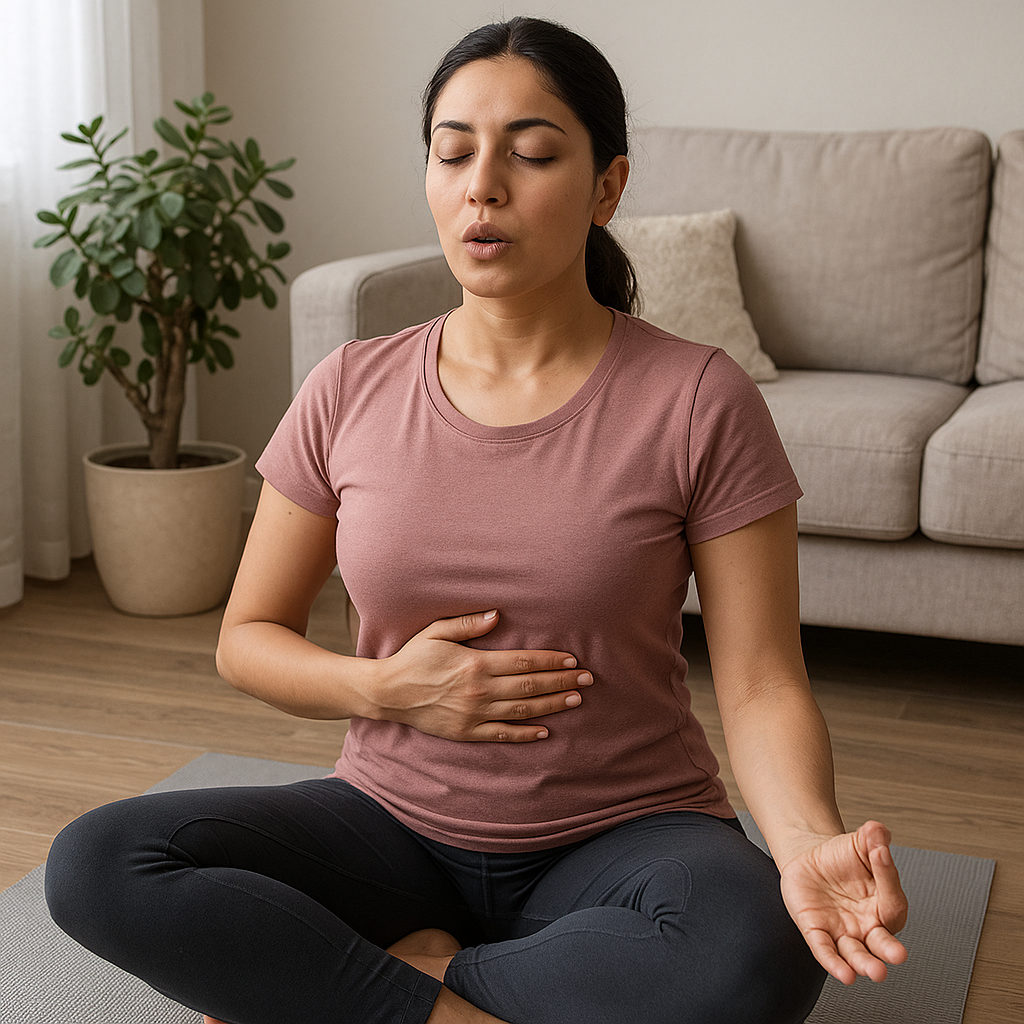
Yoga & Breathing Techniques for Fatty Liver
Let’s talk movement. And breath. Not the high-intensity gym kind (although that has its place), but purposeful, mindful, Ayurvedic-inspired practices that support detox, digestion, and emotional balance.
Yoga Asanas Specifically Recommended for Fatty Liver
Yoga isn’t just a workout — it’s a massage for your organs. Especially the liver.
Top picks:
-
Twists like Ardha Matsyendrasana (Half Lord of the Fishes) — they literally “wring out” toxins.
-
Bhujangasana (Cobra Pose) — stimulates digestion and supports liver flow.
-
Paschimottanasana (Seated Forward Bend) — calms the system and massages abdominal organs.
-
Dhanurasana (Bow Pose) — improves liver function by stretching and compressing the abdomen.
Even just 20–30 minutes daily can radically shift your internal rhythm.
Pranayama (Breathing Exercises) That Improve Fatty Liver
This one might surprise you: breathwork is a liver therapy. Why? Because stress kills digestion, and poor digestion burdens the liver.
Try:
-
Anulom Vilom (Alternate Nostril Breathing) — balances doshas, calms the mind.
-
Bhramari (Humming Bee Breath) — soothing to the nervous system and digestive organs.
-
Kapalbhati (Skull Shining Breath) — stimulating and detoxifying (but not for everyone—check with an Ayurvedic expert first, especially if Pitta is high).
How Often to Practice Yoga & Breathing Techniques for Fatty Liver
Honestly? Daily is ideal. But even 3–5 times a week can be transformative.
Aim for:
-
15–20 mins yoga
-
10 mins breathwork
-
Preferably in the morning, on an empty stomach
And if that sounds overwhelming? Start with 5 minutes. Seriously. Consistency > perfection.
Don't wait or self medicate. Start chat with Doctor NOW
Stress Management and Emotional Health Advice for Fatty Liver
Ayurveda was way ahead of its time on this one: stress is physical. And yes, it hits your liver—hard.
Ayurvedic Techniques to Reduce Stress Related to Fatty Liver
Here’s a spicy take: you can’t detox your liver if you’re running on adrenaline 24/7.
So Ayurveda says:
-
Slow. Down.
-
Reconnect with natural rhythms.
-
Introduce calming sattvic (pure, light) inputs into your day.
Examples:
-
Daily oil massage (Abhyanga) with grounding oils
-
Aromatherapy with sandalwood, rose, or vetiver
-
Spending time in nature — not for your Instagram, but for your nervous system
Meditation and Mindfulness Practices Beneficial for Fatty Liver
You don’t need to become a monk. But 5–10 minutes of sitting, breathing, and simply being? Game changer.
Try:
-
Trataka (candle gazing) — surprisingly effective for grounding scattered energy.
-
Mindful eating — chew slowly, no screens, observe flavors.
-
Gratitude journaling — sounds cliché, but trains the mind to seek calm over chaos.
Emotional and Psychological Considerations in Ayurveda for Fatty Liver
Emotions live in the liver.
Ever feel ragey, irritable, or just simmering for no reason? That’s Pitta out of whack—and it often shows up in the liver.
Ayurveda gently suggests:
-
Acknowledging unprocessed anger or resentment
-
Journaling, therapy, or even artistic expression to move those emotions
-
Herbs like Brahmi, Shankhpushpi, or Jatamansi (with supervision) to calm emotional heat
Practical Ayurvedic Home Remedies and Recipes for Fatty Liver
Let’s get real: sometimes, you want solutions that don’t come in capsules or clinics. You want to walk into your kitchen and whip up something that actually helps. Ayurveda excels here — it’s practically made for home-based healing.
Simple and Effective Home Remedies for Fatty Liver
Here are some down-to-earth, totally-doable remedies you can start today:
-
Triphala at bedtime – Mix 1/2 tsp Triphala powder in warm water. Gently detoxifies the liver and gut.
-
Coriander seed water – Soak 1 tsp of seeds overnight, boil, and drink first thing in the morning. Especially helpful if Pitta is high.
-
Turmeric + Amla shot – A pinch of turmeric + 1 tsp of amla juice in warm water. Liver tonic, antioxidant, and immunity boost in one.
-
Aloe vera juice – 15–20ml on an empty stomach (if it suits your body). Cooling and great for reducing liver inflammation.
-
Fenugreek seed infusion – Soak overnight and chew the seeds in the morning. Improves metabolism and insulin sensitivity.
Disclaimer-y side note: Always consult an Ayurvedic practitioner before going hard with herbs — especially if you’re on meds or managing other conditions.
Ayurvedic Recipe Ideas Specifically Beneficial for Fatty Liver
These aren't gourmet dishes. They’re simple, soul-soothing, liver-happy meals:
-
Moong Dal Khichdi with ghee and cumin — light, nourishing, and easy on digestion.
-
Saag with fenugreek and spinach — bitter and detoxifying. Add a touch of ajwain (carom seeds) for flavor and digestion.
-
Bottle gourd (lauki) sabzi — cooling, high water content, very Kapha-balancing.
-
Carrot-beet soup with turmeric and coriander — mildly sweet, grounding, and blood-purifying.
Oh, and desserts? Try baked apples with cinnamon and a dash of cardamom. Trust me.
Preparation Tips and Guidelines for Ayurvedic Remedies
Here’s a biggie: HOW you prepare your food matters as much as WHAT you prepare.
-
Use fresh ingredients — Ayurveda side-eyes leftovers.
-
Cook with intention — yes, your mood infuses your food.
-
Avoid microwaving — it’s not in the Ayurvedic books, but it disrupts “prana” (life force).
-
Eat warm, not piping hot or fridge-cold.
-
Eat mindfully, not while multitasking or standing over the sink.
Common Mistakes & Misconceptions About Ayurvedic Lifestyle for Fatty Liver
Ayurveda's getting trendy — which is cool and all — but that also means a bunch of myths and well-meaning mistakes are floating around.
Common Myths About Ayurveda & Fatty Liver
Let’s bust a few, yeah?
-
“Ayurveda is just about herbs.” Nope. Herbs are like 10% of the equation. Lifestyle, diet, mindset — that’s the bulk.
-
“It’s slow and outdated.” Actually, Ayurveda can show faster improvements than modern methods — especially in digestion and energy — when done right.
-
“You have to be vegetarian.” Not strictly. Meat is allowed in certain constitutions, though light, sattvic food is often preferred during healing.
-
“One Ayurvedic remedy works for everyone.” Not a chance. Ayurveda is deeply personalized. Your dosha matters. So do your habits, environment, even emotions.
Typical Mistakes People Make When Adopting Ayurvedic Lifestyle for Fatty Liver
And now, some cringe-worthy classics:
-
Overdoing the turmeric (yes, there is such a thing)
-
Eating “Ayurvedic” food but still bingeing on snacks between meals
-
Ignoring sleep and stress while obsessing over diet
-
Using heavy ghee/oil under the assumption that “Ayurveda says it’s healthy” (context matters!)
-
Assuming Triphala is always safe (it’s not — not for pregnancy, dehydration, or in certain body types)
How to Avoid These Mistakes for Fatty Liver
Quick cheatsheet:
-
Start small — don’t revamp your whole life overnight.
-
Work with a real practitioner — not just Google.
-
Listen to your body — Ayurveda teaches self-awareness, not blind faith.
-
Keep a journal — what you ate, how you felt, energy levels. Goldmine of insight.
-
Be consistent — it's not a weekend detox. It's a lifestyle.
Real-Life Success Stories & Testimonials Related to Fatty Liver
Let’s make this personal.
Inspirational Stories from Individuals Who Improved Fatty Liver Through Ayurvedic Lifestyle
Sandeep, 42, Bangalore: "I was told my liver enzymes were sky-high. My doctor gave me pills and told me to 'just lose weight.' I went to an Ayurvedic clinic out of desperation. Three months in, eating warm khichdi, doing daily Abhyanga, walking after meals — my reports were normal. And I didn’t even try that hard."
Aarti, 36, Pune: "I was tired all the time. My scans showed a fatty liver, borderline NASH. Ayurveda helped me slow down. I started sleeping early, doing pranayama, and eating only two meals a day. It felt radical. But my energy came back, my weight dropped, and my mood improved. It was more about rhythm than restriction."
Real-world Benefits & Results Achieved Using Ayurvedic Recommendations for Fatty Liver
People who genuinely commit to Ayurvedic routines often report:
-
Better energy, less brain fog
-
Normalized liver enzymes in 6–12 weeks
-
Sustainable weight loss without crash diets
-
Improved digestion and sleep
-
A deeper, intuitive relationship with their body
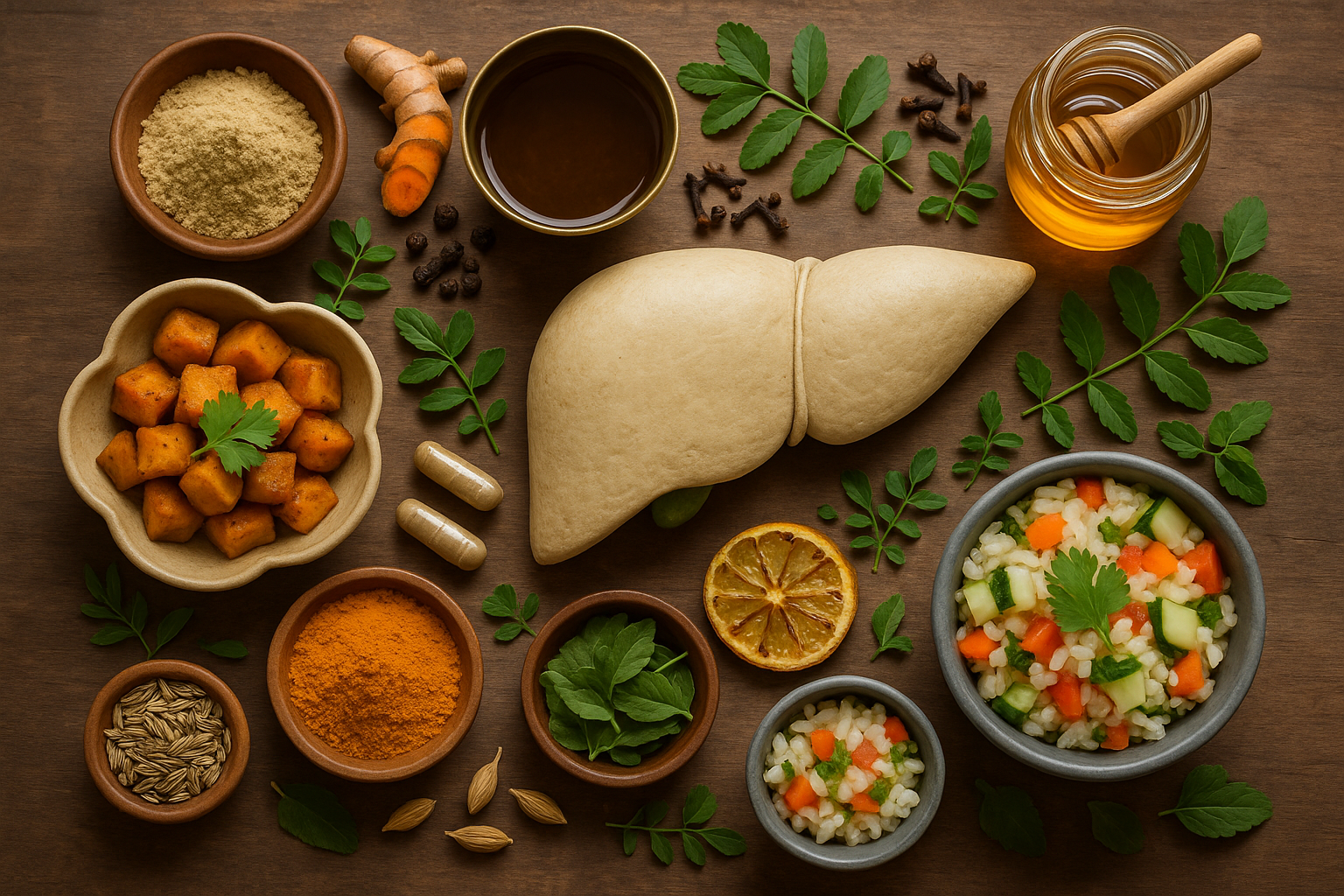
Scientific Evidence Supporting Ayurvedic Lifestyle & Diet for Fatty Liver
Ayurveda might be ancient, but the science is starting to catch up.
Research Findings About Diet’s Impact on Fatty Liver
Studies have shown that:
-
Low-fat, plant-rich diets (hello Ayurveda!) improve liver function in NAFLD patients.
-
Intermittent fasting patterns — like the Ayurvedic spacing of meals — help reduce liver fat.
-
Turmeric (curcumin) is scientifically proven to reduce inflammation and improve liver markers.
-
Fiber-rich foods and gentle detox protocols help reverse fatty liver progression.
Clinical Studies Confirming the Benefits of Ayurvedic Practices for Fatty Liver
-
A 2020 study in AYU Journal showed significant reduction in liver fat and better lipid profiles in patients using Ayurvedic herbs + dietary changes.
-
Research on Triphala, Amla, and Kutki shows promising hepatoprotective effects.
-
Yoga and pranayama have been clinically proven to reduce markers of oxidative stress — a known fatty liver trigger.
Expert Opinions on Ayurvedic Approaches to Fatty Liver
Many integrative doctors now agree that Ayurveda offers:
-
A “root-cause” view missing in modern medicine
-
Less invasive, long-term sustainable options
-
Personalization based on constitution, digestion, and mental state
In short: it's not either/or. It’s both. Modern tests + ancient wisdom = powerful combo.
Conclusion & Summary of Ayurvedic Recommendations for Fatty Liver
If you’ve read this far — first, hats off.
Here’s the essence of everything we’ve explored:
-
Fatty liver isn’t just a liver problem. It’s a systemic issue — digestion, sleep, emotions, habits, all play a part.
-
Ayurveda doesn’t treat symptoms. It restores balance — in your body, mind, and daily life.
-
Food is medicine. But only when it’s right for you.
-
Daily routine is therapy. Wake, eat, move, sleep — in rhythm.
-
Healing is a process. It’s not a sprint. But it’s doable.
So if you’re feeling overwhelmed, just start here:
-
Drink warm water with lemon.
-
Eat your main meal at lunch.
-
Sleep before 10 p.m.
-
Walk after meals.
-
Be kind to yourself.
And if you’re serious about healing your fatty liver holistically?
👉 Get a personalized Ayurvedic consultation. You’re not a generic case, and you shouldn’t settle for a generic solution.
Frequently Asked Questions (FAQ) about Ayurvedic Lifestyle for Fatty Liver
1. Can Ayurveda really reverse fatty liver?
Yes, in many cases, especially in early stages (NAFLD), Ayurvedic diet and lifestyle can improve or even reverse fatty liver by correcting metabolic imbalance and digestion.
2. How long does it take for Ayurvedic treatment to show results?
Some improvements (like digestion and energy) show within a few weeks. Lab results and imaging may take 3–6 months depending on the severity and consistency of practice.
3. Is Triphala good for fatty liver?
Generally, yes — it supports detox, liver health, and digestion. But it’s not for everyone. Always consult before using it regularly.
4. Can I use ghee if I have fatty liver?
In moderation, yes. Ayurveda considers ghee a medhya (brain-boosting) and Agni-balancing fat. But only if digestion is strong.
5. Should I completely avoid meat in an Ayurvedic plan for fatty liver?
Not necessarily. Light, lean meats like chicken or fish may be okay in small amounts for certain doshas. Heavy, processed meats should be avoided.
References & Credible Sources
-
Ministry of AYUSH, Government of India -
The Ayurvedic Institute -
National Center for Complementary and Integrative Health (NCCIH) -
PubMed – National Institutes of Health -
All India Institute of Ayurveda (AIIA) -
World Health Organization (WHO)
Questions from users
Can I drink herbal teas to support liver function?
Client_bdda59
21 days ago
Yes, drinking herbal teas can support liver function. Herbal teas like dandelion root, milk thistle, and fennel are known for their liver-benefiting properties. Dandelion root assists in detoxification, milk thistle aids in repairing liver cells, and fennel can help reduce inflammation. Herbal teas generally work over weeks or months, so consistent, daily consumption is key. Watch out for any allergies or adverse reactions, particularly if you have a liver condition. If symptoms persist or worsen, consult a healthcare provider for a thorough evaluation.
What lifestyle habits can enhance liver detoxification processes?
Client_fa1ff6
26 days ago
Adopting certain lifestyle habits can support the liver's natural detoxification processes. Key practices include maintaining a balanced diet rich in fruits, vegetables, and whole grains, ensuring adequate hydration by drinking plenty of water, and engaging in regular physical activity, such as 30 minutes of moderate-intensity exercise most days. Limiting alcohol intake and avoiding processed foods with high sugar content can also benefit liver function. Results in liver health may be observed in several weeks to months with consistent habits. Consult a doctor if you experience persistent fatigue, jaundice, or abdominal pain, as these may indicate more serious liver issues.
How does emotional well-being influence liver health recovery?
Client_b7a7f2
31 days ago
Emotional well-being plays a significant role in liver health recovery because stress and negative emotions can worsen liver conditions. Managing stress through techniques such as mindfulness, therapy, or relaxation exercises can help support liver recovery. Chronic stress may increase inflammation and interfere with sleep, which can hinder liver regeneration and repair. While some suggest incorporating lifestyle approaches tied to individualized habits, including elements of Ayurveda, it's crucial to focus on tangible stress reduction methods. If symptoms persist or worsen, consulting a healthcare provider is important for tailored medical advice.
How to reduce stress to improve liver function naturally?
Client_2bf0bf
36 days ago
To reduce stress and potentially improve liver function naturally, focus on regular exercise, a balanced diet rich in antioxidants, and consistent sleep patterns. Mindfulness practices like meditation and deep breathing exercises can effectively lower stress levels. Studies suggest that reducing alcohol intake and staying hydrated are also important for liver health. While Ayurvedic practices like meditation can complement stress management, consult a healthcare provider if symptoms persist or if you experience fatigue, jaundice, or abdominal pain, as these may require medical evaluation.
What are the signs of fatty liver disease to watch for?
Client_badc7b
41 days ago
The signs of fatty liver disease can include fatigue, mild abdominal pain, or discomfort, especially in the upper right side where your liver is located. Some people might notice weight gain, an enlarged liver, or even slightly yellowish skin or eyes, known as jaundice. However, many people have no symptoms at all, making regular checkups important if you're at risk. If you experience persistent fatigue or abdominal pain, see your doctor for a liver function test. Timely lifestyle changes can improve liver health. Avoid alcohol and focus on a balanced diet with regular exercise.
What are the benefits of breathing exercises for liver health?
Client_d305b6
46 days ago
Breathing exercises can support liver health by reducing stress, which in turn may alleviate liver inflammation and promote overall liver function. Stress is known to affect liver health, potentially exacerbating conditions like fatty liver disease. Engaging in deep breathing or diaphragmatic breathing for about 5–10 minutes daily may help activate the parasympathetic nervous system, leading to better liver function. However, it is important to note that while beneficial, breathing exercises alone are not a standalone treatment for liver conditions. Consult a healthcare provider if you experience persistent liver-related symptoms.
How to choose the right Ayurvedic practitioner for liver issues?
Client_c43914
51 days ago
To choose the right Ayurvedic practitioner for liver issues, look for someone with a recognized certification from a reputable Ayurvedic institution, such as BAMS (Bachelor of Ayurvedic Medicine and Surgery) in India or equivalent credentials in other countries. Verify their experience in treating liver disorders specifically. Personal referrals and reviews can be helpful as well. Since Ayurvedic treatment for liver issues requires ongoing adjustments and monitoring, regular communication with the practitioner is crucial. If symptoms such as jaundice, persistent nausea, or unexplained weight loss occur, consult a conventional medical doctor promptly.
What exercises are best for improving liver health?
Client_d82b8b
56 days ago
To improve liver health, engaging in regular physical activity is crucial. Aerobic exercises like brisk walking, cycling, or swimming can help reduce liver fat and improve overall metabolic health. Aim for at least 150 minutes of moderate-intensity exercise weekly. Strength training exercises are also beneficial as they help improve insulin sensitivity and reduce liver fat. Incorporating yoga and breathing techniques can further support liver health by reducing stress. Consult a doctor if you have liver conditions like cirrhosis to get personalized exercise recommendations.
What lifestyle factors can worsen fatty liver disease symptoms?
Client_973ee2
61 days ago
Poor dietary choices, such as consuming high-fat, sugary, or processed foods, can worsen fatty liver disease symptoms. Lack of exercise or a sedentary lifestyle also contributes to the progression of fatty liver disease. Managing stress and ensuring proper sleep are crucial, as stress and sleep issues can exacerbate symptoms. Avoid excessive alcohol consumption, as it can further damage the liver. Spacing meals 4–5 hours apart and chewing slowly can help improve digestion. If symptoms persist or worsen, it is important to consult a doctor for a comprehensive evaluation and personalized guidance.
What lifestyle changes support improved digestion for better liver health?
Client_b01778
66 days ago
To support digestion and improve liver health, focus on a balanced diet rich in fiber, lean proteins, and healthy fats. Avoid excessive alcohol, processed foods, and high-sugar items. Regular physical activity, such as walking or yoga, can aid digestion and promote liver function. Staying hydrated and managing stress through relaxation techniques like meditation can further benefit digestion. These changes can improve digestion within weeks, but if symptoms like persistent bloating or fatigue occur, consult a healthcare professional. Ayurveda suggests maintaining strong digestion or "Agni" but professional guidance is essential if pursuing this path.
Related articles

Body Detox
Nitya Virechana – Daily Ayurvedic Detoxification & Purgation Therapy
Explore the benefits of Nitya Virechana, a daily Ayurvedic purgation process designed to detoxify the body, balance doshas, and promote overall wellness through natural healing
4,330

Body Detox
Unlocking Fasting Benefits in Ayurveda
Fasting in Ayurveda is a time-honored practice believed to balance energies and improve overall health, offering holistic benefits.
3,388

Body Detox
Divya Mukta Vati Uses, Dose, Ingredients, Side Effects
Exploration of Divya Mukta Vati Uses, Dose, Ingredients, Side Effects
5,430

Body Detox
Which Oils Reduce Body Heat? Best Ayurvedic Oils and How to Use Them
Find out which oil reduces body heat naturally. Explore Ayurvedic oils like castor, coconut, and sesame to cool the body and balance excess heat effectively
20,117

Body Detox
Pizhichil: The Royal Ayurvedic Oil Bath Therapy You Never Knew You Needed
Let’s be real: “Pizhichil” probably isn’t the first word you’d throw into everyday conversation—unless you’re steeped in Ayurveda or grew up around someone who swore by it. But once you discover what it is, it’s hard not to talk about. I mean, how often d
3,309

Body Detox
How to Remove Toxins from Body Naturally: Ayurvedic Approach
Discover how to remove toxins from body naturally with Ayurveda. Learn remedies, detox foods, and tips to cleanse skin, liver, blood, and lungs
6,125

Body Detox
Katakakhadiradi Kashayam Uses – A Natural Ayurvedic Remedy
Explore the benefits and uses of Katakakhadiradi Kashayam, a traditional Ayurvedic formulation known for its therapeutic properties in treating digestive issues, detoxifying the body, and promoting skin health.
4,214

Body Detox
Haridra Khand Benefits, Dose, Side Effects, Ingredients
Exploration of Haridra Khand Benefits, Dose, Side Effects, Ingredients
5,184

Body Detox
What Is Dinacharya in Ayurveda: Meaning, Routine, and Benefits
What is Dinacharya in Ayurveda? Discover the meaning, steps, and benefits of following a Vedic daily routine for balance, health, and mental clarity
7,400

Body Detox
Which Mudra Is Good for Sleep: Discover Ayurvedic Hand Gestures for Restful Nights
Explore the best mudra for sleep and anxiety, hand mudras for deep sleep, and yoga mudra to sleep fast. Practice nightly for relaxation and improved rest
12,439
Related consultations on the topic
Additional Documents
© 2026 Ask Ayurveda. All rights reserved.