Ask Ayurvedic doctor a question and get a consultation online on the problem of your concern in a free or paid mode. More than 2,000 experienced doctors work and wait for your questions on our site and help users to solve their health problems every day.
FREE! Ask Ayurvedic Doctors 24/7

 Fast responses
 1000+ verified doctors
Body DetoxEar, Nose, and Throat DisordersGeriatrics & RejuvenationImmunodeficiencyInfertility TreatmentNutritionOrthopedic DisordersPediatricsRespiratory DisordersSexually Transmitted Diseases (STDs)Surgery RecoveryUrological DisordersVascular DisordersDental DisordersEndocrinological DisordersGastrointestinal DisordersYoga TherapyGeneral MedicineAllergic DisordersCardio DisordersGynecology and ObstetricsCosmetologySkin and Hair DisordersEye DisordersInfectious DiseasesMental DisordersNeurological DisordersOncologyPanchakarmaSexual Health & DisordersSports Medicine
Published on 11/06/24
(Updated on 06/20/26)
3,059
Ayurvedic Solutions for Dandruff

Ayurvedic treatment for dandruff works by correcting the root cause — a dosha imbalance that disrupts scalp health — rather than just suppressing flakes temporarily. It combines herbal oils (like Neelibringadi Keram and Durdurapathradi Keram), internal detox formulas (such as Arogyavardhini Vati and Khadirarishta), Panchakarma therapies, and diet-lifestyle changes to restore your scalp's natural balance permanently.
If you've tried zinc pyrithione shampoos, ketoconazole treatments, and every "anti-dandruff" product on the shelf only to watch the flakes come back within weeks — you're not alone. Dandruff affects roughly 50% of the global adult population, according to a 2016 review published in the Journal of Clinical and Investigative Dermatology. Conventional treatments supress the fungus Malassezia globosa or reduce inflammation, but they rarely address why your scalp became vulnerable in the first place.
- That's exactly where Ayurveda offers something different.
- Let's break down everything — from the ancient science behind it to practical protocols you can start today.
What Is Dandruff? Understanding It Through Ayurveda and Modern Science
- Dandruff (seborrheic dermatitis in its mild form) is a chronic scalp condition where dead skin cells shed at an accelerated rate, producing visible white or yellowish flakes.
- Modern dermatology links it to three factors: the yeast-like fungus Malassezia, excessive sebum production, and individual immune sensitivity.
What Is "Darunaka" — The Ayurvedic Name for Dandruff?
In classical Ayurvedic texts like Ashtanga Hridaya, dandruff is described as Darunaka — a Kshudra Roga (minor disease) of the scalp. But calling it "minor" doesn't mean it's taken lightly. Ayurveda recognizes Darunaka as a visible signal that something systemic has gone wrong inside your body.
The condition is primarily linked to a Vata-Kapha imbalance at the scalp level, often aggravated by Pitta when inflammation and redness are present.
- Dry vs Oily Dandruff: Which Doshas Are Involved?
Not all dandruff is the same, and Ayurveda distinguishes the types clearly:
| Type | Dosha Imbalance | Flake Appearance | Scalp Feeling | Common Triggers |
|---|---|---|---|---|
| Dry Dandruff | Vata-Pitta | Small, white, powdery flakes | Tight, itchy, rough | Cold weather, dehydration, excess wind exposure |
| Oily Dandruff | Vata-Kapha | Large, yellowish, sticky flakes | Greasy, heavy, sometimes smelly | Heavy diet, poor hygiene, humid climate |
| Inflammatory Dandruff | Pitta dominant | Flakes with redness, sometimes crusting | Burning, sensitive, warm to touch | Spicy food, sun exposure, chemical products |
Understanding your type is essential — because the oils, herbs, and dietary changes will be completely different for each.
The Role of Ama (Toxins) and Agni (Digestive Fire)
Here's something no conventional dermatologist will tell you: Ayurveda views dandruff as partly a digestive problem.
- When your Agni (digestive fire) is weak, food isn't metabolized properly.
- This produces Ama — a toxic, sticky residue that accumulates in the body's channels (srotas). Over time, Ama reaches the Raktavahasrotas (blood channels) and manifests on the skin and scalp as flaking, itching, or inflammation.
- This is why many people with chronic dandruff also experience digestive issues like bloating, irregular appetite, or coated tongue.
- Fix the digestion, and the scalp often clears up — sometimes dramatically.
What Causes Dandruff? A Dual-Lens View
Modern Causes
- Malassezia fungus overgrowth — feeds on scalp oils
- Irregular hair washing — allows sebum and dead cells to accumulate
- Contact dermatitis — reaction to hair products
- Dry skin — especially in winter months
- Hormonal factors — androgens like testosterone increase sebum production, which is why men are statistically more prone to dandruff (a 2015 study in the Indian Journal of Dermatology confirmed higher prevalence in males)
- Stress — elevated cortisol weakens immune response on the scalp
- Hard water — a very real issue in Indian cities like Delhi, Bangalore, and Chennai, where high mineral content strips natural oils and irritates the scalp
Ayurvedic Causes (Nidana)
- Viruddha Ahara — incompatible food combinations (e.g., fish with milk, fruit with meals)
- Excessive intake of salty, sour, and pungent foods — aggravates Pitta
- Divaswapna — daytime sleeping (increases Kapha)
- Ratri Jagarana — staying up late (aggravates Vata)
- Suppression of natural urges (Vegadharana) — especially the urge to sneeze or vomit
- Exposure to dust, heat, and smoke without proper scalp protection
Which Deficiency Causes Dandruff in Hair?
- Nutritional deficiencies play a bigger role than most people realize.
- Research points to:
- Zinc deficiency — zinc regulates sebaceous gland activity; low levels increase flaking
- B-vitamins (especially B6, B12, Biotin) — essential for skin cell turnover
- Omega-3 fatty acids — deficiency leads to dry, irritated scalp
- Vitamin D — a 2018 study in Indian Dermatology Online Journal showed a significant association between low vitamin D levels and seborrheic dermatitis severity
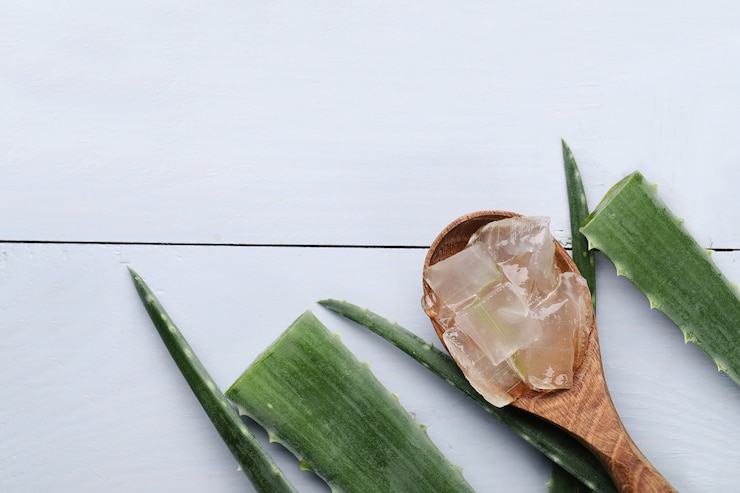
How to Remove Dandruff by Ayurveda: Herbal Remedies That Actually Work
Neem (Azadirachta indica)
Neem is probably the single most effective Ayurvedic herb for dandruff. A 2013 study published in Parasitology Research confirmed its antifungal activity against Malassezia furfur. It's also anti-inflammatory and antibacterial.
How to use: Boil 20-25 neem leaves in 500ml water until it reduces to half. Cool and use as a final rinse after shampooing. Do this 2-3 times per week.
Bhringraj (Eclipta alba)
Known as the "king of herbs for hair," Bhringraj cools Pitta, nourishes the scalp, and a 2019 study in Pharmacognosy Research demonstrated its ability to promote hair growth while reducing scalp inflammation.
Tea Tree Oil (Melaleuca alternifolia)
Though not traditionally Indian, tea tree oil has been adopted into Ayurvedic practice due to its potent antifungal properties. A randomized controlled trial published in the Journal of the American Academy of Dermatology (2002) found that 5% tea tree oil shampoo reduced dandruff severity by 41% compared to placebo.
Caution: Never apply undiluted tea tree oil directly. Mix 3-4 drops into a tablespoon of coconut or sesame oil.
Shikakai (Acacia concinna) and Amla (Emblica officinalis)
These two work beautifully together. Shikakai is a natural cleanser with a low pH that doesn't strip oils, while Amla is rich in Vitamin C and strengthens hair follicles.
Aloe Vera
Cools Pitta, moisturizes Vata-dry scalps, and its antifungal properties are backed by a 2016 study in the Ethiopian Journal of Health Sciences.
Best Ayurvedic Medicines for Dandruff (Internal + External)
This is where most articles fall short — they only talk about topical remedies. But Ayurveda treats from the inside out.
Ayurvedic Oils for External Application
| Oil | Key Ingredients | Best For | How to Use |
|---|---|---|---|
| Neelibringadi Keram | Neeli, Bhringraj, coconut oil base | Pitta-type dandruff with hair fall | Warm and apply to scalp 1 hour before washing |
| Durdurapathradi Keram | Frog fruit (Dudurapatra), coconut oil | Fungal dandruff, itchy scalp | Apply overnight 2-3 times weekly |
| Kesini Oil | Multiple herbs in sesame oil base | Chronic dry dandruff | Gentle massage, leave for 30 minutes |
| Kunthalakanthi Tailam | Bhringraj, Amla, hibiscus | General scalp health & mild dandruff | Weekly application |
- Double-boiler technique for warming oil: Place oil in a small bowl, set the bowl in a larger vessel of hot water. This prevents overheating and preserves the herbs' active compounds.
- Warm, not hot — you should be able to comfortably place a drop on your inner wrist.
Ayurvedic Tablets and Internal Formulations
These are rarely mentioned by other sources, but they're crucial for chronic or recurring dandruff:
- Arogyavardhini Vati — a classical Rasa Shastra formulation that detoxifies the liver and purifies blood; particularly effective when dandruff is linked to poor digestion and Ama accumulation
- Gandhak Rasayan — purified sulphur-based formula; excellent for any skin condition involving fungal or bacterial infection
- Mahamanjishthadi Kashayam — a powerful blood purifier (Rakta Shodhaka) that addresses the root cause when dandruff comes from systemic toxicity
- Khadirarishta — fermented preparation of Acacia catechu; traditionally used for chronic skin diseases including stubborn scalp conditions
> ⚠️ Important: Internal Ayurvedic medicines should always be taken under the guidance of a qualified Ayurvedic practitioner (Vaidya). Self-medication with Rasa Shastra formulations especially can be harmful.
Panchakarma for Chronic Dandruff: When Topical Treatments Aren't Enough
For dandruff that's lasted months or years and hasn't responded to shampoos or oils, Ayurveda has a more intensive approach — Panchakarma, the five-fold detoxification therapy.
Shiro Abhyangam (Head Oil Massage)
Medicated oil is systematically massaged into the scalp using specific pressure techniques. This improves blood circulation, loosens dead skin, and allows herbal compounds to penetrate deeper. Typically done daily for 7-14 days during a Panchakarma course.
Shiro Lepam (Herbal Scalp Paste)
A thick paste of herbs like neem, Triphala, Daruharidra, and sandalwood is applied to the scalp and left for 30-45 minutes. This draws out excess heat (Pitta) and toxins.
Sirodhara
A continuous stream of warm medicated oil (or buttermilk, in Pitta conditions) is poured over the forehead and scalp. While famous for stress relief, Sirodhara also deeply nourishes the scalp's nerve endings and regulates sebaceous gland function.
Nasyam (Nasal Administration)
Medicated oils administered through the nostrils. According to Ayurveda, the nose is the gateway to the head (Shirogata), and Nasyam directly influences scalp health. Anu Taila is commonly used.
Virechana (Therapeutic Purgation) and Raktamokshana (Bloodletting)
For severe, chronic dandruff — especially when associated with thick, adherent scales, intense redness, or when other treatments have failed:
- Virechana clears Pitta and Ama from the gut and liver, addressing the digestive root cause
- Raktamokshana (often done via leech therapy or Pracchanna karma) purifies blood directly; described in Sushruta Samhita for chronic skin conditions
These are clinical procedures performed only by trained Panchakarma specialists.
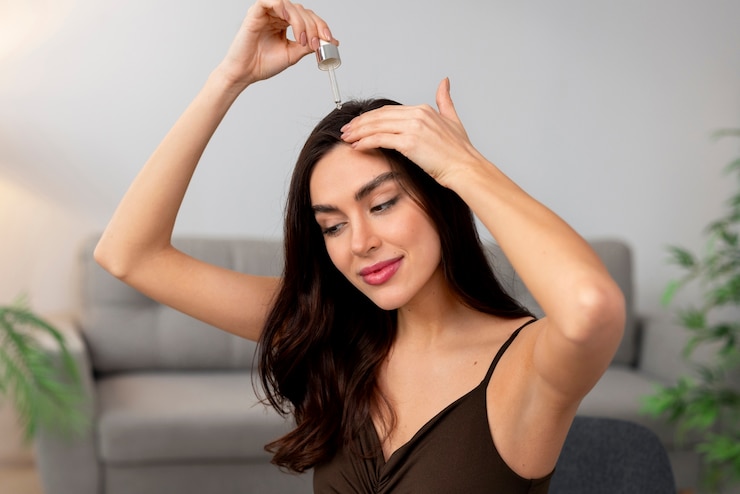
Don't wait or self medicate. Start chat with Doctor NOW
How to Cure Dandruff Permanently: A 21-Day Home Protocol
Here's a structured protocol you can follow at home. Consistency is key.
Week 1: Detox and Reset (Days 1-7)
- - Diet: Eliminate fried foods, refined sugar, dairy, and fermented foods.
- Eat light — khichdi, steamed vegetables, warm soups
- Morning: Drink warm water with half a lemon and a pinch of turmeric on empty stomach
- Scalp: Apply a paste of neem leaves + fresh curd (yogurt) to the scalp. Leave for 30 minutes before washing with a mild herbal shampoo (Shikakai-based)
- Frequency: Every alternate day
- Pranayama: 10 minutes of Nadi Shodhana (alternate nostril breathing) daily — directly reduces stress-linked cortisol
Week 2: Nourish and Repair (Days 8-14)
- Scalp oil: Switch to Neelibringadi Keram or Durdurapathradi Keram. Apply warm oil 1 hour before washing, 3 times per week
- Final rinse: Dilute apple cider vinegar (1 tablespoon in 1 cup water) as a final rinse — restores scalp pH to the ideal 4.5-5.5 range
- Internal support: Start Triphala churna — half teaspoon with warm water at bedtime to strengthen Agni
Week 3: Maintain and Strengthen (Days 15-21)
- Reduce oil application to 2 times per week
- Introduce Amla juice (20ml daily) for internal nourishment
- Continue pranayama and add 10 minutes of meditation
- Scalp massage: Gentle 5-minute self-massage with fingertips (not nails) before each wash
What to Expect: A Realistic Timeline
| Timeframe | Expected Results |
|---|---|
| Week 1 | Itching reduces by 40-50%; some initial increase in flaking (this is normal — old buildup is loosening) |
| Week 2 | Visible reduction in flakes; scalp feels less tight and irritated |
| Week 3 | Minimal flaking; scalp starts to feel balanced — not too dry, not too oily |
| Month 2-3 | Sustained improvement; new flare-ups become rare if diet and routine are maintained |
| Month 3+ | For most people, dandruff is effectively managed permanently with weekly maintenance |
- Ayurveda vs Conventional Dandruff Treatment: An Honest Comparison
| Factor | Ayurvedic Treatment | Conventional Treatment |
|---|---|---|
| Approach | Root cause (dosha balance, digestion, detox) | Symptom suppression (antifungal, anti-inflammatory) |
| Speed of relief | Gradual (2-4 weeks for noticeable improvement) | Fast (often within 1-2 washes) |
| Recurrence | Low, if lifestyle changes are maintained | High — dandruff often returns after stopping medication |
| Side effects | Minimal when guided by a practitioner | Scalp dryness, hair thinning, rebound flaking, chemical sensitivity |
| Cost | Low to moderate (many remedies use kitchen ingredients) | Moderate to high (medicated shampoos, prescription creams) |
| Holistic benefits | Improves digestion, stress levels, hair quality, overall skin health | Limited to scalp |
| Best for | Chronic/recurring dandruff, those wanting long-term solutions | Acute flare-ups needing quick control |
The smartest approach? Use conventional treatment for immediate relief if needed, then transition to Ayurvedic protocols for long-term management.
Dinacharya and Ritucharya: Daily and Seasonal Routines to Prevent Dandruff
Daily Routine (Dinacharya) for Scalp Health
- Wake before sunrise — Brahma Muhurta reduces Kapha accumulation
- Nasya: Apply 2 drops of Anu Taila in each nostril every morning
- Hair washing: Ideally 2-3 times per week (not daily — overwashing strips natural oils). Best done in the morning
- - Oil application: Night before wash days.
- Never sleep with wet hair — this aggravates Kapha
- Brushing: Use a wooden wide-tooth comb. Clean it weekly with warm water and tea tree oil
Seasonal Adjustments (Ritucharya)
| Season | Dominant Dosha | Recommended Oil | Diet Emphasis | Special Care |
|---|---|---|---|---|
| Summer (Grishma) | Pitta | Coconut-based oils (Neelibringadi) | Cooling foods — cucumber, coriander, coconut water | Avoid direct sun exposure on scalp; use cotton head covering |
| Monsoon (Varsha) | Vata | Sesame-based oils | Warm, easily digestible foods; add ginger, cumin | Wash more frequently — humidity promotes fungal growth |
| Winter (Hemanta/Shishira) | Kapha | Mustard or sesame oil with warming herbs | Reduce heavy, cold, sweet foods | Deep oiling twice weekly; avoid cold water washes |
Precautions and Side Effects of Natural Remedies
This is critical — and almost no one talks about it. "Natural" does not automatically mean "safe."
- - Lemon juice: Can cause chemical burns on broken skin or open scratch wounds. Never use on an inflamed scalp.
- The citric acid also makes your scalp photosensitive — avoid sun exposure for 24 hours after application
- Neem: Some people develop contact dermatitis from neem. Do a patch test on your inner elbow 24 hours before scalp application
- Baking soda: Highly alkaline (pH ~9). Occasional use is fine, but regular use destroys the scalp's acid mantle and can worsen dandruff long-term
- Apple cider vinegar: Always dilute (1:10 ratio with water minimum). Undiluted ACV can cause chemical irritation
- - Essential oils (tea tree, eucalyptus): Never apply undiluted.
- Maximum concentration: 2-3% (3-4 drops per tablespoon of carrier oil)
- Internal formulations containing metals/minerals (Rasa Shastra): Arogyavardhini Vati contains processed mercury and must only be taken under professional supervision for limited durations
When to See a Doctor: Red Flags You Shouldn't Ignore
- Home remedies are powerful. But sometimes, dandruff isn't just dandruff.
- Seek professional help if you notice:
- Thick, silvery-white scales that extend beyond the hairline — could indicate psoriasis
- Yellow, greasy crusting with intense redness — may be moderate-to-severe seborrheic dermatitis requiring medical intervention
- Circular patches of hair loss with broken hair stumps — possible tinea capitis (fungal infection requiring oral antifungals)
- Pus-filled bumps or boils on the scalp — bacterial infection
- Rapid, diffuse hair loss along with dandruff — could signal an underlying autoimmune or hormonal condition
- No improvement after 4 weeks of consistent Ayurvedic treatment — you may need a differential diagnosis to rule out other conditions
Dandruff in Children: Special Considerations
In infants, scalp flaking is usually cradle cap (seborrheic dermatitis of infancy) — this is generally harmless and resolves on its own by age 1.
For older children (ages 5-12):
- Avoid harsh medicated shampoos
- Use mild coconut oil massage followed by Shikakai wash
- Neem water rinse (diluted) is generally safe
- Never use Rasa Shastra preparations for children without explicit guidance from a pediatric Ayurvedic specialist
- Rule out head lice — often confused with dandruff in school-age children
Stress, Dandruff, and the Mind-Scalp Connection
- A 2007 study in the Journal of Investigative Dermatology confirmed that psychological stress disrupts the skin's barrier function and increases Malassezia colonization.
- Stress isn't just a "trigger" — it's a perpetuator.
Practical Ayurvedic Stress Management for Scalp Health
- Nadi Shodhana Pranayama — 10 minutes daily. Proven to reduce cortisol by up to 22% (2013, International Journal of Yoga)
- Shirodhara at home (simplified): Warm sesame oil poured slowly over the forehead for 10-15 minutes — deeply calming for the nervous system
- Brahmi (Bacopa monnieri): 300mg twice daily as a supplement — adaptogenic herb that reduces anxiety while nourishing brain tissue
- Ashwagandha: 600mg daily has been shown to reduce cortisol by 30% in a 2012 randomized controlled trial in the Indian Journal of Psychological Medicine
- Digital detox before bed — blue light from screens aggravates Pitta and disrupts sleep quality, which directly impacts scalp health
Frequently Asked Questions
Can lemon remove dandruff?
Lemon juice has mild antifungal and exfoliating properties due to citric acid, and it can provide temporary relief from mild dandruff. However, it's not a standalone cure. Mix juice from half a lemon with 2 tablespoons of coconut oil, apply to the scalp for 20 minutes, then wash off. Don't use it more than once a week, and avoid it completely if you have scratches, open wounds, or inflamed skin.
What is the best Ayurvedic medicine for dandruff and hair fall?
For dandruff combined with hair fall, Bhringraj-based oils (like Neelibringadi Keram) applied externally along with Bhringrajasava taken internally (15ml twice daily with equal water, after meals) is the classical combination. Internally, Mahamanjishthadi Kashayam addresses blood purity while Bhringraj strengthens hair roots. Always consult a practitioner for personalized dosing.
How can I remove dandruff permanently?
- Permanent dandruff removal requires addressing internal causes — not just topical treatments.
- Follow the three-pillar approach: (1) correct your dosha imbalance through diet and lifestyle, (2) use appropriate herbal oils and scalp treatments consistently for at least 3 months, and (3) maintain ongoing preventive practices like seasonal oil changes, regular Nasya, and stress management. The 21-day protocol outlined above is a solid starting point.
What naturally kills dandruff?
Neem, tea tree oil, and apple cider vinegar all have clinically proven antifungal activity against Malassezia species. Among these, neem has the strongest traditional and scientific support in the Indian context. Aloe vera and Shikakai also contribute by creating an inhospitable environment for fungal growth while maintaining scalp pH balance.
Is there a permanent solution for dandruff at home?
Yes — but "permanent" requires permanent lifestyle changes. A combination of weekly herbal oil application, proper diet (low glycemic index foods, as shown by a 2019 study in Journal of Clinical and Aesthetic Dermatology to reduce seborrheic dermatitis symptoms), adequate hydration, stress management through pranayama, and seasonal scalp care adjustments can keep dandruff from returning. The key word is consistency.
What is Kerala Ayurvedic treatment for dandruff?
Kerala Ayurveda is particularly renowned for its Panchakarma scalp therapies. Specialized treatments include Siro Abhyangam (head massage with medicated oils), Thala Pothichil (applying medicated paste wrapped in banana leaf), Dhara (continuous oil/buttermilk flow over the head), and Nasyam. Kerala-specific oils like Neelibringadi Keram and Durdurapathradi Keram, formulated in a coconut oil base suited to the region's climate, are standard prescriptions.
Take Control of Your Scalp Health Today
Dandruff isn't just a cosmetic inconvenience. In Ayurveda, it's your body telling you something is out of balance — whether that's your digestion, your stress levels, your diet, or the way you care for your scalp. The beautiful thing about the Ayurvedic approach is that fixing dandruff often means improving your overall health in the process.
- Start with the 21-day protocol.
- Be patient — you didn't develop chronic dandruff overnight, and it won't vanish overnight either. But within 3-4 weeks of consistent effort, most people see a transformation they didn't think was possible with natural methods.
- If your dandruff is severe, longstanding, or accompanied by hair loss and inflammation, don't hesitate to consult a qualified Ayurvedic practitioner who can design a personalized treatment plan based on your Prakriti (constitution) and the specific dosha imbalance at play.
- Personalized medicine is what Ayurveda does best — and its been doing it for over 3,000 years.
Scientific Sources
- Catharanthus roseus (L.) G.
- Don: A review of its ethnobotany, phytochemistry, ethnopharmacology and toxicities — Kumar S et al., 2022, Journal of ethnopharmacology
- Ayurveda for Animals — Dohmen L, 2025, The Veterinary clinics of North America. Small animal practice
- Botanical drugs in Ayurveda and Traditional Chinese Medicine — Jaiswal Y et al., 2016, Journal of ethnopharmacology
- Ayurvedic plumbism — Sadler M et al., 2017, Internal medicine journal
- Cancer--an ayurvedic perspective — Balachandran P et al., 2005, Pharmacological research
Questions from users
What is Thala Pothichil and how does it help with dandruff treatment?
Zoe
2 days ago
Thala Pothichil is an Ayurvedic treatment where a medicated paste is applied to the scalp and then covered with a banana leaf. Its cooling effect can help balance Pitta and relieve symptoms like inflammation and irritation, which can contribute to dandruff. But remember, it's best when combined with a holistic approach including diet, lifestyle, and other treatments.
What natural ingredients can I use to strengthen my hair while treating dandruff?
Allison
11 days ago
To strengthen hair while treating dandruff, try using Bhringraj oil; it's known for nourishing hair roots. For dandruff, Neem paste and a diluted mix of apple cider vinegar and water can help. Just remember not to overdo it, as balance is key! You might also explore using aloe vera for both soothing the scalp and promoting hair growth.
Is it safe to use Bhringraj oil for promoting hair growth?
Tristan
19 days ago
Yes, Bhringraj oil is generally safe for promoting hair growth! It's cooling for Pitta dosha and nourishes the scalp, so it's great for those with Pitta imbalances. Just make sure you're not allergic by doing a small patch test first. Also, it'd be good to warm it slightly before applying for better absorption. Hope this helps!
What is the best way to use fenugreek for dandruff relief in Ayurvedic treatments?
Isabella
35 days ago
Using fenugreek for dandruff relief, you can soak fenugreek seeds overnight in water, then grind them into a paste. Apply this paste to your scalp, leave it for about 30 mins, then wash it off with a mild shampoo. This helps balance your scalp's moisture, easing dandruff. If ya need deeper relief, mixing it with yogurt or lemon juice can boost its effectiveness too!
What is the best way to make an amla paste for treating dandruff at home?
Scarlett
45 days ago
For making amla paste, you can take amla powder (or grind dried amla into powder), then mix with some water to form a thick paste. Adding yogurt can help balance the pH even more and soothe the scalp. Apply this to your scalp and let it sit for about 20-30 mins before rinsing with lukewarm water. It's simple! If you find it's messy or too runny, reduce the water or use a muslin cloth to apply it.
What is the role of stress management in treating dandruff with Ayurvedic practices?
Grace
54 days ago
Stress management is super important in Ayurveda for dealing with dandruff. Stress can mess with your dosha balance, especially Vata and Pitta, which can lead to scalp problems. Try yoga, meditation, or even simple breathing exercises to calm your mind and body. These help maintain balance and support overall healing. Also, taking time to relax and enjoy some fun stuff can make a big difference!
Is it safe to use neem leaves directly on my scalp for dandruff treatment?
Ryan
64 days ago
Yes, it's generally safe to use neem leaves on your scalp for dandruff, given those antibacterial properties are great! Just make sure to test a small area first to ensure you aren't sensitive. If you're worried about side effects, try blending them with a little coconut oil or make a paste to avoid direct contact. Happy trying!
Can I use tea tree oil on my scalp for dandruff treatment?
Meredith
74 days ago
Yep, you can use tea tree oil for dandruff. It's got antifungal superpowers that help clear up flaky scalps. Just remember to dilute it with a carrier oil like coconut or neem before applying, to avoid irritation. And do a patch test first to see how your skin reacts. If it suits you, it could work wonders!
What should I look for in store-bought Ayurvedic products for dandruff treatment?
Quincy
150 days ago
When picking Ayurvedic products for dandruff, check for ingredients like neem or amla. Neem is great for purifying the scalp, and amla helps restore pH balance. Fenugreek is another good one, often helping with dryness and inflammation. Also, avoid stuff with harsh chemicals, keep it natural! Check how it feels on ur scalp, comfy is key.
How long does it typically take to see results using Ayurvedic remedies for dandruff?
Victoria
157 days ago
Seeing results from Ayurvedic remedies for dandruff depends on various aspects like diet, stress levels, and your body's natural balance. Generally, you might start noticing some improvement within 2 to 6 weeks, but consistency is key. Work on the whole lifestyle: diet, stress, and use the remedies regularly for best results. Keep an eye on subtle changes!
Related articles

Skin and Hair Disorders
What Is the Best Homemade Face Mask for Pimples and Dark Spots?
Explore the best face mask for oily skin and pimples, dark spots, and acne. Try DIY face masks for pimples, natural Ayurvedic blends, and overnight treatments
6,444

Skin and Hair Disorders
How Long Should Oil Be Kept in Hair for Best Results?
Discover how long to keep oil in hair for best results. Learn the minimum time, ideal duration, and tips for washing. Improve hair health with correct oiling
15,104
Skin and Hair Disorders
Bhrajaka Pitta – Ayurvedic Insights on Skin Radiance and Health
Discover Bhrajaka Pitta, the Ayurvedic principle governing skin radiance, complexion, and hair. Learn how to balance Bhrajaka Pitta for healthy, glowing skin and overall well-being.
3,557
Skin and Hair Disorders
Best Ayurvedic Medicine for Grey Hair: What Actually Works?
Grey hair. For some, it’s a badge of wisdom — a graceful surrender to time. But for many others (myself included, if I’m being honest), it feels more like a betrayal. One day you're in your twenties, browsing shampoos that promise volume, and then boom —
5,208
Skin and Hair Disorders
Suvarna Bindu Drops: Benefits, Dosage & Ayurvedic Insights
Discover the benefits, proper dosage, uses, and Ayurvedic foundations of Suvarna Bindu Drops, a traditional herbal remedy for hair health and overall wellness.
2,431

Skin and Hair Disorders
How to Apply Egg on Hair: Ayurvedic Guide to Benefits & Growth
How to apply egg on hair? Discover egg hair mask recipes, benefits of egg for hair growth, how to use egg white, and possible side effects of applying egg
16,113

Skin and Hair Disorders
How to Increase Beard Growth Naturally at Home
Discover how to increase beard growth naturally at home, grow beard faster, use Ayurvedic tips, foods, and remedies. Does testosterone increase beard growth?
11,014

Skin and Hair Disorders
Anti Ageing Ayurvedic Medicines: Do They Really Work or Is It Just Ancient Hype?
Let’s be honest for a second — everyone, at some point, pauses at their reflection and thinks, “Damn, when did that line get there?” Or maybe it's not even about the wrinkles yet. Maybe it’s the sluggish mornings, the fading glow, the feeling that somethi
2,440

Skin and Hair Disorders
Jatyadi Oil Benefits, How to Use, Ingredients, Side Effects
Exploration of Jatyadi Oil Benefits, How to Use, Ingredients, Side Effects
5,123

Skin and Hair Disorders
How to Reduce Dryness of Hair with Natural Remedies
Discover how to reduce dryness of hair with home remedies, natural oils, and Ayurvedic tips. Learn effective hair dryness treatments and restore soft strands
3,494
Related questions on the topic
Legal
Additional Documents
© 2024 Ask Ayurveda. All rights reserved.