Ask Ayurvedic doctor a question and get a consultation online on the problem of your concern in a free or paid mode. More than 2,000 experienced doctors work and wait for your questions on our site and help users to solve their health problems every day.
FREE! Ask Ayurvedic Doctors 24/7

 Fast responses
 1000+ verified doctors
Body DetoxEar, Nose, and Throat DisordersGeriatrics & RejuvenationImmunodeficiencyInfertility TreatmentNutritionOrthopedic DisordersPediatricsRespiratory DisordersSexually Transmitted Diseases (STDs)Surgery RecoveryUrological DisordersVascular DisordersDental DisordersEndocrinological DisordersGastrointestinal DisordersYoga TherapyGeneral MedicineAllergic DisordersCardio DisordersGynecology and ObstetricsCosmetologySkin and Hair DisordersEye DisordersInfectious DiseasesMental DisordersNeurological DisordersOncologyPanchakarmaSexual Health & DisordersSports Medicine
Published on 06/04/25
(Updated on 07/05/26)
3,910
How to Remove Nasal Polyps Yourself: Ayurvedic Methods and Home Remedies

If you’ve been wondering how to remove nasal polyps yourself without surgery, you’re not alone. Many people are turning away from conventional medications and looking for holistic, natural ways to deal with this stubborn issue. Nasal polyps—those soft, noncancerous growths inside the nasal passages—can make everyday life feel frustrating. From difficulty breathing to chronic sinus infections, they can really mess with your routine.
But here’s the good news: you can take steps at home to manage and even shrink nasal polyps naturally. Using simple Ayurvedic principles and proven home remedies, there are ways to support your body’s healing process. In this article, we’ll explore how to get rid of nasal polyps using natural remedies and Ayurvedic practices that have helped people for centuries. If you’re looking for nasal polyps treatment at home that actually feels doable (and doesn’t sound like a chemistry experiment), keep reading.
Let’s break it all down so you can start feeling like yourself again—without relying entirely on steroids or surgery.
What Are Nasal Polyps and Why They Develop
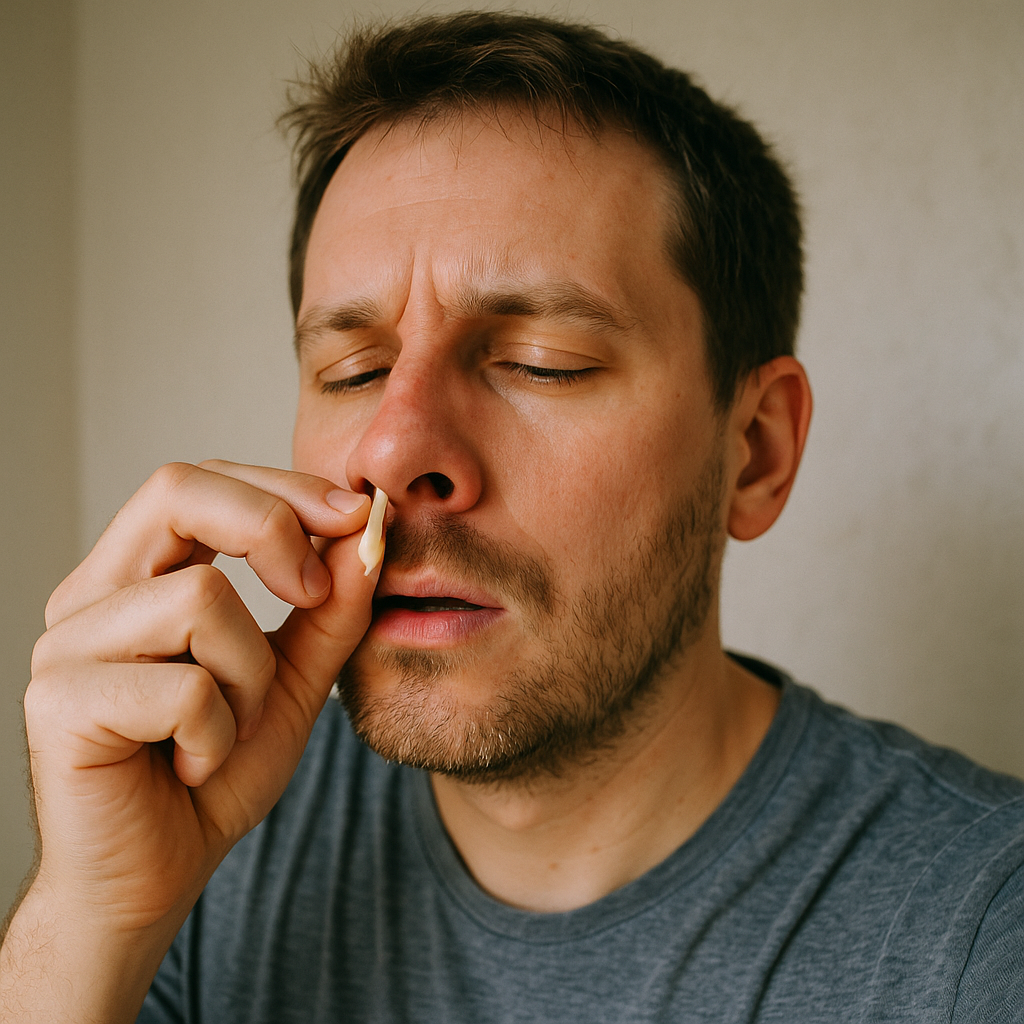
Nasal polyps are small, tear-drop shaped growths that form in the lining of your nasal passages or sinuses. They're usually the result of long-term inflammation, and are often linked to conditions like asthma, allergies, recurring infections, or sensitivities to certain chemicals. Basically, when your nose and sinuses are irritated over and over again, your body sometimes reacts by forming these annoying little growths.
What causes this ongoing inflammation? That’s a bit of a tricky question. For some people, it’s an overactive immune response. For others, it’s constant exposure to allergens or even poor gut health (yup, your sinuses and your gut might be more connected than you think).
And although these polyps are benign (non-cancerous), they can block airflow, mess with your sense of smell, and lead to that awful clogged-head feeling. That's where nasal polyps removal at home becomes a big focus for many sufferers.
At-Home Remedies and Natural Treatments for Nasal Polyps
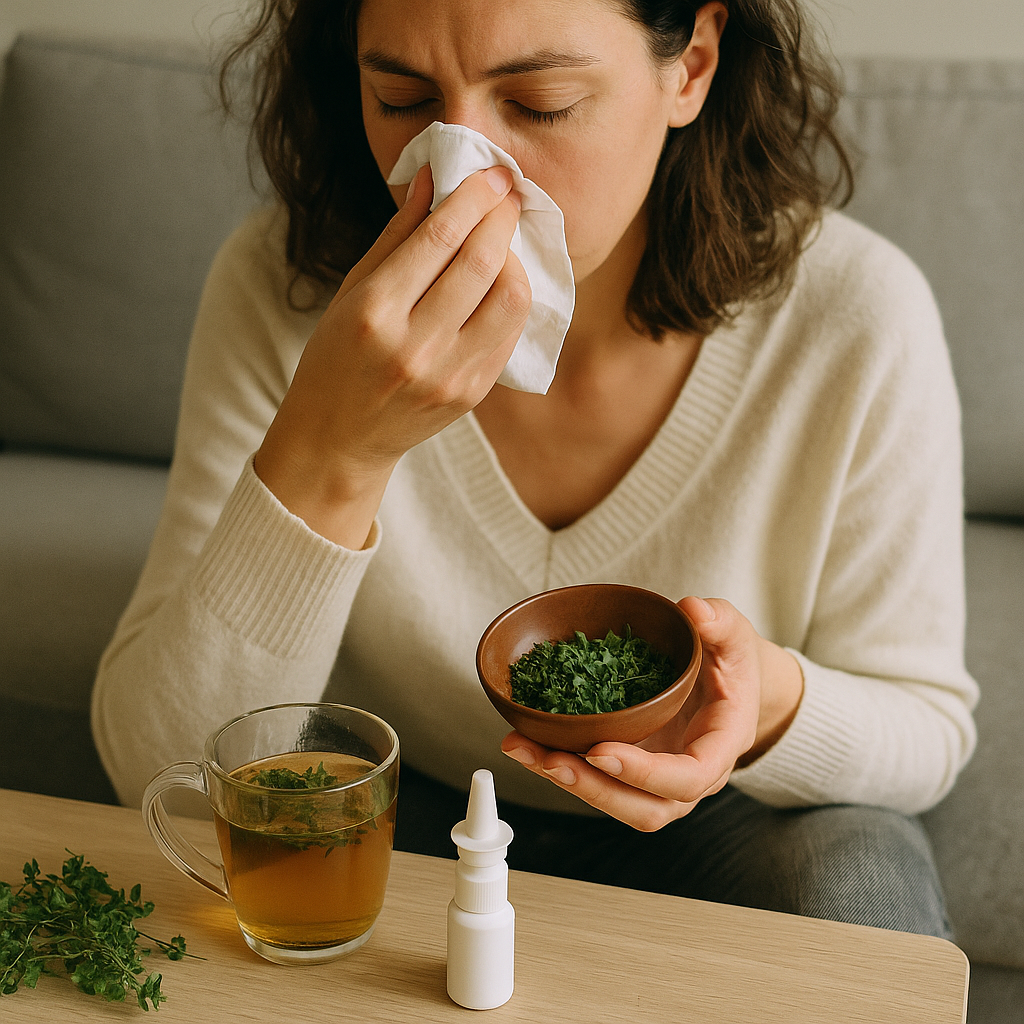
Treating nasal polyps naturally at home isn’t just possible—it can also be super effective if you’re consistent. Here are a few tried-and-true options, many of which are rooted in Ayurvedic practice, to support nasal polyps treatment without harsh chemicals.
Herbal Steam, Oils, and Nasya Therapy
Let’s start with the classics: steam. Inhaling herbal steam can help shrink nasal polyps by soothing inflammation and opening up nasal passages. Add a few drops of eucalyptus oil or tea tree oil to boiling water, cover your head with a towel, and breathe in the steam deeply for 10 minutes. Not too hot though—you don’t wanna burn your nose, obviously.
Then there’s Nasya therapy—an Ayurvedic practice where medicated oils (like Anu Taila or Shadbindu Taila) are gently dropped into the nostrils. This method helps to lubricate the nasal passage, reduce swelling, and encourage nasal polyps removal naturally. It can feel a little strange the first time, but once you get used to it, it’s honestly kind of soothing.
One reader emailed to say they started using nasya oil each morning and noticed they could breathe easier within just a couple weeks. Not a miracle cure—but definitely something.
Dietary Adjustments and Lifestyle to Reduce Recurrence
Now, let’s talk food—because what you eat can actually influence how your body responds to inflammation. If you're serious about figuring out how to get rid of nasal polyps naturally, tweaking your diet is a smart move.
Start by cutting back on inflammatory foods. Think sugar, processed junk, dairy (for some people), and anything that tends to trigger mucus production. If your sinuses are already acting like a clogged drain, you don’t wanna pour syrup down there, metaphorically speaking. Try incorporating more anti-inflammatory foods like turmeric, ginger, leafy greens, and omega-3 rich foods like flaxseed or walnuts.
It’s not just about what you take out—it’s also what you add in. Warm, cooked meals that are easy to digest can support better immunity and sinus health. Cold smoothies might seem healthy, but they can aggravate symptoms in some folks, especially if you already feel “cold and damp” internally. Ayurveda teaches us to favor warmth, balance, and grounding when inflammation is involved.
Hydration is big too. Herbal teas like tulsi (holy basil), licorice root, and nettle can help calm down irritation and support detox. A nasal polyps natural cure doesn’t happen overnight, but small daily habits do add up.
Detox Practices and Anti-Inflammatory Herbs
Another key piece of nasal polyps treatment at home is detoxification. No, not those harsh juice cleanses that leave you dizzy and hangry—but gentle, consistent detox practices that help your body clear out the junk and restore balance.
Try tongue scraping in the morning, drinking warm lemon water, and moving your body daily—even if it's just a 15-minute walk. Dry brushing and epsom salt baths can also support lymphatic drainage, which might sound fancy but is really just about helping your body do what it’s designed to do: heal.
And let’s not forget about herbs. Ayurvedic herbs like Trikatu (a blend of black pepper, long pepper, and ginger) and Guduchi are believed to reduce inflammation and support immune function. Turmeric with black pepper? Classic anti-inflammatory duo. These can be taken in capsule form or added to meals (or even stirred into golden milk at bedtime).
Some folks swear by using a neti pot with saline and a pinch of turmeric—but full disclosure: this isn't for everyone. Always check with a practitioner before putting anything weird up your nose. You don't wanna turn your healing journey into a DIY horror story.
If you’re looking for a natural remedy for nasal polyps that works gently over time, these herbal and detox tools can be powerful additions. The key word? Consistency.
Ayurvedic Long-Term Care and Prevention Strategies
Managing symptoms is great, but let’s talk about the long game. Ayurvedic philosophy isn’t just about treating what's in front of you—it's about why it got there in the first place. Understanding the root causes behind nasal polyps can help you prevent them from coming back.
Building Nasal Immunity and Reducing Mucosal Swelling
In Ayurveda, nasal health is deeply connected to a concept called "Prana"—the vital life force we take in through breath. When this flow is blocked, the system gets sluggish. The idea behind treatment for nasal polyps, then, isn’t just reducing growths—it’s restoring balance to the whole respiratory channel.
You can support this by working on your ojas, or core vitality. This means sleeping well, managing stress (yup, stress plays a role), and keeping your gut happy. Probiotics, triphala, and ghee can all support better digestion and immune function.
Daily Routine (Dinacharya) and Breathing Practices for Support
To really support long-term nasal polyps treatment, you’ll want to align your daily habits—or dinacharya, as it's called in Ayurveda—with healing rhythms. It doesn’t have to be a massive lifestyle overhaul. Even a few tweaks to your morning and evening routines can help your body manage inflammation and reduce nasal congestion.
Start your day with gentle oil pulling, tongue scraping, and a warm glass of lemon water. These small practices help remove toxins that build up overnight and prep your body for a clearer, calmer day. Following that with five minutes of pranayama—especially Anulom Vilom or Nadi Shodhana (alternate nostril breathing)—can enhance nasal airflow, reduce stress, and gradually help with nasal polyps removal.
Try to go to bed by 10 p.m. (yep, earlier than most of us like) and avoid screen time at least 30 minutes before. It sounds like small stuff, but these patterns add up. Your body thrives on rhythm. And a stressed, irregular lifestyle? That’s a ticket to chronic inflammation.
By consistently showing up for these daily practices—even when you're tired, even when nothing seems to be “working”—you’re giving your body the message: hey, we’re healing here.
Conclusion
So, how to remove nasal polyps yourself? It’s not about finding some magical overnight fix. It’s about layering small, effective changes—herbal steams, nasya oil, detox habits, anti-inflammatory foods, and conscious breathwork—into your life, and sticking with them.
Nasal polyps are stubborn, but not invincible. With Ayurvedic methods and thoughtful at-home remedies, you can shrink them naturally, ease your symptoms, and even prevent them from returning. Sure, there may still be days when you feel stuffy or off. That’s life. Healing isn’t linear. But with consistency and a little self-kindness, the changes are real.
If you’ve been searching for a nasal polyps treatment that doesn’t rely on drugs or surgery, this holistic approach is worth exploring. You don’t need a white coat or a pharmacy to start healing—just a bit of patience, some warm oil, and maybe a few herbs from your kitchen.
Your body knows how to heal. Give it the tools and time it needs.
If you found this helpful, share it with a friend or family member who’s also struggling with sinus issues. And if you’re curious to go deeper, consider consulting an Ayurvedic practitioner who can tailor a plan just for you. Healing isn’t one-size-fits-all—but it is possible.
Don't wait or self medicate. Start chat with Doctor NOW
FAQs
What is the fastest way to shrink nasal polyps?
The fastest way to shrink nasal polyps naturally is usually a combination of daily steam inhalation (with eucalyptus or tea tree oil), nasya oil application, and reducing inflammatory foods in your diet. While not instant, consistent use of these methods can yield visible improvements within a few weeks.
What does a nasal polyp look like when it comes out?
This can sound a little gross, but people do ask! When a nasal polyp loosens and comes out, it might look like a small, pale or grayish jelly-like blob. Some describe it as a grape-sized lump or soft tissue. If this happens suddenly or you’re unsure what it is, it’s best to consult a healthcare professional just in case.
How often should home treatments be done to see results?
For best results, steam therapy can be done daily (especially in the evening), nasya oil 4–6 times a week, and dietary/lifestyle changes maintained consistently. You might start seeing reduced swelling and easier breathing in 2–3 weeks, though every body’s different. Stick with it for at least a month to assess how it’s working for you.
Questions from users
What is the role of breathing exercises in managing symptoms of nasal polyps?
Sage
8 days ago
Breathing exercises can really help in managing nasal polyps by improving your Prana, which is like your life force energy, and boosting your lung capacity. Practices like alternate nostril breathing help steady your mind and improve circulation, which can reduce inflammation in nasal passages, but remember, always pair with other treatments too.
Is it safe to use steam therapy every day for nasal congestion?
Makayla
18 days ago
Yeah, you can use steam therapy daily, it's generally safe and good for nasal congestion relief. Just make sure the steam isn't too hot, to avoid burning. If your symptoms persist or worsen, maybe check with a healthcare pro. Everyone's different, so listening to your body's signals is always a smart move. Stay comfy!
How does stress impact the development or worsening of nasal polyps?
Willow
27 days ago
Stress can actually play a pretty big role. When you're stressed, it can impact your immune response and lead to inflammation, which might make nasal polyps worse. Stress also influences your breathing and can cause more mucus production. Trying practices like pranayama, especially Anulom Vilom or Nadi Shodhana, can really help to relieve stress and enhance nasal airflow naturally. So, keep an eye on stress levels and explore those breathing exercises.
How can I effectively manage nasal congestion with morning and evening routines?
Joseph
36 days ago
To ease nasal congestion, start your morning with oil pulling and a glass of warm lemon water to clear toxins and support your agni (digestive fire). In the evening, try some herbal steams and nasya oil before bed to open up the nasal passages. Consistent breathwork can also help keep everything balanced. Stick to these routines and tweak as needed!
How do allergens contribute to the development of nasal polyps?
Nadine
45 days ago
Allergens can irritate and inflame your nasal passages, leading to tissue changes that might result in nasal polyps. They can increase mucus production, which adds to the blockage and discomfort. Managing exposure to allergens and maintaining good gut health can help reduce their impact on polyps. Also, consider anti-inflammatory foods like turmeric!
Can I practice Anulom Vilom if I have severe asthma symptoms?
Sofia
55 days ago
It’s generally fine to practice Anulom Vilom with asthma, but if your symptoms are severe, it's best to take it slow and gentle. Focus on comfortable, natural breaths without straining. If you feel breathless, pause and relax. Consulting with your doctor for personalized advice is always a good step!
How do steam inhalation and essential oils help reduce inflammation in nasal polyps?
Waylon
65 days ago
Steam inhalation with essential oils like eucalyptus can open nasal passages, clearing mucus and reducing inflammation. The heat from steam improves circulation, while eucalyptus works as an anti-inflammatory agent. Essential oils can help by balancing your doshas, specifically pacifying the kapha which contributes to the polyps. It’s not a guaranteed cure but might offer relief. Let me know if you wanna dive deeper into specifics or other remedies!
What is the connection between gut health and nasal polyps?
Lillian
74 days ago
The link between gut health and nasal polyps is all about inflammation. Poor gut health can lead to inflammation throughout the body, which may include the sinuses, possibly leading to polyps. In Ayurveda, this can be seen as a digestive fire imbalance. Supporting your agni and balancing doshas with proper diet might help reduce inflammation. Consuming warm, easily digestible foods, and managing stress are some steps to improve gut health.
Is it safe to use ghee as a daily remedy for digestive health?
Virginia
84 days ago
Yeah, ghee can be great for daily digestive health, but keep it balanced. In Ayurveda, ghee is known to strengthen agni — your digestive fire. But too much might not suit everyone, especially if your dosha is aggravated by oily foods. Start with small amounts and see how your body reacts. If unsure, always good to consult an Ayurvedic practitioner!
Can I use steam inhalation with essential oils for better relief from nasal polyps?
Violet
93 days ago
Yes, you can definitely use steam inhalation with essential oils to aid nasal polyps! Just be mindful—some oils, like eucalyptus or peppermint, can be strong. Just a few drops in hot water is enough. The warmth of steam can help soothe and open nasal passages, reducing discomfort and swelling. Take care.
Related articles

Ear, Nose, and Throat Disorders
Shadbindu Tail Benefits How To Use Ingredients Side Effects
Exploration of Shadbindu Tail Benefits How To Use Ingredients Side Effects
5,460

Ear, Nose, and Throat Disorders
Kasa in Ayurveda – Understanding Its Role, Causes, and Remedies
Explore the significance of Kasa in Ayurveda, its causes, symptoms, and Ayurvedic remedies. Learn how this ancient approach can help alleviate cough-related issues effectively.
4,144

Ear, Nose, and Throat Disorders
Why Is My Ear Ringing All of a Sudden? Ayurvedic and Spiritual Insights
Why is your ear ringing all of a sudden? Discover Ayurvedic and spiritual meanings behind ringing in the left or right ear and natural ways to restore balance
18,031
Ear, Nose, and Throat Disorders
Parnayavani – Ayurvedic Herb for Digestion, Detoxification, and Overall Health
Explore the benefits and uses of Parnayavani, a valuable Ayurvedic herb known for its role in improving digestion, detoxifying the body, and supporting overall health and vitality.
2,355

Ear, Nose, and Throat Disorders
Best Ayurvedic Nasal Drops for Sinusitis: Natural Remedies & Benefits
Discover the best Ayurvedic nasal drops for sinusitis. Learn how Anu Taila, Shadbindu Taila, and other herbal oils can alleviate sinusitis symptoms naturally. Explore benefits, usage tips, and expert insights based on traditional Ayurvedic wisdom.
6,545

Ear, Nose, and Throat Disorders
Pharyngitis Treatment in Ayurveda: Natural Relief Through Holistic Healing
Discover Pharyngitis Treatment in Ayurveda. Learn traditional remedies, modern insights, dosage guidelines, and lifestyle tips for effective, natural throat care.
3,013

Ear, Nose, and Throat Disorders
Karnapooranam – Natural Ayurvedic Relief for Ear Health
Discover Karnapooranam, an Ayurvedic approach to ear health. Learn about its benefits, techniques, and traditional practices for holistic ear care.
2,895
Ear, Nose, and Throat Disorders
Karpuradi Vati Revealed: Detox & Rejuvenate with Ancient Ayurvedic Wisdom!
Unlock the secrets of Karpuradi Vati for detoxification and rejuvenation. Discover how this ancient Ayurvedic tablet can transform your wellness journey.
2,266

Ear, Nose, and Throat Disorders
Grihadhoomadi Choornam: A Potent Ayurvedic Solution for Respiratory Health
Grihadhoomadi Choornam is a traditional Ayurvedic medicine widely recognized for its effectiveness in treating respiratory and nasal disorders
2,467
Related consultations on the topic
Legal
Additional Documents
© 2024 Ask Ayurveda. All rights reserved.