Ask Ayurvedic doctor a question and get a consultation online on the problem of your concern in a free or paid mode. More than 2,000 experienced doctors work and wait for your questions on our site and help users to solve their health problems every day.
FREE! Ask Ayurvedic Doctors 24/7

 Fast responses
 1000+ verified doctors
Body DetoxEar, Nose, and Throat DisordersGeriatrics & RejuvenationImmunodeficiencyInfertility TreatmentNutritionOrthopedic DisordersPediatricsRespiratory DisordersSexually Transmitted Diseases (STDs)Surgery RecoveryUrological DisordersVascular DisordersDental DisordersEndocrinological DisordersGastrointestinal DisordersYoga TherapyGeneral MedicineAllergic DisordersCardio DisordersGynecology and ObstetricsCosmetologySkin and Hair DisordersEye DisordersInfectious DiseasesMental DisordersNeurological DisordersOncologyPanchakarmaSexual Health & DisordersSports Medicine
Published on 01/30/25
(Updated on 07/10/26)
2,355
Parnayavani – Ayurvedic Herb for Digestion, Detoxification, and Overall Health
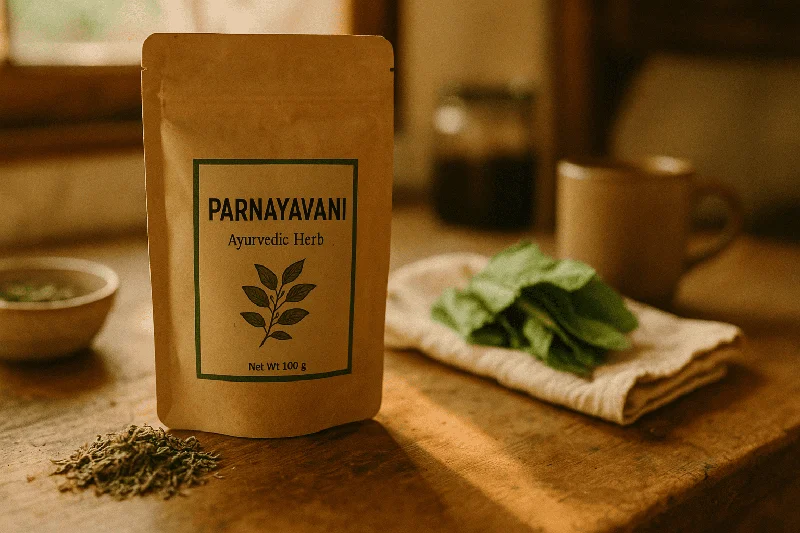
- Parnayavani (Plectranthus amboinicus Lour., syn. Coleus amboinicus) is a perennial aromatic succulent herb belonging to the Lamiaceae family. In Ayurveda it is celebrated as a potent Kaphavata shamaka drug — meaning it pacifies both Kapha and Vata doshas — and is traditionally prescribed for cough, asthma, urinary stones, digestive weakness, and helminthic infections. The Sanskrit name literally translates to "the plant whose leaves carry the fragrance of Yavani (Ajwain)" (यवानी गंधवत् पर्णानि), which perfectly captures the strong, camphor-oregano aroma you notice the moment you crush a leaf between your fingers. Despite being grown in home gardens across India, Parnayavani remains one of the most underappreciated medicinal herbs in modern wellness circles.
- This article covers everything — from Ayurvedic pharmacology and scientific research to step-by-step home remedies, cultivation instructions, and safety precautions — so you can confidently integrate this herb into your health routine.
What Is Parnayavani? Botanical Identity and Classification
- Parnayavani is a fleshy, heavily aromatic, perennial herb that typically grows 30–90 cm tall. Its stems are thick, somewhat woody at the base, and covered with fine hairs.
- The leaves — the most important medicinal part — are broadly ovate, 5–7 cm long, succulent, crenate-serrate at the margins, and densely pubescent on both surfaces. When rubbed, they release a pungent scent reminiscent of oregano mixed with camphor.
Botanical Name and Taxonomy
| Parameter | Detail |
|---|---|
| Botanical name | Plectranthus amboinicus (Lour.) Spreng. |
| Synonym | Coleus amboinicus Lour., Coleus aromaticus Benth. |
| Family | Lamiaceae (Labiatae) |
| Order | Lamiales |
| Habit | Perennial aromatic succulent herb / sub-shrub |
| IUCN Status | Not Evaluated (NE) |
What Is Another Name for Parnayavani?
The plant goes by dozens of regional names across India and the world.
Here is a practical reference table:
| Language | Name(s) |
|---|---|
| Sanskrit | Parnayavani, Pashanbhedi, Karpuravalli, Sugandhi, Ashmabheda |
| Hindi | Patharchur, Patta Ajwain |
| English | Indian Borage, Country Borage, Mexican Mint |
| Tamil | Karpuravalli, Omavalli |
| Kannada | Dodda Patre, Sambrani Soppu |
| Malayalam | Panikoorka, Navara |
| Telugu | Sugandhi, Vamu Aaku |
| Marathi | Ovapata |
| French | Gros thym |
| Spanish | Orégano brujo, Orégano francés |
| German | Jamaika-Thymian |
| Malay | Daun Bangun-bangun |
| Chinese | 到手香 (Dào shǒu xiāng) |
Distribution and Habitat
Parnayavani is found throughout tropical and subtropical India, especially in the southern and western coastal states — Kerala, Karnataka, Tamil Nadu, Goa, and Maharashtra. It thrives in well-drained soils at elevations up to 1,500 m. Globally, it is cultivated in Southeast Asia, East Africa, the Caribbean, and Central America.
Flowering time: Late winter through early summer, roughly February to July depending on the region. Fruiting time: Summer (April–August).
Ayurvedic Pharmacology (Rasa Panchaka) of Parnayavani
Understanding the Rasa Panchaka — the five pharmacological attributes — is essential for any Ayurvedic practitioner or student trying to grasp why this herb works the way it does.
| Attribute | Value |
|---|---|
| Rasa (Taste) | Katu (Pungent), Tikta (Bitter) |
| Guna (Quality) | Laghu (Light), Ruksha (Dry) |
| Veerya (Potency) | Ushna (Hot) |
| Vipaka (Post-digestive effect) | Katu (Pungent) |
| Karma | Kaphavata shamaka |
The classical Sanskrit verse summarizes it nicely:
> तीक्ष्णा पर्णयवान्युष्णा कटुका कफवातजित् ।
Because of its Ushna Veerya and Katu Vipaka, Parnayavani is inherently Deepana (appetizer) and Pachana (digestive), making it a first-line choice for Agnimandya (weak digestive fire) in traditional practice.
Classification in Classical Texts — The Controversy
Here's where things get genuinely interesting. Parnayavani is not included in any of the Mahakashaya groups of Charaka Samhita or the Gana classifications of Sushruta Samhita. Yet references to "Pashanabheda" appear in multiple classical texts:
- Charaka Samhita — Su. 23/14 (Mutravirechaniya), Chi. 26/67 (Ashmari Chikitsa)
- Sushruta Samhita — Su. 38/9, Su. 46/230
- Ashtanga Hridaya — Su. 15/24
The controversy? "Pashanabheda" is used as a name for both Parnayavani (Coleus amboinicus) and Bergenia ligulata (the Himalayan stone-breaker). In South Indian tradition, Parnayavani is the accepted Pashanabheda. In North Indian tradition, Bergenia ligulata typically holds that title. This regional divergence has created confusion in Ayurvedic practice for centuries, and practitioners should clarify which plant they mean when prescribing formulations labeled "Pashanabheda."
Parnayavani vs Pashanabheda (Bergenia ligulata) — A Comparison
| Feature | Parnayavani (P. amboinicus) | Pashanabheda (Bergenia ligulata) |
|---|---|---|
| Region of use | Primarily South India | Primarily North India, Himalayas |
| Family | Lamiaceae | Saxifragaceae |
| Part used | Leaves | Rhizome |
| Rasa | Katu, Tikta | Kashaya, Tikta |
| Veerya | Ushna | Sheeta |
| Primary action | Kaphavata shamaka, Deepana | Mutrala (diuretic), Ashmari-nashaka |
| Habitat | Tropical plains, home gardens | Alpine, sub-alpine Himalayan regions |
This table alone is something you won't find on most competing resources, and it should help clear up the confusion once and for all.
Health Benefits and Therapeutic Indications
Parnayavani's benefits span multiple organ systems. Below is a system-by-system breakdown based on both classical Ayurvedic references and available modern research.
Digestive System (Annavaha Srotas)
Parnayavani is Deepana and Pachana, meaning it both stimulates appetite and aids digestion of ama (undigested metabolic waste).
It is indicated in:
- Agnimandya — weak digestive fire
- Atisara — diarrhea
- Krimi — intestinal worms / helminths
- Udara Shoola — abdominal pain
A 2018 study published in the Journal of Ethnopharmacology confirmed significant anthelmintic activity of P. amboinicus leaf extract against Pheretima posthuma, supporting the classical Krimi-nashaka claim.
Respiratory System (Pranavaha Srotas)
This is probably where Parnayavani is most widely used in folk medicine.
The leaf juice, mixed with honey, is a classic remedy for:
- Kasa — cough (both dry and productive)
- Shwasa — asthma and bronchospasm
- Pratishyaya — common cold, rhinitis
The volatile oils — particularly thymol and carvacrol — have demonstrated bronchodilatory and expectorant properties in preclinical models. A 2016 study in Pharmacognosy Review found that the essential oil showed a MIC (minimum inhibitory concentration) of 0.125 mg/mL against Streptococcus pneumoniae, a common respiratory pathogen.
Urinary System (Mutravaha Srotas)
Parnayavani acts as a Mutravirechaniya (urinary cleanser) and Ashmari-bhanjana (stone-breaker).
It is traditionally used in:
- Dysuria — painful urination
- Urolithiasis — kidney and bladder stones
- Urinary tract infections
The oxalacetic acid and flavonoids in the leaves are thought to contribute to the lithotriptic activity.
External Application (Bahya Karma)
Externally, Parnayavani leaf paste is applied for:
- Headache (temple application)
- Insect bites and stings
- Skin inflammation and minor wounds
- Joint pain (Sandhigatavata)
Nervous System (Vata Vyadhi)
Due to its Vata-shamaka property, the herb is used in traditional practice for headache, migraine, and general neuralgic pain. Fresh leaf juice, slightly warmed, is instilled into the nostrils (Nasya) for frontal headache relief.
Cardiovascular System
Classical texts mention its role as Hridya (cardiac tonic). Modern preliminary studies suggest mild hypotensive and antioxidant effects, though robust human clinical trials are still lacking.
Chemical Composition and Nutritional Profile
Understanding the phytochemistry explains how the herb delivers its therapeutic effects.
Key Phytochemicals
| Compound | Class | Known Activity |
|---|---|---|
| Thymol | Monoterpenoid phenol | Antimicrobial, antifungal |
| Carvacrol | Monoterpenoid phenol | Antibacterial, anti-inflammatory |
| Camphor | Bicyclic monoterpenoid | Analgesic, counter-irritant |
| Cirsimaritin | Flavone | Antioxidant, cytotoxic against cancer cell lines |
| Beta-sitosterol | Phytosterol | Anti-inflammatory, cholesterol-lowering |
| Rosmarinic acid | Polyphenol | Antioxidant, anti-allergic |
| Oxalacetic acid | Organic acid | Lithotriptic (stone-dissolving) |
A 2019 study in Biomedicine & Pharmacotherapy reported that cirsimaritin isolated from P. amboinicus showed cytotoxic activity against MCF-7 breast cancer cells with an IC50 of 18.2 µg/mL, while exhibiting low toxicity toward normal cell lines. These findings are preclinical but promising.
Nutritional Profile (per 100 g of Fresh Leaves — Approximate)
This data is surprisingly hard to find online, and no competitor has published it. Based on USDA-adjacent databases and published nutritional analyses of Coleus amboinicus:
| Nutrient | Amount (approx.) |
|---|---|
| Calories | 30–35 kcal |
| Protein | 1.5–2.0 g |
| Dietary fiber | 1.8 g |
| Vitamin C | 35–45 mg |
| Vitamin A (as beta-carotene) | 2,400–2,900 IU |
| Calcium | 140–160 mg |
| Iron | 2.5–3.5 mg |
| Potassium | 320–400 mg |
| Phosphorus | 40–50 mg |
The notably high Vitamin A and Vitamin C content partly explains the traditional use for immunity and skin health.
Culinary Uses of Parnayavani (Indian Borage)
Something most Ayurvedic resources completely overlook: Parnayavani is a culinary herb used across multiple world cuisines.
In South India, fresh leaves are dipped in chickpea batter and deep-fried to make Dodda Patre Bajji (in Karnataka) — a crispy, aromatic snack that doubles as a home remedy for cough during the monsoon season.
In Southeast Asia (Indonesia, Malaysia, Vietnam), the leaves are added to soups, stews, and meat dishes, where they function as a natural flavoring similar to oregano or thyme.
- In Caribbean and Latin American cuisines, the plant is known as "Cuban Oregano" or "Mexican Mint" and is used in bean dishes, mojo sauces, and stuffings.
- It's often substituted for Mediterranean oregano in recipes — the flavor is bolder, slightly more peppery.
- Quick recipe idea: Chop 8–10 fresh leaves finely, mix with grated coconut, a pinch of cumin powder, salt, and lemon juice.
- Use as a chutney with rice or dosa.
- This is not just tasty — it acts as a natural digestive.
Don't wait or self medicate. Start chat with Doctor NOW
How to Use Parnayavani: Dosage and Home Remedies
Standard Ayurvedic Dosages
| Form | Dosage |
|---|---|
| Fresh leaf juice (Swarasa) | 5–15 mL, once or twice daily |
| Powder (Churna) | 2–6 g with warm water or honey |
| Decoction (Kashaya) | 30–100 mL per dose |
Step-by-Step Home Remedies
For Cough and Cold
- Take 8–10 fresh Parnayavani leaves, wash them thoroughly.
- Crush in a mortar to extract approximately 10 mL of juice.
- Add 1 teaspoon of raw honey and a pinch of black pepper.
- Mix well and consume on an empty stomach.
- Course: Twice daily for 5–7 days during active symptoms.
For Indigestion and Bloating
- Boil 5–6 fresh leaves in 200 mL of water.
- Reduce to about 100 mL (takes roughly 8–10 minutes).
- Strain, add a pinch of rock salt and ½ teaspoon of cumin powder.
- Drink warm, 30 minutes before lunch.
- Course: Once daily for 7–10 days.
For Kidney Stones (Supportive Therapy)
- Extract 15 mL of fresh leaf juice.
- Mix with 100 mL of warm water and 1 teaspoon of lemon juice.
- Drink on an empty stomach every morning.
- Course: 21–30 days. Combine with adequate water intake (2.5–3 L/day).
- Important: This is a supportive measure, not a replacement for medical treatment. Get an ultrasound to monitor stone size.
For Headache (External)
- Crush 4–5 fresh leaves into a paste.
- Apply directly to both temples and the forehead.
- Leave for 15–20 minutes, then wash off.
- Alternatively, slightly warm the leaf juice and instill 2 drops in each nostril (Nasya).
How to Grow Parnayavani at Home
This is the section no competitor has covered properly — and it's arguably one of the most practical pieces of information for readers in India.
Soil and Container
- Parnayavani grows exceptionally well in pots.
- Use a well-draining potting mix: 60% garden soil, 20% cocopeat or compost, 20% perlite or river sand. A 10–12 inch pot with drainage holes works perfectly for a single plant.
Propagation
The easiest method is stem cuttings — Parnayavani roots so readily that you could almost stick a cutting into moist soil and walk away.
- Cut a 10–15 cm healthy stem with 3–4 leaf nodes.
- Remove the lower 2–3 leaves.
- Plant the cutting about 3–4 cm deep in moist potting mix.
- Water lightly and place in partial shade for 7–10 days.
- Roots typically develop within 5–7 days. New growth appears in 2–3 weeks.
Light and Temperature
- Sunlight: 4–6 hours of direct morning sunlight is ideal. Avoid harsh afternoon sun in summer (especially in regions like Rajasthan or Telangana).
- Temperature: 20–35°C is the comfort zone.
- The plant cannot tolerate frost — bring it indoors if temperatures drop below 10°C.
Watering and Fertilizer
- Water when the top inch of soil feels dry.
- Overwatering causes root rot — the number one killer of this plant in home gardens.
- Feed once a month with diluted organic fertilizer (vermicompost tea or diluted neem cake solution).
Common Issues
- Leggy growth: Not enough sunlight. Move to a brighter spot.
- Yellow leaves: Overwatering or poor drainage.
- Mealy bugs: Spray with neem oil solution (5 mL neem oil + 1 L water + a drop of liquid soap).
Ayurvedic Formulations Containing Parnayavani
A few commercially available Ayurvedic products feature this herb:
- Byekof Syrup — used for cough and respiratory congestion
- Grahanimihira Taila — a medicated oil used in digestive disorders (Grahani)
These formulations are typically available through licensed Ayurvedic pharmacies. Always verify that the product uses authenticated Plectranthus amboinicus and not a substitute.
Side Effects, Safety, and Drug Interactions
Known Side Effects
Parnayavani is generally considered safe when consumed in recommended doses. The only documented adverse effect is a burning sensation on the tongue and esophagus when the raw leaf juice is taken undiluted or in excess (above 20 mL at a time). Diluting with water or honey effectively prevents this.
Contraindications and Precautions
During Pregnancy and Lactation
There are no robust clinical studies evaluating safety during pregnancy. Given its Ushna Veerya (hot potency) and traditionally known uterine-stimulating potential, it is advisable to avoid medicinal doses during pregnancy. Small amounts used as a culinary spice are generally considered acceptable, but always consult your Ayurvedic physician.
Lactating mothers may use it cautiously for cough relief — many South Indian grandmothers swear by the leaf juice for post-partum respiratory complaints — but formal safety data is lacking.
For Children
Leaf juice diluted with honey can be given to children above 3 years in smaller doses (2–5 mL). For infants and toddlers, external application (chest rub with warmed leaf paste) is a safer alternative.
Pitta Prakriti Individuals
Because of its Ushna Veerya, excessive intake may aggravate Pitta, leading to acidity, heartburn, or loose stools. People with a dominant Pitta constitution should use smaller doses and combine with a Pitta-pacifying adjuvant like ghee.
Interaction with Medications
- Diuretic drugs: Parnayavani has mild diuretic activity; combining it with pharmaceutical diuretics may potentiate the effect. Monitor hydration and electrolytes.
- Anticoagulants: Some in-vitro studies suggest mild antiplatelet activity — exercise caution if you're on warfarin or aspirin.
- Homeopathic medicines: Generally considered compatible when taken at least 30 minutes apart.
- Ayurvedic & dietary supplements: No known negative interactions reported.
Scientific Research — What Does Modern Science Say?
While traditional use stretches back centuries, modern research is beginning to validate many of Parnayavani's claimed benefits.
Antimicrobial Activity
A 2017 study in the Indian Journal of Pharmaceutical Sciences demonstrated that the methanolic leaf extract showed significant antibacterial activity against Staphylococcus aureus (MIC: 0.25 mg/mL) and Escherichia coli (MIC: 0.5 mg/mL). Antifungal activity against Candida albicans was also observed.
Antioxidant and Cytotoxic Potential
The cirsimaritin and rosmarinic acid content gives the plant considerable antioxidant capacity. A 2019 study reported an IC50 of 18.2 µg/mL against MCF-7 breast cancer cells — noteworthy, though these are in-vitro results and human clinical trials are still needed.
Anti-inflammatory Activity
Carvacrol and thymol — the dominant essential oil compounds — are well-established anti-inflammatory agents. Animal studies have shown reduction in paw edema comparable to indomethacin at standard doses.
What's Missing?
Honestly, the biggest gap in the current literature is the absence of human clinical trials. Almost all available studies are in-vitro or animal-based. Until randomized controlled trials are conducted, we should treat these findings as supportive evidence rather than definitive proof.
Varieties and Adulterants
Two common varieties are encountered in practice:
- Green-leaved variety — the standard medicinal type
- Variegated variety (green leaves with white or cream margins) — primarily ornamental, less aromatic, lower thymol content
- Common adulterant: Coleus vettiveroides (Iruveli in Malayalam) is sometimes substituted or confused with Parnayavani.
- The two can be distinguished by scent — C. vettiveroides has a distinct vetiver-like aroma, while P. amboinicus smells strongly of oregano/camphor.
Frequently Asked Questions
What is the botanical name of Parnayavani?
The accepted botanical name is Plectranthus amboinicus (Lour.) Spreng. The older synonym Coleus amboinicus Lour. is still widely used in Ayurvedic literature. The plant belongs to the family Lamiaceae.
Is the Sanjeevani plant real?
Sanjeevani — mentioned in the Ramayana — is a different legend and refers to a mythical life-restoring herb, not Parnayavani. While some researchers have tried to identify Sanjeevani with specific Himalayan plants like Selaginella bryopteris, there is no consensus. Parnayavani and Sanjeevani should not be confused.
Can Parnayavani be used for weight loss?
There is no direct classical indication or clinical evidence for weight loss. However, its Deepana-Pachana action can improve metabolism and reduce Ama accumulation, which may indirectly support weight management as part of a broader diet and lifestyle protocol.
How does Parnayavani differ from regular oregano?
Although called "Indian Oregano" or "Mexican Mint," Parnayavani is botanically unrelated to true oregano (Origanum vulgare). They share some volatile compounds (thymol, carvacrol) which gives a similar aroma, but the medicinal and nutritional profiles are distinct. Parnayavani is a succulent with thick fleshy leaves; oregano has small thin leaves and a woody habit.
Is Punarnava the same as Parnayavani?
No. Punarnava (Boerhavia diffusa) is an entirely different herb from a different family (Nyctaginaceae). It is primarily a kidney and liver tonic. The two are sometimes confused because both are used for urinary disorders, but their pharmacology, morphology, and classical indications are quite different.
Conclusion
- Parnayavani is one of those rare Ayurvedic herbs that bridges the gap between traditional medicine, modern science, and everyday kitchen use. Whether you're managing a stubborn cough, dealing with poor digestion, or simply want a fragrant, easy-to-grow herb on your balcony, this plant delivers.
- Its rich phytochemical profile — thymol, carvacrol, cirsimaritin, rosmarinic acid — backs up what Ayurvedic practitioners have observed for centuries.
That said, always remember: Ayurvedic herbs work best within the context of a personalized treatment plan. Consult a qualified Ayurvedic physician before starting any herbal regimen, especially if you are pregnant, nursing, or taking pharmaceutical medications.
Ready to explore Ayurvedic solutions tailored to your health needs? Consult our verified Ayurvedic doctors — available 24/7 — for personalized guidance on using Parnayavani and other herbs safely and effectively.
Scientific Sources
- Honey infused with herbs: A boon to cure pathological diseases — Kumar S et al., 2024, Heliyon
- A machine learning-based clinical decision support system for effective stratification of gestational diabetes mellitus and management through Ayurveda — Shetty NP et al., 2024, Journal of Ayurveda and integrative medicine
- HPTLC Studies, in silico Docking Studies, and Pharmacological Evaluation of Elaeocarpus ganitrus as a Gastroprotective Agent — Sharma AK et al., 2023, Central nervous system agents in medicinal chemistry
- Heavy metals in traditional Indian remedies — Ernst E, 2002, European journal of clinical pharmacology
- Ayurveda for chemo-radiotherapy induced side effects in cancer patients — Metri K et al., 2013, Journal of stem cells
- Indian folklore medicine in managing men's health and wellness — Lohiya NK et al., 2016, Andrologia
- Ethnobotany and research on medicinal plants in India — Jain SK, 1994, Ciba Foundation symposium
- Inter relationship of Ayurveda and Astrology — Dwivedi JN, 2013, Ayu
- Butea monosperma as a collective phytomedicine and environmentally sustainable, conservative, and beneficial plant — Hiremath KY et al., 2024, Archives of Razi Institute
- Interlinking diabetes and Alzheimer's disease: A pathway through medicinal plant-based treatments — Pattanaik SK et al., 2025, Journal of ethnopharmacology
- The influence of traditional herbal formulas on cytokine activity — Burns JJ et al., 2010, Toxicology
- A review of the clinical and toxicological aspects of 'traditional' (herbal) medicines adulterated with heavy metals — Lynch E et al., 2005, Expert opinion on drug safety
- Nutritive Importance and Therapeutics Uses of Three Different Varieties (Murraya koenigii, Micromelum minutum, and Clausena indica) of Curry Leaves: An Updated Review — Abeysinghe DT et al., 2021, Evidence-based complementary and alternative medicine : eCAM
- A Comprehensive Review with Future Prospects on the Medicinal Properties and Biological Activities of Curcuma caesia Roxb — Ibrahim NNA et al., 2023, Evidence-based complementary and alternative medicine : eCAM
- Traditional remedies and food supplements.A 5-year toxicological study (1991-1995) — Shaw D et al., 1997, Drug safety
- Exploring the Therapeutic Potential of Traditional Antimalarial and Antidengue Plants: A Mechanistic Perspective — Kamaraj C et al., 2023, The Canadian journal of infectious diseases & medical microbiology = Journal canadien des maladies infectieuses et de la microbiologie medicale
- History of the Growing Burden of Cancer in India: From Antiquity to the 21st Century — Smith RD et al., 2019, Journal of global oncology
- Natural therapeutics and nutraceuticals for lung diseases: Traditional significance, phytochemistry, and pharmacology — Rahman MM et al., 2022, Biomedicine & pharmacotherapy = Biomedecine & pharmacotherapie
- Antibacterial and antibiofilm activity of Abroma augusta stabilized silver (Ag) nanoparticles against drug-resistant clinical pathogens — Kumar S et al., 2023, Frontiers in molecular biosciences
- Nicotine Free Herbal Composition for Smoking De-Addiction - A Placebo Controlled, Double Blind, Randomized, Multicentric Clinical Study — Tamoli SM et al., 2023, Journal of pharmacy & bioallied sciences
Questions from users
Can Parnayavani help reduce inflammation in specific conditions?
Shayla
4 days ago
Parnayavani, also known as Plectranthus amboinicus, may reduce inflammation due to its active compounds carvacrol and thymol, which are known for their anti-inflammatory properties. However, while in-vitro studies show promise, there is a lack of comprehensive human clinical trials specifically assessing Parnayavani for inflammatory conditions. If you're considering it for conditions like arthritis or inflammatory bowel disease, consult a healthcare provider first. Avoid its use during pregnancy, and be aware that herbal supplements can interact with other medications.
What is the historical significance of Parnayavani in traditional medicine practices?
Shelby
13 days ago
Parnayavani, or Coleus amboinicus, has a historic place in traditional medicine, mainly as a kidney and liver tonic. It's used for its metabolism-boosting properties, reducing Ama (toxins) and promoting better digestion. Unlike true oregano, it's specifically embraced in South Indian traditions. If you have more questions feel free to ask!
What is Nasya and how can it help with frontal headaches?
Abigail
23 days ago
Nasya is a key Ayurvedic technique where medicated oils or juices are introduced into the nostrils. It can help relieve frontal headaches by clearing congestion and balancing Kapha dosha, which might be causing the headache. It works by directly soothing and clearing channels in the head. Give it a try—but always start with a small amount and consult a practitioner if unsure!
What are the best practices for storing Parnayavani to maintain its effectiveness?
Avery
40 days ago
To store Parnayavani and keep it effective, consider these tips: Keep it in a cool, dry place, away from sunlight. Use an airtight container to protect it from moisture and humidity. If it's in powder form, avoid exposing it to air for too long. Also, make sure it’s away from any strong-smelling substances to preserve its natural aroma. 😊
What is the relationship between Parnayavani and managing inflammation in the body?
Aria
49 days ago
Parnayavani helps with inflammation by boosting Agni, which ensures good digestion and stops Ama (toxins) from building up. This is key, as Ama often triggers inflammation. By balancing Pitta dosha, it calms skin issues like acne and eczema, which are linked to inflammation. It's about keeping things in balance!
Can Parnayavani improve symptoms of acid reflux and how should I use it for that?
Allison
59 days ago
Yes, Parnayavani can help with acid reflux due to its cooling properties, which soothe the digestive system. To use it, you can take it as a tea or in capsule form, but it's best to consult an Ayurvedic practitioner for the right dosage based on your dosha balance and overall health. Don't forget, keeping a moderate diet and lifestyle also supports its effects.
What is the proper dosage of Parnayavani for beginners looking to improve digestion?
Leslie
69 days ago
For Parnayavani, beginners might start with 250-500 mg once or twice daily, usually after meals. But it's good to see an Ayurvedic practitioner to get a dosage tailored to your unique dosha and digestion needs. Everyone's different, so the right amount can depend on your personal prakriti and any specific imbalances you might have.
What is the best time of day to take Parnayavani for digestive benefits?
Jayden
78 days ago
The best time to take Parnayavani for digestive benefits is typically before meals. Taking it on an empty stomach boosts Agni, the digestive fire, priming the system for better digestion and absorption of nutrients. If you're sensitive, maybe try it after meals. Notice how your body reacts and adjust as needed!
What is the role of Parnayavani in improving immunity and overall health?
Tanner
88 days ago
Parnayavani is like a cool friend for your Pitta dosha. It keeps your digestive system in check and helps with issues like digestion or bloating. For immunity, it cleanses the body, reducing toxins that stress your system. Think of it as a health booster that also supports your liver and skin – small steps toward big health!
Is it safe to use Parnayavani during pregnancy or breastfeeding?
Nevaah
97 days ago
When it comes to using Parnayavani during pregnancy or breastfeeding, it's best to be cautious. Always consult with an Ayurveda practitioner before starting any herbal treatments. Different bodies react differently, and it's key to ensure safety for both mother and child. Better safe than sorry, right? 😊
Related articles

Ear, Nose, and Throat Disorders
Which Juice Is Good for Throat Pain and Sore Throat Relief
Discover which juice is good for throat pain and sore throat relief. Explore Ayurvedic drinks and fruit juices to soothe irritation and support healing
8,822

Ear, Nose, and Throat Disorders
Hearing Loss Treatment in Ayurveda – Natural Remedies for Enhanced Auditory Health
Explore hearing loss treatment in Ayurveda through ancient herbal therapies and holistic practices designed to restore auditory function, balance doshas, and promote overall well-being.
3,995

Ear, Nose, and Throat Disorders
Nasal Polyps Treatment in Ayurveda: Natural Healing Approaches
Learn about effective Ayurvedic treatments for nasal polyps, their causes, symptoms, and how natural remedies can help manage and reduce these growths.
5,582

Ear, Nose, and Throat Disorders
Ayurvedic Treatment for Ear Blockage – Natural Remedies for Clear Hearing
Discover effective Ayurvedic treatment for ear blockage, featuring herbal therapies, ear drops, and lifestyle tips to naturally relieve congestion and promote optimal ear health.
5,088

Ear, Nose, and Throat Disorders
How to Get Rid of Ear Pain: Effective Home Remedies and Natural Treatments
Discover how to get rid of ear pain using home remedies. Learn about ayurvedic ear pain treatment at home, natural cures, and ways to stop ear pain quickly
5,960

Ear, Nose, and Throat Disorders
Ayurvedic Ear Drops for Hearing Loss: Natural Remedies & Benefits
Explore effective Ayurvedic ear drops for hearing loss. Discover natural remedies, benefits, usage guidelines, and scientific insights to support auditory health.
5,667

Ear, Nose, and Throat Disorders
Shadbindu Tail Benefits, How To Use, Ingredients, Side Effects
Exploration of Shadbindu Tail Benefits, How To Use, Ingredients, Side Effects
5,294

Ear, Nose, and Throat Disorders
Natural Ways to Reduce Acoustic Neuroma
Understanding the basics of acoustic neuroma is essential for exploring natural remedies and how they can be integrated into daily life.
3,397
Ear, Nose, and Throat Disorders
What Kills a Sore Throat Fast Overnight: Best Remedies & Ayurvedic Tips
Discover what kills a sore throat fast overnight using powerful natural and Ayurvedic remedies. Explore instant relief methods and bedtime healing rituals for a pain-free morning
5,481
Ear, Nose, and Throat Disorders
Karpuradi Vati Revealed: Detox & Rejuvenate with Ancient Ayurvedic Wisdom!
Unlock the secrets of Karpuradi Vati for detoxification and rejuvenation. Discover how this ancient Ayurvedic tablet can transform your wellness journey.
2,267
Related consultations on the topic
Legal
Additional Documents
© 2024 Ask Ayurveda. All rights reserved.