Ask Ayurvedic doctor a question and get a consultation online on the problem of your concern in a free or paid mode. More than 2,000 experienced doctors work and wait for your questions on our site and help users to solve their health problems every day.
FREE! Ask Ayurvedic Doctors 24/7

 Fast responses
 1000+ verified doctors
Body DetoxEar, Nose, and Throat DisordersGeriatrics & RejuvenationImmunodeficiencyInfertility TreatmentNutritionOrthopedic DisordersPediatricsRespiratory DisordersSexually Transmitted Diseases (STDs)Surgery RecoveryUrological DisordersVascular DisordersDental DisordersEndocrinological DisordersGastrointestinal DisordersYoga TherapyGeneral MedicineAllergic DisordersCardio DisordersGynecology and ObstetricsCosmetologySkin and Hair DisordersEye DisordersInfectious DiseasesMental DisordersNeurological DisordersOncologyPanchakarmaSexual Health & DisordersSports Medicine
Published on 06/18/25
(Updated on 06/23/26)
4,083
What Is Cajun Spice? Meaning, Blend, and Culinary Uses

Cajun spice is one of those bold, sassy seasoning blends that instantly perks up a dish. If you've ever wondered what is Cajun spice or caught yourself squinting at a recipe asking for it, you're not alone. It’s flavorful, fiery, and versatile — a kitchen essential for anyone who loves food with character.
In this article, we’ll dig into the Cajun spice meaning, explore its cultural and culinary roots, uncover what Cajun seasoning is made of, and show you how to actually use it in your meals (spoiler: it's good on almost everything). Whether you're a curious foodie or a home cook looking to spice things up, you’ll leave here with a solid grip on what Cajun spice really is — and maybe even a new favorite blend to keep on hand.
Let’s start with where it all came from.
What Is Cajun Spice and Where Does It Come From?
Cajun Spice Meaning and Cultural Background
So, what is a Cajun spice? It’s more than just a mix of heat and herbs. The term “Cajun” refers to the Acadian people — French settlers who were expelled from Canada in the 18th century and eventually settled in Louisiana. They brought their rustic, resourceful cooking style with them, which evolved into the vibrant Cajun cuisine we know today.
The Cajun spice meaning reflects this blend of heritage and geography. It's about making the most out of simple, locally available ingredients, and turning them into something powerful and delicious. Over time, Cajun seasoning became the signature flavor of this deeply rooted, spicy-soulful cooking tradition.
Cajun Spice Origin: Louisiana and French Influence
When you think Cajun spice origin, think bayous, gumbo pots bubbling over wood fires, and French-meets-Southern flair. Louisiana’s swampy climate provided access to wild game, freshwater fish, and native herbs. Combine that with French cooking techniques and a need to stretch ingredients, and boom: a robust seasoning style was born.
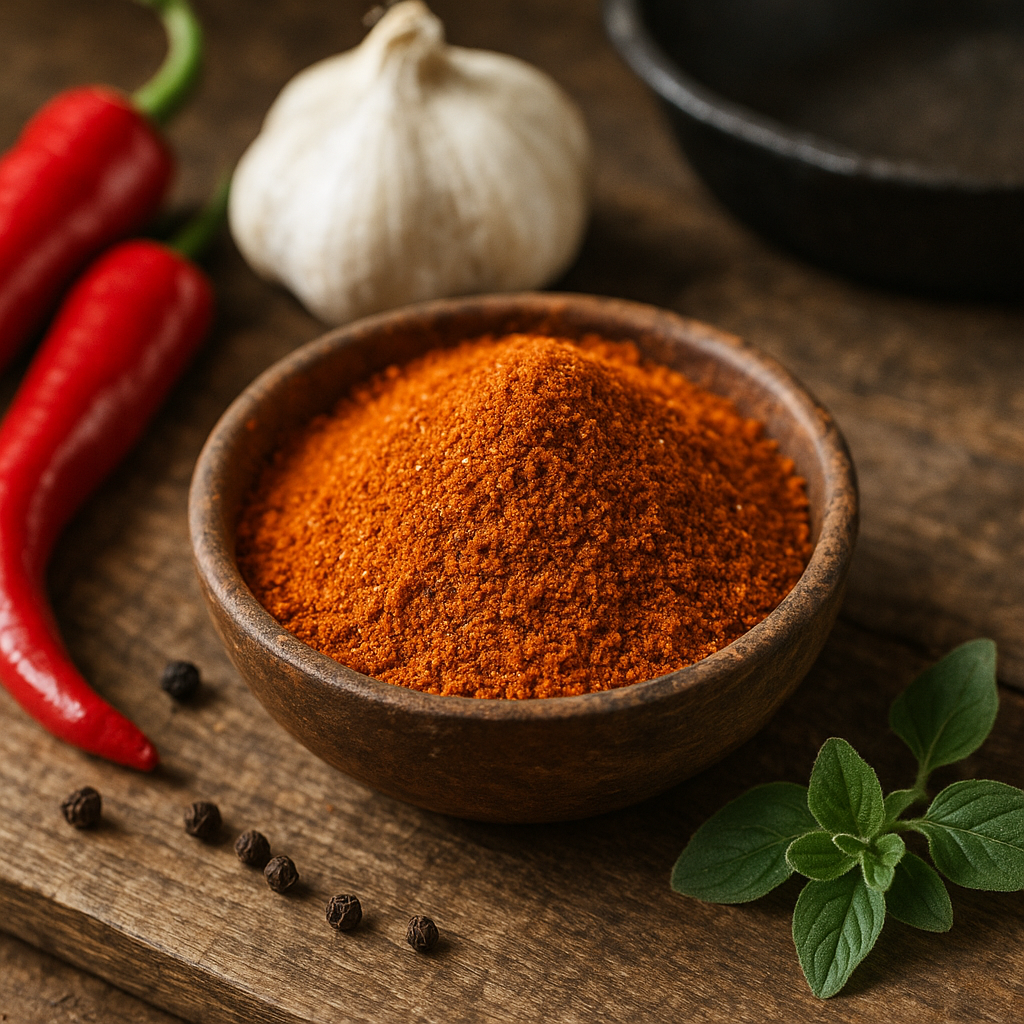
It’s interesting how Cajun spice seasoning came from such humble beginnings — no fancy imports, just everyday ingredients like paprika, garlic powder, onion powder, black pepper, and cayenne. It's spicy, but not burn-your-mouth (unless you want it to be).
What Is Cajun Spice Made Of?
Core Ingredients in a Cajun Spice Blend
So, let’s break down what is in a Cajun spice mix, exactly?
Most Cajun spice blends have a few key players:
-
Paprika (often smoked)
-
Garlic powder
-
Onion powder
-
Black pepper
-
White pepper
-
Cayenne pepper
-
Oregano
-
Thyme
These are the classics. Some blends also sneak in salt, dried basil, or even a pinch of sugar to round it out. The balance between the herbs and the heat is what gives Cajun spice its signature kick.
What Makes Cajun Seasoning Spicy and Smoky
The spice mostly comes from cayenne, while smoked paprika or chipotle powder adds that deep, woodsy smokiness. Not all blends are created equal though — some store-bought ones are mild, while others might set your tongue on fire. Just depends on who’s blending it and what the intended use is.
And hey, if you’re wondering what is Cajun spice blend good for — it’s not just for meats. But we’ll get to that in a sec.
Store-Bought vs Homemade Cajun Spice Mix
Here’s the thing: store-bought Cajun spice mixes are super convenient, but they’re not always consistent. Some are too salty, others skimp on herbs. Making your own at home gives you control. Want it hotter? Add more cayenne. Want it smoky but mild? Easy — just tweak the paprika.
Also, no weird fillers or anti-caking stuff. Homemade always hits better.
What Is Cajun Spice Used For?
Common Dishes That Use Cajun Seasoning
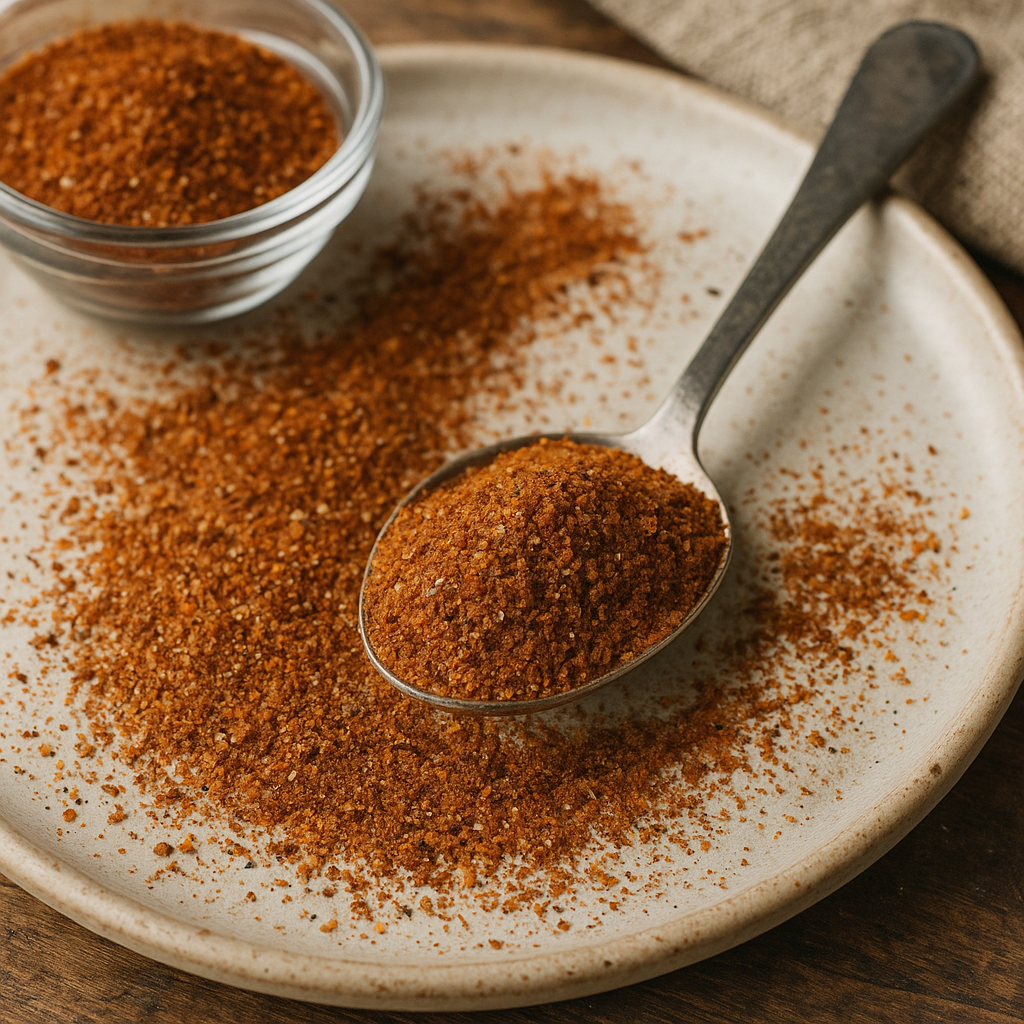
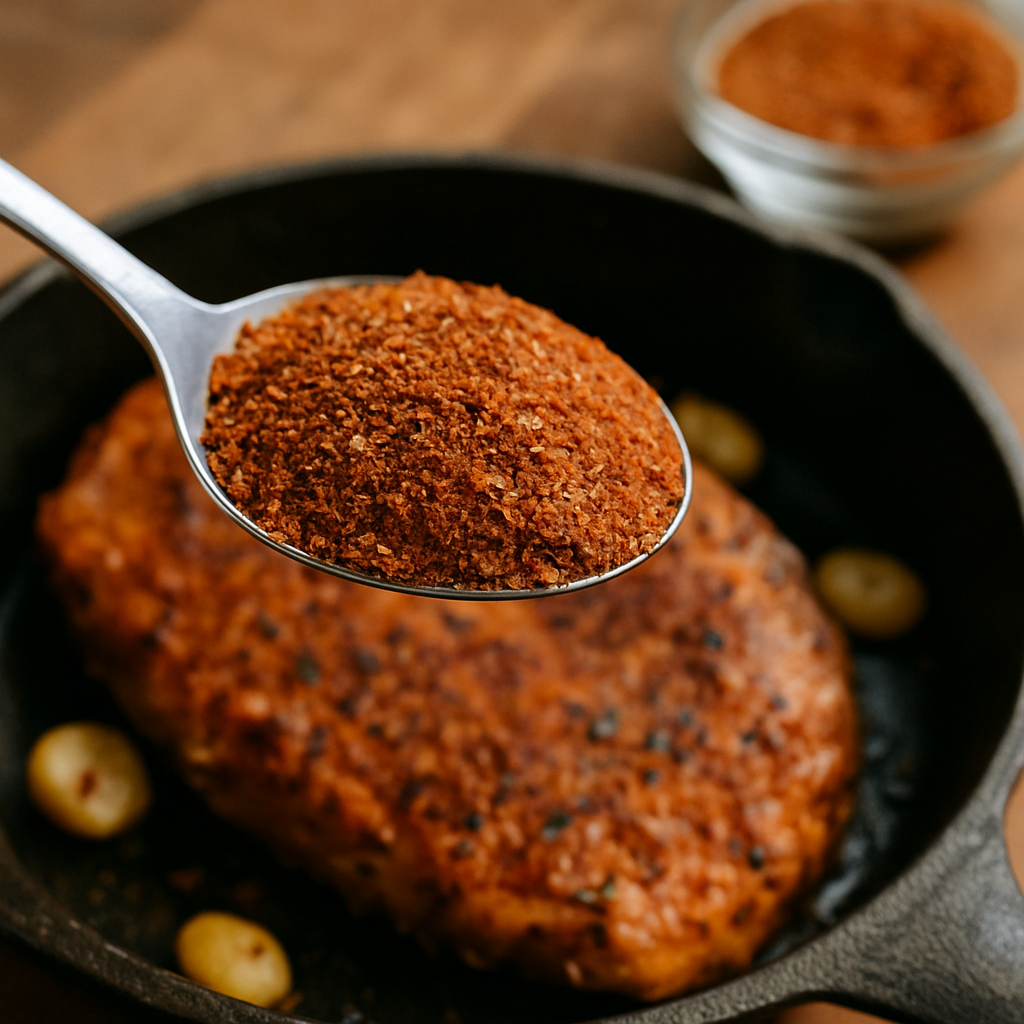
Cajun seasoning is kind of like that friend who gets along with everybody — it fits into tons of dishes and always adds something special. One of the most iconic ways it shows up? Blackened dishes. Think blackened chicken, blackened shrimp, or even blackened tofu if you're going meatless. The spice blend is rubbed onto the surface and then seared in a hot skillet until it forms a tasty crust. Firey, crispy, and packed with flavor.
Jambalaya, gumbo, and étouffée are also prime examples of dishes that owe their punch to Cajun spice. But don't stop there. It can go in:
-
Roasted vegetables
-
Popcorn (seriously—try it)
-
French fries
-
Mac and cheese (yes, really)
-
Eggs and breakfast potatoes
-
Even cocktails — spicy Cajun rim on a Bloody Mary? Yes please.
You get the idea. Once you start using it, you’ll kinda wonder how you cooked without it.
How to Use Cajun Spice in Everyday Cooking
If you’re just starting out, sprinkle Cajun seasoning on roasted chicken or toss it with shrimp before grilling. It also mixes beautifully into rice dishes, stews, or pasta. Pro tip: Add it to breadcrumbs when making fried foods for an extra layer of flavor. Game changer.
Because the blend contains a mix of both spicy and earthy herbs, it's super flexible. A little goes a long way, though. Especially if the mix is heavy on the cayenne. Start with a small amount — like 1/2 tsp — and build from there.
Oh! One more thing — be careful about layering it with other salty ingredients. Some Cajun spice blends already contain salt, so you don’t want to end up with a sodium bomb. Not cute.
Cajun Seasoning Health Benefits and Considerations
Spices in Cajun Blend That Support Digestion
You might be surprised to learn that many of the ingredients in Cajun spice seasoning actually offer health perks. For instance:
-
Cayenne pepper can boost metabolism and support digestion
-
Garlic and onion powder contain antioxidants and antimicrobial properties
-
Oregano and thyme are anti-inflammatory and can support immune function
So yes, it’s tasty — but it’s not just empty flavor. There’s a little wellness in every pinch.
When to Limit Use
That said, not all Cajun spice is created equal. Some commercial blends are packed with salt, preservatives, or artificial flavors. If you’ve got high blood pressure or other dietary restrictions, read those labels carefully. Or better yet, make your own so you know exactly what's going in.
And if your stomach’s sensitive to spicy foods (hi, fellow heartburn folks), go easy on the cayenne. Your taste buds will thank you, and so will your insides.
Also, a small but real issue: it can stain. White shirts + Cajun seasoning = laundry regret.
How to Make a Milder Ayurvedic-Friendly Version
Looking for a gentler version of Cajun spice mix? Try this Ayurvedic-friendly adaptation:
-
Use sweet paprika instead of smoked
-
Swap cayenne for a tiny pinch of black pepper or turmeric
-
Go lighter on garlic and onion powders
-
Add fennel seed for digestive balance
It won’t have the same fire, but you’ll still get that complex herbal warmth. Perfect for sensitive systems or family-friendly meals.
Conclusion
So, what is Cajun spice, really? It’s more than just a seasoning — it’s a cultural expression, a flavor bomb, and a tool that can completely transform a boring dinner into something you actually want to tell your friends about. From its humble Cajun spice origin in Louisiana’s bayous to kitchens across the world, this bold blend continues to deliver heat, heart, and history.
We’ve covered a lot here: the meaning of Cajun spice, what it’s made of, how to use it, even how to tweak it for health or gentler palates. Whether you’re buying it at the store, mixing your own, or just experimenting with it for the first time — there’s really no wrong way to Cajun.
If you're curious or newly inspired, try tossing some on roasted potatoes tonight. Or maybe go big and make your own blackened chicken pasta. Trust me, the flavor payoff is totally worth it.
Cooking should be fun, and Cajun spice? It’s basically flavor fun in a jar.
Don't wait or self medicate. Start chat with Doctor NOW
FAQs
What is in a Cajun spice mix?
Good question. A classic Cajun spice mix usually contains:
-
Paprika (often smoked for depth)
-
Garlic powder
-
Onion powder
-
Black pepper
-
White pepper
-
Cayenne pepper
-
Oregano
-
Thyme
Some versions also include salt, dried basil, and even a little sugar for balance. The beauty of Cajun blends is that they're flexible — so you can adjust depending on what you're cooking or how spicy you want it.
Want it salt-free? Easy. Want it extra-hot? Go heavier on the cayenne.
How spicy is Cajun spice compared to other blends?
Honestly? It depends. Some Cajun blends are pretty tame, while others come in hot — like, unexpectedly hot. If you're used to something mild like Italian seasoning or lemon pepper, Cajun spice might feel like a jump up on the heat scale.
But compared to ultra-hot blends like ghost pepper rubs or some Indian masalas? Cajun is more like a medium. It's got bite, but it's not going to ruin your dinner — unless you go wild with it (which, hey, we've all done once).
If you're spice-sensitive, try a small sprinkle first. Build the heat gradually instead of nuking your taste buds straight out the gate.
Bonus Tips for Using Cajun Spice
Here’s a few last-minute thoughts that didn’t quite fit earlier:
-
Mix Cajun seasoning with mayo or sour cream for an easy dip or sandwich spread.
-
Stir into softened butter and spread on corn-on-the-cob (chef’s kiss).
-
Use it as a dry rub on grilled corn, tofu, or fish.
-
Blend it into pancake batter for a savory brunch twist (okay, this one’s weird, but kinda works?!)
And just in case you missed it — keep a batch in a jar in your spice cabinet. Label it. Love it. Use it often.
Whether you were wondering what is Cajun seasoning out of curiosity or needed real cooking tips, I hope this helped. If you found this article useful or fun (or both?), please share it with a friend, bookmark it, or even make your own blend and tag it online. Because good food — and good flavor — should always be shared.
Feeling inspired? Try mixing your own Cajun spice blend this week and give your meals a flavorful twist.
Questions from users
Is it safe to use Cajun spice if I’m allergic to any of its common ingredients?
Mya
1 day ago
It's not safe to use Cajun spice if you're allergic to any of its ingredients. Many mixes have things like paprika, cayenne, garlic... I'd recommend checking ingredient list or making a custom mix that avoids whatever you're allergic to. Stay safe! 🧂✌️
Can I use Cajun spice in baking for a unique flavor twist?
Madison
10 days ago
Absolutely, you can use Cajun spice in baking for a unique twist! It's an interesting way to add a bit of heat and earthiness to things like savory muffins or even cornbread. Just keep in mind it’s quite strong, so maybe start with a smaller amount. If you're feeling adventurous, give it a try and see how it goes!
Can I use sweet paprika in place of smoked paprika for Cajun dishes?
Riley
20 days ago
Absolutely, you can use sweet paprika instead of smoked paprika. While it won't give that smoky flavor, it will still bring a nice, mild sweet taste. In Cajun dishes, it's more about the overall spice and warmth, so try balancing it out with the other spices. You can also add a little cayenne if you like it spicier! Enjoy experimenting!!
What are some creative ways to use Cajun spice in snacks or appetizers?
Samantha
29 days ago
You could sprinkle Cajun spice on popcorn or roasted nuts for a zesty snack. Try mixing it with cream cheese for a spicy dip or blend it with olive oil and toss on veggies before roasting. Even a pinch in a deviled eggs mix amps things up! Just be careful with salt if your Cajun mix already has a lot.
What are the key flavor components that make Cajun spice unique?
Brooklyn
39 days ago
Ah, Cajun spice is such an adventure for your taste buds! The key flavors that make it unique are the heat from cayenne pepper and the smoky depth from smoked paprika or chipotle powder. You also often get that herbal kick from things like thyme, oregano, and garlic. It’s a wild blend of spicy, smoky, and a bit herby. So fun!
What is Cajun spice blend typically used for besides seasoning meat?
Madison
48 days ago
Cajun spice isn't just great for meats! You can use it to jazz up all sorts of dishes. Try it on roasted veggies, sprinkle over popcorn for a spicy kick, or even mix with olive oil for a zesty salad dressing. It’s also awesome in soups and stews to add depth. Just remember, a little can go a long way!
How can I make a Cajun-inspired sauce using Cajun spice?
Lindsey
58 days ago
To whip up a Cajun-inspired sauce, start with your Cajun spice blend as the base, then add some garlic, onion, and maybe a bit of tomato paste. Blend in some olive oil and lemon juice for smoothness and a tad tang. If you like it creamy, you can mix in sour cream or mayo. It's pretty flexible, so feel free to play around with what you like!
Is it safe to use Cajun spice if I have a sensitive stomach?
Benjamin
68 days ago
If you have a sensitive stomach, it's best to be mindful with Cajun spice. It can be quite spicy and sometimes salty, which might not sit well with delicate digestion. You could try making a homemade version and control the spices, starting with mild ones like garlic or paprika. Listen to your body – see what works!
What is the history and cultural significance of Cajun seasoning in Louisiana cuisine?
Ella
77 days ago
The history of Cajun seasoning comes from French-speaking Acadians who settled in Louisiana. It's a blend of influences from French, Spanish, and African spices. It’s culturally significant as it reflects the region's rich culinary evolution, emphasizing bold flavors and communal cooking. Think of it as capturing the spirit and warmth of Louisiana's diverse heritage!
What are some regional differences in Cajun spice blends across Louisiana?
Patrick
154 days ago
Cajun spice blends in Louisiana can be as varied as the regions themselves! For example, central Louisiana versions might lean heavy on cayenne for more heat, while coastal areas often have a bit more of the smokey and earthy tones from paprika. Some northern regions add extra herbs like thyme or bay leaf to go along with the heat. It's all about how locals adapt to their environment and tradition. If you're exploring different regions, maybe try small batches to see how the flavors dance together!
Related articles

Nutrition
What Is Idiyappam? Traditional Recipe, Benefits, and How to Eat It
What is Idiyappam? Learn how to make this traditional South Indian dish, its health benefits, ingredients, calories, and best ways to enjoy it with coconut milk
12,801

Nutrition
Can We Eat Chicken and Curd Together? Here's What Ayurveda Really Thinks
The question — can we eat chicken and curd together? — is more than just a quirky kitchen debate. It actually dives deep into ancient Ayurvedic wisdom that still quietly governs many of our health decisions (even if we don’t realize it). Unlike modern nut
17,470

Nutrition
Chyawanprash Benefits: What This Ancient Tonic Does for Your Body
Explore the full range of chyawanprash benefits for men, women, and kids. Learn about its Ayurvedic ingredients, uses, and when to eat chyawanprash
7,033

Nutrition
How to Consume Sunflower Seeds: Ayurvedic Guide to Eating Them Daily and Safely
How to consume sunflower seeds? Learn how much to eat daily, the best way to eat them, whether to eat raw or roasted, and when to consume sunflower seeds
10,393

Nutrition
Salphos Tablet
Exploration of Salphos Tablet
3,154

Nutrition
Jeerakarishtam Benefits – Natural Ayurvedic Digestive Tonic & Rejuvenator
Discover the jeerakarishtam benefits, a traditional Ayurvedic digestive tonic that enhances digestion, relieves flatulence, boosts metabolism, and promotes overall well-being through natural, rejuvenative properties.
4,809

Nutrition
Is Black Coffee Good for Health? Benefits, Risks, and Ayurvedic View
Is black coffee good for health? Discover benefits, risks, how much black coffee is healthy, and if drinking it in the morning on an empty stomach is advised
3,091

Nutrition
Phalkalyan Ghrita Uses – Versatile Benefits of Herbal Ghee
Explore the benefits and uses of Phalkalyan Ghrita. Learn how this potent Ayurvedic formulation supports health, wellness, and healing through traditional wisdom.
4,111

Nutrition
Can We Drink Coconut Water at Night? Ayurvedic Perspective and Benefits
Can we drink coconut water at night? Discover if it’s good to drink coconut water before sleep, its Ayurvedic view, and best time to drink it
22,092
Nutrition
Vidaryadi Ghritam Uses and Health Benefits in Ayurveda
Learn about the Ayurvedic formulation Vidaryadi Ghritam, its traditional uses, clinical relevance, and benefits for fertility, immunity, and strength.
3,039
Related questions on the topic
Legal
Additional Documents
© 2024 Ask Ayurveda. All rights reserved.