FREE! Ask Ayurvedic Doctors 24/7

 Fast responses
 1000+ verified doctors
What Is Manjistha? Ayurvedic Herb for Skin, Blood, and Detox

If you've been poking around natural wellness circles or diving deep into Ayurveda, you may have come across this vibrant red herb called manjistha. So, what is manjistha exactly? And why is everyone suddenly raving about it? Well, whether you're battling skin breakouts, looking to support your liver, or just trying to give your lymphatic system some love, manjistha might be the herb you didn’t know you needed.
Manjistha has been used for centuries, mostly in traditional Indian medicine, but now it's gaining popularity worldwide for its purifying and restorative properties. The benefits of manjistha extend from glowing skin to a happier gut, with plenty of anecdotal and emerging scientific support. Manjistha powder uses are wide-ranging — you can drink it, apply it, even mix it into a face pack. Sounds magical, but we’ll break it down into facts, not fluff.
So if you’re wondering things like what is manjistha powder used for or what is manjistha used for, you’re in the right place. This guide covers it all — from manjistha meaning and history to practical ways to use manjistha oil and powder today.
What Is Manjistha in Ayurveda?
Manjistha Meaning and Botanical Overview
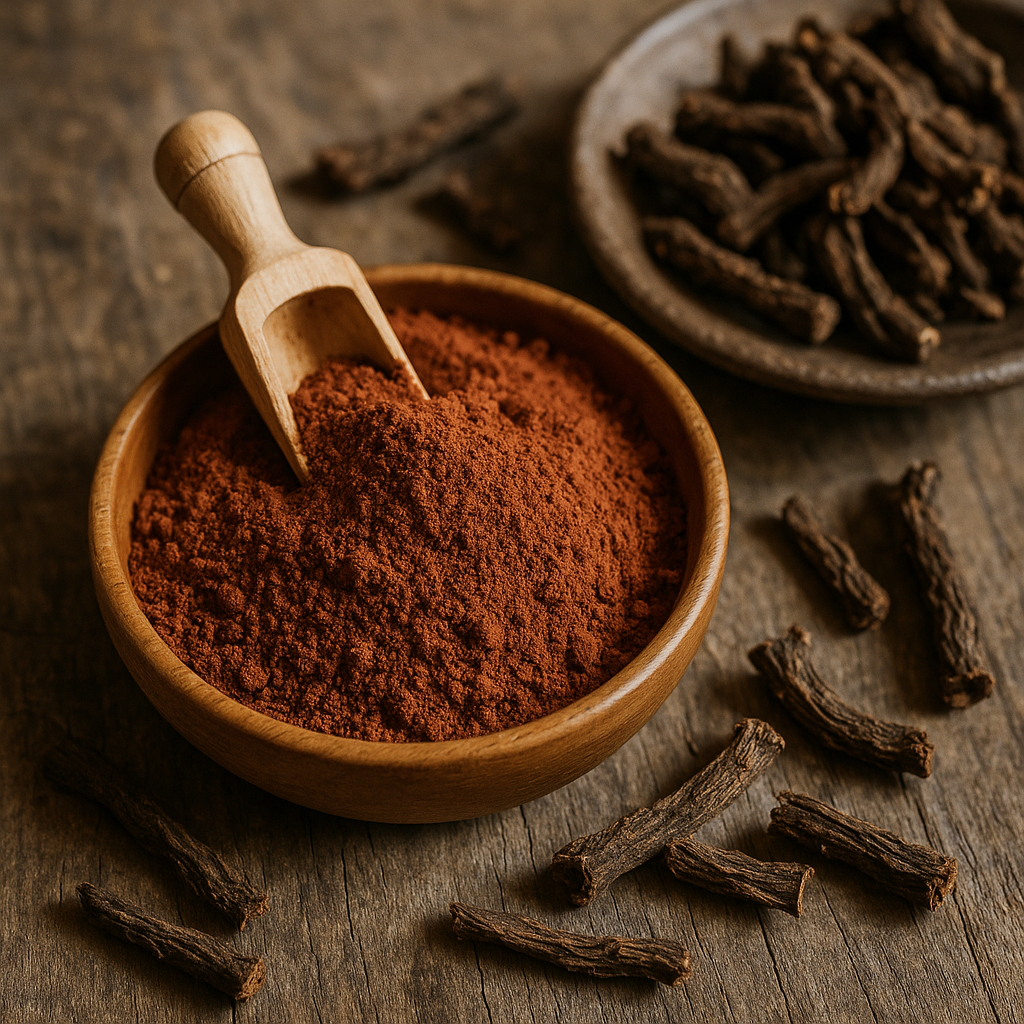
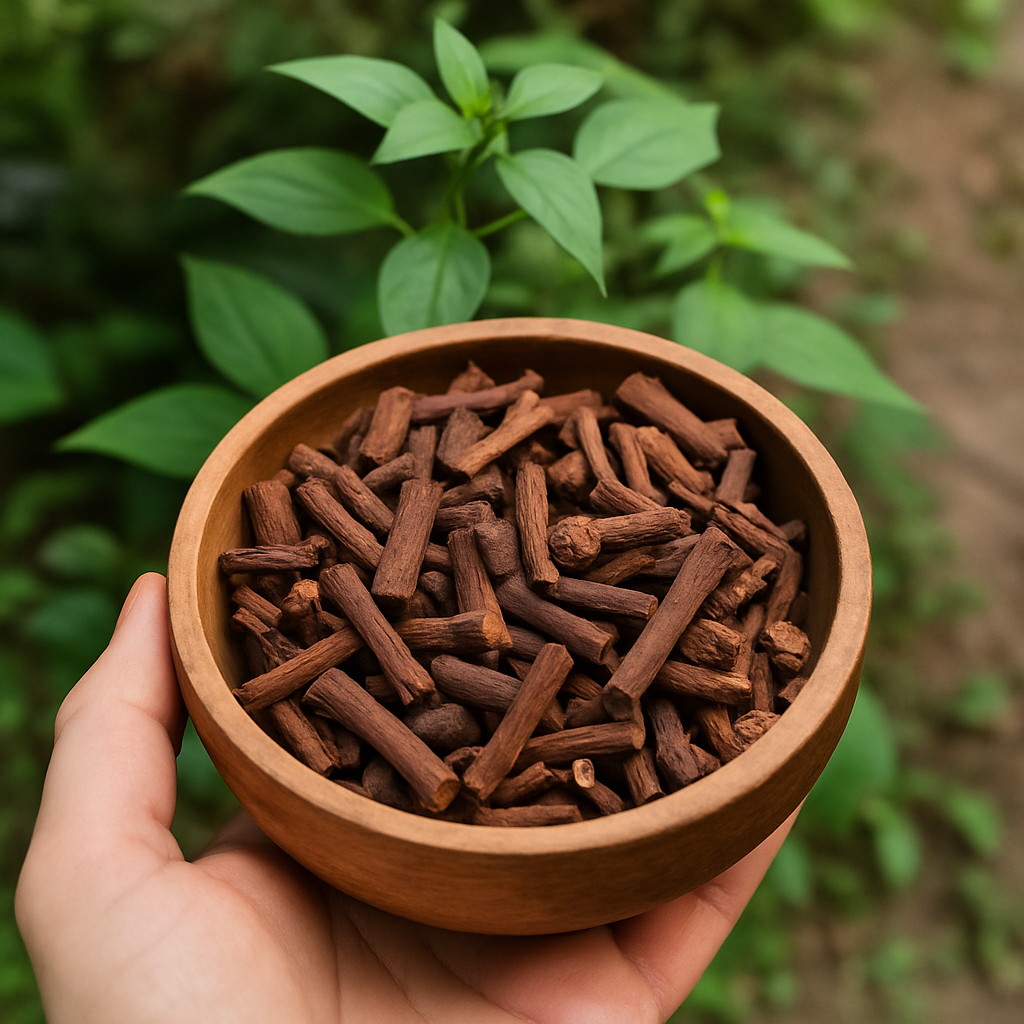
The word manjistha literally means "bright red" or "colored" in Sanskrit, referring to the root's deep red hue. Botanically, it's known as Rubia cordifolia, a climbing plant found in the Himalayan region and other parts of Asia. It's part of the coffee family (yeah, not what you'd expect!) and the roots are the most commonly used part in Ayurvedic medicine.
So when you ask, what is manjistha powder, it's basically the dried and ground root of this plant. Simple, but super potent.
Traditional Role of Manjistha in Ayurvedic Texts
In classical Ayurvedic literature, manjistha is hailed as one of the best herbs for blood purification. It's classified as a Rakta Shodhaka — which literally means "blood cleanser." Traditionally, it's used to balance the Pitta and Kapha doshas, and sometimes even Vata, depending on the formulation.
You’ll find manjistha mentioned in texts like the Charaka Samhita and Sushruta Samhita, especially in contexts dealing with skin issues, inflammation, and detoxification. It was often prescribed in combinations — never solo — to enhance its effect and reduce any harshness.
But, okay, let’s be honest — these ancient scripts are amazing but not always easy to interpret. Luckily, modern Ayurvedic practitioners have made it more accessible with manjistha capsules, teas, powders, and oils you can use without decoding Sanskrit verses. 🙃
Manjistha Benefits for Health and Skin
Manjistha in Blood Purification and Detoxification
Now here’s where it gets really interesting. The primary benefits of manjistha revolve around its ability to cleanse the blood. Think of it as a gentle internal scrub — helping flush out toxins, improve circulation, and support organs involved in detox like the liver and kidneys.
That’s why you’ll see it in detox teas, supplements, and even in some liver health formulas. It’s not a magic cure, no herb is, but manjistha benefits do seem to show up consistently in people who take it regularly (with proper guidance, of course). Detox doesn’t have to mean green juices only, right?
Oh and quick sidenote: If you’re wondering what is the use of manjistha powder in detox regimens — many people simply mix it with warm water or honey, though the taste is, uh, earthy at best.
Manjistha Benefits for Skin Conditions and Glow
This is the reason many folks — especially in the natural beauty scene — love manjistha: it’s amazing for the skin. Acne, eczema, dullness, pigmentation… you name it, and someone has probably tried manjistha on it.
Why? Because clear blood = clear skin, according to Ayurveda. It helps reduce inflammation, combat bacterial activity, and balance skin tone. Manjistha powder uses often include face masks combined with rose water, turmeric, or aloe vera. Yes, it can stain (a lot!), but that glow? Worth it.
Manjistha for Liver, Lymph, and Immune Support
We’ve talked about how manjistha benefits skin and blood, but the real beauty of this herb lies deeper — in its ability to support the body’s internal “cleaning crew.” That includes the liver, lymphatic system, and, yep, your immune response.
Manjistha is considered a hepatoprotective herb, meaning it helps protect and support liver function. In Ayurveda, the liver is a key site of Pitta energy — responsible for digestion, transformation, and detox. When the liver's overburdened (which happens more than we think), signs show up on the skin, in your mood, even digestion. This is where manjistha steps in — it helps break down toxins (ama), promotes bile flow, and clears the metabolic gunk that slows us down.
But that’s not all.
The lymphatic system — often overlooked but crucial — is another area where manjistha shines. A sluggish lymph system can mean swelling, acne, fatigue, and poor immunity. Manjistha is believed to improve lymph flow, clear stagnation, and basically keep your body’s drainage system unclogged. Kind of like Ayurvedic Draino, but obviously much tastier (ok not really).
Studies are still catching up, but there’s early research pointing to anti-inflammatory, antimicrobial, and antioxidant activity. Which makes sense, right? Traditional knowledge often knew what science is just catching up to.
How to Use Manjistha Powder and Oil
Alright, so now that we know the what — let’s talk about the how. The ways to use manjistha depend on your goals: are you looking for internal detox? Clearer skin? Immune support? There’s more than one method.
Internal Use: Capsules, Decoction, and Churna
Manjistha is most commonly taken internally as either:
-
Churna (powder): You mix it with warm water, ghee, or honey and drink it once or twice a day. Some folks add a bit of turmeric or trikatu for enhanced effect. (Just fair warning: the taste is, uh, “medicinal.”)
-
Capsules or tablets: These are great if you want the benefits but not the taste. Most brands offer manjistha supplements that deliver around 500–1000 mg per dose.
-
Decoction: This involves boiling the root or powder in water and reducing it. Time-consuming? Yes. Traditional? Absolutely. Effective? Many say so.
When wondering what is manjistha used for, this internal approach is typically favored for long-term detox, blood purification, and liver/lymph support.
External Use: Manjistha Powder for Skin Masks
Now for the fun part — skincare!
Manjistha powder uses for skin are legendary in Ayurvedic beauty routines. The powder can be mixed with:
-
Rose water (for dry or sensitive skin)
-
Aloe vera gel (for inflammation)
-
Honey (for acne-prone skin)
-
A pinch of turmeric (for brightening)
Leave it on as a face mask for 10–15 minutes. It might tingle a little — that’s normal. But, as always, do a patch test first! Also, fair warning: it stains like crazy, so don’t wear your favorite shirt while applying.
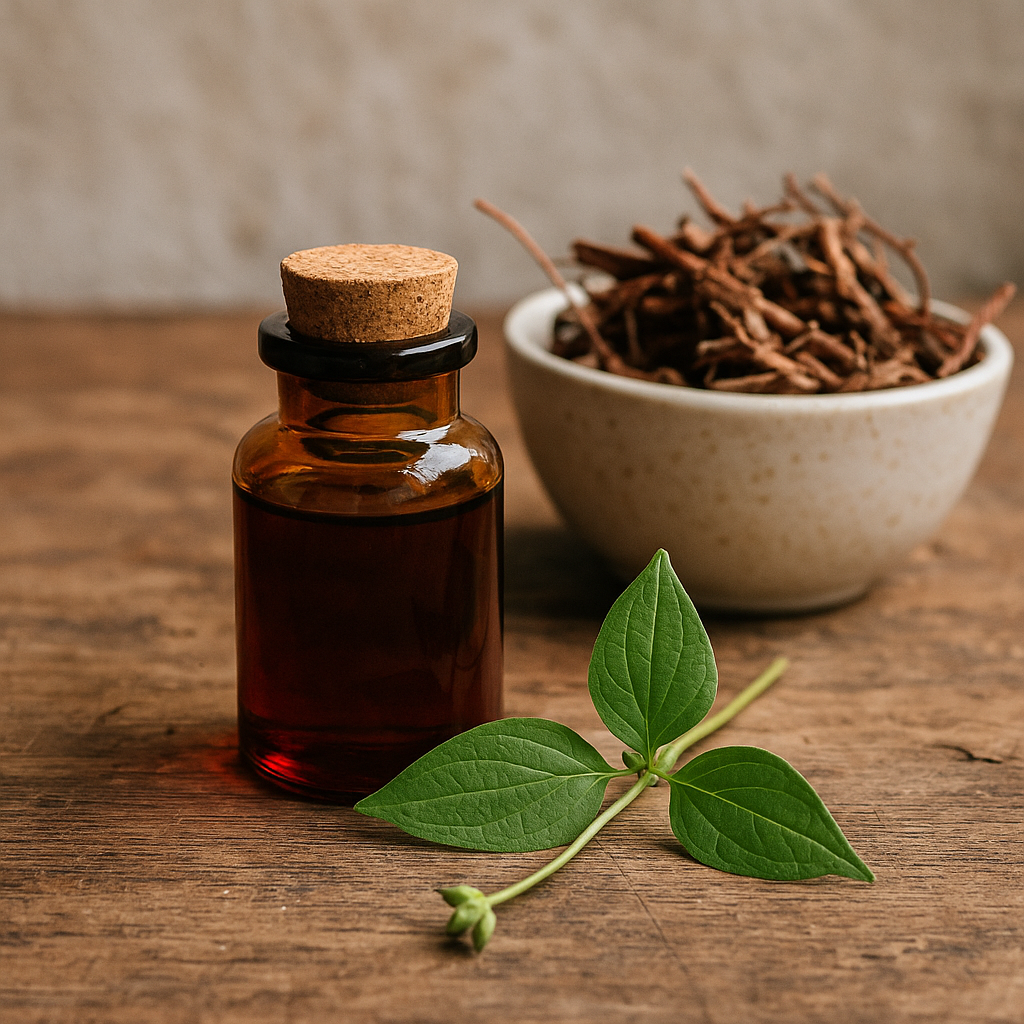
For those who don’t want to mess with powders, there’s manjistha oil — usually a base oil like sesame or coconut infused with the herb. It’s used for lymphatic massage (also called Abhyanga), face application, or even scalp health in some traditions.
That said, not all skin types tolerate it. Listen to your body. Or, if you’re like me and you forgot to, at least don’t do it right before a big date 😅
Manjistha in Daily Ayurvedic Wellness
When to Use Manjistha and Who Should Avoid It
Using manjistha daily isn't necessary for everyone. It's a powerful herb — and in Ayurveda, powerful doesn’t always mean “take it every day forever.” So, when should you use it?
-
If you’re dealing with acne, chronic inflammation, PMS-related skin flare-ups, or sluggish digestion — manjistha might be your new BFF.
-
Going through seasonal changes or a detox protocol? This is a good time to bring it in.
-
If you're feeling mentally “foggy” or physically bloated — especially if you're also seeing skin dullness — again, manjistha could help clear that out.
However, pregnant or breastfeeding women should avoid it unless advised by a trained practitioner. Same goes for people on blood-thinners or meds for liver issues — manjistha interacts with metabolic pathways, and while that's part of what makes it effective, it also means you’ve gotta be mindful.
Also, if your digestion is already super weak (manda agni), taking bitter herbs like manjistha without balancing them may cause discomfort or loose stools. So yeah... moderation and balance matter.
Dosha Considerations and Usage Duration
Like any Ayurvedic herb, dosha plays a role in how manjistha acts on your body. Here’s a quick breakdown:
-
Pitta types (prone to heat, inflammation, acne): Usually benefit the most from manjistha. It cools and purifies.
-
Kapha types (heavier build, slow digestion): Benefit too, especially when combined with warming herbs like ginger or black pepper.
-
Vata types (dry, cold, irregular): May need to take manjistha with a bit of ghee or warming spices to avoid imbalance.
Usage duration? Typically 4–6 weeks for detox goals, but shorter or longer depending on your needs. Always pause and assess. Ayurvedic herbs are not meant to be background noise — they’re more like conscious allies.
Combining Manjistha with Other Herbs for Synergy
So here’s a secret: manjistha works even better when paired with friends.
-
For liver health, combine it with kutki or bhumyamalaki
-
For skin, mix it with neem or turmeric
-
For lymph support, use alongside guggulu or triphala
These combos enhance bioavailability and balance any potential side effects. That’s how classical Ayurveda does it — synergy, not solo acts.
And pro tip: when buying manjistha powder, make sure it's organic and sourced responsibly. The root is where the magic lives, not the leaves or stem.
Conclusion
So, what is manjistha? It’s a deeply respected, vibrantly red herb that Ayurvedic texts have praised for thousands of years — and for good reason. Whether you’re looking to cleanse your blood, clear your skin, support your liver, or just feel a bit more “you,” manjistha could be worth exploring.
From manjistha powder uses in your morning drink to manjistha oil for a relaxing lymphatic massage, this herb fits beautifully into a modern wellness routine — no matter where you’re starting from.
Just remember: start slow, listen to your body, and when in doubt, ask a qualified practitioner. Ayurveda isn't one-size-fits-all, and manjistha, while incredible, works best when used mindfully.
Ready to try it? Grab some organic manjistha powder, whip up a DIY mask, or sip on a detox blend — and let your body do the rest.
FAQs
Can I apply manjistha directly to my face?
Yes! Manjistha powder can be mixed with rose water, aloe, or honey and used as a face mask. Just do a patch test first — it stains and may tingle slightly, especially if your skin’s sensitive.
What are the main benefits of manjistha for skin and blood?
It supports clearer, more radiant skin by purifying the blood and reducing inflammation. It also boosts lymph flow, supports detox, and may help with acne, pigmentation, and eczema.
How do I take manjistha for detoxification?
You can take it as a powder (churna) with warm water, in capsule form, or as a decoction. For deep detox, combine it with triphala or turmeric — but always consult a practitioner if you’re unsure.
Ask Ayurvedic doctor a question and get a consultation online on the problem of your concern in a free or paid mode.
More than 2,000 experienced doctors work and wait for your questions on our site and help users to solve their health problems every day.
Related articles