Ask Ayurvedic doctor a question and get a consultation online on the problem of your concern in a free or paid mode. More than 2,000 experienced doctors work and wait for your questions on our site and help users to solve their health problems every day.
FREE! Ask Ayurvedic Doctors 24/7

 Fast responses
 1000+ verified doctors
Body DetoxEar, Nose, and Throat DisordersGeriatrics & RejuvenationImmunodeficiencyInfertility TreatmentNutritionOrthopedic DisordersPediatricsRespiratory DisordersSexually Transmitted Diseases (STDs)Surgery RecoveryUrological DisordersVascular DisordersDental DisordersEndocrinological DisordersGastrointestinal DisordersYoga TherapyGeneral MedicineAllergic DisordersCardio DisordersGynecology and ObstetricsCosmetologySkin and Hair DisordersEye DisordersInfectious DiseasesMental DisordersNeurological DisordersOncologyPanchakarmaSexual Health & DisordersSports Medicine
Published on 06/30/25
(Updated on 07/09/26)
star_border 5
5,033
What Is Red Sandalwood Used For: Ayurvedic Benefits and Applications

Ever wondered what is red sandalwood used for beyond just being a fancy name in herbal stores? Turns out, this ancient ingredient has some serious street cred in the world of Ayurveda, beauty care, and holistic healing. Whether you're looking to clear up stubborn skin issues, improve your overall wellness, or just curious about red sandalwood benefits, you're in the right place.
This vibrant red-hued wood has been treasured for centuries—not just in India, but globally. From being ground into a fine powder for skincare to being brewed in decoctions for detox, red sandalwood has quietly carved out a spot in traditional medicine cabinets. But what makes it so special? And more importantly, how can you use it? This guide will walk you through the red sandalwood uses that matter most—plus some DIY tips, warnings, and FAQs you’ll want to stick around for.
What Is Red Sandalwood and How It Differs from White
Botanical Profile and Origins
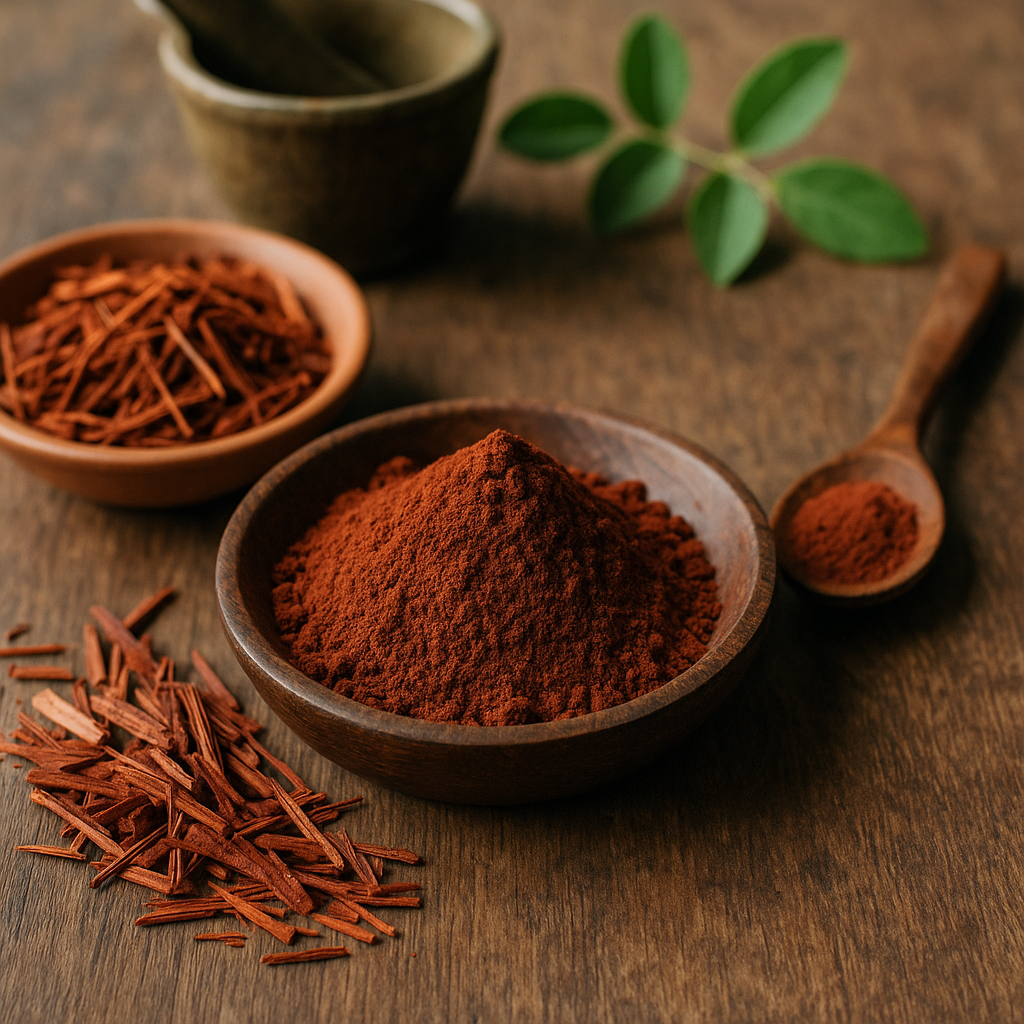
Let’s get one thing straight—red sandalwood is not the same as the fragrant white sandalwood you might already know. Known botanically as Pterocarpus santalinus, red sandalwood is native to southern India, particularly the Seshachalam hills of Andhra Pradesh. It’s a slow-growing tree with deep reddish heartwood that gives it both its name and value.
Unlike white sandalwood, which is loved for its aroma, red sandalwood has almost no scent. Instead, it's prized for its medicinal properties, vibrant pigment, and healing effects. In fact, red sandalwood is used for both external and internal treatments in traditional practices.
Red Sandalwood in Ayurvedic Texts
In Ayurveda, red sandalwood (known as Rakta Chandana) has been referenced in classic texts like the Charaka Samhita and Sushruta Samhita. It’s said to possess cooling, antiseptic, and anti-inflammatory properties, making it a go-to for treating anything from skin eruptions to digestive problems.
It’s classified as Sheetala (cooling) and Rakta-Pittahara (blood-purifying and Pitta-dosha balancing). That’s a fancy way of saying it helps detoxify the blood and cool down inflammation—two things most of us could probably use a bit more of in today’s stressed-out world, right?
Red Sandalwood Benefits for Health and Wellness
While skincare tends to hog the spotlight, the uses of red sandalwood extend far beyond beauty. Internally, it’s used in Ayurvedic medicine to support liver function, improve digestion, and treat fever, especially those associated with high Pitta imbalances.
Because it’s a natural blood purifier, red sandalwood can also help with ailments linked to toxins in the bloodstream—things like chronic skin issues, joint pain, and even some respiratory troubles. However, it's not usually taken raw or in large doses—it’s carefully processed into decoctions or powders by herbalists.
That said, always consult a healthcare professional or Ayurvedic expert before using it internally. Some people might be allergic or simply not suited to its intense properties. Just ‘cause it’s natural doesn't mean it’s for everyone, you know?
Red Sandalwood Uses for Skin and Face
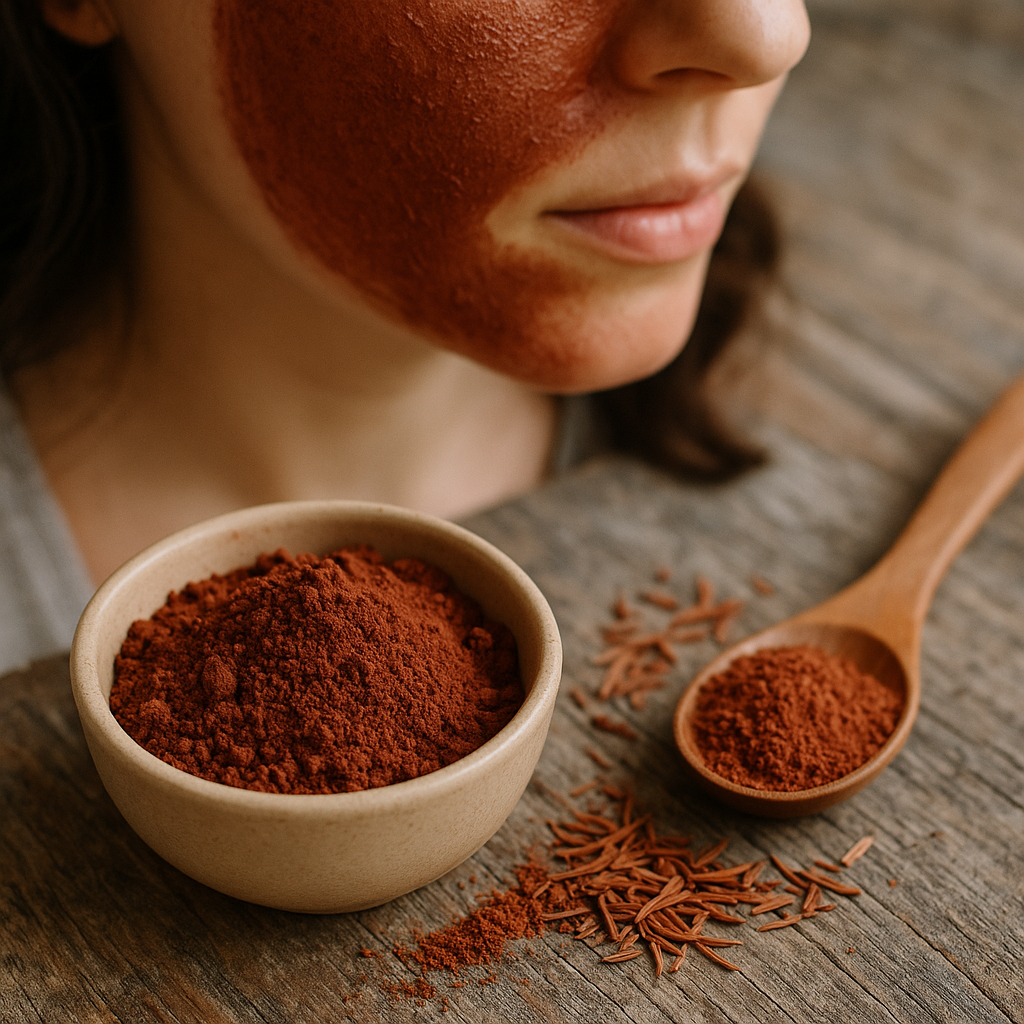
When it comes to natural skincare remedies, red sandalwood is a bit of a hidden gem. While turmeric and aloe often steal the limelight, red sandalwood for face treatments can offer some seriously impressive results—if you know how to use it right. Whether you’re dealing with breakouts, dull skin, or stubborn pigmentation, the red sandalwood uses for skin go deeper than you might think.
Red Sandalwood for Acne, Scars, and Blemishes
One of the biggest reasons people turn to red sandalwood is to tackle acne—and not just the occasional pimple, but the full-blown, confidence-shaking kind. Thanks to its antibacterial and anti-inflammatory properties, red sandalwood powder helps reduce breakouts by calming irritated skin and controlling excess oil (hello, sebum!).
Plus, its cooling nature helps reduce redness and swelling. So if you’ve been overdoing it with chemical-based products, red sandalwood might just be the reset your skin needs.
Another cool thing? Over time, consistent use can help fade acne scars and blemishes. While it won’t give you overnight miracles—let’s be honest, what really does?—you’ll likely notice a brighter, more even skin tone after a few weeks of use.
How to Use Red Sandalwood for Skin Whitening
This one’s a little controversial, so let’s be clear: “skin whitening” here doesn’t mean changing your natural skin color. Instead, it refers to reducing hyperpigmentation, dark spots, and sun damage to give you a more even and radiant complexion.
Here’s how to use red sandalwood for skin whitening naturally:
-
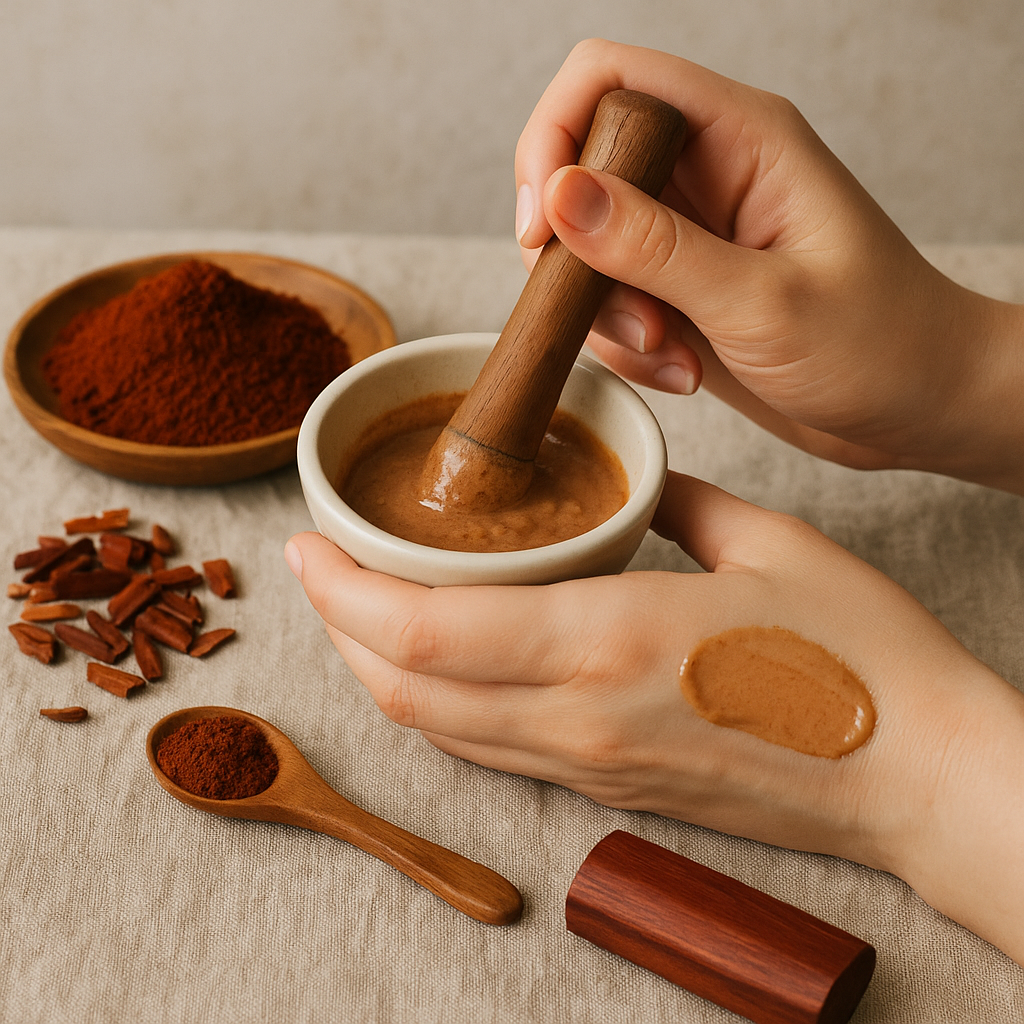
Mix 1 tsp of red sandalwood powder with 1 tbsp of raw milk or rose water.
-
Apply it evenly on clean skin.
-
Let it sit for 15–20 minutes.
-
Rinse with lukewarm water and gently pat dry.
Do this 2–3 times a week. It’s gentle enough for most skin types, but do a patch test first—because irritation is not a vibe.
Note: There’s a lot of misinformation out there about "whitening." The real benefit of red sandalwood use lies in its ability to give your skin a natural glow by reducing dullness, inflammation, and uneven tone—not in altering your inherent beauty. That part's already perfect!
Popular Red Sandalwood Face Masks and DIY Recipes
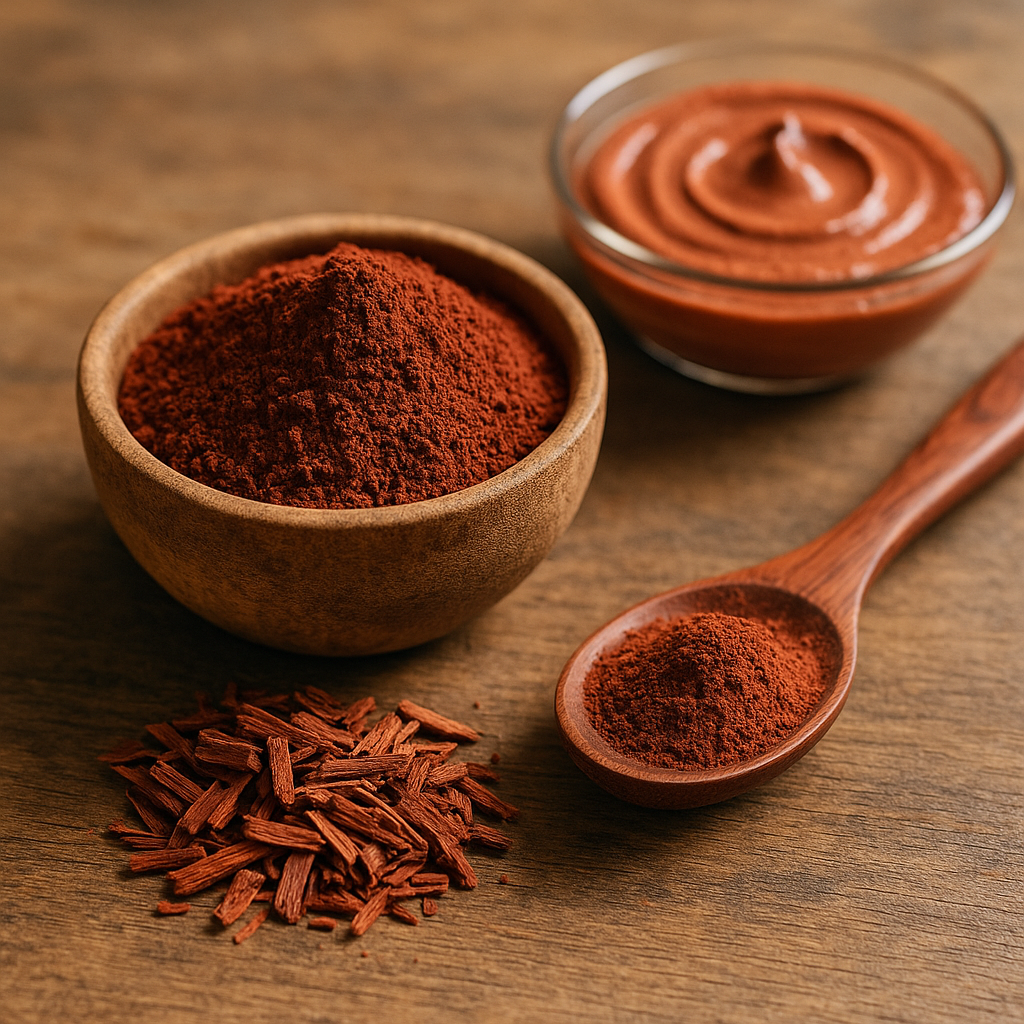
If you’re into DIY skincare (and honestly, who isn’t these days?), there are tons of easy, effective red sandalwood face mask recipes you can try at home. Here are a few reader faves:
1. Red Sandalwood + Turmeric Mask (for brightening):
Mix 1 tsp red sandalwood powder, ½ tsp turmeric, and a splash of milk. Great for reducing dark spots and refreshing tired skin.
2. Red Sandalwood + Honey (for acne):
Combine red sandalwood powder with raw honey to soothe breakouts and heal inflammation. Bonus: It smells amazing.
3. Red Sandalwood + Aloe Vera (for sensitive skin):
Gentle and cooling. Helps calm irritation, especially if you’ve been out in the sun too long.
Remember—consistency is key. One mask won’t change your skin overnight, but a routine that includes red sandalwood uses for face can really boost your skincare game over time.
How to Use Red Sandalwood Powder Effectively
Alright, so you've got your red sandalwood powder—now what? The versatility of this stuff is actually kinda wild. Whether you’re mixing it into face masks, body packs, or even herbal teas (yes, really), knowing the right way to use red sandalwood can make all the difference.
First up, always go for pure, organic red sandalwood powder. A lot of stuff out there is adulterated or mixed with fillers. The powder should be a rich, reddish-brown and feel slightly gritty, not silky smooth (weird, but true). That’s how you know it’s the real deal.
Here are a few general use tips:
-
Store it in an airtight container away from moisture.
-
Don’t use metal bowls when mixing—it can react with some of the herbal properties.
-
For dry skin, combine with hydrating ingredients like honey or yogurt.
-
For oily or acne-prone skin, stick with rose water or aloe vera gel.
One weird mistake people make? Using it too often. While it’s natural, overuse can dry out your skin or cause irritation. 2–3 times per week is plenty.
Don't wait or self medicate. Start chat with Doctor NOW
Internal and Traditional Medicinal Uses of Red Sandalwood
So, is red sandalwood just for skin? Nope. In traditional Ayurvedic and Unani systems, red sandalwood is used for internal ailments too. Although it's less common nowadays, herbal practitioners still recommend it (under guidance) for certain conditions.
Common traditional uses include:
-
Detox teas and decoctions to purify blood
-
Natural remedy for fever, especially those linked to Pitta excess
-
Supporting liver function and reducing inflammation
-
Soothing urinary tract infections (often combined with other herbs)
But here’s the thing: you really shouldn’t just DIY these internal treatments unless you know what you’re doing. Or unless your grandma’s a certified Vaidya or Hakim 😅. The use of red sandalwood internally can be potent, and the wrong dosage can backfire.
Precautions and Who Should Avoid Using Red Sandalwood
As amazing as it is, red sandalwood isn’t for everyone. A few quick safety notes:
-
Pregnant or breastfeeding women should avoid internal use.
-
If you have very dry or sensitive skin, do a patch test before applying.
-
Allergies are rare but not impossible—if you feel itchy, red, or inflamed after use, stop immediately.
-
Don't inhale the powder (yep, someone tried it)—it’s not meant to be airborne.
Also, don’t confuse red sandalwood with white sandalwood when buying. The two have totally different properties, and you won’t get the same results. Labels can be sneaky.
Conclusion
So, what is red sandalwood used for? A whole lot more than you might’ve thought, right? From its place in ancient Ayurvedic rituals to modern skincare routines, the uses of red sandalwood are as practical as they are powerful.
Whether you’re experimenting with red sandalwood for face masks, looking to brighten your complexion, or exploring its inner healing properties, this vibrant red wood has something to offer. Just remember: go natural, stay consistent, and treat your body with the same respect it gives you.
Try it out, share your results, and pass this article along to someone who might need a skincare upgrade without the chemical chaos. 🌿
FAQs
Q: Why is red sandalwood illegal in India?
A: Red sandalwood is protected under India’s forest laws due to over-harvesting and illegal trade. It’s endangered in the wild and requires government permits to cultivate and export. That’s part of why it’s so rare and valued.
Q: Why is red sandalwood very costly?
A: Its slow growth rate, limited geographical availability, and restricted legal trade make it super expensive. Plus, demand from skincare, herbal, and even luxury industries drives up the price.
Q: Does red sandalwood have any side effects?
A: Generally, it’s safe for most people when used topically. But too much can dry out skin, and internal use should always be supervised. If you’re prone to allergies, do a patch test before using.
👉 Found this helpful? Share it with a friend who needs to ditch the chemicals and go herbal. And hey, if you try any of the face masks—send pics! We’d love to see how red sandalwood uses are working for you.
Questions from users
How can red sandalwood enhance the effectiveness of other skincare ingredients?
Aubrey
3 days ago
Red sandalwood can enhance the effectiveness of other skincare ingredients due to its anti-inflammatory and antioxidant properties, which support skin health and may boost the performance of accompanying substances. By reducing inflammation and neutralizing free radicals, red sandalwood can improve the skin’s absorption of active ingredients like vitamin C or hyaluronic acid. When integrated into a skincare routine, synergy among ingredients often leads to improved results, typically noticeable within several weeks. It's important to test for allergies and consult a dermatologist if you experience irritation or persistent problems.
What is the role of red sandalwood in traditional Ayurvedic medicine?
Virginia
13 days ago
Red sandalwood is used in Ayurveda mostly for its blood-purifying and anti-inflammatory properties. It helps cool the body down and can be great for treating minor skin issues. It's also sometimes used for digestive issues and to soothe the mind. Just remember some people might be sensitive or allergic to it, so it's always a good idea to be cautious with first-time use!
What are the benefits of using turmeric in combination with red sandalwood for skin care?
Mya
22 days ago
Oh, the combo of turmeric and red sandalwood is a treat for skin! Turmeric, famous for its anti-inflammatory properties, helps reduce redness and brighten the skin. Red sandalwood acts as a cooling agent and a natural blood purifier. Together, they balance Pitta dosha, improve skin tone, and help tackle blemishes. It's like a powerhouse duo for radiance!
Can red sandalwood be used for hair care and scalp health?
Audrey
31 days ago
Absolutely, red sandalwood can be good for hair care and scalp health! It's often used to help in soothing the scalp and potentially reducing dandruff. Mixing it with carrier oils like coconut oil could boost its effects. Keep it simple: Check your hair type and maybe do a patch test first like any herbal remedy.
Can I use red sandalwood to help with scars left by acne?
Lila
40 days ago
Yes, red sandalwood may help with acne scars, it's awesome for soothing and healing the skin. Try mixing it with turmeric or aloe vera for a mask. But remember, results can vary from person to person. Give it a shot and see what works for your skin. Stay consistent & give it some time!
Is it safe to use red sandalwood oil for aromatherapy or relaxation purposes?
Rachael
49 days ago
Yeah, using red sandalwood oil for aromatherapy can be considered safe for most people. Just make sure to dilute it properly and maybe do a patch test first, since everyone's skin reacts differently. If you have sensitive skin or respiratory issues, be a bit cautious. But hey, it's generally pretty calming and grounding. 🙂
What is red sandalwood and how does it benefit the skin?
Sutton
59 days ago
Red sandalwood, also known as rakta chandan, is great for skin! It has calming properties that reduce redness and inflammation. It's also used to promote an even skin tone and refine pores. If you try it, make sure you do a patch test first to avoid any reactions, especially if you have sensitive skin.
Can red sandalwood help improve skin tone and texture over time?
Stella
69 days ago
Yes, red sandalwood can indeed help improve skin tone and texture over time. Regular use might bring about a brighter and more even skin tone. But it's no overnight fix, right? Go slow and steady. Remember, our skin basically reflects our internal health, so keeping your dosha balanced and digestión strong, will also help!
Can red sandalwood powder help with oily skin and prevent future breakouts?
Sage
78 days ago
Yes, red sandalwood powder can help with oily skin and prevent breakouts, thanks to its antibacterial and anti-inflammatory properties. It helps calm irritation and controls excess oil production. Just be mindful, some people might be sensitive to it, so maybe do a patch test first. Avoid using it too often to prevent any adverse reaction.
Is it safe to use red sandalwood paste on sensitive or allergic skin types?
Isabella
88 days ago
Red sandalwood can be great, but it may not be the best for everyone, especially if you have sensitive or allergic skin. I'd suggest doing a patch test first—apply a small amount on your wrist or behind ear. If you notice any redness or itching, it's best to avoid it. Also, the combo with turmeric and milk in a mask might still be too intense for some folks. Keep an eye on how your skin reacts and adjust accordingly!
Related articles

Skin and Hair Disorders
Sidhma Kushta – Ayurvedic Approach to Treating Skin Disorders
Discover how Ayurveda addresses Sidhma Kushta, a challenging skin condition. Learn about its historical roots, therapeutic benefits, treatment protocols, and expert guidance to restore skin health naturally.
3,069

Skin and Hair Disorders
Evenshade Cream
Exploration of Evenshade Cream
2,477

Skin and Hair Disorders
Sebaceous Cyst Ayurvedic Treatment – Natural Approach for Cyst Reduction
Discover the benefits of sebaceous cyst ayurvedic treatment using herbal formulations, detoxification, and dosha balancing to promote healing and reduce cysts naturally.
10,085

Skin and Hair Disorders
Can We Use Rice Water Daily on Hair: Benefits and Risks
Discover if you can use rice water daily on hair, its benefits, side effects, and Ayurvedic tips for healthy, strong hair with natural shine
9,554
Skin and Hair Disorders
Effective Xanthelasma Treatment in Ayurveda for Clearer Skin
Explore xanthelasma treatment in Ayurveda - natural remedies, holistic approaches, benefits, and Ayurvedic insights. Discover effective Ayurvedic treatments for xanthelasma and enhance your wellness naturally.
3,095
Skin and Hair Disorders
Yashad Bhasma Uses for Skin – Ayurvedic Remedy for Skin Health and Rejuvenation
Discover the benefits and uses of Yashad Bhasma, an Ayurvedic zinc-based formulation, renowned for its ability to treat skin conditions like acne, pigmentation, and aging signs.
4,653

Skin and Hair Disorders
Does Honey Make Hair White? Ayurvedic Truth and Misconceptions
Does honey make hair white or lighten it? Explore if applying honey to hair causes whitening, whether it’s safe, and how Ayurveda views honey for hair care
8,687
Skin and Hair Disorders
Brihat Haridra Khanda BenefBrihat Haridra Khanda – Ayurvedic Remedy for Allergic Skin Diseases and Itching
Explore the benefits of Brihat Haridra Khanda, an Ayurvedic formulation used widely in the management of allergic skin diseases, eczema, scabies, and itching.
2,950

Skin and Hair Disorders
Eladi Thailam – Benefits, How To Use, Ingredients, Reference
Exploration of Eladi Thailam – Benefits, How To Use, Ingredients, Reference
6,043

Skin and Hair Disorders
Is Tulsi Good for Skin? Ayurvedic Guide to Benefits, Remedies, and Cautions
Is tulsi good for skin? Discover tulsi benefits for skin, how to use tulsi leaves, water, tea, and oil for clear skin, and possible side effects to watch for
6,713
Related consultations on the topic
Legal
Additional Documents
© 2024 Ask Ayurveda. All rights reserved.