Ask Ayurvedic doctor a question and get a consultation online on the problem of your concern in a free or paid mode. More than 2,000 experienced doctors work and wait for your questions on our site and help users to solve their health problems every day.
FREE! Ask Ayurvedic Doctors 24/7

 Fast responses
 1000+ verified doctors
Body DetoxEar, Nose, and Throat DisordersGeriatrics & RejuvenationImmunodeficiencyInfertility TreatmentNutritionOrthopedic DisordersPediatricsRespiratory DisordersSexually Transmitted Diseases (STDs)Surgery RecoveryUrological DisordersVascular DisordersDental DisordersEndocrinological DisordersGastrointestinal DisordersYoga TherapyGeneral MedicineAllergic DisordersCardio DisordersGynecology and ObstetricsCosmetologySkin and Hair DisordersEye DisordersInfectious DiseasesMental DisordersNeurological DisordersOncologyPanchakarmaSexual Health & DisordersSports Medicine
Published on 08/12/25
(Updated on 06/18/26)
3,207
How to Reduce Gas: Natural Remedies and Daily Practices
Gas and bloating are some of the most common digestive complaints people face daily. They can cause discomfort, embarrassment, and sometimes even pain. Learning how to reduce gas and how to reduce bloating and gas effectively can improve your overall wellbeing and confidence. Many people want to know how to reduce gas in stomach naturally, without immediately reaching for medications that may cause side effects. Whether you’re dealing with occasional stomach gas or chronic issues, understanding natural methods to reduce gas problem is key.
In this article, we will explore practical ways to reduce gas in stomach instantly and over time, including diet, exercises, yoga poses to reduce gas, and lifestyle habits that keep your digestion smooth. We'll also touch on how to reduce gas in breastfeeding mothers, who often face unique challenges. By the end, you’ll have a handy toolkit to tackle gas and bloating that’s easy to follow at home.

What Causes Gas and Bloating in the Body
Before jumping into solutions, it helps to know why gas forms in the first place. Gas is primarily produced when your digestive system breaks down certain foods. This happens mainly in the stomach and intestines. When digestion is slower or certain foods aren’t fully absorbed, bacteria in your gut ferment these foods, producing gas as a byproduct.
Common causes include swallowing air while eating or drinking too fast, eating gas-producing foods (like beans, cabbage, and carbonated drinks), food intolerances, or digestive disorders like irritable bowel syndrome. Even stress and sedentary lifestyle can contribute by slowing digestion and causing gas build-up.
Bloating often comes along with gas and happens when the intestines become filled with excess air or fluid, making your abdomen feel tight and uncomfortable. It’s worth noting that everyone experiences some level of gas—it's a natural part of digestion! The problem arises when it becomes excessive or painful.
How to Reduce Gas in Stomach Naturally
Simple Home Remedies and Herbal Solutions
If you want to know how to reduce gas in stomach naturally, start with simple remedies that have been used for centuries. Peppermint tea is a classic choice—it helps relax the digestive tract muscles, which can relieve trapped gas and bloating. Similarly, ginger root is well-known for its stomach-soothing properties; you can chew a small piece or brew fresh ginger tea.
Fennel seeds are another great option. Chewing them after meals or sipping fennel tea may help reduce gas problem by improving digestion and reducing inflammation. Chamomile tea also has gentle anti-spasmodic effects that can ease stomach discomfort.
Avoiding swallowing air while eating or drinking is important too—this means eating slowly, chewing food thoroughly, and steering clear of chewing gum or drinking through straws. These little habits can reduce how much air gets trapped in your digestive system.
Dietary Tips and Foods That Help Reduce Gas
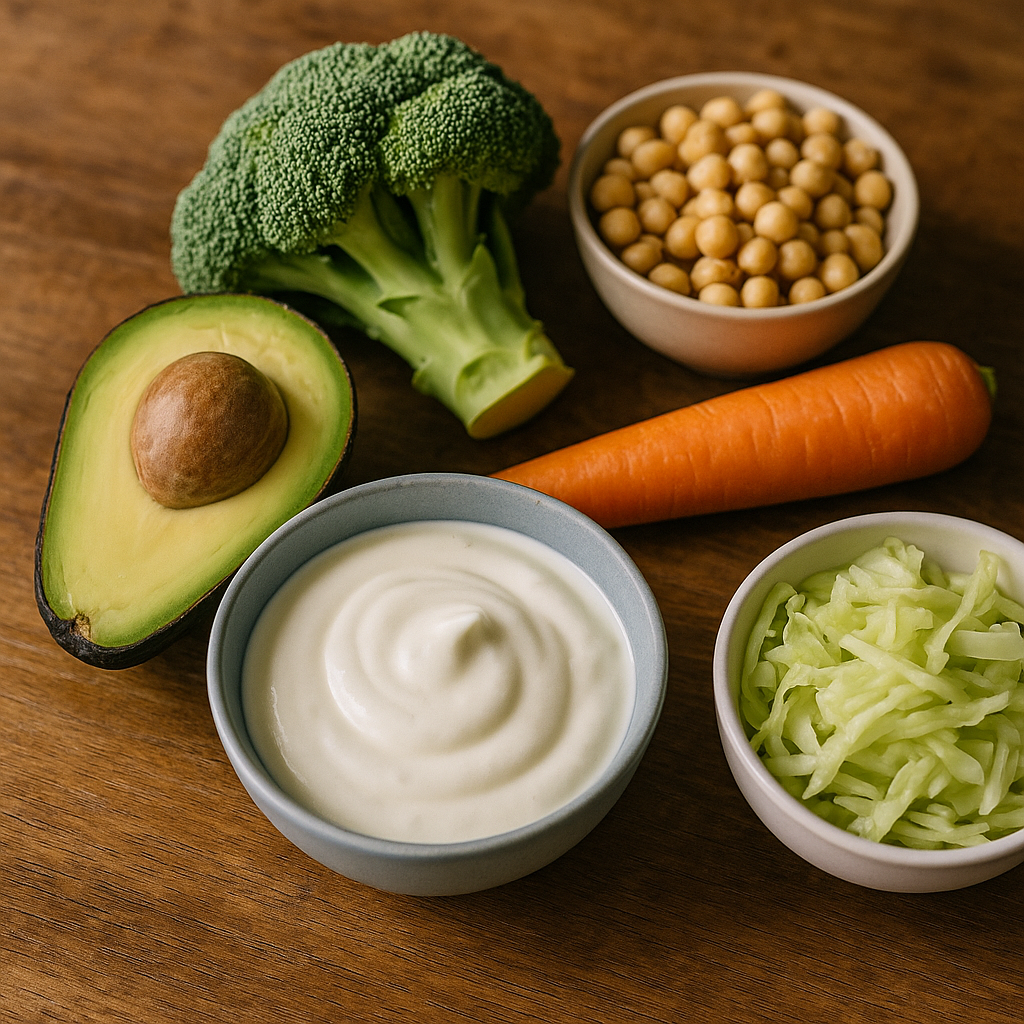
Certain foods help reduce gas and bloating, while others can make it worse. To reduce gas in stomach, try incorporating more yogurt with live cultures, as probiotics promote a healthy gut flora that can minimize gas production. You might also want to add more fiber gradually to avoid sudden gas increase.
Some foods that reduce gas include bananas, papaya, pineapple, and cucumber, which aid digestion and soothe the gut. On the flip side, limit intake of beans, lentils, broccoli, onions, and carbonated beverages, which are common gas producers. Drinking plenty of water helps flush your system and aids digestion as well.

Yoga and Exercises to Reduce Gas
Best Yoga Asanas for Bloating Relief
Yoga isn't just for flexibility or relaxation—it can be a powerful tool for digestion and gas relief too. Certain yoga poses help massage the abdominal organs and stimulate intestinal movement, making it easier to release trapped gas and reduce bloating.
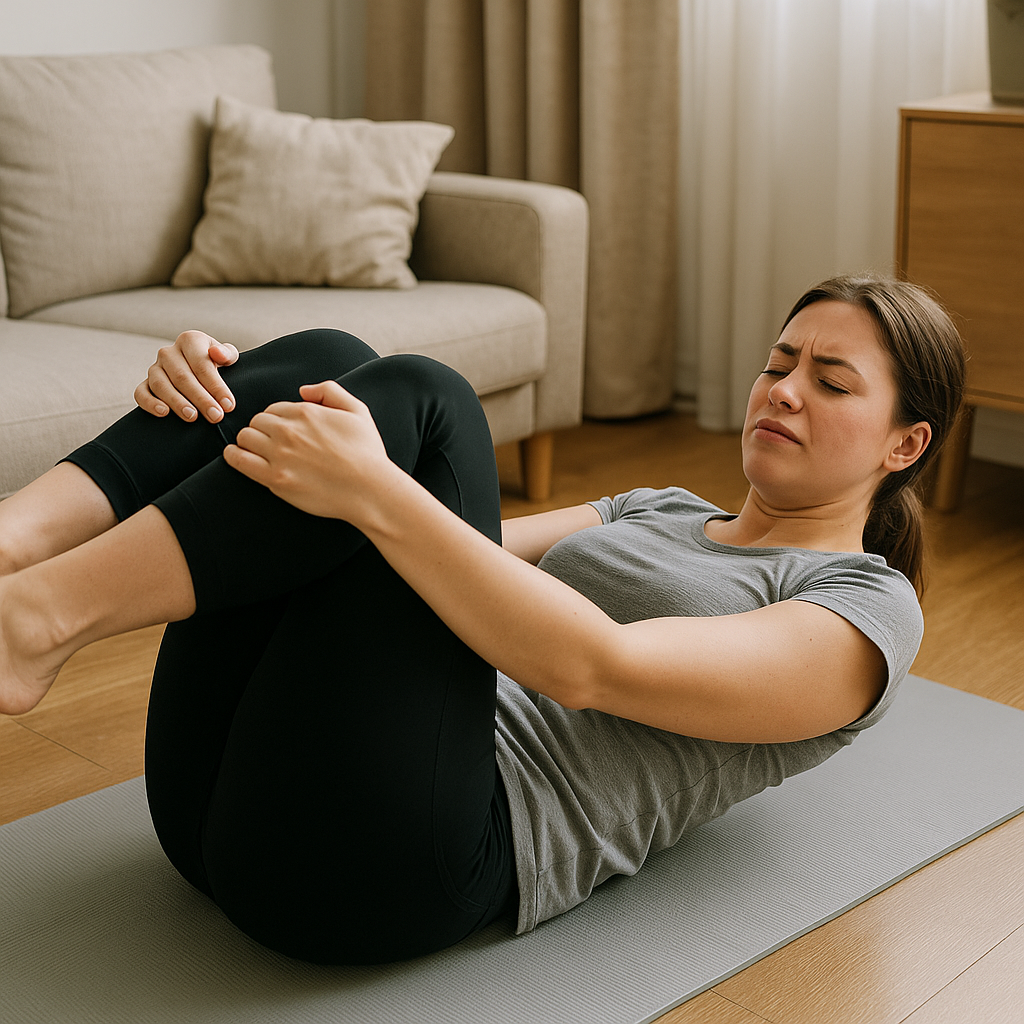
One popular pose is Pawanmuktasana, also called the “Wind-Relieving Pose.” It involves lying on your back and hugging one or both knees to your chest, gently pressing your abdomen. This pose encourages gas to move along your digestive tract, relieving discomfort almost instantly.
Another effective asana is Ardha Matsyendrasana (Seated Spinal Twist). Twisting your torso helps stimulate digestion and can reduce gas in body by improving circulation in the abdominal area. Even simple forward bends can aid digestion by gently compressing the stomach.
Gentle Movements and Stretching for Digestion
Besides yoga, light exercises can also help reduce gas problem by encouraging digestion. A gentle walk after meals stimulates your digestive system and helps prevent gas build-up. Avoid strenuous workouts right after eating, though, as they might cause discomfort.
Simple stretching and abdominal massages can also aid in releasing trapped gas. Massaging the belly in a clockwise direction follows the natural path of the colon and promotes bowel movement. This can be especially useful for those who suffer from chronic bloating.
How to Prevent Gas Build-Up in the Future
Eating Habits and Daily Routines
Prevention is always better than cure when it comes to gas and bloating. Adopting mindful eating habits is one of the best ways to reduce stomach gas long-term. This means eating slowly, chewing thoroughly, and avoiding talking while chewing, which can cause you to swallow excess air.
Regular meal timings and avoiding late-night heavy meals also keep your digestive system functioning smoothly. Drinking warm water before meals can prepare your stomach to digest better. Limiting carbonated drinks and fatty foods helps as well.
Ayurvedic Tips for Long-Term Digestive Balance
Ayurveda offers time-tested wisdom on reducing gas naturally. One common recommendation is to drink ajwain (carom seeds) water before or after meals, which can help in reducing gas in stomach instantly by improving digestion.
Including spices like cumin, coriander, and turmeric in your cooking can balance your digestive fire (Agni) and reduce gas. Ayurveda also advises regular oil massages and practicing meditation to reduce stress, which can otherwise worsen digestive problems.
When to See a Doctor About Gas Problems
While most cases of gas and bloating can be managed with lifestyle changes and natural remedies, there are times when it’s important to seek medical advice. If you experience severe abdominal pain, persistent bloating, unexplained weight loss, or changes in bowel habits along with gas, it’s best to consult a healthcare professional. These could be signs of more serious digestive disorders like infections, food intolerances, or conditions such as irritable bowel syndrome (IBS) or even gallbladder issues.
Also, if gas is affecting your quality of life and none of the natural methods seem to work, don’t hesitate to get checked. Sometimes, underlying causes require targeted treatment.
Don't wait or self medicate. Start chat with Doctor NOW
Conclusion
Gas and bloating can be uncomfortable, but knowing how to reduce gas naturally empowers you to take control of your digestive health. From simple home remedies and dietary changes to yoga poses to reduce gas and mindful eating habits, there are plenty of practical ways to ease your symptoms and prevent future flare-ups. Remember, a few lifestyle tweaks can make a huge difference in how your body feels every day.
If you struggle with gas problem often, try incorporating these tips gradually and see what works best for you. Everyone’s digestion is unique, so patience is key. Don’t forget to listen to your body and seek medical advice when needed.
Take charge of your digestive wellness today—and share this article with friends or family who might benefit from these natural, effective ways to reduce gas in stomach and body.
FAQs
What drink helps relieve gas?
Peppermint tea, ginger tea, and fennel tea are popular natural drinks that help relieve gas quickly by soothing your digestive tract.
What foods reduce gas?
Foods like bananas, papaya, pineapple, yogurt with probiotics, and cucumbers can help reduce gas and improve digestion.
Can I eat curd in gas?
Yes, eating curd (yogurt) with live cultures can be beneficial as it promotes healthy gut bacteria that reduce gas formation.
How to avoid gas in the stomach?
Eat slowly, avoid carbonated drinks, chew food thoroughly, and avoid gas-producing foods like beans and broccoli to prevent gas build-up.
Does gas mean poor digestion?
Not necessarily. Gas is a normal part of digestion, but excessive gas can indicate digestive imbalances or food intolerances.
Questions from users
Can I use chamomile tea daily to help with stomach discomfort and gas issues?
Titus
4 days ago
Yes, you can definitely use chamomile tea daily for stomach discomfort and gas. It has mild anti-spasmodic effects that can help ease those issues. Just keep in mind to listen to your body and see how it feels. And don't forget other tips, like slowing down while you eat, to enhance its benefits!
How to massage your belly for better digestion and reducing gas?
Ava
13 days ago
Massage your belly gently in a clockwise direction, which follows the natural path of your colon. Start at the lower right side of your abdomen and move up towards the rib cage, then across and down the left side. You can use warm sesame or coconut oil to enhance the massage. This practice might assist in improving digestion and reducing gas. Stay relaxed and breathe deeply while massaging!
What is the best time of day to drink warm water for helping with gas relief?
Shelby
22 days ago
Drinking warm water first thing in the morning is great for jumpstarting your digestive fire (agni) and can really help with gas relief. Another good time could be after meals, to aid digestion and move trapped gas. Just keep it consistent and see how your body responds, we're all a bit different!
What is Ardha Matsyendrasana and how does it help with digestion?
Christopher
32 days ago
Ardha Matsyendrasana, also known as the Seated Spinal Twist, is a yoga pose that helps improve digestion. By twisting the body, it massages your ab organs and stimulates digestive juices, which helps move food along and prevent gas buildup. Practicing it regularly can enhance digestion and relieve bloating naturally. Just remember to be gentle, don't force the twist and breathe deeply!
What lifestyle changes can help reduce chronic bloating over time?
Theodore
41 days ago
To reduce chronic bloating, try to eat meals slowly and mindfully, avoiding overeating. Incorporate warming spices like ginger and cumin to enhance digestion. Focus on a consistent routine, eat at the same times and get good sleep. Regular gentle exercise like yoga can also calm the digestive system. Keep hydrated, but avoid guzzling water during meals!
What is the role of Ayurveda in naturally reducing gas and improving digestion?
Paisley
51 days ago
Ayurveda focuses on balancing your doshas to improve digestion and reduce gas. Simple things like eating warm, cooked meals, avoiding heavy or processed foods, and incorporating spices like ginger and cumin can help. Also, sipping hot water throughout the day boosts agni, your digestive fire. Regular routine is also super important!
What are some benefits of staying hydrated for digestion and gas relief?
Kendall
60 days ago
Staying hydrated helps your digestive system run smoothly. Water helps break down food, making it easier to absorb nutrients. Plus, it prevents constipation, which can reduce gas and bloating. Just a reminder: don’t drink too much water during meals, as it might dilute your digestive enzymes! 💧
Is it safe to do strenuous workouts after eating for better digestion?
Lucas
70 days ago
It's not really safe to do strenuous workouts immediately after eating. Your body needs time to digest, and intense exercise can cause discomfort or cramping. Light activities, like simple stretches or a gentle walk, might help more with digestion. Give your body a good hour or so to digest before hitting the gym hard!
Can I drink ajwain water daily for improving digestion and reducing gas?
Jackson
80 days ago
Drinking ajwain water daily can be helpful for improving digestion and reducing gas. But listen to your body! Ayurveda says it’s great for balancing Vata dosha, which often causes gas issues. If you notice any discomfort stopping for a few days is fine. Always aim for balance and maybe consult with an ayurvedic practitioner for personal advice.
Is there a specific amount of warm water I should drink before meals for better digestion?
Jaxon
157 days ago
Drinking about half a cup to a cup of warm water before meals can support digestion, but there's no strict amount. The warmth helps activate your digestive fire, or "agni," but listen to your body and adjust based on your comfort. Too much might dilute digestive juices. It's all about balance!
Related articles

Gastrointestinal Disorders
Bilwadi Vati – Traditional Ayurvedic Remedy for Holistic Health
Discover the benefits of Bilwadi Vati, an Ayurvedic formulation renowned for supporting digestive health, detoxification, and overall wellness through a unique blend of natural herbs.
3,089

Gastrointestinal Disorders
Kutajarishta Uses, Dose, Side Effects, And Ingredients
Exploration of Kutajarishta Uses, Dose, Side Effects, And Ingredients
2,185

Gastrointestinal Disorders
How to Get Rid of a Stomach Ache in 5 Minutes: Quick Ayurvedic Relief
Get rid of a stomach ache in 5 minutes: discover Ayurvedic remedies, yoga poses, essential oils, and quick tips for gas pain, IBS, and stomach cramps relief
3,510

Gastrointestinal Disorders
Mahashankha Drava
Exploration of Mahashankha Drava
1,949

Gastrointestinal Disorders
Amruthotharam Kashayam for Weight Loss
Discover how Amruthotharam Kashayam can help support weight loss naturally. Explore the powerful herbal blend of this traditional Ayurvedic remedy to achieve a healthier, balanced lifestyle.
3,576

Gastrointestinal Disorders
Shubhra Bhasma: The Ayurvedic Wonder for Holistic Healing
Shubhra Bhasma is primarily used in treating respiratory issues, skin disorders, and digestive ailments.
3,407

Gastrointestinal Disorders
Patolakaturohinyadi Kashayam – Benefits, Dose, Side Effects, Ingredients
Exploration of Patolakaturohinyadi Kashayam – Benefits, Dose, Side Effects, Ingredients
3,009

Gastrointestinal Disorders
Kapardika Bhasma Uses – Ayurvedic Remedy for Enhancing Health and Vitality
Explore the therapeutic benefits of Kapardika Bhasma, an Ayurvedic formulation used for various health conditions, including improving digestion, boosting immunity, and promoting overall wellness.
3,026

Gastrointestinal Disorders
Kutaj Parpati Vati Uses – Natural Ayurvedic Remedy for Digestive & Hepatic Health
Explore Kutaj Parpati Vati uses in Ayurveda, a traditional remedy for digestive disorders, dysentery, and hepatic detoxification. Learn about its key benefits, ingredients, and usage guidelines for holistic well-being.
2,355

Gastrointestinal Disorders
Ayurvedic Treatment for Fatty Liver: A Down‑to‑Earth, No‑Nonsense Guide
Read our complete guide on diagnosis and treatment of non-alcoholic fatty liver disease in Ayurveda.
3,489
Related questions on the topic
Legal
Additional Documents
© 2024 Ask Ayurveda. All rights reserved.