Ask Ayurvedic doctor a question and get a consultation online on the problem of your concern in a free or paid mode. More than 2,000 experienced doctors work and wait for your questions on our site and help users to solve their health problems every day.
FREE! Ask Ayurvedic Doctors 24/7

 Fast responses
 1000+ verified doctors
Body DetoxEar, Nose, and Throat DisordersGeriatrics & RejuvenationImmunodeficiencyInfertility TreatmentNutritionOrthopedic DisordersPediatricsRespiratory DisordersSexually Transmitted Diseases (STDs)Surgery RecoveryUrological DisordersVascular DisordersDental DisordersEndocrinological DisordersGastrointestinal DisordersYoga TherapyGeneral MedicineAllergic DisordersCardio DisordersGynecology and ObstetricsCosmetologySkin and Hair DisordersEye DisordersInfectious DiseasesMental DisordersNeurological DisordersOncologyPanchakarmaSexual Health & DisordersSports Medicine
Published on 02/04/25
(Updated on 07/10/26)
star_border 4
3,196
Kapardika Bhasma Uses – Ayurvedic Remedy for Enhancing Health and Vitality
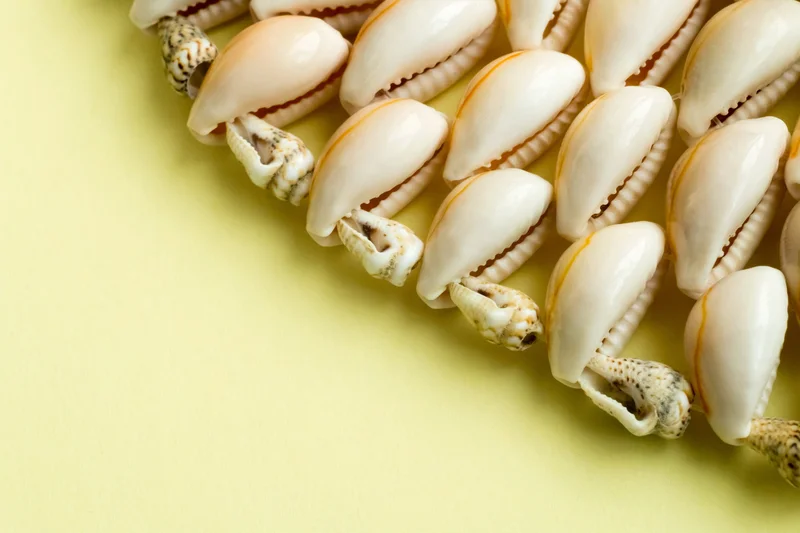
Kapardika Bhasma is a classical Ayurvedic mineral formulation prepared from the calcined shells of cowry (Cypraea moneta). It is one of the most widely prescribed calcium-based bhasmas for digestive disorders — particularly hyperacidity, loss of appetite, irritable bowel syndrome, and abdominal pain. Also known as Varatika Bhasma or Kapardak Bhasma, this preparation converts natural cowry shells into a nano-sized, bioavailable powder through a meticulous process of purification (shodhana) and calcination (marana). Documented extensively in classical texts like Rasa Ratna Samucchaya, Rasa Tarangini, and Ayurveda Prakasha, Kapardika Bhasma remains a cornerstone of Ayurvedic gastroenterology to this day.
- In this comprehensive guide, we cover everything from its chemical composition and mechanism of action to dosage, safety profile, quality testing parameters, and how it compares with other calcium-based bhasmas.
- Whether you're a practitioner, student, or patient — this article aims to be the most detailed resource on Kapardika Bhasma available anywhere.
What Is Kapardika Bhasma Made Of?
Kapardika Bhasma originates from the shells of Cypraea moneta, a species of small sea snail commonly known as the money cowry. These shells have been used in Indian medicine for centuries, long before their chemistry was understood. The raw cowry shell is primarily composed of calcium carbonate (CaCO₃), but during the bhasma-making process, this transforms significantly.
Raw Material: Cowry Shell (Varatika)
The cowry shell — called Varatika, Kapardika, or Kaparda in Sanskrit — is a marine gastropod shell found abundantly across the Indian Ocean. Classical Ayurvedic texts classify Varatika into multiple types based on size, color, and origin. According to Rasa Tarangini (Chapter 23), the ideal Varatika for bhasma preparation should be:
- White or slightly yellowish in color
- Moderate in weight (neither too heavy nor too light)
- Approximately 2–3 cm in length
- Free from cracks or discoloration
These criteria are formally described as Grahya Lakshanas (acceptable qualities). Shells that are black, broken, excessively large, or foul-smelling are classified under Tyajya Lakshanas (rejectable qualities) and should be discarded.
Sanskrit Synonyms and Regional Names
Kapardika Bhasma goes by different names across Indian languages:
| Language | Name |
|---|---|
| Sanskrit | Varatika, Kapardika, Kaparda |
| Hindi | Kaudi Bhasma, Kapardak Bhasma |
| Kannada | Kavade Bhasma |
| Malayalam | Kavadi Bhasmam |
| Gujarati | Kavadi no Bhasma |
| Tamil | Pasam Bhasma |
| Bengali | Kauri Bhasma |
Understanding these synonyms is important, since prescriptions across different Indian states may use regional names.
Kapardika Bhasma Chemical Composition
- This is an area where most resources fall surprisingly short.
- Understanding the chemistry of Kapardika Bhasma is critical — both for practitioners who prescribe it, and for researchers studying its efficacy.
Before Calcination (Raw Cowry Shell)
The raw Cypraea moneta shell contains approximately:
- Calcium carbonate (CaCO₃): 92–96%
- Magnesium carbonate (MgCO₃): 0.5–1.5%
- Organic matrix (conchiolin protein): 1–3%
- Trace elements: Iron (Fe), Zinc (Zn), Strontium (Sr), Manganese (Mn) in parts per million
After Calcination (Kapardika Bhasma)
During the marana (calcination) process, temperatures exceeding 800–900°C convert calcium carbonate into calcium oxide (CaO). The finished bhasma, upon X-ray diffraction (XRD) analysis, shows predominant peaks of CaO with minor phases of Ca(OH)₂ (formed due to atmospheric moisture absorption). A 2014 pharmaceutical study using SEM (Scanning Electron Microscopy) confirmed that properly prepared Kapardika Bhasma particles fall in the nano to sub-micron range (approximately 50–500 nm), which explains its high bioavailability compared to raw calcium supplements.
ICP-OES (Inductively Coupled Plasma Optical Emission Spectrometry) analysis reveals the retention of trace minerals — Fe, Zn, Mg — albeit in altered concentrations post-calcination. The organic matrix is completely destroyed during heating, leaving behind a pure inorganic mineral complex.
Why This Matters
The conversion from CaCO₃ to CaO is not merely a chemical formality. Calcium oxide is more reactive and more readily absorbed in the acidic environment of the stomach, which partially explains the bhasma's potent antacid and digestive properties. The nano-particle size further enhances absorption across the intestinal mucosa.
Ayurvedic Pharmacology (Rasa Panchaka)
Understanding Kapardika Bhasma through the lens of Ayurvedic pharmacology provides insight into why it is prescribed for specific conditions.
| Parameter | Property |
|---|---|
| Rasa (Taste) | Kashaya (Astringent), Amla (Sour) |
| Guna (Quality) | Laghu (Light), Ruksha (Dry) |
| Veerya (Potency) | Sheeta (Cooling) |
| Vipaka (Post-digestive effect) | Madhura (Sweet) |
| Dosha Karma | Kapha-Pitta Shamaka (pacifies Kapha and Pitta) |
| Main Action | Deepana (appetizer), Pachana (digestive), Grahi (absorbent) |
The cooling potency and Pitta-pacifying nature make it especially suitable for conditions where excess gastric acid (Amlapitta) is the root cause. Its astringent taste contributes to its anti-diarrheal and absorbent properties.
What Is Kapardika Bhasma Used For? (Uses and Benefits)
Kapardika Bhasma's therapeutic applications are centered around the gastrointestinal system, though its benefits extend beyond digestion.
Digestive Disorders
This is the primary domain of Kapardika Bhasma.
It is indicated in:
- Amlapitta (Hyperacidity/GERD): Acts as a natural antacid by neutralizing excess hydrochloric acid in the stomach
- Ajirna (Indigestion): Strengthens Agni (digestive fire) and promotes proper breakdown of food
- Grahani (IBS/Malabsorption Syndrome): One of the most important indications — it improves intestinal absorption and reduces frequency of loose stools
- Atisara (Diarrhea): Its Grahi property helps solidify stool
- Udara Shoola (Abdominal pain): Provides relief from colic and spasmodic abdominal pain
Duodenal Ulcer and Acid Reflux
Kapardika Bhasma has shown particular effectiveness in managing duodenal ulcers, where its antacid and mucosal-protective actions work synergistically. The calcium oxide in the bhasma reacts with gastric HCl to form calcium chloride and water, directly reducing acidity. This is not unlike the mechanism of modern antacids, but with the added benefit of trace mineral supplementation and nano-particle bioavailability.
Hepato-Splenic Conditions
Classical texts mention Kapardika Bhasma in the management of Yakrit-Pliha Vikara (liver and spleen disorders), particularly hepatomegaly and splenomegaly associated with chronic digestive dysfunction.
Respiratory Conditions
Some classical references mention its use in Kasa (cough) and Shwasa (asthma-like conditions), particularly when associated with Kapha aggravation. This application is less common in modern practice but remains textually documented.
Otorrhoea (Ear Discharge)
An interesting and less commonly known indication — Kapardika Bhasma, when used in specific formulations, is mentioned for Karna Srava (ear discharge). This application is documented in select classical compilations.
Calcium Supplementation
Although not its primary indication in classical texts, the high bioavailable calcium content makes Kapardika Bhasma a natural supplementary source of calcium — relevant for osteoporosis prevention, dental health, and pregnancy support (only under medical supervision).
Mechanism of Action: How Does Kapardika Bhasma Work?
No competitor in the current top results adequately explains how Kapardika Bhasma actually works at a physiological and molecular level. Let's fix that.
Antacid Action
The primary mechanism is straightforward acid-base chemistry:
CaO + 2HCl → CaCl₂ + H₂O
Calcium oxide reacts with hydrochloric acid in the stomach, neutralizing it and forming soluble calcium chloride. This raises gastric pH, providing rapid relief from acidity and heartburn. Unlike aluminum- or magnesium-based commercial antacids, the calcium from Kapardika Bhasma also serves as a nutritional supplement.
Deepana-Pachana (Digestive Stimulation)
In Ayurvedic terms, Kapardika Bhasma is both a Deepana (appetite stimulant) and Pachana (digestive) — it kindles Agni without increasing Pitta beyond therapeutic levels. The Sheeta Veerya prevents the "burning" effect that some digestive stimulants can cause.
Grahi Action (Anti-diarrheal Mechanism)
The astringent (Kashaya) rasa produces a binding effect on intestinal mucosa, reducing secretions and increasing absorption time. This makes it particularly valuable in Grahani (IBS with diarrhea predominance) and chronic loose stools.
Nano-Particle Enhanced Absorption
Research published in the Journal of Ayurveda and Integrative Medicine (2016) has confirmed that properly prepared bhasmas contain particles in the nano-range, which allows them to cross biological barriers more efficiently than conventional mineral supplements. This partly explains why relatively small doses (125–250 mg) produce clinically significant effects.
Don't wait or self medicate. Start chat with Doctor NOW
Method of Preparation: Shodhana and Marana
The preparation of Kapardika Bhasma is a two-stage process: purification (Shodhana) followed by calcination (Marana). Each step is meticulously described in classical texts.
Shodhana (Purification)
Shodhana removes organic impurities, marine salts, and potentially toxic substances from the raw cowry shells.
The primary methods include:
- 1.Kanji Shodhana: Immersing cowry shells in Kanji (sour fermented rice water) for 3–7 days, changing the liquid daily
- 2.Nimbu Amla Shodhana: Soaking shells in lemon juice for a specified period
- 3.Kulatha Kwatha Shodhana: Boiling shells in a decoction of horse gram (Dolichos biflorus)
After Shodhana, the shells become brittle, lighter, and free from organic debris — ready for calcination.
Marana (Calcination)
Marana is the process that converts purified cowry shells into bhasma:
- The purified shells are powdered coarsely
- The powder is ground with a liquid medium (bhavana dravya) — commonly Nimbu Swarasa (lemon juice) or Aloe vera juice
- Small flat cakes (chakrikas) are formed and dried
- The chakrikas are placed in a Sharava Samputa (sealed clay crucible arrangement)
- The sealed crucible is subjected to Gaja Puta or Varaha Puta (specific heat intensities using measured quantities of cow dung cakes)
- After cooling naturally, the product is retrieved, examined, and the process is repeated 3–7 times until bhasma tests are satisfied
Each Puta cycle reduces particle size further and ensures complete conversion from CaCO₃ to CaO.
Bhasma Pariksha: Quality Testing Standards
How do you know if a bhasma is properly prepared? Classical Ayurveda lays down specific quality tests, collectively called Bhasma Pariksha. These are critical safety and efficacy parameters that no competitor has adequately covered.
| Test | Sanskrit Name | What It Checks |
|---|---|---|
| Finger-line test | Rekhapurnatva | Bhasma should be fine enough to settle into fingerprint lines when rubbed between thumb and index finger |
| Floating test | Varitaratva | A pinch of bhasma placed on still water should float — indicating sufficient fineness and lightness |
| Luster-free test | Nischandratva | No metallic luster should be visible — all material must be fully calcined |
| Irreversibility test | Apunarbhava | The bhasma should not revert to its original metallic/shell form when heated with reducing agents |
| Tastelessness | Nirasatva | Properly prepared bhasma should be essentially tasteless |
These ancient quality control measures are remarkably prescient — they essentially ensure nano-particle size (Rekhapurnatva, Varitaratva), complete chemical conversion (Nischandratva, Apunarbhava), and purity (Nirasatva).
Modern AYUSH standards require additional testing including heavy metal analysis (lead, mercury, arsenic within permissible limits) and microbial contamination testing.
Dosage of Kapardika Bhasma
Standard Dosage
| Patient Group | Dose | Frequency | Anupana (Vehicle) |
|---|---|---|---|
| Adults | 125–250 mg | 1–2 times daily | Honey, warm water, or ghee |
| Elderly | 125 mg | 1–2 times daily | Warm water or buttermilk |
| Children (>5 years) | 60–125 mg | Once daily | Honey |
| Children (<5 years) | Only under strict physician guidance | — | — |
Disease-Specific Anupana (Adjuvants)
One of the unique aspects of bhasma therapy is the use of specific adjuvants depending on the condition being treated:
For Hyperacidity (Amlapitta)
Kapardika Bhasma 125 mg with Praval Pishti 125 mg and honey, twice daily before meals.
For IBS / Grahani
Kapardika Bhasma 250 mg with buttermilk (Takra) and a pinch of rock salt, twice daily after meals.
For Loss of Appetite
Kapardika Bhasma 125 mg with ginger juice and honey, before meals.
For Diarrhea
Kapardika Bhasma 250 mg with Kutaja Ghana Vati powder and pomegranate juice.
Important: Self-medication with any bhasma is strongly discouraged. Always consult a qualified Ayurvedic practitioner for personalized dosage and combination guidance.
Side Effects and Safety Information
Kapardika Bhasma, when properly prepared and taken in prescribed dosages, is generally considered safe. However, several precautions apply.
Known Side Effects
- Constipation at higher doses (due to calcium's binding effect)
- Abdominal discomfort if taken on an empty stomach without proper anupana
- Hypercalcemia with prolonged unsupervised use (rare but documented)
Contraindications and Precautions
- Pregnancy and Lactation: Use only under direct medical supervision. While calcium supplementation may be beneficial, improperly prepared bhasma could pose risks
- Kidney Stones: Patients with a history of calcium oxalate kidney stones should avoid Kapardika Bhasma unless specifically prescribed
- Renal Insufficiency: Impaired calcium excretion makes unsupervised bhasma use potentially dangerous
- Children under 5: Dosage data is limited; physician guidance is mandatory
Toxicological Profile
A concern frequently raised about bhasma preparations is heavy metal contamination. For Kapardika Bhasma specifically, since the raw material is a calcium carbonate shell (not a metallic ore), the risk of intrinsic heavy metal content is low. However, marine pollution can introduce contaminants, making proper Shodhana essential.
A 2017 study analyzed multiple commercial bhasma samples and found that properly prepared Kapardika Bhasma contained lead, mercury, and arsenic well within WHO and AYUSH permissible limits. Improperly prepared or adulterated products, however, showed higher contamination levels — underscoring the importance of sourcing from reputable manufacturers.
Compatibility with Other Medications
Kapardika Bhasma can generally be taken alongside:
- Allopathic medications: With a 1–2 hour gap (calcium can interfere with absorption of tetracyclines, fluoroquinolones, and thyroid medications)
- Homeopathic medicines: Generally compatible, but consult both practitioners
- Dietary supplements: Avoid concurrent use with other calcium supplements to prevent excessive intake
Kapardika Bhasma vs Other Calcium-Based Bhasmas
This is a comparison that practitioners and patients frequently need but rarely find. Here's how Kapardika Bhasma stacks up against related preparations.
| Parameter | Kapardika Bhasma | Shankha Bhasma | Praval Bhasma | Mukta Bhasma | Shukti Bhasma |
|---|---|---|---|---|---|
| Source | Cowry shell | Conch shell | Coral | Pearl | Oyster shell |
| Primary CaCO₃ form | Aragonite | Aragonite | Aragonite | Aragonite + Calcite | Calcite |
| Main Indication | Hyperacidity, IBS, Grahani | Hyperacidity, colic | Pitta disorders, bleeding | Anxiety, Pitta, cardiac | Calcium deficiency |
| Veerya | Sheeta (Cool) | Sheeta (Cool) | Sheeta (Cool) | Sheeta (Cool) | Sheeta (Cool) |
| Unique Strength | Grahi (anti-diarrheal) | Strong antacid | Raktapittahara (hemostatic) | Medhya (nootropic) | General Ca supplement |
| Cost | Low | Low-moderate | High | Very high | Low |
| When to Choose | Digestive issues with loose stool | Acute acidity, abdominal pain | Pitta conditions with bleeding | Mental health, premium use | Basic calcium needs |
Bottom line: Choose Kapardika Bhasma when the primary complaint involves digestive weakness with diarrhea or malabsorption (Grahani). For purely acidity-related issues without diarrhea, Shankha Bhasma may be equally effective. For Pitta conditions with a bleeding component, Praval Bhasma is preferred.
Classical References and Formulations
Mentions in Classical Texts
Kapardika Bhasma is documented across multiple foundational Ayurvedic and Rasa Shastra texts:
- Rasa Ratna Samucchaya (Chapter 10): Describes types of Varatika, Shodhana methods, and therapeutic indications
- Rasa Tarangini (Chapter 23, Taranga 23): Provides detailed classification of cowry varieties and Marana procedures
- Ayurveda Prakasha (Chapter 4): Discusses Grahya and Tyajya Lakshanas of cowry shells
- Rasendra Sara Sangraha: Mentions Kapardika in the context of mineral preparations for digestive disorders
Ayurvedic Formulations Containing Kapardika Bhasma
Several compound formulations use Kapardika Bhasma as a key ingredient:
- Agnikumar Rasa — for digestive disorders and Agni mandya
- Kapardika Rasa — primary Kapardika-based compound
- Grahani Kapata Rasa — specifically for Grahani (IBS)
- Shankha Vati — for abdominal pain and acidity (contains Kapardika as adjunct)
- Sutashekhar Rasa — a multi-mineral formulation for Amlapitta
Storage, Shelf Life, and Dietary Guidelines
Storage Conditions
- Store in a clean, dry, airtight glass or food-grade container
- Keep away from direct sunlight and moisture
- Do not store in plastic containers (bhasma can react with plastic over extended periods)
- Keep out of reach of children
Shelf Life
As per classical references, properly prepared bhasmas have an indefinite shelf life if stored correctly — they do not undergo biological degradation since they are inorganic. However, modern AYUSH regulations typically assign a shelf life of 5 years from the date of manufacture for commercial products. Moisture exposure can convert CaO back to Ca(OH)₂ and eventually CaCO₃, reducing therapeutic efficacy.
Pathya-Apathya (Dietary Recommendations)
| Pathya (Favorable) | Apathya (Avoid) |
|---|---|
| Light, easily digestible food | Spicy, oily, fried food |
| Buttermilk, rice gruel, moong dal | Excessive tea, coffee, alcohol |
| Pomegranate, banana, coconut water | Fermented foods in excess |
| Regular meal timings | Skipping meals or overeating |
| Warm water | Cold drinks and ice cream |
Following Pathya guidelines significantly enhances the therapeutic outcome of Kapardika Bhasma treatment.
Frequently Asked Questions (FAQ)
What is the difference between Varatika and Kapardika?
There is no difference — Varatika and Kapardika are Sanskrit synonyms for the same substance: the cowry shell (Cypraea moneta). Both names are used interchangeably in classical texts. "Varatika Bhasma" and "Kapardika Bhasma" refer to the exact same preparation.
Can Kapardika Bhasma be used for gastritis?
Yes. Kapardika Bhasma is one of the most commonly prescribed Ayurvedic preparations for gastritis (Amlapitta). Its antacid properties neutralize excess stomach acid, while its Sheeta Veerya (cooling potency) helps reduce inflammation of the gastric mucosa. However, dosage and combination should be determined by a qualified practitioner based on the severity and type of gastritis.
How long does a typical treatment course last?
Treatment duration varies based on the condition. For acute hyperacidity, relief may begin within 3–5 days. For chronic conditions like Grahani (IBS) or recurrent dyspepsia, a course of 4 to 12 weeks is typically recommended. Some practitioners prescribe intermittent courses with gaps to prevent calcium accumulation. Never extend treatment duration without medical guidance.
Can children take Kapardika Bhasma?
Children above 5 years of age can take Kapardika Bhasma in reduced doses (60–125 mg) under strict medical supervision. For children below 5, it is generally not recommended unless specifically prescribed by an experienced Ayurvedic pediatrician who can monitor the child's response closely.
What is Kapardika Bhasma's chemical composition?
The primary chemical constituent of finished Kapardika Bhasma is calcium oxide (CaO), converted from calcium carbonate (CaCO₃) during calcination. It also contains trace amounts of magnesium, iron, zinc, strontium, and manganese. The particle size in properly prepared bhasma ranges from 50–500 nanometers.
Is Kapardika Bhasma the same as an antacid tablet?
While both neutralize stomach acid, they are not identical. Commercial antacids typically contain aluminum hydroxide, magnesium hydroxide, or calcium carbonate in macro-particle form. Kapardika Bhasma contains calcium oxide in nano-particle form with trace minerals, offering higher bioavailability and additional therapeutic actions (Deepana, Pachana, Grahi) that conventional antacids do not provide.
Which Ayurvedic medicine is best for urine flow?
Kapardika Bhasma is not primarily indicated for urinary disorders. For urine flow issues, Ayurvedic practitioners typically prescribe Gokshuradi Guggulu, Chandraprabha Vati, or Shilajit-based formulations. Consult a qualified Ayurvedic doctor for urinary complaints.
Conclusion
Kapardika Bhasma stands as one of Ayurveda's most effective, accessible and time-tested mineral preparations for digestive health. From its well-documented classical roots in Rasa Tarangini and Rasa Ratna Samucchaya to modern analytical validation through XRD and SEM studies, this cowry shell-derived bhasma bridges traditional wisdom with contemporary science.
Its strength lies in its specificity — particularly for Grahani, hyperacidity, and digestive weakness — and its safety profile when properly prepared and prescribed. The key, as always in Ayurvedic mineral therapy, is quality of preparation, accuracy of diagnosis, and individualized dosing.
If you're considering Kapardika Bhasma for any health condition, consult a qualified Ayurvedic physician who can assess your Prakriti, current Dosha imbalance, and co-existing conditions before prescribing. Self-medication with bhasma preparations, no matter how "natural" they seem, is never advisable. This article is for informational and educational purposes only. It is not intended to replace professional medical advice, diagnosis, or treatment. Always seek the guidance of a qualified healthcare provider for any medical condition.
Scientific Sources
- The Use of Shells of Marine Molluscs in Spanish Ethnomedicine: A Historical Approach and Present and Future Perspectives — González JA et al., 2023, Pharmaceuticals (Basel, Switzerland)
- Network pharmacology and LC-MS approachs to explore the active compounds and mechanisms of Yuanjiang decoction for treating bradyarrhythmia — Wang X et al., 2023, Computers in biology and medicine
- Qi-Po-Sheng-Mai granule ameliorates Ach-CaCl(2) -induced atrial fibrillation by regulating calcium homeostasis in cardiomyocytes — Shi S et al., 2023, Phytomedicine : international journal of phytotherapy and phytopharmacology
- Traditional Chinese Medicine Borneol-Based Polymeric Micelles Intracerebral Drug Delivery System for Precisely Pathogenesis-Adaptive Treatment of Ischemic Stroke — Wang Y et al., 2025, Advanced science (Weinheim, Baden-Wurttemberg, Germany)
- Traditional Chinese Medicine YangxinDingji alleviates arrhythmias through inhibition of sodium and L-type calcium channels — Qiu S et al., 2025, Journal of ethnopharmacology
- Effects and Mechanisms of Traditional Chinese Herbal Medicine in the Treatment of Ischemic Cardiomyopathy — Wu L et al., 2020, Pharmacological research
Questions from users
How effective is Kapardika Bhasma for managing gastrointestinal disorders?
Phillip
2 days ago
Kapardika Bhasma, a traditional Ayurvedic preparation, may be effective in managing gastrointestinal disorders through its antacid and anti-diarrheal properties. It utilizes calcium oxide to neutralize stomach acids, potentially alleviating symptoms of hyperacidity within 3 to 5 days. Additionally, its astringent properties can reduce secretions and increase absorption time in the intestines, acting as an anti-diarrheal agent. However, its efficacy and safety are not supported by robust clinical trials, so consult a healthcare provider before using it, especially if symptoms persist or worsen.
What are the dietary restrictions to consider when taking Kapardika Bhasma?
Jackson
12 days ago
When taking Kapardika Bhasma, avoid foods that imbalance your doshas. Typically, steer clear of excessively spicy, oily, or sour foods, as they may increase Pitta and affect the bhasma's efficacy. Dairy and cold, heavy foods might also slow digestion. Listen to your body and consult an Ayurvedic practitioner for personalized advice!
Can I use Kapardika Bhasma for treating ear discharge, and how effective is it?
Ruby
21 days ago
Yeah, Kapardika Bhasma can be used for ear discharge (Karna Srava) in specific formulations. Its effectiveness really depends on the underlying cause of the ear discharge though. You might want to consult an Ayurvedic practitioner to get the right dosage and maybe combine it with other treatments to balance your doshas and address the root cause.
Can I use Kapardika Bhasma for skin irritation and how does it work?
Robert
35 days ago
Yes, Kapardika Bhasma can help with skin irritation due to its detoxifying and anti-inflammatory properties. It provides calcium which supports tissues and bones, but for skin issues, these properties aid in calming irritation and clearing complexion. It's a good idea to consult an Ayurvedic practitioner to ensure it aligns with your dosha or specific needs, you know!
What is the best way to take Kapardika Bhasma for digestive health?
Xander
45 days ago
For taking Kapardika Bhasma for digestion, usually a small pinch (around 125-250mg) is mixed with honey or warm water after meals. But hey, it's super important to chat with an Ayurvedic doctor first! They can help tailor it though, based on your unique constitution and needs. Keep a check on how your body reacts too.
What is the mineral composition of Kapardika Bhasma and its benefits for health?
Riley
54 days ago
Kapardika Bhasma is mainly made from seashells, so it's rich in calcium carbonate, magnesium, and some trace elements. These minerals can be really beneficial for bone health, digestion, and energy. It aligns with Ayurveda's principle to balance the body naturally. If you're considering it, it's good to consult an Ayurvedic expert!
Can Kapardika Bhasma help improve overall health and well-being naturally?
Tenley
64 days ago
Sure, Kapardika Bhasma can support overall health naturally! It strengthens bones, improves digestion, and removes toxins, thanks to the minerals from seashells. It may also help with digestion issues like acidity and bloating. Just keep in mind that everyone's body is different, so it's best to consult with an Ayurvedic practitioner to see if it's right for you!
What is the historical significance of Kapardika Bhasma in traditional Ayurvedic medicine?
William
74 days ago
Kapardika Bhasma has been a part of Ayurvedic tradition for centuries, primarily valued for its rejuvenating and therapeutic benefits. It's often used to boost digestion, strengthen bones and joints, and detoxify the body. Historically, it's a well-respected remedy, helping maintain balance and overall wellness in traditional practices. ✨
Is it safe to take Kapardika Bhasma long-term for immune support?
Tiffany
83 days ago
It's best to use Kapardika Bhasma under guidance of an Ayurvedic practitioner, especially for long-term use since they can monitor its effects on your body. While it's generally considered safe, everyone's needs are different, and you don't wanna upset the balance of your doshas! An expert can help make sure it suits your prakriti.
What is the best way to store Kapardika Bhasma to maintain its effectiveness?
Avery
93 days ago
To keep Kapardika Bhasma effective, store it in a cool, dry place, away from light and moisture. An airtight container is best to prevent any loss of potency. Just make sure it’s out of reach of children. If you have more questions, chatting with an Ayurvedic practitioner could provide extra insights!
Related articles

Gastrointestinal Disorders
Ras Pachak Vati Uses: An Ayurvedic Solution for Digestive Wellness
Ras Pachak Vati is a time-tested Ayurvedic remedy for digestive wellness. Its ability to relieve indigestion, acidity, and bloating makes it a must-have for those seeking natural and holistic solutions for gut health
3,887
Gastrointestinal Disorders
Ayurvedic Medicine for Blood Clots: A Science-Based Overview
Explore how ayurvedic medicine for blood clot prevention complements modern therapies. Learn about research, best practices, and safe usage.
4,114
Gastrointestinal Disorders
Sudha Varga in Ayurveda – Health Benefits and Scientific Insight
Explore the Ayurvedic concept of Sudha Varga, its therapeutic uses, and the latest scientific findings supporting its role in holistic health.
3,026
Gastrointestinal Disorders
Kalasakadi Kashayam Benefits: Boost Your Health Naturally with Ayurveda
Explore the benefits, proper dosage, uses, and scientific evidence behind Kalasakadi Kashayam, a potent Ayurvedic herbal decoction for overall health.
2,939

Gastrointestinal Disorders
Drakshasava Uses, Side Effects, Dose, And Ingredients
Exploration of Drakshasava Uses, Side Effects, Dose, And Ingredients
4,439

Gastrointestinal Disorders
Krimi Kuthar Ras Benefits, Dosage, Ingredients, Side Effects
Exploration of Krimi Kuthar Ras Benefits, Dosage, Ingredients, Side Effects
5,953

Gastrointestinal Disorders
Ayurvedic Treatment for Gastritis: A Real Talk on Gut Healing
Let’s not sugarcoat it—gastritis sucks. Whether it hits you like a slow burn or drops you with sudden, stabbing upper-abdominal pain, it’s no walk in the park. Technically speaking, gastritis is inflammation of the stomach lining. But if you’ve dealt with
3,371
Gastrointestinal Disorders
Panchavalkala Churna: An Ayurvedic Solution for Holistic Healing
Panchavalkala Churna is a versatile Ayurvedic formulation that addresses various health concerns, from digestive disorders to skin care. Its natural properties make it a safe and effective option for those seeking holistic healing.
3,092
Gastrointestinal Disorders
Madhuyashtyadi Taila – Traditional Ayurvedic Oil for Healing and Rejuvenation
Discover the benefits and uses of Madhuyashtyadi Taila, a potent Ayurvedic herbal oil renowned for its wound healing, rejuvenation, and detoxification properties, enhancing overall wellness.
4,033

Gastrointestinal Disorders
Vilwadi Gutika: Scientific Insights & Practical Applications
Explore the science behind Vilwadi Gutika, its Ayurvedic origins, research findings, and expert tips for safe, effective use in holistic healthcare.
3,009
Related consultations on the topic
Legal
Additional Documents
© 2024 Ask Ayurveda. All rights reserved.