Ask Ayurvedic doctor a question and get a consultation online on the problem of your concern in a free or paid mode. More than 2,000 experienced doctors work and wait for your questions on our site and help users to solve their health problems every day.
FREE! Ask Ayurvedic Doctors 24/7

 Fast responses
 1000+ verified doctors
Body DetoxEar, Nose, and Throat DisordersGeriatrics & RejuvenationImmunodeficiencyInfertility TreatmentNutritionOrthopedic DisordersPediatricsRespiratory DisordersSexually Transmitted Diseases (STDs)Surgery RecoveryUrological DisordersVascular DisordersDental DisordersEndocrinological DisordersGastrointestinal DisordersYoga TherapyGeneral MedicineAllergic DisordersCardio DisordersGynecology and ObstetricsCosmetologySkin and Hair DisordersEye DisordersInfectious DiseasesMental DisordersNeurological DisordersOncologyPanchakarmaSexual Health & DisordersSports Medicine
Published on 11/11/24
(Updated on 06/16/26)
2,302
Understanding Skin Pigmentation Problems
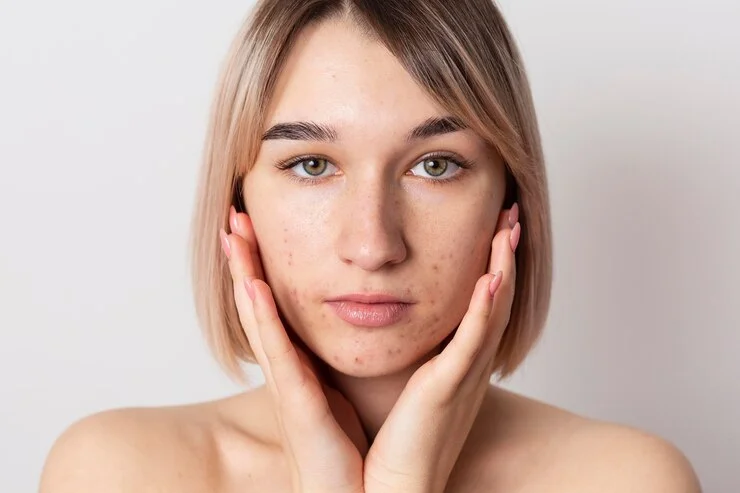
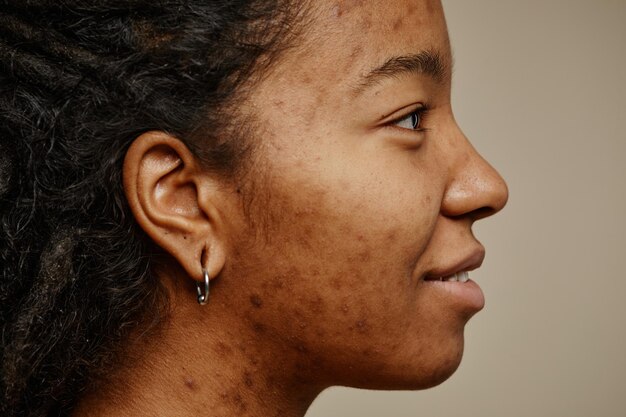
- Skin pigmentation refers to the colouring of your skin, determined primarily by a pigment called melanin.
- When melanin production becomes uneven — either too much or too little — it leads to pigmentation disorders such as dark patches, light spots, or an overall uneven skin tone. These conditions affect millions of people across India and worldwide, and understanding what drives them is the first step toward effective treatment.
In this comprehensive guide, we cover everything from the science of melanin to specific pigmentation disorders, clinically-proven treatments, prevention protocols, and even the psychological impact that pigmentation problems can have on daily life. Whether you're dealing with melasma on your cheeks, post-acne dark spots, or unexplained lightening of the skin — you'll find actionable, evidence-based answers here.
What Is Skin Pigmentation and What Role Does Melanin Play?
Skin pigmentation is simply the color of your skin, and it's controlled by specialised cells called melanocytes located in the basal layer of the epidermis. These cells produce melanin, which is then distributed to surrounding keratinocytes (the cells that make up most of your outer skin). The amount, type, and distribution of melanin determines your unique skin tone.
Types of Melanin: Eumelanin and Pheomelanin
There are two primary types of melanin:
| Feature | Eumelanin | Pheomelanin |
|---|---|---|
| Colour | Brown to black | Yellow to reddish |
| UV Protection | High — absorbs UV radiation effectively | Low — may generate free radicals under UV |
| Predominance | Darker skin tones (Fitzpatrick IV–VI) | Lighter skin tones (Fitzpatrick I–II) |
| Hair colour link | Black and brown hair | Red and blonde hair |
Most people have a mixture of both, and the ratio is largely genetically determined. Research has identified over 125 genes that influence skin tone, with the MC1R gene (located on chromosome 16, locus q24.3) being one of the most well-studied. Variants in MC1R shift melanin production toward pheomelanin, resulting in lighter skin and red hair.
The Melanin Production Pathway
- Melanin synthesis (melanogenesis) is triggered by several signals, including UV exposure, hormones like ACTH (adrenocorticotropic hormone), MSH (melanocyte-stimulating hormone), and β-lipotropin. When UV rays hit the skin, it essentially sends a distress signal that ramps up melanin production as a defense mechanism.
- This is why tanning occurs — it's your body's way of trying to protect the DNA in skin cells.
What Is the Main Cause of Skin Pigmentation?
- There's rarely a single cause. Pigmentation changes usually result from a combination of factors working together.
- Here are the primary triggers:
Sun Exposure and UV Radiation
This is the single biggest external trigger for pigmentation issues in India. UV radiation stimulates melanocytes to produce more melanin, leading to tanning, sunspots (solar lentigines), and worsening of conditions like melasma. Both UVA and UVB rays contribute, and even visible light (especially high-energy blue light) can trigger pigmentation in darker skin tones — something most people don't realize.
Hormonal Changes
Estrogen and progesterone can stimulate melanin production, which is why pigmentation often flares during:
- Pregnancy (the so-called "mask of pregnancy" or melasma)
- Oral contraceptive use
- Hormone replacement therapy
A 2017 study published in the Indian Journal of Dermatology found that up to 50–70% of pregnant women develop some degree of melasma during pregnancy.
Genetics
Your baseline skin colour and susceptibility to pigmentation disorders is fundamentally genetic. Conditions like albinism, some forms of vitiligo, and freckle tendency are hereditary.
Medications
- Certain drugs can cause pigmentation changes as a side effect.
- Common culprits include:
- Antimalarial drugs (chloroquine, hydroxychloroquine)
- Tetracycline antibiotics (minocycline)
- Amiodarone (heart medication)
- Non-steroidal anti-inflammatory drugs (NSAIDs)
- Chemotherapy agents
Post-Inflammatory Hyperpigmentation (PIH)
Any inflammation or injury to the skin — acne, eczema, burns, cuts, or even aggressive cosmetic procedures — can leave behind dark marks. This is especially common in Fitzpatrick skin types III–VI, which includes the majority of the Indian population.
Medical Conditions
- Underlying diseases can also manifest as pigmentation changes. Addison's disease causes widespread darkening, while autoimmune conditions can trigger vitiligo.
- Acanthosis nigricans — dark, velvety patches typically on the neck, armpits, and groin — is frequently a marker for insulin resistance and type 2 diabetes, making it an important clinical sign that shouldn't be ignored.
Types of Skin Pigmentation Disorders
Pigmentation disorders are broadly classified into two categories: hyperpigmentation (excess melanin causing dark patches) and hypopigmentation (reduced melanin causing lighter areas).
Hyperpigmentation Disorders
Melasma
Melasma presents as symmetrical brown or greyish-brown patches, most commonly on the cheeks, forehead, upper lip and bridge of the nose. It disproportionately affects women (90% of cases) and people with darker skin tones. Triggers include UV exposure, hormonal changes, and heat.
Melasma is categorized by depth:
- Epidermal melasma — brown colour, responds best to topical treatment
- Dermal melasma — bluish-grey, harder to treat
- Mixed melasma — combination of both
Post-Inflammatory Hyperpigmentation (PIH)
Dark spots left behind after acne, injuries, or skin procedures. Extremely common in Indian skin. Can take months to years to fade without treatment.
Solar Lentigines (Age Spots/Sunspots)
Flat, tan-to-dark-brown spots that develop on sun-exposed areas, particularly in people over 40. Caused by years of cumulative UV damage.
Freckles (Ephelides)
Small, flat, light brown spots that darken with sun exposure. Mostly genetic, linked to MC1R gene variants.
Periorbital Hyperpigmentation (Dark Circles)
- Dark circles under the eyes represent a distinct type of pigmentation. Triggers include genetics, thin under-eye skin, allergies, sleep deprivation, and chronic rubbing.
- This isn't purely a cosmetic concern — persistent periorbital darkening can sometimes indicate underlying allergic or systemic conditions.
Maturational Hyperpigmentation
A type of progressive darkening seen in individuals with darker skin tones, particularly on the face, linked to chronic, cumulative sun exposure over years. Common in Indian populations and often undertreated because many people consider it "normal aging."
Acanthosis Nigricans
Dark, thick, velvety skin in body folds. Beyond cosmetic concern, it is a red flag for metabolic syndrome — specifically insulin resistance, obesity, and type 2 diabetes. If you notice this, get your fasting insulin and blood glucose levels checked.
Hypopigmentation Disorders
Vitiligo
An autoimmune condition where melanocytes are destroyed, resulting in well-defined white patches. Affects approximately 1–2% of the global population, with higher prevalence in India (some estimates suggest up to 8.8% in certain regions). It can appear at any age but commonly begins before 30.
Albinism
A group of genetic disorders characterised by little or no melanin production. People with albinism have very light skin and hair and are extremely susceptible to UV damage and skin cancers.
Pityriasis Alba
Common in children — presents as pale, slightly scaly patches on the face. Usually self-limiting and often associated with mild eczema.
Birthmarks and Naevi
These deserve their own mention as a subcategory of pigmentation:
- Café-au-lait spots — light brown, flat patches present at birth (multiple spots may indicate neurofibromatosis)
- Mongolian spots — blue-grey spots on the lower back, very common in Indian and Asian babies, usually fade by age 5
- Port-wine stains — vascular birthmarks caused by dilated blood vessels
- Haemangiomas — raised, red "strawberry" marks that often appear in the first few weeks of life
Rare Genetic Syndromes Linked to Pigmentation
Several genetic conditions feature pigmentation abnormalities as a key symptom:
- Waardenburg syndrome — patches of white skin and hair, heterochromia, hearing loss
- Hermansky-Pudlak syndrome — oculocutaneous albinism with bleeding tendency
- Griscelli syndrome — silvery-grey hair, immunodeficiency, hypopigmentation
- Xeroderma pigmentosum — extreme UV sensitivity, multiple pigmented lesions, very high skin cancer risk
Skin Pigmentation and the Fitzpatrick Scale
One framework no comprehensive pigmentation discussion should skip is the Fitzpatrick Skin Phototype Scale. Developed by Thomas Fitzpatrick in 1975, it classifies skin into six types based on response to UV exposure:
| Phototype | Typical Features | Sunburn Risk | Tanning Ability | Common Pigmentation Concerns |
|---|---|---|---|---|
| I | Very fair, freckles, red hair | Always burns | Never tans | Sunburn, freckles, skin cancer |
| II | Fair, light eyes | Burns easily | Tans minimally | Sunspots, freckling |
| III | Medium, olive | Sometimes burns | Tans gradually | Melasma, PIH, sunspots |
| IV | Light brown (common in India) | Rarely burns | Tans easily | Melasma, PIH, acanthosis nigricans |
| V | Dark brown (common in India) | Very rarely burns | Tans very easily | PIH, maturational hyperpigmentation, dermal melasma |
| VI | Very dark brown to black | Never burns | Always deeply pigmented | PIH, keloid-associated pigment changes |
Why this matters: Treatment approaches differ significantly across phototypes. What works for type II skin may cause harm in type V skin. This is particularly relevant in India, where the population spans primarily types III–V.
How Do You Get Rid of Pigmentation? Treatment Options Compared
This section covers the full spectrum — from prescription treatments to professional procedures to home remedies. The right approach depends on the type of pigmentation, its depth, your skin type, and your budget.
Topical Treatments (Creams and Serums)
| Treatment | How It Works | Efficacy | Best For | Key Caution |
|---|---|---|---|---|
| Hydroquinone (2–4%) | Inhibits tyrosinase enzyme | High — considered gold standard | Melasma, PIH, sunspots | Do not use >3 months continuously; risk of ochronosis |
| Retinoids (tretinoin) | Increases cell turnover, distributes melanin evenly | Moderate-high | PIH, melasma (adjunct) | Can cause irritation; always pair with sunscreen |
| Azelaic acid (15–20%) | Inhibits tyrosinase, anti-inflammatory | Moderate | Melasma, acne-related PIH | Safer for long-term use; pregnancy-safe at lower strengths |
| Vitamin C (L-ascorbic acid 10–20%) | Antioxidant, mild tyrosinase inhibitor | Moderate | General brightening, mild PIH | Unstable; look for stable formulations or derivatives |
| Tranexamic acid (topical/oral) | Blocks plasmin pathway, reduces melanocyte stimulation | Moderate-high | Melasma (especially resistant cases) | Oral form requires medical supervision |
| Kojic acid | Chelates copper required for tyrosinase function | Moderate | General hyperpigmentation | Can cause contact dermatitis in some users |
| Alpha arbutin | Slowly releases hydroquinone; gentler | Moderate | Sensitive skin, mild pigmentation | Slower results; lower potency than hydroquinone |
| Niacinamide (5%) | Prevents melanosome transfer to keratinocytes | Mild-moderate | General skin tone evening | Very well-tolerated; good maintenance agent |
A 2020 systematic review in the Journal of Cosmetic Dermatology found that combination therapies (e.g., hydroquinone + tretinoin + mild corticosteroid — known as the Kligman formula) consistently outperformed single-agent treatments for melasma.
Professional Dermatological Procedures
- Chemical peels — glycolic acid, salicylic acid, lactic acid, or TCA peels help remove pigmented surface cells. Multiple sessions needed. Superficial peels are generally safer for darker skin.
- Laser therapy — Q-switched Nd:YAG laser is preferred for Indian skin types.
- Fractional lasers may also be used.
- Important: In Fitzpatrick types IV–V, aggressive laser settings carry a real risk of worsening PIH. Always choose an experienced dermatologist.
- Intense Pulsed Light (IPL) — effective for sunspots on lighter skin. Less suitable for darker skin tones due to higher complication risk.
- Microneedling — creates controlled micro-injuries that boost collagen and can be combined with depigmenting serums for enhanced delivery. A 2018 study in Dermatologic Surgery showed microneedling with vitamin C improved melasma scores by 44% compared to vitamin C alone.
Treatment Differences for Different Skin Tones
This is a critical point that most guides overlook. Treatment that's safe and effective for fair skin can be counterproductive for darker skin:
- Lasers: Q-switched Nd:YAG (1064 nm) is the safest laser for dark skin. Avoid ablative CO2 lasers unless absolutely necessary.
- Chemical peels: Superficial peels (glycolic acid 20–35%) are preferred. Medium and deep peels carry significant PIH risk in types IV–VI.
- Hydroquinone: Equally effective across skin types, but exogenous ochronosis (paradoxical darkening) is more common in darker skin with prolonged use.
- Cryotherapy: Frequently causes hypopigmentation in darker skin. Best avoided for pigmentation in Indian patients.
Natural and Home-Based Remedies
While these are generally milder than prescription treatments, some have legitimate research backing:
- Licorice root extract (glabridin) — inhibits tyrosinase; studies show measurable brightening effects
- Turmeric (curcumin) — anti-inflammatory and mild tyrosinase inhibitor. A 2019 Phytotherapy Research paper confirmed modest depigmenting effects.
- Green tea extract (EGCG) — antioxidant that can reduce UV-induced pigmentation
- Mulberry extract — contains compounds that inhibit melanin synthesis
- Rosehip oil — rich in vitamin A and C; supports skin renewal
- Aloe vera — contains aloin, which has shown mild depigmenting properties
Important note: Natural does not mean risk-free. Lemon juice, a common home remedy in India, can cause phytophotodermatitis — actually worsening pigmentation. Always patch-test, and don't rely solely on home remedies for significant pigmentation.
Plant and Marine Sources Under Clinical Investigation
Research published in Frontiers in Pharmacology has catalogued over 25 plant species and 4 marine organisms with depigmenting potential that have undergone or are currently in clinical trials. This includes extracts from bearberry, orchids, and certain sea cucumbers — the field is expanding rapidly.
Don't wait or self medicate. Start chat with Doctor NOW
Will Skin Pigmentation Go Away on Its Own?
It depends entirely on the type and cause.
- PIH from acne — often fades over 3–12 months, but can persist longer in darker skin without treatment
- Melasma — tends to be chronic and relapsing, especially without sun protection. Pregnancy-related melasma may partially resolve postpartum.
- Sunspots — rarely fade on their own; they tend to accumulate over time
- Vitiligo — unpredictable. Some patients experience spontaneous repigmentation; many don't without treatment.
- Freckles — may lighten in winter but return with sun exposure
The honest answer: Most significant pigmentation does not fully resolve without some form of intervention and consistent sun protection.
How to Prevent Skin Pigmentation: A Step-by-Step Protocol
- Prevention is far easier than treatment.
- Here's a concrete, actionable protocol:
Daily Sun Protection (Non-Negotiable)
- Use SPF 30+ broad-spectrum sunscreen daily — even on cloudy days, even indoors near windows. SPF 50+ is ideal for melasma-prone individuals
- Reapply every 2 hours when outdoors, or immediately after sweating/swimming.
- Choose the right filter type:
- Mineral (zinc oxide, titanium dioxide) — sits on skin surface, reflects UV. Better tolerated by sensitive skin. May leave a white cast on darker skin.
- Chemical (avobenzone, octinoxate, etc.) — absorbs UV. More cosmetically elegant but can sometimes irritate.
- Hybrid formulations — combine both. Often the best practical choice.
4.Wear protective clothing — wide-brimmed hats, sunglasses, UPF 50+ fabrics when spending extended time outdoors.
5.Limit peak sun exposure — avoid direct sunlight between 10 AM and 4 PM when UV index is highest.
Skincare Habits
- Incorporate antioxidant serums (vitamin C, niacinamide) in the morning
- Use gentle cleansers — harsh products can trigger inflammation → PIH
- Never pick at acne or scabs — this is one of the most common causes of PIH in young Indians
- Avoid unnecessary irritants — fragrance-heavy products, alcohol-based toners
Dietary and Nutritional Factors
Nutrition's role in skin pigmentation is under-discussed but increasingly supported by evidence:
- Vitamin C — essential cofactor in collagen synthesis; also inhibits melanogenesis. Found in amla, oranges, bell peppers.
- Vitamin E — photoprotective antioxidant. Found in almonds, sunflower seeds.
- Vitamin A — supports skin cell turnover. Found in carrots, sweet potatoes, leafy greens.
- B vitamins (especially B12 and folate) — deficiency has been linked to hyperpigmentation. Common in vegetarian Indians.
- Copper — necessary for melanin production. Excess copper intake can theoretically darken skin.
- Tyrosine — amino acid precursor to melanin. Dietary tyrosine (in cheese, soy, nuts) doesn't significantly affect skin pigmentation in healthy individuals, but this interaction deserves awareness.
- Antioxidant-rich diet — green tea, turmeric, berries, and dark leafy greens help combat oxidative stress that drives pigmentation.
Pigmentation in Children and Adolescents
Skin pigmentation in children requires special consideration:
- Café-au-lait spots: Usually harmless, but 6 or more spots >5mm in children may suggest neurofibromatosis type 1 — warrants paediatric evaluation
- Mongolian spots: Extremely common in Indian babies (up to 90% prevalence). Almost always benign and fade by school age.
- - Vitiligo in children: Can begin in childhood.
- Treatment options are more limited — high-potency topical steroids and prolonged hydroquinone use are generally avoided. Tacrolimus ointment and narrowband UVB phototherapy are preferred in paediatric cases.
- PIH from eczema: Common in children with atopic dermatitis. Focus should be on managing the underlying eczema rather than treating pigmentation directly.
- Pityriasis alba: Very common, affects up to 5% of children. Appears as pale patches on the face. Typically resolves with moisturization and mild treatment.
Safety note: Many depigmenting agents (hydroquinone, strong retinoids, chemical peels) are not approved or recommended for use in children. Always consult a paediatric dermatologist.
The Psychological and Social Impact of Skin Pigmentation
This is something that medical articles rarely address with the seriousness it deserves.
- In a country like India, where skin colour unfortunately carries significant social weight, pigmentation disorders can profoundly affect quality of life.
- Studies have documented:
- Reduced self-esteem in individuals with visible facial pigmentation, particularly melasma and vitiligo
- Higher rates of anxiety and depression — a 2018 study in the Indian Journal of Dermatology, Venereology and Leprology found that 56% of vitiligo patients reported significant psychological distress
- Social stigma and discrimination — particularly in marriage, employment, and social interactions in South Asian communities
- Body image issues in adolescents with acne-related PIH
If pigmentation is affecting your mental health, it's not "vanity" — it's a legitimate quality-of-life issue. Seeking treatment is completely reasonable, and psychological support (counselling, support groups) can be a valuable part of the management plan.
The ABCDE Rule: When Pigmentation Could Signal Skin Cancer
Most pigmentation is benign. But some changes can indicate malignancy. Use the ABCDE rule to evaluate moles and pigmented lesions:
- A — Asymmetry: One half doesn't match the other
- B — Border: Irregular, ragged, or blurred edges
- C — Colour: Multiple colours (brown, black, red, white, blue) within one lesion
- D — Diameter: Larger than 6mm (size of a pencil eraser)
- E — Evolution: The lesion is changing in size, shape, or colour
Conditions linked to skin cancer include actinic keratosis (rough, scaly patches from sun damage), basal cell carcinoma, squamous cell carcinoma, and melanoma. While melanoma is less common in darker-skinned populations, it tends to be diagnosed at later stages, making awareness crucial.
When Should You See a Dermatologist?
Consult a dermatologist if you notice:
- Rapidly spreading or changing pigmentation
- Pigmented patches that are asymmetric, have irregular borders, or multiple colours
- Pigmentation accompanied by itching, bleeding, or crusting
- New pigmentation with no obvious cause
- Dark velvety patches in skin folds (possible acanthosis nigricans — get metabolic screening)
- White patches that are expanding (possible vitiligo)
- Pigmentation that doesn't respond to 3 months of consistent over-the-counter treatment
- Any pigmentation change in children that concerns you
How Do Doctors Diagnose Skin Pigmentation Disorders?
Diagnosis typically involves:
- 1.Visual examination — experienced dermatologists can often identify conditions clinically
- 2.Wood's lamp examination — UV light that helps differentiate epidermal from dermal pigmentation
- 3.Dermoscopy — magnified examination that reveals pigment patterns and structures
- 4.Skin biopsy — for uncertain cases or when malignancy is suspected
- 5.Blood tests — to check for underlying causes (thyroid function, cortisol levels, insulin resistance, vitamin B12 deficiency)
Frequently Asked Questions
What is skin discoloration?
Skin discoloration is a broad term for any change in your normal skin colour. It encompasses both darkening (hyperpigmentation) and lightening (hypopigmentation), as well as redness, yellowing, or blueish tints. It can be localized to small spots or affect large areas of the body.
How to remove pigmentation from face permanently?
- Truly permanent removal is difficult for conditions like melasma, which tend to recur. However, significant long-term improvement is achievable through combination therapy (topical treatments + procedures + rigorous sun protection). Sunspots and PIH respond better and can be effectively cleared with consistent treatment.
- The key is maintenance — even after clearance, you must continue sun protection and antioxidant use to prevent recurrence.
What is hyperpigmentation?
Hyperpigmentation is any condition where patches of skin become darker than the surrounding area due to excess melanin production. It's an umbrella term that includes melasma, sunspots, PIH, and freckles.
Can skin pigmentation be caused by stress?
Indirectly, yes. Chronic stress elevates cortisol and related hormones (including ACTH and MSH), which can stimulate melanocytes. Stress also worsens inflammatory skin conditions like acne and eczema, which can subsequently lead to PIH. Managing stress through sleep, exercise, and mental health support can be a surprisingly helpful part of a pigmentation management plan.
Is pigmentation cream safe for daily use?
It depends on the ingredients. Niacinamide, vitamin C, azelaic acid, and alpha arbutin are generally safe for daily, long-term use. Hydroquinone should typically be used in cycles (8–12 weeks on, then a break). Retinoids can be used long-term but require gradual introduction. Always use sunscreen alongside any depigmenting product.
What are the ways to prevent skin discoloration?
Daily broad-spectrum sunscreen (SPF 30+), protective clothing, antioxidant-rich diet, gentle skincare routines, avoiding skin picking, and managing underlying conditions (hormonal imbalances, diabetes, nutrient deficiencies) are the pillars of prevention. See the detailed protocol section above.
Final Takeaway
Skin pigmentation is one of the most common dermatological concerns in India — and one of the most treatable when approached correctly. The foundation of any successful pigmentation treatment is understanding your specific condition, your skin type (Fitzpatrick phototype), and choosing treatments that are appropriate for your skin tone. Combine this with non-negotiable daily sun protection, and you're already ahead of most people.
Don't fall for quick-fix promises or bleaching products that can cause more harm than good. Work with a qualified dermatologist, be patient (most treatments need 8–12 weeks to show visible results), and remember that managing pigmentation is a marathon, not a sprint.
If pigmentation is affecting how you feel about yourself, take it seriously. You deserve both healthy skin and peace of mind.
Scientific Sources
- Skin Pigmentation Types, Causes and Treatment-A Review — Thawabteh AM et al., 2023, Molecules (Basel, Switzerland)
- Hemochromatosis osteoarthritis — Yang Y et al., 2026, Frontiers in endocrinology
- Galangin alleviates vitiligo by targeting ANXA2 degradation in macrophages — Wei W et al., 2025, British journal of pharmacology
- Diet and Vitiligo: The Story So Far — Dutta RR et al., 2022, Cureus
- Mechanism, Formulation, and Efficacy Evaluation of Natural Products for Skin Pigmentation Treatment — Peng X et al., 2024, Pharmaceutics
- The clinical characteristics and pathogenic variants of primary pigmented nodular adrenocortical disease in 210 patients: a systematic review — Sun J et al., 2024, Frontiers in endocrinology
- An Herbal H2 Blocker in Melasma Treatment — Mahjour M et al., 2020, Current drug discovery technologies
- Selaginellin Inhibits Melanogenesis via the MAPK Signaling Pathway — Zhou Y et al., 2022, Journal of natural products
- Alternative Systemic Treatments for Vitiligo: A Review — Cohen BE et al., 2015, American journal of clinical dermatology
- Miracles of Herbal Phytomedicines in Treatment of Skin Disorders: Natural Healthcare Perspective — Ahuja A et al., 2021, Infectious disorders drug targets
- Tokishakuyakusan alleviates ultraviolet-induced skin pigmentation by decreasing the expression of melanogenesis-related enzymes — Saito R et al., 2024, Journal of ethnopharmacology
- Clinical Development and Evaluation of a Multi-Component Dissolving Microneedle Patch for Skin Pigmentation Disorders — Yan C et al., 2023, Polymers
- Seven traditional Chinese herbal extracts fermented by Lactobacillus rhamnosus provide anti-pigmentation effects by regulating the CREB/MITF/tyrosinase pathway — Ho CC et al., 2021, Environmental toxicology
- Identification of Sitogluside as a Potential Skin-Pigmentation-Reducing Agent through Network Pharmacology — Guo H et al., 2021, Oxidative medicine and cellular longevity
- Does an apple a day keep away diseases?
- Evidence and mechanism of action — Zhang Y et al., 2023, Food science & nutrition
- Antioxidant and anti-melanogenesis activities of extracts from Leonurus japonicus Houtt — Zhang L et al., 2024, Biotechnology & genetic engineering reviews
- Low-concentration imiquimod treatment promotes enhanced skin barrier functions through epidermal melanization reaction regulation — Lin TK et al., 2024, Environmental toxicology
- Skin autofluorescence, a novel marker for glycemic and oxidative stress-derived advanced glycation endproducts: an overview of current clinical studies, evidence, and limitations — Mulder DJ et al., 2006, Diabetes technology & therapeutics
- The Pathogenesis of Oxidative Stress-Induced Chloasma and Its Therapeutic Implications — Wu Q et al., 2025, Clinical, cosmetic and investigational dermatology
- Anti-Pigmentation Effects of Eight Phellinus linteus-Fermented Traditional Crude Herbal Extracts on Brown Guinea Pigs of Ultraviolet B-Induced Hyperpigmentation — Ahn HY et al., 2018, Journal of microbiology and biotechnology
Questions from users
What is the connection between vitamin B12 deficiency and skin pigmentation issues?
Carter
6 days ago
Vitamin B12 deficiency can sometimes cause skin pigmentation issues like hyperpigmentation. It's thought that B12 plays a big role in melanin production, which affects skin color. So if you're deficient, it might mess with normal pigmentation, leading to darker patches. If you're worried about B12 levels, maybe consider getting them checked with a doc. Hope this helps!
Is it safe to use vitamin A products on darker skin for pigmentation treatment?
Brooklyn
15 days ago
Yeah, using vitamin A on darker skin can be safe, but it's really important to be careful with it. Vitamin A helps with skin cell turnover, but it can be stronger for some skin types. Darker skin can be more sensitive to treatments that cause irritation, which might lead to more pigmentation. So, it's really key to start slow and maybe get some guidance from a dermatologist to avoid any unwanted effects!
Can I use sandalwood and rose water paste daily on my skin for pigmentation?
Claire
25 days ago
You can definitely use sandalwood and rose water paste daily—it's pretty gentle! But, always do a patch test first just to make sure your skin is cool with it. A balanced diet and sun protection is also super important for pigmentation. Experiment and see what works best for your unique skin!
What is the best way to prepare a turmeric paste for treating skin pigmentation?
Yolanda
35 days ago
To whip up a turmeric paste for skin pigmentation, just mix 1 tsp of turmeric with enough milk or rose water to make a smooth paste. Optional: add a dash of lemon juice. Slather it on the affected areas, chill for 10-15 mins, then rinse. Don't forget to do a patch test first 'cause turmeric can stain or irritate. Keep it simple n' holistic :)
How does hydration impact skin health in Ayurveda?
Miles
45 days ago
In Ayurveda, hydration is key for maintaining balanced skin. Staying hydrated helps support agni (digestive fire) for proper digestion, which in turn nourishes dhatus like the skin. Lack of water can lead Vata dosha imbalance, causing dryness. Drink warm water or herbal teas to aid digestion and keep skin glowing. Just remember, balance is vital!
What is the best dietary approach in Ayurveda to support healthy skin and reduce pigmentation?
Anna
54 days ago
In Ayurveda, keeping skin healthy and reducing pigmentation usually means balancing the Pitta dosha, which governs heat and metabolism. Try cooling foods like cucumber, coriander, and sweet fruits. Avoid spicy and fried stuff. Staying hydrated, and keeping your digestive fire (agni) strong is key too. Everyone's different so it may take some tweaking! 🍏🥒
What is the role of sun exposure in causing skin pigmentation problems?
Walter
64 days ago
Sun exposure is a big player in skin pigmentation issues. It can cause an increase in melanin, the pigment that gives skin its color. This can lead to darker spots or uneven tones. To tackle this, Ayurveda often suggests using cooling herbs and regular protective practices to balance pitta, as this dosha tends to get aggravated by the sun.
Is it safe to mix different Ayurvedic herbs for treating skin pigmentation?
Tristan
74 days ago
Mixing Ayurvedic herbs can be helpful, but it's not a one-size-fits-all! It really depends on your dosha balance and specific skin issues. Generally, neem and tulsi are safe together. But it's always smart to consult with an Ayurvedic practitioner to tailor the herbs to your unique constitution. Too many herbs without guidance might mess things up!
How often should I apply turmeric paste to see noticeable results for skin pigmentation?
Robert
150 days ago
To see noticeable results with turmeric for skin pigmentation, apply the paste about 2-3 times a week. However, everyone's skin reacts differently, so it may take some time to see changes. In the meanwhile, keep a balanced diet, stay hydrated, and be consistent with the application. If you notice irritation, reduce frequency.
What lifestyle habits should I avoid to prevent worsening skin pigmentation issues?
Serenity
157 days ago
Avoid habits that aggravate your specific dosha! For Vata, try not to overstress or skip meals; it dries skin more. Pitta-types should avoid spicy foods, which can increase inflammation and pigmentation. Overall, stay hydrated and avoid sun exposure. Listen to your body and adjust based on how you feel. Hope this helps!
Related articles
Skin and Hair Disorders
Valiya Madhusnuhi Rasayanam – Traditional Ayurvedic Rejuvenation Therapy for Enhanced Vitality
Discover Valiya Madhusnuhi Rasayanam, a classical Ayurvedic rejuvenation therapy. Learn about its ingredients, benefits, usage, and how it promotes holistic health and longevity naturally.
2,612
Skin and Hair Disorders
Palitya – Ayurvedic Perspective on Premature Graying of Hair
Discover the Ayurvedic approach to treating Palitya, a condition referring to premature graying of hair before age 35. Learn how natural remedies restore melanin production and hair vitality.
2,833

Skin and Hair Disorders
Somaraji Oil: Benefits, How to Use, Ingredients, Side Effects
Exploration of Somaraji Oil: Benefits, How to Use, Ingredients, Side Effects
1,829

Skin and Hair Disorders
What Is Red Sandalwood Used For: Ayurvedic Benefits and Applications
Discover what red sandalwood is used for in Ayurveda. Learn its skin and face benefits, how to use the powder, and natural ways to apply it for skin whitening
4,793

Skin and Hair Disorders
Best Ayurvedic Medicine for Fungal Infection – Natural Herbal Solutions
Discover the best Ayurvedic medicines for treating fungal infections. Learn about natural remedies, benefits, dosage, usage, and scientific evidence behind these herbs.
5,629

Skin and Hair Disorders
How to Remove Dark Spots on Feet and Ankles Naturally
Learn how to remove dark spots on feet and ankles using natural home remedies, Ayurvedic treatments, and simple lifestyle changes. Get clear skin effectively
11,557

Skin and Hair Disorders
Discover Natural Solutions: Best Ayurvedic Treatment for Melasma on Face
xplore the top Ayurvedic treatments for melasma on the face, including herbs, remedies, and lifestyle tips to achieve clearer, radiant skin naturally.
5,553

Skin and Hair Disorders
Manibhadra Guda Ayurvedic Remedy – Natural Treatment for Digestive Health and Detoxification
Explore the benefits of Manibhadra Guda in Ayurveda, a powerful herbal remedy known for promoting digestive health, detoxification, and overall well-being.
3,342
Skin and Hair Disorders
Ayurvedic Treatment for Rosacea – Soothing Herbal Care
Explore Ayurvedic approaches to treat rosacea naturally. Learn about herbs, lifestyle changes, dosage, precautions, and holistic insights for clear, calm skin.
3,661

Skin and Hair Disorders
How to Get Rid of Wrinkles on Forehead Naturally: Ayurvedic Remedies and Tips
How to get rid of wrinkles on forehead naturally? Discover natural remedies, Ayurvedic forehead wrinkles treatment, and ways to reduce facial lines at home
3,753
Related questions on the topic
Legal
Additional Documents
© 2024 Ask Ayurveda. All rights reserved.