FREE! Ask Ayurvedic Doctors 24/7

 Fast responses
 1000+ verified doctors
Trichoderm Cream: Benefits & Uses for Skin Health
Introduction to Trichoderm Cream
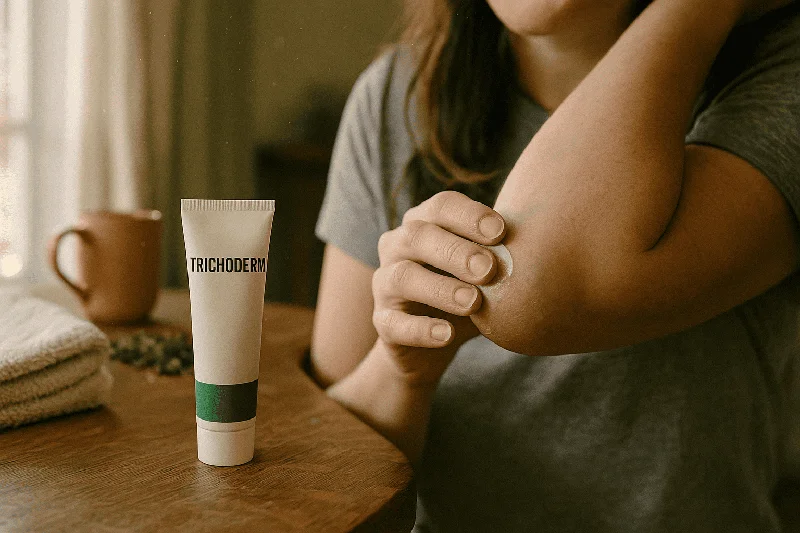
Trichoderm Cream is a widely recognized antifungal and antibacterial topical medication formulated to treat various skin infections and inflammatory skin conditions. Commonly prescribed for conditions such as fungal infections, dermatitis, eczema, and impetigo, Trichoderm Cream offers a convenient and effective solution for individuals seeking relief from skin discomfort and improved skin health. Understanding the benefits, uses, and proper application of Trichoderm Cream can help you make informed decisions about incorporating it into your skincare routine.
Historical Roots & Medical Significance
Trichoderm Cream has its roots in modern dermatological medicine, developed to address the increasing prevalence of skin infections and inflammatory conditions. Skin health is a crucial aspect of overall well-being, and Trichoderm Cream combines active ingredients known for their antifungal, antibacterial, and anti-inflammatory properties to provide comprehensive skin care solutions.
Medical Significance of Trichoderm Cream
- Effective Infection Control: Provides targeted treatment for fungal and bacterial skin infections, enhancing patient comfort and skin health.
- Versatile Applications: Suitable for a range of skin conditions, from acute infections to chronic inflammatory disorders.
- Improved Patient Compliance: Cream formulation ensures easy application and better adherence to treatment regimens.
Key Health Benefits of Trichoderm Cream
Antifungal Properties
Trichoderm Cream is highly effective in combating fungal infections, making it a valuable treatment option for various dermatological conditions.
- Treatment of Dermatophytes: Effectively eliminates fungi responsible for athlete's foot, ringworm, and other dermatophytic infections.
- Prevention of Fungal Spread: Stops the proliferation of fungi, preventing the spread of infections to other skin areas.
- Reduction of Itching and Discomfort: Alleviates itching and irritation caused by fungal infections, enhancing patient comfort.
Antibacterial Action
In addition to its antifungal capabilities, Trichoderm Cream exhibits potent antibacterial properties, making it suitable for treating bacterial skin infections.
- Management of Bacterial Dermatitis: Controls bacterial growth in dermatitis, reducing inflammation and redness.
- Treatment of Impetigo: Provides effective relief from impetigo, a common bacterial skin infection in children.
- Prevention of Secondary Infections: Prevents bacterial superinfection in areas affected by skin injuries or inflammatory conditions.
Anti-inflammatory Benefits
Trichoderm Cream's anti-inflammatory properties help reduce redness, swelling, and irritation associated with various skin conditions.
- Reduction of Inflammation: Alleviates inflammatory responses in the skin, promoting faster healing.
- Soothing Effect: Provides a calming effect on irritated skin, enhancing overall skin comfort.
- Minimization of Scarring: Reduces the risk of scarring by controlling inflammation and promoting healthy skin regeneration.
Skin Healing and Recovery
Trichoderm Cream supports the skin's natural healing processes, facilitating quicker recovery from infections and injuries.
- Enhanced Skin Regeneration: Promotes the growth of healthy skin cells, accelerating the healing of damaged skin.
- Moisturizing Effect: Helps maintain skin hydration, preventing dryness and cracking during the healing process.
- Protection of Skin Barrier: Strengthens the skin's natural barrier, making it more resistant to future infections and irritants.
Prevention of Secondary Infections
By controlling fungal and bacterial growth, Trichoderm Cream plays a crucial role in preventing secondary infections in compromised skin areas.
- Protection Against Recurrent Infections: Reduces the likelihood of recurring fungal and bacterial infections.
- Maintenance of Skin Health: Keeps the skin environment balanced, discouraging the growth of harmful microorganisms.
- Long-term Skin Care: Supports ongoing skin health, particularly in individuals prone to chronic skin conditions.
How Trichoderm Cream Works: The Science Behind the Solution
Trichoderm Cream's efficacy lies in its carefully selected active ingredients, each contributing unique therapeutic properties to combat skin infections and inflammation.
Active Ingredients and Their Roles
- Clotrimazole: A broad-spectrum antifungal agent that disrupts fungal cell membranes, inhibiting growth and reproduction.
- Neomycin Sulfate: An antibiotic that targets a wide range of bacteria, preventing their growth and reducing bacterial load.
- Miconazole Nitrate: Another effective antifungal agent that works by inhibiting ergosterol synthesis, a critical component of fungal cell membranes.
- Hydrocortisone: A corticosteroid that reduces inflammation, itching, and redness, providing immediate relief from skin irritation.
Mechanisms of Action
- Fungal Cell Disruption: Clotrimazole and Miconazole Nitrate interfere with fungal cell membrane synthesis, leading to cell death and infection control.
- Bacterial Inhibition: Neomycin Sulfate binds to bacterial ribosomes, preventing protein synthesis and bacterial growth.
- Inflammation Reduction: Hydrocortisone suppresses the immune response in the skin, reducing inflammation and associated symptoms.
- Combined Efficacy: The synergistic action of antifungal, antibacterial, and anti-inflammatory agents ensures comprehensive treatment of mixed infections and inflammatory conditions.
Scientific Backing
Numerous studies have validated the efficacy of Trichoderm Cream's active ingredients in managing skin infections and reducing inflammation. Research highlights the combined use of antifungal and antibacterial agents as an effective strategy for treating complex skin conditions involving multiple pathogens.
Choosing the Right Trichoderm Cream
Selecting the appropriate Trichoderm Cream involves considering factors such as quality, brand reputation, and formulation. Ensuring that you choose a reliable product maximizes the benefits and minimizes potential risks.
Quality and Purity
- Pharmaceutical Grade: Ensure that the cream is manufactured according to pharmaceutical standards, ensuring purity and efficacy.
- Free from Contaminants: Check for certifications that guarantee the absence of harmful impurities.
- Consistent Formulation: Reliable manufacturers provide consistent dosing and ingredient concentrations.
Reputable Brands
- Trusted Manufacturers: Opt for brands with a proven track record in producing effective and safe topical medications.
- Positive Reviews: Look for products with favorable patient feedback and high ratings.
- Transparent Practices: Choose brands that offer clear information about their manufacturing processes and ingredient sourcing.
Formulation and Ingredients
- Effective Dosage: Ensure the cream contains the appropriate concentrations of active ingredients for effective treatment.
- Complementary Ingredients: Some formulations may include additional components like moisturizing agents or natural extracts to enhance overall benefits.
- Minimal Additives: Prefer creams with minimal artificial fragrances, colors, or preservatives to reduce the risk of allergic reactions.
Recommended Dosage & How to Use Trichoderm Cream
General Guidelines
The dosage of Trichoderm Cream varies based on the severity of the condition and the specific formulation. It is essential to follow the dosage instructions provided by your healthcare provider or as indicated on the product label.
- Application Frequency: Typically, apply the cream 2-3 times daily or as directed by a healthcare professional.
- Duration of Use: Continue using the cream for the prescribed duration, even if symptoms improve, to ensure complete eradication of the infection.
- Affected Area: Apply a thin layer to the affected area, gently massaging it into the skin until fully absorbed.
How to Use Trichoderm Cream
- Clean the Affected Area: Wash the skin gently with mild soap and water, then pat dry with a clean towel.
- Apply the Cream: Dispense a small amount of Trichoderm Cream onto your fingertip.
- Massage Gently: Spread the cream evenly over the affected area, ensuring thorough coverage.
- Wash Hands: After application, wash your hands to prevent the spread of infection, unless your hands are the area being treated.
- Avoid Contact with Eyes: Keep the cream away from eyes, mucous membranes, and open wounds unless specifically directed by a healthcare professional.
Consult with a Healthcare Professional
Before starting Trichoderm Cream, especially if you have underlying health conditions or are taking other medications, consult with a healthcare provider. They can provide personalized dosage recommendations and ensure that Trichoderm Cream is appropriate for your specific health needs.
Potential Side Effects & Precautions
While Trichoderm Cream is generally well-tolerated, some individuals may experience side effects. It is essential to be aware of these potential reactions and take necessary precautions.
Common Side Effects
- Skin Irritation: Redness, itching, or burning at the application site.
- Dryness: Dry or peeling skin where the cream is applied.
- Allergic Reactions: Rash, swelling, or hives in response to an ingredient in the cream.
Serious Side Effects
- Severe Allergic Reactions: Difficulty breathing, swelling of the face, lips, tongue, or throat. Seek immediate medical attention if these occur.
- Skin Thinning: Prolonged use of corticosteroids like hydrocortisone may lead to thinning of the skin.
Precautions
- Avoid Prolonged Use: Do not use Trichoderm Cream for extended periods unless directed by a healthcare provider.
- Patch Test: Perform a patch test on a small skin area before full application to check for allergic reactions.
- Consult During Pregnancy and Breastfeeding: Pregnant or breastfeeding women should seek medical advice before using Trichoderm Cream.
- Children's Use: Use cautiously in children and follow pediatrician recommendations.
- Avoid Contact with Eyes: Prevent the cream from entering the eyes to avoid irritation.
Frequently Asked Questions (FAQ)
What is Trichoderm Cream used for?
Trichoderm Cream is used to treat various skin infections, including fungal infections like athlete's foot and ringworm, bacterial infections such as impetigo, and inflammatory skin conditions like dermatitis and eczema. Its combination of antifungal, antibacterial, and anti-inflammatory agents makes it effective for managing mixed infections and reducing skin inflammation.
How long does it take for Trichoderm Cream to work?
The onset of action for Trichoderm Cream is typically within a few hours of application. However, noticeable improvement in symptoms may be observed within 2-3 days of consistent use. For complete eradication of infections, it is essential to continue using the cream for the full prescribed duration, even if symptoms improve.
Can Trichoderm Cream be taken orally?
No, Trichoderm Cream is a topical medication intended for external use only. It should not be ingested or applied to mucous membranes unless specifically directed by a healthcare professional.
Is Trichoderm Cream safe for children?
Trichoderm Cream can be safe for children when used under the guidance of a pediatrician. Dosage and frequency should be carefully adjusted based on the child's age and the severity of the condition to ensure safety and efficacy.
Can I use Trichoderm Cream while pregnant or breastfeeding?
Pregnant or breastfeeding women should consult with their healthcare provider before using Trichoderm Cream to ensure it is safe for their specific circumstances. While topical application is generally considered safe, professional guidance is recommended.
What should I do if I experience side effects from Trichoderm Cream?
If you experience mild side effects such as skin irritation or dryness, you may continue using the cream as directed while monitoring the symptoms. However, if you encounter severe side effects like allergic reactions, discontinue use immediately and seek medical attention.
Where can I purchase authentic Trichoderm Cream?
Authentic Trichoderm Cream can be purchased from reputable pharmacies, both online and in-store. Ensure that you buy from trusted sources to avoid counterfeit products. Always check for proper labeling, expiration dates, and certifications before purchasing.
Conclusion & Expert Insights
Trichoderm Cream emerges as a highly effective solution for managing a wide range of skin infections and inflammatory conditions. Its unique combination of antifungal, antibacterial, and anti-inflammatory agents ensures comprehensive treatment, providing both immediate relief and long-term skin health benefits. By choosing a high-quality product, adhering to recommended dosages, and following proper application guidelines, individuals can achieve significant improvements in skin health and comfort.
For optimal results, consider the following:
- Choose Quality: Ensure you select Trichoderm Cream from reputable brands known for their commitment to quality and safety.
- Follow Dosage Instructions: Adhere strictly to the recommended dosage and application frequency to maximize benefits and minimize side effects.
- Consult Healthcare Providers: Always seek professional medical advice before starting any new medication, especially if you have existing health conditions or are taking other medications.
- Complement with Good Skincare Practices: Maintain a balanced skincare routine, including proper hygiene and moisturizing, to support overall skin health.
As dermatological challenges continue to impact individuals' quality of life, Trichoderm Cream stands out as a reliable and effective solution, backed by scientific research and clinical evidence. By integrating Trichoderm Cream into a comprehensive skincare regimen, individuals can achieve better infection management, improved skin function, and enhanced overall well-being.
References & Further Reading
- National Center for Complementary and Integrative Health (NCCIH):
- Examine.com: Antifungal Agents Overview https://examine.com/supplements/antifungal-agents/
- FDA Guidelines on Topical Antifungals: https://www.fda.gov/drugs/postmarket-drug-safety-information-patients-and-providers/fda-drug-safety-communication-antifungal-medications
- Bhattacharya, S. K. (2008). Modern Pharmacology and Therapeutics. AYU Journal.
- Kumar, V., & Bhardwaj, G. (2015). Integrating Ayurveda with Modern Medicine. Springer.
- Charaka Samhita: Classical Ayurvedic Text on Skin Health.
- Sushruta Samhita: Ancient Text on Ayurvedic Surgical Practices.
Ask Ayurvedic doctor a question and get a consultation online on the problem of your concern in a free or paid mode.
More than 2,000 experienced doctors work and wait for your questions on our site and help users to solve their health problems every day.
Related articles