Ask Ayurvedic doctor a question and get a consultation online on the problem of your concern in a free or paid mode. More than 2,000 experienced doctors work and wait for your questions on our site and help users to solve their health problems every day.
FREE! Ask Ayurvedic Doctors 24/7

 Fast responses
 1000+ verified doctors
Body DetoxEar, Nose, and Throat DisordersGeriatrics & RejuvenationImmunodeficiencyInfertility TreatmentNutritionOrthopedic DisordersPediatricsRespiratory DisordersSexually Transmitted Diseases (STDs)Surgery RecoveryUrological DisordersVascular DisordersDental DisordersEndocrinological DisordersGastrointestinal DisordersYoga TherapyGeneral MedicineAllergic DisordersCardio DisordersGynecology and ObstetricsCosmetologySkin and Hair DisordersEye DisordersInfectious DiseasesMental DisordersNeurological DisordersOncologyPanchakarmaSexual Health & DisordersSports Medicine
Published on 10/08/24
(Updated on 07/07/26)
star_border 5
4,053
AYURVEDIC REMEDIES FOR SINUSITIS
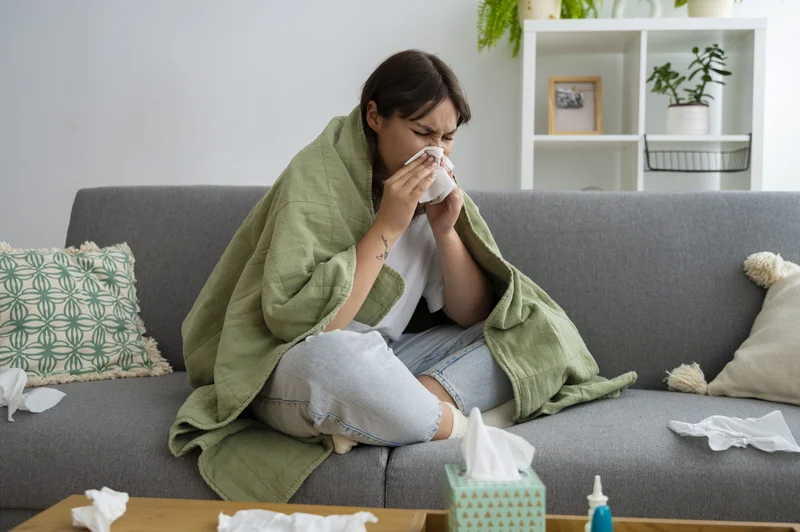
Sinusitis affects over 134 million people in India alone, making it one of the most common upper respiratory conditions in the country. If you're looking for ayurvedic remedies for sinusitis, here's the direct answer: Nasya therapy (nasal oil application), steam inhalation with herbs like Tulsi and Eucalyptus, and internal use of turmeric, ginger, and black pepper are among the most effective Ayurvedic interventions — backed by both classical texts and emerging clinical evidence. But true, lasting relief requires more than a single remedy. It demands a holistic approach that addresses the root cause.
This guide covers everything — from understanding why sinusitis happens according to Ayurveda, to step-by-step home remedies, Panchakarma therapies, diet changes, safety considerations, and even what modern research says about these ancient solutions.
What Is Sinusitis? Types, Causes, and Symptoms Explained
Before diving into treatments, let's get clear on what we're actually dealing with.
Sinusitis is the inflammation or swelling of the tissue lining your sinuses — the hollow, air-filled cavities behind your forehead, cheeks, nose bridge, and deep in the skull. When these cavities get blocked and filled with fluid, bacteria, viruses, or fungi can grow, causing infection and significant discomfort.
Types of Sinuses and Sinusitis
Your skull contains four pairs of sinuses:
| Sinus Type | Location | Common Symptom When Inflamed |
|---|---|---|
| Frontal | Behind the forehead | Forehead headache, pressure above eyes |
| Maxillary | Behind the cheekbones | Cheek pain, toothache, facial swelling |
| Ethmoid | Between the eyes | Pain between/behind eyes, nasal bridge pressure |
| Sphenoid | Deep behind the nose | Deep headache, pain at back of head |
Sinusitis is classified by duration:
- Acute sinusitis — lasts up to 4 weeks, usually triggered by a cold
- Subacute sinusitis — symptoms persist for 4–12 weeks
- Chronic sinusitis — lasts longer than 12 weeks despite treatment
- Recurrent sinusitis — multiple acute episodes per year (4 or more)
What Are the Symptoms and Common Causes of Sinusitis?
The hallmark symptoms include nasal congestion, thick yellow-green nasal discharge, facial pain or pressure, reduced sense of smell, postnasal drip, headache, fatigue, and sometimes fever.
Common causes and triggers include:
- Viral infections (the most common trigger)
- Bacterial and fungal infections
- Allergies — dust, pollen, pet dander
- Nasal polyps or deviated septum
- Air pollution and cigarette smoke
- Sudden weather changes (especially monsoon and winter seasons in India)
- Swimming in contaminated water
- Weakened immunity due to diabetes, immunosuppressive medications, or chronic illness
What Deficiency Causes Sinusitis?
This is a question many people ask. Deficiencies in Vitamin D, Vitamin C, and Zinc have been linked to increased susceptibility to sinusitis. A 2015 study published in the International Forum of Allergy & Rhinology found that patients with chronic rhinosinusitis had significantly lower serum Vitamin D levels compared to controls. While a deficiency alone doesn't "cause" sinusitis, it weakens the mucosal immune barrier and makes infections more likely.
The Ayurvedic Perspective: Why Sinusitis Happens According to Ayurveda
Ayurveda doesn't just see sinusitis as a nasal problem. It sees it as a systemic imbalance that manifests in the sinuses.
In classical Ayurvedic texts, conditions resembling sinusitis are described under several terms — Dushta Pratishyaya (chronic rhinitis/sinusitis), Kaphaja Shiroroga (Kapha-type head diseases), and Krimija Shiroroga (infective head conditions).
The Role of Doshas, Ama, and Agni
- The primary dosha involved is Kapha, which governs mucus, lubrication, and moisture in the body.
- When Kapha becomes aggravated — through cold foods, sedentary lifestyle, exposure to damp environments, or seasonal changes — it leads to excess mucus production and blockage of the sinus channels.
But Kapha doesn't always act alone.
- Vata dosha can cause dryness and irregular airflow in the nasal passages, leading to the dry type of sinusitis with more pain and less mucus.
- Pitta dosha involvement leads to the inflammatory type — intense headache, yellowish discharge, and sometimes fever.
Three critical Ayurvedic concepts explain the mechanism:
- 1. Mandagni (weakened digestive fire) — poor digestion creates metabolic waste
- 2. Ama (toxins) — this undigested metabolic waste accumulates in the body
- 3. Sroto-avarodha (channel blockage) — ama blocks the prana vaha srotas (respiratory channels), leading to congestion and infection
There's also a fascinating concept called Dushivisha — a form of cumulative, low-grade toxicity that builds up over time. In a case report published in the Journal of Ayurveda and Integrative Medicine (2018), researchers from Kerala described successful Ayurvedic treatment of fungal ball sinusitis in a 42-year-old woman. The patient had refused FESS (Functional Endoscopic Sinus Surgery), and after 3 months of Ayurvedic treatment including Nasya and internal medicines, a follow-up CT scan showed complete resolution of the fungal mass. The researchers interpreted the chronic fungal accumulation through the lens of Dushivisha.
Personalized Treatment Based on Your Dosha Type
This is something most guides miss entirely. Not all sinusitis is the same, and Ayurveda treats each type differently:
| Dosha Type | Characteristics | Treatment Focus |
|---|---|---|
| Kapha sinusitis | Heavy congestion, thick white/clear mucus, dull headache, feeling of heaviness | Kapha-reducing herbs (dry, warm, light), steam therapy, Nasya |
| Vata sinusitis | Dry nasal passages, sharp pain, scanty discharge, anxiety | Moisturizing Nasya oils, warm sesame oil, grounding herbs |
| Pitta sinusitis | Yellow/green discharge, fever, burning sensation, inflamed sinuses | Cooling herbs (like coriander, neem), Pitta-pacifying Nasya |
| Mixed (Tridoshic) | Combination of symptoms | Balanced protocol addressing dominant dosha first |
Why Choose Ayurvedic Treatment for Sinusitis?
This is a legitimate question, and it deserves an honest answer — not just promotional claims.
Ayurveda offers several advantages for sinusitis management:
- Root-cause approach — it addresses digestive health, immunity, and dosha balance, not just symptoms
- Fewer side effects — compared to prolonged antibiotic or steroid use
- Effective for chronic cases — where conventional medicine often plateaus
- Preventive framework — seasonal routines (Ritucharya) help prevent recurrence
That said, Ayurveda is not a replacement for emergency care. Severe sinusitis with high fever, vision changes, facial swelling, or suspected complications needs immediate medical attention. More on safety considerations later.
- Ayurveda vs. Conventional Treatment: An Honest Comparison
| Aspect | Conventional Treatment | Ayurvedic Treatment |
|---|---|---|
| Speed of relief | Fast (antibiotics, decongestants) | Gradual (days to weeks) |
| Root cause treatment | Limited (symptom-focused) | Strong focus on underlying imbalance |
| Side effects | Antibiotic resistance, rebound congestion, GI issues | Minimal when properly guided |
| Chronic sinusitis | Often surgical (FESS) | Panchakarma + herbs may resolve without surgery |
| Recurrence prevention | Weak | Strong (diet, lifestyle, seasonal protocols) |
| Scientific evidence | Extensive RCTs | Limited but growing — more case studies and pilot trials |
Best Ayurvedic Remedies and Home Treatments for Sinusitis
Now let's get practical. These remedies are organized from simplest home treatments to clinical Ayurvedic procedures.
Steam Inhalation with Medicinal Herbs
This is probably the single most effective home remedy you can start today.
Boil water and add 4–5 fresh Tulsi leaves (Holy Basil), 2–3 drops of Eucalyptus oil, and a few Peppermint leaves. Drape a towel over your head, lean over the pot (maintain safe distance to avoid burns), and inhale the steam for 8–10 minutes. Do this 2–3 times daily during acute episodes.
Tulsi contains eugenol and camphene, which have demonstrated anti-inflammatory and antimicrobial properties. A 2017 study in the Journal of Ayurveda and Integrative Medicine confirmed Tulsi's efficacy as an immunomodulator and respiratory support herb.
Ginger-Turmeric-Black Pepper Tea (Trikatu Concept)
This combination is based on the classical formula Trikatu (three pungents). Boil 1 inch of crushed fresh ginger, ½ teaspoon of turmeric powder, and a pinch of black pepper in 2 cups of water. Reduce to 1 cup. Add raw honey after cooling slightly.
Curcumin in turmeric has strong anti-inflammatory properties. A 2016 randomized controlled trial published in Annals of Allergy, Asthma & Immunology found that curcumin supplementation significantly improved nasal airflow and reduced inflammatory markers in patients with allergic rhinitis — a close cousin of sinusitis. Piperine in black pepper enhances curcumin absorption by up to 2,000% (Shoba et al., Planta Medica, 1998).
Saline Nasal Irrigation (Jala Neti)
- Mix ½ teaspoon of non-iodized salt and a pinch of baking soda in 1 cup of lukewarm sterile water. Use a neti pot to gently irrigate each nostril.
- This is a well-studied technique — a Cochrane review (2007, updated 2015) confirmed that saline irrigation improves symptoms of chronic rhinosinusitis.
Garlic and Mustard Oil Drops
Warm 2 tablespoons of mustard oil with 2–3 crushed garlic cloves until garlic turns light brown. Strain, cool to body temperature, and apply 2 drops in each nostril. Garlic's allicin compound has demonstrated broad-spectrum antimicrobial activity, including against bacteria commonly causing sinusitis like Staphylococcus aureus.
Other Effective Home Remedies
- Cinnamon paste — mix ½ teaspoon cinnamon powder with water, apply on forehead for relief from sinus headache
- Warm facial compress — soak a cloth in warm water, wring, and place over the sinus areas for 10–15 minutes to promote drainage
- Apple cider vinegar — 2 teaspoons in warm water with honey, 2–3 times daily — helps thin mucus
What Is Nasya Therapy in Ayurveda? The Gold Standard Treatment
Nasya (also called Nasyam) is the administration of medicated oils, herbal powders, or herbal juices through the nostrils. It is one of the five main Panchakarma therapies and is considered the most important procedure for diseases above the clavicle (urdhva jatrugata rogas).
How Nasya Works: Step by Step
- 1. Preparation (Purvakarma) — gentle facial massage with warm sesame oil, followed by mild steam (swedana) to the face and neck to open channels
- 2. Main procedure (Pradhana karma) — the patient lies down with head slightly tilted back. 4–6 drops of medicated oil are instilled into each nostril
- 3. Post-procedure (Paschat karma) — the patient spits out any oil or mucus that drains to the throat, followed by gargling with warm water
Best Nasya Oils for Sinusitis
- Anu Taila — the most classical Nasya oil, mentioned in Ashtanga Hridaya. Contains 28+ herbs including Jivanti, Devadaru, and Til oil base. Best for chronic sinusitis and prevention
- Shadbindu Taila — particularly effective for headache-dominant sinusitis and nasal polyps. Contains Bhringraj, Jivanti, and Eranda
- Panchendriya Vardhan Taila — used in Pitta-type sinusitis with inflammatory symptoms
A pilot study from Tilak Ayurveda Mahavidyalaya, Pune (2014) showed that Anu Taila Nasya administered daily for 7 days in 30 patients with Dushta Pratishyaya resulted in significant improvement in nasal congestion, headache, and rhinorrhea scores compared to baseline.
What Is the Best Ayurvedic Remedy for Sinus Congestion?
For immediate congestion relief, the combination of steam inhalation + Nasya is hard to beat. But for sustained results, daily self-Nasya with 2 drops of Anu Taila in each nostril every morning (Pratimarsha Nasya) is what Ayurvedic texts recommend as a preventive daily routine.
Don't wait or self medicate. Start chat with Doctor NOW
Panchakarma Procedures Beyond Nasya
For chronic or recurrent sinusitis, a full Panchakarma program under a qualified Ayurvedic physician can be transformative.
Vamanam (Therapeutic Emesis)
This controlled, medicated vomiting procedure eliminates excess Kapha from the stomach and respiratory tract. It's particularly indicated for Kaphaja sinusitis with heavy congestion, mucoid accumulation, and recurrent episodes. Vamanam is usually done in a clinical setting and requires 3–7 days of preparatory procedures (snehana and swedana).
Dhuma Nasya (Medicated Smoke Inhalation)
Specific herbal powders — often containing Haridra (turmeric), Vacha (Acorus calamus), and Guggulu — are burned, and the medicated smoke is inhaled through the nostrils. This is particularly useful for Kapha-dominant sinusitis with thick, stubborn congestion.
Other Supportive Panchakarma Therapies
- Shirodhara — continuous pouring of warm medicated oil on the forehead; relieves sinus headache and stress-related aggravation
- Lepanam — application of herbal paste on the forehead and sinus areas
- Thalam — retention of medicated paste on the crown of the head
Sinusitis Ayurvedic Treatment in Kerala
Kerala has a particularly strong tradition of Panchakarma for respiratory and sinus conditions, owing to its humid climate (which makes Kapha disorders common) and the deep-rooted Ashtavaidya tradition. Authentic Kerala Ayurvedic centers typically offer 14–21 day sinusitis treatment programs combining Nasya, Vamanam, internal medicines, and dietary therapy.
Ayurvedic Herbs and Medicines for Sinusitis
Key Single Herbs
| Herb | Action | How to Use |
|---|---|---|
| Haridra (Turmeric) | Anti-inflammatory, antimicrobial | ½ tsp with warm milk or honey, twice daily |
| Tulsi (Holy Basil) | Immunomodulator, decongestant | Fresh leaf tea, 2–3 times daily |
| Shunthi (Ginger) | Expectorant, digestive fire enhancer | Fresh ginger tea or chewed with honey |
| Maricha (Black Pepper) | Kapha-reducing, bioavailability enhancer | Pinch added to food/tea |
| Vidanga (Embelia ribes) | Antimicrobial, anti-helminthic | As part of formulations, under guidance |
| Vacha (Acorus calamus) | Opens nasal channels, expectorant | Powder inhalation or in Nasya oils |
| Yashtimadhu (Licorice) | Soothes throat, anti-inflammatory | Decoction or powder with honey |
Classical Formulations
- Triphala — balances all three doshas, supports immunity, and helps detoxification. Can be taken as 1 teaspoon powder with warm water at bedtime
- Chitrak Haritaki — a lehya (herbal jam) specifically indicated for respiratory congestion and sinusitis
- Lakshmi Vilas Ras — a herbomineral tablet commonly prescribed for recurrent sinusitis and allergic rhinitis
- Tribhuvankirti Ras — used in acute sinusitis with fever
- Kanchanar Guggulu — when nasal polyps accompany chronic sinusitis
Best Ayurvedic Medicine for Sinus Headache
Pathyadi Kwath (decoction of Haritaki, Bibhitaki, Amalaki, Neem, and Giloy) taken 30 ml twice daily is traditionally considered the best formulation for sinus-related headache. Godanti Bhasma (calcined gypsum), 250 mg twice daily with honey, is another time-tested remedy specifically for headaches arising from sinusitis.
Pranayama, Yoga, and Oil Pulling for Sinusitis Relief
Pranayama (Breathing Exercises)
Bhastrika Pranayama (Bellows Breath) — rapid, forceful breathing that clears nasal passages and generates heat in the respiratory tract. Do 2 sets of 20 breaths, twice daily. Anulom Vilom (Alternate Nostril Breathing) — balances Vata and Kapha, improves nasal airflow. Start with 5 minutes and gradually increase to 15 minutes. Kapalbhati — rapid exhalations that help expel excess Kapha from the respiratory system. Perform 3 rounds of 30 strokes each. Important: Avoid forceful pranayama during acute infection with fever. Stick to gentle Anulom Vilom during flare-ups.
Yoga Asanas for Sinus Drainage
- Sarvangasana (Shoulder Stand) — inverted position helps drain sinuses
- Halasana (Plow Pose) — promotes blood flow to the head and sinuses
- Bhujangasana (Cobra Pose) — opens the chest, improves breathing
- Adho Mukha Svanasana (Downward Dog) — mild inversion for sinus drainage
Oil Pulling (Kavala Kriya)
Swish 1 tablespoon of cold-pressed sesame or coconut oil in the mouth for 10–15 minutes on an empty stomach, then spit out. This Ayurvedic practice pulls toxins (ama) from the oral cavity, reducing bacterial load that can contribute to sinus infections via the oral-sinus connection. A 2017 study in the Journal of Traditional and Complementary Medicine found that oil pulling significantly reduced Streptococcus mutans counts in saliva.
Diet and Lifestyle Changes to Manage Sinusitis
Kapha-Pacifying Diet (What to Eat)
- Warm, light, freshly cooked meals — prefer soups, dals, and khichdi
- Spices: cumin, coriander, fennel, turmeric, black pepper, ginger, cinnamon
- Warm water throughout the day (avoid cold or iced drinks)
- Light grains: barley, millet, old rice
- Warm herbal teas — ginger-tulsi tea, CCF tea (cumin-coriander-fennel)
- Honey (raw, uncooked) — considered the best Kapha-reducing sweetener in Ayurveda
Foods to Avoid
- Cold, heavy, oily, and fried foods
- Dairy products — especially cold milk, ice cream, cheese (increase Kapha and mucus)
- Refined sugar and sweets
- Bananas, watermelon, and other cold-natured fruits
- Refrigerated or leftover food
- Excessive wheat and white rice
Lifestyle Recommendations
- Avoid daytime sleep (increases Kapha)
- Keep your head slightly elevated while sleeping
- Avoid exposure to cold wind, dust, and smoke
- Practice Dinacharya (daily routine) — wake before sunrise, do oil pulling, Nasya, and pranayama
- Stay physically active — even 30 minutes of brisk walking helps reduce Kapha
Seasonal Prevention Calendar for Sinusitis
This is something no other guide provides, but it's incredibly useful for Indian conditions:
| Season | Risk Level | Preventive Measures |
|---|---|---|
| Late Winter (Jan–Feb) | High | Daily Nasya with Anu Taila, warm diet, avoid cold exposure, Trikatu powder |
| Spring (Mar–Apr) | Very High | Kapha peaks — consider Vamanam, intense Kapha-pacifying diet, avoid heavy foods |
| Summer (May–Jun) | Low | Light Pitta-balancing diet, stay hydrated |
| Monsoon (Jul–Sep) | High | Humidity aggravates Kapha — steam inhalation daily, avoid getting drenched, use turmeric milk |
| Autumn (Oct–Nov) | Moderate | Transition season — balance Vata with warm oils and grounding routine |
| Early Winter (Dec) | Moderate-High | Start preventive Nasya, increase warm spices in diet |
Step-by-Step Self-Care Protocol by Stage
For Acute Sinusitis (First 1–2 Weeks)
- 1. Steam inhalation with Tulsi + Eucalyptus — 3 times daily
- 2. Ginger-turmeric-pepper tea — 2–3 cups daily
- 3. Jala Neti with saline — once daily in the morning
- 4. Warm compress on face — 15 minutes, 2–3 times daily
- 5. Light diet — khichdi, soups, no dairy
- Rest adequately
For Chronic Sinusitis (Ongoing Management)
- 1. Daily Pratimarsha Nasya — 2 drops Anu Taila each nostril, every morning
- 2. Triphala at bedtime — 1 teaspoon with warm water
- 3. Regular pranayama — Anulom Vilom + Kapalbhati
- 4. Seasonal Panchakarma — especially Vamanam in spring
- Strict Kapha-pacifying diet
- Internal medicines as prescribed by an Ayurvedic physician
When to See a Doctor Immediately
- Fever above 101°F lasting more than 3 days
- Severe facial swelling or redness
- Vision changes or eye swelling
- Stiff neck or confusion
- Symptoms worsening despite 10 days of home care
- Bloody nasal discharge
Sinusitis in Children: The Ayurvedic Approach
- Children are particularly prone to sinusitis because their immune systems are still developing and their sinus anatomy is different from adults.
- Here's what parents should know:
- Nasya in children: Only Pratimarsha Nasya (minimum dose — 1 drop per nostril) is recommended for children above 5 years. Use gentle oils like plain sesame oil or diluted Anu Taila. Never perform Marsha Nasya (full-dose clinical Nasya) on children without expert supervision
- Safe home remedies: Steam inhalation (with adult supervision), turmeric milk with honey (for children over 1 year), and gentle saline nasal drops are safest
- Avoid: Strong herbal formulations, Vamanam, and any forceful nasal procedures in children under 12
- Diet: Reduce cold foods, ice cream, and packaged juices. Increase warm soups and spiced dal
Always consult a qualified Ayurvedic pediatrician before starting any herbal medicines for children.
Safety, Contraindications, and Drug Interactions
This is a critical section that most Ayurvedic articles completely ignore.
Contraindications for Nasya Therapy
- During acute fever or active upper respiratory infection with heavy discharge
- Pregnancy (especially first trimester)
- Immediately after meals or alcohol consumption
- Children under 5 years and elderly above 80 years
- During menstruation (relative contraindication)
- After head bath or when hair is wet
Herb-Drug Interactions to Watch
- Turmeric in high doses may interact with blood thinners (warfarin, aspirin) — consult your doctor if you're on anticoagulants
- Licorice (Yashtimadhu) can raise blood pressure and lower potassium — avoid if you have hypertension or are on diuretics
- Guggulu-based formulations may interact with thyroid medications
- Triphala has mild laxative effects and may affect absorption of other medications if taken simultaneously
General Safety Guidelines
- Always use properly sourced, tested Ayurvedic medicines — heavy metal contamination is a real concern with unregulated products
- Start with lower doses and observe your body's response
- Inform your allopathic doctor about any Ayurvedic medicines you're taking
- Ayurvedic treatment for sinusitis can complement conventional treatment — it doesn't have to be either/or
Frequently Asked Questions
Can Ayurveda Help with Sinusitis and Chronic Congestion?
Yes. Ayurveda offers a comprehensive approach that works well for both acute and chronic sinusitis. For chronic congestion specifically, the combination of Nasya therapy, dietary modifications, and Panchakarma detoxification addresses the underlying Kapha imbalance rather than just suppressing symptoms. The clinical case report from Kerala (published in Journal of Ayurveda and Integrative Medicine, 2018) demonstrated CT-confirmed resolution of chronic fungal sinusitis with Ayurvedic treatment alone.
How to Remove Sinusitis Quickly?
- For fastest relief, combine steam inhalation (3 times daily), Jala Neti with warm saline, ginger-pepper-turmeric tea, and 2–3 drops of Anu Taila Nasya. Most people notice significant improvement within 3–5 days with this intensive approach.
- However, "quick" shouldn't mean "incomplete" — continue treatment for at least 2 weeks to prevent recurrence.
Which Ayurvedic Medicine Is Best for Sinusitis?
There's no single "best" medicine because treatment depends on your dosha type and sinusitis stage. That said, Anu Taila for Nasya, Chitrak Haritaki for internal use, and Lakshmi Vilas Ras tablets are among the most widely prescribed by Ayurvedic practitioners across India. For sinus headache specifically, Pathyadi Kwath and Godanti Bhasma are highly effective.
What Kills a Sinus Infection Naturally?
- Several Ayurvedic substances have demonstrated antimicrobial properties: garlic (allicin), turmeric (curcumin), tulsi (eugenol), and neem (nimbidin).
- These don't work like antibiotics — they support the body's natural immune response while directly inhibiting microbial growth. Combining them with practices that improve drainage (steam, Nasya, Jala Neti) creates conditions where infections resolve naturally.
Is Ayurvedic Treatment for Sinusitis Safe During Pregnancy?
Mild remedies like steam inhalation with plain water, saline nasal irrigation, and gentle ginger tea are generally safe. However, Nasya therapy, strong herbal formulations, and Panchakarma procedures are contraindicated during pregnancy, especially the first trimester. Always consult both your obstetrician and an Ayurvedic physician before taking any treatment during pregnancy.
Take Control of Your Sinus Health — Naturally
Sinusitis doesn't have to be a recurring nightmare. Ayurveda offers a time-tested, systematic approach that goes beyond temporary symptom relief to address the root cause — whether it's a Kapha imbalance, weakened digestion, accumulated toxins, or poor immunity.
Start with the simple steps: daily steam inhalation, a Kapha-pacifying diet, and morning Nasya with Anu Taila. If your sinusitis is chronic or severe, consult a qualified Ayurvedic practitioner for a personalized Panchakarma program tailored to your constitution.
The best time to begin is before the next season change. The second best time is today.
Have questions about Ayurvedic remedies for your specific sinus condition? Consult our certified Ayurvedic doctors for free, personalized guidance — available 24/7.
Scientific Sources
- Formulation and Evaluation of Herbal-Based Antiacne Gel Preparations — Ansong JA et al., 2023, BioMed research international
- Aromatherapy and Essential Oils: Holistic Strategies in Complementary and Alternative Medicine for Integral Wellbeing — Caballero-Gallardo K et al., 2025, Plants (Basel, Switzerland)
- Iranian Traditional Medicine (ITM) and Natural Remedies for Treatment of the Common Cold and Flu — Shahrajabian MH et al., 2024, Reviews on recent clinical trials
- Immunomodulatory Activities of Selected Essential Oils — Sandner G et al., 2020, Biomolecules
- Botanical, Phytochemical, and Anticancer Properties of the Eucalyptus Species — Vuong QV et al., 2015, Chemistry & biodiversity
- Dietary supplements and bleeding — Hatfield J et al., 2022, Proceedings (Baylor University. Medical Center)
- An Overview of Commonly Used Natural Alternatives for the Treatment of Androgenetic Alopecia, with Special Emphasis on Rosemary Oil — Bin Rubaian NF et al., 2024, Clinical, cosmetic and investigational dermatology
- The Use of Peppermint Oil in Gastroenterology — Scarpellini E et al., 2023, Current pharmaceutical design
- Peppermint and menthol: a review on their biochemistry, pharmacological activities, clinical applications, and safety considerations — Kazemi A et al., 2025, Critical reviews in food science and nutrition
- Medicinal Plants Used for Anxiety, Depression, or Stress Treatment: An Update — Kenda M et al., 2022, Molecules (Basel, Switzerland)
- Ayurvedic Herbal Medicines: A Literature Review of Their Applications in Female Reproductive Health — Patibandla S et al., 2024, Cureus
- Bangladeshi medicinal plant dataset — Borkatulla B et al., 2023, Data in brief
- Ocimum sanctum L (Holy Basil or Tulsi) and its phytochemicals in the prevention and treatment of cancer — Baliga MS et al., 2013, Nutrition and cancer
- Harnessing the Antibacterial, Anti-Diabetic and Anti-Carcinogenic Properties of Ocimum sanctum Linn (Tulsi) — Arya R et al., 2024, Plants (Basel, Switzerland)
Questions from users
How long should I continue Ayurvedic treatments for sinusitis?
Tucker
5 days ago
For Ayurvedic treatments for sinusitis, it is generally recommended to continue for at least 2 weeks, even if you notice improvement within 3-5 days. This extended period helps prevent recurrence by ensuring that the underlying causes are effectively addressed. Keep in mind, there's no definitive timeline for everyone, as treatment may vary based on your specific condition and dosha type. If symptoms persist, worsen, or include severe headaches, fever, or vision changes, consult a healthcare professional to rule out more serious concerns.
What is the Kapha-pacifying diet and how can it help with sinusitis?
Daniel
15 days ago
A Kapha-pacifying diet can really help with sinusitis since it focuses on reducing mucus and balancing the Kapha dosha. This means enjoying lighter, warmer foods like veggies, spices like ginger and pepper, and avoiding dairy, fried food, and sweets. It helps clear out the congestion and boosts digestion, so the sinuses can drain better.
Is it safe to combine allopathic medications with Ayurvedic treatments for sinusitis?
Yolanda
24 days ago
Mixing Ayurvedic and allopathic treatments can be okay, but it's really important to talk to your doctor first. They knows how different meds and treatments will affect each other. Some herbal remedies might interact with your meds, so better to be safe than sorry. It's all about finding the balance that works for you!
Can I use turmeric milk with honey for sinusitis relief if my child is under one year?
Hailey
33 days ago
For a child under one year, it's best to avoid honey, as it can risk botulism. Turmeric can be beneficial, but try offering it in cooking or mixed with formula or breast milk, as cow's milk can be heavy on their digestion. Always helpful to check with your pediatrician before trying something new.
What is the best time of day to use Nasya therapy for sinus relief?
Sydney
42 days ago
The best time for Nasya therapy is usually early in the morning after brushing teeth, or in the evening before dinner. These are the times when it's thought that the body is most able to absorb the benefits. But, if you have more specific concerns or if your prakriti is unique, it might be helpful to consult a local Ayurvedic practitioner for personalized advice. Hope this helps!
What is the best way to use licorice root for sinusitis relief in Ayurveda?
Wade
52 days ago
You can use licorice root by making a soothing tea. Just boil a bit of licorice root in water and sip it warm. It's great for calming inflammation and supporting mucus flow. Improving digestive fire, or agni, can also help, so try focusing on eating warm, cooked foods along with the tea. 😊
Can I combine steam inhalation with other Ayurvedic remedies for better sinusitis relief?
Madison
61 days ago
Absolutely, you can definitely combine steam inhalation with other remedies like medicated oils (Anu taila or Shadbindu taila) for sinusitis. Just ensure they compliment each other and consider your dosha balance. Remember to maintain good digestion and stay warm as well. Check with an Ayurvedic practitioner too, if you have any doubt!
What is the role of proper hydration in Ayurveda for managing sinusitis symptoms?
Phillip
71 days ago
Proper hydration plays a key role in Ayurveda when it comes to managing sinusitis symptoms. By staying well-hydrated, you're helping thin the mucus, making it easier to eliminate from your system. Just be sure to avoid cold or heavy foods as they can mess up digestion and aggravate Kapha. Drinking warm water or herbal teas can be beneficial!
Can I use Ayurvedic herbs to prevent sinusitis before symptoms appear?
Sierra
81 days ago
Yes, you definitely can! Ayurveda recommends herbs like ginger, turmeric, and holy basil to help boost immunity and reduce inflammation, which can help ward off sinusitis before it starts. And don't forget to maintain a Kapha-balancing lifestyle with easy-to-digest, warm foods to support your overall wellness! 😊
Can I use cold foods if I’m treating sinusitis with Ayurveda?
Anthony
90 days ago
Avoiding cold foods is generally recommended in Ayurveda when treating sinusitis because they can decrease the digestive fire (agni) and aggravate Kapha dosha, which is often responsible for mucus formation. Keep warm and nourishing foods, and use warming spices like ginger and black pepper. This can help balance the body and reduce symptoms. If cold foods are a must, try them gradually and see how your body reacts. Stay cozy!
Related articles

Ear, Nose, and Throat Disorders
Discover Gaytarin: Natural Ayurvedic Thyroid Support – Benefits, Dosage & Science-Backed Insights
Discover the benefits, proper dosage, and scientific insights behind Gaytarin, an Ayurvedic proprietary preparation for thyroid health by Arya Aushadi.
2,793

Ear, Nose, and Throat Disorders
Why Is My Ear Ringing All of a Sudden? Ayurvedic and Spiritual Insights
Why is your ear ringing all of a sudden? Discover Ayurvedic and spiritual meanings behind ringing in the left or right ear and natural ways to restore balance
17,967

Ear, Nose, and Throat Disorders
Ayurvedic Ear Drops for Hearing Loss: Natural Remedies & Benefits
Explore effective Ayurvedic ear drops for hearing loss. Discover natural remedies, benefits, usage guidelines, and scientific insights to support auditory health.
5,657

Ear, Nose, and Throat Disorders
Hearing Loss Treatment in Ayurveda – Natural Remedies for Enhanced Auditory Health
Explore hearing loss treatment in Ayurveda through ancient herbal therapies and holistic practices designed to restore auditory function, balance doshas, and promote overall well-being.
3,981
Ear, Nose, and Throat Disorders
Alopecia Areata Ayurvedic Treatment – Natural Remedies for Hair Regrowth & Scalp Health
Explore holistic Ayurvedic treatment for alopecia areata. Discover natural remedies that detoxify, balance doshas, and nourish the scalp to promote hair regrowth and scalp health.
3,792

Ear, Nose, and Throat Disorders
Gandha Thailam Uses Dosage Side Effects Ingredients Reference
Exploration of Gandha Thailam Uses Dosage Side Effects Ingredients Reference
4,971

Ear, Nose, and Throat Disorders
Ashwa Kanchuki Ras – Traditional Ayurvedic Remedy for Health & Wellness
Learn about Ashwa Kanchuki Ras, a traditional Ayurvedic formulation known for enhancing vitality, supporting joint health, and promoting overall well-being through natural ingredients.
2,302

Ear, Nose, and Throat Disorders
Karna Bindu Ear Drops: Ayurvedic Ear Care for Healthy Hearing
Explore Karna Bindu Ear Drops, an Ayurvedic formulation for ear health. Learn about its benefits, uses, dosage guidelines, and holistic applications for optimal auditory well-being.
3,249

Ear, Nose, and Throat Disorders
Natural Ways to Reduce Acoustic Neuroma
Understanding the basics of acoustic neuroma is essential for exploring natural remedies and how they can be integrated into daily life.
3,385

Ear, Nose, and Throat Disorders
How to Get Rid of Ear Pain: Effective Home Remedies and Natural Treatments
Discover how to get rid of ear pain using home remedies. Learn about ayurvedic ear pain treatment at home, natural cures, and ways to stop ear pain quickly
5,941
Related consultations on the topic
Legal
Additional Documents
© 2024 Ask Ayurveda. All rights reserved.